The Pennsylvania Native Tree That Creates Dense Shade Without Constant Cleanup
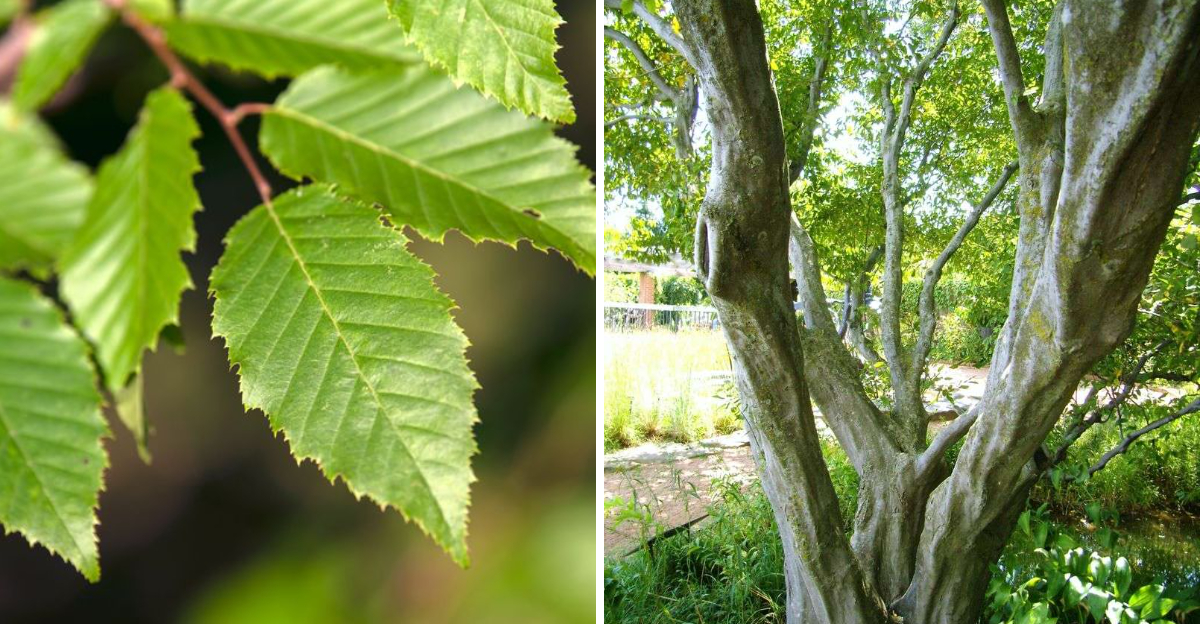
Shade trees are one of the most valuable things a Pennsylvania homeowner can add to their property. But there’s a category of shade trees that most people don’t talk about enough when they’re making that decision.
The ones that drop messy seed pods, aggressive surface roots, or enough leaf litter to turn yard maintenance into a part time job. Shade is great.
Constant cleanup is not. There’s a native Pennsylvania tree that solves this problem beautifully.
It grows to provide the kind of dense, meaningful shade that actually makes a difference in summer comfort and cooling costs, and it does it without the excessive mess that makes some shade trees more trouble than they’re worth.
It’s long lived, well suited to Pennsylvania’s climate, and ecologically valuable in ways that non native shade trees simply cannot match.
For homeowners who want the benefits of a mature shade tree without spending every weekend managing what it drops, this native tree is exactly what they’ve been looking for.
American Hornbeam Forms A Compact Shade Canopy For Smaller Pennsylvania Yards
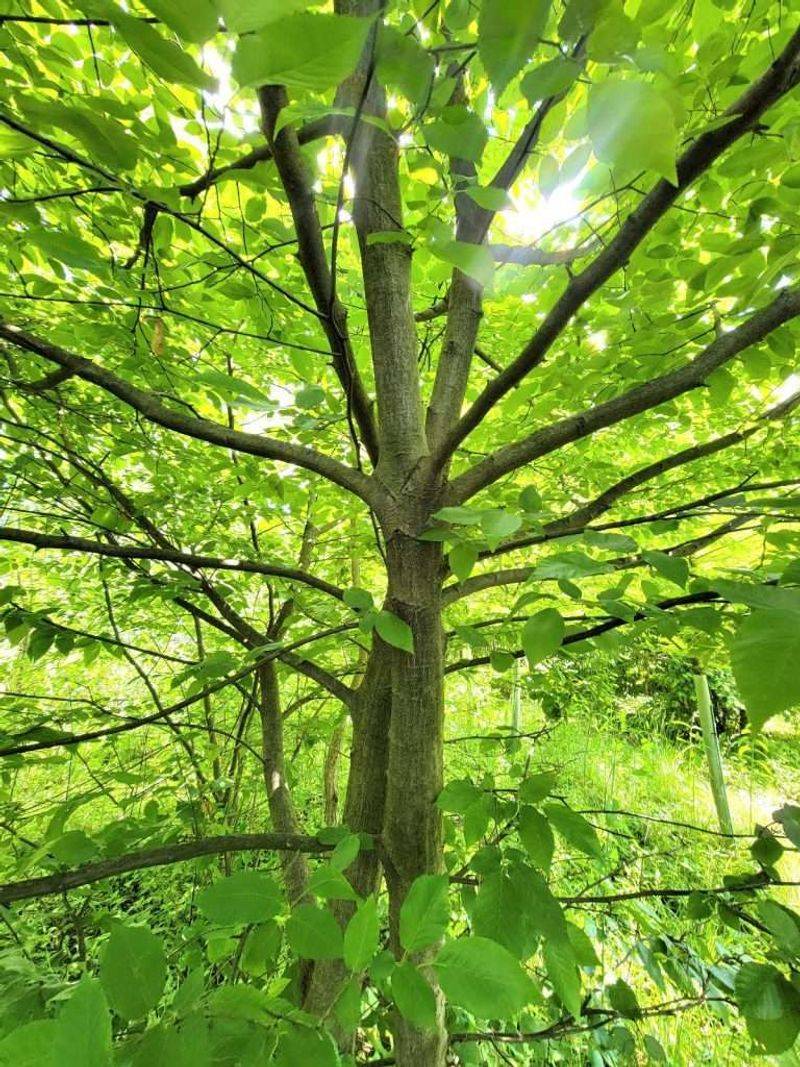
Not every yard has room for a towering oak, and that is exactly where the American hornbeam earns its reputation. Known scientifically as Carpinus caroliniana, this deciduous understory tree is native to Pennsylvania and fits beautifully into smaller landscapes.
It grows slowly but steadily, eventually reaching around 20 to 30 feet tall and spreading 20 to 35 feet wide. That makes it a genuinely manageable choice for homeowners who want real shade without sacrificing their entire outdoor space.
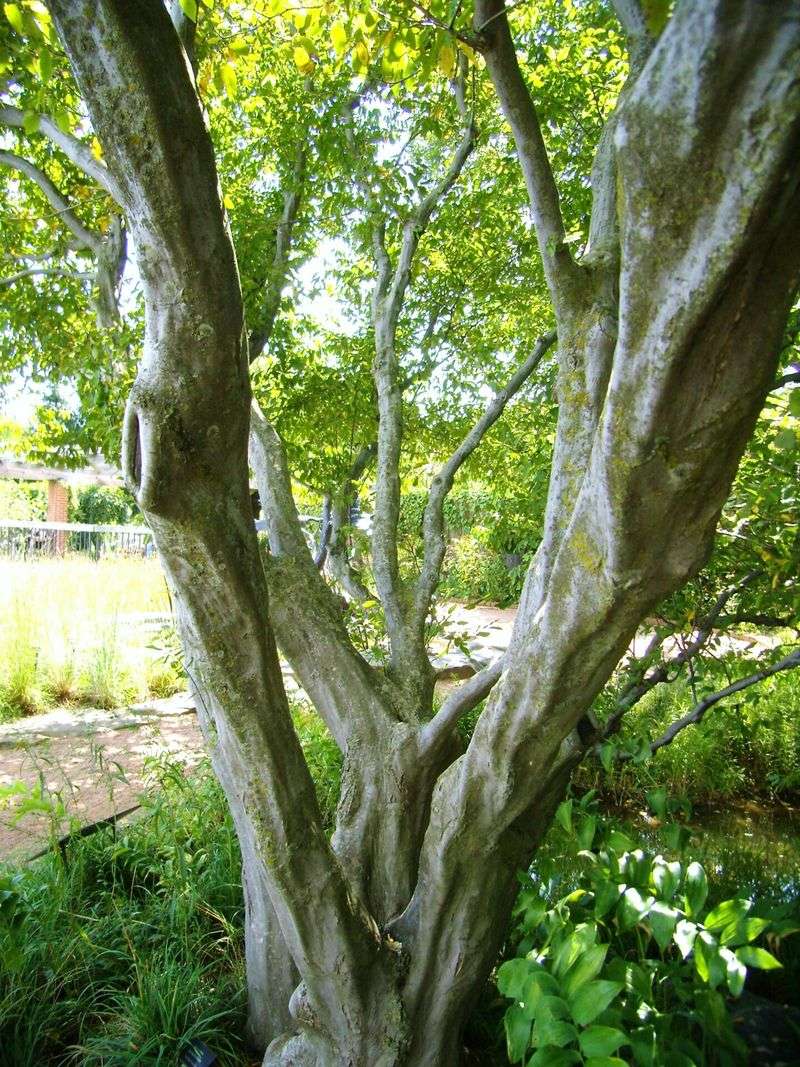
One of the most appealing things about this tree is its flexible form. Some specimens grow with a single defined trunk, while others develop an attractive multi-stemmed silhouette that looks almost sculptural.
Both forms work well in residential settings. The oval or gently spreading crown can shade a patio, a garden bench, or a flower bed with ease, and it does so without overwhelming the surrounding landscape the way a full-sized canopy tree might.
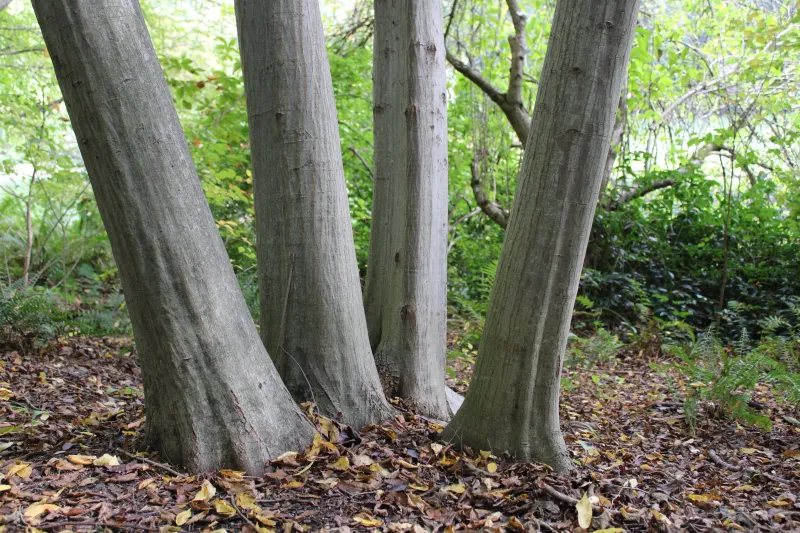
Its muscular-looking bark is another standout feature. The smooth gray trunk has distinctive ridges and sinuous curves that give it a fluted, almost braided appearance.
Landscapers and gardeners often appreciate this texture during winter when the leaves have dropped and the structure of the tree is fully visible.
For Pennsylvania homeowners who want year-round interest from a single planting, the American hornbeam delivers on multiple levels.
It shades in summer, colors in fall, and adds visual character all winter long. Planting one in the right spot creates a low-effort, high-reward addition to any yard.
More Sunlight Produces The Densest Summer Shade
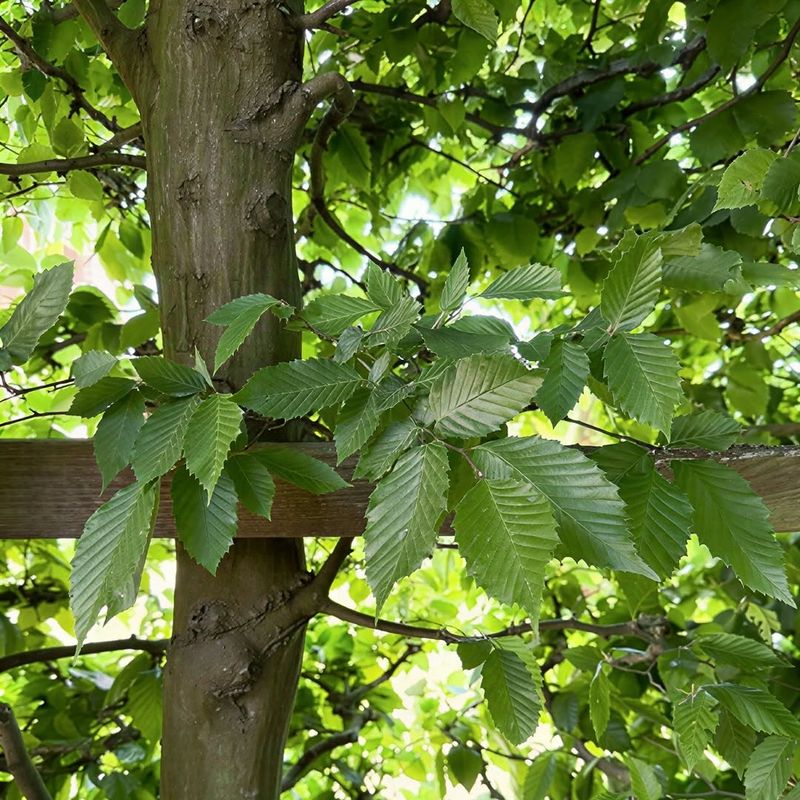
Here is something worth knowing before you pick your planting spot: where you place this tree affects how much shade it actually delivers.
American hornbeam naturally grows in woodland understories, which means it can handle partial shade and even fairly heavy shade from surrounding trees.
However, specimens growing in shadier spots tend to develop more open, airy crowns rather than thick, dense canopies. If maximum shade coverage is your goal, giving the tree more sunlight helps it fill out properly.
Your Pennsylvania Garden Changes Every Week. Your Plan Should Too.
Gardening in Pennsylvania changes quickly throughout the season. Every Friday you’ll receive a simple weekly plan showing exactly what to plant, prune, fertilize, harvest, and protect so you never miss the right timing.
A location with morning sun and afternoon filtered light tends to work especially well in Pennsylvania landscapes.
Full morning sun encourages a fuller crown, while afternoon shade from a fence, building, or neighboring tree protects the hornbeam from harsh drying conditions.
That balance supports healthy canopy development without stressing the tree during hot summer stretches. Avoid planting it in a spot that is completely exposed to intense afternoon sun without any moisture support, particularly in areas with sandy or thin soil.
Canopy thickness also depends on how much growing space the roots have and how consistently the soil stays moist.
A tree planted in ideal conditions, with decent light, rich soil, and reliable moisture, will reward you with noticeably denser shade than one struggling in a dry, cramped location.
So before assuming this tree will automatically shade every corner of your yard, take a careful look at the light patterns and soil quality of your chosen spot.
A little planning upfront goes a long way toward getting the lush, shady canopy you are hoping for when summer arrives.
Small Nutlets Create Less Bulky Litter Than Large Fruits
Fruit cleanup is one of the biggest complaints homeowners have about shade trees. Walnuts crack underfoot, crabapples rot into sticky piles, and sweetgum balls seem designed to cause ankle injuries.
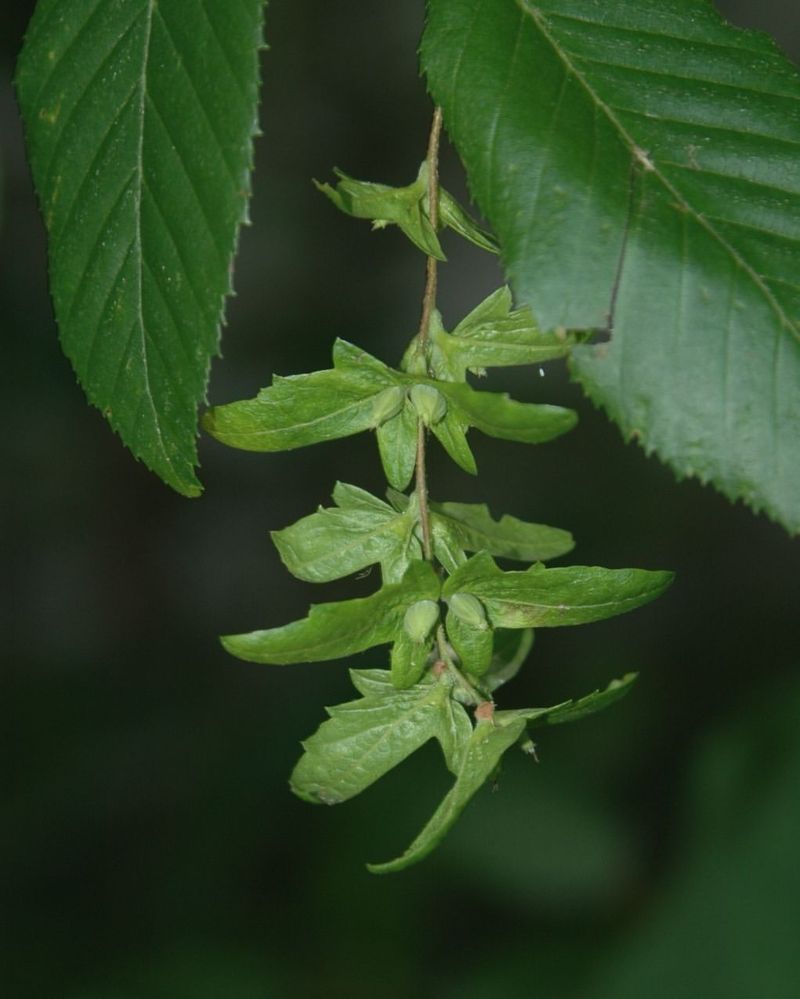
The American hornbeam sidesteps most of that frustration. Instead of large, heavy fruits, it produces small ribbed nutlets attached to three-lobed, leaflike bracts that flutter down gently during late summer and fall.
They are light, dry, and easy to manage compared to the bulky debris other trees leave behind.
Practical comparison matters here. You are not getting a litter-free tree, but you are getting one that creates significantly less mess than many popular alternatives.
The small nutlets do not leave behind sticky pulp, staining residue, or heavy seedpods that clog gutters and damage lawn equipment. For someone who wants a low-maintenance yard, that difference is meaningful.
A quick rake in fall handles most of what the hornbeam drops, and honestly, much of it simply decomposes on its own in garden beds.
There is also a wildlife bonus worth mentioning. Songbirds, ruffed grouse, wild turkeys, and small mammals are all known to feed on hornbeam seeds.
Planting this tree near a garden or naturalized area turns your yard into a subtle wildlife habitat without any extra effort. So the same seeds that create minimal mess for you become a valuable food source for local animals.
That is a pretty satisfying trade-off. The American hornbeam manages to be both tidier than most fruit-bearing trees and genuinely useful to the ecosystem right outside your back door.
Healthy Foliage Usually Needs Little Pest-Related Attention
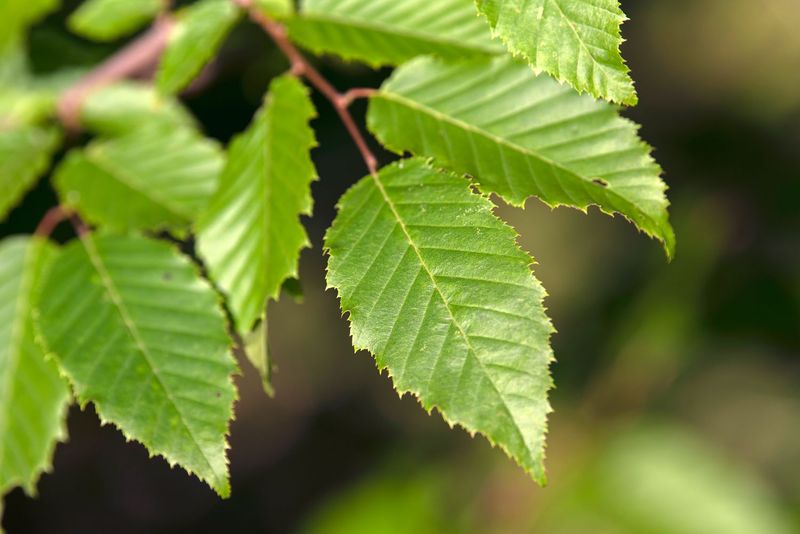
Pest resistance is not something every tree can claim, but the American hornbeam has a solid track record when it comes to foliage health.
Penn State Extension notes that the leaves of this species are seldom significantly marred by insects or disease under normal growing conditions.
That is genuinely good news for homeowners who do not want to spend weekends spraying, monitoring, or treating their trees for recurring problems. In most well-placed landscapes, the hornbeam simply grows without demanding that kind of attention.
Occasional issues can appear, just like with any living plant. Leaf spots, cankers, and twig blight have been observed on American hornbeam, but these problems are not considered defining characteristics of the species.
They tend to show up when trees are stressed by poor soil conditions, improper placement, or environmental extremes rather than as routine annual occurrences.
Keeping the tree healthy through good site selection and proper watering during dry spells is usually enough to prevent most of these concerns from becoming serious.
Pruning is another area where this tree earns its low-maintenance reputation. Its naturally graceful branching structure does not require constant reshaping or heavy shearing to look attractive.
Early structural pruning while the tree is young helps establish a strong form, and after that, most homeowners rarely need to pick up the pruning saw again. Removing crossed or rubbing branches occasionally keeps things tidy, but you are not looking at an annual shaping project.
For busy households, a tree that largely manages its own appearance is a genuine convenience worth appreciating.
Moist, Protected Soil Is The Key To Keeping It Low-Maintenance
Soil conditions make or break the low-maintenance promise of any tree, and the American hornbeam is no exception. Naturally found along streambanks, riverbanks, and woodland understories across Pennsylvania, this tree is built for moist, organically rich soil.
When planted in conditions that mirror its natural habitat, it settles in with minimal fuss and rarely needs extra intervention. That natural adaptability is one of its strongest selling points for homeowners who prefer to plant and step back.
It does show some flexibility with soil texture and can manage in loam, clay, or sandy soils as long as moisture is reasonably consistent. However, prolonged drought is genuinely stressful for this species.
A tree struggling through repeated dry summers will be more vulnerable to the leaf spots and twig issues mentioned earlier, and it may develop a thinner, less attractive canopy over time.
Avoiding highly exposed, wind-swept, or compacted locations keeps the tree in a comfort zone where it can thrive without extra help.
Road salt is another concern in Pennsylvania, especially for trees near driveways or sidewalks that get treated in winter. American hornbeam is sensitive to salt exposure, so keep it away from areas where salt spray or runoff is likely.
A 3-inch layer of organic mulch spread over the root zone helps retain soil moisture, moderate temperature, and reduce competition from grass.
During extended dry stretches, a slow, deep watering session every week or two can make a noticeable difference.
These simple habits protect the tree from the stress that leads to additional maintenance down the road.
It Still Drops Leaves And Must Be Planted In The Right Season
Autumn in Pennsylvania brings some of the most beautiful foliage displays in the country, and the American hornbeam adds its own warm contribution.
Its leaves shift to shades of orange, red, and scarlet as temperatures drop, creating a genuinely attractive seasonal show.
That said, it is important to be clear about what this tree is: a deciduous species that drops its leaves every fall. Anyone expecting a year-round, no-cleanup canopy will need to adjust their expectations.
Leaf raking is part of the deal, even if the overall litter load is lighter than many other shade trees.
The visual reward of fall color makes that seasonal task a little more enjoyable, though. Raking up vivid orange and red leaves feels different from clearing dull brown ones, and many homeowners find the autumn display to be one of the hornbeam’s most charming qualities.
Composting those fallen leaves adds organic matter back to garden beds, turning a chore into a small benefit for the rest of your yard.
Timing your planting correctly is just as important as choosing the right location. Penn State recommends spring planting for American hornbeam because specimens planted during summer or fall tend to establish poorly.
The root system needs time to settle before facing summer heat or winter cold, and spring gives it that window. One more thing to keep in mind: once an American hornbeam is established, moving it is genuinely difficult.
Its spreading root system does not respond well to transplanting, which makes careful initial site selection absolutely essential. Choose the right spot from the start, plant it in spring, and this tree will reward you for decades.