Do This To Ohio Milkweed Before July Ends Or Monarchs Skip Your Yard
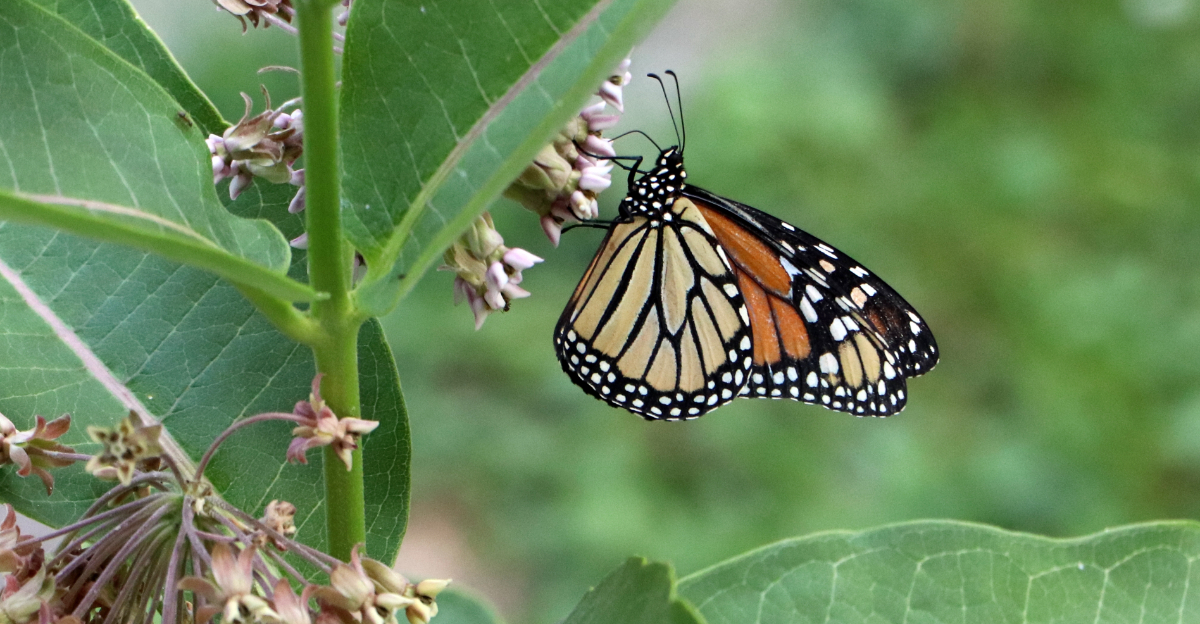
Ohio milkweed in late July looks like it is doing its job. For most of the season it has been.
But a narrow window before July closes determines how useful that plant stays to monarchs through the late summer push. Monarchs passing through Ohio are running on a biological clock that does not negotiate.
The milkweed they stop at needs to offer something specific. Aging, end-of-season plants stop providing it faster than most gardeners realize.
One task before July ends keeps your milkweed productive during the stretch that matters most. Skip it and the plant stays standing but loses most of its value to the butterflies already heading south.
This is not a next weekend task. Late summer monarch movement through Ohio does not pause for anyone’s schedule.
The window is open right now. It will not be for long.
1. Check Every Leaf Before Cutting Anything
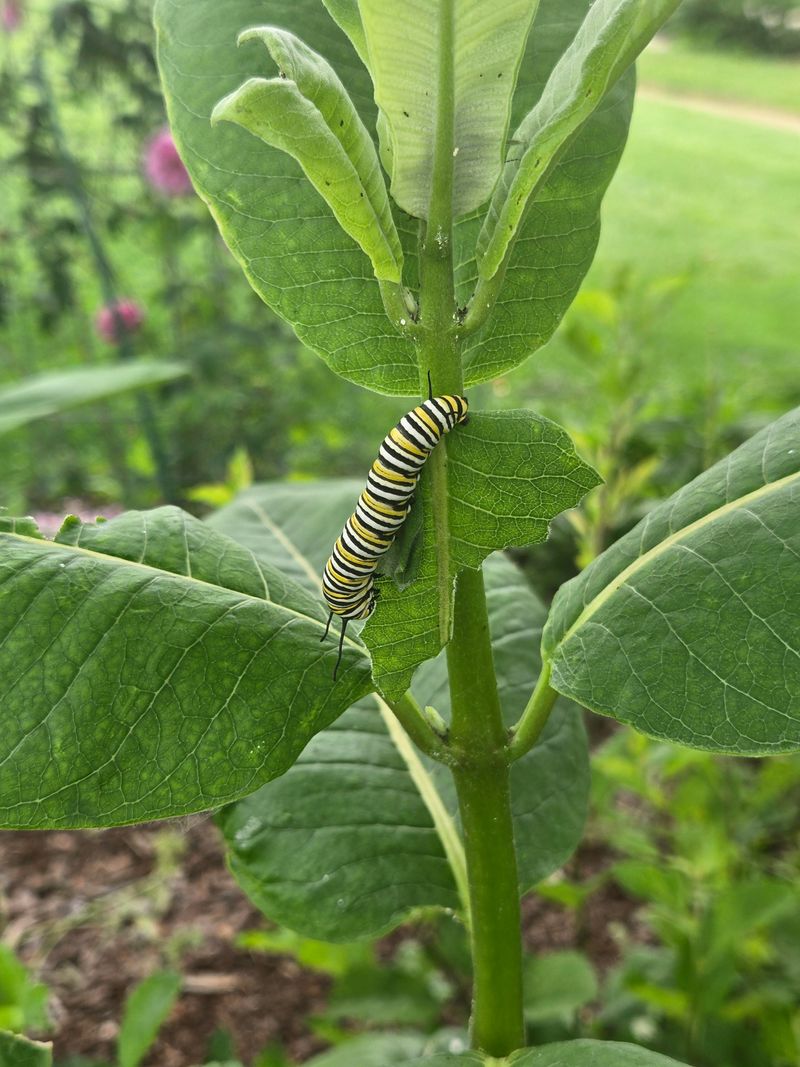
A tiny white egg the size of a pinhead, pressed against the underside of a milkweed leaf, is easy to miss if you are moving fast. Before picking up pruning shears or a mower, slow down and look at every plant in your patch.
Monarch eggs are usually laid on the undersides of leaves, and young caterpillars often hide near tender new growth or along the midrib of a leaf.
Check stems, buds, leaf surfaces, and the soil near the base of each plant. Small first-instar caterpillars are barely visible and can be pale yellow or cream-colored.
Monarch Joint Venture guidance encourages observers to use trusted identification resources when unsure. Other insects also use milkweed and can be confused with monarch larvae.
A quick tidy-up can accidentally remove the very life stages a gardener is hoping to support. That is the core idea behind late-July milkweed care.
Cutting or mowing without checking first is one of the most common ways monarch eggs and young caterpillars are lost in Ohio home gardens. Take your time, work patch by patch, and check both sides of every leaf before deciding what, if anything, needs to go.
2. Leave Healthy Milkweed Standing For Caterpillars
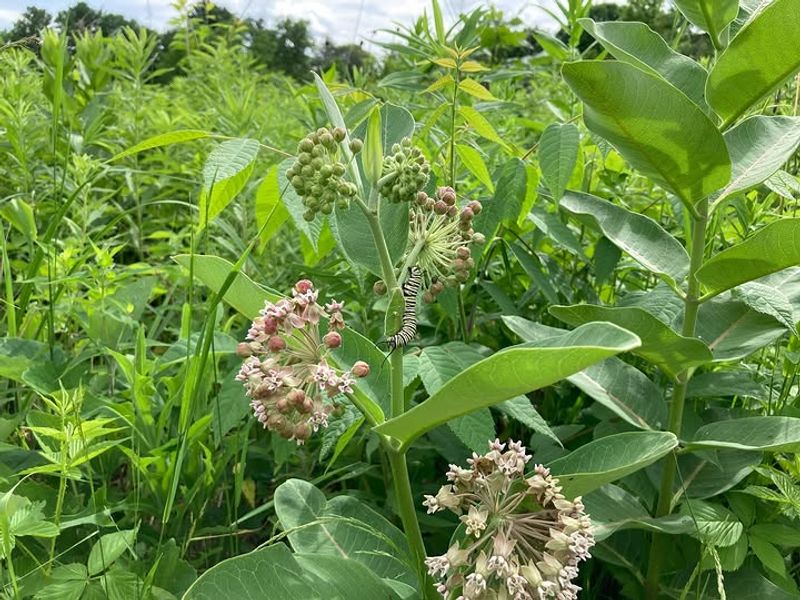
Chewed leaves are not a problem to fix. They are often proof that your milkweed is already doing exactly what it should.
Monarch caterpillars depend on milkweed as their sole larval host plant, which means the leaves are not decoration. They are food, and removing them removes the only thing caterpillars can eat.
OSU Extension and conservation sources consistently describe milkweed as a critical host plant for monarch larvae.
Healthy stems with fresh leaves, visible buds, or active flowers should be left standing during the months when monarchs may be moving through or actively laying eggs.
Ragged, chewed, or partially eaten leaves are signs of feeding activity, not reasons to pull the plant.
Resist the urge to strip old stems or cut back growth that still has leaves attached. Even leaves that look rough around the edges may still be usable by a caterpillar that needs food quickly.
The goal in late July is not a tidy patch. The goal is a useful one.
Your Ohio Garden Changes Every Week. Your Plan Should Too.
Gardening in Ohio changes quickly throughout the season. Every Friday you’ll receive a simple weekly plan showing exactly what to plant, prune, fertilize, harvest, and protect so you never miss the right timing.
Standing milkweed with healthy growth gives caterpillars the food they need to complete their development. It helps them reach the chrysalis stage, where the next generation of monarchs begins.
3. Trim Only Ragged Stems That Need Refreshing
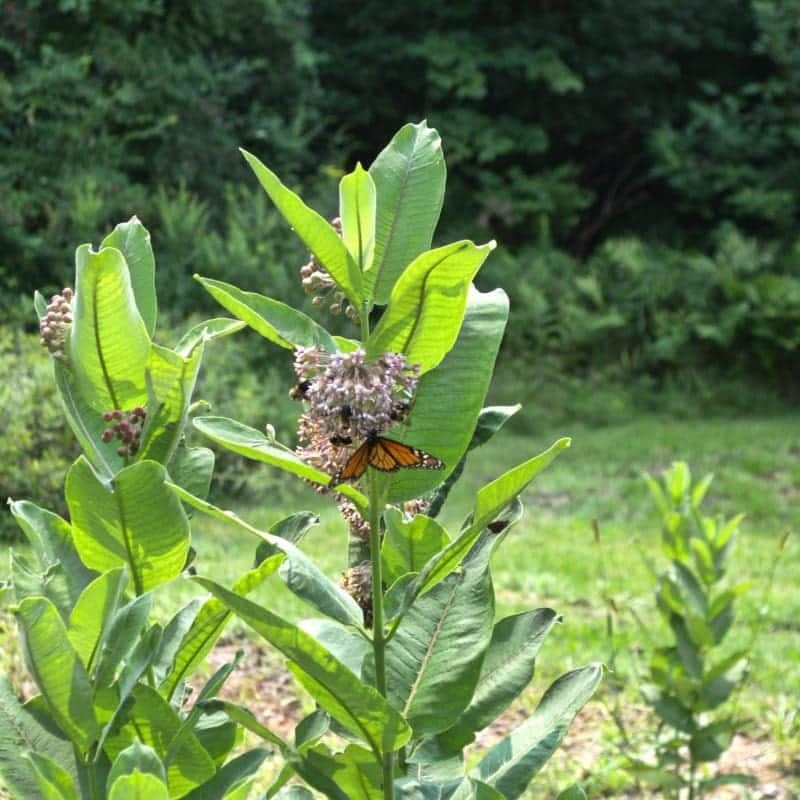
Selective trimming is very different from cutting everything back. Some stems in a milkweed patch may genuinely need attention.
A collapsed stem, a heavily diseased stalk, or a spent flower head may be a candidate for careful removal. Only remove it after a slow, thorough inspection confirms no eggs or caterpillars are present.
When trimming is needed, use clean pruning shears and cut only the specific stems that are truly spent or damaged. Leave the surrounding healthy growth untouched.
Xerces Society guidance cautions against blanket mowing or cutting of milkweed during the growing season, especially when monarch activity is possible in the area.
Some research suggests that cutting milkweed stems at certain times can stimulate fresh regrowth, which may attract egg-laying females later in the season. However, this approach works best when done selectively and cautiously, not as a universal July rule.
Careless trimming reduces both food for caterpillars and nectar for adult butterflies. If a stem looks rough but still has leaves and no signs of disease, leaving it alone is almost always the safer choice.
Let the plant do its work before deciding it needs to be refreshed.
4. Water Dry Plants Before Leaves Turn Tough
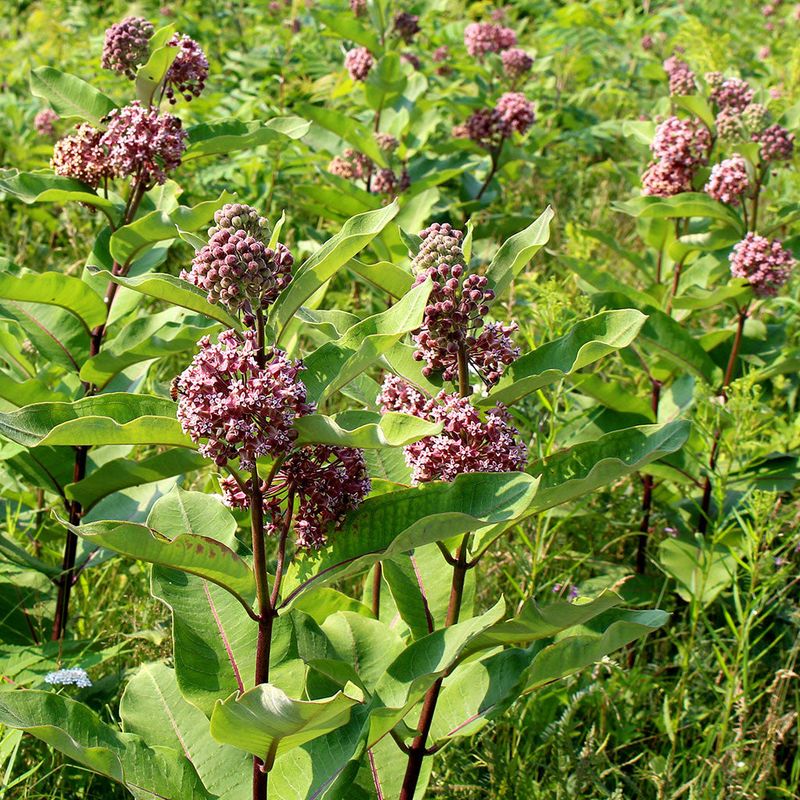
Dry July heat can leave milkweed looking wilted, dusty, and less lush than it was in June. When soil moisture drops, leaves can become tougher and less palatable to caterpillars that need soft, fresh plant tissue to feed on efficiently.
Checking soil moisture before watering is always a smart first step, since overwatering can cause its own set of problems for native plants.
During dry spells, watering deeply at the root zone is more effective than frequent shallow watering. Deep watering encourages roots to grow downward, which helps plants handle future dry periods more independently.
A light layer of mulch around the base of the plant can help retain moisture between watering sessions without smothering the root crown.
Different Ohio native milkweed species handle drought differently. Butterfly weed, for example, is known for its drought tolerance once established, while swamp milkweed prefers consistently moist soil.
University extension sources note that young or recently transplanted milkweed plants may need more consistent moisture than established ones.
Watering thoughtfully during dry periods helps keep leaves fresh and usable, which matters when a monarch caterpillar needs reliable food.
It will not guarantee a monarch visit, but it keeps the habitat ready when one does arrive.
5. Skip Pesticides Anywhere Near The Patch
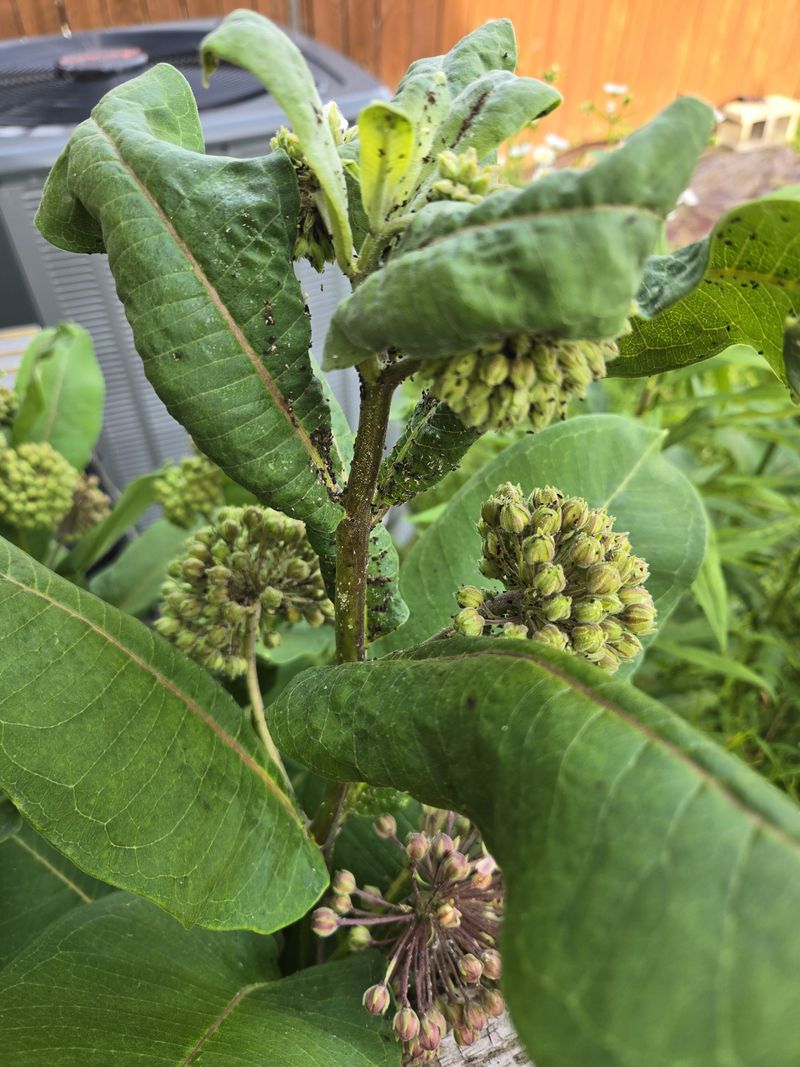
Even a small amount of insecticide near a milkweed patch can harm monarch caterpillars and adult butterflies. It can also harm other beneficial insects that share the Ohio garden.
Insecticides do not distinguish between pest insects and pollinators. Butterflies and their larvae are just as vulnerable as the aphids or beetles a gardener might be trying to control.
Xerces Society guidance warns that systemic insecticides, including neonicotinoids, can persist in plant tissue and may affect insects that feed on treated plants.
Herbicide drift from nearby lawns or neighboring properties can also damage milkweed leaves and reduce their usability as a host plant.
Reading product labels carefully and keeping all sprays well away from the milkweed patch is a basic but important step.
Pest management around pollinator plants works best when done by hand where safe and practical. Aphids on milkweed, for example, can sometimes be knocked off with a firm spray of water.
Accepting some pest damage as part of a living habitat is part of supporting a healthy garden ecosystem. A few chewed leaves or some aphid clusters do not mean the plant is failing.
They mean the garden is alive, and that is exactly the kind of habitat monarchs may choose to use.
6. Add Late Nectar Flowers Around The Milkweed
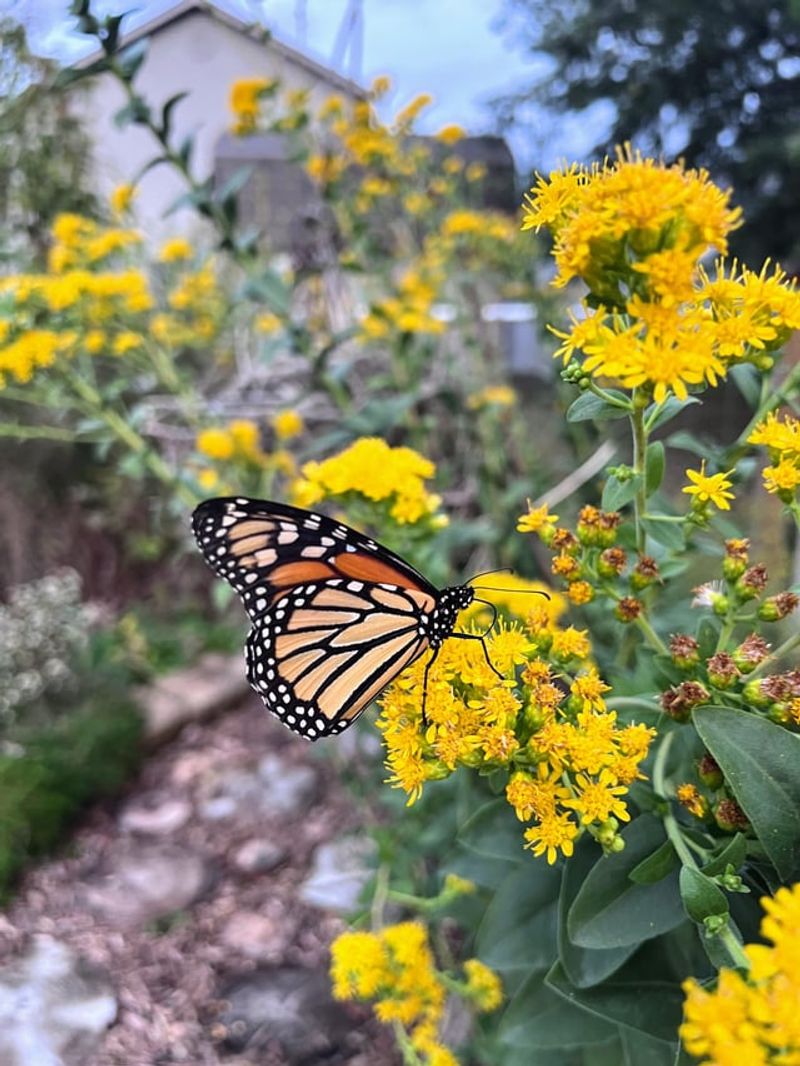
Milkweed gives monarchs a place to lay eggs and gives caterpillars their only food source. Adult butterflies also need nectar to fuel their movement, especially as late summer approaches and migration begins.
A garden that offers only milkweed may be less attractive to adult monarchs. A stronger option pairs milkweed with reliable late-season nectar sources.
Native plants that bloom in late summer and fall are especially useful. Goldenrod is one of the most well-documented native nectar sources for monarchs and many other pollinators.
Purple coneflower, blazing star, Joe Pye weed, ironweed, and native asters are also frequently cited by Monarch Joint Venture and Xerces Society as beneficial additions to monarch habitat gardens.
Pairing milkweed with these native bloomers creates a more complete habitat that supports monarchs at multiple life stages. It also benefits bees, native wasps, skippers, and other pollinators that share the garden space.
Adding late nectar plants does not replace the importance of milkweed. Milkweed remains the center of any monarch habitat plan.
But surrounding it with plants that bloom into August and September can extend the usefulness of the garden. That matters once some milkweed species begin to slow down for the season.
7. Keep Tropical Milkweed Out Of The Plan
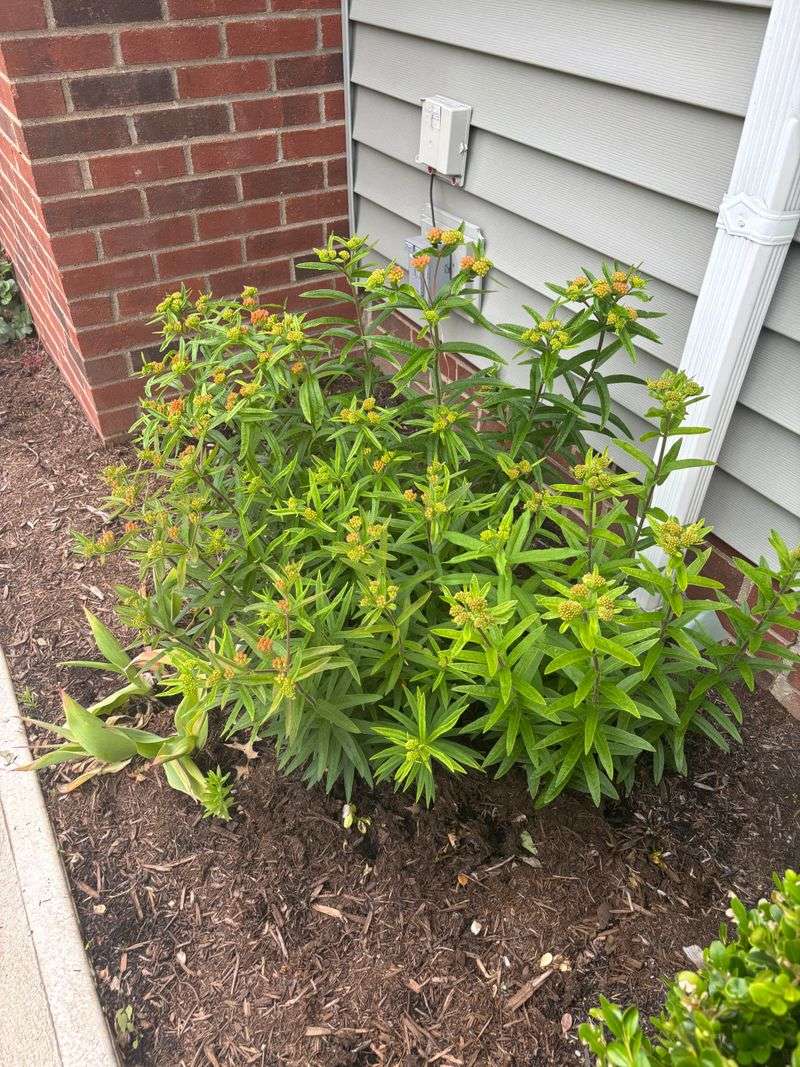
Not every milkweed sold at a garden center is equally useful for monarch conservation in this region. Tropical milkweed, often sold under the name Asclepias curassavica, is widely available and easy to grow.
But expert guidance increasingly recommends that Ohio gardeners in northern and central regions focus on native milkweed species instead.
Monarch Joint Venture has noted concerns about tropical milkweed in warmer climates, where it may not go dormant in winter. In those areas, it can potentially contribute to the spread of a protozoan parasite called OE, or Ophryocystis elektroscirrha.
In colder states, winter typically destroys tropical milkweed back, which reduces some concerns. But native species remain the more reliable and ecologically appropriate choice for local gardens.
Common milkweed, swamp milkweed, and butterfly weed are all native to this region and well-suited to Ohio local gardens. When purchasing plants, look for nursery-propagated stock from reputable native plant nurseries.
Ask whether plants have been treated with systemic insecticides, since treated milkweed can be harmful to caterpillars even if it looks healthy. Avoiding wild-collected plants protects native populations.
Choosing the right milkweed from the start makes every other late-July care step more effective and more meaningful for monarch conservation.
8. Let Native Milkweed Carry The Yard Into August
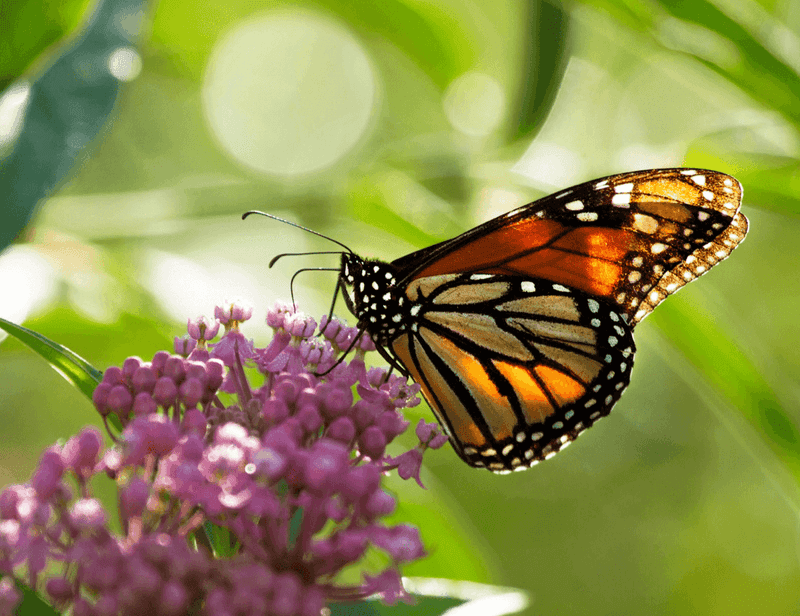
Before July ends, the best move a gardener can make is not a dramatic cutback. It is a careful walk through the patch with fresh eyes and a willingness to leave most of it alone.
Inspect every plant for eggs, caterpillars, and signs of feeding activity. Leave healthy stems standing.
Trim only what truly needs it, and only after checking thoroughly.
Water during dry spells, especially for younger or recently planted native milkweeds. Keep pesticides well away from the patch and from surrounding plants.
Add late-blooming native nectar flowers nearby to give adult monarchs something to fuel up on as the season shifts. Choose native milkweed species from trustworthy sources, and avoid plants that may have been treated with systemic chemicals.
Monarch visits are never guaranteed. They depend on weather, migration timing, local milkweed supply, surrounding habitat, and many factors beyond any single yard.
But a patch with protected native milkweed, fresh leaves, nearby nectar, and no pesticide exposure is far more likely to be useful. That beats one tidied too aggressively before the season finished.
Before July closes out, make the milkweed patch safer, fresher, and more welcoming, not just neater. That is the difference between a yard monarchs pass over and one they may actually stop to use.