The Pennsylvania Native Wildflower That Does More For Your Garden Than Any Other Plant
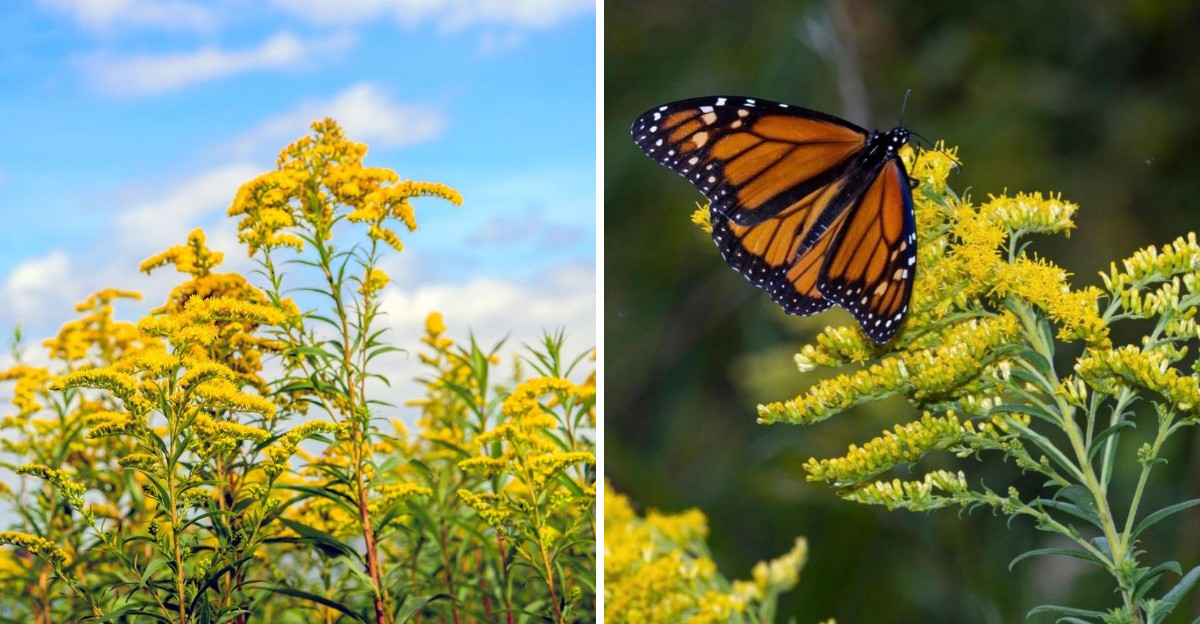
For years, this wildflower has been blamed for something it never did. Every late summer, as sneezing season kicks in, people point at the tall yellow plumes lining Pennsylvania roadsides and fields.
But the real troublemaker is a different plant blooming at the same time. This one’s pollen is too heavy to float around in the breeze. Instead, it’s carried from flower to flower by insects. And insects absolutely love it.
When most of the garden is winding down, this native keeps the party going. Bees, butterflies, and migrating monarchs fuel up on its nectar well into fall.
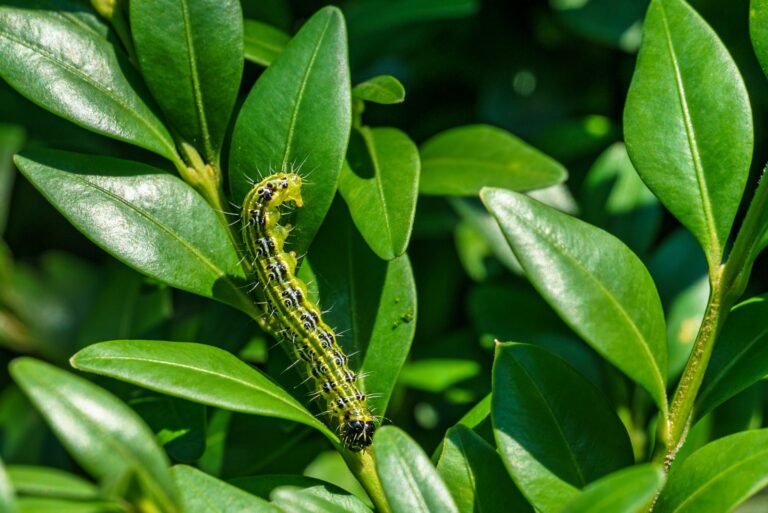
Over 100 kinds of caterpillars feed on its leaves, which means more food for songbirds raising their young. Its seeds help birds through winter, too.
Few plants give back this much while asking for so little. It’s time this hardworking native got the credit it deserves.
Goldenrod, A Wildlife Powerhouse
Scientists have a special name for plants that hold a whole food web together. They call them keystone plants. Goldenrod is one of the best examples you can find anywhere in Pennsylvania.
Goldenrod is not just one plant. It is a big group of native perennials, which means they come back year after year.
Pennsylvania is home to more than 25 different kinds, and they grow in fields, woods, wetlands, and along roadsides.
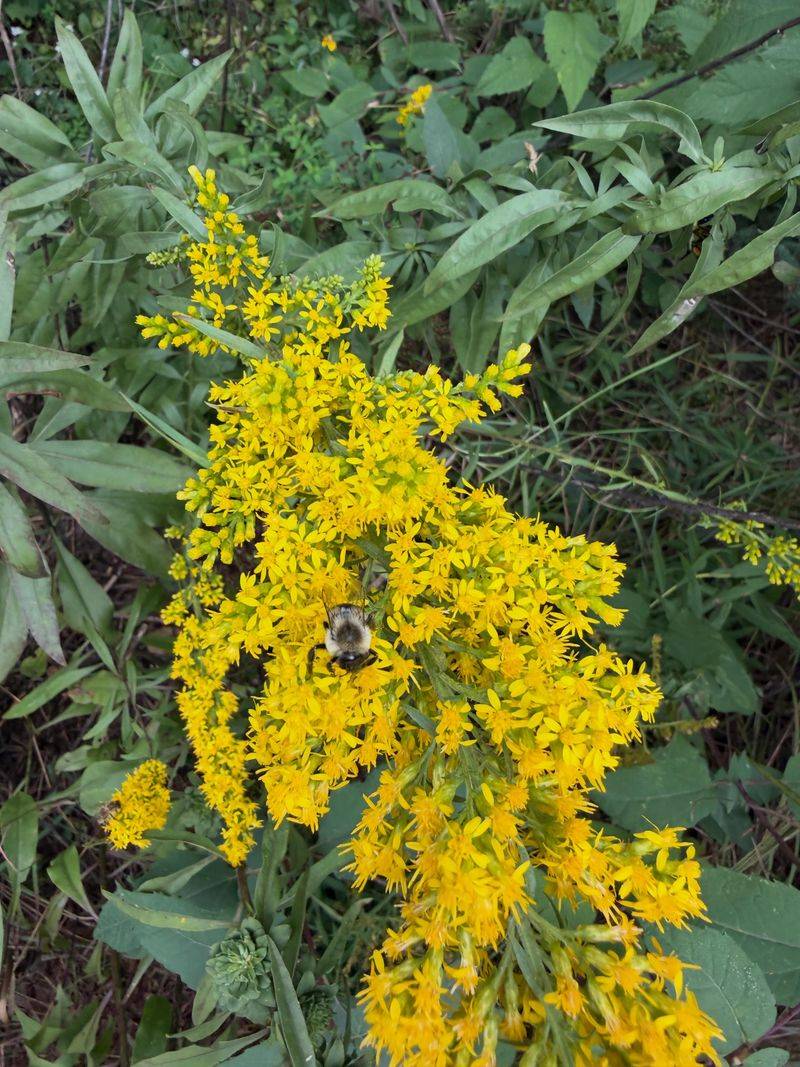
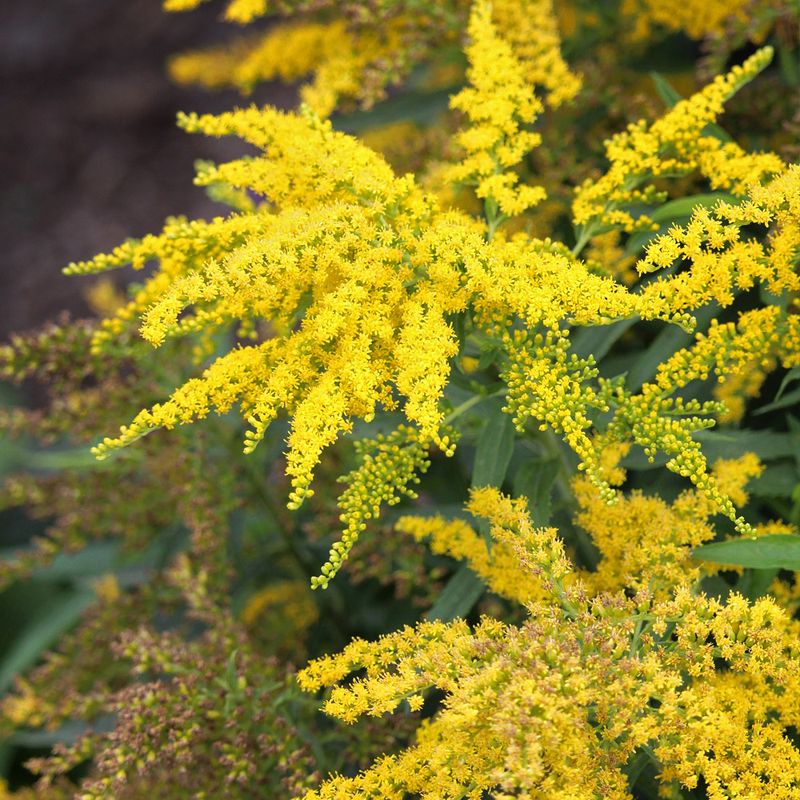
Each plant sends up tall stems topped with fluffy sprays of tiny yellow flowers. From far away, a field of goldenrod looks like it is glowing. Up close, you will notice every little bloom is busy with visitors.
Why does it matter so much? Research by entomologist Doug Tallamy shows that goldenrod supports more than 100 kinds of caterpillars.
Those caterpillars become meals for birds, frogs, and other animals. Very few garden plants come close to that number.
Many popular garden flowers come from other countries. They may look pretty, but local insects often cannot eat them.
Goldenrod grew up alongside Pennsylvania wildlife for thousands of years, so the two fit together like puzzle pieces.
Here is a fun bit of history. Thomas Edison once tried to make rubber from goldenrod leaves. He grew a giant plant over 12 feet tall in his experiments!
If you have room for only one native wildflower, goldenrod gives you the biggest payoff. Try planting a small patch near a sunny fence or garden edge.
Within a season or two, you will likely notice more buzzing, fluttering, and chirping in your yard than ever before.
A Late-Season Lifeline For Pollinators
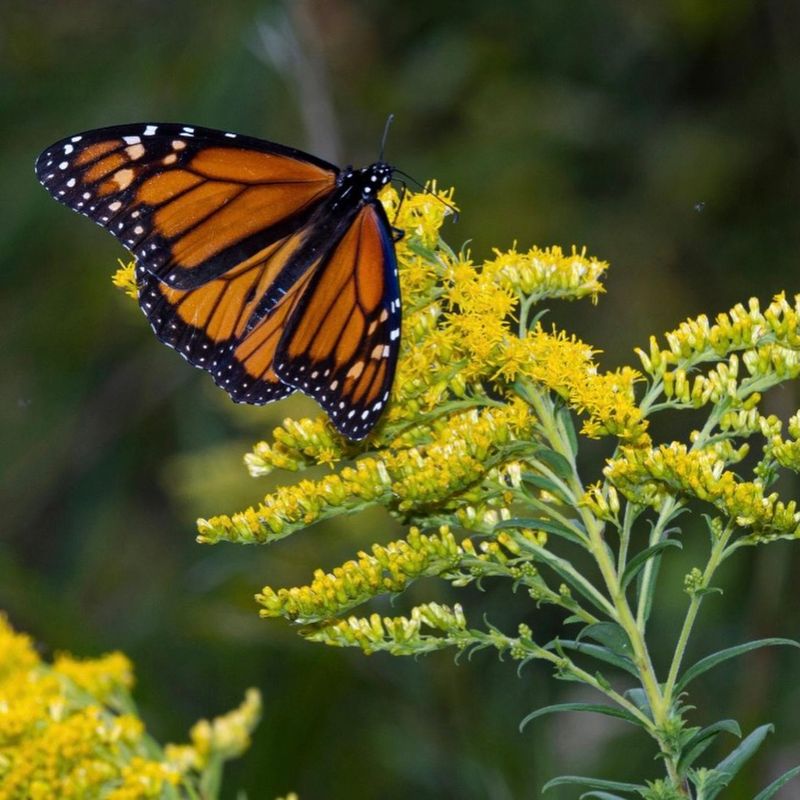
By late August, most summer gardens start to look tired. Coneflowers fade, bee balm turns brown, and the bees begin searching harder for food. That is exactly when goldenrod steps onto the stage.
Goldenrod blooms from late summer well into October. For pollinators, it is like finding a full grocery store when every other shop has closed. Bees, wasps, beetles, flies, and butterflies all crowd onto its flowers.
Honeybees and native bumblebees need to stock up before cold weather arrives. Goldenrod gives them plenty of nectar for energy and pollen for protein.
Your Pennsylvania Garden Changes Every Week. Your Plan Should Too.
Gardening in Pennsylvania changes quickly throughout the season. Every Friday you’ll receive a simple weekly plan showing exactly what to plant, prune, fertilize, harvest, and protect so you never miss the right timing.
Beekeepers often say their hives smell a little funky in fall, and goldenrod nectar is the reason!
Monarch butterflies depend on it too. Each fall, monarchs fly from Pennsylvania all the way to the mountains of Mexico.
That trip can be over 2,000 miles long. Along the way, they stop to sip goldenrod nectar and build up fat reserves.
Without late bloomers like goldenrod, many of these travelers would run low on fuel. A patch in your yard works like a roadside rest stop for them.
Want to help even more? Pair goldenrod with other fall bloomers like New England aster. The purple and yellow look stunning together, and pollinators love the combo.
Also, skip pesticides near your flowers. Even small amounts can harm bees and butterflies. Let the plants do their work naturally.
Next fall, grab a lawn chair and sit near your goldenrod on a sunny afternoon. Count how many different visitors show up in ten minutes. You might be amazed by the busy little crowd.
Food For Birds Through Fall And Winter
Songbirds are surprisingly picky parents. Most baby birds cannot eat seeds. They need soft, protein-packed insects, especially caterpillars, to grow strong.
A single chickadee family may need thousands of caterpillars before the young leave the nest.
Goldenrod hosts over 100 species of them, so it becomes a baby food pantry for your local birds. Later in the season, those same insects help adult birds bulk up before migration.
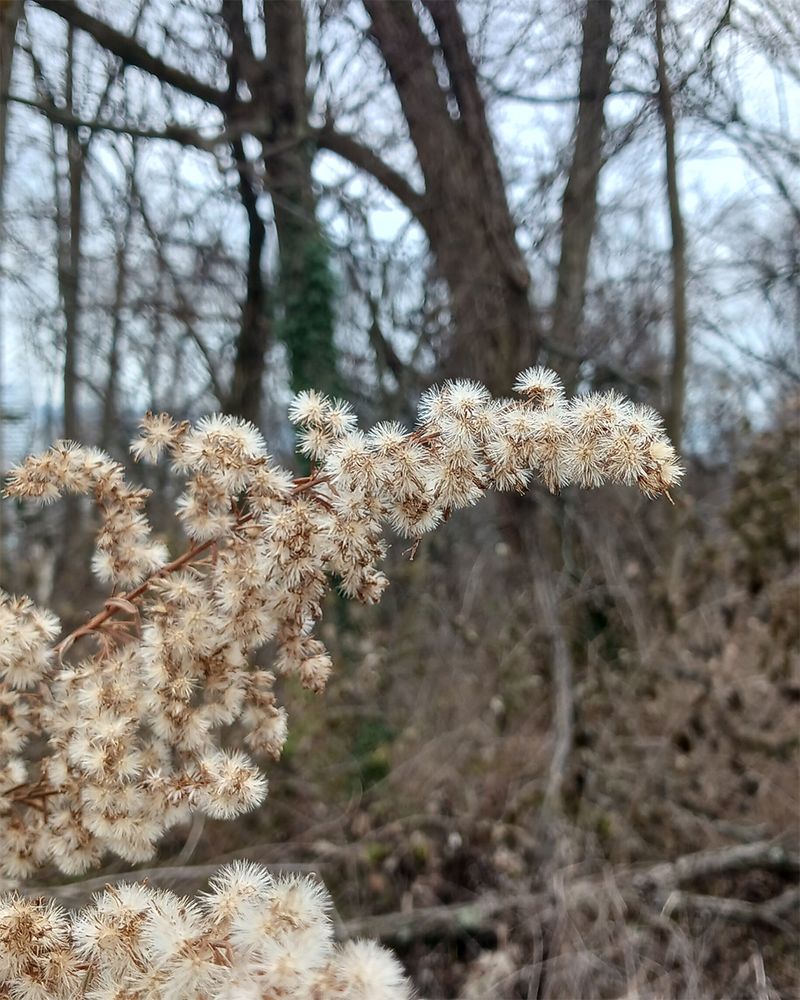
Once the flowers fade, the feast keeps going. Goldenrod seeds ripen into fluffy tufts that goldfinches, juncos, and sparrows gladly eat. Watching a bright finch balance on a swaying stem is a real treat.
Now for the coolest part. Look closely at goldenrod stems in winter and you may spot round bumps about the size of a marble. Those are galls, made by a tiny fly called the goldenrod gall fly.
The fly lays an egg in the stem. The plant grows a cozy ball around the larva, which spends the winter snug inside. Harmless to the plant, the gall becomes a hidden snack bar.
Downy woodpeckers and chickadees know this trick. They peck small holes in the galls to grab the larvae during cold months when food is scarce. If you find a gall with a jagged hole, a bird probably got lunch!
So here is a simple tip. Do not cut your goldenrod down in fall. Leave the stems standing all winter.
They give birds food and shelter, and they look lovely dusted with snow. Trim them back in spring once new green shoots appear.
It Doesn’t Cause Hay Fever
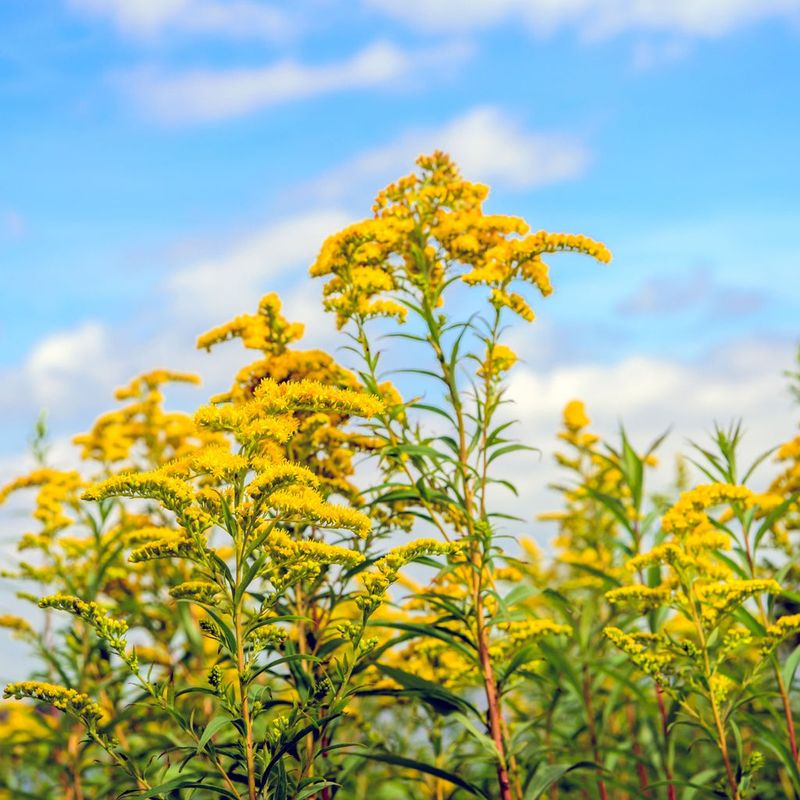
Poor goldenrod has been blamed for something it did not do. For years, people sneezing in September pointed at the bright yellow flowers and said, there is the problem. Turns out, they were accusing the wrong plant.
The true troublemaker is usually ragweed. It blooms at the same time as goldenrod and often grows in the same fields. But ragweed is easy to overlook. Its flowers are small, green, and dull, so nobody notices it.
Goldenrod catches the eye because it is showy. That brightness is actually a clue. Plants with colorful flowers want to attract insects. They do not need the wind to spread their pollen.
Goldenrod pollen is heavy and sticky. It clings to bees and butterflies as they move from flower to flower. It is not light enough to float through the air and up your nose.
Ragweed works the opposite way. One ragweed plant can release up to a billion grains of tiny, dry pollen. The wind can carry it for miles. That is what makes allergy sufferers miserable.
Here is a quick way to tell them apart. Goldenrod has bright yellow plumes and narrow leaves. Ragweed has fern-like, deeply cut leaves and drooping green flower spikes.
Of course, if you bury your face in a bouquet of any flower, you might sneeze a little. That is just normal. But planting goldenrod in your yard will not trigger fall allergies.
So go ahead and share the good news with your neighbors. Goldenrod deserves a fresh reputation as a helpful, friendly garden guest.
Easy To Grow In Tough Spots
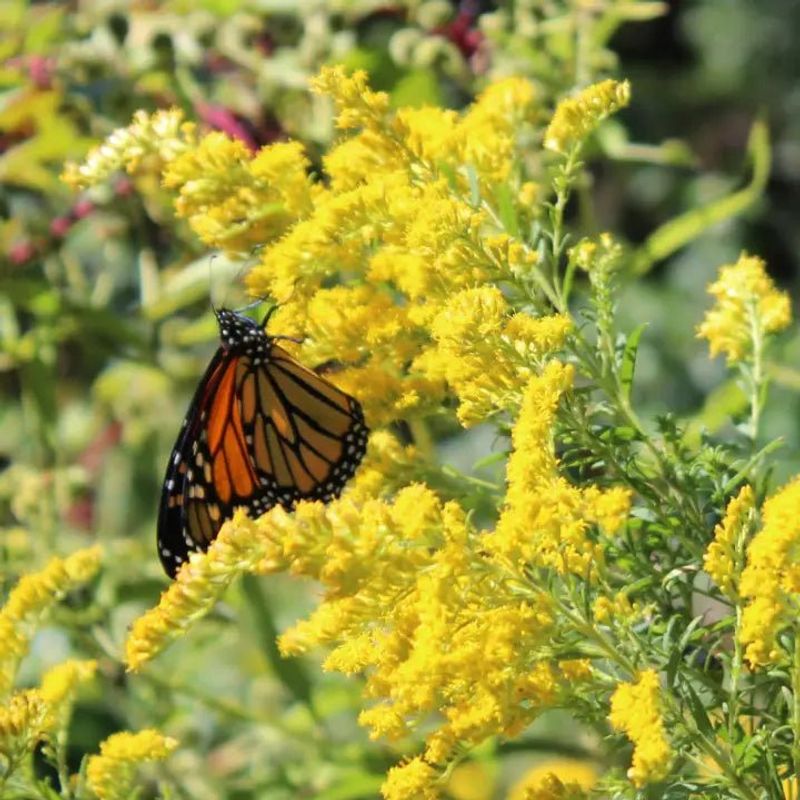
Got a patch of yard where nothing seems to grow? Maybe the soil is hard clay, or the ground bakes dry every August. Goldenrod might be the answer you have been looking for.
Most goldenrods love full sun. Give them at least six hours of sunlight a day, and they will reward you with plenty of flowers.
They are not fussy about soil either. Sandy, rocky, clay, or plain old poor dirt usually works just fine.
You do not need fancy fertilizer. In fact, rich soil can make goldenrod grow too tall and flop over. A little tough love keeps the stems sturdy and upright.
Water new plants regularly during their first season. Once their roots settle in, they can handle dry spells on their own. That makes them perfect for busy families or anyone who forgets to water now and then.
Shady yard? No problem. Zigzag goldenrod grows happily in part shade under trees. Its stems bend back and forth in a zigzag pattern, which is how it got its fun name.
Blue-stemmed goldenrod also does well in woodland spots. Planting is simple. Spring or early fall is the best time. Dig a hole as deep as the pot, set the plant in, and press the soil firmly around it.
Deer usually leave goldenrod alone, which is great news in much of Pennsylvania. Rabbits tend to skip it too.
If a clump gets crowded after a few years, just dig it up in spring and split it. Replant the pieces or share them with a friend.
Choosing The Right Goldenrod For Your Garden
Not all goldenrods behave the same way. Some are polite garden guests, while others act like they own the place. Picking the right one makes all the difference.
Canada goldenrod is a classic example of a spreader. It sends out underground stems called rhizomes that pop up new plants all around. In a big meadow, that is wonderful. In a small flower bed, it can take over fast.
Tall goldenrod behaves in a similar way. Save these fast growers for large open spaces, fields, or the back edges of a property where they can roam freely.
For tidy garden beds, choose clump-forming types instead. These grow in neat bunches and stay close to where you plant them.
Showy goldenrod lives up to its name. It has thick, bright yellow flower spikes and stands about two to four feet tall. Gray goldenrod is shorter and handles dry, poor soil like a champ.
Then there is Fireworks, a popular cultivar of rough goldenrod. Its flowers arch out in long sprays, just like a burst of fireworks in the sky. It stays around three feet tall and mixes beautifully with other perennials.
When shopping, look for local native plant nurseries. Pennsylvania has many great ones, and their staff can suggest the best choice for your yard. Try to find plants grown without pesticides so they stay safe for pollinators.
Start small with three to five plants. Group them together for a bigger splash of color. With the right pick, you will enjoy golden blooms and a lively garden full of wildlife for years to come.