This Invasive Florida Vine Starts Flowering In Fall – Remove It Before The Seeds Come Next
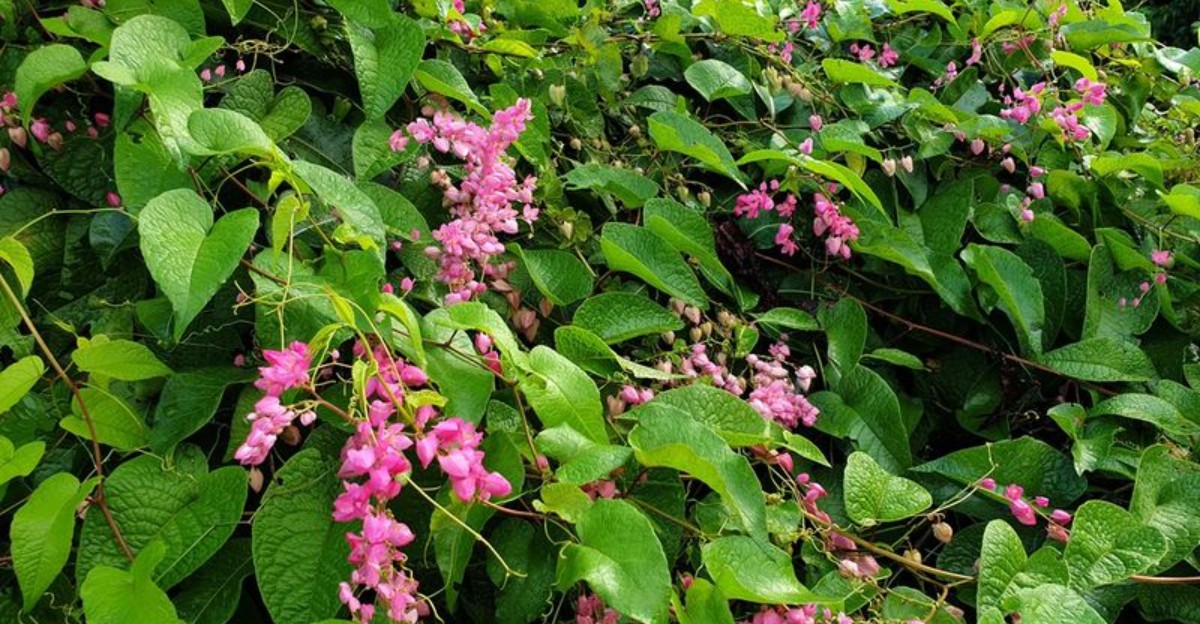
Pink flowers blanketing that fence line might look like a fall garden win, but you’re watching a much bigger problem bloom right in front of you.
This vine waits until fall to put on its show, timing that lulls plenty of Florida homeowners into admiring it instead of pulling it.
Those same flowers turn into seeds fast, and once that happens, the plant’s already won the next round before you’ve even noticed the shift from bloom to seed pod.
Removal gets a lot harder once seeds enter the picture. What starts as one manageable vine on your fence can end up scattered across the neighborhood, riding along with birds and rainwater to spots you’ll never think to check.
Pull it now while it’s still just flowers. Wait for those seeds to show up, and you’re not managing one vine anymore, you’re managing a spreading problem with your name on it.
1. Spot Coral Vine Before Its Fall Flowers Peak
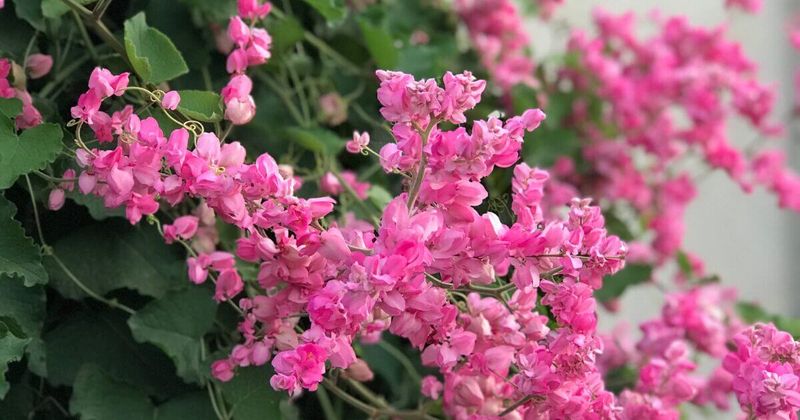
Picture a fence that looked plain in August. By October, it may be wearing a bright pink scarf of blooms.
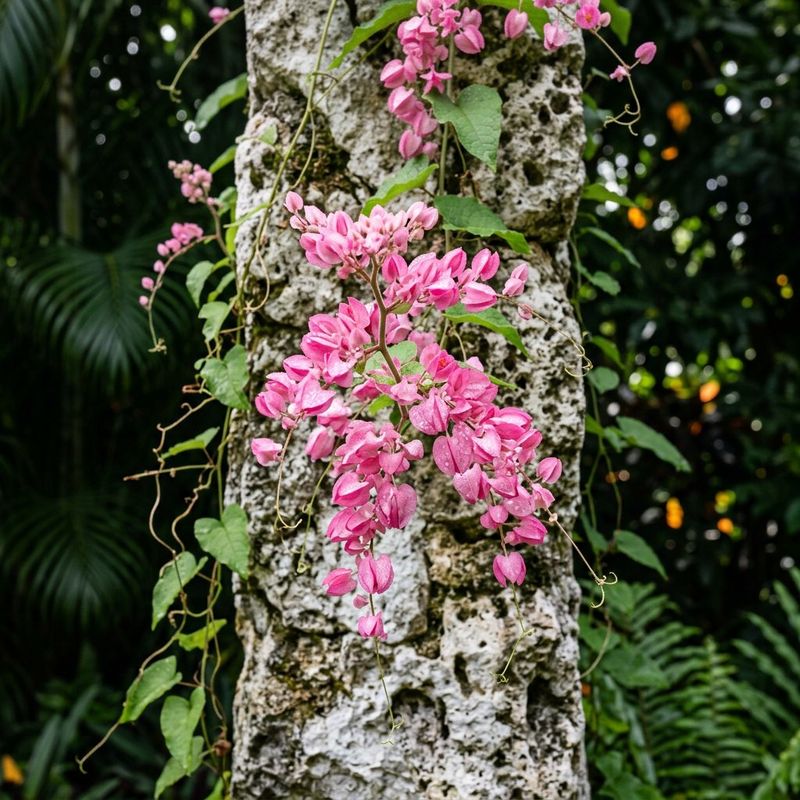
That sudden makeover is often coral vine, known to scientists as Antigonon leptopus. It came from Mexico and Central America and reached Florida around 1924 as a garden plant.
Today, the Florida Exotic Pest Plant Council lists it as a Category II invasive plant. That means it spreads fast and pushes out native plants in many places.
Early spotting makes your job much easier. Look for pale green leaves shaped like hearts, arrows, or triangles along thin, twisting stems.
The flowers can show up from spring to fall. In warm, southern parts of the state, they may even bloom all year.
Fall is when the show gets loud, though. Catching the vine before it reaches full bloom gives you a head start on the seeds that follow.
Take a slow walk around your yard once a week in late summer. Check fence lines, sheds, mailbox posts, and shady corners where vines like to sneak in.
Snap a photo if you are unsure. Your local UF/IFAS Extension office can help confirm what you found, and it is free to ask.
A few minutes of looking now can save hours of pulling later.
2. Look For Pink Clusters Along Fences And Trees
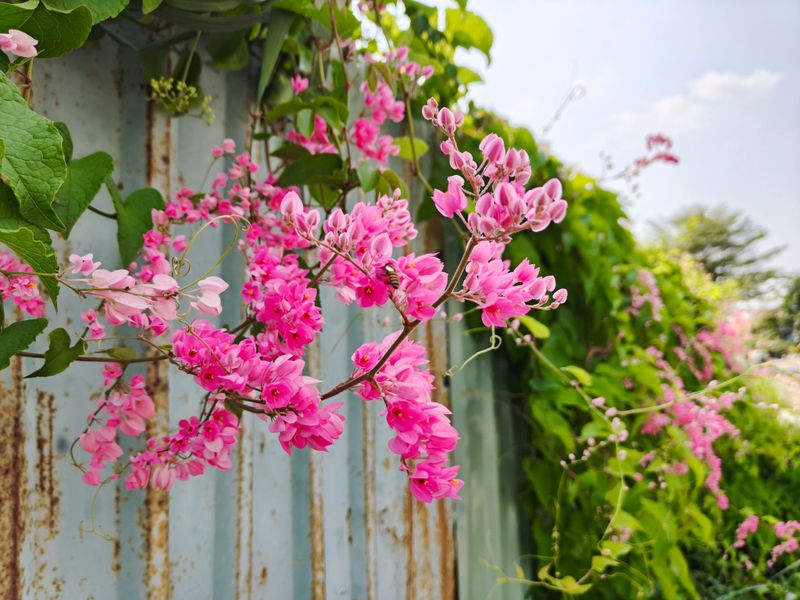
Ever notice a tree that seems to be blushing? Those pink sprays hanging from its branches might not belong to the tree at all.
Coral vine grows its flowers in loose clusters called panicles. Each cluster holds many small blooms, usually coral-pink, but sometimes red or white.
The vine is a skilled climber. It uses curly tendrils, like tiny green springs, to grab onto anything nearby.
Fences are a favorite target. Chain-link, wood slats, and trellises all give the tendrils easy places to hook on and pull the plant upward.
Trees are next on the list. The vine can race into the canopy and stretch 25 to 40 feet or more.
Your Florida Garden Changes Every Week. Your Plan Should Too.
Gardening in Florida changes quickly throughout the season. Every Friday you’ll receive a simple weekly plan showing exactly what to plant, prune, fertilize, harvest, and protect so you never miss the right timing.
Here is a handy trick for checking. Follow a pink cluster back down to its stem, and see if thin tendrils are wrapped around nearby wires or twigs.
If they are, you likely found coral vine. Native plants rarely form such thick pink curtains in fall.
Also peek at roadsides, vacant lots, and the edges of parks. Birds carry seeds from those spots into home gardens.
Knowing where it hides helps you guard your own space. Plus, you might be able to warn a neighbor who thinks it is just a pretty flower.
3. Remove Coral Vine Before Seeds Mature
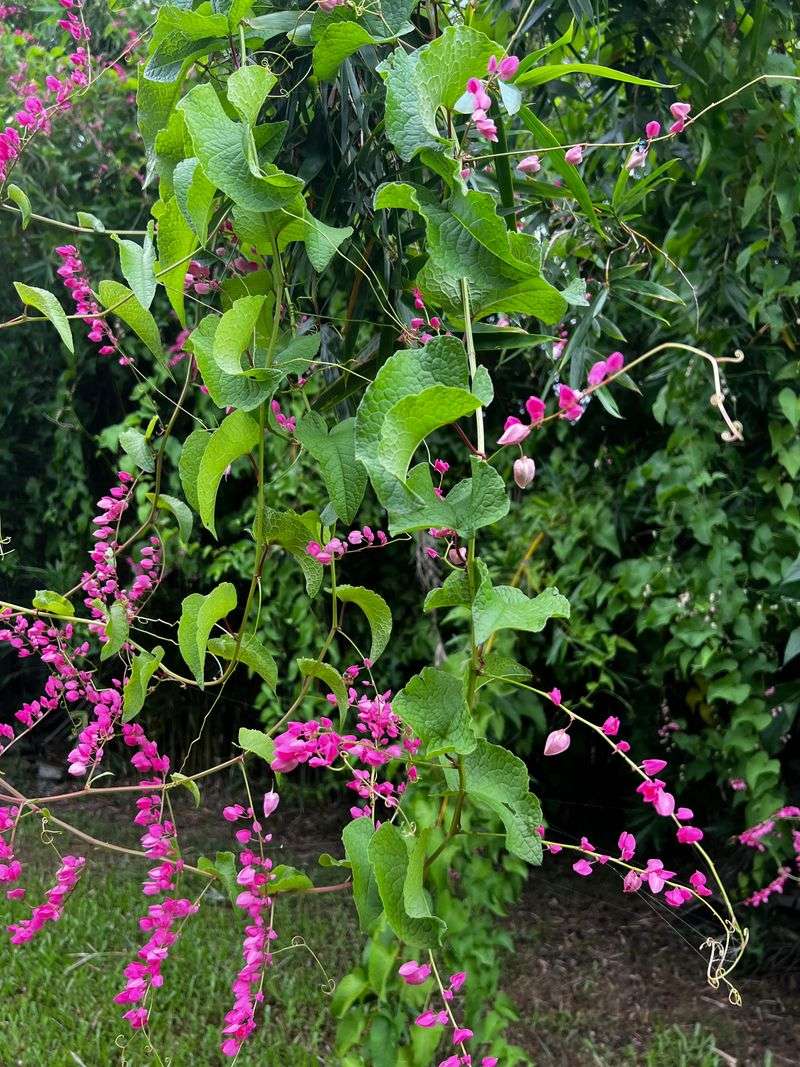
Timing is everything with this plant. Wait too long, and one vine can turn into dozens by next year.
Coral vine makes a huge number of seeds. After the flowers fade, those seeds ripen and get ready to travel.
Birds love to snack on them and drop them far away. Rain and streams also wash the seeds to new spots.
So the smartest move is to act while the vine is still in flower. Cutting it down before seeds form stops the next wave in its tracks.
Start by snipping stems at the base with sharp pruners. Then gently pull the tangled vines off fences and branches.
Go slowly so you do not tear bark or bend fence wires. Wearing gloves and long sleeves will protect your arms from scratches.
Remember that cutting alone will not finish the job. The vine has underground tubers, so it may sprout again from below.
Still, removing the top growth quickly is a big win. It keeps thousands of seeds from landing in your yard and your neighbors’ yards.
Think of it like catching a leaky faucet early. A quick fix now prevents a flood of new vines later.
4. Check Vines For Clusters Of Three-Sided Seeds
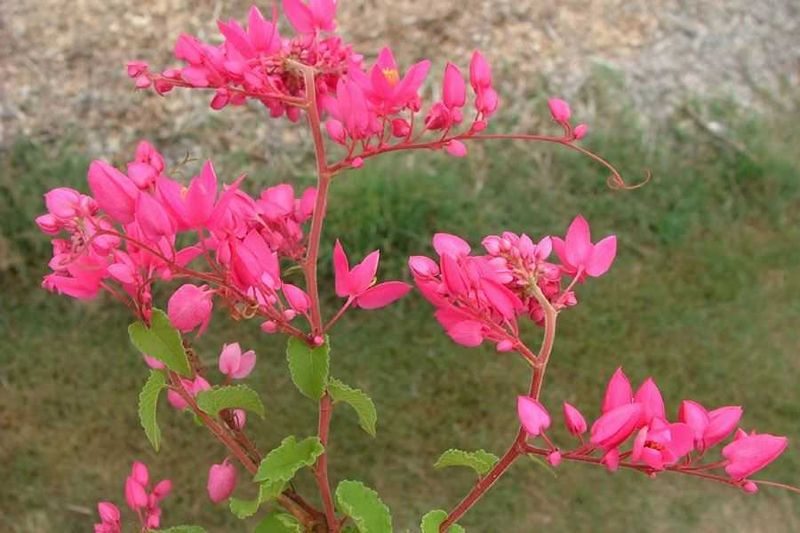
Tiny, shiny, and shaped like little pyramids. Coral vine seeds are easy to overlook, but they are worth a close look.
Each seed is a dry, hard fruit called an achene. It is cone-shaped or three-angled and measures about 8 to 12 millimeters long.
That is roughly the size of a pencil eraser. They are about 4 to 7 millimeters wide and have a glossy brown surface.
You will find them where the flowers used to be. As the pink blooms fade, the papery flower parts wrap around the growing seeds.
Here is a fun fact. In some places, people have roasted and eaten these seeds, though that does not make the vine welcome in Florida.
Checking for seeds tells you how urgent your job is. If you see only flowers, you have some time to plan.
If you spot lots of hard, shiny seeds, move quickly. Those are ready to fall, roll, or be carried off by birds.
Hold a bucket or bag under clusters while you cut. That way, loose seeds drop into the container instead of onto the ground.
A little care here keeps your soil from becoming a seed bank for years to come.
5. Pull Young Roots Before The Vine Gets Woody
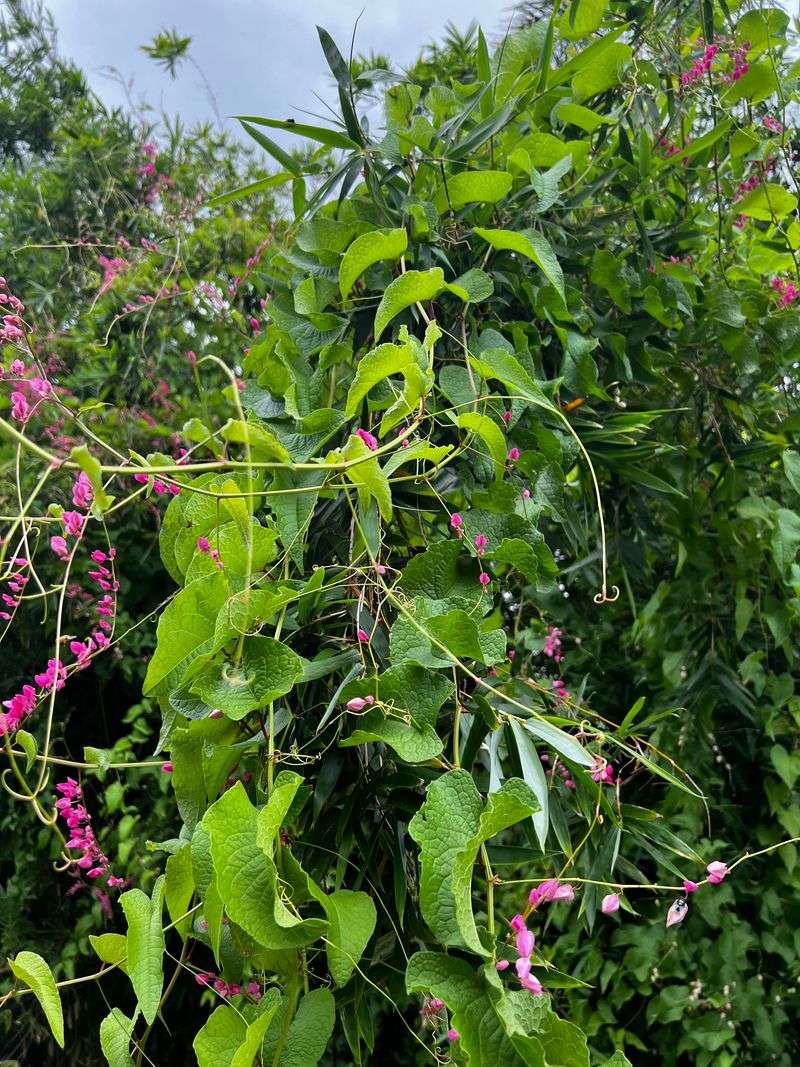
Young coral vines are a bit like toddlers. They are small, wiggly, and much easier to handle before they grow up.
When a vine is new, its stem is soft and green. Over time, the base turns thick and woody, and the roots dig deeper.
Below ground, coral vine builds tubers. These are swollen roots that store food, a lot like a potato.
Those tubers are the reason the vine keeps coming back. Even after you cut the top, the tuber can push out fresh shoots.
That is why digging is the best move for small plants. Use a hand trowel or shovel to loosen the soil around the base.
Wiggle the plant gently and lift out the whole root system. Try to get every piece of tuber you can find.
Watering the area a day before makes digging easier. Moist soil lets roots slide out instead of snapping off.
Older vines may have huge rootstocks that are tough to remove. For those, some people ask a licensed professional about careful herbicide use.
For now, focus on the little ones. Pulling seedlings each week is simple, satisfying, and a great job for the whole family.
6. Keep Coral Vine Out Of Compost Piles
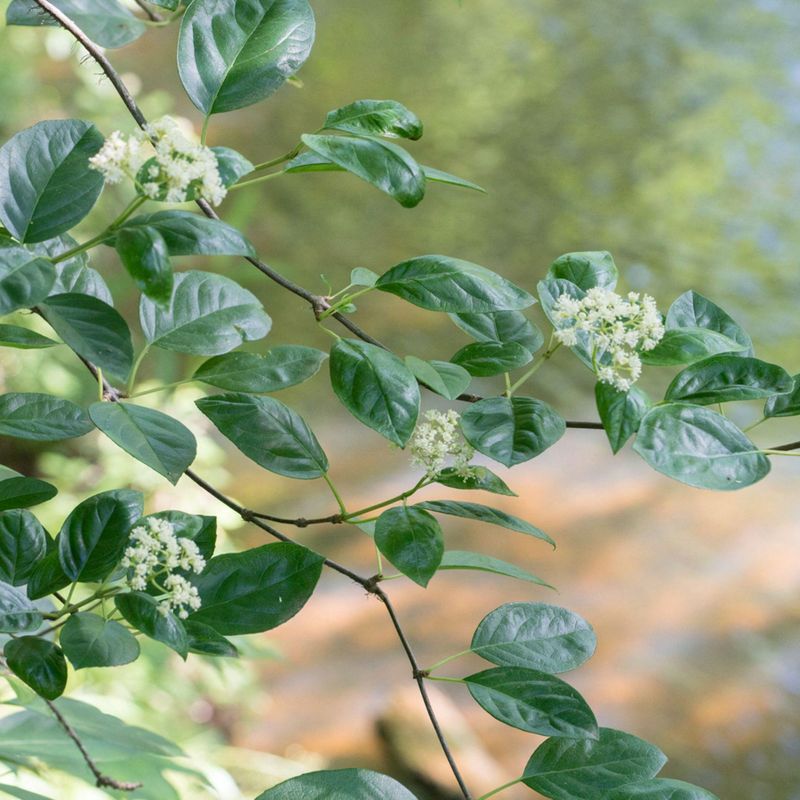
Composting feels like the kind thing to do with garden scraps. With coral vine, though, that kindness can backfire in a big way.
This plant is a champion at coming back. Bits of stem, roots, and tubers can all sprout into brand new vines.
Most home compost piles do not get hot enough to stop that. A backyard bin might warm up, but it often stays mild in some spots.
Seeds are another problem. They can sit safely in the pile and then spread when you use the compost in your garden beds.
Imagine sprinkling rich compost around your tomatoes. A few weeks later, pink-flowered vines pop up everywhere, and you wonder how.
To avoid that surprise, keep a separate pile or bag just for invasive plants. Label it clearly so family members know not to mix it in.
You can still compost your leaves, grass, and kitchen scraps. Just leave coral vine out of the recipe.
The same rule applies to mulch. Do not chip coral vine and spread it around your yard.
A clean compost pile means healthy soil without hitchhikers. Your future garden will thank you for this small bit of care.
7. Bag Seed-Heavy Vines Before Hauling Them Away
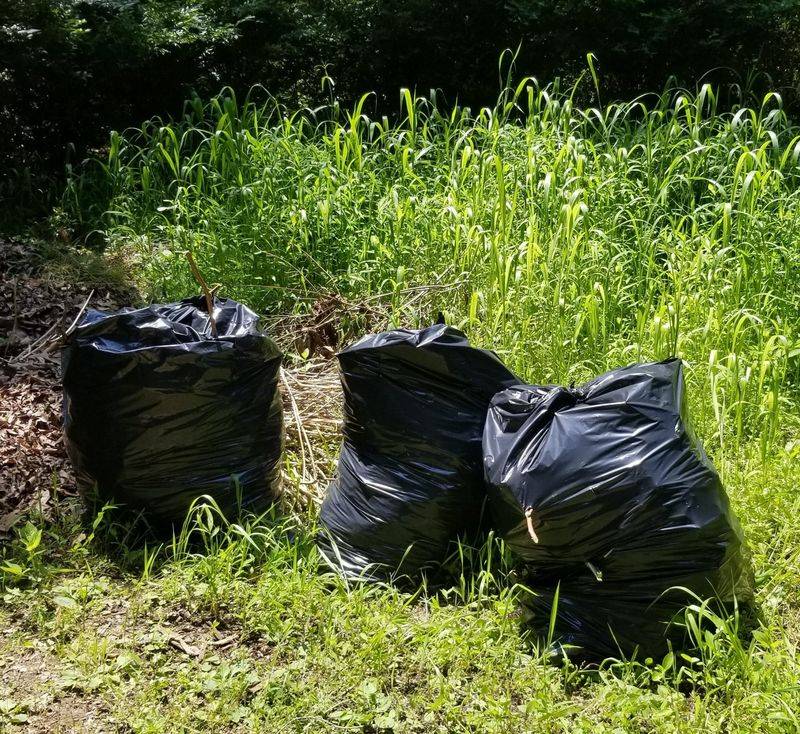
Hauling vines to the curb sounds simple. But dragging loose, seedy stems down the driveway can scatter seeds like confetti.
The better plan is to bag everything first. Place flowers, fruits, and seed clusters straight into heavy-duty trash bags as you cut.
Tie the bags tightly. This keeps seeds from spilling out on the way to the trash can.
Some experts suggest a trick called solarization. You leave the sealed bags in direct sun for several weeks.
The Florida heat builds up inside the plastic. That warmth helps break down plant parts so they are far less likely to sprout.
After that, put the bags out with your regular household trash. Check local rules, since some yard waste programs turn plants into mulch.
Here is a helpful tip. Lay an old tarp under the vine before you start cutting.
Any seeds that fall will land on the tarp instead of the grass. Then you can fold it up and pour everything into a bag.
Black bags work well because they soak up sunlight. Clear bags can also work if you want to watch the process.
Careful bagging turns a messy chore into a neat finish.
8. Check Nearby Trees For New Climbing Shoots
You pulled the vine, bagged the seeds, and cleaned up. Victory, right?
Not quite yet, because this plant loves a comeback story.
Leftover tubers and stray seeds can send up fresh shoots within weeks. Those new stems quickly look for something tall to climb.
Trees are a top choice. The vine can creep up a trunk and spread across the branches, blocking sunlight the tree needs.
Make a habit of checking trees near your cleared area. Look low on the trunk for thin green stems with curly tendrils.
Palms, oaks, and fruit trees are all fair game. Shrubs and hedges nearby deserve a peek too.
Catching shoots early is easy work. Most can be pulled by hand when they are only a foot or two long.
Set a simple reminder on your phone. Checking once every two weeks through fall and spring keeps things under control.
Bring a small bucket for any shoots you pull. That way, nothing gets left on the ground to root again.
Staying patient pays off. After a season or two of steady checks, the tubers run low on energy and the vine fades from your yard.
9. Replace Coral Vine With A Florida-Friendly Native Vine
An empty fence can look a little lonely. Luckily, our state has beautiful native vines ready to fill that space.
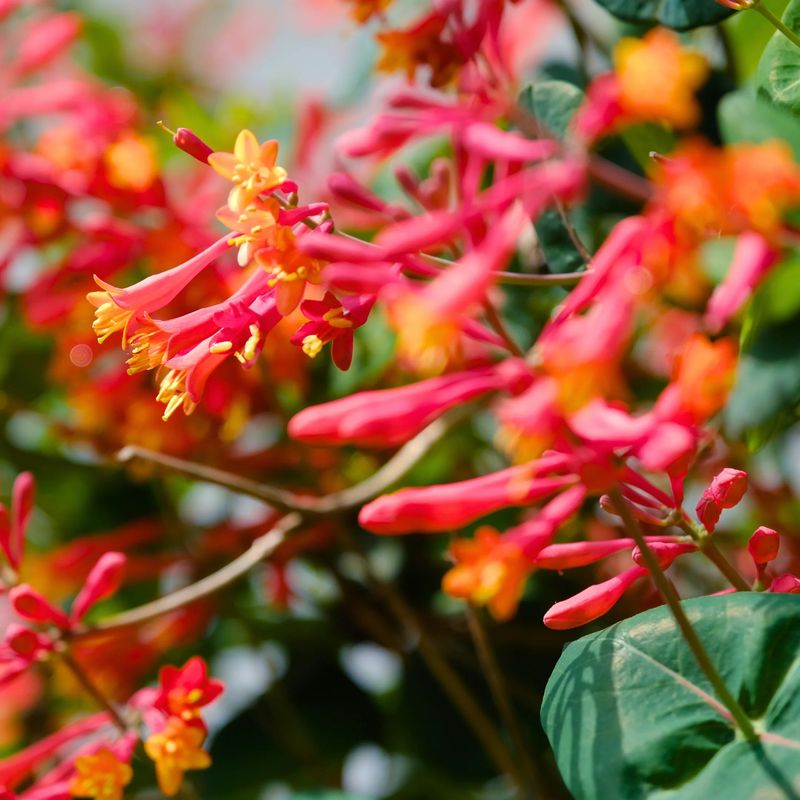
Coral honeysuckle is a local favorite. Its red, tube-shaped flowers draw hummingbirds, and it behaves nicely on a trellis.
Carolina jessamine offers cheerful yellow blooms in late winter. Keep in mind that all parts are toxic, so plant it away from pets and small kids.
Crossvine brings orange and red trumpet flowers in spring. Trumpet creeper is another bold choice, though it grows fast and needs some trimming.
Purple passionflower is a real showstopper. It also feeds the caterpillars of Gulf fritillary and zebra longwing butterflies, the state butterfly of Florida.
Native vines fit the local soil, rain, and wildlife. They support bees, birds, and butterflies that have lived here for thousands of years.
Planting something new also helps block coral vine from returning. A healthy native plant takes up the sunlight and space the invader wants.
Visit a local native plant nursery for advice. Staff can help match a vine to your sun, soil, and fence size.
Swapping out a troublemaker for a helpful neighbor feels great. Your yard stays colorful, and Florida’s wild places stay a little healthier.