Why Hot Dry Michigan Weather Brings Spider Mites To Tomatoes And Beans
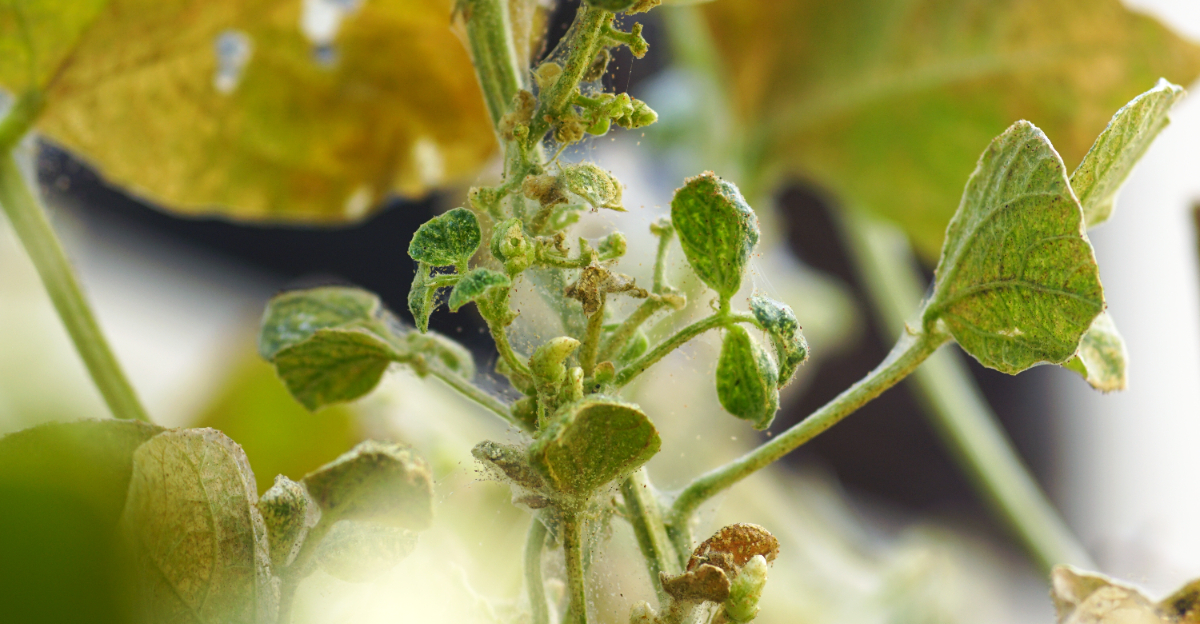
Spider mites seem to appear out of nowhere once Michigan weather turns hot and dry, quietly building up on tomatoes and beans before anyone notices.
By the time the damage becomes obvious, these pests have often already spread across multiple plants throughout the garden.
There’s a clear reason why this particular combination of heat and dryness triggers such a sudden population boom, one that most gardeners have never really thought about.
Understanding exactly what draws mites in during these conditions changes how you approach prevention long before an infestation ever takes hold.
Many gardeners blame their watering habits or soil quality, missing the real explanation entirely. Once you know what’s actually happening, spotting the early warning signs becomes a lot easier.
This knowledge could be the difference between catching a mite problem early and losing an entire section of your garden to it.
Heat Makes Mites Multiply Fast
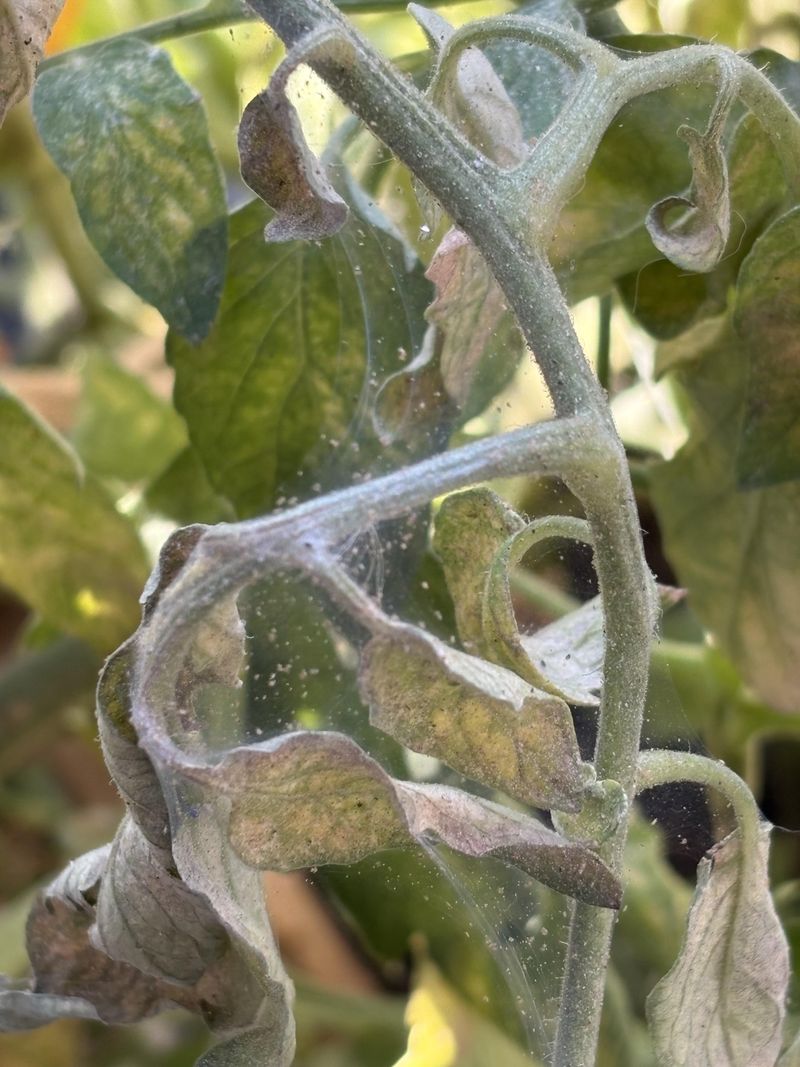
Warm weather is like an energy boost for spider mites. When Michigan hits those long stretches of 85 degrees or higher, these pests speed through their whole life cycle in record time.
In cooler weather, a single mite might take two or three weeks to grow from egg to adult. During a hot spell, that same journey can take less than a week. Females start laying eggs sooner, and each one can produce dozens over her short life.
Think of it like a snowball rolling downhill. One mite becomes a handful, a handful becomes hundreds, and hundreds become a full population before you even notice the damage. The heat keeps that snowball rolling faster and faster.
This is why gardeners often feel surprised when mites seem to appear out of nowhere. They were there all along, just multiplying quietly in the warmth. By the time leaves look speckled, several generations may already be feeding.
The good news is that knowing this pattern gives you an edge. During hot weeks, check your plants more often instead of waiting. A quick look every couple of days can catch a small group before it explodes into a big one.
Watering deeply and keeping plants healthy also helps them handle stress better. Strong plants bounce back easier when mite numbers start climbing. Staying alert during heat waves is your best first move for protecting tomatoes and beans all season long.
Dry Weather Gives Them An Advantage
Spider mites love it when the air stays dry and dusty. Rain and humidity are their biggest problems, so a long dry stretch feels like a welcome invitation to move in.
When moisture is low, mite eggs hatch well and young mites survive in bigger numbers. Dry conditions also stir up dust, which coats leaves and makes plants even more attractive to these pests. Dusty leaves seem to draw mites right in.
Drought also stresses your plants. A thirsty tomato or bean plant cannot defend itself as well, and its leaves may become slightly weaker and easier to feed on. Stressed plants send out signals that mites happily respond to.
Your Michigan Garden Changes Every Week. Your Plan Should Too.
Gardening in Michigan changes quickly throughout the season. Every Friday you’ll receive a simple weekly plan showing exactly what to plant, prune, fertilize, harvest, and protect so you never miss the right timing.
Here is something helpful to remember. A gentle spray of water on the leaves during dry weeks can knock mites off and wash away dust at the same time. Aim for the undersides, where mites like to hide, and do it in the morning so leaves dry by evening.
Keeping soil evenly moist with mulch is another smart trick. Straw or shredded leaves around your plants hold water in and keep roots cool during heat. That steady moisture makes plants tougher against pests.
Dry Michigan summers will always favor mites a little, but you can tip the balance back in your favor.
A mix of steady watering, mulch, and the occasional leaf rinse creates conditions that mites find far less friendly. Small habits like these make a real difference over a long season.
Tomatoes Become Easy Targets
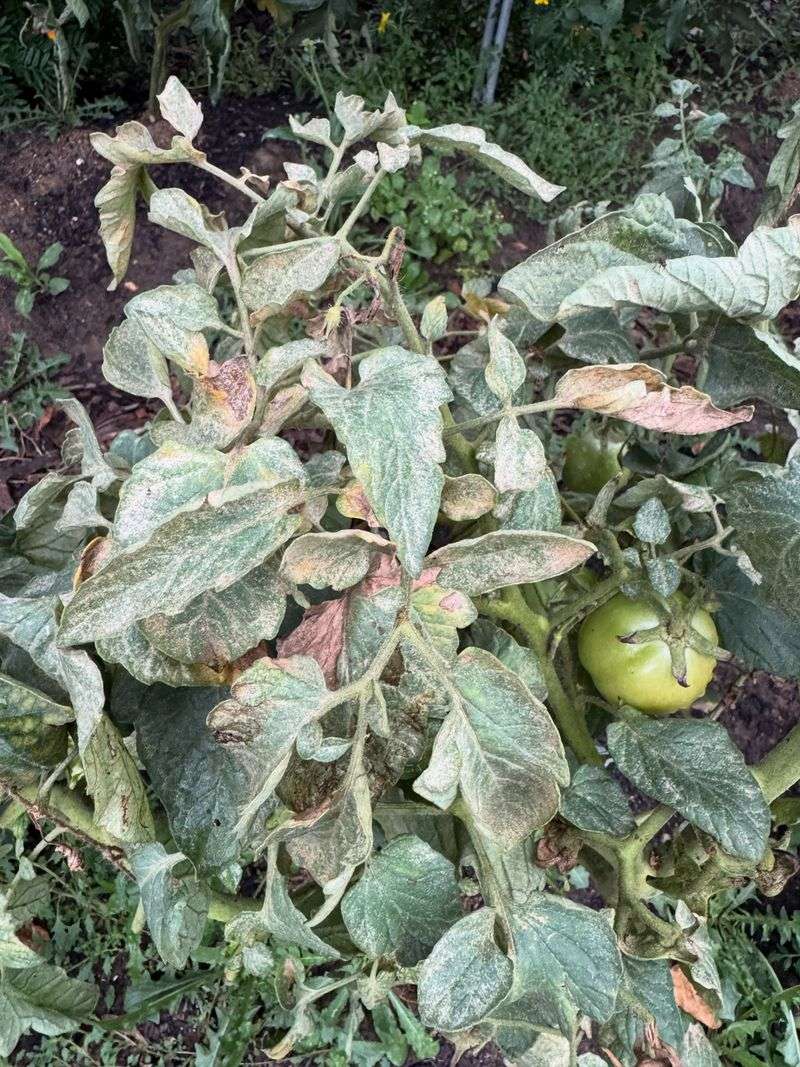
Tomatoes seem to be a favorite stop for spider mites during hot dry weather. Their broad leaves offer plenty of space to feed, and the warmth near the ground gives mites the cozy conditions they love.
Mites usually start on the lower leaves first. These leaves are closest to the warm soil and often get less airflow, creating little hot spots where mite groups gather and grow. From there they slowly climb upward through the plant.
Because tomato plants grow thick and bushy, it is easy to miss the early signs. Leaves in the middle of the plant can hide a growing problem until the damage spreads to the parts you actually see.
One trick that works well is spacing plants a little farther apart. Better airflow keeps leaves cooler and drier on the surface, which makes them less welcoming. Pruning off the very lowest leaves also removes prime mite territory.
Watch for leaves that look dull or slightly gray instead of shiny green. That change in color often shows up before you spot any actual pests. Catching it early means you can act while numbers are still small.
Give your tomatoes deep, regular watering so they stay strong through heat waves. A healthy plant with good roots handles pest pressure far better than a thirsty one. Pair steady care with regular leaf checks, and your tomato patch stands a much better chance of staying green and productive right through the hottest part of summer.
Beans Can Get Hit Too
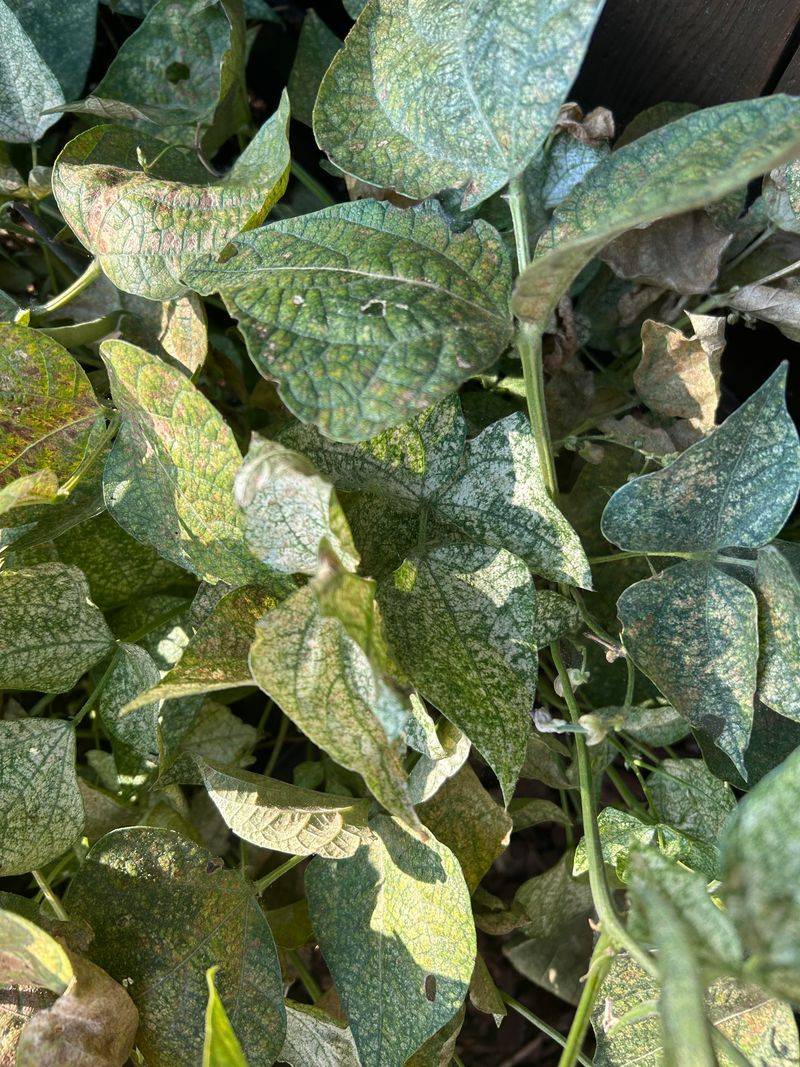
Do not think beans are safe just because they look sturdy. During drought, spider mites happily spread to snap beans and pole beans, sometimes even faster than on other crops.
Bean leaves are tender and full of the juices mites want. When the weather turns dry and hot, mites move onto these plants and start feeding underneath, where they stay hidden from a quick glance.
You might first notice bean leaves turning a yellowish color with tiny pale dots. As the population grows, fine webbing can appear along stems and leaf edges, a clear sign that mites have settled in comfortably.
Beans that are stressed by lack of water are especially open to trouble. Their leaves get thinner and weaker, giving mites an easy meal. That is why keeping the soil moist matters so much for this crop.
A simple habit that pays off is checking your bean rows every few days during heat waves. Flip a few leaves over and look closely for movement or speckling. Early action keeps a small patch from turning into a garden-wide issue.
Spraying the undersides of bean leaves with plain water can knock mites loose and slow them down. Do this in the morning so plants dry quickly and avoid other leaf problems.
Healthy, well watered beans grow fast and can often outpace minor mite damage. Combine that vigor with regular scouting, and your bean plants can keep producing tender pods even when the weather refuses to cool off.
Check Under The Leaves
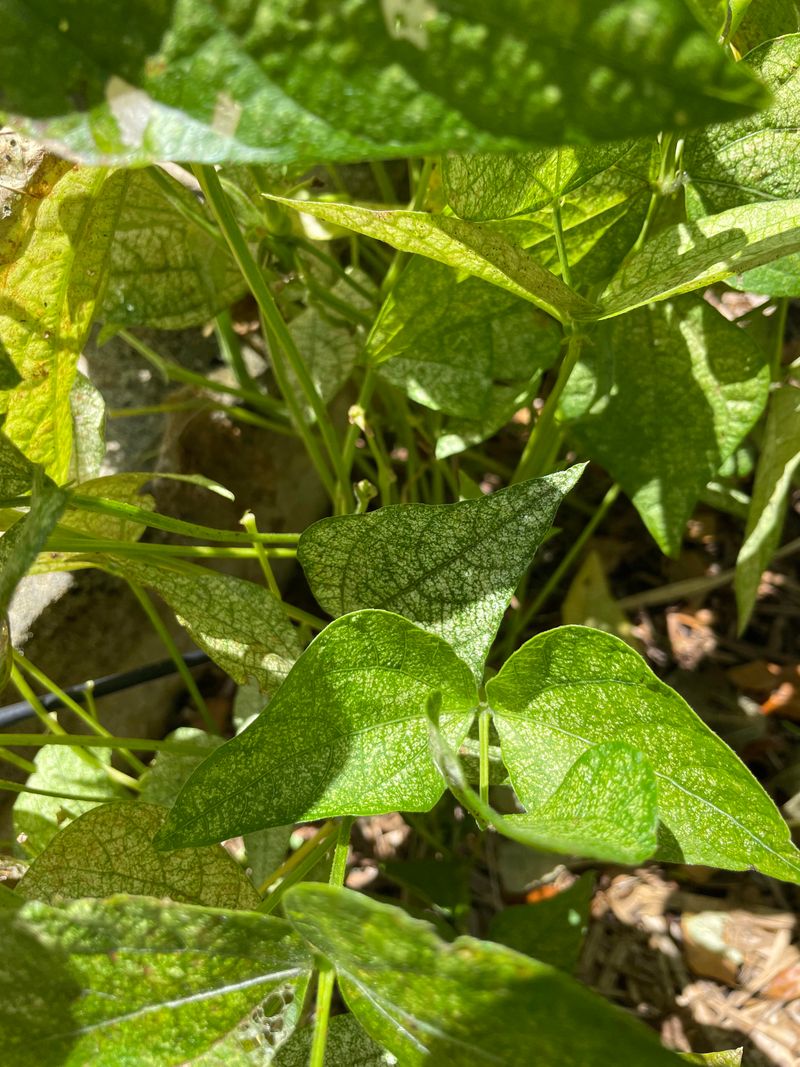
The secret to catching spider mites early lives on the bottom of the leaves. That is where these tiny pests hide, feed, and lay their eggs, out of sight from anyone giving plants a casual look.
Spider mites are smaller than a pinhead, so they are tricky to spot with your eyes alone. Turning leaves over and looking closely helps you find them before the damage becomes obvious on top.
Grab a simple magnifying glass and check the undersides of a few leaves each week. Look for tiny moving specks, small round eggs, and thin strands of webbing stretched between the leaf veins. The webbing is often the easiest clue.
Here is a handy test you can try. Hold a sheet of white paper under a leaf and tap it gently. If tiny dots fall onto the paper and start crawling around, you have found mites.
Pay extra attention to the lower and inner leaves, since those spots stay warm and calm, exactly the kind of place mites enjoy. Checking these hidden areas first saves you from surprises later.
Make leaf flipping a normal part of your garden walk during hot weeks. It only takes a minute per plant and gives you a real head start on any problem.
Spotting mites while their numbers are low means you can handle them with gentle steps instead of heavy measures. That early peek under the leaves is one of the smartest gardening habits you can build.
Stippled Leaves Are The First Clue
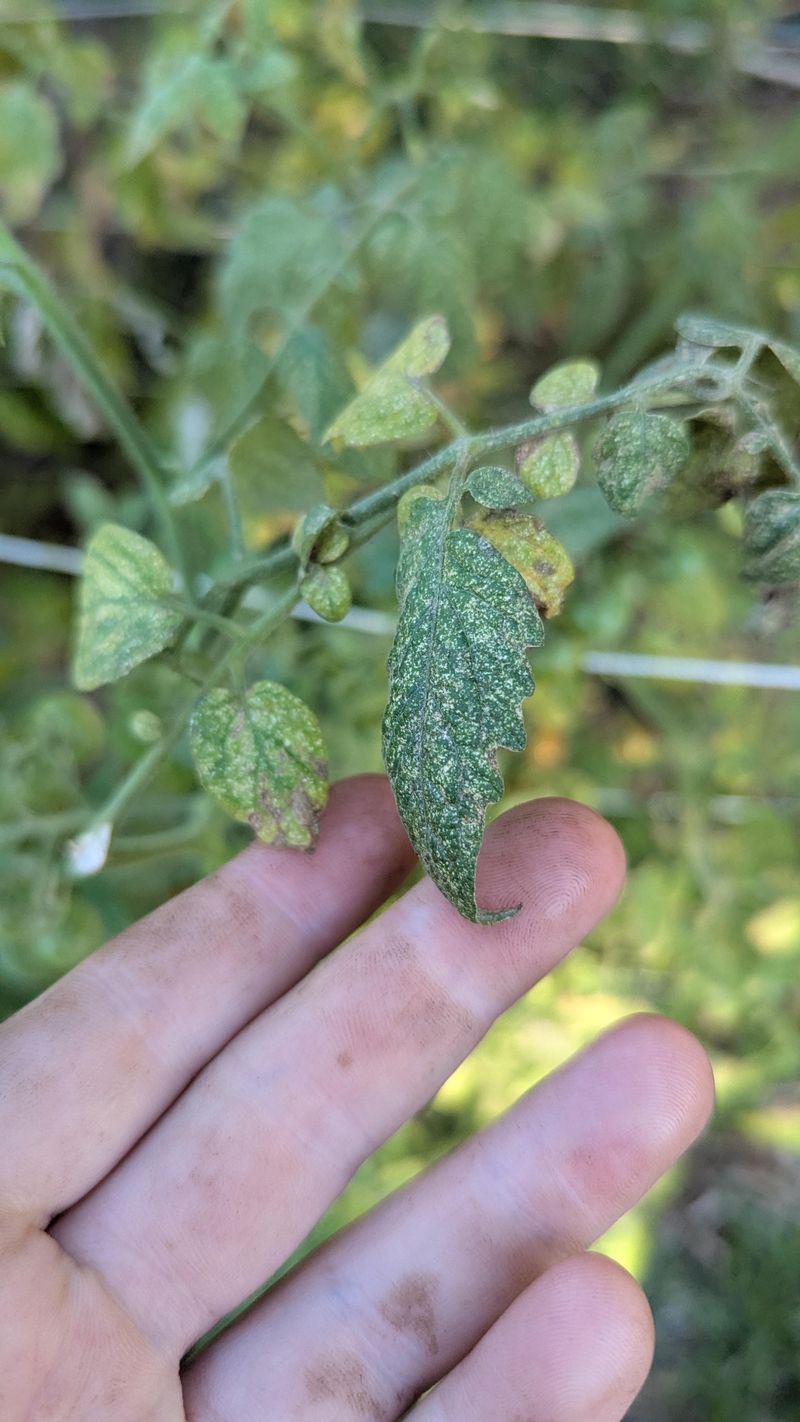
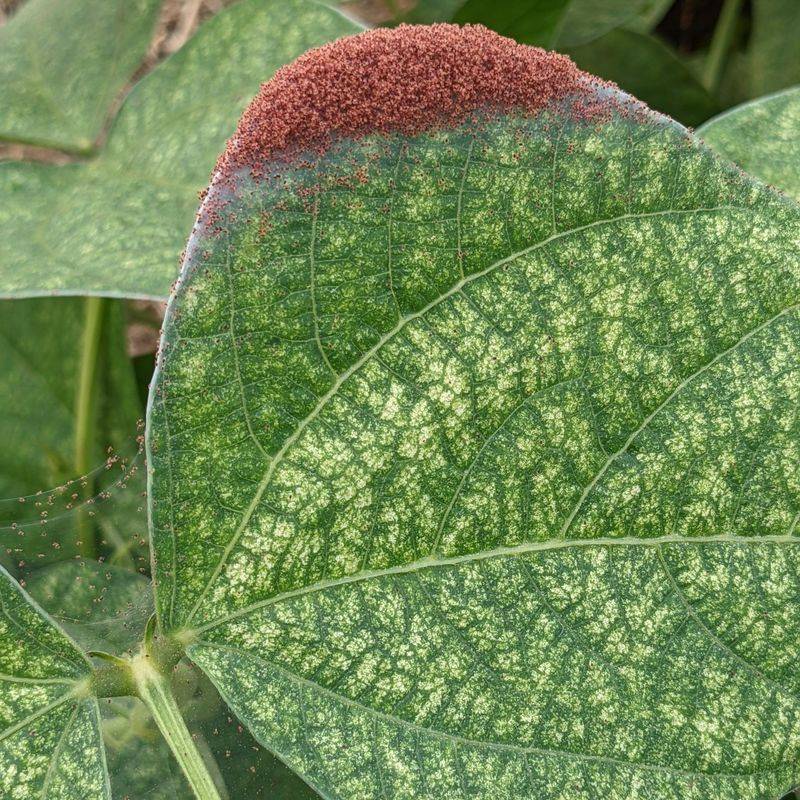
Before mites cause big trouble, they leave behind a trail of clues. The earliest sign is called stippling, which shows up as tiny pale or yellow dots scattered across the leaf surface.
Those little specks appear because mites poke into the leaf and sip out the contents of individual cells. Each empty cell turns light colored, creating a dusting of dots that almost looks like someone sprinkled the leaf with pale sand.
At first the stippling is easy to miss, especially from a distance. Up close, though, it stands out against the healthy green, giving you a clear warning that mites are already feeding.
If the pests keep multiplying, that gentle speckling slowly grows into larger patches. Leaves can then turn a dull bronze or gray, curl at the edges, and eventually drop off the plant. Catching the problem at the dot stage saves you all that trouble.
A good habit is to glance at leaf color whenever you water. Bright, even green means happy plants, while a faded or dusty look signals it is time for a closer inspection underneath.
Compare a suspicious leaf to a clearly healthy one nearby. That side by side check makes the tiny speckles much easier to notice, even for new gardeners.
Treating stippling early keeps your tomatoes and beans looking fresh and productive. The sooner you read this first clue, the gentler and simpler your response can be, and the better your plants will handle the rest of a hot summer.
Rain Can Slow Them Down
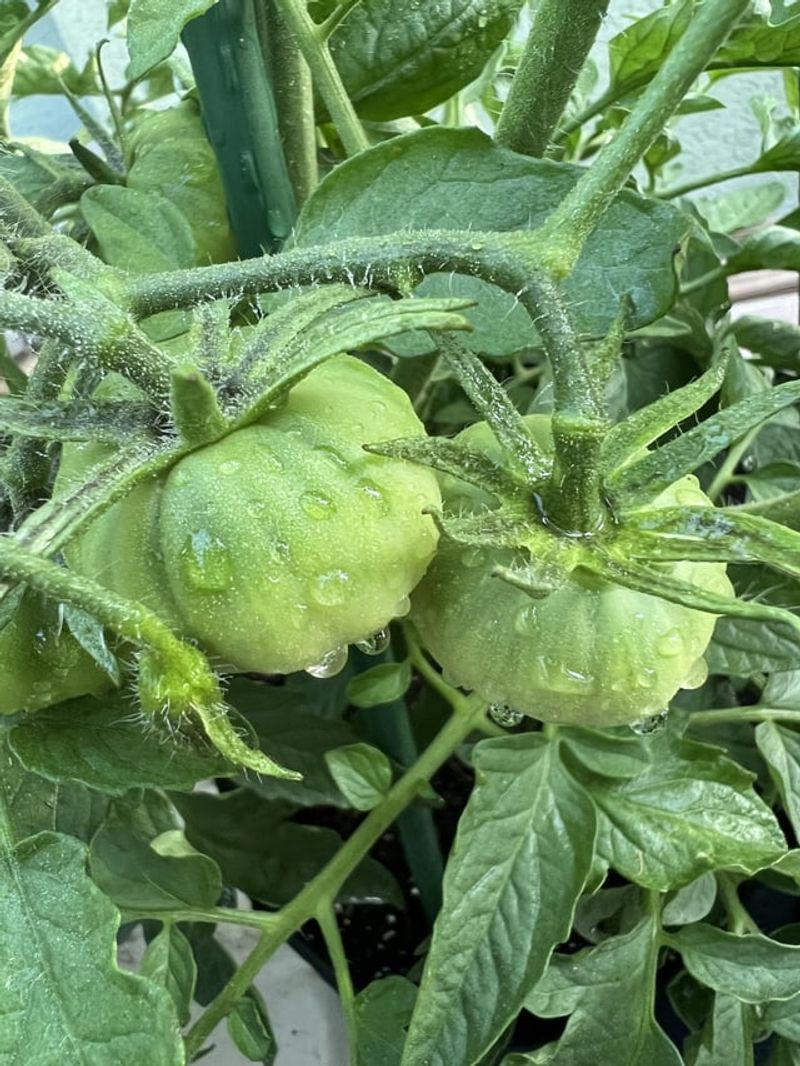
A good rainy stretch can feel like a gift for your garden and a real headache for spider mites. Humid, wet weather is one of nature’s best ways to keep their numbers in check.
When the air stays damp for several days, tiny fungal helpers become active. These natural fungi attack spider mites and can bring a growing population down quickly, all without any effort from you.
Rain also washes mites and their eggs right off the leaves. The physical splashing knocks them loose, and the extra moisture makes the plant surface far less comfortable for the pests to settle on again.
Higher humidity slows down how fast mites reproduce too. What sped along during the dry heat suddenly grinds to a crawl once the weather turns muggy and gray.
You can copy some of this effect during dry spells by spraying your plants with water. A morning misting of the leaf undersides raises humidity for a while and mimics what rain does naturally.
Of course, you do not want plants soaked all the time, since too much wetness invites other issues. The goal is balance, using water to keep mites uncomfortable without drowning your garden.
When Michigan finally gets that summer storm, take it as a small win against these pests. The weather is doing part of your job for free.
Pairing natural rainfall with your own careful watering gives spider mites very few chances to build up, keeping your tomatoes and beans healthier through the season.
Protect The Helpful Predators
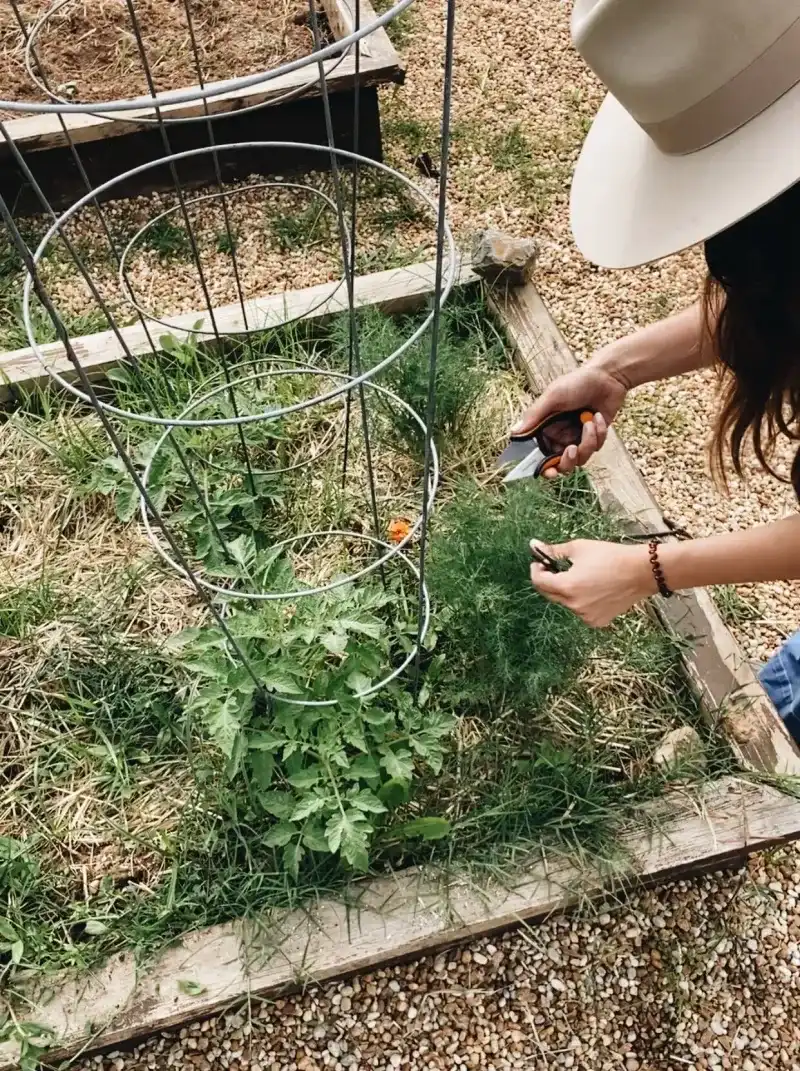
Not every bug in your garden is a troublemaker. Some tiny creatures are actually working for you, hunting down spider mites and keeping their numbers low behind the scenes.
Predatory mites, ladybugs, and other small helpers feed on spider mites and their eggs. These natural allies can control an outbreak on their own if you give them the chance to do their job.
The problem comes when gardeners reach for strong, broad sprays too quickly. Those products often harm the helpful bugs along with the pests, and once the predators are gone, spider mites bounce back even stronger than before.
Because of this, always confirm you truly have a mite problem before spraying anything. Use your magnifying glass, check the leaf undersides, and make sure those tiny dots are really pests and not helpers.
If you do need to act, start with the gentlest options. A firm spray of water or a light insecticidal soap often handles mites while leaving many beneficial insects unharmed.
Planting flowers like sweet alyssum or dill nearby also invites predators into your garden. These blooms give helpful bugs food and shelter, so they stick around and stay on patrol.
Think of your garden as a small team where the good bugs are on your side. Protecting them means fewer pest problems and less work for you over time.
By choosing careful, targeted steps instead of heavy sprays, you keep that natural balance strong and let your tomatoes and beans thrive with plenty of built-in protection.