That Purple Weed Creeping Into Your Pennsylvania Lawn Is Actually A Native Gem
Most Pennsylvania homeowners see something purple spreading through their lawn and immediately add it to the list of things to deal with. It looks uninvited, it spreads on its own schedule, and it definitely did not come from anything you planted.
Before you pull it or spray it, it is worth taking a closer look, because what is quietly creeping through the grass in yards across Pennsylvania is actually a native wildflower with a long and legitimate place in this region’s ecosystem.
Pollinators seek it out early in the season when not much else is blooming. It thrives in the kind of thin, compacted lawn areas where grass has already given up. And once you know what it is and what it does, removing it starts to feel like the wrong move.
Sometimes the most interesting plant in your yard is the one you never chose to grow there.
Wild Violet Is Pennsylvania’s Native Gem
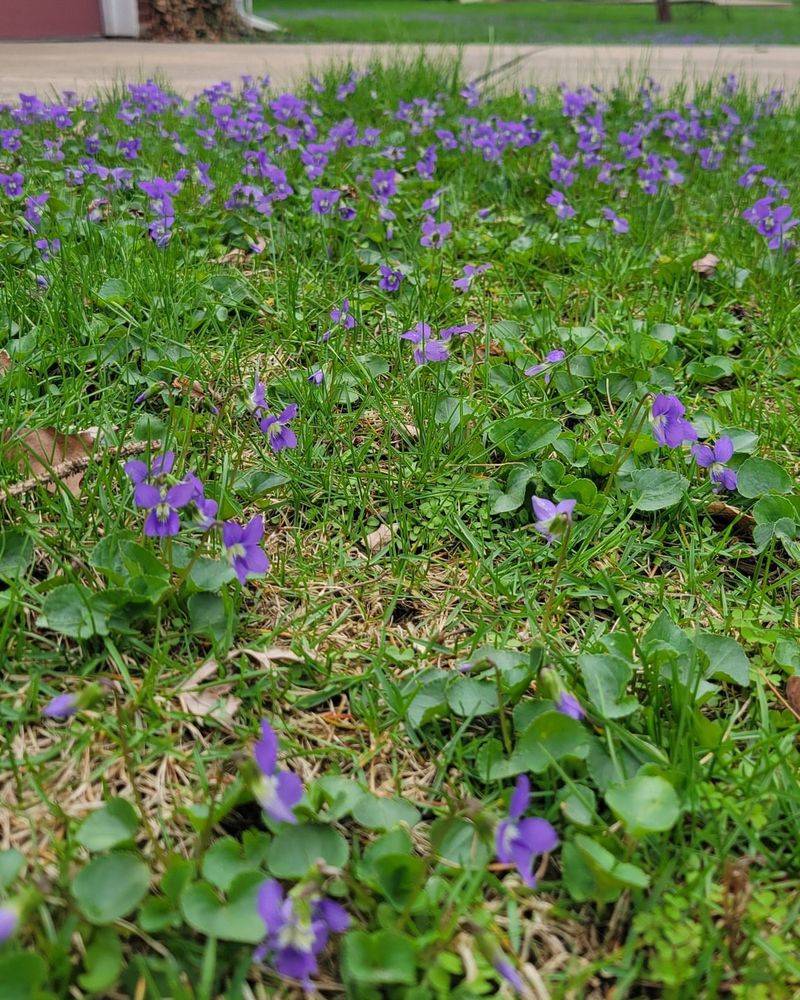
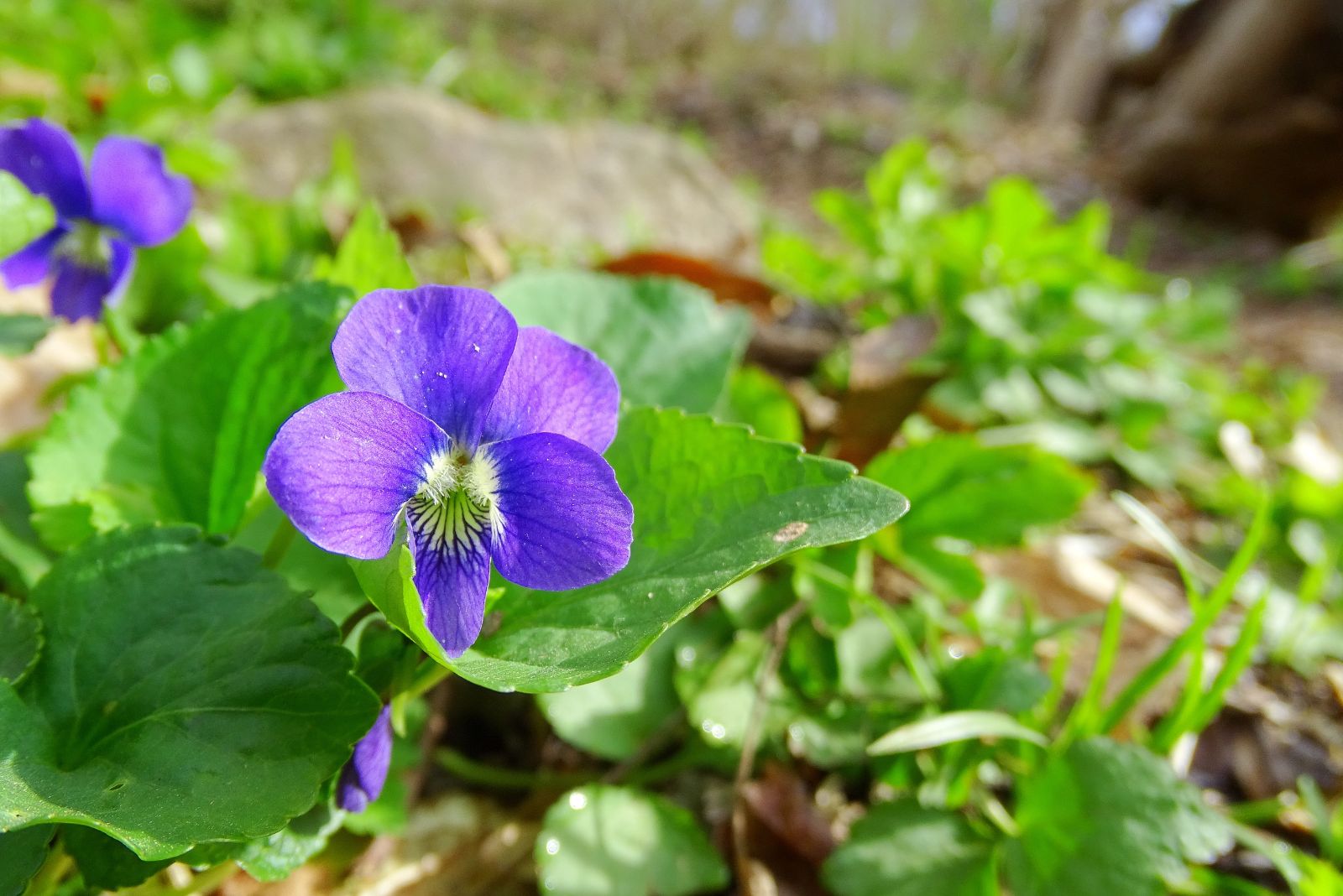
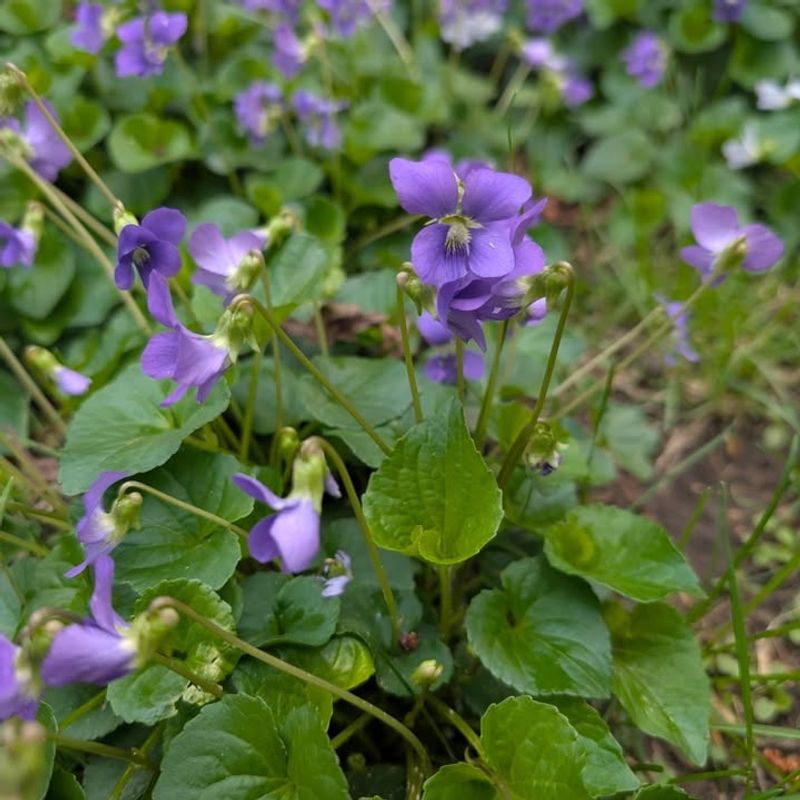
Walk across almost any Pennsylvania lawn in April or May and you will likely spot them: tiny purple flowers with heart-shaped leaves tucked right into the grass.
That plant is wild violet, and it has been growing in this region long before anyone started planting perfectly trimmed turf lawns. It belongs here naturally, and that matters more than most people realize.
Wild violets show up in lawns because they are incredibly well-suited to the local environment. They spread through underground stems called rhizomes and also drop seeds that travel easily across a yard.
Once they find a comfortable spot, they settle in and come back every year without any help from you.
There has long been a debate between homeowners who want a tidy, uniform lawn and those who appreciate the beauty of native plants growing freely. Perfectly green grass has been the goal for decades, but attitudes are slowly shifting.
More people are starting to question whether a flawless monoculture lawn is really worth all the effort and chemicals it takes to maintain.
Pollinator gardeners have known for years that wild violet is a treasure. It provides early-season food for bees and butterflies when very little else is blooming.
Gardeners who focus on supporting local wildlife often actively encourage wild violet to spread rather than remove it. Once you see a bee landing on one of those small purple flowers on a cool spring morning, it is hard to think of wild violet as just a weed anymore.
It’s Native To Pennsylvania
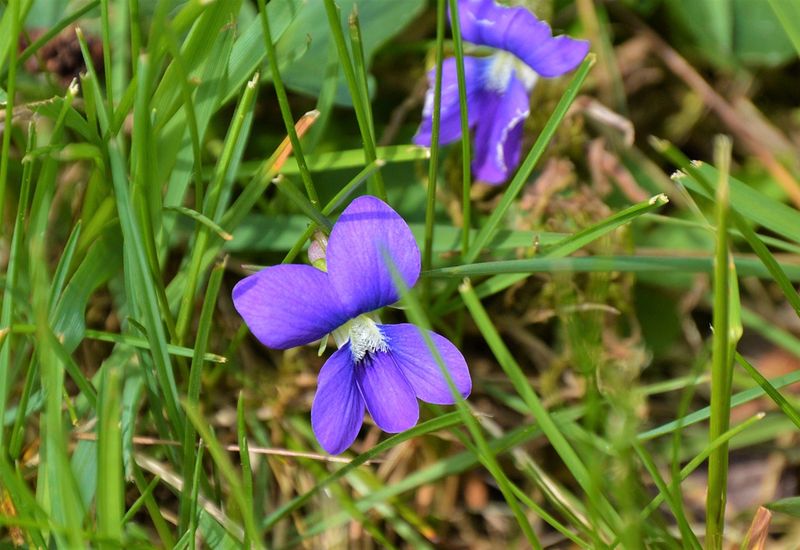
Most people are surprised to learn that wild violet is not an invasive plant sneaking in from somewhere else. It is genuinely native to Pennsylvania and much of the eastern United States.
That means it evolved here over thousands of years, developing deep roots in the local ecosystem long before manicured lawns ever existed.
In the wild, you can find it growing along woodland edges, in open meadows, and beside streams. It thrives in the kind of shady, slightly moist conditions that are common across Pennsylvania.
Your Pennsylvania Garden Changes Every Week. Your Plan Should Too.
Gardening in Pennsylvania changes quickly throughout the season. Every Friday you’ll receive a simple weekly plan showing exactly what to plant, prune, fertilize, harvest, and protect so you never miss the right timing.
Because it grew up in this exact environment, it knows how to handle local weather patterns, including cold winters, wet springs, and dry summer stretches.
Many popular lawn grass varieties are not native at all. Kentucky bluegrass, for example, originally came from Europe and Asia.
These imported grasses often need extra watering, fertilizing, and care just to survive Pennsylvania’s conditions. Wild violet, on the other hand, already knows how to handle what the local climate throws at it without any special treatment from you.
The local soil is also something wild violet handles with ease. Pennsylvania soils vary widely across the state, ranging from clay-heavy ground in some areas to sandier patches in others.
Wild violet adapts to these differences naturally. It does not need amended soil or added nutrients to grow well.
That kind of built-in toughness is something no amount of lawn care products can fully replicate in a non-native grass variety planted where it does not truly belong.
The Purple Flowers Help Pollinators
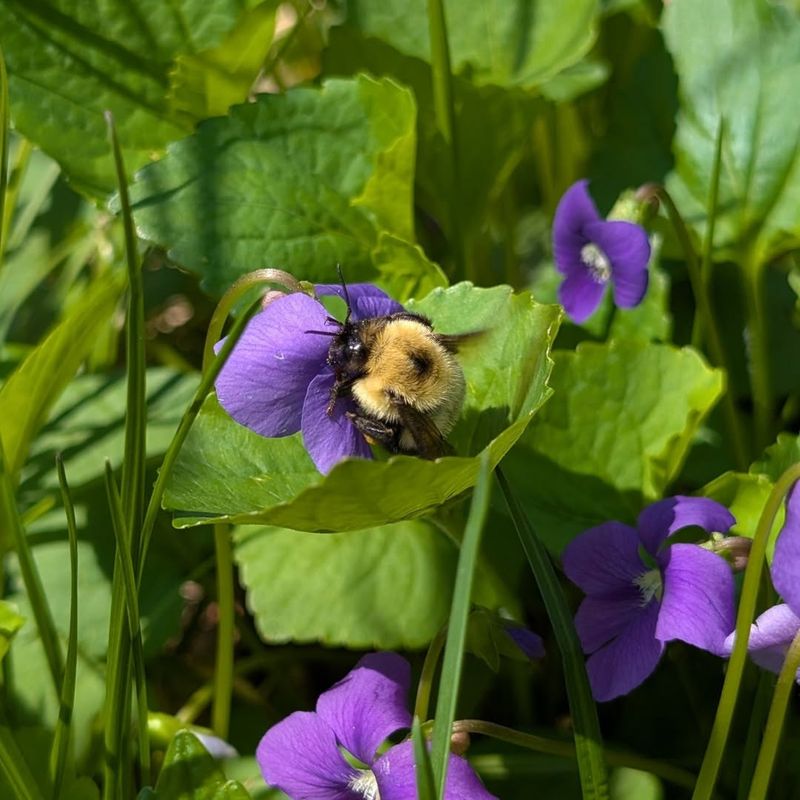
Few things in a spring garden are as cheerful as watching a bee hover over a tiny purple flower. Wild violet blooms early, often in March or April, right when pollinators are waking up and desperately searching for food.
At that time of year, most plants have not yet started flowering, which makes wild violet one of the most valuable early food sources available.
Bumblebees are especially drawn to wild violet blossoms. These fuzzy, cold-tolerant bees emerge from hibernation early in the season and need nectar quickly to fuel their energy.
A lawn full of wild violets acts like a buffet for them during those first chilly weeks of spring. Without early bloomers like wild violet, many bee colonies would struggle to get a strong start.
Butterflies also benefit in a very specific way. The larvae of several native fritillary butterfly species can only eat the leaves of wild violet plants.
No other food source works for them. If wild violet disappears from an area, those butterfly species lose a critical part of their life cycle.
Leaving wild violet in your lawn directly supports these butterflies in a way that few other plants can.
Beyond the ecological value, wild violet simply makes a lawn look alive. Those clusters of purple blooms scattered across green grass add a kind of wild, painterly beauty that a perfectly uniform lawn can never quite match.
Spring color that arrives on its own, feeds wildlife, and costs you nothing is a pretty remarkable deal for any homeowner willing to notice it.
It Handles Shade Better Than Grass
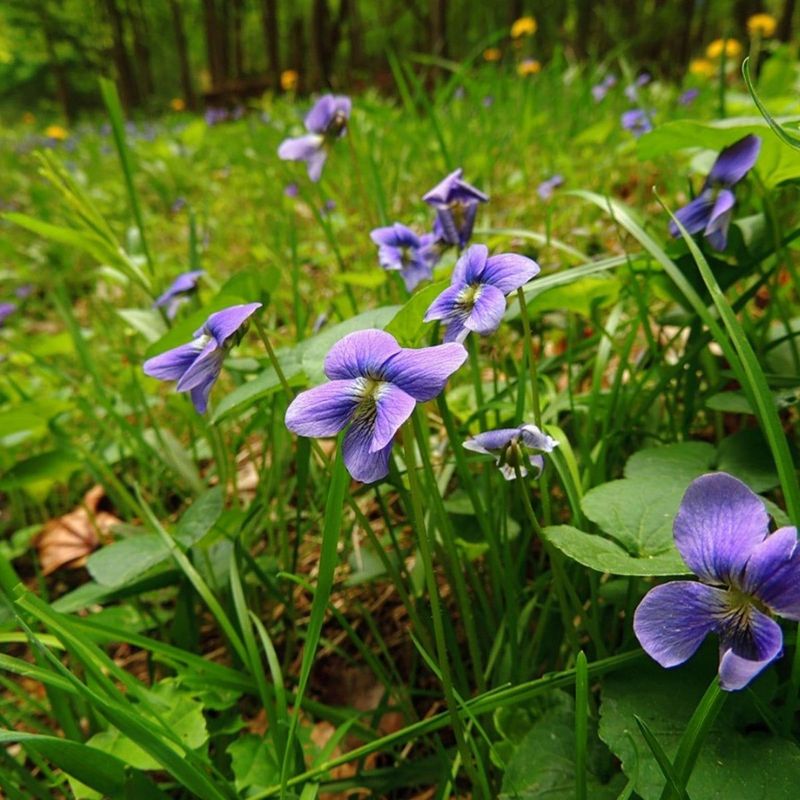
Anyone who has tried to grow grass under a big oak or maple tree knows the frustration. You seed it, water it, and wait, but the grass stays thin, patchy, and sad-looking.
Shade is one of the biggest challenges for traditional turf grass, and most lawn varieties simply cannot handle it well for very long.
Wild violet was practically built for shady conditions. In its natural habitat, it grows beneath forest canopies where sunlight is limited and filtered.
Its broad, heart-shaped leaves are designed to capture as much light as possible even in low-light situations. That adaptation makes it perfectly suited to the shady corners and under-tree areas where grass gives up.
Pennsylvania yards are full of mature trees, especially in older neighborhoods and suburban areas. Those trees create large patches of shade that frustrate homeowners every single year.
Wild violet quietly fills those bare spots without needing any encouragement. It simply spreads in and does the job that grass refuses to do in those conditions.
Bare patches under trees are more than just an eyesore. Exposed soil can wash away during heavy rain, and bare ground provides no habitat for beneficial insects or small creatures.
Wild violet, by covering those areas with dense, low-growing foliage, actually helps protect the soil from erosion while adding greenery that looks intentional rather than neglected.
Swapping frustration over thin grass for appreciation of a plant that genuinely thrives there is one of the easiest mindset shifts a Pennsylvania homeowner can make for a healthier, lower-stress yard.
It Spreads Naturally Without Much Care
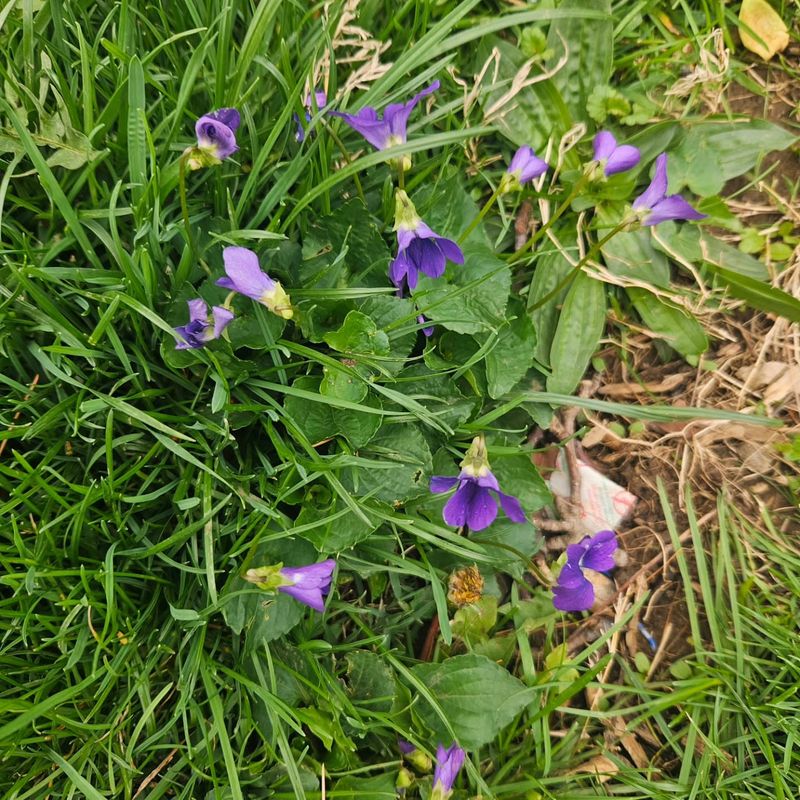
Low-maintenance gardening is not a new idea, but it has never been more popular than it is right now. People are busy, water bills are rising, and the appeal of a yard that mostly takes care of itself is very real.
Wild violet fits perfectly into that lifestyle in a way that most traditional lawn plants simply do not.
Once wild violet establishes itself in your yard, it spreads on its own through two methods. Underground rhizomes creep outward slowly, filling in thin or bare areas over time.
The plant also produces seeds that fall and germinate nearby, gradually expanding its territory without any planting or seeding effort from you. It is genuinely self-sufficient in a way that most lawn plants are not.
Watering is rarely needed once wild violet is established. Its native roots are adapted to Pennsylvania’s natural rainfall patterns, which means it can handle dry spells without wilting away.
During a drought year when grass turns brown and crunchy, wild violet often stays green and healthy-looking. That resilience is a major advantage for homeowners who do not want to babysit their lawn through every weather change.
Fertilizer is another thing wild violet does not need. It pulls what it requires from the soil naturally, without any supplements or soil treatments.
Gardeners who are tired of buying bags of fertilizer every season find this especially refreshing. A plant that feeds itself, waters itself, and spreads itself is not a weed by most reasonable definitions.
It is simply a very capable, very independent native plant doing exactly what it evolved to do.
It May Actually Improve Eco-Friendly Lawns
The idea of a perfect, all-grass lawn is starting to feel outdated to a growing number of American homeowners.
Across the country, people are embracing what some call the less perfect lawn movement, a shift toward yards that support wildlife, reduce chemical use, and work with nature rather than against it. Wild violet fits right into that vision.
Monoculture lawns, meaning lawns made up of only one type of grass, are actually fragile ecosystems. They rely heavily on fertilizers, herbicides, and pesticides to stay looking uniform.
When you mix in native plants like wild violet, the lawn becomes more diverse and naturally resilient. A diverse plant community is harder for pests and disease to wipe out all at once.
Chemical use is one of the biggest environmental concerns tied to traditional lawn care. Herbicides used to remove wild violet and other native plants can run off into local waterways, harming aquatic life and contaminating drinking water sources.
Choosing to leave wild violet in place means one less reason to spray, which is a small but meaningful step toward a healthier local environment.
Biodiversity starts at the ground level, and a lawn that includes wild violet is measurably more alive than one that does not. More plant variety means more insect variety, which means more birds and other wildlife visiting your yard.
Pennsylvania homeowners who make room for wild violet are not just tolerating a weed. They are actively participating in a larger effort to protect the local ecosystem, one small purple flower at a time.