The Pennsylvania Vegetables To Direct Sow In July For A Heavy Fall Harvest
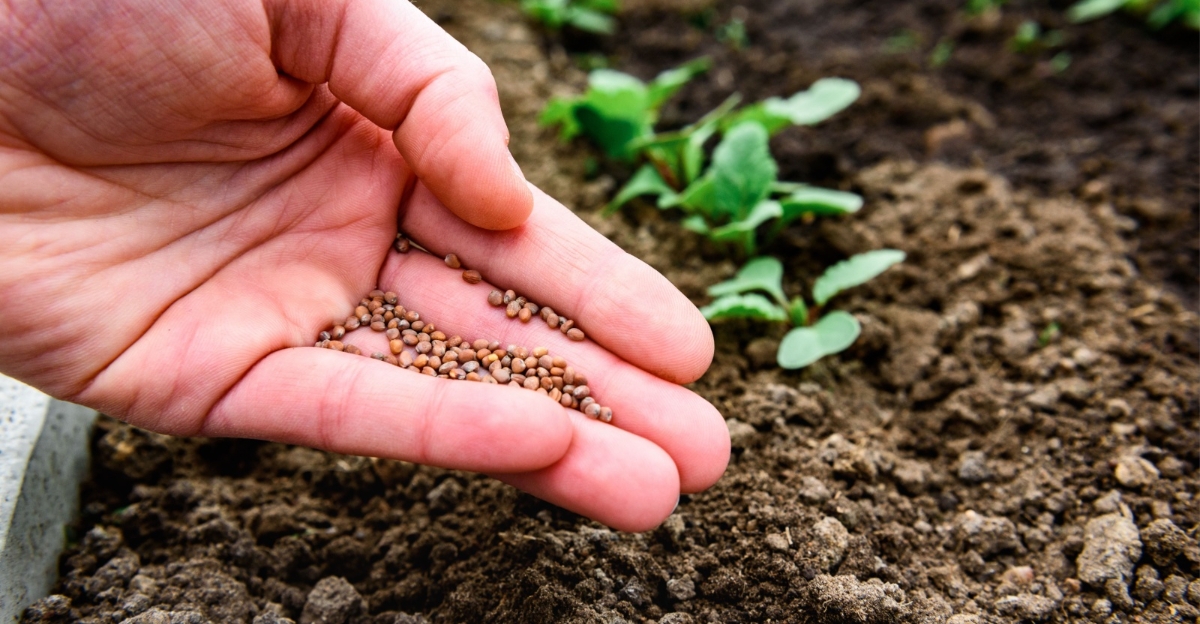
July in a Pennsylvania vegetable garden can feel like the season is already decided, the spring crops are done, the summer ones are locked in, and the next move is just waiting around for tomatoes to ripen. That is actually not the full picture.
Mid-summer is a surprisingly good window for a second round of direct sowing, and Pennsylvania gardeners who take advantage of it often end up with a fall harvest that catches everyone off guard in the best possible way.
Carrots, beets, bush beans, Swiss chard, radishes, spinach, and a few other solid performers all have real potential when timing and variety selection line up correctly.
The main requirements are matching days-to-maturity with your local first frost date and keeping that seedbed consistently moist through the heat. Get those two things right and July planting pays off well.
1. Carrots Sweeten As Fall Weather Cools
One of the most rewarding things about growing carrots in a Pennsylvania garden is what happens to their flavor once the nights start cooling off in September and October.
As soil temperatures drop, carrots convert their starches into sugars, giving them a noticeably sweeter taste compared to those harvested during the heat of summer.
That natural sweetness is one reason many home gardeners prefer a fall carrot crop over a spring one.
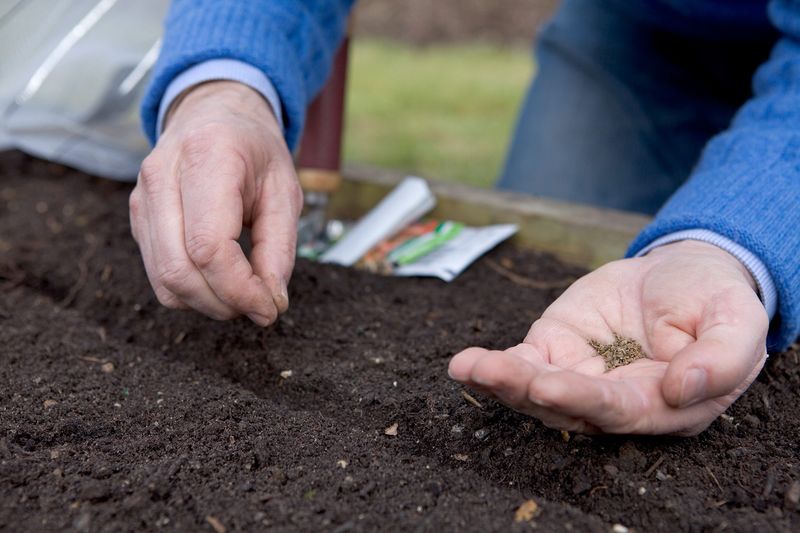
Sowing carrot seeds in early to mid-July gives them enough time to reach a harvestable size before the first frost arrives in your part of Pennsylvania.
Carrots typically need between 70 and 80 days to mature, depending on the variety, so working backward from your expected first frost date helps you figure out whether early July or mid-July sowing makes more sense for your specific location.
Carrot seeds need consistent moisture to germinate, and that can be a challenge during dry Pennsylvania summers. Keeping the top inch of soil evenly moist until seedlings emerge is one of the most important steps for a successful July sowing.
Raised beds with loose, well-amended soil work especially well for carrots since compacted or rocky ground can cause roots to fork or grow unevenly.
Thinning seedlings to about two to three inches apart once they reach a few inches tall helps each root develop properly before fall arrives.
2. Beets Bring Roots And Greens For Fall
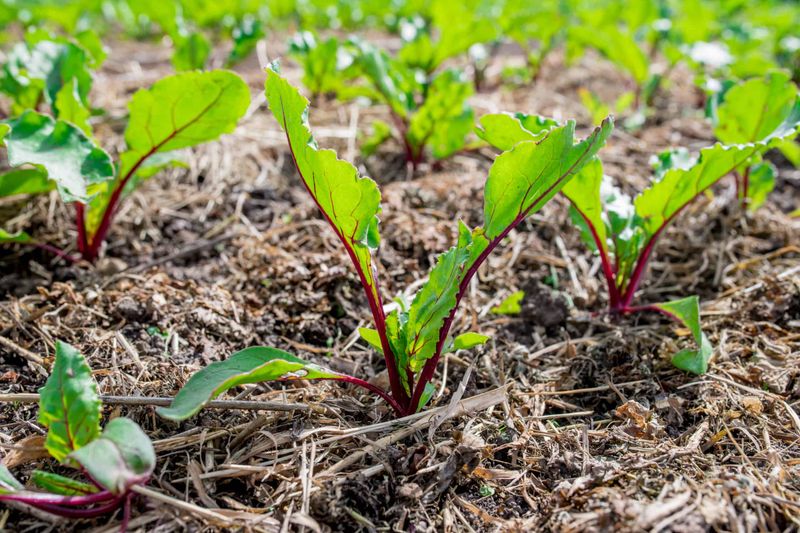
Beets are one of those vegetables that offer two harvests in one planting, which makes them especially practical for a Pennsylvania fall garden.
The roots develop into sweet, earthy globes perfect for roasting or pickling, while the young leaves can be picked throughout the growing season and used much like spinach or Swiss chard in the kitchen.
Getting both the greens and the roots from a single July sowing is a real advantage for home gardeners working with limited space.
Most beet varieties take between 50 and 70 days to reach full root size, which means a July sowing in Pennsylvania can reasonably produce mature roots before fall frosts arrive in many parts of the state.
Choosing varieties on the shorter end of that range gives you a bit more flexibility if you are sowing closer to the middle of July rather than the beginning of the month.
Your Pennsylvania Garden Changes Every Week. Your Plan Should Too.
Gardening in Pennsylvania changes quickly throughout the season. Every Friday you’ll receive a simple weekly plan showing exactly what to plant, prune, fertilize, harvest, and protect so you never miss the right timing.
Beet seeds are actually seed clusters, meaning each one can produce multiple seedlings. Thinning is important once the plants are a few inches tall, leaving about three to four inches between each plant so the roots have enough room to swell properly.
Beets prefer consistent moisture and do well in loose, well-drained soil.
Pennsylvania gardeners dealing with heavy clay soil may find that raised beds or amended garden beds give beet roots a better chance to develop evenly through the fall season.
3. Swiss Chard Keeps Producing Into Cool Weather
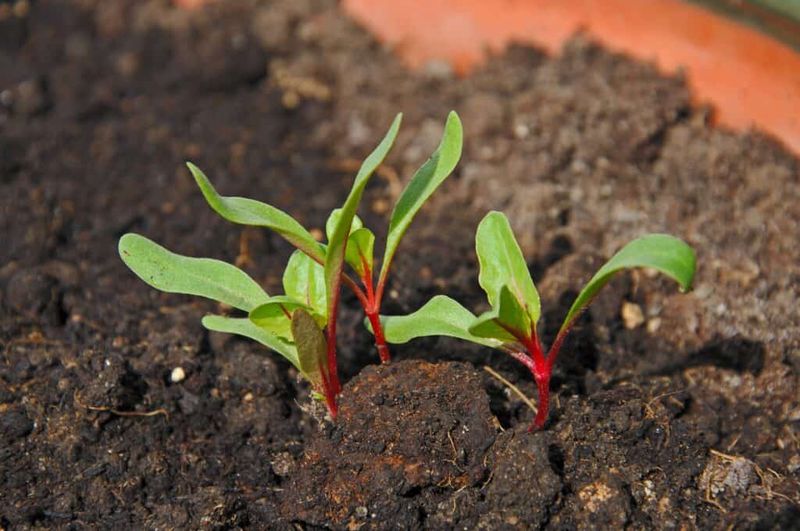
Few leafy greens match Swiss chard when it comes to sheer staying power in the fall garden.
While many spring crops wind down as temperatures climb, Swiss chard planted in July can keep producing fresh, tender leaves right through the cooler weeks of September and October in Pennsylvania.
It handles light frosts better than many other greens, and a light frost can even improve the flavor slightly, making the leaves taste a little milder and more pleasant.
Swiss chard grows relatively quickly, with most varieties reaching a harvestable size within 50 to 60 days after germination. That timeline fits well with a July direct sowing in Pennsylvania, particularly if you are aiming to have leaves ready well before your area sees its first hard frost.
The colorful stems, which come in shades of red, yellow, orange, and white depending on the variety, also add a cheerful look to the fall garden.
Germination is fairly straightforward, but like most seeds sown in July, Swiss chard needs evenly moist soil to sprout reliably.
Hot, dry spells can slow germination or cause the seedbed to crust over, so checking soil moisture regularly during the first week or two after sowing is worth the effort.
Once the seedlings are established, Swiss chard becomes more tolerant of variable conditions. Harvesting outer leaves as they reach a usable size encourages the plant to keep producing fresh growth through the fall season in Pennsylvania.
4. Bush Beans Can Still Give A Late Crop
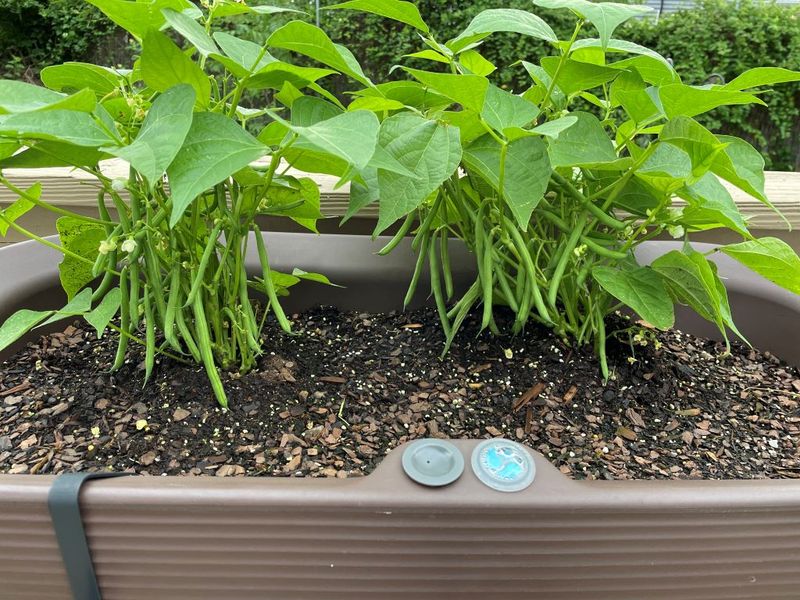
Empty garden beds left behind after garlic, spring onions, or early lettuces are cleared out can feel like wasted space in July, but bush beans are one crop that can step in and make use of that room.
Unlike pole beans, bush beans are compact, do not need staking, and tend to mature relatively quickly, which makes them a reasonable choice for a late-season planting in Pennsylvania when there is still enough warm weather remaining before the first frost.
Most bush bean varieties mature in about 50 to 60 days, so timing matters a great deal with a July sowing.
Sowing in early July rather than late July gives the plants a better chance of producing a full flush of pods before cool temperatures slow growth or frost becomes a concern.
Checking your local Pennsylvania first frost date and counting backward from that point helps you decide whether your garden has enough warm days left to support a late bean crop.
Bush beans need warm soil to germinate well, and fortunately July soil temperatures in Pennsylvania are usually favorable for that. Direct sowing works best since beans do not transplant well.
Sow seeds about one inch deep and a few inches apart in rows, and keep the soil reasonably moist until seedlings emerge. Once plants are up and growing, they are fairly manageable.
Harvesting pods while they are still young and tender encourages continued production and gives you the best eating quality from a late-summer planting.
5. Radishes Grow Fast For Fall Harvests
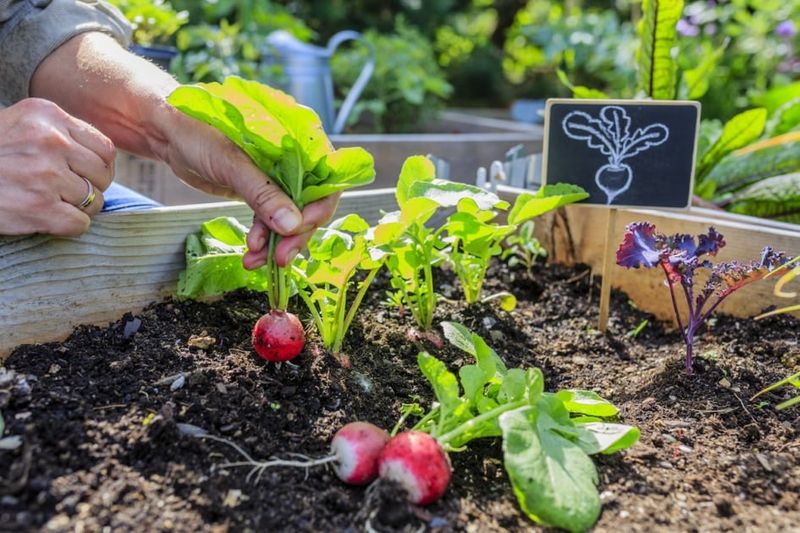
Speed is the defining quality of radishes, and that makes them one of the easiest vegetables to fit into a July garden plan in Pennsylvania.
Many varieties are ready to harvest in as little as 25 to 30 days from sowing, which means you could have a crop in hand well before summer even gives way to fall.
That quick turnaround also makes radishes useful as a succession crop, letting you sow a small batch every couple of weeks through July and into early August for a steady supply of fresh roots.
Radishes sown in late July in Pennsylvania often benefit from the gradually cooling temperatures of August and September.
Cooler weather tends to produce milder, crisper roots compared to those grown entirely in summer heat, which can sometimes make radishes taste sharper or turn pithy more quickly.
Choosing varieties suited for fall production can help improve texture and flavor as the season shifts.
Keeping the seedbed consistently moist is the most important step after sowing, since radish seeds germinate quickly when soil moisture is adequate but can struggle in dry, hot conditions.
Sowing seeds about half an inch deep and thinning seedlings to a couple of inches apart once they sprout helps each root develop properly.
Radishes are also a good companion crop for slower-growing vegetables like carrots, since they can be harvested before the carrots need the full space. That flexibility makes them a practical and satisfying addition to any Pennsylvania fall garden plan.
6. Spinach Needs Moist Soil To Germinate
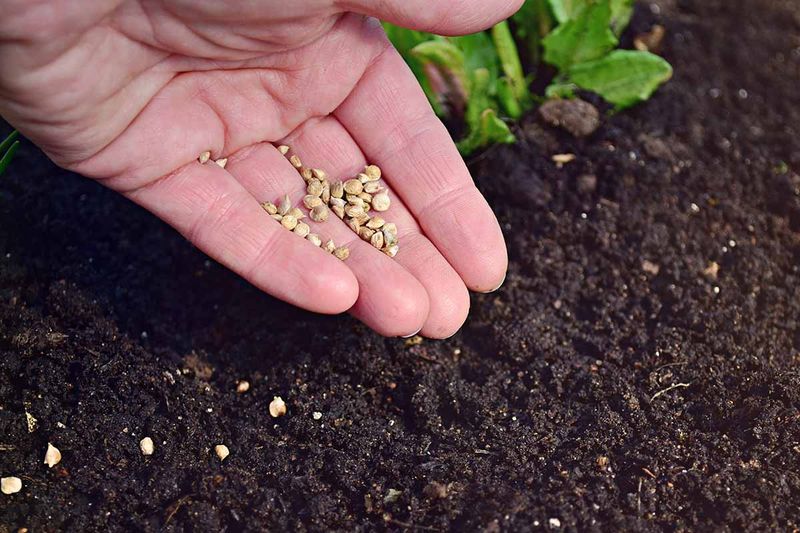
Spinach has a bit of a reputation for being finicky about germinating in warm weather, and that reputation is mostly earned.
Soil temperatures above 75 degrees Fahrenheit can reduce germination rates noticeably, which means sowing spinach in the heat of early July in Pennsylvania requires some extra attention to seedbed moisture and timing.
Watering the planting area thoroughly before sowing and keeping the surface consistently moist in the days that follow can make a real difference in how well seeds sprout.
One approach some Pennsylvania gardeners use is to pre-chill spinach seeds in the refrigerator for a few days before sowing.
While this is not a guaranteed fix for warm-soil germination challenges, it can sometimes help improve sprouting rates when soil temperatures are on the higher side.
Sowing seeds a little deeper than usual, about half an inch to three-quarters of an inch, can also help since soil temperature tends to be slightly cooler at greater depth.
Once spinach seedlings are up and established, they grow quickly and handle cool temperatures very well.
Fall-grown spinach in Pennsylvania often benefits from the gradual cooling of September and October, producing tender, flavorful leaves that are noticeably sweeter than summer-grown spinach.
Light frosts generally do not harm established plants and can even improve leaf quality.
Choosing bolt-resistant varieties designed for fall production helps reduce the chance of plants going to seed prematurely if warm weather lingers into late summer across Pennsylvania.
7. Turnips Work Well For Late-July Sowing
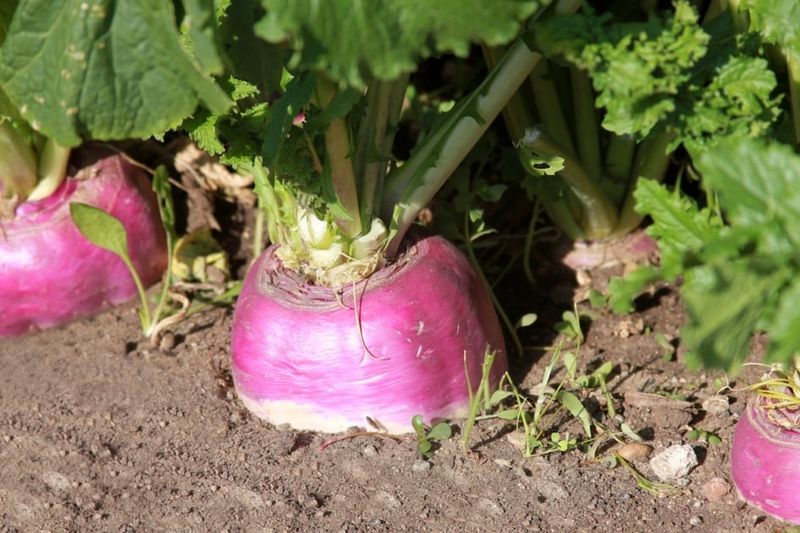
Turnips are one of the more forgiving cool-season vegetables you can direct sow in a Pennsylvania garden during the later part of July.
They grow quickly, with many varieties reaching harvestable root size in around 40 to 60 days, and they actually prefer the kind of gradually cooling temperatures that Pennsylvania gardens experience from August through October.
Sowing turnips too early in the season often leads to roots that are woody or overly sharp in flavor, so a late-July sowing tends to suit them well.
The greens that turnips produce are also worth considering. Young turnip tops can be harvested for cooking well before the roots are ready, which means a single planting offers two different crops from the same garden space.
Turnip greens are especially popular in certain regional cooking traditions and are a nutritious addition to fall meals. For Pennsylvania gardeners looking to get the most out of a small garden bed, that dual-use quality is a genuine advantage.
Turnip seeds germinate readily in warm soil and do not require the same level of careful moisture management that spinach does, though keeping the seedbed from drying out completely during the first week after sowing still matters.
Sow seeds about a quarter to half an inch deep and thin seedlings to about four to six inches apart once they are established.
Turnips can tolerate light frosts and may even develop a slightly sweeter flavor after a cool night, making them a reliable choice for Pennsylvania fall gardens.
8. Kohlrabi Adds Crunch To The Fall Garden
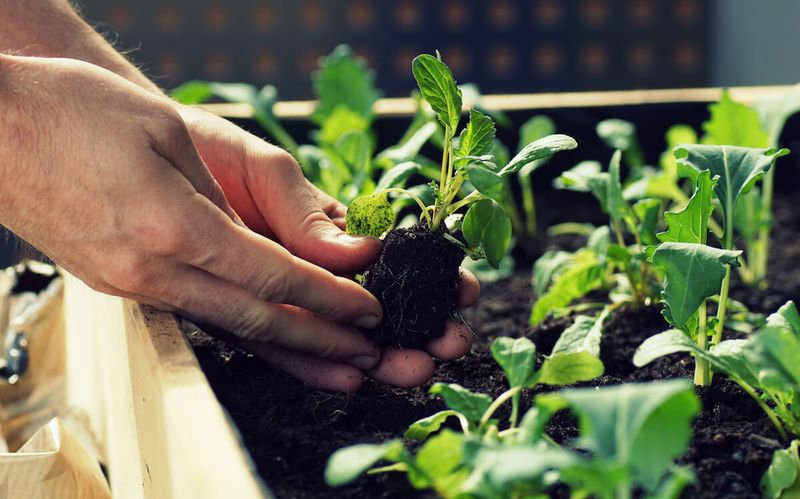
Kohlrabi might not be the first vegetable that comes to mind for a July sowing, but it is one of the more interesting crops a Pennsylvania home gardener can add to a fall garden plan.
The swollen stem, which is the part you eat, has a crisp, mild flavor that sits somewhere between a broccoli stem and a mild radish.
It can be eaten raw in salads or slaws, roasted, or added to soups, making it a versatile kitchen crop that holds up well through the cooler fall weeks.
Most kohlrabi varieties mature in about 45 to 60 days, which fits reasonably well with a late-July sowing in Pennsylvania if your area typically sees its first frost in mid to late October.
Choosing a variety on the faster end of that maturity range gives you a bit more buffer time and reduces the risk of the growing season ending before the stems reach full size.
Kohlrabi also handles light frosts without much trouble, which adds a little flexibility to the harvest window.
Direct sowing kohlrabi works well since the seeds germinate reliably in warm summer soil. Sow seeds about a quarter inch deep and thin plants to about five to six inches apart once they are a few inches tall.
Keeping the soil evenly moist encourages steady, even growth and helps prevent the stems from becoming tough or cracking.
Kohlrabi grown in Pennsylvania raised beds with loose, fertile soil often produces the most tender and flavorful results in the fall garden.