What It Means When Robins Suddenly Flock To Your Dry Pennsylvania Lawn
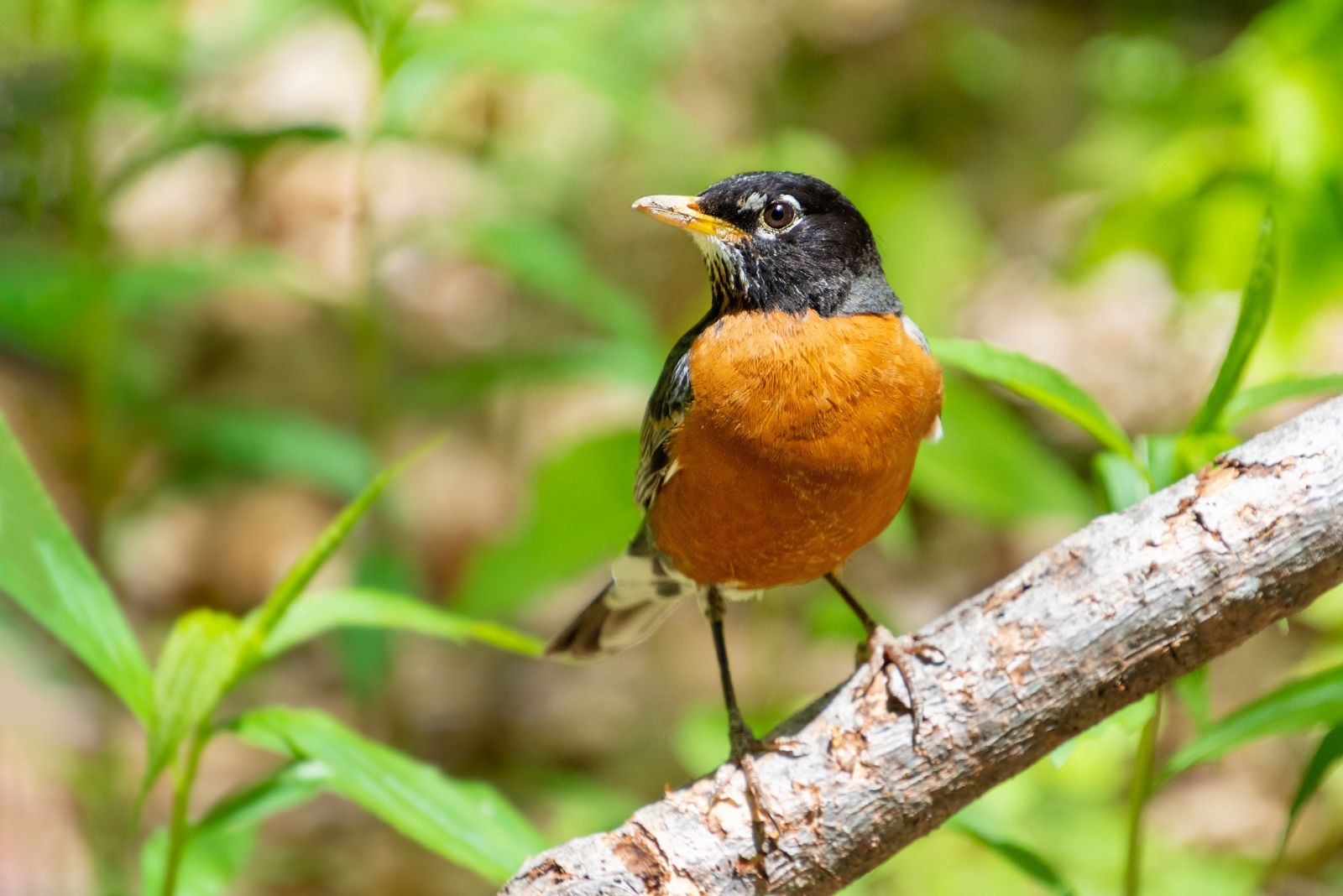
You look out the window and your lawn is covered in robins. Not just one or two hopping around in the usual way, but a whole flock moving across the grass with clear intention, heads tilting, bills probing the ground.
It’s one of those backyard wildlife moments that stops you mid-coffee and makes you genuinely curious. Why here? Why now? And what are they all after?
A sudden influx of robins on a dry Pennsylvania lawn is not random, and it’s not just about worms.
Robins are highly intelligent foragers that respond to very specific conditions in the soil and landscape, and when they descend on a lawn in numbers, they’re usually responding to something that’s shifted just below the surface in ways most homeowners never notice.
What they’re telling you about your lawn is actually worth knowing, both for what it reveals about soil health and the broader ecosystem activity happening right under your feet. Here’s what a flock of robins on your dry Pennsylvania lawn really means.
1. They Are Hunting For Insects In Stressed Turf
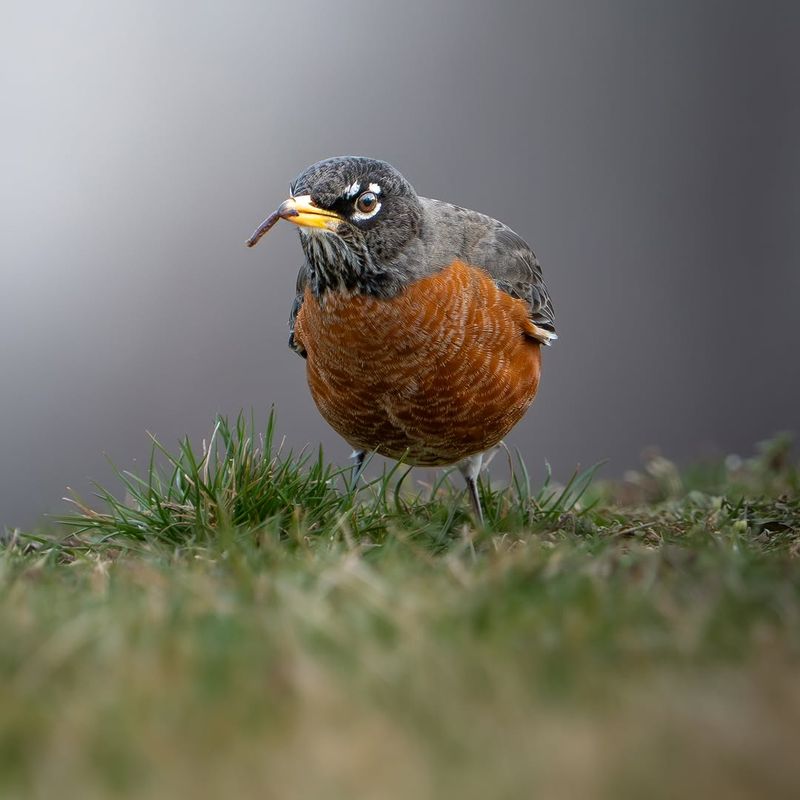
Robins are surprisingly skilled hunters, and a dry lawn can actually work in their favor. When turf gets stressed from lack of water, the soil compacts and cracks, and insects, grubs, and beetles get pushed closer to the surface or into visible patches of bare ground.
That makes hunting a whole lot easier for a bird with sharp eyes and quick reflexes. You might notice robins stopping suddenly, tilting their heads sideways, and then jabbing their beaks into the soil. That head tilt is not random.
Robins use their eyes and possibly their hearing to detect movement underground. When insects are active near the surface of dry, thin turf, robins can spot or sense them much more easily than in thick, lush grass.
A sudden flock gathering on your lawn is a strong sign that insect activity is still happening beneath that dry surface. Grubs from beetles like Japanese beetles are common in Pennsylvania lawns and tend to stay active even during dry stretches.
Ants, earwigs, and other small insects also move through stressed soil regularly. Before you panic about your lawn looking rough, consider what the robins are telling you. Their presence means your yard still has a living ecosystem underneath it.
That is actually a good thing. A healthy insect population supports birds, helps break down organic material, and keeps your soil from becoming completely lifeless.
Let the robins do their work. They are providing free pest scouting, and their feeding behavior can give you a clearer picture of what is actually living in your lawn before you decide on any treatment plan.
2. Recent Rain Or Watering Brought Worms And Bugs Closer To The Surface
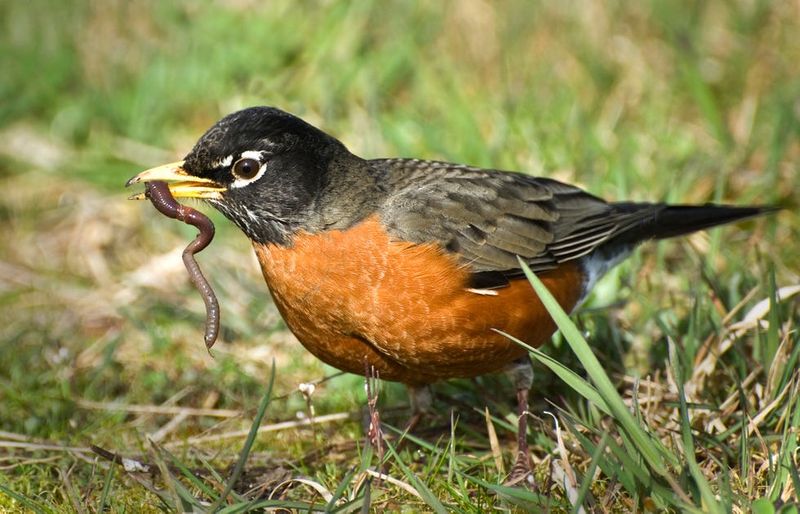
Even one good sprinkler cycle or a brief afternoon thunderstorm can completely change what is happening just below the surface of your lawn. Earthworms, which spend dry periods burrowed deep in the soil, quickly move upward when moisture reaches them.
Your Pennsylvania Garden Changes Every Week. Your Plan Should Too.
Gardening in Pennsylvania changes quickly throughout the season. Every Friday you’ll receive a simple weekly plan showing exactly what to plant, prune, fertilize, harvest, and protect so you never miss the right timing.
Insects that were hiding under dry clumps of dirt also shift toward the surface when the ground softens even slightly.
Robins pick up on this fast. They seem to appear out of nowhere after a rain event, and that timing is no coincidence.
These birds have learned through instinct and experience that wet soil means accessible food. A lawn that looked totally empty of birds an hour ago can suddenly have ten or fifteen robins working it like a buffet line.
In Pennsylvania, summer storms are common and can be brief but intense. Even if your lawn still looks mostly dry, a low spot, a shaded area near the house, or a section near a downspout can hold moisture long enough to draw worms upward.
Robins are quick to find those spots and will often concentrate their feeding in one section of the yard rather than spreading out evenly.
If you notice the flock showing up right after you water or after a storm, that timing tells you a lot. Your lawn has earthworms present, which is a sign of decent soil health despite the dry conditions on top.
Earthworms are incredibly valuable. They aerate the soil, break down organic matter, and improve drainage over time.
Seeing robins pull them up is actually a reassuring sign that your soil is not as far gone as it might look from the surface.
3. Your Lawn Has Open Ground They Can Search Easily
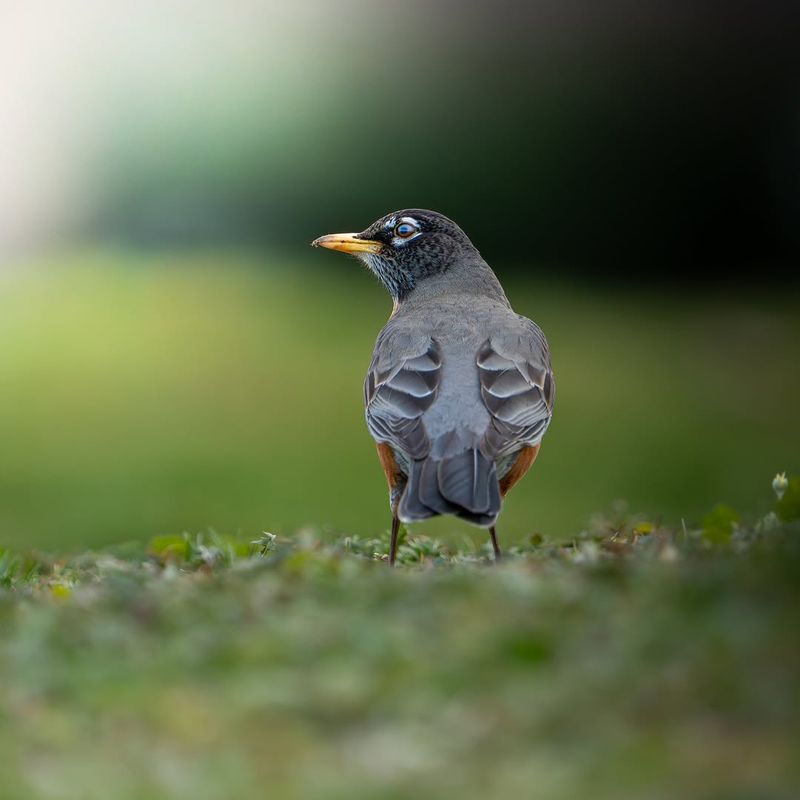
Thick, lush grass is actually harder for robins to hunt in. Dense turf hides movement, makes it harder to probe the soil, and blocks the bird’s line of sight to potential prey.
A dry, stressed lawn with thin grass and exposed patches of bare soil is, from a robin’s point of view, a wide-open feeding opportunity.
Pennsylvania lawns that go through late summer dry spells often develop bare spots, thin coverage, and areas where the grass has pulled back from the soil. Homeowners usually see this as a problem, and in terms of lawn health, it is.
But robins see it differently. Those open patches are prime hunting ground where they can move freely, spot surface insects quickly, and probe the soil without fighting through thick root mats.
Open ground also gives robins a clear view of approaching predators, which matters a lot to a bird that spends most of its time on the ground. They feel safer foraging in spaces where they can see what is coming.
A lawn with some open areas and a few nearby trees or shrubs hits a sweet spot for them between visibility and safety.
Here is something worth thinking about: if robins are drawn to your stressed, open lawn, it might be a nudge to look into overseeding and soil improvement once cooler fall temperatures arrive.
Aerating, adding compost, and reseeding thin areas can help your lawn recover while still maintaining a yard that supports local wildlife.
You do not have to choose between a healthy lawn and a bird-friendly yard. With the right timing and approach, you can have both working together beautifully.
4. They May Be Gathering Before Migration Or Seasonal Movement
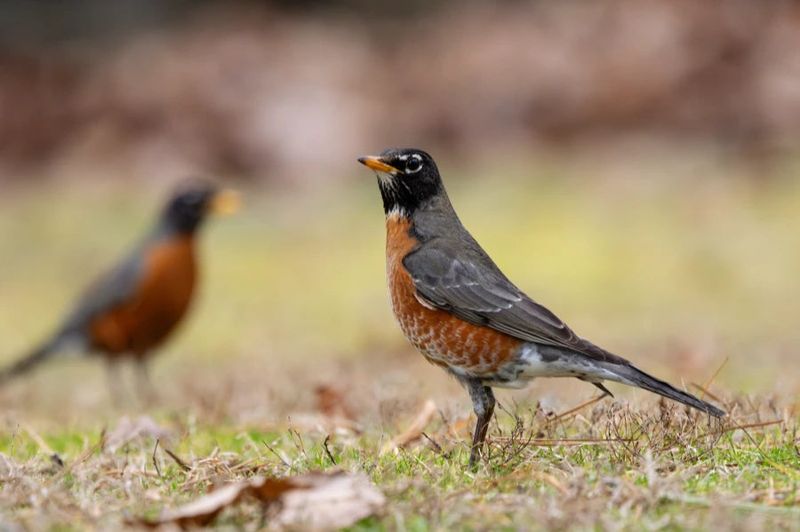
Most people think of robins as a sign of spring, but they are actually present in Pennsylvania throughout much of the year. What changes in late summer and fall is their behavior.
Robins start becoming more social, grouping together in flocks rather than staying in individual territories. This shift is tied to seasonal instincts that prepare them for regional movement and a change in diet.
During breeding season, robins are territorial and spread out. Once the nesting season ends, that territorial behavior fades.
You might start seeing groups of five, ten, or even twenty or more robins moving together across open areas.
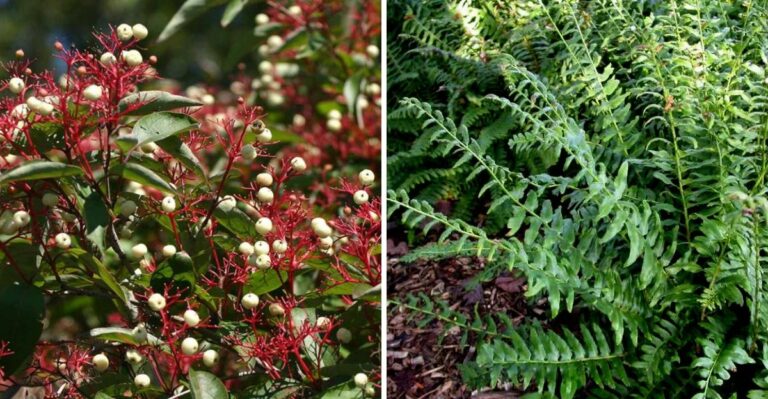
A dry lawn gives them a wide space to gather and feed as a group before they begin shifting toward berry-heavy food sources like winterberries, crabapples, and dogwood berries.
This gathering behavior is sometimes called pre-migratory flocking, though Pennsylvania robins do not always leave the state entirely. Many shift to wooded areas and berry patches for the colder months rather than flying south.
The flock on your lawn might be fueling up, socializing, or simply moving through as part of a larger regional pattern.
Watching the flock closely can give you clues about the season shifting. If robins are showing up in larger numbers than usual and seem restless, moving in and out of your yard quickly, that is often a sign that fall is approaching faster than the calendar suggests.
Nature runs on its own timeline, and robins are one of the most reliable indicators that something seasonal is changing. Their presence on your lawn is a small but meaningful piece of that bigger picture.
5. Nearby Trees And Shrubs Offer Safe Perches
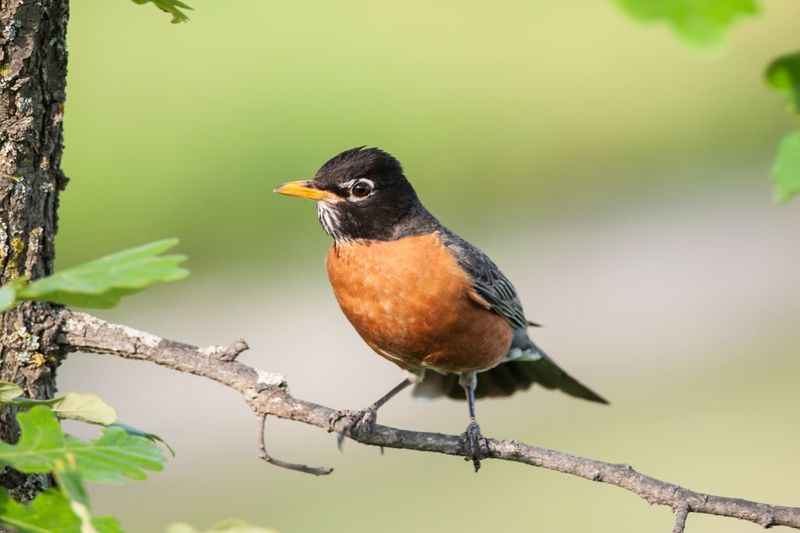
Robins are ground feeders, but they are not reckless about it. Every few minutes while feeding, a robin will pause, look around, and often fly back up to a branch or fence post to scan for danger.
This back-and-forth between the ground and an elevated perch is a core part of how they stay safe while foraging.
Your yard might be attracting a flock not just because of the food below but because of the structure around it.
A lawn bordered by mature trees, dense shrubs, privacy hedges, or even a wooden fence gives robins exactly what they need: open ground to hunt and nearby cover to retreat to when something startles them. Without that cover nearby, robins are less likely to linger.
In Pennsylvania, many suburban and rural yards naturally have this combination. Shade trees near the lawn, ornamental shrubs along the property line, or even a row of arborvitae can serve as safe perching zones.
Robins are very good at reading a landscape quickly and deciding whether it is worth the risk to feed there.
If you want to keep robins visiting regularly, maintaining a mix of open lawn and leafy perching spots is one of the most effective things you can do. Native shrubs like serviceberry, elderberry, and red-twig dogwood do double duty.
They provide safe perches and produce berries that robins love in late summer and fall.
Planting even one or two of these near your lawn creates a more complete habitat that supports robins and many other bird species through multiple seasons without requiring much ongoing maintenance from you.
6. It Is A Sign To Avoid Harsh Lawn Chemicals
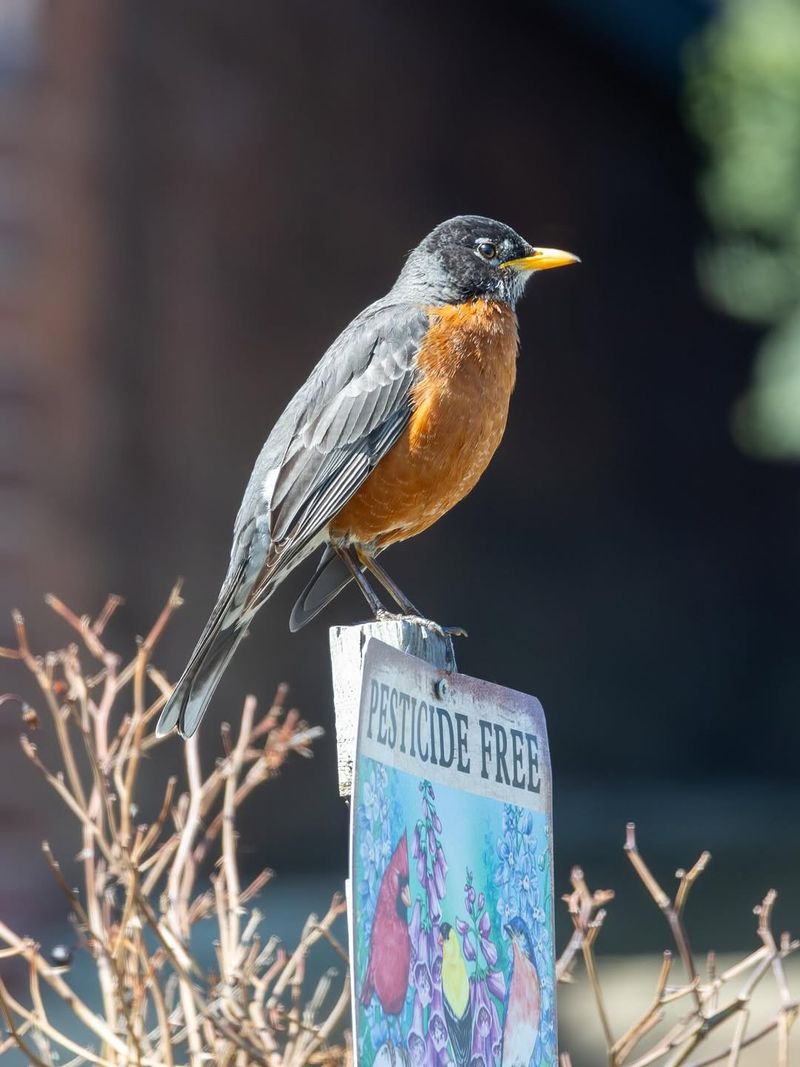
Seeing robins actively feeding on your lawn sends a clear message: your yard is part of a living food web. Earthworms, grubs, beetles, and soil insects are all present, and birds are depending on them.
That matters a great deal when you are thinking about how to treat your lawn for pests or trying to green it up after a dry stretch.
Broad-spectrum pesticides and insecticides applied without a clear target can remove the very food sources robins and other birds rely on. Robins that eat insects or worms from recently treated soil can also be harmed by chemical residue.
This is a well-documented concern with certain classes of pesticides, including some commonly used grub treatments and weed-and-feed products that contain systemic chemicals.
Before reaching for any spray or granule product, take time to actually identify what problem you are trying to solve. Is there visible grub damage?
Are specific weeds spreading? Spot treatments and targeted approaches are almost always safer and more effective than blanket applications.
A local Penn State Extension office can help Pennsylvania homeowners identify lawn problems and recommend the least harmful solution.
The robins on your lawn are essentially doing a free inspection. If they are feeding actively, your soil is alive and functioning.
That is worth protecting. Healthy soil with a diverse insect population recovers from drought faster, holds moisture better, and requires fewer inputs over time.
Choosing organic or low-impact lawn care products when possible keeps that system intact. Think of the robins as your lawn’s early warning system and your reminder that the choices you make at ground level ripple upward through the whole food chain.