The Pennsylvania Weed That Regrows From The Tiniest Piece Of Root
Most garden weeds are an inconvenience. This one is a different category of problem entirely.
There is a weed spreading through Pennsylvania yards and natural areas that has defeated homeowners, professional landscapers, and land managers for decades.
It doesn’t just grow back after you pull it. It regrows from root fragments so small that a single pass with a shovel can create multiple new plants from the pieces left behind.
Dig it, cut it, or disturb it incorrectly and you make the situation worse rather than better. Pennsylvania properties that have it tend to have it for years before they don’t.
Understanding what makes this weed so difficult to remove is not just interesting. It’s the essential first step toward actually getting it under control.
Pennsylvania’s Hard-To-Beat Invader
Nobody guessed that pretty plant would one day become one of the most troublesome weeds in America.
Japanese knotweed comes from East Asia, where it grows in places like Japan, China, and Korea. In its homeland, it often sprouts on the rocky slopes of volcanoes. Local insects and fungi keep it in check there, so it rarely gets out of hand.
Things changed when it crossed the ocean. Gardeners in Europe and the United States bought it as a fancy ornamental plant. Some people even planted it to hold soil in place or to feed livestock.
Without its natural enemies, the plant took off. Today you can find it in nearly every county in Pennsylvania. It lines streams, crowds roadsides, and creeps along the edges of backyards and parks.
Botanists call it a perennial. That means it comes back year after year from the same underground system.
Frost may knock the stems down each winter, but the roots stay alive and ready to push up fresh shoots in spring.
Fun fact: in some parts of Asia, people eat the young spring shoots, which taste a bit like tart rhubarb. Still, never snack on a patch unless you know it has not been sprayed with chemicals.
If you live in Pennsylvania, learning about this plant now can save you plenty of trouble later. Catching it early is always easier than fighting a patch that has had ten years to settle in.
How To Recognize It
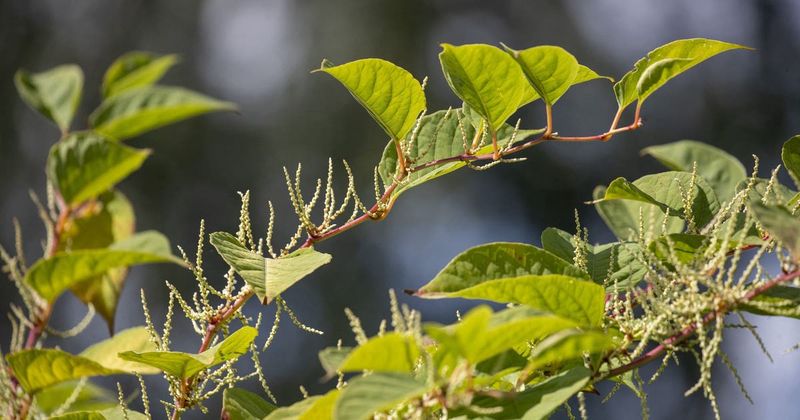
Think of yourself as a plant detective for a moment. Your suspect hides in plain sight, and plenty of people walk right past it. Luckily, Japanese knotweed leaves some very clear clues.
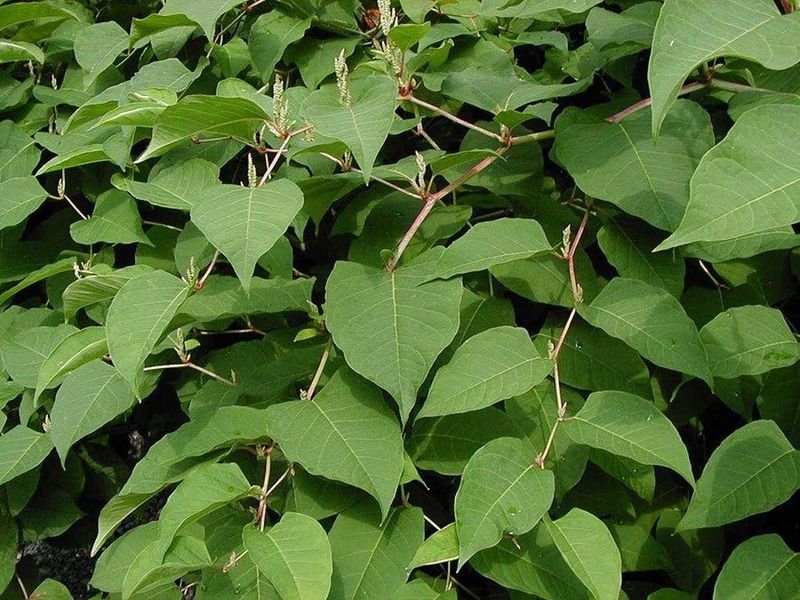
Clue number one is the stems. They are hollow inside and have raised rings, or joints, that look a lot like bamboo.
Many folks actually call it Mexican bamboo or American bamboo, even though it is not bamboo at all.
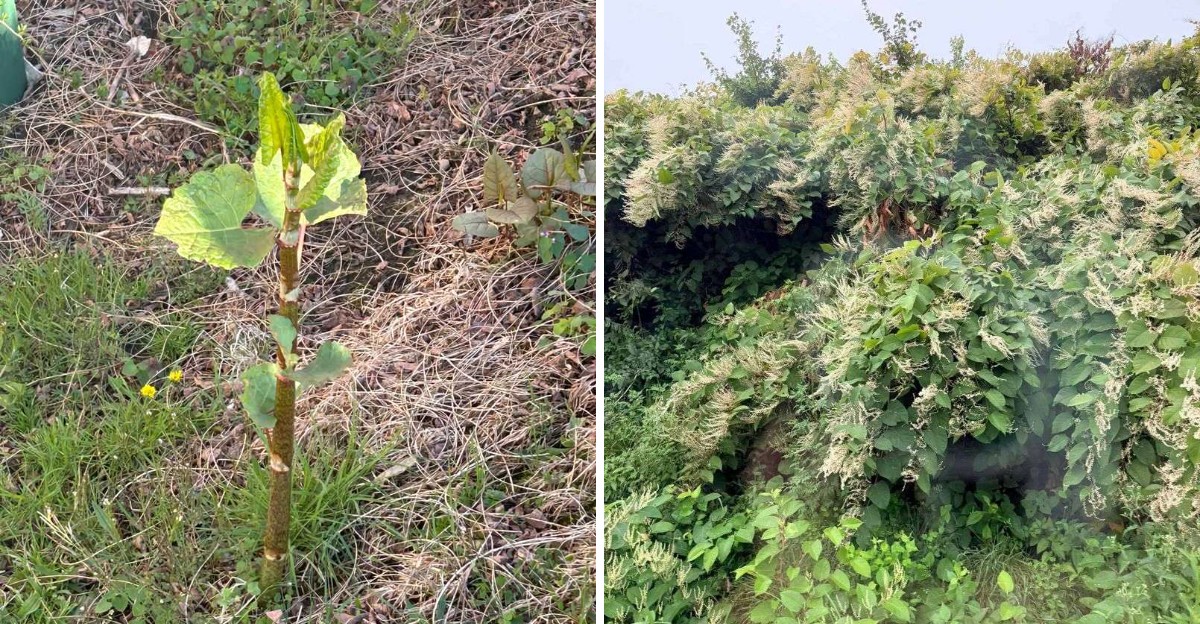
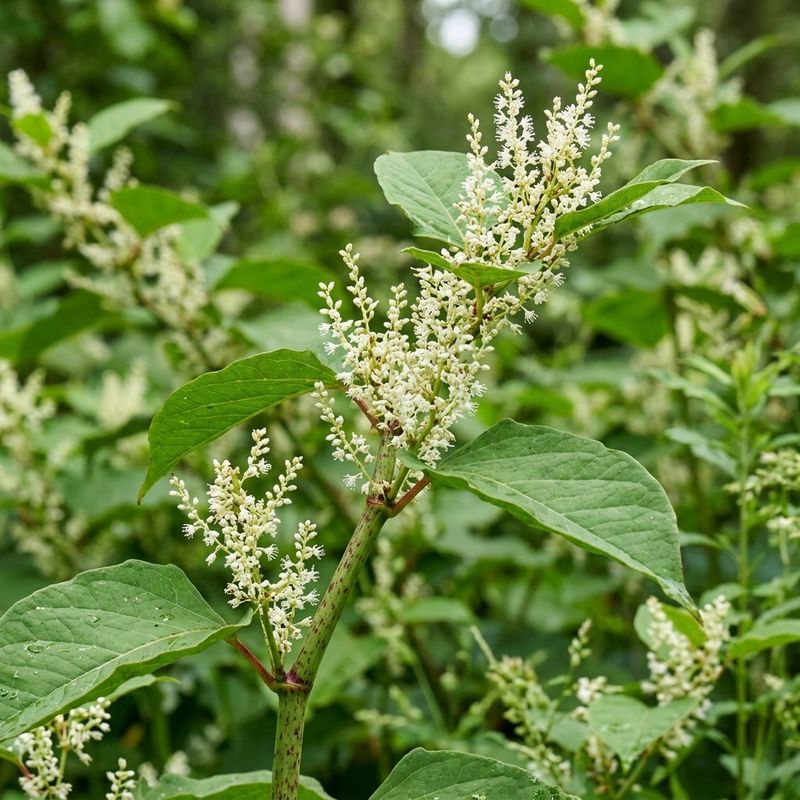
Look closely at the stems and you will notice reddish or purple speckles. Young shoots in spring often look like bright red asparagus spears poking out of the ground. By midsummer, the stalks can tower well over 6 feet, and some reach 10 feet or more.
Clue number two is the leaves. They are broad and flat, shaped like a heart or a shield, with a straight edge at the base. They grow in a zigzag pattern along the stem, one leaf at each joint.
Your Pennsylvania Garden Changes Every Week. Your Plan Should Too.
Gardening in Pennsylvania changes quickly throughout the season. Every Friday you’ll receive a simple weekly plan showing exactly what to plant, prune, fertilize, harvest, and protect so you never miss the right timing.
Clue number three shows up in late summer. Sprays of tiny creamy-white flowers dangle from where the leaves meet the stem. Bees love them, and the patch can look almost like it is covered in lace.
Finally, notice how it grows. Knotweed rarely stands alone. Instead, it forms dense thickets so crowded that you can barely see through them.
In winter, the old stems turn brown and brittle but often stay standing. Those dry, hollow canes rattle in the wind and make it easy to spot the patch any time of year.
Snap a photo and compare it to a guide from Penn State Extension if you are unsure.
Why A Tiny Piece Of Root Is Enough
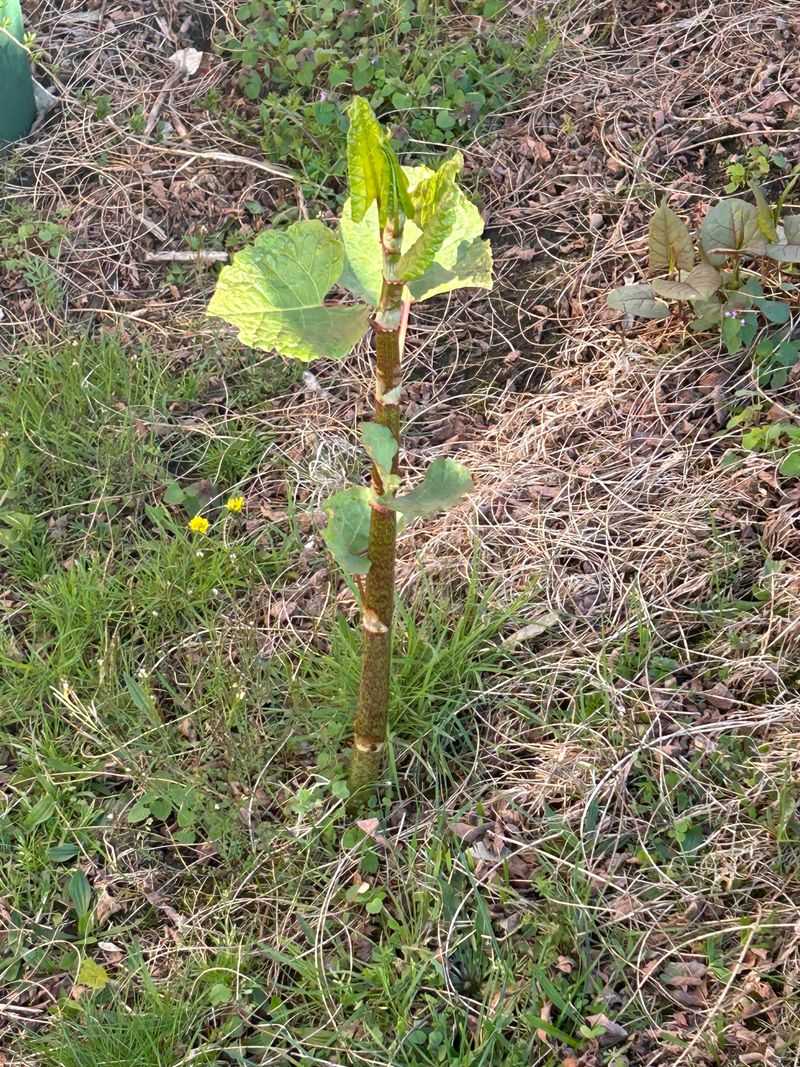
A chunk of root smaller than your thumbnail can grow into a brand-new plant. Some studies suggest a piece weighing less than a paperclip is enough to get started. That is what makes Japanese knotweed so tough to beat.
The secret lies underground. Knotweed spreads through thick, woody stems called rhizomes that creep sideways through the soil. They can stretch many feet from the main patch and dig down several feet deep.
Rhizomes work like hidden batteries. All summer, the leaves soak up sunlight and send extra energy down below for storage. Even a small broken bit carries enough stored fuel to send up fresh shoots and new roots.
Stems can be sneaky too. If a cut piece lands on damp soil, it may form roots at its joints and start a new patch. That means a lawn mower chopping up stalks can scatter dozens of future plants.
Here is where many homeowners go wrong. They grab a shovel, dig out what they can see, and feel proud of the work. Weeks later, several new shoots pop up where the old plant stood.
Tilling the ground makes the problem even worse. A tiller slices rhizomes into many small pieces and mixes them all through the soil. Each piece has a chance to become its own plant.
So what should you do instead? Avoid digging, tilling, or mowing a knotweed patch unless you have a clear plan.
Bag any bits you cut, and keep a close eye on the area for the next few seasons so you can catch new sprouts right away. Patience here pays off in a big way.
How It Spreads Across The Landscape
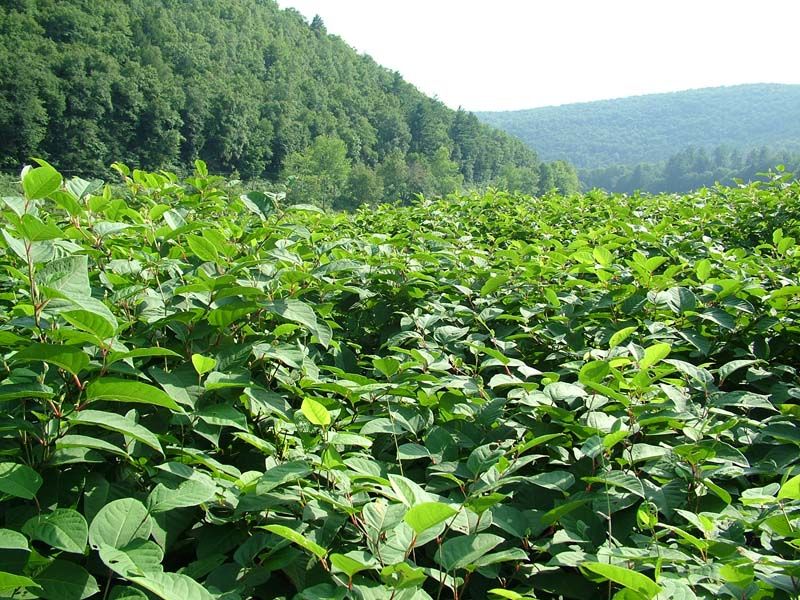
Imagine a spring storm dumping heavy rain across central Pennsylvania. A quiet creek swells into a muddy, rushing river. Along its banks, chunks of knotweed break loose and start a free ride downstream.
Floods are one of the biggest ways this weed travels. Moving water tears off pieces of stems and rhizomes and carries them for miles. When the water drops, those fragments settle into fresh mud and start growing.
That is why you see such thick walls of knotweed along the Susquehanna, the Juniata, and countless smaller creeks.
Streambanks give the plant everything it loves, including moist soil, lots of sunlight, and bare ground after floods scrape it clean.
People help it spread too, often without knowing it. Trucks move soil and fill dirt from one job site to another. If that dirt came from a knotweed area, it may be packed with hidden root pieces.
Yard waste is another sneaky culprit. Some folks toss clippings into the woods or at the edge of a vacant lot. A pile of knotweed stems dumped there can root and start a whole new colony.
Even road crews and mowing machines play a part. Mowers along highways can chop stems and fling the pieces farther down the road. Tires and equipment can carry soil with tiny fragments stuck inside.
Want to help stop the spread? Ask where fill dirt comes from before you buy it for a project.
Clean mud off boots, tools, and tires after working near a patch, and never dump garden waste in natural areas.
Small habits like these add up. Together, neighbors can keep fresh patches from popping up across town.
The Damage It Causes
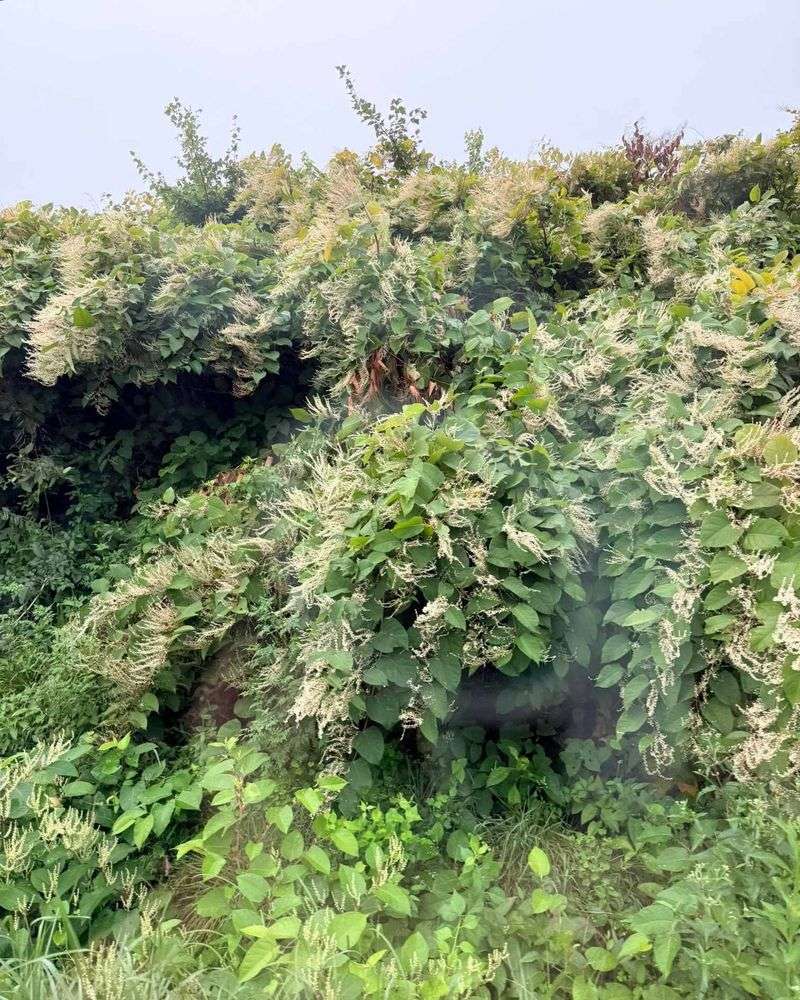
Walk through a patch of Japanese knotweed in July and something feels strange. The ground underneath is almost bare, and the air is shady and still. Very little else can grow there.
Knotweed leafs out early in spring and forms a thick green roof. That shade blocks sunlight from wildflowers, young trees, and other native plants. Over time, the variety of plants in the area drops sharply.
Wildlife feels the loss too. Native insects often cannot feed on knotweed, so fewer bugs live in the patch. Fewer bugs mean less food for songbirds, frogs, and fish in nearby streams.
Streambanks suffer in a different way. Native plants have fine roots that grip soil tightly like a net.
Knotweed stems pull back in winter, leaving the soil bare and loose right when heavy rains and snowmelt hit.
As a result, banks can crumble and wash away. More mud ends up in creeks, which can cloud the water and harm trout habitat. That is a big deal in a state known for its fishing streams.
Around the home, the trouble gets personal. Shoots can push up through cracks in driveways, patios, and sidewalks. They can also squeeze into weak spots in foundations, drains, and retaining walls.
The plant does not usually break solid concrete. Instead, it finds existing gaps and makes them wider as it grows. Repairs can be costly, and in some places a knotweed problem can even lower a home’s value.
If you spot shoots near your house, act early. Seal cracks, keep an eye on the edges of your yard, and talk to a local expert before the patch grows larger.
How To Get It Under Control
Good news first: you can win this fight. The catch is that it takes patience, usually three to five years of steady effort. Think of it as a marathon, not a sprint.
Many experts suggest a combined approach. Start by cutting the stems down to the ground in late spring or early summer. Cut again every few weeks whenever new shoots appear.
Each cut forces the plant to use up some of its stored energy. Over time, the rhizomes get weaker and the new growth comes back thinner and shorter. Cutting alone rarely finishes the job, though.
That is where herbicides come in. Treatments work best in late summer and fall, when the plant sends energy down to its roots for winter. The chemicals travel along with that energy right into the rhizomes.
Always read and follow the label carefully. Near streams, only certain products are allowed, so check with Penn State Extension or a licensed applicator first. Wear gloves and protect nearby plants you want to keep.
Proper disposal matters just as much as cutting. Never toss knotweed into a compost pile, a brush heap, or the woods. Let stems dry completely on a tarp or pavement, or seal them in heavy trash bags.
Once the patch weakens, plant tough native species like switchgrass, dogwood shrubs, or willows in the area.
They help shade out new sprouts and hold the soil in place. Keep checking every spring, because a few stubborn shoots may still appear.
Stay steady with the work and celebrate small wins. Every season you stay on top of it, your yard gets a little closer to being knotweed-free.