What Georgia Gardeners Should Plant In October For An Early Spring Harvest
October can look quiet in the vegetable garden, but some crops are only beginning their most useful stretch. Planting now can set you up for harvests surprisingly early next year.
That opportunity comes from choosing crops that handle cool weather and settle in before winter.
Georgia’s mild stretches give certain vegetables time to establish roots while growth above ground gradually slows. When warmer days return, those established plants already have a valuable head start.
So resist the urge to leave every empty bed untouched until spring.
Use October to fill the right spaces with crops suited to the months ahead. Timing matters because planting too late can reduce that early advantage.
Choose very carefully now, and your garden could be producing while many spring beds are only just getting started.
1. Spinach Gets A Head Start When Planted In October
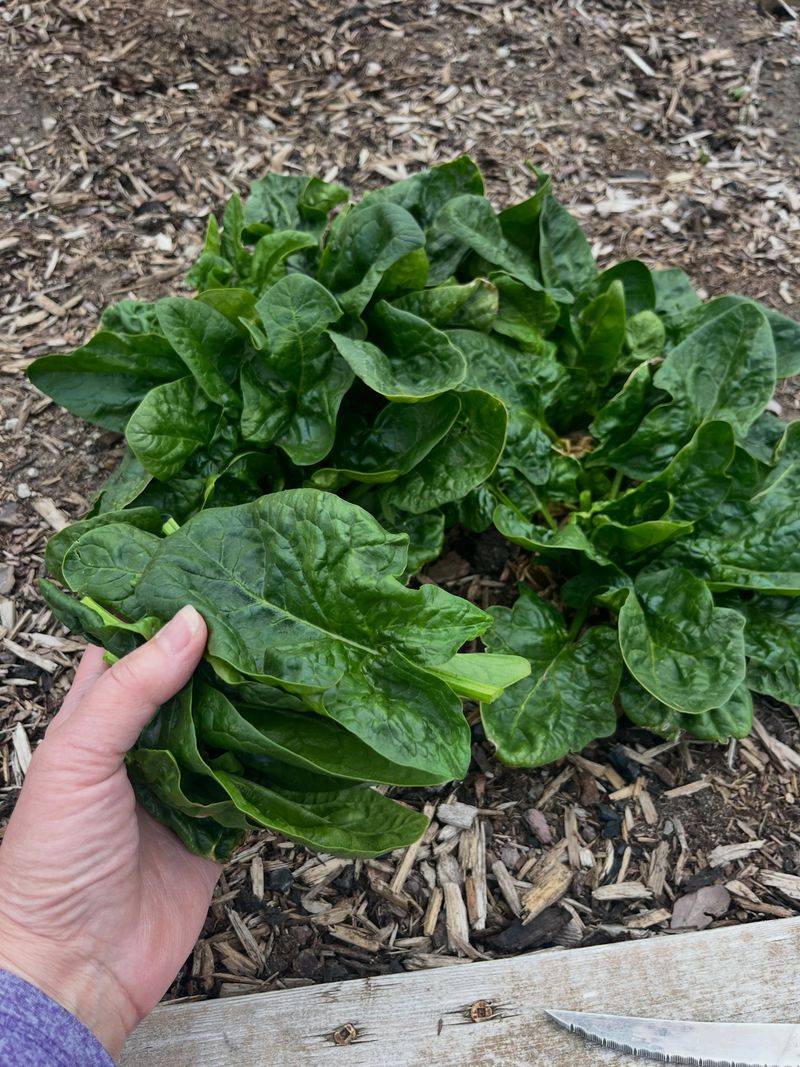
Few crops reward fall planting like spinach does. Seeds sown in October germinate in soil that has cooled to a comfortable range, and the young plants settle in without the bolting problems that ruin spring sowings.
Sow seeds about half an inch deep and thin the seedlings to roughly four inches apart once they have a few true leaves.
Spinach handles frost better than most greens, and light freezes often make the leaves taste sweeter. Growth slows way down in the coldest weeks, but the plants usually hold on and pick right back up.
A thin layer of straw around the base helps steady soil temperature during Georgia’s unpredictable January swings.
Harvest the outer leaves and leave the center alone. That approach keeps a single plant producing over many weeks instead of ending it with one cut.
Savoy types tend to shrug off cold well, while smooth-leaf varieties are easier to rinse clean after rain splashes soil around.
Watering needs drop off sharply in fall, so check the soil with your finger before dragging out the hose. Overwatering in cool weather invites rot more than it helps growth.
Come late February or early March, overwintered spinach often surges into thick, tender growth well ahead of anything started from seed that spring.
Keeping weeds cleared around the plants also improves airflow and reduces competition for nutrients during slower winter growth.
2. October Gives Green Onions Time To Establish Before Winter
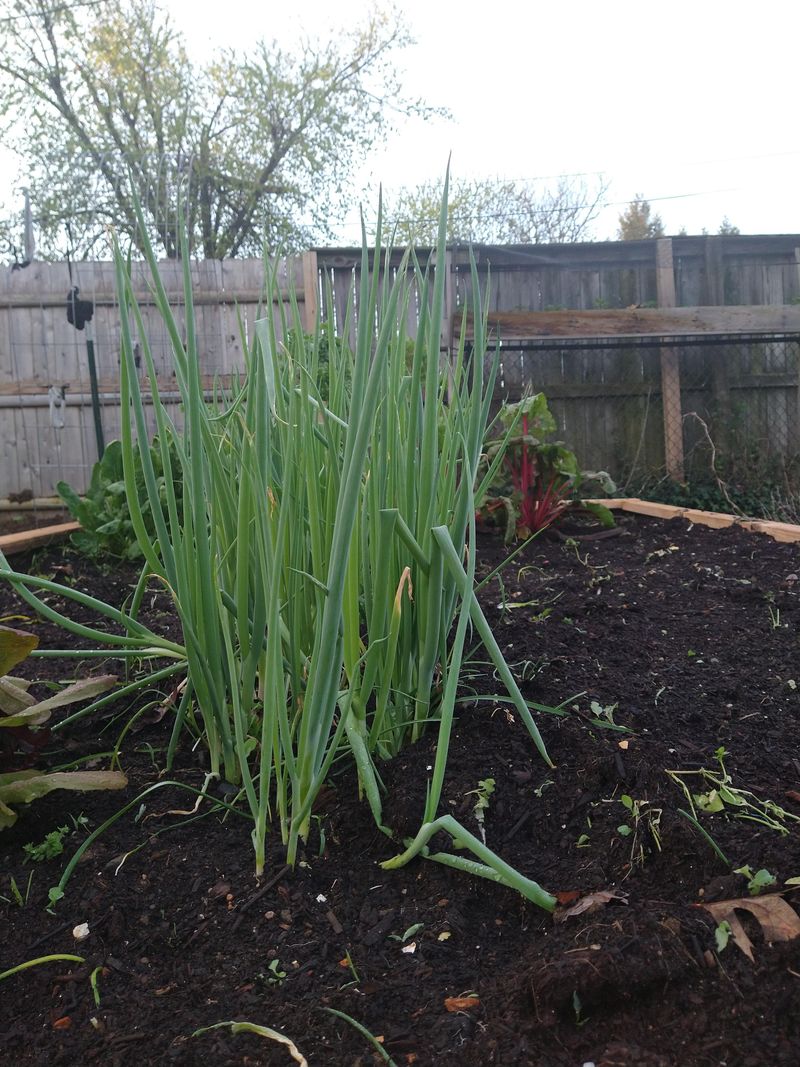
Green onions ask for very little and give back for months. Planting them in October lets the roots dig in while the soil still holds warmth from summer, which makes all the difference later.
You can start from seed, from sets, or from the trimmed root ends of store-bought bunches.
Sets are the quickest route since they already have stored energy and push up shoots within a couple of weeks. Seeds take longer but cost far less if you want a long row.
Space them close together, around two inches apart, because you are after slim stalks rather than big bulbs.
Cold weather rarely bothers them much. Shoots may flop or brown at the tips after a hard freeze, then send up fresh growth once temperatures climb again.
Your Georgia Garden Changes Every Week. Your Plan Should Too.
Gardening in Georgia changes quickly throughout the season. Every Friday you’ll receive a simple weekly plan showing exactly what to plant, prune, fertilize, harvest, and protect so you never miss the right timing.
Gardeners across Georgia often keep a small patch going year-round using this method, snipping stalks as needed for cooking.
Cut them a couple inches above the soil line instead of pulling the whole plant. Many will regrow from the base and give you a second or third round.
Keep the bed weeded early on, since onion seedlings are thin and easily crowded out by winter chickweed.
A light layer of mulch between the rows can help limit competition while protecting the shallow roots. Check the bed regularly and remove new weeds before they begin crowding the onions.
3. Cooler Soil Creates Better Conditions For Leaf Lettuce
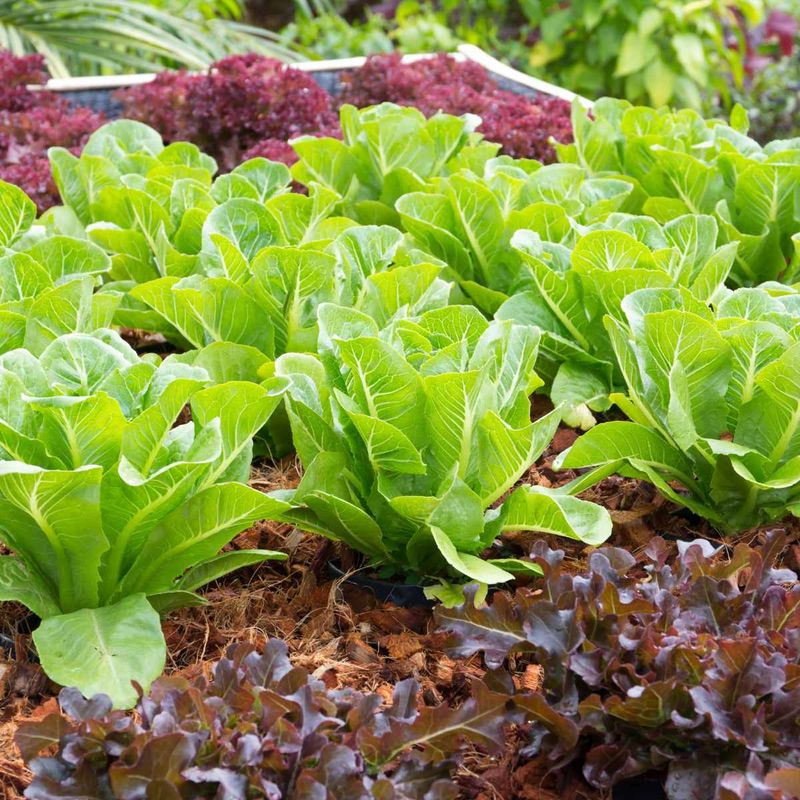
Lettuce hates heat, which is exactly why October works so well. Seeds that would have struggled in August soil sprout evenly now, and the plants grow tender instead of bitter.
Scatter seeds thinly and barely cover them, since lettuce seed needs light contact with the surface to sprout reliably.
Loose-leaf types like oakleaf, Black Seeded Simpson, and red salad bowl mature faster than heading varieties. That speed matters when you are racing the first real cold snap.
Plan on cutting your first leaves roughly four to six weeks after sowing, depending on the weather.
Hard freezes can damage exposed lettuce, so keep a piece of frost cloth or an old sheet handy. Draping it over the bed on the coldest nights usually pulls plants through fine.
Low tunnels made from wire hoops and clear plastic extend the season even further in north Georgia, where winter bites harder than it does near the coast.
Harvest in the morning while leaves are still crisp from overnight moisture.
Sowing a short row every two or three weeks through mid-November keeps salads coming instead of giving you everything at once. Any plants that make it through winter will take off fast in early spring.
Harvesting the outer leaves first lets the center keep growing, giving you several cuttings from the same plant.
4. Radishes Make The Most Of Georgia’s Mild October Weather
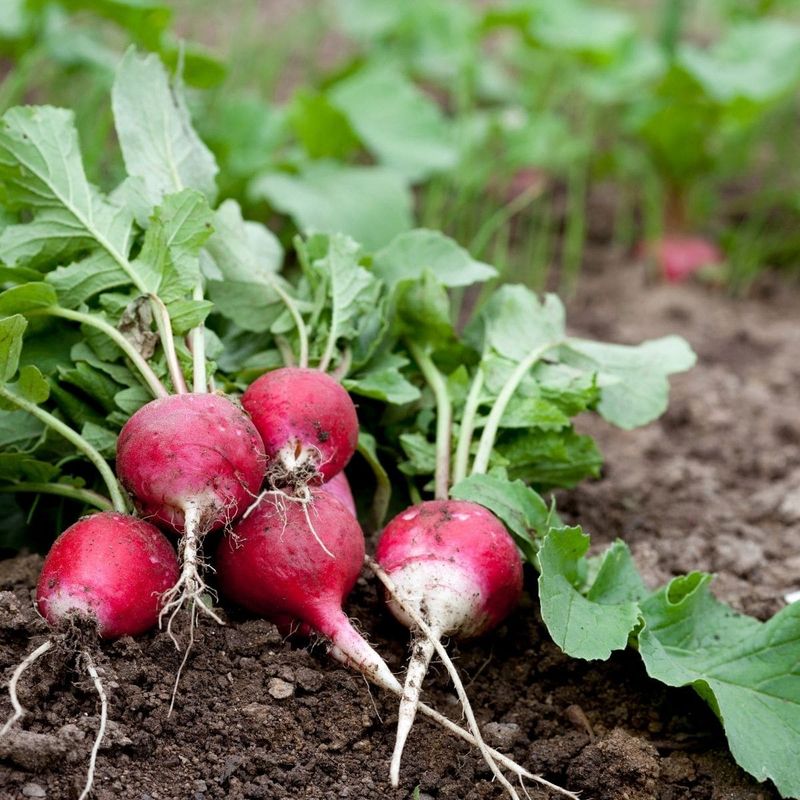
Nothing in the fall garden moves faster than a radish. Some varieties go from seed to plate in three to four weeks, which makes them the easiest win available in October.
Sow directly where they will grow, about half an inch deep, and skip transplanting entirely since the roots resent being moved.
Thinning is the step people skip and then regret. Crowded radishes make plenty of leaves and hardly any root, so pull extras until seedlings sit an inch or two apart.
Steady moisture keeps the roots mild and crisp rather than woody and sharp.
Cherry Belle and Early Scarlet Globe are dependable picks for quick rounds. Daikon and other winter radishes take longer but handle cold better and store well.
Because they finish so quickly, radishes fit neatly between slower crops or along the edges of a bed.
Mild autumn stretches common across much of Georgia let you plant a fresh batch every couple of weeks through late fall.
Pull them as soon as the shoulders reach full size, since leaving them too long can turn the texture spongy.
Do not toss the greens either. Young radish tops cook down nicely and taste similar to mild mustard greens.
Planting another small batch as you harvest the first one can keep fresh roots coming for weeks. Just keep the soil loose around each new sowing so the roots have room to develop evenly.
5. Set Cabbage Transplants Out While The Soil Is Still Warm
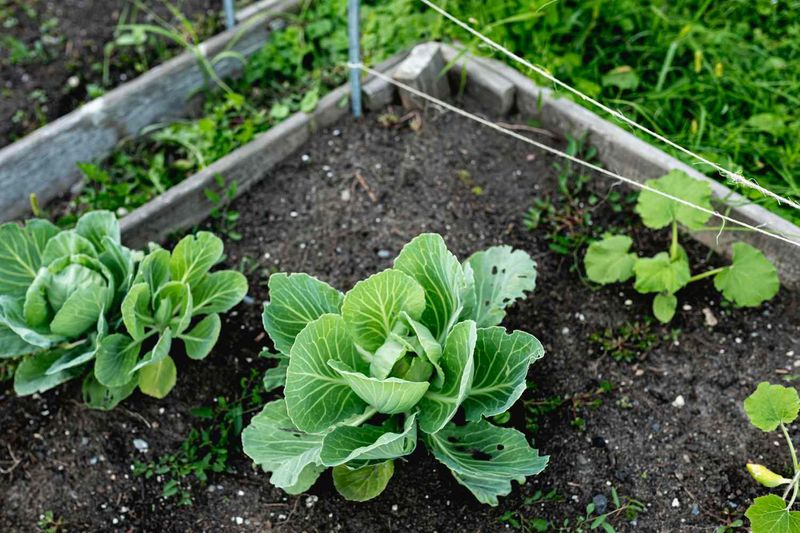
Warm soil is the whole reason October beats November for cabbage. Transplants set out now root quickly, and that early root growth carries the plants through the cold months ahead.
Buy sturdy young plants rather than starting seed this late, since seedlings need six weeks or so before they are ready for the ground.
Give each transplant about a foot to eighteen inches of space. Cabbage heads need room, and crowding tends to produce small, loose results.
Water them in well the day you plant, then keep the soil evenly moist for the first two weeks.
Cabbage handles frost without much trouble and often tastes better after a few cold nights. Extended hard freezes can damage outer leaves, though the heads usually survive.
Look for varieties bred for fall and overwintering, and check your local extension recommendations for Georgia planting dates in your part of the state.
Cabbage worms stay active well into fall, so flip a few leaves over each week and check for green caterpillars.
A layer of mulch keeps the roots from bouncing between warm afternoons and freezing nights, which helps prevent splitting later.
Heads that size up slowly through winter tend to be denser and sweeter than anything rushed in spring.
Harvest heads once they feel firm when gently squeezed, even if they have not reached their expected full size.
6. Collards Settle In Well As October Temperatures Begin To Drop
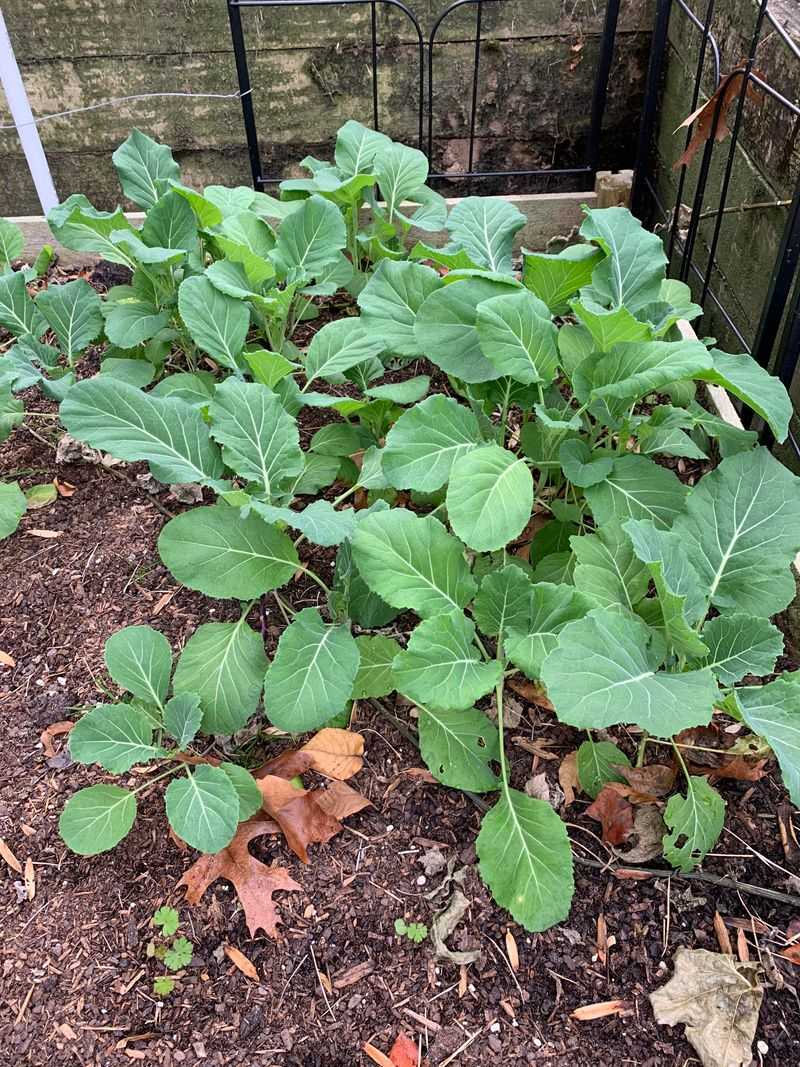
Collards are the backbone of the southern winter garden, and October is prime planting time. Cooling temperatures suit them perfectly, and the plants keep producing through weather that finishes off tender greens.
Transplants get you eating sooner, though seeds sown early in the month still have plenty of time.
Space plants about eighteen inches apart. They get larger than most people expect, and tight spacing leads to thin, stunted leaves.
Frost genuinely improves the flavor here, turning some of the starch in the leaves to sugar and cutting the bitterness.
Pick from the bottom and work upward, leaving the growing tip untouched. Handled that way, one plant can supply leaves for months.
Georgia cooks have leaned on collards through winter for generations, and the plant earns that reputation by simply refusing to quit.
Aphids sometimes gather under the leaves during warm spells, so a strong spray of water usually knocks them loose.
Feed the bed with compost or a balanced fertilizer a few weeks after planting, since leafy crops pull a fair amount of nitrogen.
By late winter the plants may start sending up flower stalks. Those tender shoots are edible too and taste a lot like broccoli raab.
Regular harvesting encourages the plants to keep producing fresh leaves from the center as winter continues.
Keep the area around each plant clear so the broad lower leaves have enough room to spread.
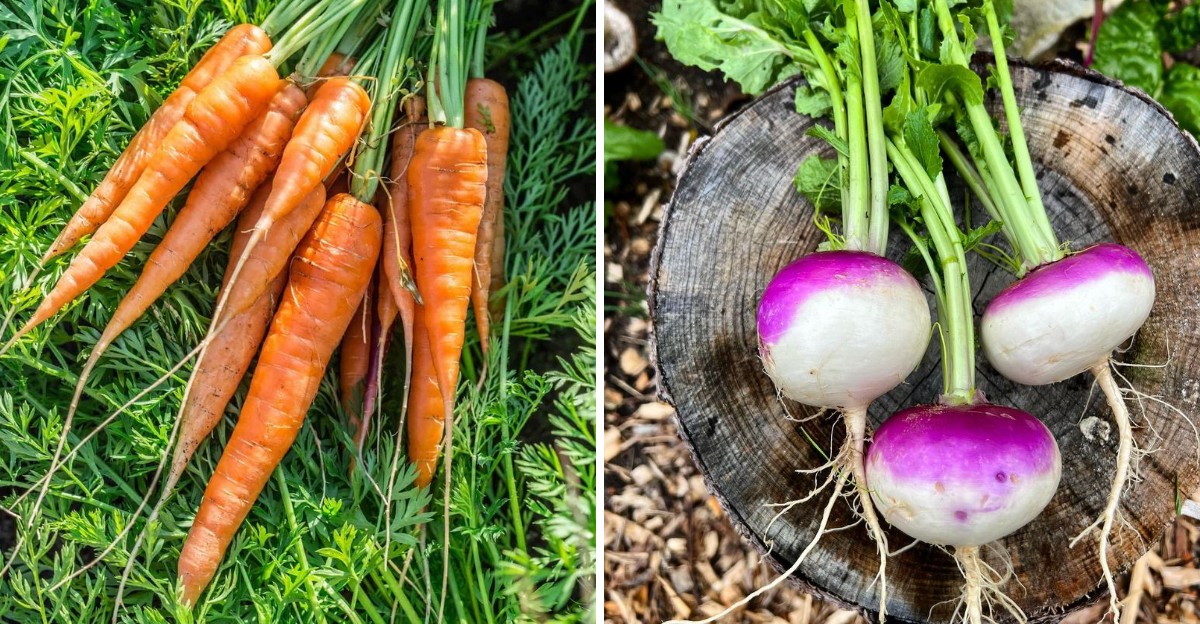
7. Carrots Need An Early October Start For The Best Results
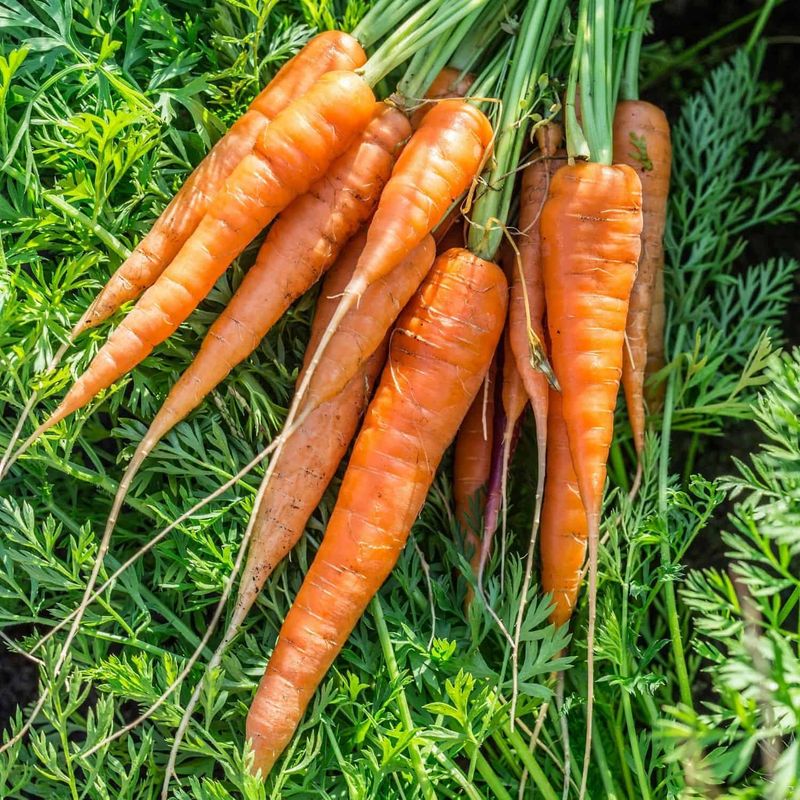
Timing is tight with carrots, so aim for the first two weeks of October. Seeds need warm soil to sprout, and the plants need weeks of decent growing weather before winter slows them down.
Loose, rock-free soil matters more than anything else. Compacted ground produces short, forked roots no matter how well you water.
Sow shallowly and keep the surface damp until sprouts appear, which can take one to three weeks. Drying out during that window is the usual reason carrot rows come up patchy.
A board or piece of burlap laid over the row holds moisture, but check daily and pull it once seedlings emerge.
Thin ruthlessly to about two inches apart. Crowded carrots tangle and stay skinny.
Roots left in the ground through cold weather often sweeten noticeably, and mulched beds in Georgia can usually be harvested straight through winter as needed.
Shorter varieties like Danvers Half Long or Chantenay handle heavier clay soils better than long slender types.
Weeds are the real threat early on, since carrot seedlings are slow and easily overwhelmed.
Pull a test carrot in midwinter to check size before harvesting the whole row.
Once the roots reach a useful size, leave the rest in the ground and harvest only what you need.
Replacing the mulch afterward helps protect the remaining carrots and keeps the soil easier to work during colder stretches.
8. Turnips Grow Quickly Once The Hottest Weather Has Passed
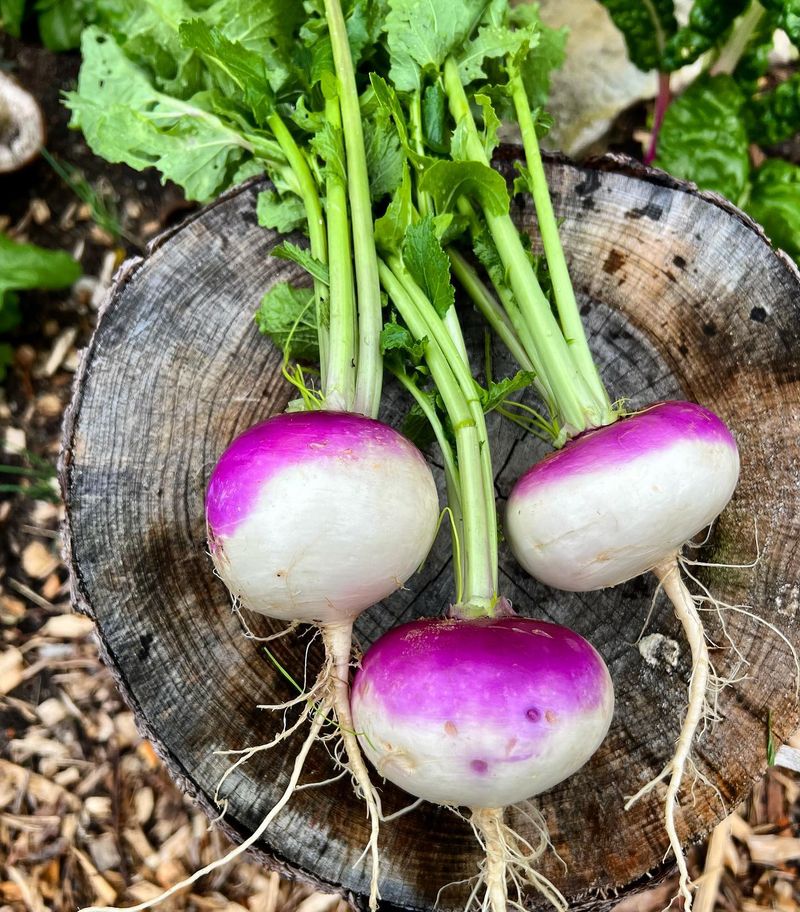
Two crops from one seed makes turnips hard to beat. Roots and greens both come off the same plant, and October conditions suit them about as well as anything you can plant.
Broadcast or sow in rows, then thin to roughly four inches apart for decent-sized roots.
Growth is fast once the heat lets up, with many varieties ready in fifty days or less. Purple Top White Globe stays the standard, while Seven Top is grown mainly for its leaves.
Pull roots while they are still on the small side, around two to three inches across, since oversized turnips turn tough and strong-tasting.
Greens can be cut lightly without hurting root development. Take a few outer leaves and leave the rest working.
Cold weather sweetens the roots, and light frosts do the same for the tops.
Turnips are a familiar sight in Georgia gardens through winter because they tolerate cold and keep producing with minimal attention.
Steady moisture prevents cracked, woody roots, though soggy soil causes its own problems, so drainage deserves a look before planting.
Sowing a second short row in early November gives you a later harvest and stretches the season a few more weeks.
A light mulch around established plants can help keep soil conditions more consistent as temperatures fluctuate.
Check the roots regularly once they begin sizing up so you can harvest them while they are still tender.