The Perennial Task Maryland Gardeners Regret Skipping Every August
Your garden is holding a secret you haven’t noticed. Every clump of untouched perennials is quietly losing strength beneath the soil. Roots crowd together, tangle, and forget how to bloom.
Something beneath the surface already guarantees thinner blooms come spring. Maryland gardeners who ignore this quiet signal pay for it later.
One overlooked move quietly encourages stronger roots and fuller growth. You already sense the thinning patches spreading across your beds. Nothing revives a struggling bed faster than intentional change.
Timing alone decides whether your garden flourishes or fades. Crowded roots gradually lose access to nutrients underground. Overcrowded beds quietly produce fewer flowers each year.
August offers a narrow, precise window to intervene now. Autumn hesitation risks weak roots before winter arrives. Acting now means noticeably fuller growth next spring.
Density quietly works against you, but Maryland timing favors you. Ignoring this moment will shape next spring’s entire garden.
Why August Matters For Maryland Gardeners
Hot soil. Humid air. August feels demanding. Yet this intense month is actually prime time for one of the most rewarding garden tasks you can do. Dividing perennials in August gives roots enough time to settle before the first frost hits.
Maryland summers run long and steamy, which works in your favor here. The ground stays warm well into September, giving transplanted root clumps a solid head start on establishment.
Most gardeners wait until spring, thinking cooler weather is safer for plants. That logic sounds reasonable, but many perennial varieties actually establish just as well, or better, when divided in late summer instead.
August also tends to offer a brief window of slightly cooler mornings, especially in the Piedmont and Eastern Shore regions. Those cooler morning hours are your best friend when you are digging and replanting.
Waiting even two or three weeks can shrink that window fast. Frost dates vary widely across Maryland, from early October in the mountains to early November on the Eastern Shore, leaving less recovery time than most people realize.
Perennials divided in August also skip the spring competition for root space. They settle in quietly while the rest of the garden sleeps, gaining ground before neighboring plants even wake up.
Think of August as the garden’s hidden productivity hour. The perennial task Maryland gardeners regret skipping every August is not complicated, but timing is everything, and the clock is already ticking.
The Perennial Task That Prevents Next Year’s Weak Blooms
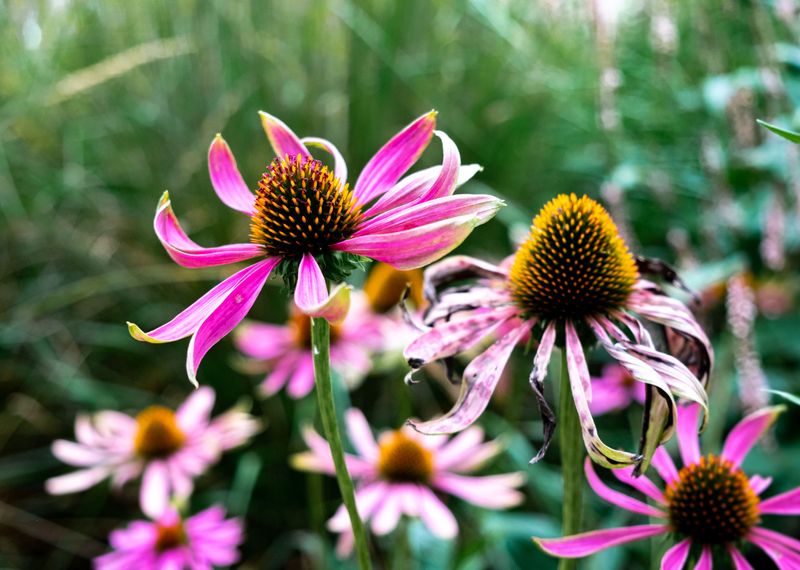
Crowded roots wear themselves out slowly. When perennials grow too thick, they compete for nutrients, water, and light. The result is smaller blooms, fewer stems, and a plant that looks exhausted by midsummer.
Dividing perennials is the single most effective fix for weak bloom performance. You are essentially giving each plant section room to breathe, feed, and flower at full capacity again.
Think about a clump of coneflowers that once bloomed generously. After a few years of crowding, that same clump produces noticeably fewer flowers.
Splitting it into three or four sections resets that energy. Each new section redirects its resources into strong stems and vibrant color rather than a survival scramble underground.
Your Maryland Garden Changes Every Week. Your Plan Should Too.
Gardening in Maryland changes quickly throughout the season. Every Friday you’ll receive a simple weekly plan showing exactly what to plant, prune, fertilize, harvest, and protect so you never miss the right timing.
The perennial task Maryland gardeners regret skipping every August is often ignored because the plants still look alive. But alive and thriving are two very different things in the garden world.
Gardeners who divide consistently every two to three years tend to see noticeably fuller beds each following spring. The difference between a divided and an undivided clump can look like the gap between a professional landscape and a neglected yard.
August division also triggers a mild stress response that encourages root growth. That stress is healthy, pushing the plant to establish new feeder roots before winter dormancy locks everything down tight.
Signs Your Perennials Are Overdue For Division

Hollow centers are the clearest warning sign. When the middle of a perennial clump turns brown and hollow while the outer edges still grow green, your plant is telling you something urgent.
That hollow center means the oldest root mass has exhausted its soil patch completely. Another signal is reduced bloom size over two or more seasons in a row. If your black-eyed Susans used to stop traffic and now they barely register, crowding is likely the culprit.
Stems that flop over without support are also a red flag. Overcrowded plants grow weak stems because they are stretching for light rather than building structural strength from the roots up.
Check the base of your clumps in early August. If you see a dense, matted root ball that resists a shovel tip, the plant has been overdue for splitting for at least a season or two.
Hostas that push up out of the soil in rounded mounds, almost like they are trying to escape the ground, are classic candidates. That upward pressure means underground space is completely maxed out.
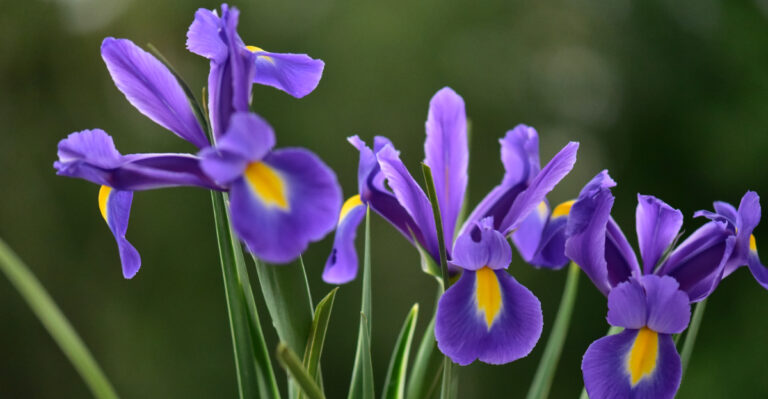
Iris fans that stop blooming entirely, despite full sun and regular water, almost always need division. The rhizomes get so packed they cannot absorb enough light or air to trigger a bloom cycle.
Catching these signs in August gives you the best possible window to act. Waiting until spring means another full season of underperformance in a bed that could look spectacular.
How To Divide Without Shocking Your Plants
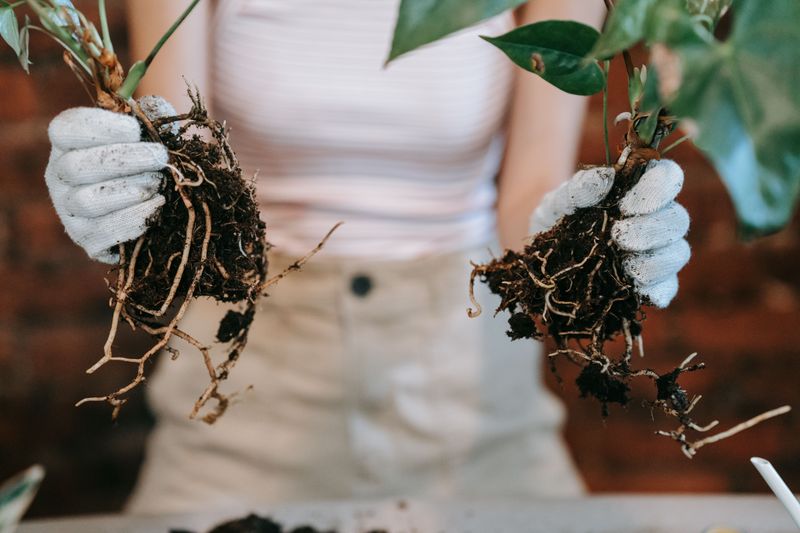
Sharp tools change everything here. A clean cut through roots causes far less stress than a ragged tear from a dull spade.
Before you dig a single plant, sharpen your tools and have a bucket of water ready for soaking the divisions.
Start by watering your perennials deeply the day before you plan to divide. Hydrated roots recover faster and tolerate the shock of being lifted and split much better than dry, stressed ones.
Dig a wide circle around the clump, at least six inches beyond the outermost stems. Prying from the outside in protects the feeder roots that are doing the most work for the plant.
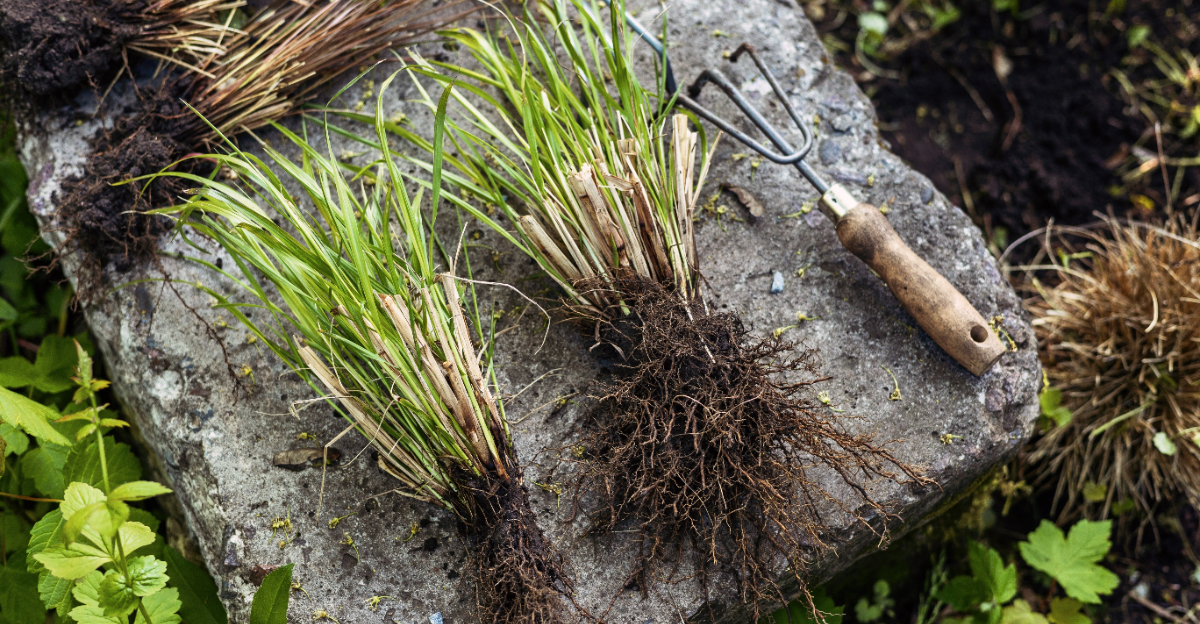
Once the clump is lifted, lay it on a tarp or flat surface to work comfortably. Two garden forks placed back-to-back and levered apart is the classic method for separating tough, fibrous root masses without tearing.
As a general guideline, each division should have at least three to five healthy shoots and a generous root section attached. Tiny divisions with minimal roots struggle to establish before frost, so avoid going too small.
Replant immediately, or keep divisions in a shaded spot with moist burlap over the roots. Sun and wind dry out exposed roots in under an hour on a warm August afternoon.
Water new divisions every day for the first two weeks. Consistent moisture during this window is the difference between a division that thrives and one that sulks through fall without gaining any ground at all.
Best Perennials To Split In Late Summer
Daylilies top every list for good reason. They are forgiving, fast to re-establish, and respond to division with an almost immediate burst of renewed energy.
August is the perfect window because their blooming cycle is winding down and root activity is still high.
Hostas are another top candidate for late summer splitting. Mature clumps develop those telltale upward-pushing crowns, and dividing them now gives each section a full six weeks to root in before ground temperatures drop.
Black-eyed Susans spread aggressively and need dividing every two to three years to stay tidy and productive. August division keeps them from taking over neighboring plants while refreshing their bloom potential for next season.
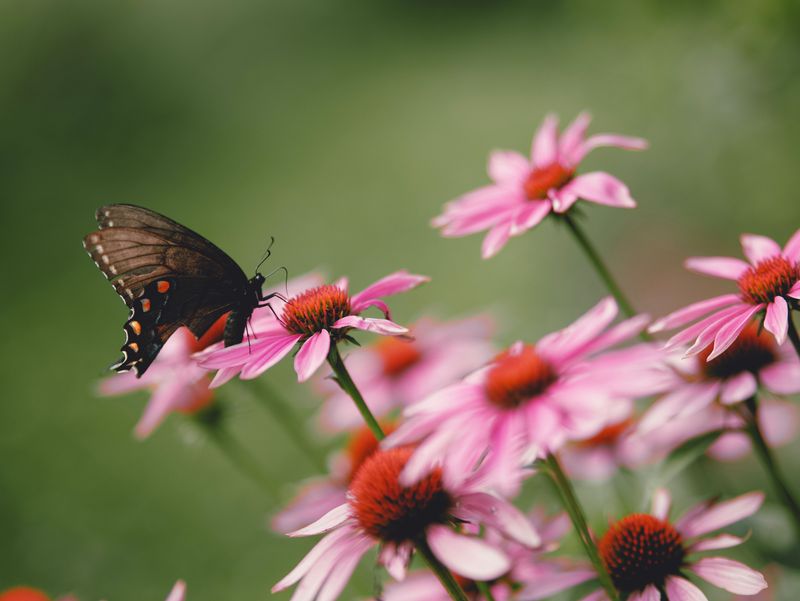
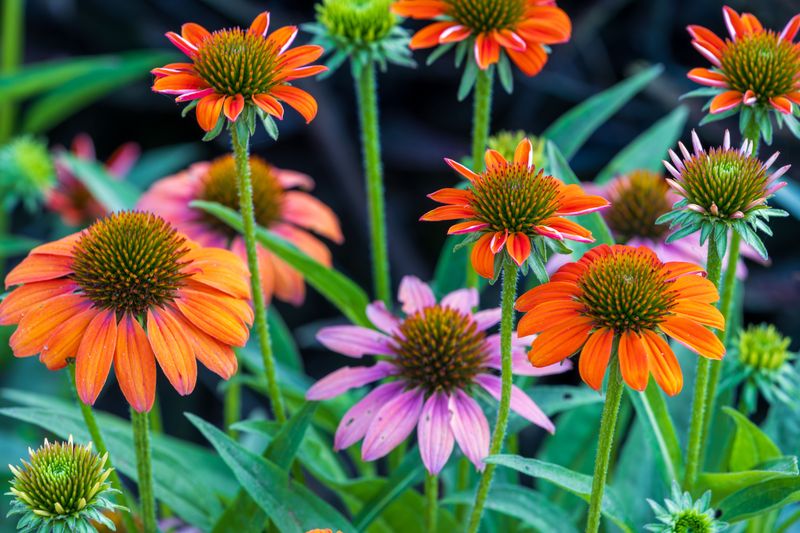
Coneflowers, also called echinacea, benefit enormously from periodic splitting. Older clumps develop woody centers that reduce flower output, and dividing them in August lets new sections build fresh root systems before dormancy.
Ornamental grasses split by season type, not by calendar month. Cool-season grasses like Karl Foerster respond well to early fall division.
Warm-season natives like Little Bluestem should wait for spring instead, once new growth appears.
Yarrow spreads fast and forms wide, shallow mats that crowd out nearby plants over time. Lifting and splitting yarrow in August also gives you free plants to fill bare spots or share with neighbors who want easy-care color.
Phlox rounds out the list as a plant that blooms harder after division. Crowded phlox clumps are also far more prone to powdery mildew, so splitting improves both performance and overall health.
What Happens If You Wait Until Spring Instead

Spring division isn’t ideal, but it costs you. When you skip August and plan to divide in spring instead, you are essentially trading a full growing season of establishment for a compressed recovery period.
Spring-divided plants spend their first months recovering rather than blooming. Most gardeners expect a spring-divided perennial to perform well in that same season.
The reality is that many divisions sulk through June, produce minimal blooms in July, and only start looking healthy by August, when it is time to divide again.
There is also the spring timing problem. Life gets busy fast between March and May, and the division window for many perennials is surprisingly narrow before heat stress kicks in.
Miss that two-week sweet spot in spring and your crowded clumps sit untouched for another full year. Another season of reduced blooms, flopping stems, and spreading root mats stealing nutrients from healthier neighbors.
Spring division also puts plants through two stressors back to back: the shock of being split and the heat of an approaching summer. August-divided plants face only one major stressor before settling into cool fall conditions.
Root competition is another spring issue. Divided plants placed into spring soil compete immediately with established neighbors that are already fully awake and feeding aggressively.
The perennial task Maryland gardeners regret skipping every August comes down to one simple truth. Doing the work now means your garden shows up next May looking intentional, full, and effortlessly thriving.