The Plant Massachusetts Gardens Struggle With Most In A Heat Wave
There’s a particular kind of heartbreak that hits around 2 PM on a ninety-degree day in Massachusetts: the star of your garden, blooming proudly at breakfast, suddenly looks like it’s begging for mercy.
The leaves droop. The flower heads sag toward the mulch. And you’re standing there with a hose, wondering if you’re already too late.
Here’s the twist most gardeners never hear: that dramatic collapse isn’t always a sign of real trouble. This particular plant has an odd survival trick built into its enormous leaves, and it makes the whole scene look far more desperate than it actually is.
If one corner of your garden turns into a daily summer drama, stick around. The fix is simpler than you think.
1. Why This Garden Favorite Takes The Heat So Hard
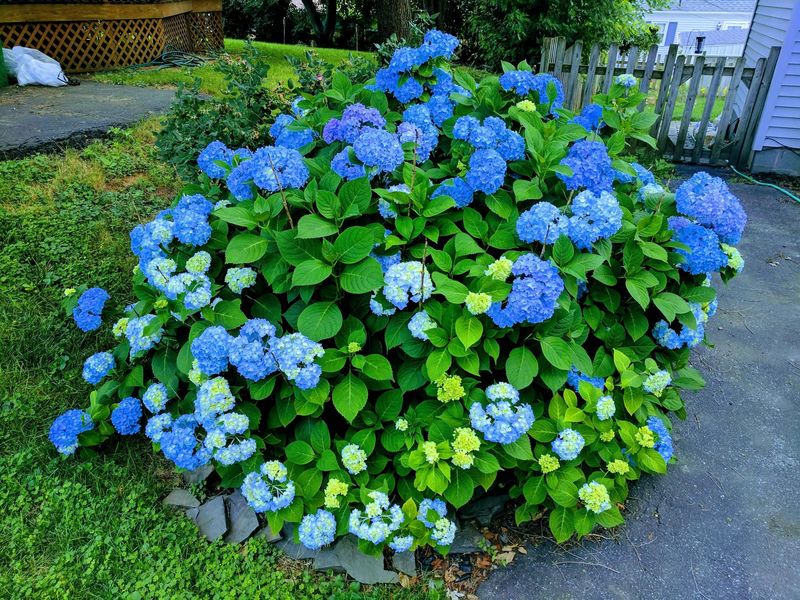
Hydrangeas are basically the drama queens of the garden world. They look stunning in spring, but the second a heat wave hits Massachusetts, they collapse like they forgot how to exist.
The problem starts deep in the plant’s biology. Many hydrangeas originated in cooler, more humid climates, which makes scorching summer days especially hard on them.
Their large leaves lose moisture fast through a process called transpiration. When the sun is blazing and the soil dries out quickly, the plant simply cannot pull up water fast enough to keep up.
Hot pavement, reflected heat from fences, and dry winds make things worse in a hurry. A hydrangea planted near a south-facing wall is basically sitting in an oven by mid-afternoon.
The roots also play a big role here. Shallow roots mean less access to the cooler, wetter soil found deeper underground. That makes the plant even more vulnerable during prolonged dry spells.
Understanding why your hydrangea struggles is the first step toward actually helping it. Once you know the cause, the fixes start making a lot more sense.
2. Signs Your Hydrangea Is Struggling In A Heat Wave
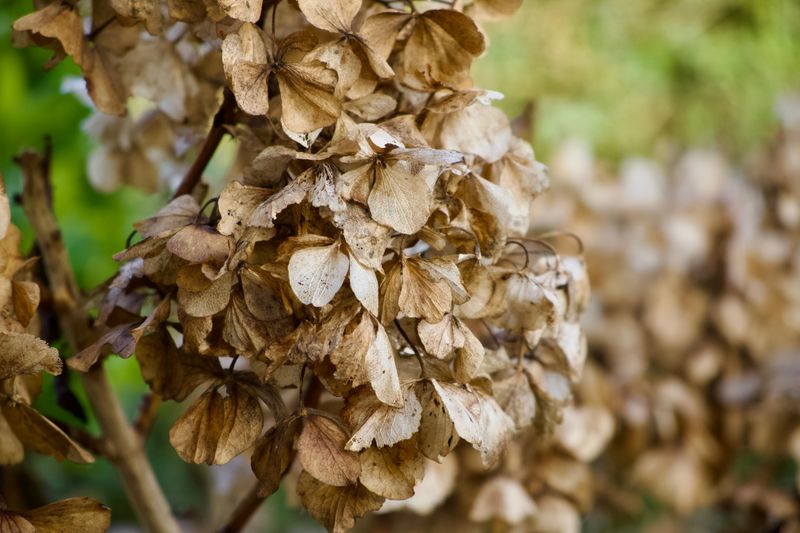
Drooping leaves by 10 a.m. are your first warning sign. If the whole plant looks defeated before lunch, heat stress is almost certainly the reason.
Brown, crispy leaf edges are another major clue. That scorched look usually means the plant lost moisture faster than it could replace it overnight.
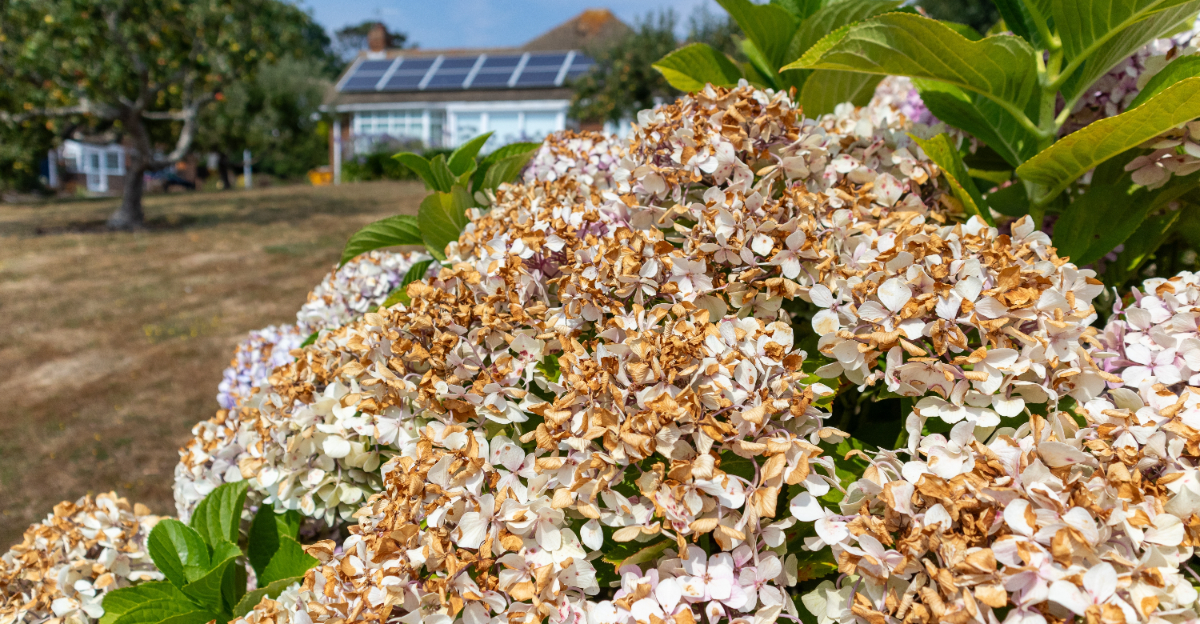
Faded blooms that used to be vibrant are also a red flag. Heat bleaches hydrangea flowers quickly, turning rich purples and blues into washed-out, papery versions of themselves.
Some gardeners panic when they see wilting and immediately grab the hose. But wilting in the afternoon heat is actually normal for hydrangeas, even healthy ones.
The real concern is when the plant does not bounce back by evening. If the leaves are still drooping after sunset, that signals serious stress rather than just afternoon drama.
Check the soil about two inches down with your finger. Bone-dry soil combined with limp leaves means the plant is genuinely struggling and needs attention right away.
Yellowing leaves mixed with brown tips can also point to heat combined with overwatering. Yes, it is possible to stress a hydrangea with too much water at the wrong time.
Your Massachusetts Garden Changes Every Week. Your Plan Should Too.
Gardening in Massachusetts changes quickly throughout the season. Every Friday you’ll receive a simple weekly plan showing exactly what to plant, prune, fertilize, harvest, and protect so you never miss the right timing.
Catching these signs early gives you a real chance to turn things around. A plant that Massachusetts gardens struggle with most in a heat wave deserves a quick, informed response.
3. Watering Strategies That Actually Help
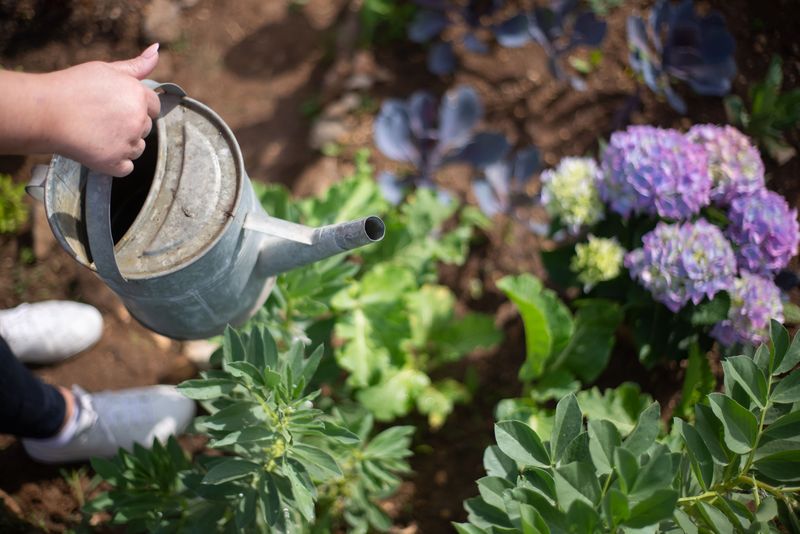
Timing your watering makes a massive difference during a heat wave. Early morning is the sweet spot, ideally before 8 a.m., when the soil can absorb moisture before the sun gets aggressive.
Watering at the base of the plant matters more than most people realize. Splashing water on the leaves during peak heat can actually scorch them and invite fungal problems.
Deep watering beats shallow watering every single time. A slow, deep soak once or twice a week encourages roots to grow downward toward cooler, more reliable moisture reserves.
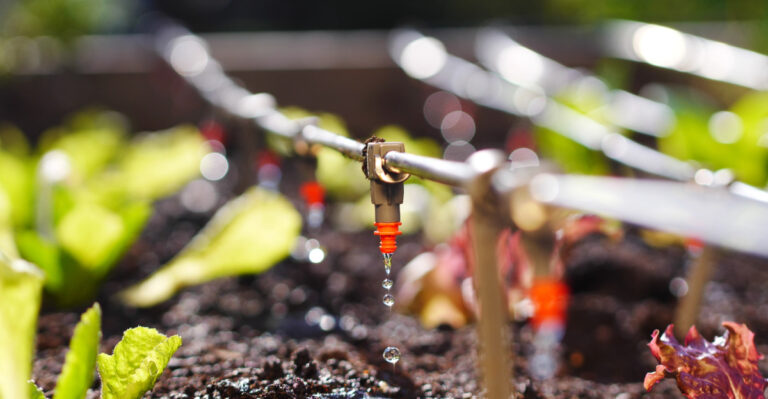
A soaker hose laid around the base of your hydrangea is one of the best investments a gardener can make. It delivers water slowly and directly to the root zone without waste.
Mulching right after watering locks in that moisture beautifully. A two-to-three inch layer of wood chips or shredded bark can significantly reduce soil moisture loss on a hot day.
Avoid watering in the evening if you can help it. Wet soil overnight in humid Massachusetts summers creates the perfect environment for root rot and mold.
If your hydrangea is wilting hard by noon, a gentle midday water at the roots, not the leaves, can provide emergency relief. Think of it as a quick drink, not a full meal.
Consistent moisture is the goal, not flooding followed by drought. Steady hydration keeps the plant calm even when the temperature spikes without warning.
4. Should You Add Shade Or Let It Ride Out
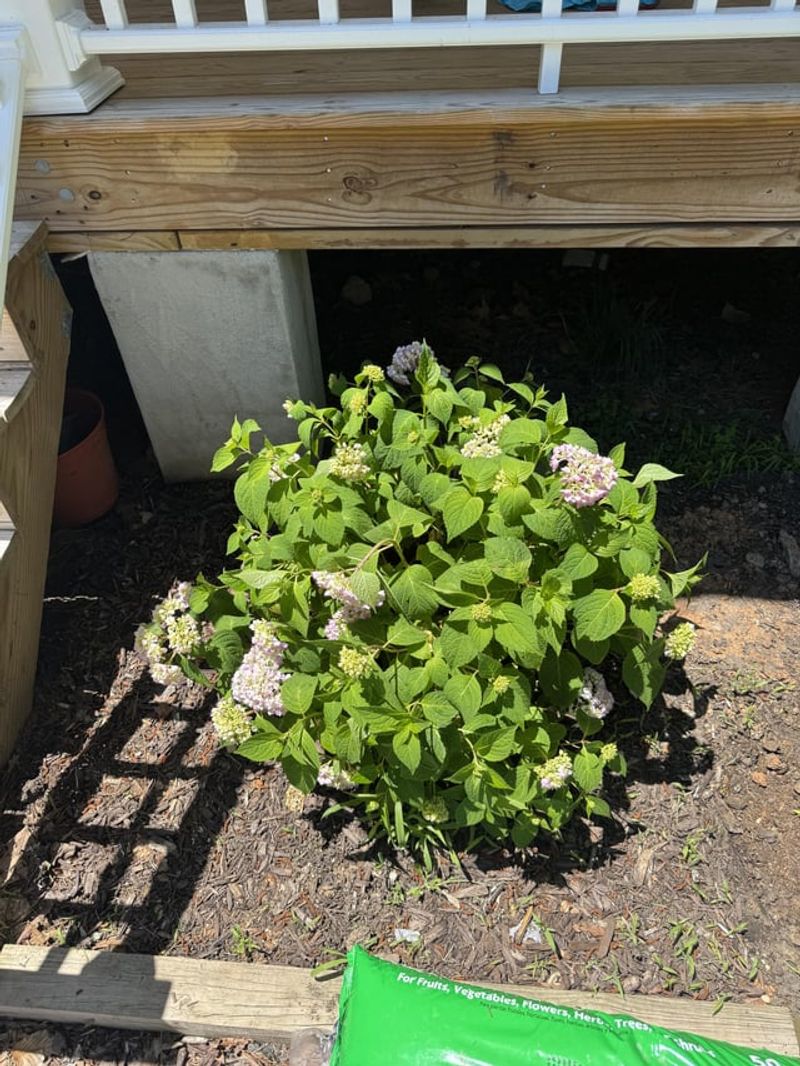
Adding temporary shade is one of the most underrated moves a gardener can make during a brutal heat wave. A simple shade cloth stretched over your hydrangea can noticeably lower leaf temperature during peak sun.
Garden centers sell lightweight shade fabric that blocks 30 to 50 percent of sunlight. That is usually enough to protect the plant without cutting off the light it needs to thrive.
Old bedsheets work in a pinch too. Drape one loosely over the plant in the afternoon and remove it in the evening so air can circulate freely overnight.
Letting the plant ride it out sounds tough and natural, but it comes with real risks. Repeated heat stress weakens the plant over time, making it more prone to pests and disease the following season.
Young hydrangeas and recently transplanted ones are especially vulnerable. They have not had time to establish deep roots, so they have no backup plan when the topsoil dries out fast.
Mature, well-established plants in good soil can often handle a short heat wave without much help. A well-established hydrangea that’s been in the ground for several years can usually handle a few hot days without lasting damage.
The honest answer is that adding even minimal shade during peak afternoon hours is almost always worth the small effort. Your plant will thank you when cooler weather returns and it blooms stronger than ever.
5. Mistakes That Make Heat Stress Worse
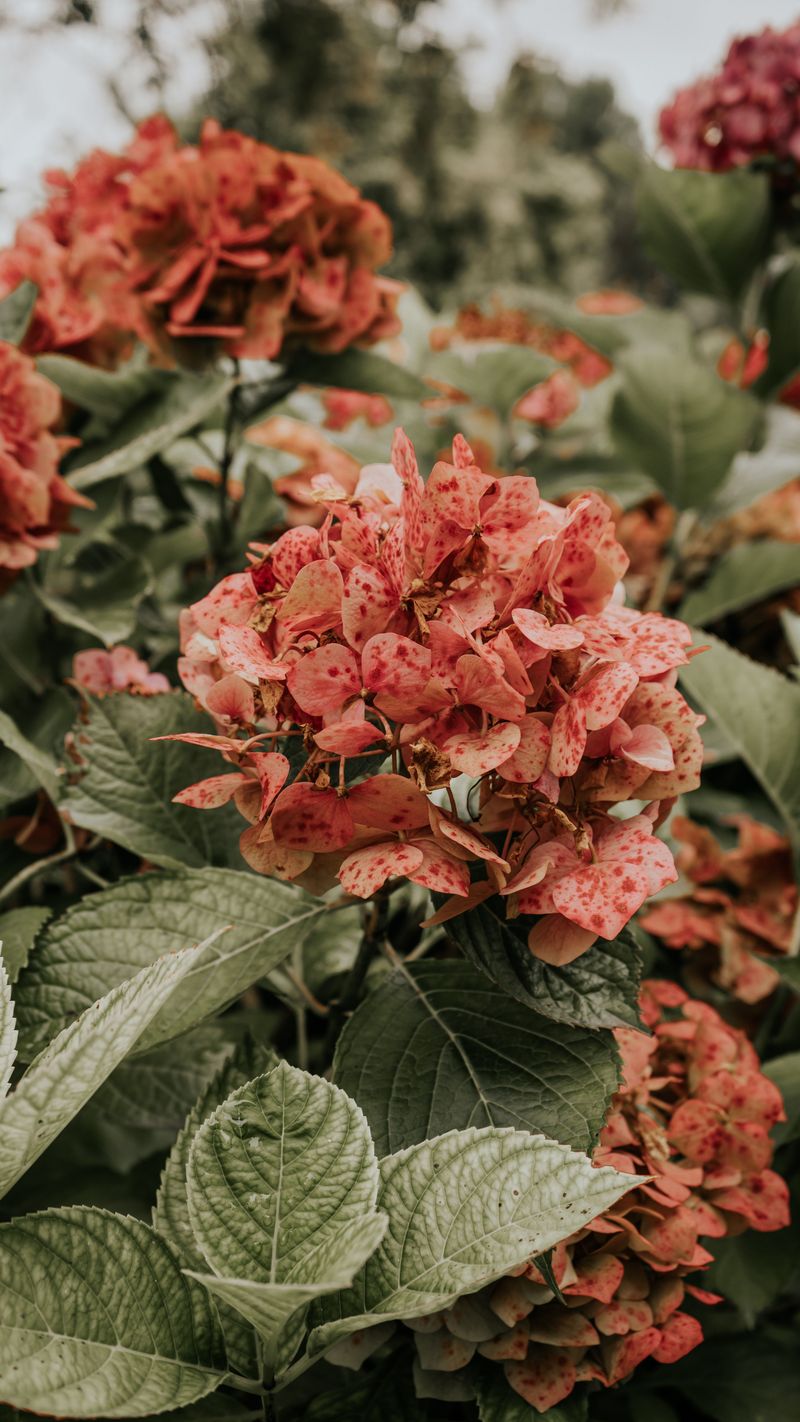
Fertilizing during a heat wave is one of the biggest mistakes gardeners make. It feels helpful, but pushing new growth when the plant is already stressed is like asking someone to run a marathon with a fever.
Pruning during extreme heat is equally problematic. Fresh cuts create open wounds, and when the plant is dehydrated, it cannot heal those cuts properly or quickly.
Transplanting during a heat wave is a recipe for heartbreak. Moving a hydrangea disrupts the root system right when the plant needs every root it has working at full capacity.
Overwatering out of panic is surprisingly common. Soggy soil suffocates roots, cutting off the oxygen they need to function, which makes wilting even worse rather than better.
Spraying leaves with cold water during peak afternoon sun isn’t an effective cooling method and can add extra stress to an already struggling plant.
Ignoring mulch because you already watered is a short-sighted move. Without a mulch layer, soil moisture can evaporate within hours on a 95-degree afternoon, making your watering efforts far less effective.
Using a dark-colored pot or container in full sun creates a heat trap around the roots. Black or dark brown pots can heat the root zone to temperatures that seriously damage the plant from the inside out.
Avoiding these missteps keeps your hydrangea in a much better position to survive and recover. Small corrections make a surprisingly big difference during a prolonged stretch of brutal summer heat.
6. Choosing More Heat-Tolerant Hydrangea Varieties
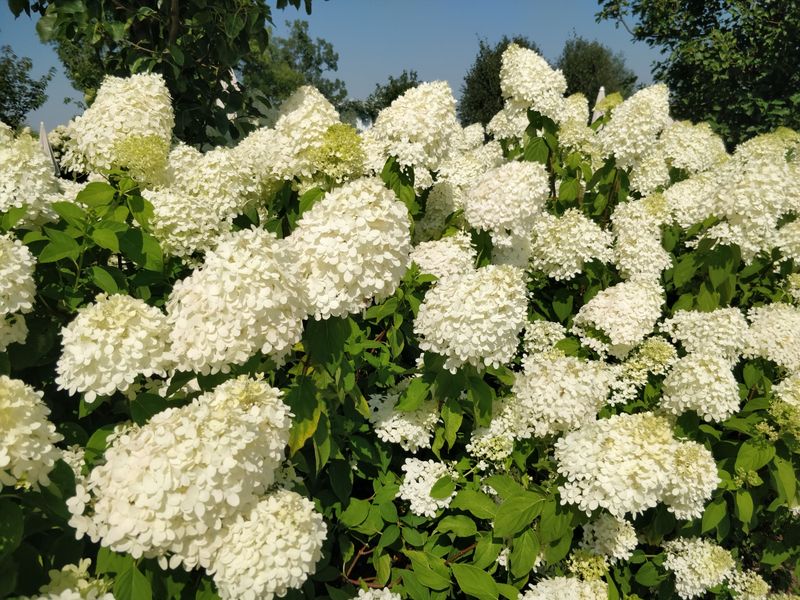
Not all hydrangeas suffer equally when the temperature climbs. Some varieties were bred specifically to handle heat and humidity far better than the classic bigleaf types.
Panicle hydrangeas, especially the Limelight and Quick Fire varieties, are standout performers in hot summers. Their blooms hold up beautifully even when the thermometer pushes into the 90s for days on end.
Smooth hydrangeas like Incrediball are also solid choices for Massachusetts gardeners who want less drama. They bounce back from heat stress faster than most and hold up well on their sturdy stems
The Incrediball variety is especially impressive, producing enormous white blooms on strong stems that do not flop even after a rough week of heat. Gardeners who switch to it rarely look back.
Bigleaf hydrangeas, the classic blue and pink mopheads, are the ones that struggle most in a heat wave. They are beautiful, but they need extra care, better placement, and more consistent watering to survive brutal summers.
When shopping for new plants, look for labels that mention heat tolerance or drought resistance. Those two phrases on a tag can save you hours of worry and gallons of water each summer.
Placement still matters even with tougher varieties. Morning sun with afternoon shade remains the gold standard for hydrangeas in New England, no matter how resilient the cultivar claims to be.
Choosing the right variety is the smartest long-term move for any gardener who wants gorgeous blooms without the seasonal heartbreak that a Massachusetts heat wave so often brings.