The Plant Pairing That Slowly Weakens Your Hydrangeas
You planted your hydrangeas with care, watered them faithfully, and watched them bloom beautifully for a season or two. Then something shifted, the blooms got smaller and the leaves looked tired no matter what you tried.
Extra fertilizer didn’t help, and the soil still seemed rich enough to support healthy growth. The real problem might not be the hydrangeas at all, but the neighbor quietly pulling resources away from them.
Some root systems spread far beyond the space we assume they occupy, intercepting water and nutrients before they ever reach the hydrangeas. What you end up with is a plant that looks starved even though you’re following every step correctly.
Spotting this silent competitor is the first move toward getting your garden back to the display you originally pictured.
The Silent Root Rival Draining Your Soil
Something is quietly stripping your hydrangeas of what they need. It happens underground, out of sight, and most gardeners rarely suspect a thing until the blooms start shrinking.
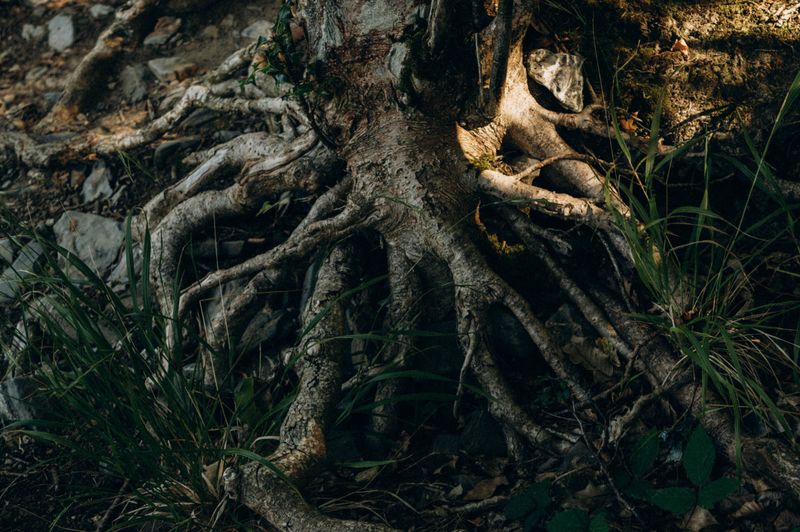
Certain plants send out aggressive root systems that spread wide and fast. These roots move through the soil like a net, pulling up water and nutrients before your hydrangea even gets a chance.
Birch trees are one of the biggest offenders. Their roots are shallow, wide-spreading, and incredibly efficient at absorbing moisture from the top layers of soil.
That top layer is exactly where hydrangeas feed. So when a birch tree is nearby, your hydrangea is essentially eating whatever leftovers remain.
The tricky part is that this competition builds slowly. Your plant pairing might look fine in spring, but by midsummer, the hydrangea starts showing stress.
Yellowing leaves, wilting between waterings, and reduced bloom size are all early warning signs. Gardeners often blame the heat or the soil pH, never thinking about the tree a few feet away.
Root rivalry is one of the most overlooked causes of weak hydrangeas. Understanding what is happening beneath the surface is the first step toward fixing it.
Once you know the culprit, you can start making smarter choices about what grows beside your hydrangeas. The solution is closer than you think, and it starts with paying attention to what your plants are trying to tell you.
Signs Your Hydrangea Is Losing The Fight
Your hydrangea is talking to you. Most gardeners just do not know how to listen yet.
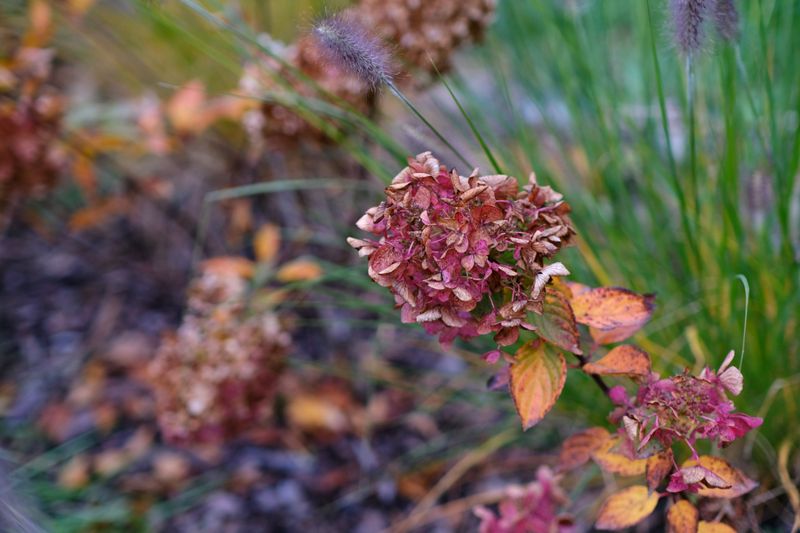
When a hydrangea is in a bad plant pairing, the signs show up gradually. First, the blooms get smaller than they were the previous year.
Then the leaves start to yellow, even when the soil looks moist. That yellowing is not a watering problem. It is a sign the plant cannot access the nutrients it needs.
Wilting between waterings is another red flag. If your hydrangea droops on a mild day, something is pulling moisture away before it can reach the roots.
Stunted new growth is also common. You might notice that the plant is not putting out as many new shoots as it used to in spring.
Some gardeners notice that one side of the shrub looks healthier than the other. That uneven growth often points to one-sided root competition from a nearby plant.
Do not wait until your hydrangea looks severely exhausted. Catching these signs early gives you the best chance to intervene before permanent damage sets in.
A struggling hydrangea is not a lost cause. With the right adjustments, most plants bounce back within a single growing season once the competition is addressed.
Root Competition Explained In Simple Terms
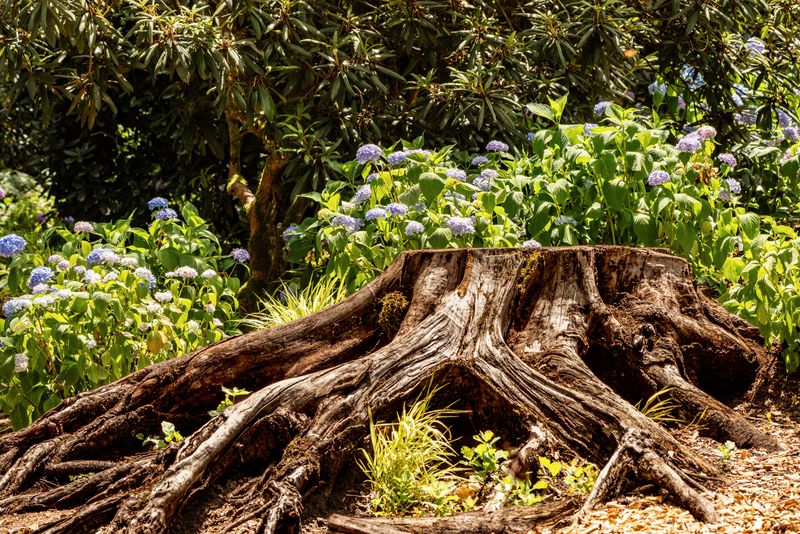
Think of your garden soil like a shared refrigerator. Every plant reaches in and takes what it needs, but some plants have much longer arms than others.
Root competition happens when two plants occupy the same soil zone and need the same resources. Water, nitrogen, phosphorus, and trace minerals are all up for grabs.
Shallow-rooted trees and shrubs are the most aggressive competitors. They spread their roots outward instead of downward, covering huge areas of topsoil.
Hydrangeas are moderate feeders with roots that mostly stay in the top twelve inches of soil. That makes them extremely vulnerable to neighbors with similar habits.
When a competing plant is nearby, it does not just take some resources. It can monopolize entire zones of soil, leaving almost nothing behind.
This is why a hydrangea planted near a birch tree may look okay for a year or two. The soil still has reserves, and the competition has not fully established yet.
By year three or four, the tree roots have spread significantly. Now the hydrangea is fighting for scraps in soil that used to be all its own.
Fertilizing helps temporarily, but it is like refilling a leaky bucket. The competing roots absorb the added nutrients just as fast as your hydrangea does.
Understanding this dynamic changes how you approach garden planning entirely. Placement matters more than most people realize, and fixing a bad pairing early saves a lot of heartache later.
Birch Trees Compete For The Same Resources
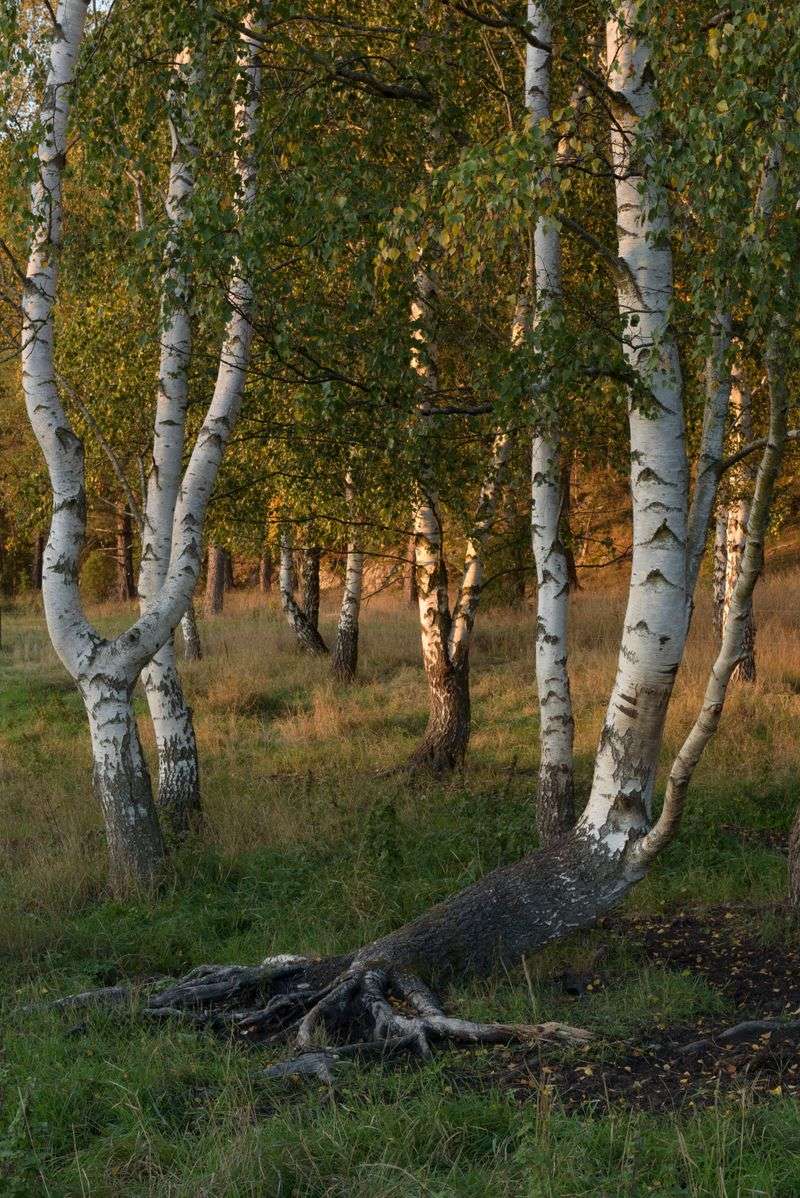
Birch trees are stunning. They have that papery white bark and delicate leaf canopy that makes any yard look like a nature retreat.
But if you love hydrangeas, planting birch trees nearby is a slow-moving mistake. These two plants end up competing for the same resources, and one of them usually loses out.
Birch trees have notoriously aggressive, shallow root systems. A mature birch can extend its roots twenty to thirty feet from the trunk in every direction.
Those roots sit right in the top twelve to eighteen inches of soil, exactly where hydrangeas search for water and food. The overlap is almost total.
Birch trees also consume large amounts of water. A mature birch can pull a surprising amount of water from the soil on a hot day, especially compared to shallow-rooted neighbors.
Your hydrangea, sitting nearby, gets whatever moisture is left after the birch has had its fill. On dry summer days, that amount can be close to nothing.
The shade from a birch canopy adds another layer of stress. While hydrangeas can tolerate partial shade, deep or inconsistent shade weakens their blooming cycle over time.
Some gardeners try to compensate by watering more frequently. That helps short-term, but the birch roots simply expand further in response to the added moisture.
Recognizing the birch and hydrangea pairing as a genuine problem is not about blaming a beautiful tree. It is about making smart choices so both plants can actually flourish somewhere better suited to each.
Better Spacing Solutions For Both Plants
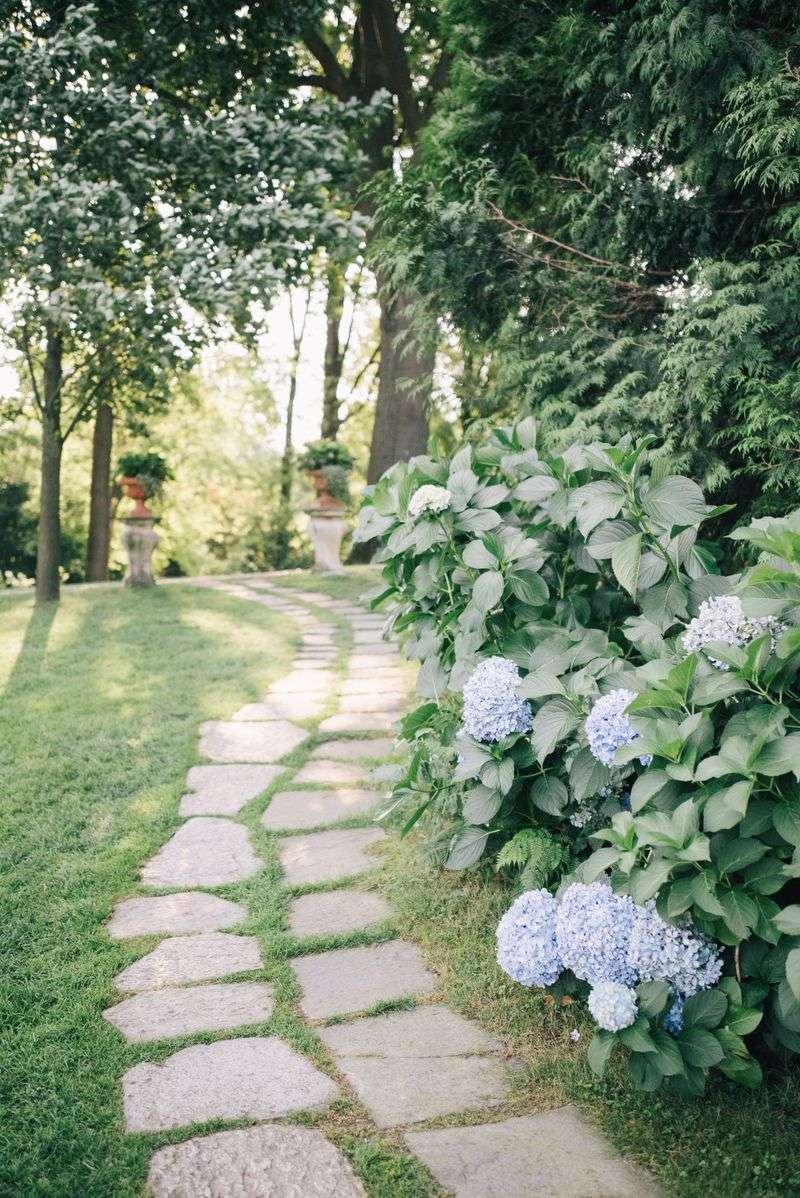
You do not have to choose between your birch tree and your hydrangeas. You just need to give them some breathing room.
A safe distance is at least fifteen feet away from shallow-rooted trees, giving each plant its own feeding zone. That gap reduces root overlap significantly.
If your garden is small and fifteen feet is not realistic, consider using a root barrier. These are plastic or fabric panels that you install vertically in the soil to redirect root growth.
Root barriers work best when installed before planting. Retrofitting them around an established tree is harder, but still worth attempting in tight spaces.
Raised beds are another excellent option. Planting hydrangeas in a raised bed with at least twelve inches of fresh soil creates a buffer zone above the competing root system.
Fill that raised bed with rich, moisture-retentive soil mixed with compost. Your hydrangea will have its own private pantry, separate from whatever the tree roots are doing below.
Mulching heavily around your hydrangeas also helps. A three to four inch layer of organic mulch holds moisture and slows the spread of competing roots into the hydrangea zone.
Watering deeply and less frequently encourages your hydrangea to send roots downward, away from the shallow competition zone near the surface.
Small adjustments in spacing and soil management can completely transform how your hydrangeas perform. A little planning now saves years of frustration and replanting down the road.
Companion Plants That Support Hydrangea Health
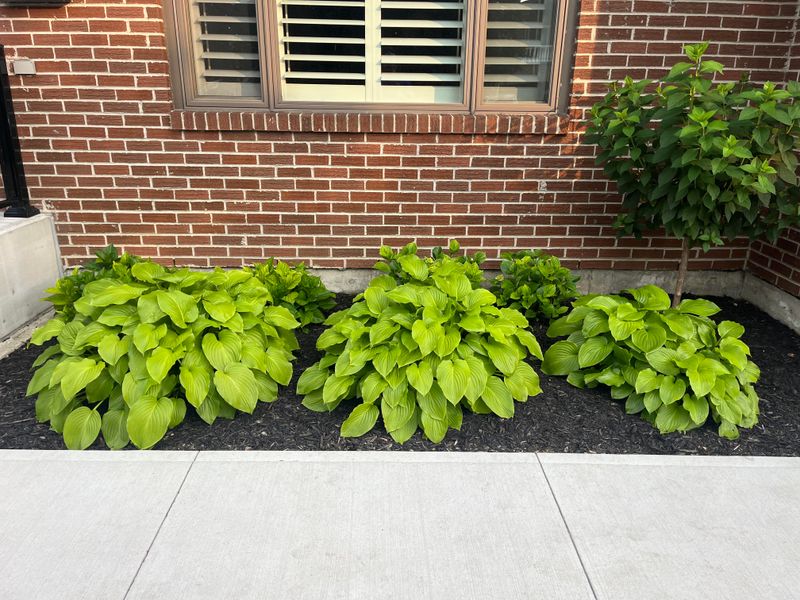
Not every neighbor is a threat. Some plants actually make hydrangeas stronger, healthier, and more beautiful than they would be on their own.
Hostas are one of the best companions for hydrangeas. They thrive in similar light conditions, have non-aggressive roots, and their broad leaves help retain soil moisture.
Astilbes are another excellent pairing. They love the same partially shaded spots, add feathery texture to the garden, and do not compete aggressively for nutrients.
Ferns are classic hydrangea neighbors for good reason. Their delicate fronds complement the bold blooms, and their root systems stay compact and polite.
Bleeding heart plants also pair beautifully. They bloom in spring before hydrangeas hit their peak, giving the garden a longer season of color with zero resource conflict.
Coral bells, also known as heuchera, are low-growing and shallow-rooted in a non-threatening way. They add rich foliage color without competing at the same soil depth.
Avoiding ornamental grasses near hydrangeas is smart. Many grass varieties spread aggressively and can slowly encroach on your hydrangea’s root zone over time.
Roses are a common pairing mistake too. Both plants have heavy feeding requirements, and planting them together creates direct nutrient competition in the same soil layer.
Choosing the right companions for your hydrangeas transforms your garden into a cooperative ecosystem. Every plant lifts the others up, and your hydrangeas finally get the support they deserve to bloom their fullest.