What New Vermont Homeowners Should Plant Before Fall Arrives
A new Vermont address comes with a hidden expiration date. Autumn arrives early here, and the soil cools faster than most transplants realize until it’s too late.
Yet timing works in your favor if you move now. Roots planted this month have weeks to settle before winter locks the ground solid.
Maybe your lot is bare dirt scraped clean by construction. Maybe it’s a tangle of weeds nobody touched in a decade.
Either way, the same eight plants can turn that patch into something worth walking outside for. None demand constant babysitting once established, which matters when you’re still unpacking boxes.
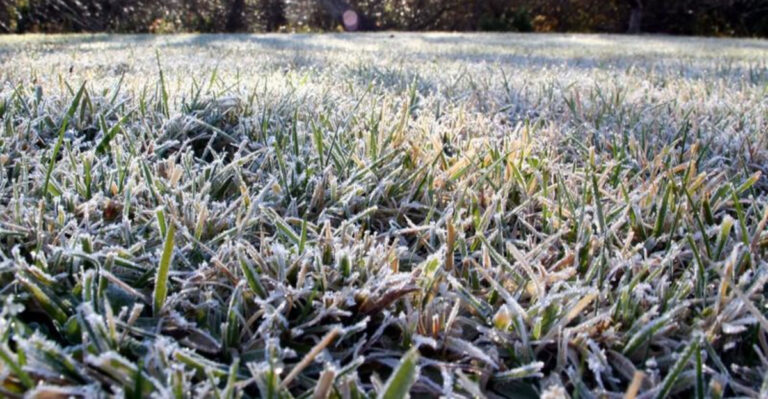
Get these in the ground before the first hard freeze, and next spring will feel like proof you made the right call moving here.
Serviceberry
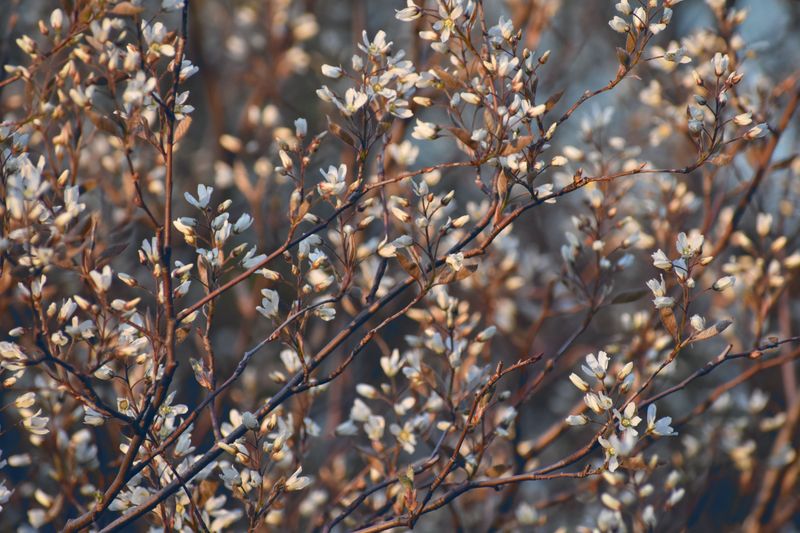
Few plants earn their keep quite like Serviceberry. This native shrub delivers white spring blossoms, summer berries, and blazing fall color all in one package.
New Vermont homeowners should plant it now, before the ground hardens. Fall planting gives roots time to settle in before winter dormancy kicks off.
Serviceberry thrives in full sun to partial shade. It handles the cold, clay-heavy soils common across the Green Mountain region without much fuss.
Birds flock to the berries. You will attract robins, cedar waxwings, and catbirds within the first season of fruiting.
The shrub grows eight to twenty-five feet tall depending on the variety you choose. Compact cultivars like “Regent” work well for smaller yards or foundation plantings.
Watering during the first fall is the most important task. Keep the soil moist but not soggy until the ground freezes solid.
No heavy fertilizing is needed at planting time. Too much nitrogen encourages leafy growth instead of strong root development.
Mulch around the base with three inches of wood chips. This holds moisture, moderates soil temperature, and protects young roots through harsh winters.
Serviceberry is also called Juneberry or Shadblow by longtime New Englanders. That regional nickname alone should make it feel right at home on your new property.
Plant this one with confidence. It is one of the most rewarding native shrubs a new Vermont homeowner can put in the ground before fall arrives.
Pagoda Dogwood
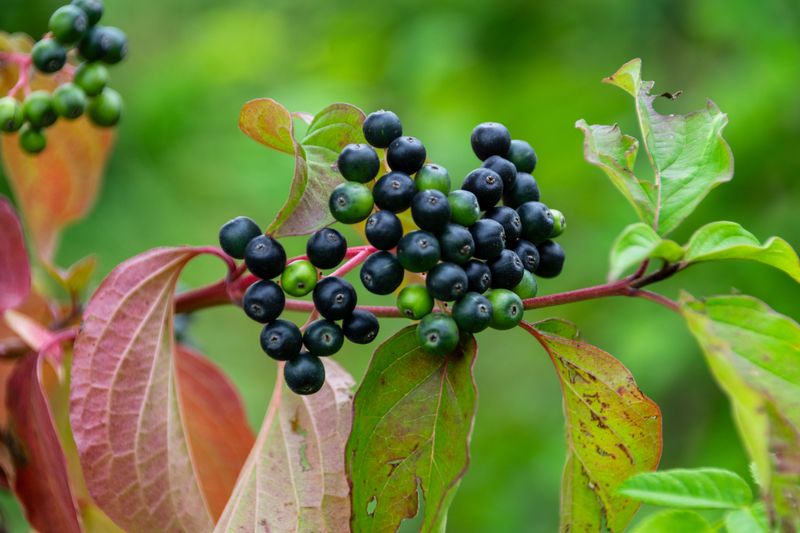
The Pagoda Dogwood has one of the most striking silhouettes in the native plant world. Its branches grow in flat, horizontal layers that look almost architectural against a winter sky.
This is not your average ornamental tree. It earns its space through four full seasons of visual interest and serious wildlife value.
Spring brings clusters of creamy white flowers that smell faintly sweet. By midsummer, small dark blue berries appear on bright red stems that pop against the green foliage.
Fall foliage turns a deep burgundy-red before the leaves drop. That layered branch structure then becomes the star of the show all winter long.
Plant your Pagoda Dogwood in a spot with morning sun and afternoon shade. It naturally grows as an understory tree, so it prefers shelter from harsh afternoon heat.
Moist, well-drained soil is ideal. Avoid planting in low spots where water pools after rain, as soggy roots stress this tree quickly.
Dig your hole twice as wide as the root ball but only as deep. Setting the tree too low is one of the most common mistakes new homeowners make.
Water deeply once a week during the first fall season. Consistent moisture now means a much stronger tree come spring.
This species supports dozens of native insect species. That ecological ripple effect makes it one of the smartest additions to any new Vermont yard this season.
Tulips
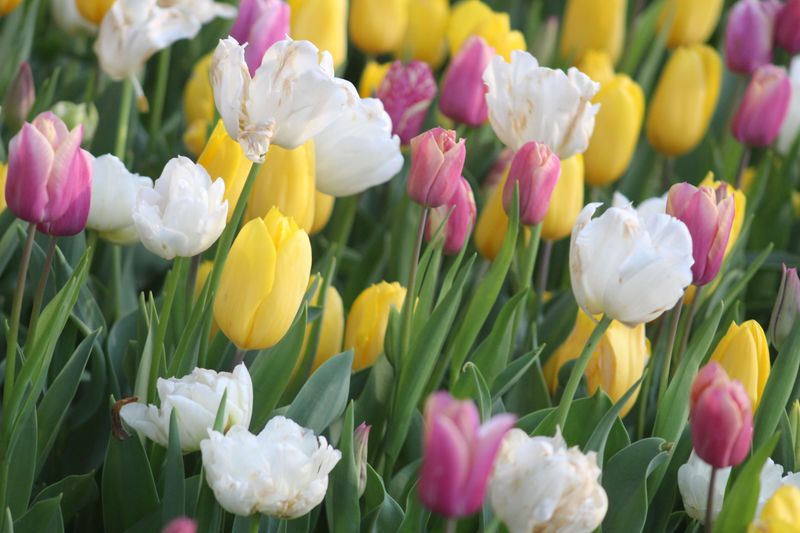
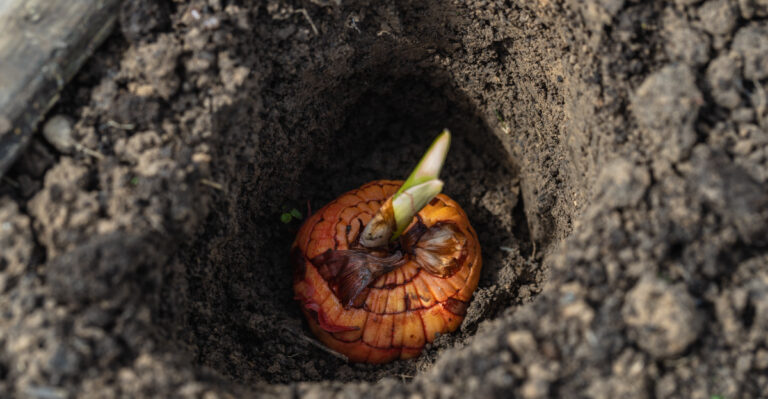
Tulips are basically buried treasure. You tuck a plain brown bulb into cold soil in October, forget about it all winter, and then spring explodes with color you almost forgot was coming.
For new Vermont homeowners, planting tulip bulbs is one of the most satisfying fall tasks you can tackle. The payoff arrives exactly when you need it most, right after a long, gray winter.
Choose bulbs that feel firm and heavy in your hand. Soft or shriveled bulbs are already stressed and may not bloom reliably in their first season.
Plant them six to eight inches deep in well-drained soil. Shallow planting leads to floppy stems and poor blooms, especially in heavy clay ground.
Spacing matters too. Aim for four to six inches between each bulb to give them room to develop without competing for nutrients.
Mix colors and bloom times for a longer show. Early, mid-season, and late varieties can keep your garden colorful for six to eight weeks straight.
Squirrels and chipmunks are the number one enemy of newly planted bulbs. Lay a piece of chicken wire flat over the bed until the ground freezes to deter diggers.
Tulips prefer cold winters to bloom their best. That makes Vermont’s climate nearly perfect for getting gorgeous results year after year.
Top-dress the bed with a light layer of bone meal at planting. This slow-release phosphorus feeds roots through winter and supports strong spring blooms.
Daffodils
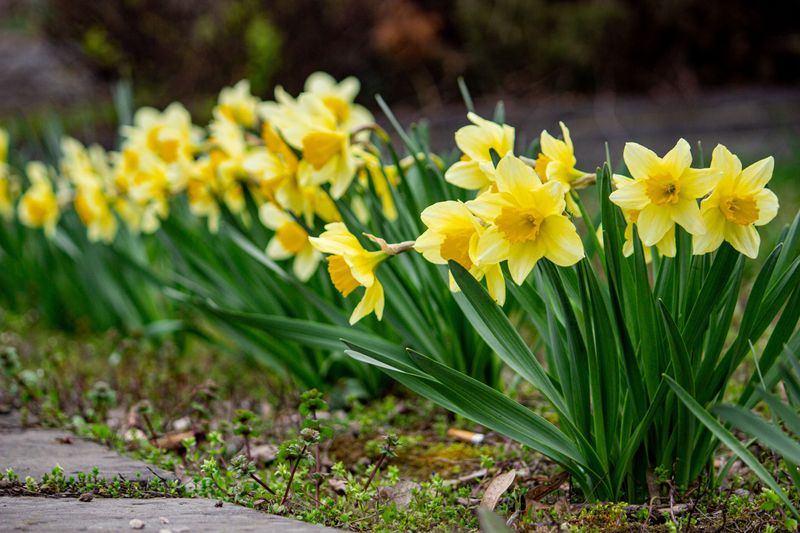
Squirrels rarely bother daffodil bulbs. That single fact makes them the most stress-free bulb you can plant in a Vermont yard this fall.
Unlike tulips, daffodils contain a compound called lycorine that tastes terrible to rodents and deer. Once they are in the ground, you can basically walk away.
Plant bulbs in groups of five to seven for a natural, clustered look. Scattered single bulbs can look sparse and underwhelming in a large yard.
Go six inches deep in well-drained soil. Daffodils rot quickly in wet, poorly draining ground, so raised beds or slopes are ideal spots.
They prefer full sun but tolerate light shade from deciduous trees. Since they bloom before most trees leaf out, dappled shade is rarely a problem.
Naturalizing varieties like “Thalia” or “Ice Follies” will spread and multiply over time. Planting them once can mean decades of blooms with no extra effort.
After blooms fade in spring, resist the urge to cut back the foliage. Leaves feed the bulb underground, building energy for next year’s flowers.
Fold the leaves down and secure them with a rubber band if the untidy look bothers you. Avoid braiding or removing them early, or you risk weaker blooms next season.
Daffodils are a long-term investment in your property’s beauty. Every fall bulb you plant now is a promise your new Vermont home is already keeping for the future.
Kale
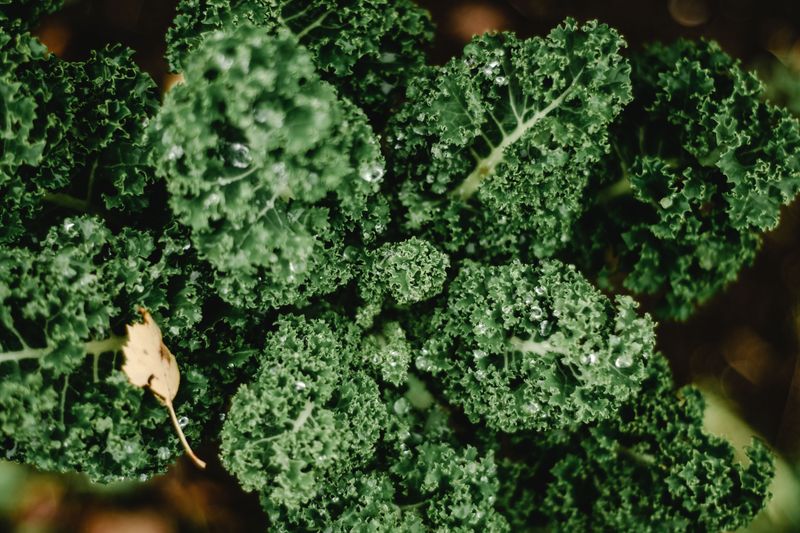
Kale actually tastes better after a frost. The cold converts some of the plant’s starches into sugar, giving the leaves a sweeter, milder flavor than summer-grown kale.
For new Vermont homeowners, that means planting kale now is not just practical. It is genuinely delicious strategy for your fall kitchen.
Start seeds or transplants six to eight weeks before your first expected frost date. Most of Vermont sees first frost between late September and mid-October depending on elevation.
Choose cold-hardy varieties like “Winterbor,” “Lacinato,” or “Red Russian” for the best survival rates through chilly nights. These cultivars hold up even when temperatures dip into the twenties.
Kale grows best in full sun with consistently moist soil. Sandy or loamy soil drains well and warms faster than heavy clay, which helps young plants establish quickly.
Side-dress plants with a balanced fertilizer two weeks after transplanting. This gives them a nitrogen boost that supports leafy, productive growth before cold sets in.
Harvest outer leaves first, working from the bottom of the plant upward. This keeps the central growing point intact and encourages the plant to keep producing.
Row cover fabric can extend your harvest by several weeks. A simple wire hoop tunnel over the bed traps heat and shields leaves from hard freezes.
Kale is one of those plants that rewards you fast. Within six weeks of planting, you can be eating fresh greens straight from your own Vermont backyard.
Radishes
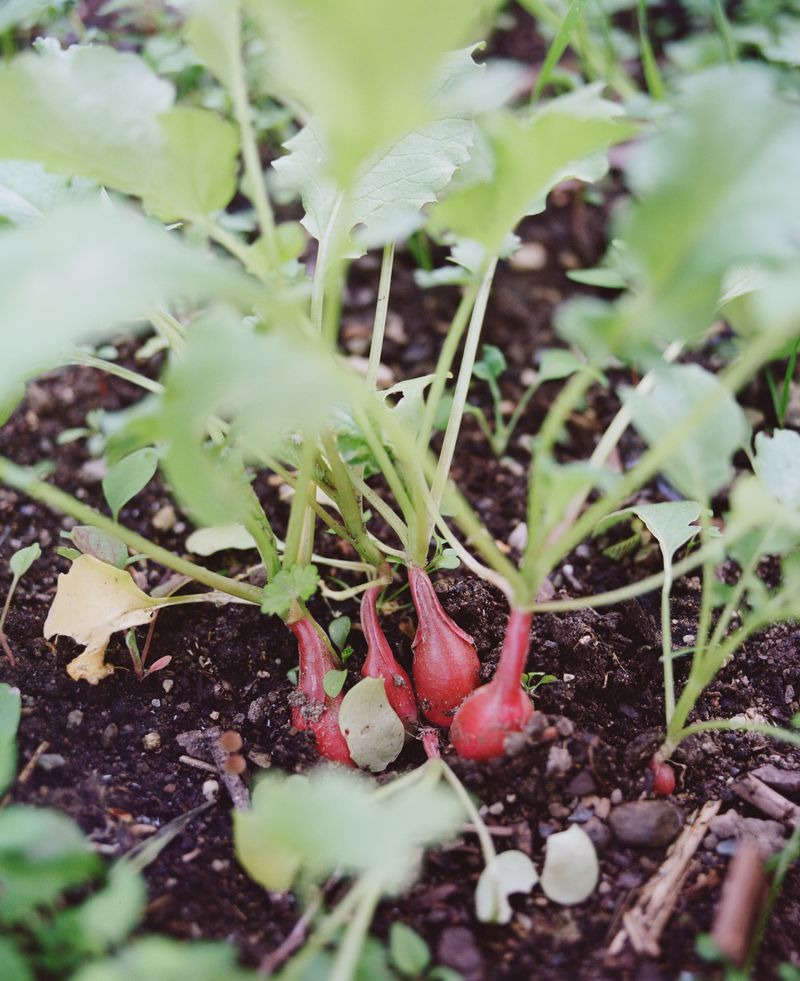
Radishes are the fastest vegetable you can grow. From seed to harvest in as little as three weeks, they are the ultimate instant gratification crop for impatient new gardeners.
If you have never grown food before, radishes are the perfect place to begin. They are forgiving, quick, and incredibly satisfying to pull from the ground.
Sow seeds directly into the soil, about half an inch deep and one inch apart. Thinning seedlings to two inches apart after germination prevents crowded, misshapen roots.
Radishes prefer cool weather, which makes fall in New England an ideal growing season. Hot summer temperatures cause them to bolt and turn pithy, but autumn air keeps them crisp and mild.
Choose varieties like “Cherry Belle,” “French Breakfast,” or “Daikon” for fall sowing. Daikon radishes are especially cold-tolerant and can be left in the ground until a hard freeze.
Keep the soil evenly moist throughout the growing period. Inconsistent watering causes roots to crack or develop a harsh, peppery bite.
Radishes also work as a companion crop. Planting them near carrots or spinach can help loosen compacted soil and deter certain root pests naturally.
Succession planting every ten days extends your harvest window significantly. Three small plantings can keep fresh radishes on your table for over a month.
Harvest as soon as roots reach one inch in diameter. Leaving them in the ground too long makes them woody and hollow, so timing your pull is the key.
Spinach
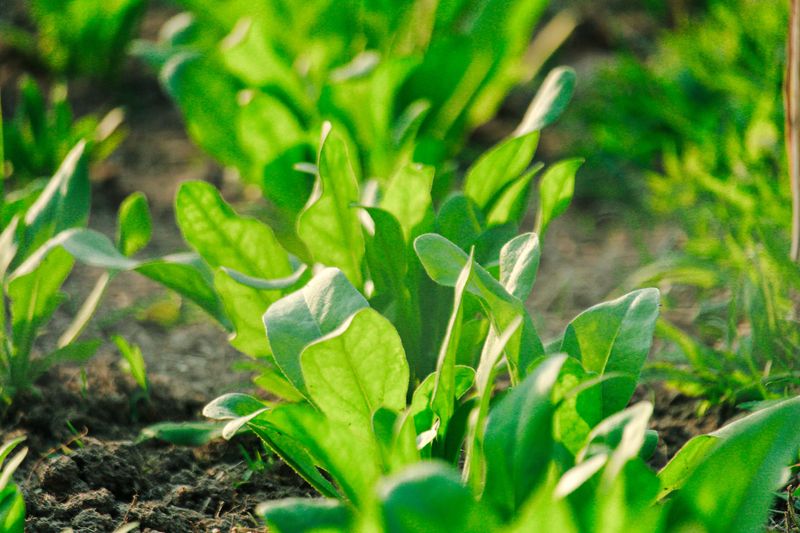
Spinach is almost supernaturally cold-tolerant. Mature plants can survive temperatures down to fifteen degrees Fahrenheit, making it one of the toughest edible crops you can grow in a Vermont fall garden.
Plant seeds four to six weeks before your first expected frost. This gives seedlings enough time to establish before temperatures drop below freezing at night.
Sow seeds half an inch deep in rows six inches apart. Spinach seeds germinate best when soil temperature sits between forty and seventy degrees, which fall naturally provides.
Choose “Bloomsdale Long Standing” or “Space” varieties for fall planting. Both are bolt-resistant and handle cold snaps without turning bitter or tough.
Spinach prefers slightly alkaline soil with a pH between six and seven. If your new yard has acidic soil, a light application of garden lime before planting helps a lot.
Water consistently but avoid overwatering. Wet soil combined with cold air creates conditions for damping off, a fungal issue that can quickly damage young seedlings.
Tuck a floating row cover over seedlings once nighttime temps drop below freezing regularly. This simple step can extend your harvest well into November or even December.
Spinach left in the ground under mulch or a cold frame can sometimes overwinter and sprout again in early spring. That bonus harvest makes fall planting feel like a gift you gave your future self.
Spinach belongs at the top of any edible garden list for a new Vermont property heading into winter.
Dwarf Crabapple
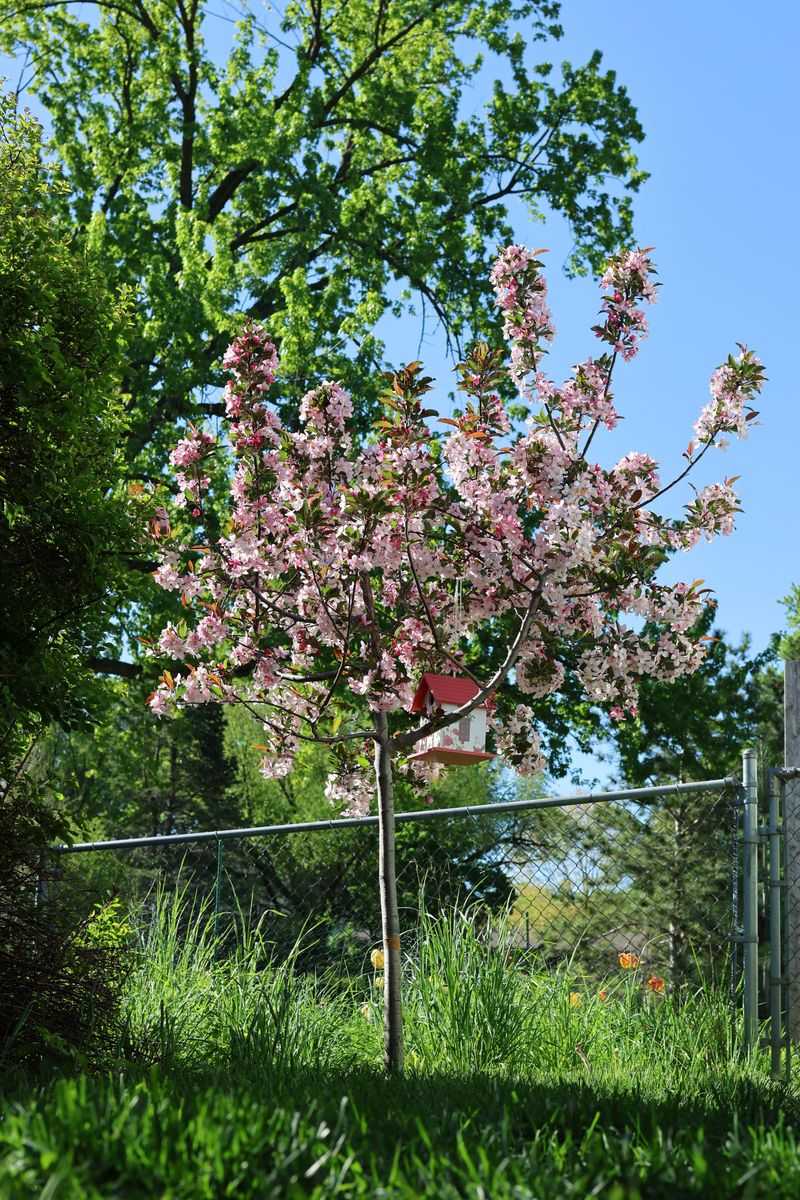
A dwarf crabapple tree in bloom stops people in their tracks. The clouds of pink and white flowers in May are so dramatic that neighbors will slow down just to look at your yard.
For new Vermont homeowners, planting one this fall means you could have flowers as soon as next spring. That is a fast return on a long-term investment.
Choose disease-resistant varieties like “Prairifire,” “Sugar Tyme,” or “Sargent.” Older crabapple cultivars are prone to apple scab and cedar-apple rust, which create serious headaches in humid New England summers.
Dwarf varieties top out at eight to fifteen feet tall, making them ideal for smaller urban or suburban lots. They fit nicely near patios, along driveways, or as a focal point in a mixed border.
Plant in full sun with well-drained soil. Crabapples planted in shady or wet spots become stressed and far more vulnerable to fungal disease over time.
Dig a hole two to three times wider than the root ball. Backfill with native soil rather than amended mix, which encourages roots to spread outward into the surrounding ground.
Water deeply once a week for the first full season. Deep watering encourages roots to grow down rather than staying shallow and fragile near the surface.
Crabapples also feed wildlife through winter. Small birds like cedar waxwings and American robins rely on persistent fruit when other food sources disappear under snow.
Planting a dwarf crabapple is one of the most rewarding moves you can make in a new Vermont yard this fall.