The Plants Deer Eat First In A Pennsylvania Winter
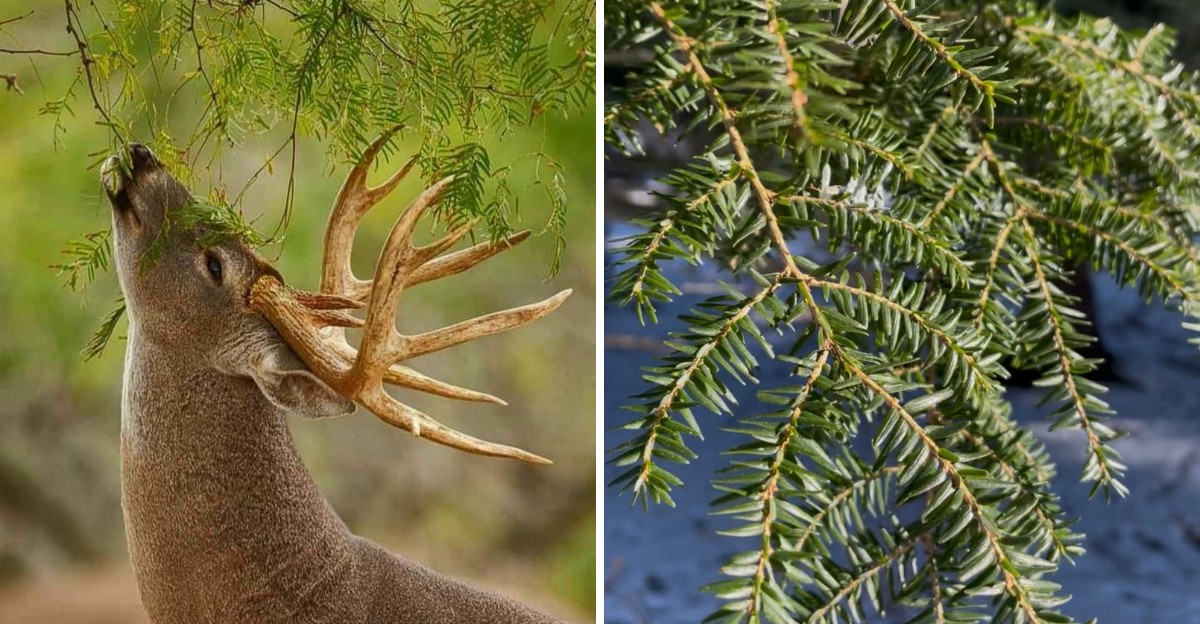
Walk along the edge of a Pennsylvania forest in late winter, and you might notice something odd.
The trees and shrubs look neatly trimmed, almost like a hedge, up to about five or six feet off the ground. Above that line, branches grow thick and full. That tidy edge is called a browse line, and hungry deer created it.
Once snow covers the ground and wild food grows scarce, deer start working through whatever they can reach. They don’t eat everything at random, though.
Certain plants top their list, especially tender evergreens, juicy buds, and soft young twigs. In backyards, that can mean shrubs stripped bare, hedges with gaping holes, and young trees chewed down to stubs by spring.
Knowing which plants deer go after first can help you protect them before the damage starts.
1. Arborvitae Tops The Winter Menu
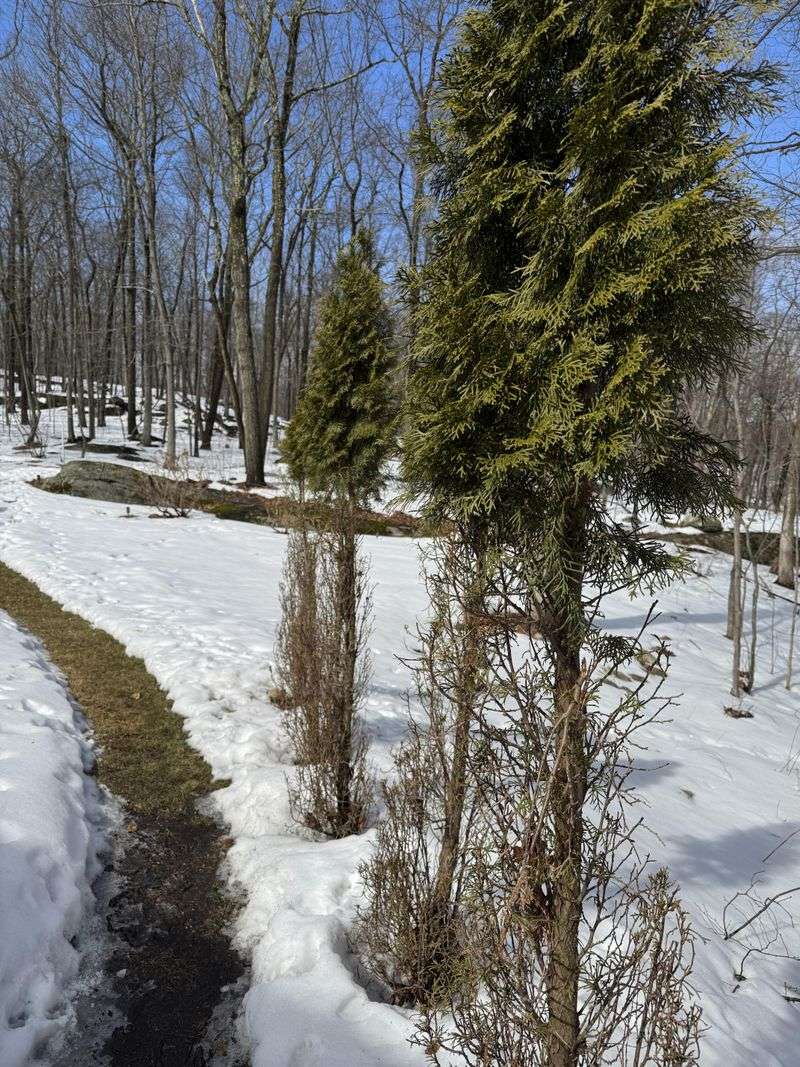
Ask any Pennsylvania landscaper about deer damage, and arborvitae will come up fast. Folks plant it for privacy because it grows tall, thick, and green all year. Sadly, deer see it as a giant salad bar.
When snow buries other food, deer strip the soft, flat leaves as high as they can reach. That is often about five or six feet up. The result is a strange look, with bare trunks at the bottom and full growth on top.
Many people call it the hourglass shape. Once those lower branches are chewed down to wood, they rarely grow back well. Your nice privacy screen can turn into a row of skinny poles with fuzzy hats.
So what can you do? The best fix is a physical barrier. Wrap your arborvitae in burlap or plastic deer netting before the first heavy snow, usually in late November.
Netting is cheap, easy to install, and hard to see from a distance. Tall fencing around the whole hedge works even better if you have the space.
Repellent sprays can also help. Look for ones made with egg or garlic, and reapply them every few weeks during winter. Rain and melting snow wash them off faster than you might think.
Fun fact: the name arborvitae comes from Latin and means tree of life. Early settlers learned from Native Americans that tea made from the leaves could help fight scurvy.
If you are planting a new screen, think about swapping in deer-resistant choices. Spruce, boxwood, and juniper are less tasty to deer. Mixing several kinds of plants also makes your yard less appealing to a hungry herd.
2. Wandering Dude, A Surprising Snack
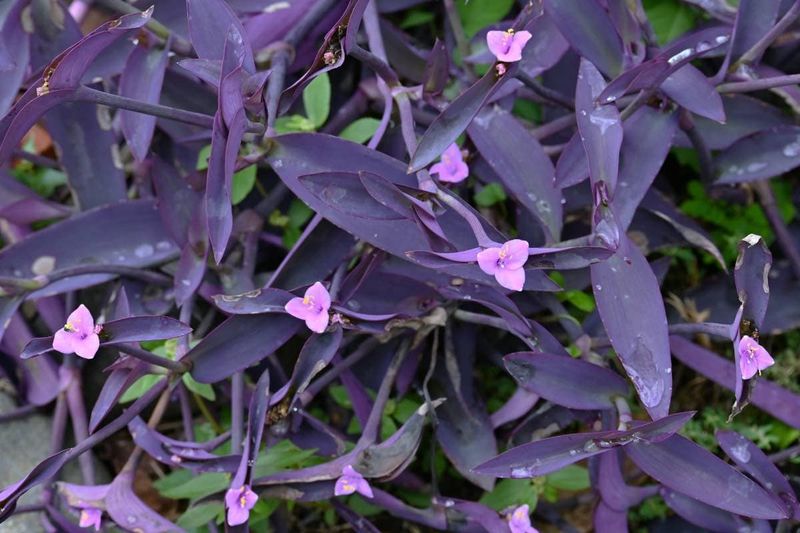
Here is a plant that might surprise you. Wandering dude, with its striped purple and silver leaves, is a popular houseplant and summer groundcover. Deer still treat it like candy.
The odd part is that this plant can be harmful to people, pets, and livestock. Its sap can cause itchy skin and an upset stomach. Deer do not seem to care one bit.
Wandering dude grows in thick, juicy mats of green and purple. When most plants outside have gone brown, any patch that stays leafy stands out. Deer spot it quickly and come back again and again.
Your Pennsylvania Garden Changes Every Week. Your Plan Should Too.
Gardening in Pennsylvania changes quickly throughout the season. Every Friday you’ll receive a simple weekly plan showing exactly what to plant, prune, fertilize, harvest, and protect so you never miss the right timing.
In Pennsylvania, this plant usually cannot survive hard freezes outdoors. Many gardeners keep it in pots on porches or patios, then forget to bring it in until late fall. Those containers become an easy target on mild winter nights.
The simple fix is to move potted wandering dude indoors before the first frost. It makes a lovely hanging plant near a sunny window. Bonus, you get to enjoy its bright colors all winter.
If you grow it in a sheltered bed near your house, cover the area with a cheap wire cage. Chicken wire works great. You can also place it close to doors, since deer are often nervous near busy spots.
Here is a handy tip for pet owners. Keep pots up high where cats and dogs cannot chew them. Wear gloves when trimming, since the sap may bother sensitive skin.
Did you know? Wandering dude roots very easily in a glass of water. Snip a few healthy stems in fall, and you will have backup plants ready for spring.
3. Azaleas Lose Their Spring Promise
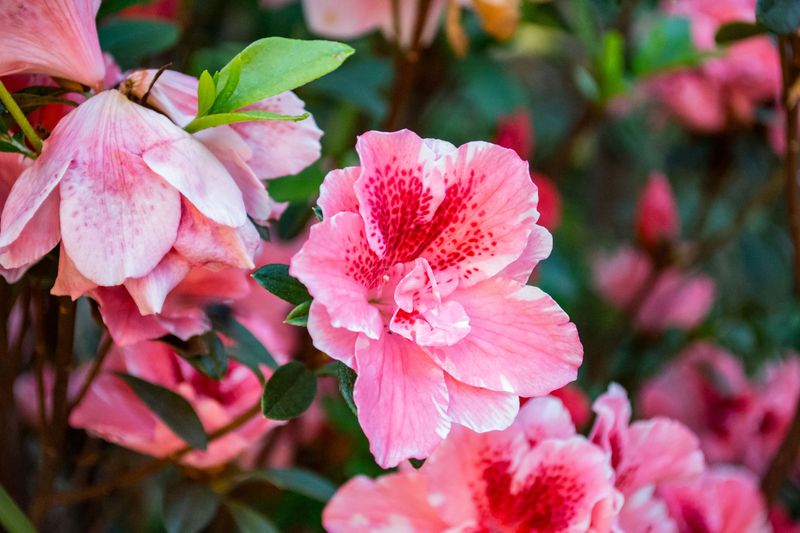
Few things feel worse than waiting all winter for azalea blooms that never show up. Many Pennsylvania gardeners know that letdown well. Often, deer are the sneaky reason behind it.
Evergreen azaleas keep their leaves through the cold months. To a hungry deer, those small green leaves are a welcome treat. Even worse, the plump flower buds are already set for spring.
When deer nibble those buds in January or February, they are eating your May flowers. You may still have a green shrub, but it will be patchy and plain. Some badly chewed azaleas take years to bounce back.
Luckily, azaleas are usually small enough to protect easily. A simple cage made from wooden stakes and deer netting does the job. Just make sure the netting sits a few inches away from the branches.
Repellents work well on azaleas too. Spray on a dry day above freezing so the product sticks. Switching between two brands can help, because deer sometimes get used to one smell.
Where you plant matters as well. Azaleas tucked close to your house or near a lit walkway get bothered less often. Deer like quiet, dark corners where they feel safe.
Fun fact: azaleas belong to the rhododendron family. Pennsylvania even has a native wild azalea called pinxter flower, with sweet pink blossoms in spring.
If deer keep winning the battle, think about adding plants they dislike nearby. Strong-smelling herbs like lavender or rosemary in containers can help. Every little bit of protection adds up during a long winter.
4. Eastern Hemlock, Our State Tree Under Pressure
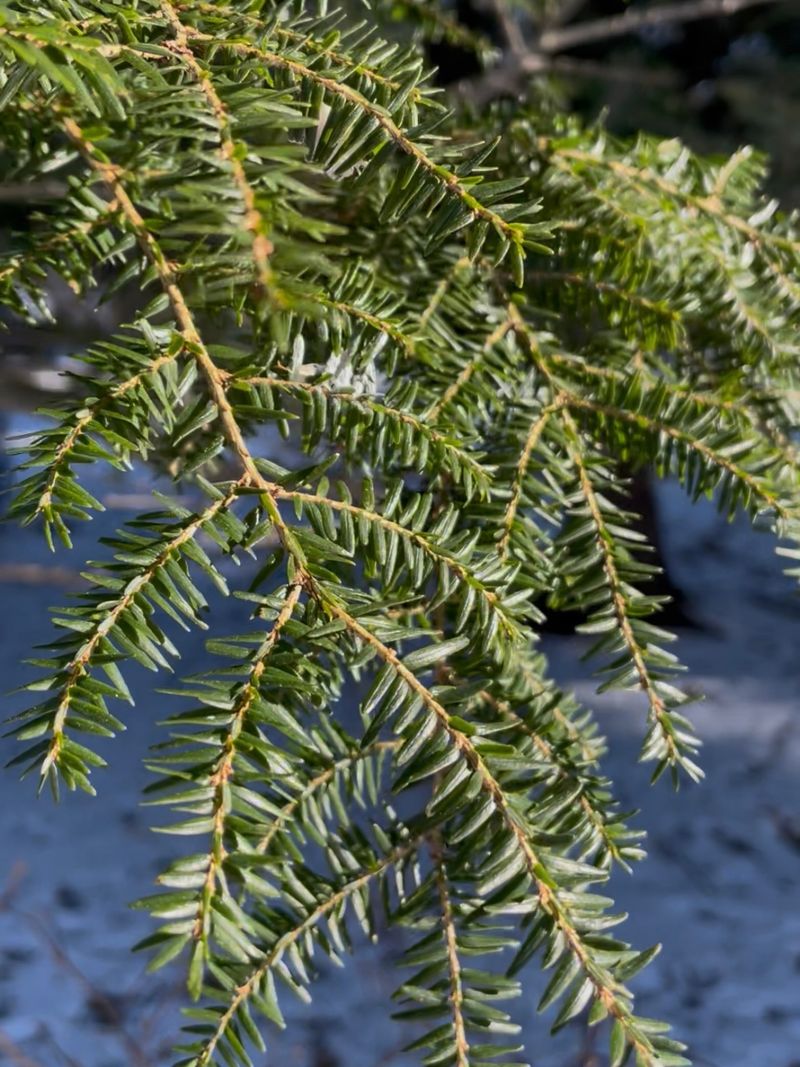
Pennsylvania picked the eastern hemlock as its state tree back in 1931. It is graceful, shady, and full of history. Deer, however, mostly see it as winter dinner.
Hemlock needles are soft and flat, with two white lines underneath. Young trees with low branches are the easiest for deer to reach. In cold months, deer can trim a small hemlock down to a sad little stub.
Heavy browsing does more than spoil the look. It can stunt a young tree so badly that it never grows tall. In many Pennsylvania forests, you will notice older hemlocks with very few young ones underneath.
Deer even gather under hemlock groves during snowstorms. The thick branches block wind and snow, making it a cozy shelter. Of course, that also puts dinner right in front of them.
If you have young hemlocks in your yard, protect them early. A tree tube or wire cage around small trees works great. For bigger trees, wrap the lower branches in netting for the winter season.
Fencing is another smart choice if you are growing several trees. An eight-foot fence keeps most deer out, since they are amazing jumpers. Shorter fences often just slow them down.
Hemlocks also face another threat, a tiny bug called the hemlock woolly adelgid. Look for small white fluffy spots under the needles. If you see them, call a local tree expert for help.
Here is a cool bit of history. Long ago, hemlock bark was used to tan leather in Pennsylvania. Protecting these trees helps keep a piece of our state story alive.
5. Euonymus Gets Chewed Out Of Shape

Burning bush earned its name from the bright red leaves it shows off in fall. Neighbors stop and stare at that fiery color. Come winter, deer stop by for a very different reason.
Both burning bush and evergreen euonymus are deer favorites. Deer munch the tender twigs on burning bush once the leaves drop. On evergreen types, they go straight for the shiny green foliage.
After a rough winter, these shrubs can look lopsided and torn. One side might be full while the other looks like it got a bad haircut. Some branches end up as bare sticks.
Good news, euonymus is a tough plant. With some pruning in early spring, it often regrows nicely. Cut away broken twigs and shape the shrub so new growth fills in evenly.
To stop the damage in the first place, try netting or a temporary fence in late fall. Repellent sprays also work, especially those with a rotten egg base. Yes, they smell bad at first, but the odor fades for people quickly.
Here is something worth knowing. Burning bush is considered invasive in Pennsylvania. It spreads into woods and crowds out native plants, and sales are being phased out across the state.
If you are planning to replace yours, look at native shrubs instead. Red chokeberry and highbush blueberry both give lovely fall color. Some deer still nibble them, but they also feed birds and helpful bugs.
Wintercreeper, a vine form of euonymus, can also be invasive. Keep it trimmed so it does not climb trees. Smart choices now mean a healthier, happier yard later.
6. Young Fruit Trees Face A Double Threat
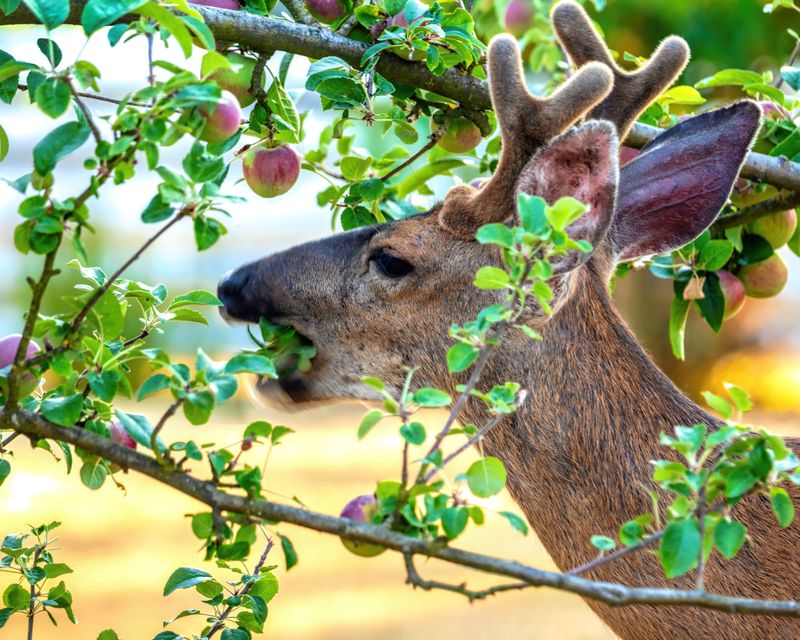
You plant a little apple tree, dreaming of fresh pies and crunchy snacks. Then one winter morning, the buds are gone and the bark is scraped raw. Welcome to deer season in the orchard.
Young apple, pear, peach, and cherry trees are a big target. Deer love the soft twigs and buds that hold next year’s leaves and blossoms. Since the trees are short, every branch is within reach.
There is a second problem too. In fall, male deer called bucks rub their antlers on small trunks. They do it to scrape off velvet and mark their area.
That rubbing can tear the bark right off. Bark carries water and food through the tree, so heavy damage can wipe out a young tree completely. Trees with thin trunks suffer the most.
Protection is not hard. Put a plastic tree guard or a tube of hardware cloth around the trunk. Then add a wire cage about five feet tall around the whole tree.
Leave a few inches between the cage and branches so deer cannot poke their noses through. Check guards in spring, and loosen them as the tree grows.
Repellents help with twigs and buds. Hanging bars of strong soap from branches is an old farm trick some people swear by. Results vary, so use it along with a fence.
Fun fact: Pennsylvania is one of the top apple-growing states in the country. Adams County alone grows millions of bushels each year. Your backyard tree can be part of that proud tradition with a little care.
7. Hydrangeas And The Missing Summer Blooms
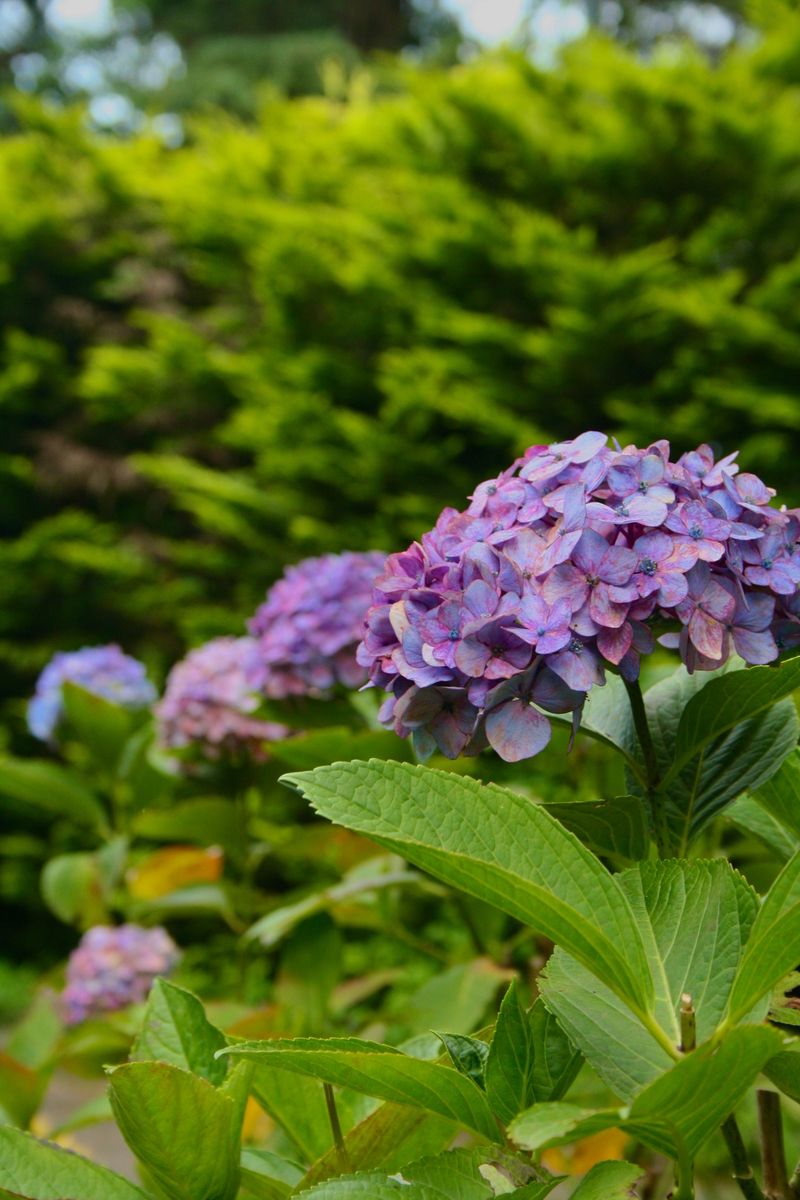
Every summer, someone asks why their hydrangea grew lots of leaves but no flowers. Often the answer goes back to January. A hungry deer probably snacked on the buds.
Bigleaf and oakleaf hydrangeas bloom on old wood. That means the flower buds form on last year’s stems. Those buds sit there all winter, waiting for warm weather.
When deer chew those stems, they eat the flowers before they even start. The plant usually survives and sends out new leaves. Still, you miss out on those big, beautiful blooms.
Protecting hydrangeas is fairly simple. Build a ring of chicken wire or netting around each shrub in late fall. You can stuff the ring with dry leaves too, which keeps buds cozy against harsh cold.
Pruning timing matters a lot. Never cut bigleaf or oakleaf hydrangeas back in fall or early spring. Trim them right after they finish blooming in summer instead.
Want an easier option? Try panicle or smooth hydrangeas, like the popular Annabelle. Those bloom on new wood, so even if deer nibble them in winter, flowers still appear in summer.
Repellent sprays can help as well. Apply them before deer develop a habit of visiting. Once deer learn a spot has good food, they keep coming back.
Here is a neat fact. Bigleaf hydrangea flowers can change color based on soil. Acidic soil gives blue blooms, while sweeter soil gives pink ones.
With a bit of protection, your hydrangeas can make it through winter safely. Then you get to enjoy a yard full of color when summer rolls around.