Winter Birds That Start Showing Up In Florida Yards In October And How To Welcome Them
Pack your bags, because a crowd of snowbirds is heading for Florida, and half of them have feathers.
Every October, new faces turn up at your feeder and in your trees. Some wear flashy colors.
Others blend into the bushes so well you’d swear the branch grew a pair of eyes. They’ve flown a long way, and they’re picky about where they land.
Your yard either rolls out the red carpet or earns a polite pass. Small touches make the difference, and several cost next to nothing.
A couple of them surprise even seasoned birders.
Sort out your welcome before the first wave shows up. Latecomers tend to find the best spots already taken.
1. Gray Catbirds Slip Into Backyard Thickets
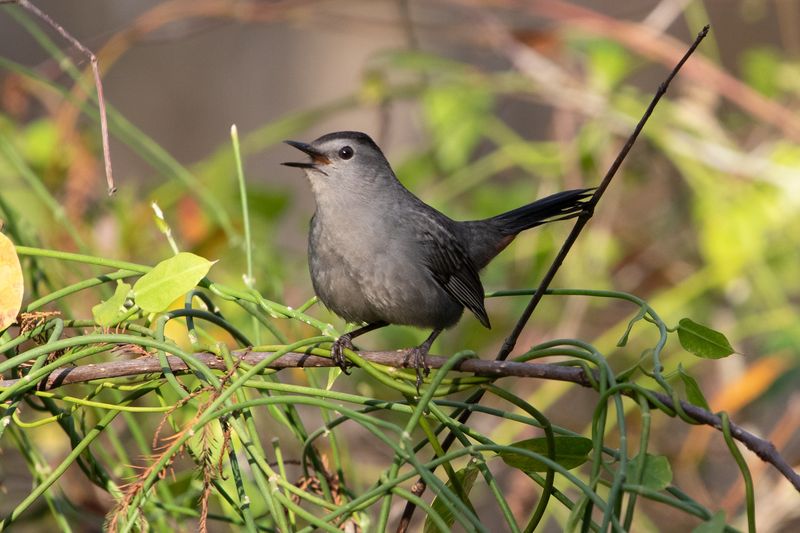
Picture a sleek gray bird with a tiny black cap, hiding in your hedge and meowing like a lost kitten. That mystery sound is the Gray Catbird, and it loves to fool people.
Many folks search under the porch for a cat before they spot the real singer.
Catbirds spend winters along the Gulf Coast, including Florida, and some travel as far as Central America and the Caribbean. They often show up right when beautyberries turn bright purple.
After a long trip south, those juicy clusters are like a welcome buffet.
These birds can be shy, though they sometimes hop out in the open. Most of the time, they slip into thick shrubs and stay tucked away.
Their songs are a jumble of whistles, squeaks, and borrowed notes from other birds.
Want to see one up close? Try setting out half an orange on a tray or a small dish of grape jelly.
Catbirds have a sweet tooth and enjoy fruit far more than seeds.
Place the treat near a bush so they feel safe while they snack. Rusty feathers under the tail are a handy clue when you spot one.
Once a catbird finds a yard it likes, it may return winter after winter, which makes for a fun feathered friendship.
2. Palm Warblers Arrive As Early As September
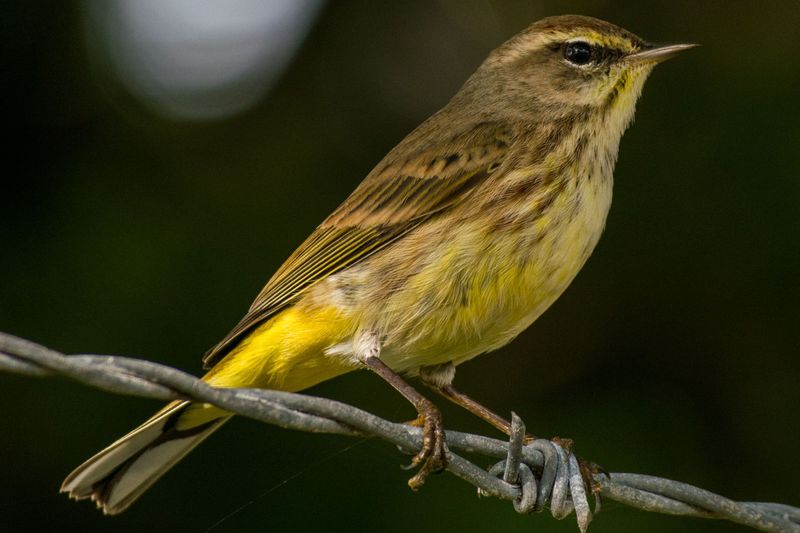
Bob, bob, bob goes the little tail on the lawn. If you see a small olive-brown bird pumping its tail nonstop, you have likely met a Palm Warbler.
It acts like it had one too many cups of coffee.
Palm Warblers are one of the most common winter birds in Florida. They often arrive in September or October and hang around until April.
That gives you plenty of months to enjoy their company.
Unlike many warblers that stay high in trees, this one likes the ground. You may find it hopping across lawns, parking lots, beach edges, and garden beds.
It also shows up in mangroves, scrub, and forests, so it is not too fussy about where it lives.
Look for a bright yellow patch under the tail and, on some birds, a rusty cap. Those details plus the tail flicking make it easy to name.
Kids often enjoy spotting it because the motion is so silly.
Your Florida Garden Changes Every Week. Your Plan Should Too.
Gardening in Florida changes quickly throughout the season. Every Friday you’ll receive a simple weekly plan showing exactly what to plant, prune, fertilize, harvest, and protect so you never miss the right timing.
Bugs are its main meal, but in winter it will also nibble seeds and fruit. Skipping harsh bug sprays helps keep its menu full.
Leaving a patch of lawn a bit wild with leaf litter gives it great hunting ground, and you get a front-row seat to the bobbing show.
3. Yellow-Rumped Warblers Flash A Bright Yellow Patch
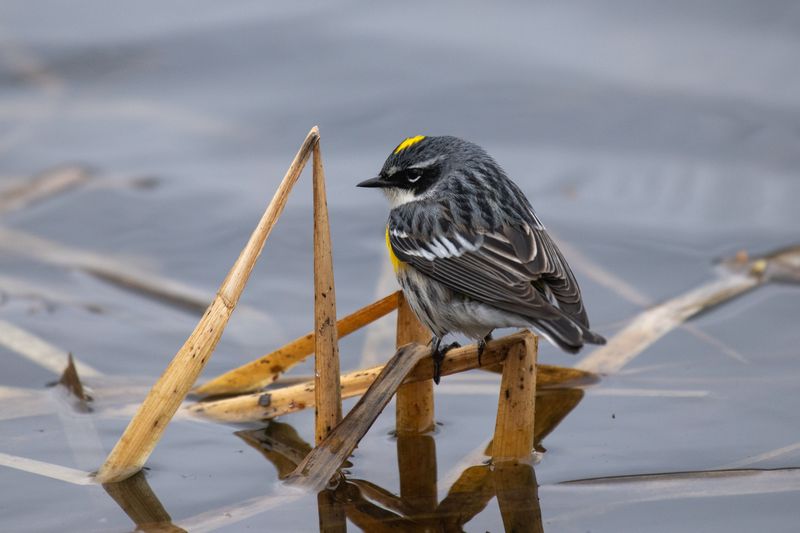
Birders have a cute nickname for this one: butter butt. The Yellow-Rumped Warbler flashes a bright yellow spot right above its tail as it flies off.
Once you notice it, you will spot that sunny patch everywhere.
These warblers pour into Florida in the fall and stick around through winter and early spring. You can find them in pine woods, parks, coastal scrub, forest edges, and neighborhoods.
They often move in loose groups, chattering with sharp little chip notes.
Here is a neat trick they have. Yellow-rumps can digest the waxy coating on berries like wax myrtle and bayberry.
Most other warblers cannot, which is one reason yellow-rumps can winter farther north than their cousins.
Insects, spiders, and tiny critters make up much of their diet. When bugs get scarce, those waxy berries become a lifesaver.
A wax myrtle shrub in your yard is basically a snack bar with their name on it.
They also visit suet feeders, especially on cooler mornings. Hang a suet cage near some branches and watch for that flash of yellow.
Because they travel in flocks, one visitor often brings friends, so your yard might suddenly feel like a busy little party.
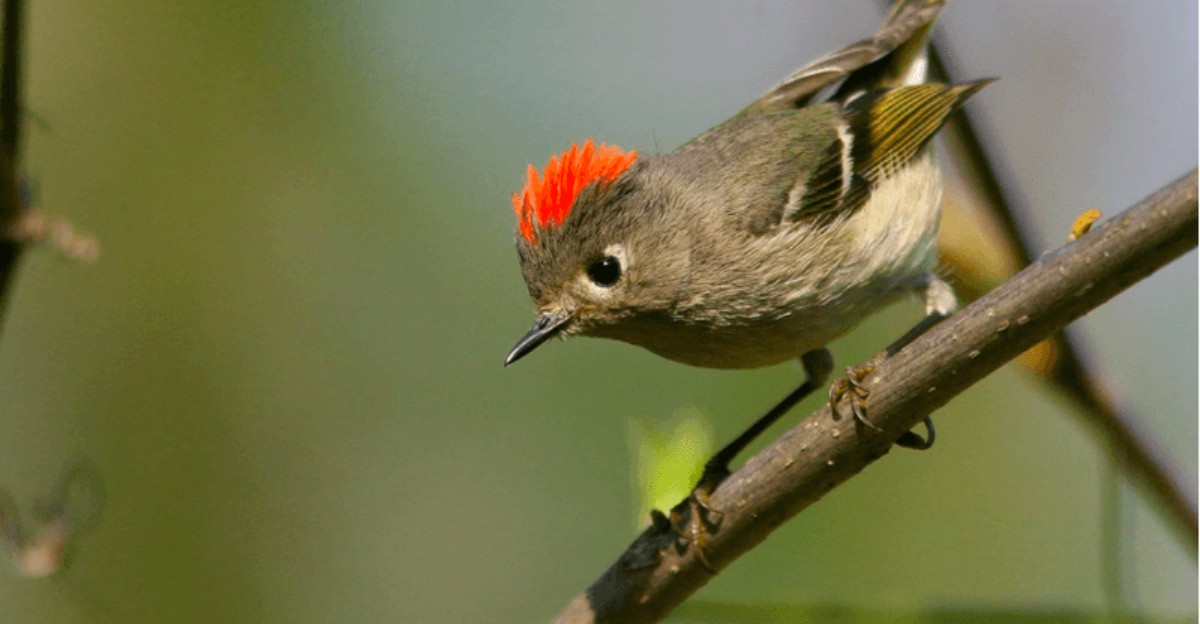
4. Ruby-Crowned Kinglets Flit Through The Shrubs
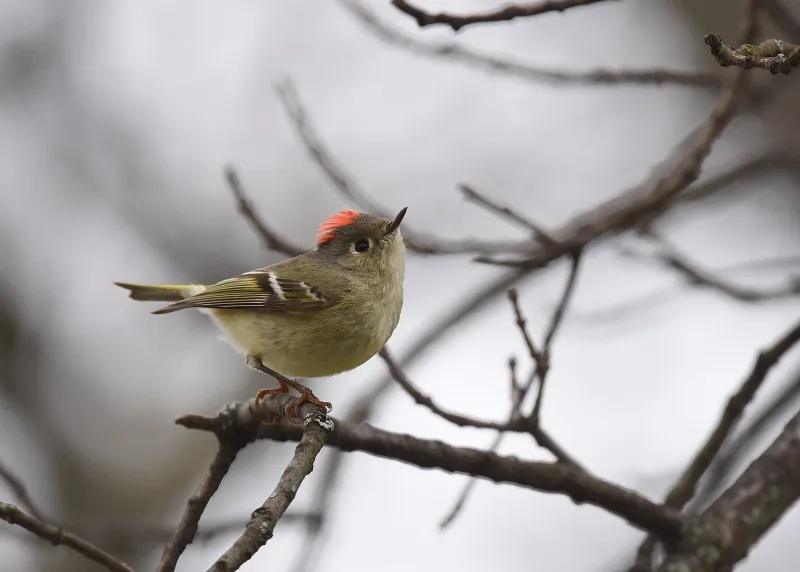
Blink and you might miss it. The Ruby-Crowned Kinglet is a tiny ball of energy that barely sits still for a second.
It weighs about as much as two pennies, yet it zips around like a wind-up toy.
Kinglets spend their winters in the southern United States, and Florida is one of their favorite spots. During these months, they stay busy in low woods and thick shrubs.
They hunt almost frantically through lower branches, hunting tiny insects and eggs.
The best clue for naming one is the wing flick. Kinglets flick their wings over and over, even while perched.
Look also for a white ring around each eye that gives them a wide-eyed, surprised look.
So where is the ruby crown? The male keeps his red patch hidden most of the time.
When he gets excited or annoyed, he raises it like a tiny flag, and it is a real thrill to catch.
To invite kinglets, keep some shrubs leafy and full. They love poking through dense branches for hidden bugs.
They may also stop by suet feeders in winter, so a small cage near your bushes could bring this pocket-sized acrobat right into view.
5. Eastern Phoebes Return For The Winter
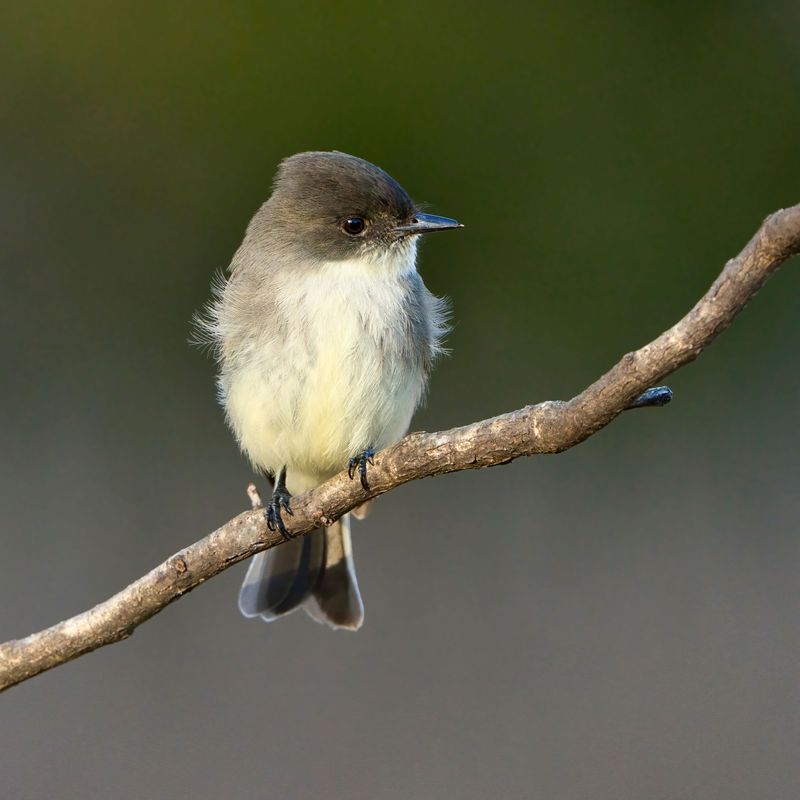
Some birds are flashy, but the Eastern Phoebe wins hearts with good manners. It sits quietly on a fence or low branch, dips its tail, and waits.
Then, snap, it darts out to grab a bug in midair.
Phoebes leave colder states and spend their non-breeding season in Florida and the Southeast. They are plump, brownish-gray songbirds with a soft white belly.
Their short, thin bill is built for catching insects on the fly.
Flying insects make up most of their diet. They also snack on spiders, ticks, and millipedes now and then.
When bugs run low, they may eat small fruits such as beautyberries and pokeberries.
You will usually see a phoebe alone. They like perches at the edges of fields, forests, and especially near water.
A backyard pond, ditch, or birdbath can make your yard feel like prime real estate.
Fun fact: the bird says its own name. Its call sounds like a raspy fee-bee, repeated from a perch.
To welcome one, offer a few low, open perches like a fence post or bare branch near water. Go easy on bug sprays, too, since this tidy little hunter helps keep pests in check for free.
6. Painted Buntings Reach Central And South Florida In October
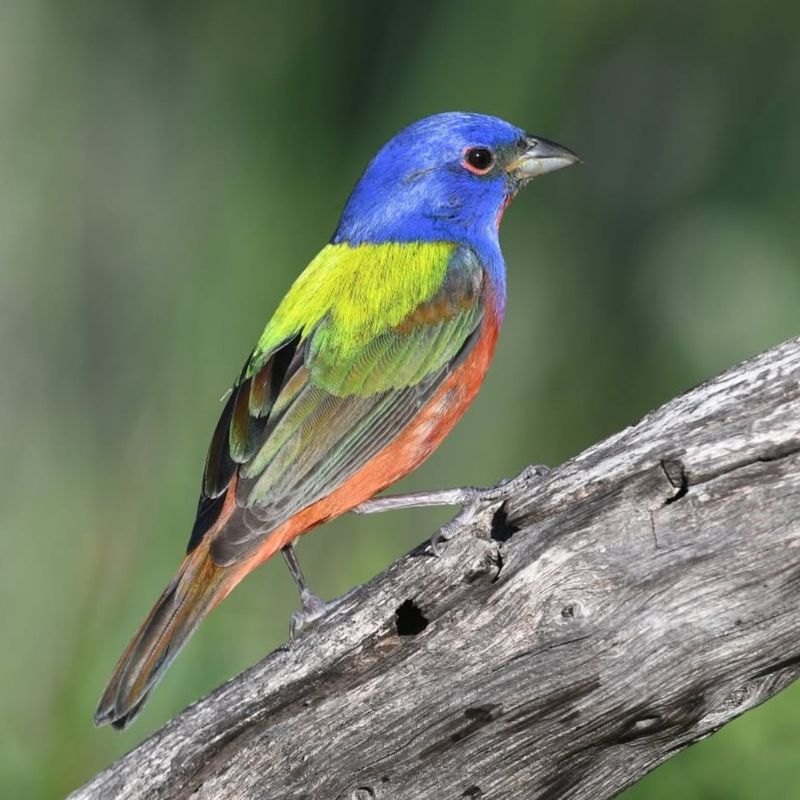
Imagine a bird that looks like a kid spilled a whole paint set on it. The male Painted Bunting has a blue head, red belly, and lime-green back.
Seeing one at your feeder can make your whole week.
The eastern group of these buntings nests along the southeastern coast, including northern Florida. Some head south as early as mid-August.
Most reach central and south Florida in early October and stay until March or April.
Females and young birds wear a bright green coat instead of rainbow colors. Their green helps them blend into leaves.
Do not overlook them, since they are just as exciting to spot.
The secret snack for buntings is white millet. Fill a feeder with this small, round seed and you raise your odds of a visit.
Many folks use tube feeders with a cage around them to keep bigger birds out.
Buntings are shy and nervous, so placement matters. Set the feeder close to low, thick shrubs where they can dash for cover.
Keep things calm and quiet nearby. With a little patience, these painted beauties may become regular winter guests, turning your yard into a living art gallery.
7. Put Out Seed And Suet Feeders
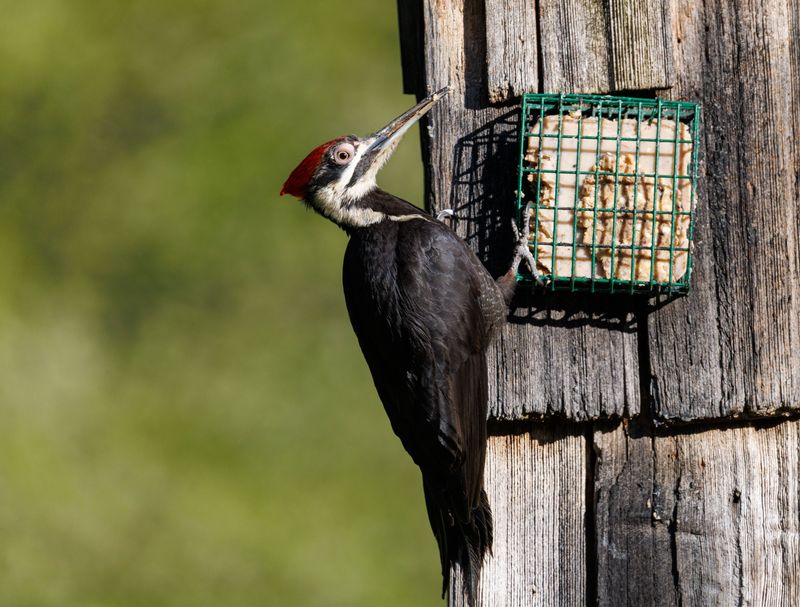
Think of a feeder as a roadside diner for tired travelers. After flying hundreds of miles, winter birds need quick, easy calories.
A few well-stocked feeders can turn your yard into their favorite stop.
Black oil sunflower seeds are a top pick. Cardinals, chickadees, and grosbeaks gobble them up because they are rich and easy to crack.
White millet is great for ground feeders like sparrows, towhees, and quail, plus it attracts Painted Buntings.
Suet is the other big player. These fat cakes give birds a burst of energy when insects are harder to find.
Woodpeckers, wrens, titmice, nuthatches, kinglets, and Yellow-Rumped Warblers often stop by for a bite.
Suet is made from beef fat mixed with seeds, grains, nuts, or fruit. It usually goes in a wire cage.
Florida heat can turn some cakes into a gooey mess, so look for no-melt blends or use true suet from a butcher.
Where you hang feeders matters too. Place them 10 to 15 feet from trees to make life harder for squirrels.
Clean feeders every couple of weeks to keep birds healthy. Toss out moldy or wet seed, and refill often so your guests keep coming back.
8. Plant Native Shrubs And Trees That Bear Fruit
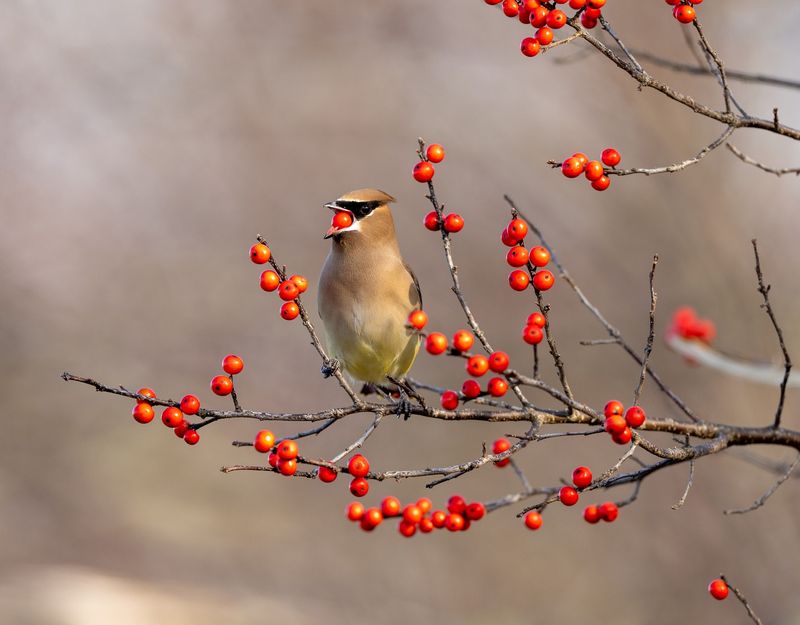
Feeders are nice, but plants are the real long-term gift. A native shrub loaded with berries feeds birds for weeks without you lifting a scoop.
It is like planting a pantry that refills itself every year.
Many winter birds count on wild fruit. Yellow-Rumped Warblers depend on wax myrtle and bayberry.
Gray Catbirds love beautyberries, and Eastern Phoebes snack on beautyberries and pokeberries when bugs get scarce.
Native plants matter because local birds evolved alongside them. These plants offer the right food at the right time.
They also give shelter, which exotic ornamental plants often fail to do.
Here are a few strong choices for Florida yards. American beautyberry puts on a bold purple show in fall.
Wax myrtle grows fast and makes great screens, while Simpson stopper offers fragrant flowers, small fruits, and dense leaves.
Fruiting vines like wild grape and blackberry are bird magnets as well. They form tangles that offer food, foraging spots, and safety from predators.
Check with a local native plant nursery for what grows best in your region. Plant in fall when the weather cools, and water well while roots settle in, and your yard will reward you with color and chatter.
9. Keep Some Dense Thickets For Cover
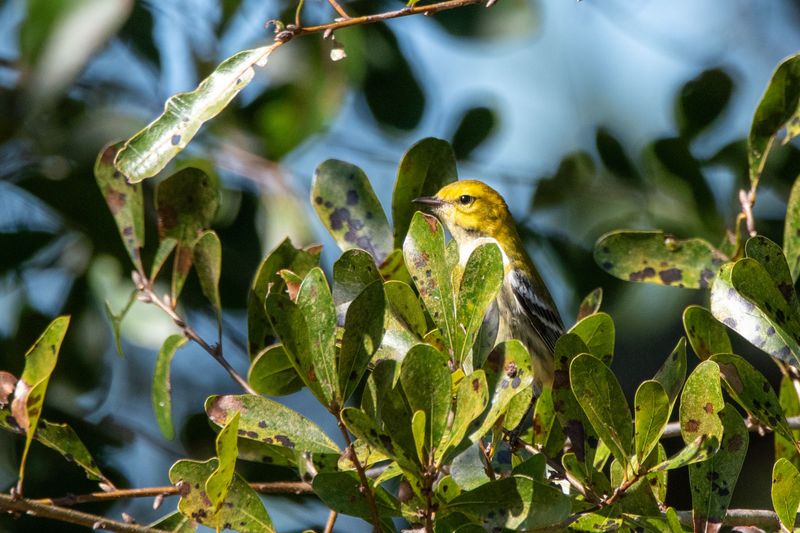
Ever notice how a small bird zips into a bush the moment a hawk flies over? That tangle of branches is its safe room.
Without cover, even the best feeder can feel too risky to visit.
Dense thickets give little birds shelter from predators, wind, and chilly nights. They also act like stepping stones, letting birds hop short distances safely.
A yard with no cover is like a big open field where everyone can see you.
Different birds use thickets in different ways. Gray Catbirds vanish into thick brush whenever they feel nervous.
Painted Buntings like low, dense shrubs right next to feeders, and Ruby-Crowned Kinglets love flitting through tangled branches in winter.
Good news for busy gardeners: thickets mean less trimming. Let one corner of your yard grow a bit wild.
Native picks like Yaupon holly, wax myrtle, blackberry, and wild grape fill in nicely.
Leave fallen leaves under the shrubs, too. They hide insects that birds love to scratch up.
A small brush pile made from old branches can add extra hiding spots. Your neighbors may call it messy, but the birds will call it home, and you will enjoy a front-row view all winter.