The Plants Georgia Gardeners Keep Multiplying From Cuttings Every Year
Some plants become so dependable in Georgia gardens that gardeners keep creating new cuttings from them every single year.
Once fresh spring growth starts taking off, many people begin clipping stems from favorite plants before summer heat becomes harder on young roots and tender growth.
A surprising number of flowers, herbs, and shrubs root easily with very little effort. Warm air and steady humidity often help stems stay firm long enough for roots to develop faster than expected.
Watching brand new growth appear from a simple cutting is usually what makes people want to keep propagating more plants every season.
Small mistakes can still slow the process down quickly. Containers without drainage, overly wet soil, or intense afternoon sun often create problems before roots fully establish.
Healthy cuttings usually perform best when conditions stay stable early on.
After a few successful attempts, many gardeners stop looking at trimmings as waste and start seeing free future plants instead.
1. Hydrangeas Root Surprisingly Fast In Warm Spring Weather
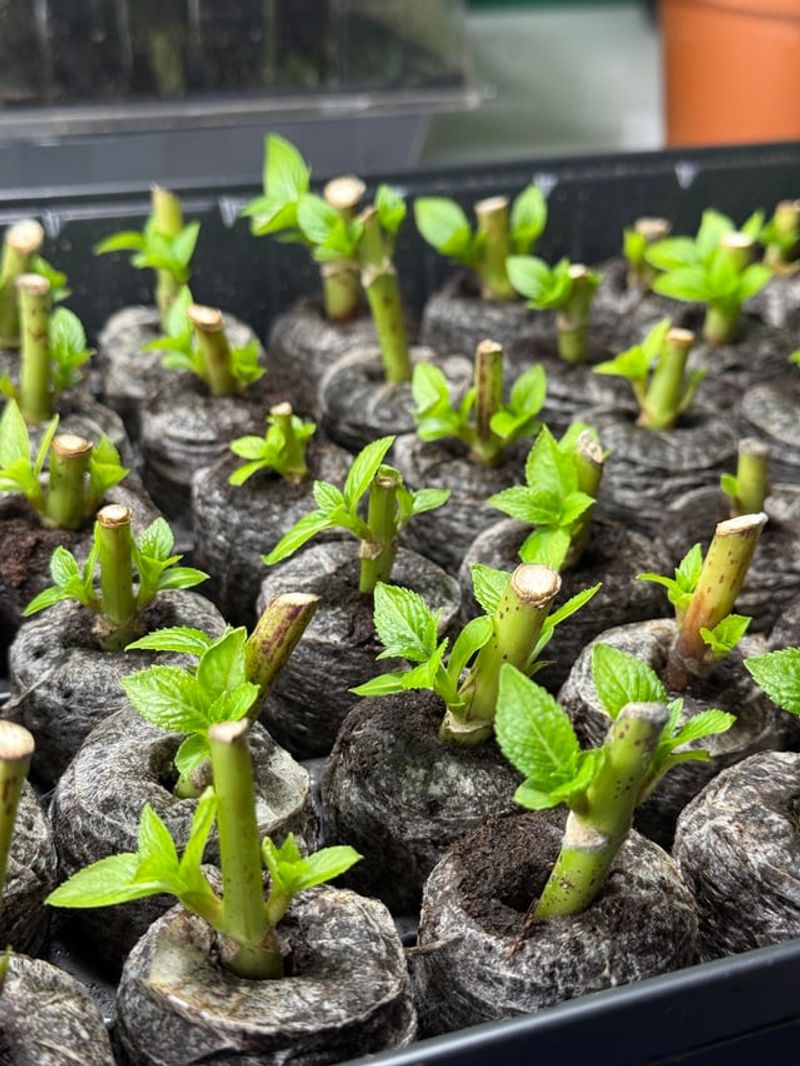
Snip a hydrangea stem in spring and something almost magical happens. Within a few weeks, roots begin pushing out from the node, especially when temperatures sit between 65 and 75 degrees.
Softwood cuttings work best. Choose a stem that has not yet flowered, cut it just below a leaf node, and strip the lower leaves completely.
Dip the cut end in rooting hormone powder before planting in a moist, well-draining mix.
Keep the cutting out of direct sun at first. Bright, indirect light gives it the energy to root without stressing the leaves.
A humidity dome or plastic bag placed loosely over the pot helps retain moisture without causing rot.
Roots typically form within three to four weeks under warm spring conditions. Gently tug the stem after a month.
If there is resistance, roots have taken hold.
Bigleaf and oakleaf varieties both respond well to this method. Oakleaf hydrangeas, popular throughout the region, root with impressive consistency.
Once roots are established, move the cutting to a slightly larger pot before transplanting outdoors. Spring propagation gives the new plant a full growing season to strengthen before cooler weather arrives.
New leaves often begin forming shortly after roots become established. Consistent moisture during the first few weeks usually improves rooting success significantly.
2. Coleus Cuttings Develop New Roots Within Days
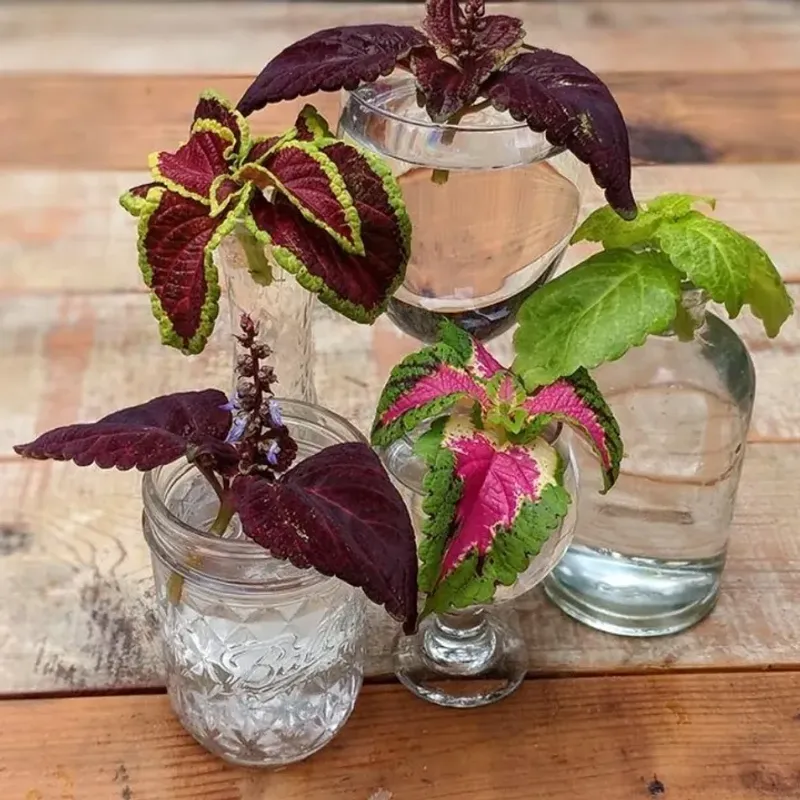
Few plants root as fast as coleus. Drop a fresh cutting into a glass of water and roots can appear in as little as five to seven days during warm months.
Cut a stem about four to six inches long, just below a leaf node. Remove all leaves from the bottom half.
Place the stem in clean water near a bright window, but keep it out of harsh afternoon sun.
Change the water every two to three days to prevent bacterial buildup. Once roots reach about an inch long, the cutting is ready to move into potting mix.
Planting too early, before roots are strong, can set the process back.
Coleus thrives in warm, humid conditions, which makes summer the ideal time to propagate. Cuttings taken in late summer can be rooted and brought indoors to overwinter as houseplants.
Your Georgia Garden Changes Every Week. Your Plan Should Too.
Gardening in Georgia changes quickly throughout the season. Every Friday you’ll receive a simple weekly plan showing exactly what to plant, prune, fertilize, harvest, and protect so you never miss the right timing.
Color patterns stay true to the parent plant, so propagating a favorite variety guarantees the same bold foliage. Shade gardens benefit most from coleus, and a single parent plant can produce dozens of cuttings across one season.
Pinching back mature plants regularly encourages bushier growth and provides a steady supply of fresh cuttings throughout the season.
Clear containers make it much easier to monitor root development without disturbing the cutting. Warm indoor temperatures usually speed up rooting faster than cooler rooms do.
3. Rosemary Responds Well To Early Summer Propagation
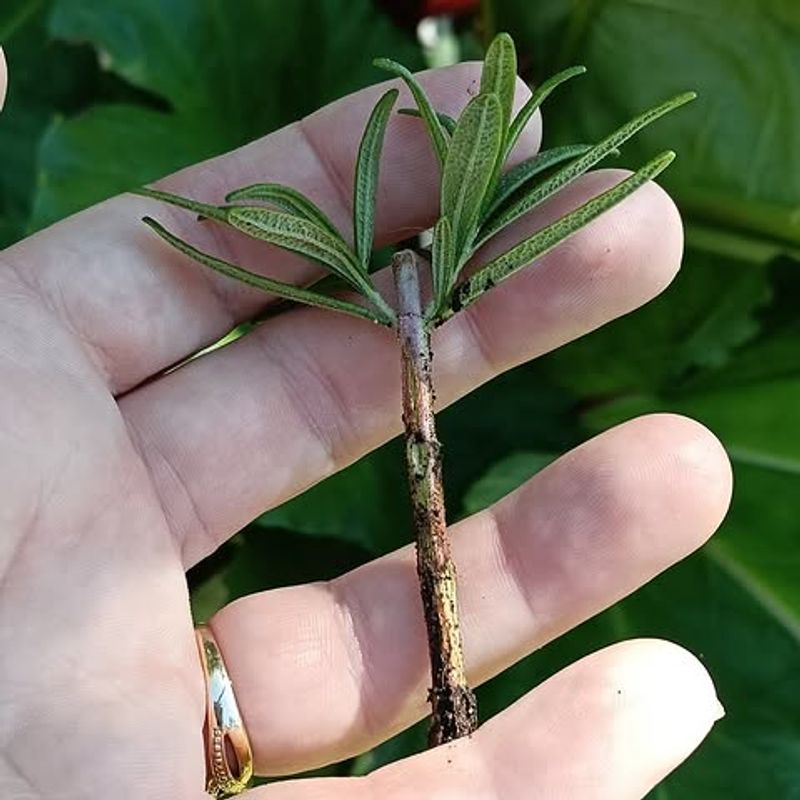
Rosemary has a reputation for being stubborn, but timing makes all the difference. Early summer, just after the plant finishes its main flush of growth, is when cuttings root with the most reliability.
Select stems that are semi-hardwood, meaning they are no longer soft and flexible but not yet fully woody. Cut four to six inch pieces, strip the lower two inches of needles, and dip the base in rooting hormone.
Plant in a gritty, well-draining mix like perlite blended with coarse sand.
Moisture consistency matters more than most gardeners expect. Rosemary cuttings need soil that stays slightly damp but never soggy.
Overwatering is one of the most common reasons cuttings fail before roots form.
Expect rooting to take four to eight weeks. Rosemary roots more slowly than softer-stemmed plants, so patience is essential.
Avoid disturbing the cutting too early.
Once rooted, rosemary transplants well into raised beds or containers. In Georgia, the long warm season gives rooted cuttings plenty of time to establish before winter.
Full sun and excellent drainage are non-negotiable for long-term success. A single established rosemary bush can supply cuttings for years, making it one of the most cost-effective herbs to propagate at home.
Terracotta pots often improve success rates because they allow excess moisture to escape more easily.
New growth at the tip is usually one of the first signs that roots have started developing below the soil surface.
4. Lantana Produces Strong Growth From Fresh Stem Pieces
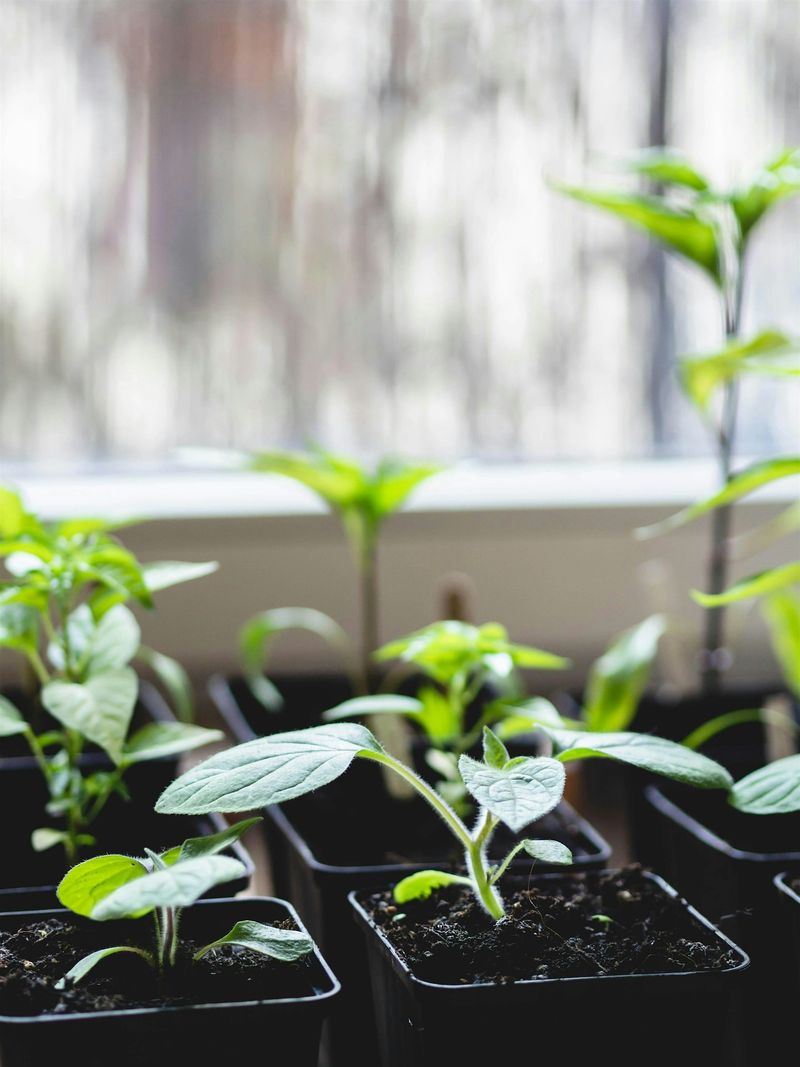
Lantana is practically built for propagation. Cut a fresh stem, stick it in soil, give it warmth and light, and it rarely looks back.
Take cuttings from actively growing, non-flowering stems during late spring or summer. Stems about four inches long work well.
Strip the lower leaves and plant directly into moist potting mix or a perlite blend. Rooting hormone is helpful but not always necessary with lantana.
Warmth is the key factor. Lantana roots best when temperatures stay above 70 degrees consistently.
In cooler conditions, rooting slows considerably, so summer cuttings perform better than fall ones in most cases.
Keep the soil moist but not waterlogged during the first two to three weeks. New leaf growth at the tip of the cutting is a reliable sign that roots are forming below.
Once that happens, the plant is ready for a larger container or a garden bed.
Lantana attracts butterflies and pollinators aggressively, making it a popular choice for Southern gardens. Propagating from a proven performer ensures the same flower color and growth habit in the new plant.
One established lantana can yield a dozen cuttings per season without any reduction in the parent plant’s vigor or bloom production.
Bright morning light usually produces stronger early growth than deep shade during the rooting stage. Smaller containers also help prevent excess moisture from building up around newly forming roots.
5. Confederate Jasmine Roots Best In Consistently Moist Soil
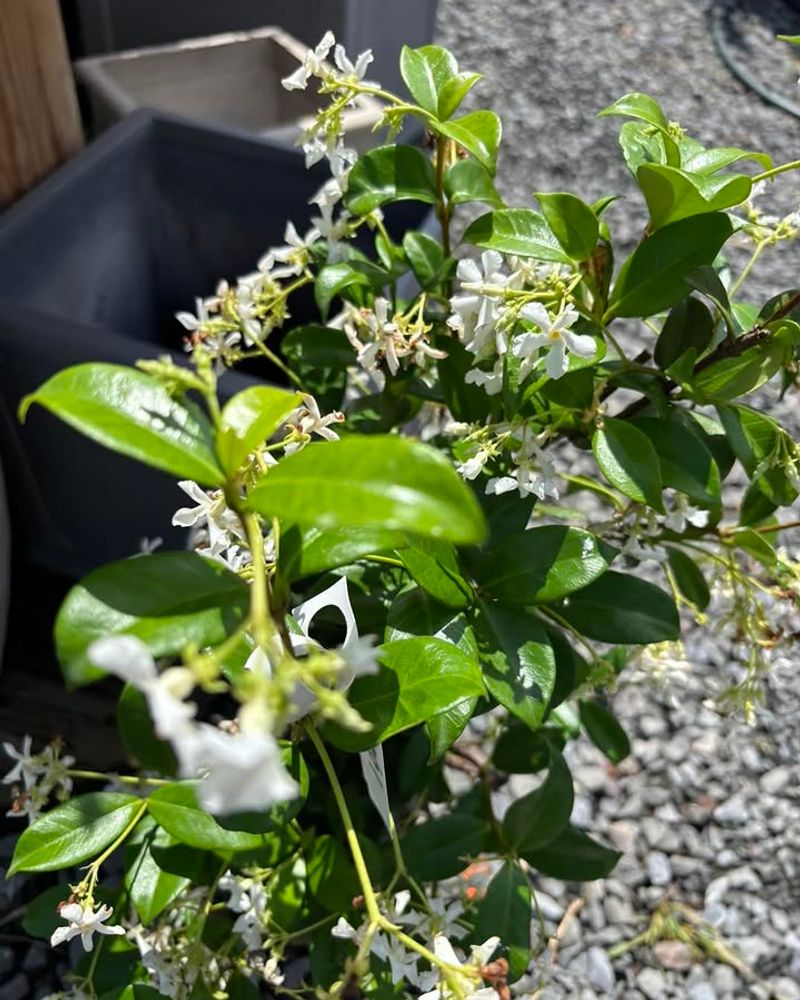
Confederate jasmine is one of the most fragrant vines in Southern gardens, and propagating it from cuttings is more straightforward than most people assume.
Semi-hardwood cuttings taken in late spring or early summer root most reliably. Select stems that have matured slightly past the soft tip stage.
Cut four to six inch pieces just below a node, remove the lower leaves, and plant in a consistently moist propagation mix. Peat blended with perlite holds moisture well without staying too wet.
Consistent soil moisture is the single most important factor. Letting the mix dry out even once during the early rooting stage can stall the process significantly.
Misting the foliage lightly each day also helps reduce stress on the cutting before roots form.
Rooting typically takes six to ten weeks. Confederate jasmine is not the fastest rooter, but it is consistent when conditions stay stable.
Bright indirect light works better than full sun during this stage.
Once rooted, the vines establish quickly and can cover a fence or trellis within a season or two. Propagating from a mature, healthy parent plant guarantees strong fragrance and reliable blooming.
A well-rooted cutting started in early summer will be ready to transplant into the landscape by early fall with minimal setback.
Clear signs of success usually appear once fresh new leaves begin forming at the tip of the cutting.
Smaller pots also help maintain more even moisture levels during the early rooting stage.
6. Salvias Bounce Back Quickly After Root Formation Begins
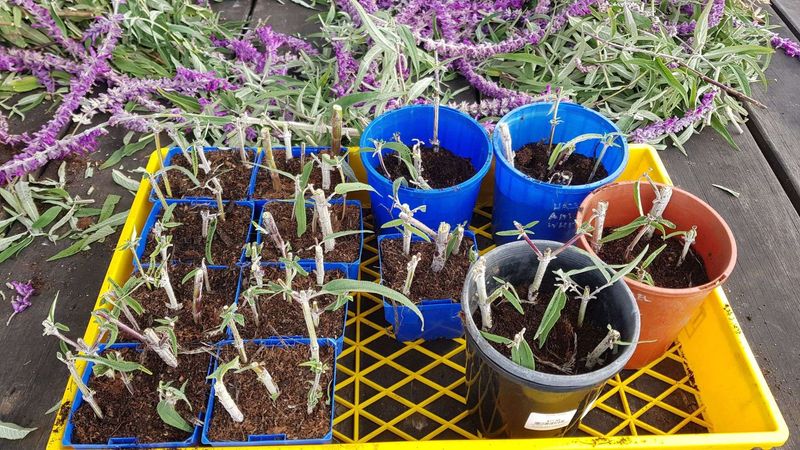
Salvias have a quiet resilience that shows up most clearly during propagation. Once roots take hold, new growth comes in fast and strong.
Take cuttings from soft, actively growing stem tips in late spring or early summer. Cut about four inches below the growing tip, just above a leaf node.
Strip the lower leaves and dip the base in rooting hormone before inserting into a moist propagation mix.
Bottom heat speeds things up noticeably. A heat mat set to around 70 degrees keeps the root zone warm even when air temperatures dip at night.
Roots typically form within three to five weeks under consistent warmth.
Salvias prefer a slightly drier propagation environment compared to begonias or jasmine. Allow the top layer of the mix to dry slightly between waterings to avoid stem rot near the base.
Good airflow around the cuttings also reduces the chance of fungal issues.
Once rooted, salvias respond well to a light pinch at the growing tip. Pinching encourages branching early, which leads to a fuller, bushier plant at transplant time.
Many salvia varieties bloom heavily in fall across the South, so cuttings started in early summer are well-timed to produce flowering plants by late season. The payoff for a small amount of effort is significant.
Thin stems usually root more successfully than thick mature ones because they adapt faster to moisture changes.
7. Begonias Continue Multiplying Easily Through The Warm Season
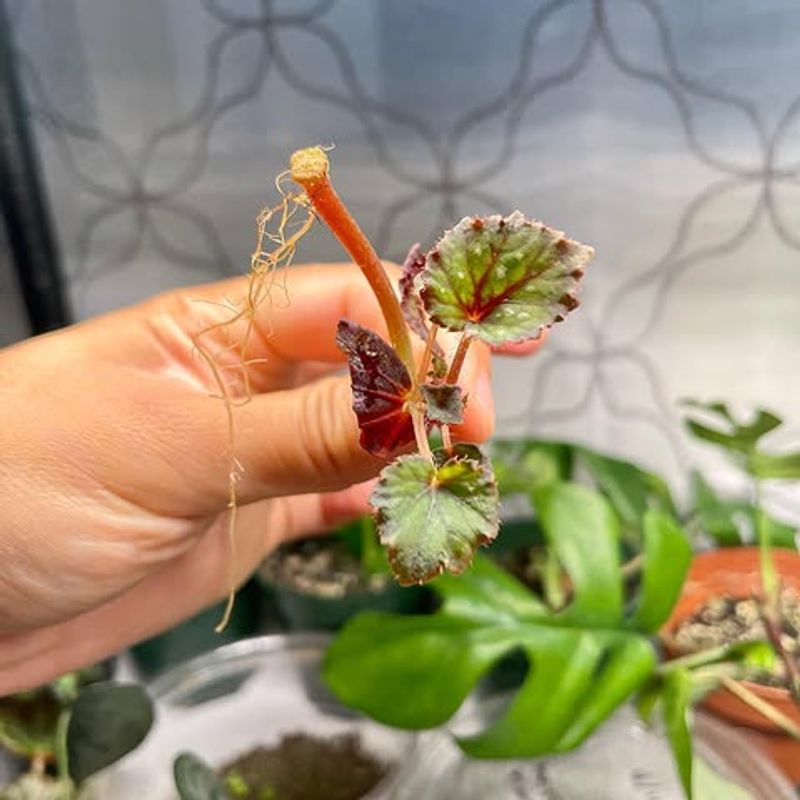
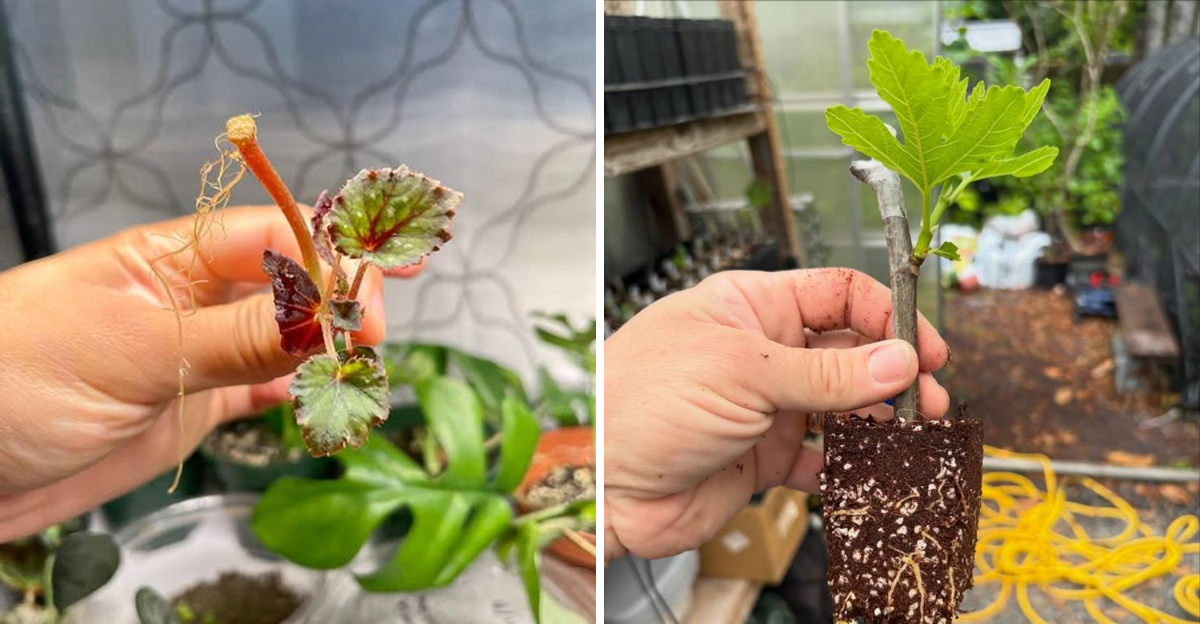
Begonias might be the most forgiving plant to propagate from cuttings. Even a beginner with minimal experience can get reliable results through the warm season.
Both wax begonias and angel wing varieties root quickly from stem cuttings. Cut a healthy stem about three to four inches long, just below a node.
Remove any flowers or buds along with the lower leaves. Plant the cutting in moist potting mix or place it in water until roots appear.
Water propagation works especially well with begonias. Roots often appear within one to two weeks in warm conditions.
Once roots reach an inch or longer, move the cutting into a small pot with well-draining mix to prevent root rot.
Avoid placing fresh cuttings in direct sun. Bright, filtered light gives begonias the energy to root without burning the foliage.
Humidity helps, so grouping cuttings together or covering loosely with a plastic bag speeds up the process.
Begonias root so freely that a single parent plant can produce new starts every few weeks throughout summer.
Gardeners who bring a few rooted cuttings indoors in early fall can keep the plant going through winter and take new cuttings again the following spring.
It is one of the most reliable propagation cycles in warm-climate gardening.
Healthy cuttings usually stay firm and upright during the rooting process when moisture levels remain balanced.
Smaller containers also reduce the chance of excess moisture building up around newly forming roots.
8. Fig Cuttings Establish Well In Warm Humid Conditions
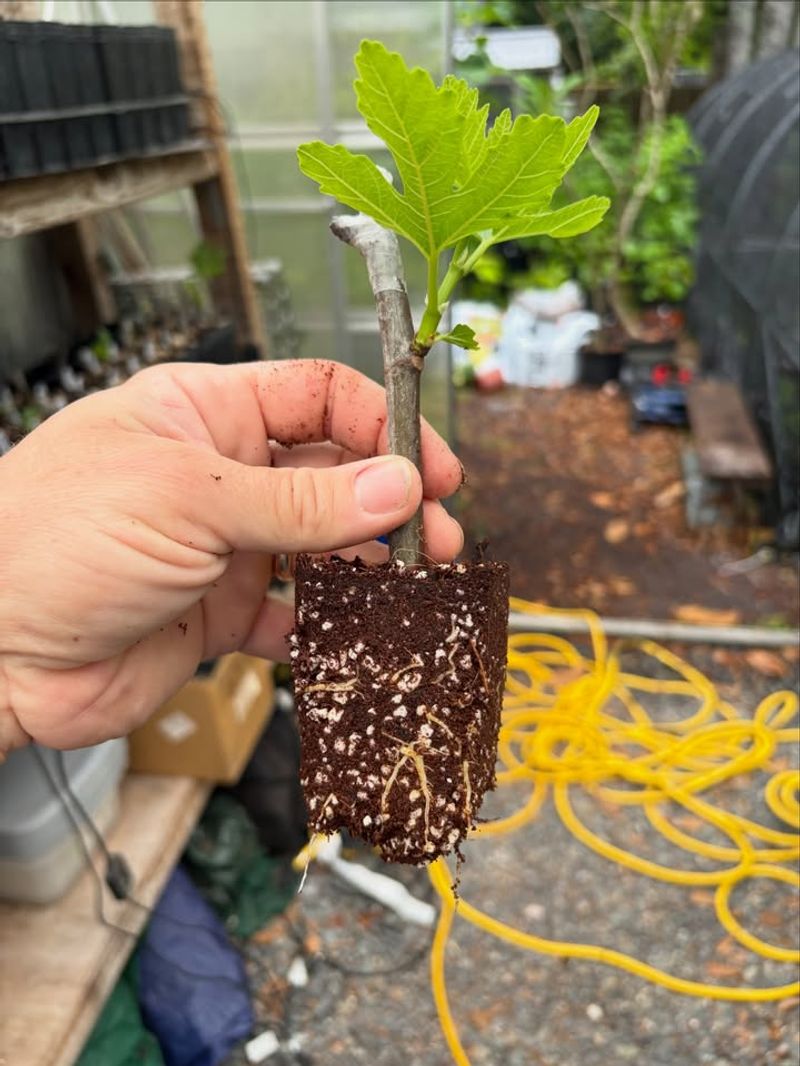
Figs are one of those plants that reward patience with impressive results. A simple hardwood cutting can become a productive tree within just a couple of seasons.
Late winter to early spring is the classic time for fig propagation, using dormant hardwood cuttings. Cut pencil-thick stems about eight to twelve inches long with at least two to three nodes each.
Let the cut ends callous for a day before planting in a well-draining mix of perlite and potting soil.
Warm, humid conditions after planting make a real difference. Figs root well when daytime temperatures climb above 60 degrees consistently.
Placing pots in a sheltered spot with morning sun and afternoon shade protects cuttings from temperature swings during early establishment.
Keep soil moderately moist. Figs can handle brief dry spells better than waterlogged roots, so err toward slightly dry rather than overly wet.
Buds often break and leaves emerge before roots are fully established, so wait for strong new growth before transplanting.
Georgia’s warm, humid climate suits fig propagation well. Common varieties like Brown Turkey and Celeste root with high success rates and produce fruit within two to three years from a cutting.
Starting several cuttings at once increases the odds of ending up with strong, healthy transplants ready for the garden.
Thicker cuttings taken from vigorous branches usually produce stronger root systems during the first growing season.