The 7 Plants More Ohio Gardeners Are Growing To Help Keep Stink Bugs Away
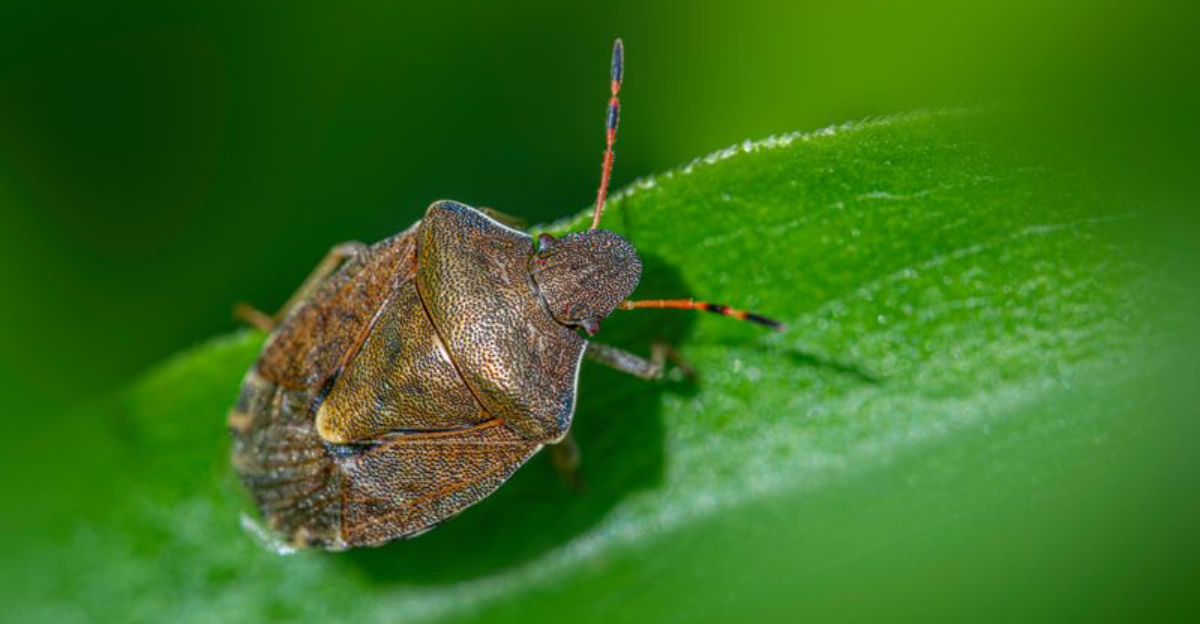
A quiet garden can quickly become a favorite hangout for unwanted visitors, and stink bugs are becoming a bigger frustration for many backyard growers.
These shield-shaped pests can leave plants looking stressed while making their way through gardens in search of food and shelter.
In Ohio, more gardeners are turning toward smarter planting choices that support a healthier outdoor space and help create a less inviting environment for stink bugs.
From fragrant herbs to colorful blooms, certain plants have earned attention for their role in companion gardening and natural pest management strategies.
Adding the right greenery can transform a backyard into a more balanced ecosystem while giving gardeners another tool to protect their favorite crops.
These plants are gaining popularity among gardeners who want a beautiful yard with a more thoughtful approach to managing common garden pests.
1. Plant Marigolds To Add A Bright Pest Conscious Barrier
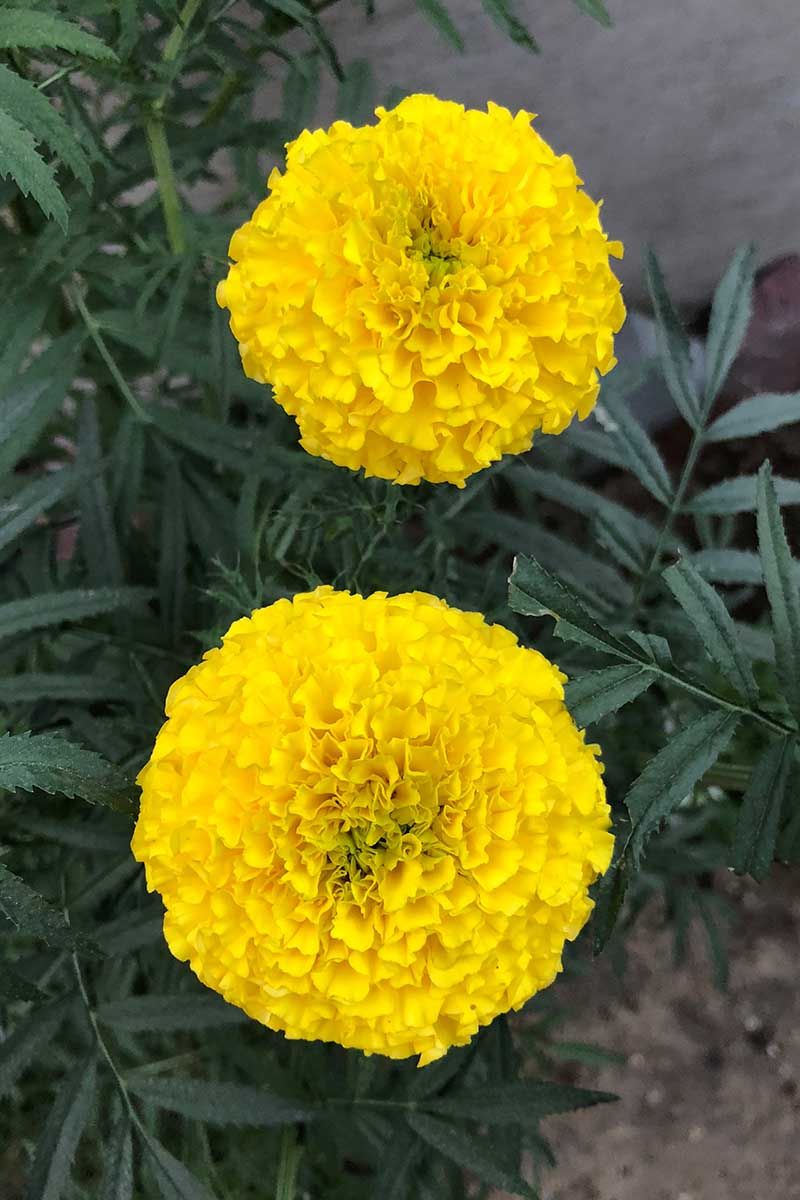
Few flowers pull double duty quite like the cheerful marigold. Their bold orange and yellow blooms brighten up any garden while adding diversity that can support a healthier garden ecosystem.
Marigolds contain natural compounds like pyrethrum and thiophene, which many insects avoid. French marigolds especially help repel whiteflies and manage tiny soil pests called nematodes.
Now, marigolds are not a magic shield. A few gardeners have noticed leaf-footed bugs, which are stink bug relatives, hanging around the flowers.
Even so, the biggest win comes from the helpers marigolds invite in.
These blooms attract ladybugs, hoverflies, and parasitic wasps to your yard. That last group is a game-changer, since parasitic wasps lay their eggs inside stink bug eggs and stop new generations from forming.
Basically, you get free pest patrol just by planting flowers.
For folks gardening across Ohio, marigolds are wonderfully easy to grow. They love full sunlight and do best in reasonably fertile soil, so a sunny spot near your veggies works great.
Water them regularly and trim the spent blooms to keep more flowers coming.
Adding marigolds gives you beauty, a fragrant barrier, and a welcome mat for beneficial insects, all in one tidy package. It is one of the simplest first steps a Buckeye State gardener can take.
2. Grow Basil To Bring More Balance To Your Garden
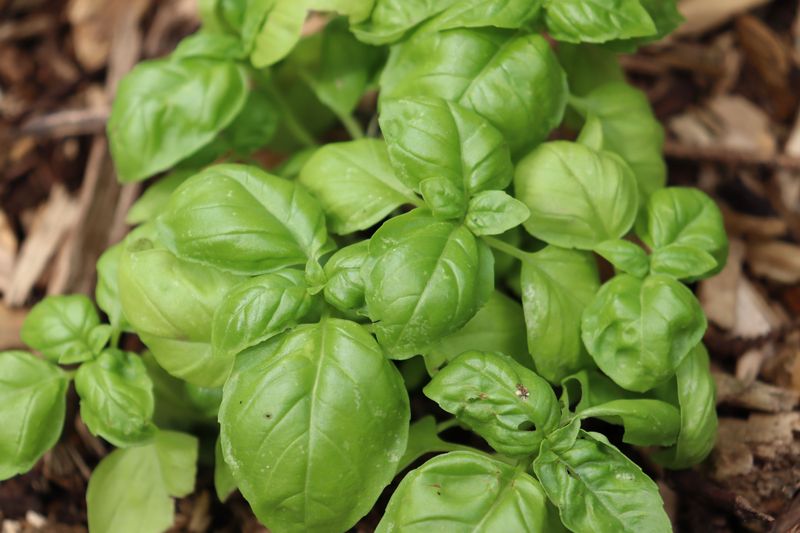
If you love cooking, basil already earns its keep in the kitchen. Turns out it can also help balance out your garden and steer stink bugs elsewhere.
This fragrant herb is famous for its strong aroma, and that scent is exactly what many pests, including stink bugs, prefer to avoid.
Tucking basil near garden entryways or beside crops that tend to get attacked can build a scented barrier that discourages these shield-shaped bugs from moving in.
When bugs cannot find an easy meal, your garden becomes a less appealing place to settle down.
Here is a curious twist though. Even with its repellent reputation, gardeners have occasionally spotted stink bug larvae resting on basil leaves.
So while it usually works as a deterrent, it can sometimes act as a host under certain conditions. Keeping an eye on your plants helps you catch any surprises early.
Your Ohio Garden Changes Every Week. Your Plan Should Too.
Gardening in Ohio changes quickly throughout the season. Every Friday you’ll receive a simple weekly plan showing exactly what to plant, prune, fertilize, harvest, and protect so you never miss the right timing.
Across the state, basil is a breeze to grow. It craves warm, sunny weather and likes soil that stays consistently moist but drains well, so avoid letting it sit in soggy dirt.
By weaving basil into your planting plan, you gain a flavorful ingredient for dinner and a natural helper that supports a healthier, more balanced garden all season long.
3. Add Mint For A Strong Scented Garden Companion
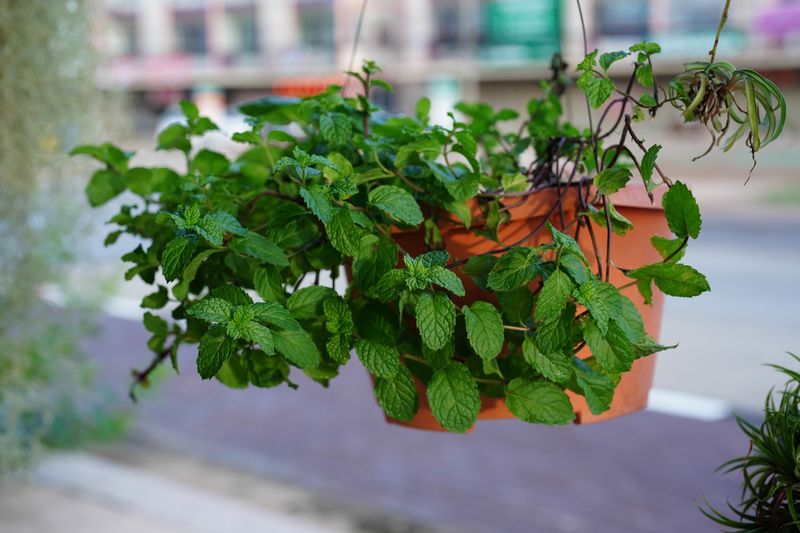
Mint makes a statement the moment you brush against it. That bold, cool fragrance makes mint a popular choice among gardeners who enjoy aromatic plants.
The intense scent of mint works as a powerful repellent, especially when you plant it near doorways, windowsills, or in pots on a screened porch. One resident even kept stink bugs out of their home this exact way, proving how handy a few potted mint plants can be.
Stink bugs are not the only pests that steer clear either. Mint also discourages white cabbage moths, ants, rodents, flea beetles, and aphids.
Nearby crops like cabbage and tomatoes often grow happier with mint standing guard close by.
On top of that, mint draws in hoverflies and predatory wasps, both of which hunt common garden troublemakers. You end up with a fragrant plant that fights pests two different ways.
A word of caution for gardeners: mint spreads fast and can take over a bed before you know it. Planting it in containers or giving it a well-defined corner of its own keeps things under control.
That little bit of management pays off nicely. You get to enjoy the refreshing smell, snip leaves for recipes, and keep pesky invaders at bay.
For a plant that asks so little, mint delivers plenty of value to a Buckeye State backyard.
4. Use Thyme To Support A Smarter Planting Strategy
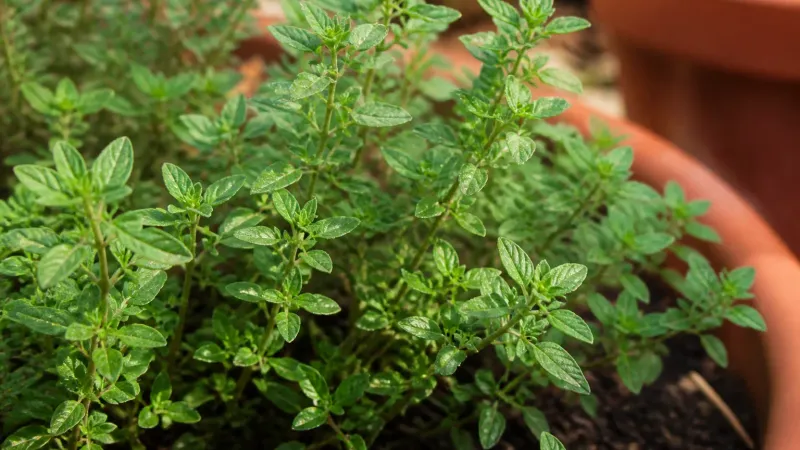
Small but mighty describes thyme perfectly. This low-growing herb looks delicate, yet it packs a scent that helps outsmart hungry garden pests.
Thyme’s aromatic leaves release a strong fragrance that stink bugs tend to find unpleasant. Placing it around crops that usually get nibbled adds another layer of plant diversity around edible crops, gently nudging the bugs to look elsewhere.
What makes thyme especially useful is how well it fits into companion planting. That is the practice of growing certain plants together so they help each other thrive, attract pollinators, or push pests away.
Thyme slides right into that role without much fuss.
For an Ohio garden, thyme thrives in full sun and well-drained soil, which makes it one of the more forgiving herbs to keep alive. It shrugs off changing conditions and keeps offering protection through the whole growing season.
Because it is so tough, you will not spend much time babying it. A sunny spot and soil that does not stay waterlogged are really all it needs to settle in and spread a little.
Choosing thyme means adding a tasty herb to your collection while quietly building a more pest-resistant garden. It is a simple, plant-based approach that reduces how often you need to reach for heavier pest control methods.
For Ohio gardeners who like working smarter, thyme is a quiet workhorse that supports a healthier, better-balanced outdoor space with barely any effort.
5. Grow Rosemary Among Your Favorite Garden Crops
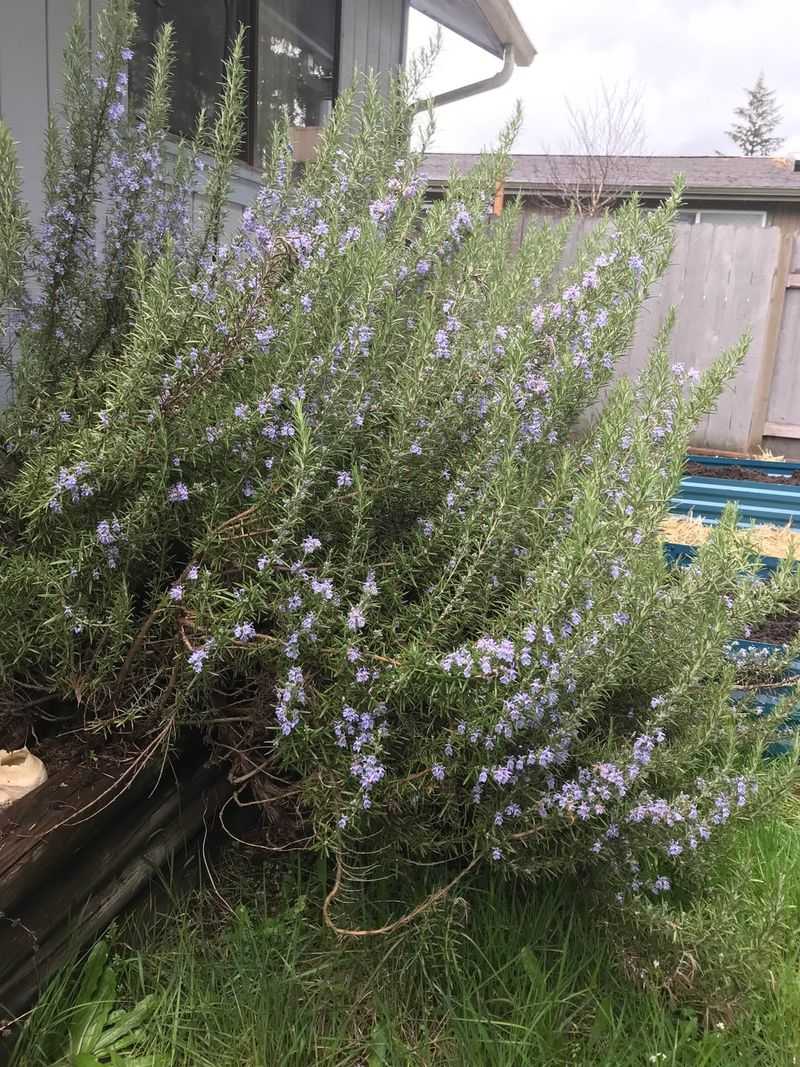
Rosemary carries a pine-like punch you can smell from a few feet away. That bold aroma is more than pleasant, since it doubles as a natural pest deterrent for gardens everywhere.
Direct research linking rosemary to stink bug control is still thin, but this herb is well known for repelling a wide range of insects.
Its scent comes from essential oils like cineole, camphor, and pinene, and those compounds have been studied for effects on some insects, although stink bug control benefits are not well established.
Studies show rosemary can help keep away mosquitoes, flies, carrot flies, and cabbage moths, and it even works against spider mites and slugs.
Planting it among your vegetable beds or beside vulnerable crops in your Ohio garden helps confuse invasive insects and makes it harder for them to find food.
When pests cannot navigate easily, they are far less likely to settle in and cause big trouble. That kind of natural disruption keeps your plants safer without any spraying.
Rosemary also happens to be a fantastic pollinator plant, welcoming bees and butterflies to your yard. A garden full of pollinators and predatory insects stays more balanced, letting nature handle much of the pest patrol for you.
Gardeners will find rosemary fairly easy to care for. It loves plenty of sunlight and prefers well-draining, slightly acidic soil, so pick a bright, dry-ish spot.
Adding rosemary builds a tougher, more resilient garden while filling the air with a scent that makes tending your plants a genuine pleasure.
6. Plant Dill To Welcome Helpful Garden Insects
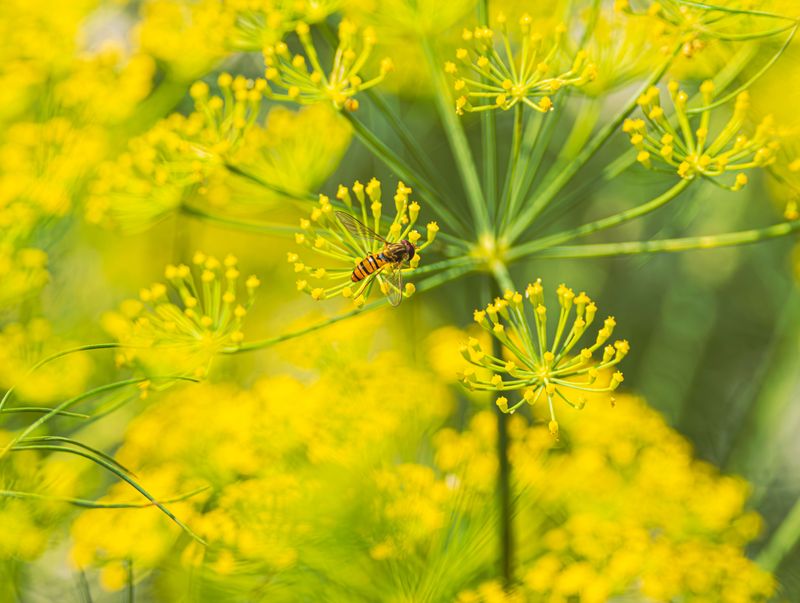
Dill might be the hardest working plant on this whole list. It does two jobs at once, both shooing away stink bugs and rolling out the welcome mat for the good bugs that hunt them.
This feathery herb is specifically noted for repelling aphids and stink bugs, which makes it an easy pick for gardeners wanting straightforward protection.
The aroma and natural compounds dill gives off seem downright disagreeable to stink bugs, encouraging them to skip your nearby crops.
The second job is where dill really shines. Its blooms attract a crowd of beneficial insects, including ladybugs, lacewings, and especially parasitic wasps.
Those wasps are tiny heroes. They lay their eggs inside stink bug eggs, which stops the next generation of pests before it ever gets going.
Over time, this natural control can shrink stink bug numbers in a big way.
For gardeners, that means a sustainable solution that keeps working season after season without constant effort on your part. Let a few dill plants flower and you invite an entire cleanup crew into your yard.
Dill grows well in sunny spots with decent soil, and it self-seeds readily, so you may find volunteer plants popping up next year. That is a nice bonus for anyone who likes low-maintenance gardening.
By planting dill, Buckeye State gardeners deter stink bugs and build a natural defense system powered entirely by nature’s own pest fighters.
7. Add Sunflowers To Create A Diverse Backyard Habitat

Sunflowers on a stink bug list may raise an eyebrow, but there is clever strategy behind it. These towering beauties actually work as what gardeners call a trap crop.
Research has shown sunflowers can function as trap crops in some stink bug management strategies, which love feeding on the seeds. Instead of fighting that, smart gardeners use it to their advantage.
By planting sunflowers well away from your main garden beds and home, you may concentrate some stink bugs in one area, making monitoring easier. The flowers basically become a sacrifice zone that keeps the pests distracted.
Experts stress the importance of distance here. Keeping the trap crop far from your good plants prevents the bugs from wandering back over to the things you actually want to protect.
Once the stink bugs gather on the sunflowers, they are much easier to deal with, whether that means hand-picking them off or simply keeping them contained in one spot. It turns a scattered problem into a manageable one.
Beyond their trap-crop trick, sunflowers add serious life to an Ohio backyard. Their big, cheerful blooms bring in bees, butterflies, and other helpful insects, boosting the overall health of your garden.
That extra biodiversity supports natural pest control across your whole yard. So while you strategically lure troublesome stink bugs away, you also create a vibrant, buzzing habitat that makes your Buckeye State garden a livelier place to be.
No plant can guarantee that stink bugs will stay away, but adding diverse plants and encouraging beneficial insects can be one part of a broader garden pest management strategy.