September Isn’t Too Late For Radishes In Ohio
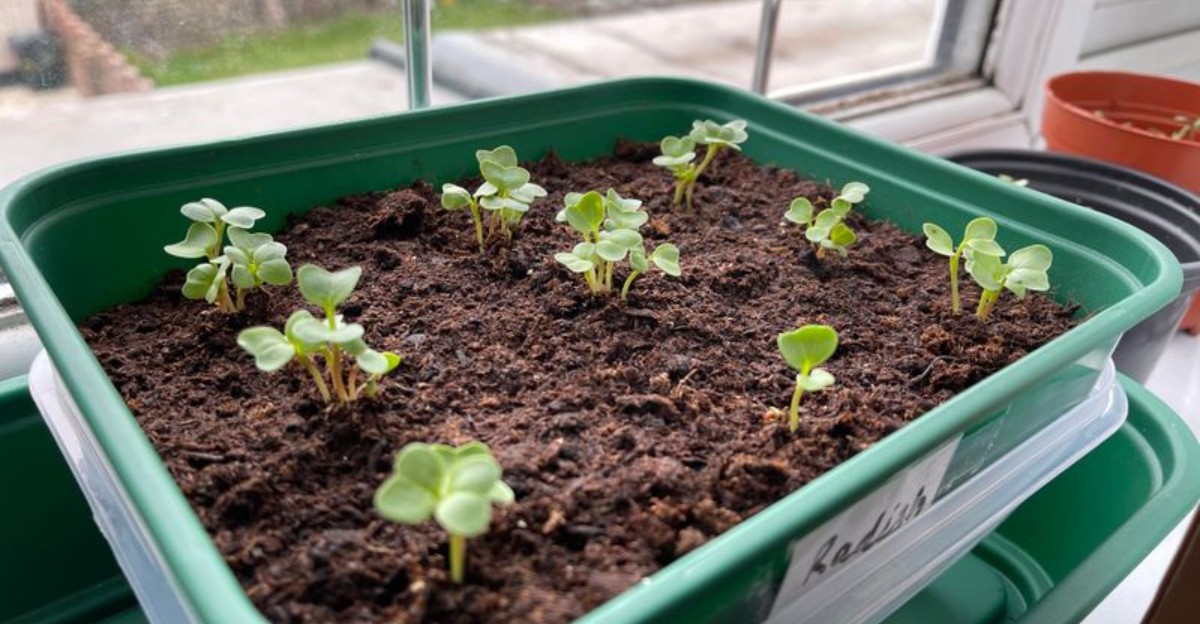
Labor Day rolls past and most Ohio gardeners start eyeing the hose, the rake, and the recliner. Your garden beds, meanwhile, are quietly setting up for one more round of easy, low-effort garden work.
Late summer heat fades, the evening air turns crisp, and the ground finally cools to something friendly. That shift swings open a planting window that most folks in the neighborhood walk right past.
Something crunchy, peppery, and bright enough to wake up a boring salad can still go in. Those seed packets rattling around your shed drawer have not punched out for the season yet.
Your neighbors will be raking leaves while you tug dinner out of a chilly October bed. Their loss smells faintly of wet leaves, cold rain, and a small helping of regret.
Plenty Of Time Left In An Ohio Autumn
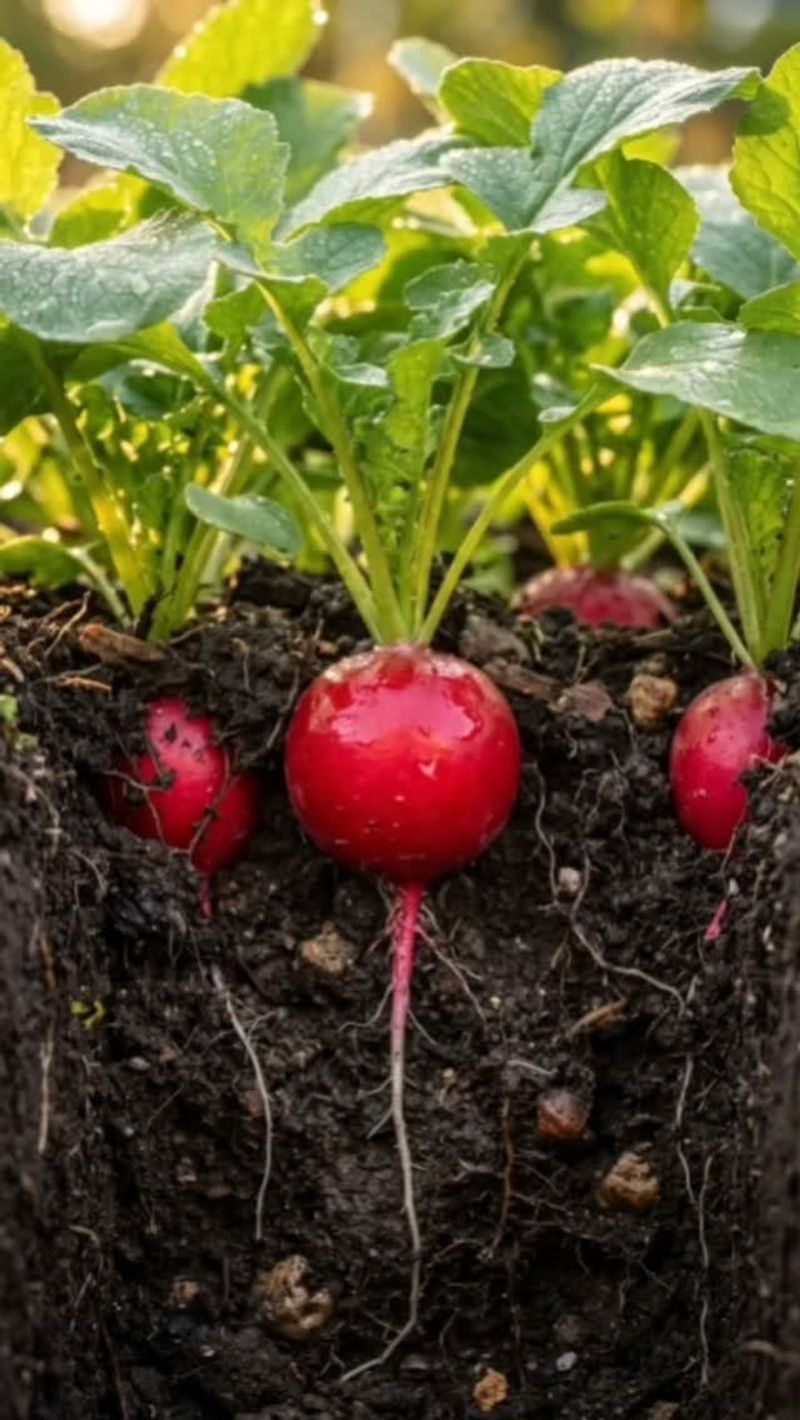
Gardeners get a quiet second chance every September, and it is sitting right in the vegetable bed. Warm soil plus cooling nights gives fast root crops close to perfect conditions for quick growth.
Most common varieties finish in twenty-two to thirty days from the moment seeds touch the dirt. Counting forward from mid-September still lands you in mid-October, well ahead of any hard freeze.
Ohio spans zones five through seven, so first frost usually arrives between early and late October. Light frost does not bother these roots much, and a few cold nights sweeten them.
Gardeners in Cleveland, Columbus, and Cincinnati all have workable time, though the northern counties should hurry. A week of delay in Defiance County matters far more than it does near Portsmouth.
Empty spots left behind by beans, cucumbers, or early tomatoes make excellent homes for a late sowing. Those beds are already loose, already fed, and already free of competing roots.
Nothing fancy is required, which is part of the charm of planting this late in the year. A rake, a packet of seed, and twenty minutes on a Saturday will do it.
September planting also skips most of the summer pest pressure that ruins spring crops. Flea beetles slow down as temperatures drop, leaving leaves far cleaner than they look in May.
So no, the season is not over when Labor Day decorations come down. There is still a harvest waiting for anyone willing to bend down and scratch some soil.
Cool Soil And The Sweeter Fall Flavor
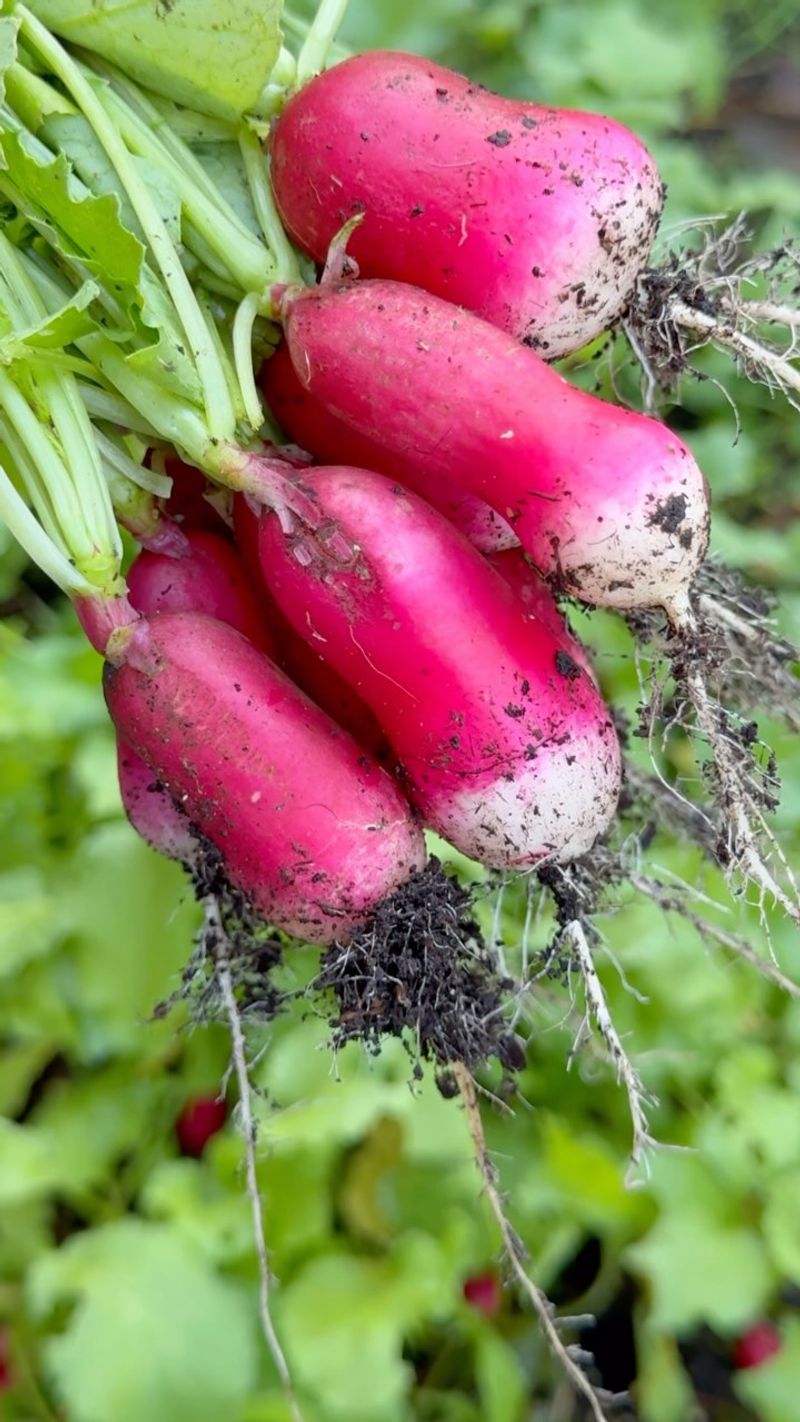
Flavor changes with the calendar, and fall roots taste noticeably milder than the ones grown in June. Heat pushes these plants to build sharp, harsh compounds that sting the tongue.
Cooler weather slows that chemical rush, so sugars stay put inside the root. Gardeners often describe their October harvests as crisp and faintly nutty rather than plain fiery.
Soil temperature drives the whole process more than air temperature does. Seeds germinate happily between fifty and eighty-five degrees, and September soil sits comfortably in that band.
Texture improves too, since steady moisture and mild days prevent the woody cores that summer causes. A fall root snaps cleanly instead of bending like old rubber.
Your Ohio Garden Changes Every Week. Your Plan Should Too.
Gardening in Ohio changes quickly throughout the season. Every Friday you’ll receive a simple weekly plan showing exactly what to plant, prune, fertilize, harvest, and protect so you never miss the right timing.
Shorter days matter as well, because plants spend less energy racing toward a flower stalk. Bolting turns spring crops bitter fast, and that pressure fades once the light shortens.
Ohio nights in late September often drop into the forties, which is ideal for this crop. That chill acts like a natural sweetener with no work required from you.
Even the greens taste better, and plenty of Ohio cooks toss them into soup or saute them. Nothing gets wasted, which feels satisfying when frost is already nipping at the garden gate.
Anyone who gave up after a bitter June crop deserves another try this month. The same seeds behave like a different vegetable once the weather cools off.
Taste the difference yourself by pulling one root early and eating it right in the garden. Dirt brushed off on a pant leg counts as washing, at least in October.
Sowing Dates And Frost Math For Ohio Gardens
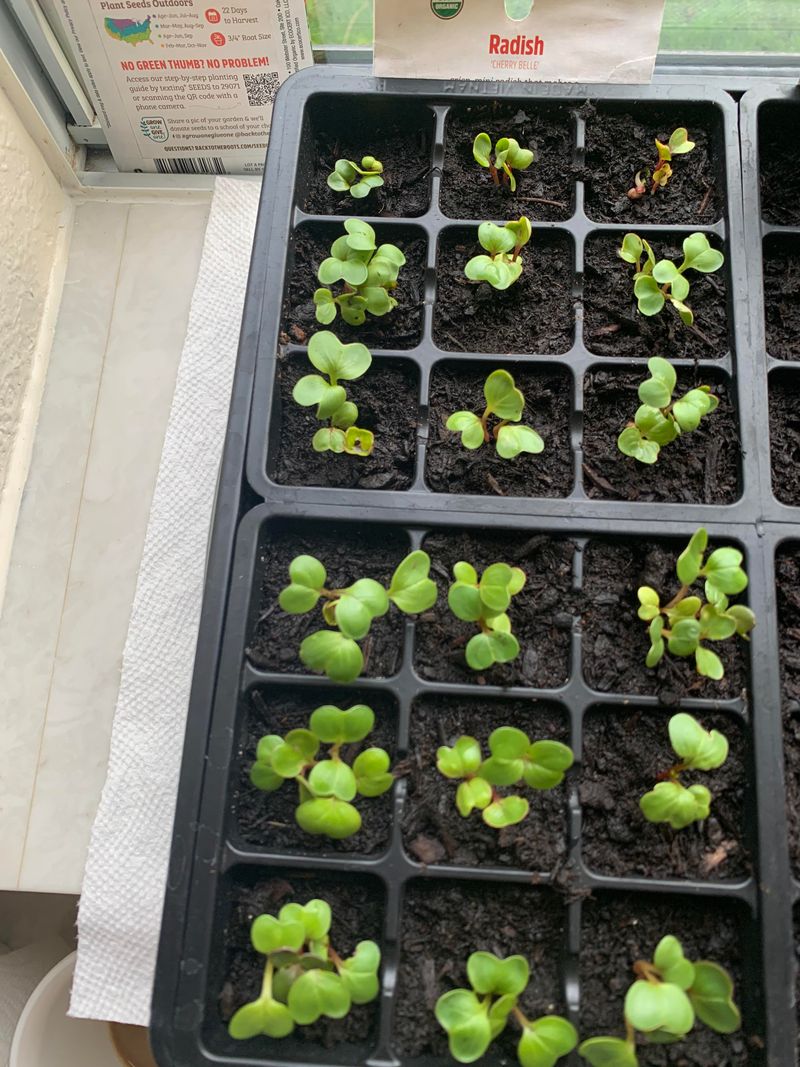
Timing works backward, starting from the average first frost date for your county. Northern Ohio often sees frost around October tenth, while southern counties wait until late October.
Subtract the days to maturity printed on the packet, then add ten buffer days. That simple math gives a safe planting date instead of a hopeful guess.
A thirty-day variety planted September fifteenth near Columbus should be ready around October fifteenth. That schedule leaves room for slow growth caused by shorter daylight hours.
Plants grow slightly slower in autumn, so expect a few extra days beyond the packet estimate. Adding a week of padding keeps the harvest comfortably ahead of serious cold.
Staggered sowings work beautifully, with a fresh short row every seven to ten days. Picking a handful each week beats pulling forty roots on the same afternoon.
Columbus gardeners can keep seeding through the first week of October with decent results. Farther north, Labor Day through the third week of September is the sweeter spot.
Winter types such as daikon need forty-five to sixty days and demand earlier attention. Those long-season roots should already be in the ground by the first week of September.
Mark the planting date on a calendar or a plant tag stuck in the row. Memory fades fast once football season and apple picking take over your weekends.
Frost dates shift year to year, so check a local extension forecast before your final sowing. Ohio State Extension publishes county-level numbers that beat any guess from an old seed catalog.
Crowded Rows And Other Common Slip-Ups
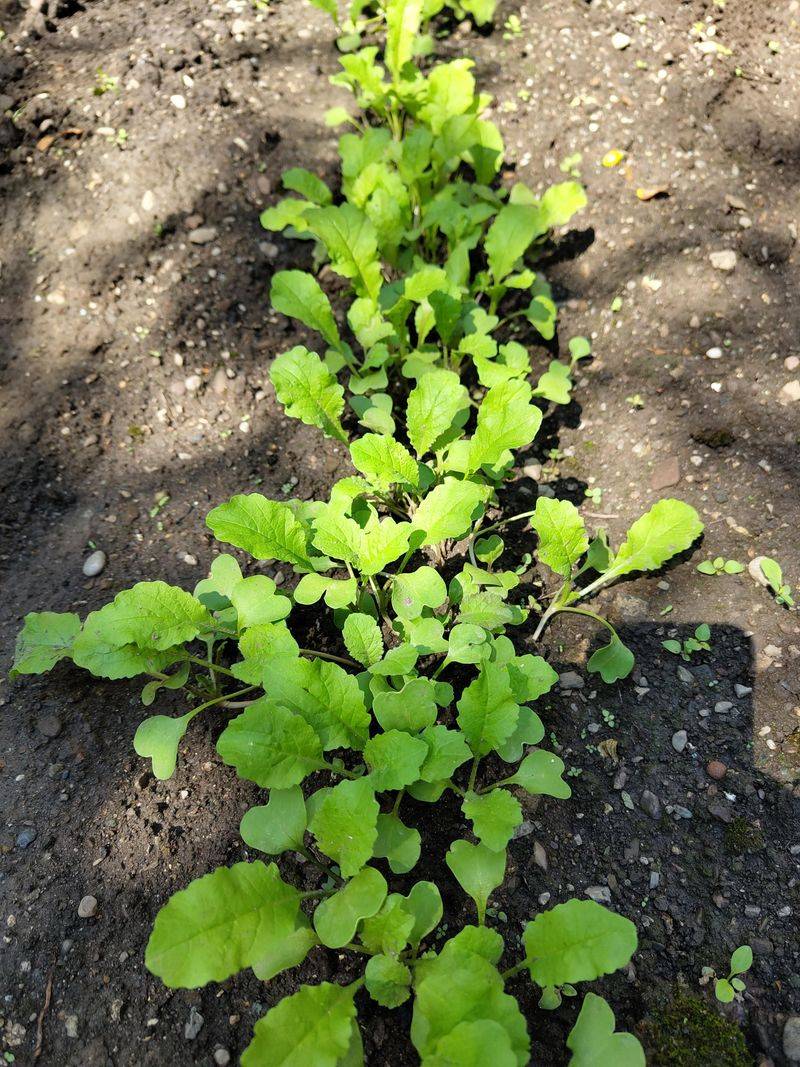
Thick sowing ruins more fall crops than most gardeners expect. Seeds are tiny, hands are clumsy, and the row ends up looking like spilled pepper.
Crowded plants make leaves instead of roots, leaving gardeners with a jungle and no dinner. Thinning to two inches apart feels brutal, yet it shapes the whole harvest.
Planting too deep causes another common problem, since these seeds need only half an inch. Burying them an inch down delays sprouting and invites rot in damp autumn soil.
Heavy clay, which covers much of central Ohio, forces roots into strange twisted shapes. Loosening the top six inches with a fork solves that headache before planting day.
Fresh nitrogen fertilizer tempts people, but it grows gorgeous tops and skinny disappointing roots. Compost worked in earlier is plenty, and extra feeding rarely helps this crop.
Letting the bed dry out for three days produces cracked skins and harsh flavor. Steady moisture keeps growth even, which goes a long way toward tender roots.
Waiting too long to harvest turns a perfect root spongy and hollow inside. Pull them on schedule, because they do not improve by sitting there another week.
Skipping the labels leaves you guessing in October about what went where. A popsicle stick and a pencil solve that mystery for roughly zero dollars.
Most of these mistakes cost nothing to avoid, which makes them extra frustrating later. Fix the spacing and the watering, and the rest tends to sort itself out.
Simple Fixes For Woody Or Split Roots
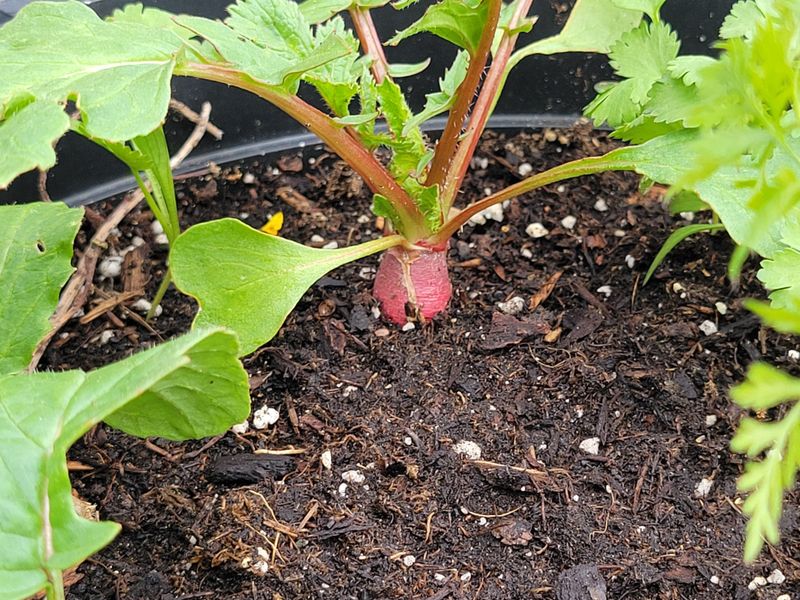
Pulled a root that looked fine outside but felt like cork inside? Something in the watering or the timing went sideways, and both are fixable.
Woodiness usually means the plant sat in the ground past its prime harvest window. Pull a test root at day twenty-five and judge the crop from there.
Splitting happens when dry soil suddenly gets soaked, causing the root to swell too fast. A mulch layer of shredded leaves evens out moisture and prevents most cracking.
Hairy, forked roots point straight at compacted or rocky ground underneath the row. Building a raised bed six inches high fixes that problem for good.
All leaves and no root usually traces back to shade or crowding, sometimes both. Six hours of direct sun keeps growth balanced, even as autumn light weakens.
Harsh, peppery flavor in fall often signals soil that stayed too warm or too dry. Watering deeply twice a week cools the root zone and calms the heat.
Tiny roots after forty days mean the seeds went in late or too shallow for good contact. Firming soil over the seeds with your palm improves germination noticeably.
Green shoulders push up above the soil line and taste slightly bitter. A light scoop of soil pulled over the exposed tops solves it in seconds.
Slug damage shows up as ragged holes in the greens after rainy Ohio weeks. Scattering crushed eggshells or laying down a strip of copper tape keeps them moving along.
Row Covers And A Longer Harvest Window
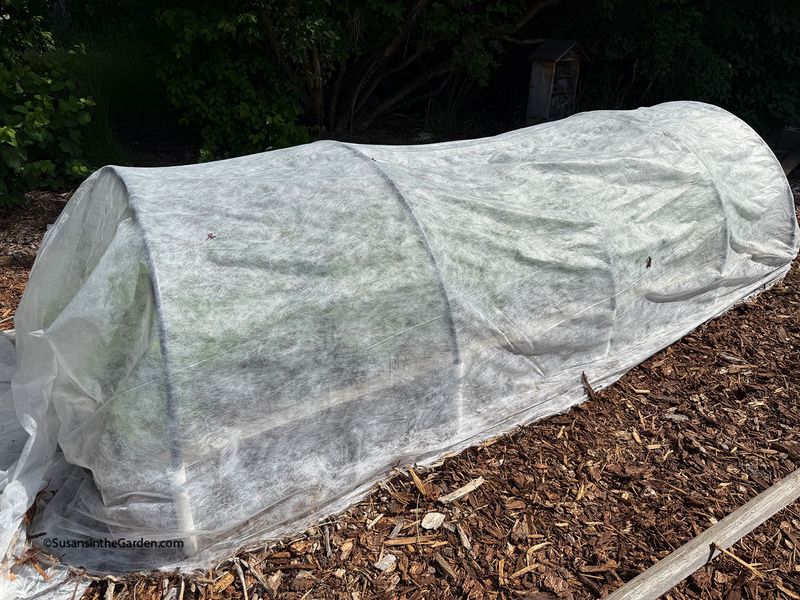
A few dollars of lightweight fabric can stretch the harvest deep into November. Floating row cover traps warmth, blocks wind, and adds several degrees of frost protection.
Drape the fabric loosely over hoops made from bent wire or old irrigation tubing. Weigh the edges with bricks so November gusts do not send it into the neighbor’s yard.
Straw mulch tucked around the shoulders insulates the soil and keeps roots harvestable longer. Frozen ground is the real obstacle, not the cold air above it.
A cold frame built from scrap lumber and an old window pushes harvests toward December. Ohio gardeners have used that trick since long before garden centers sold fancy tunnels.
Roots left in cool soil hold quality well, acting like a natural refrigerator. Pull them as needed rather than harvesting everything during one cold Saturday.
Planting a second round under cover in early October often succeeds in southern Ohio. Growth slows dramatically, but the roots keep sizing up on warm sunny afternoons.
Check under the cover on mild days, since trapped heat can cook tender greens. Venting for an hour keeps conditions comfortable without losing much stored warmth.
Harvest before the ground freezes solid, usually around Thanksgiving in most of the state. Store the extras in a bag of damp sand for another month of crunch.
Stretching the season this way costs less than one grocery store bunch of vegetables. The payoff is fresh food while the rest of the block eats canned corn.