Things You Should Never Add To A Vegetable Garden In Florida No Matter What You Read Online
The internet is full of vegetable gardening advice that sounds perfectly reasonable until you try it in Florida.
Soil amendments that work beautifully in cooler climates, mulching techniques that get passed around endlessly on gardening forums, fertilizer schedules borrowed from northern growing guides.
Gardeners here follow that advice in good faith and then spend the season wondering what went wrong.
Florida vegetable gardening operates by its own set of rules, and some of the most commonly repeated tips don’t just underperform here, they actively set your garden back.
A few can compromise your soil for multiple seasons. Others create conditions that work directly against the crops you’re trying to grow.
The gap between general gardening wisdom and what actually belongs in a Florida vegetable bed is bigger than most people realize, and nobody warns you about it at the nursery.
Consider this your warning before the next growing season costs you more than it should.
1. Skip Fresh Manure In Edible Beds
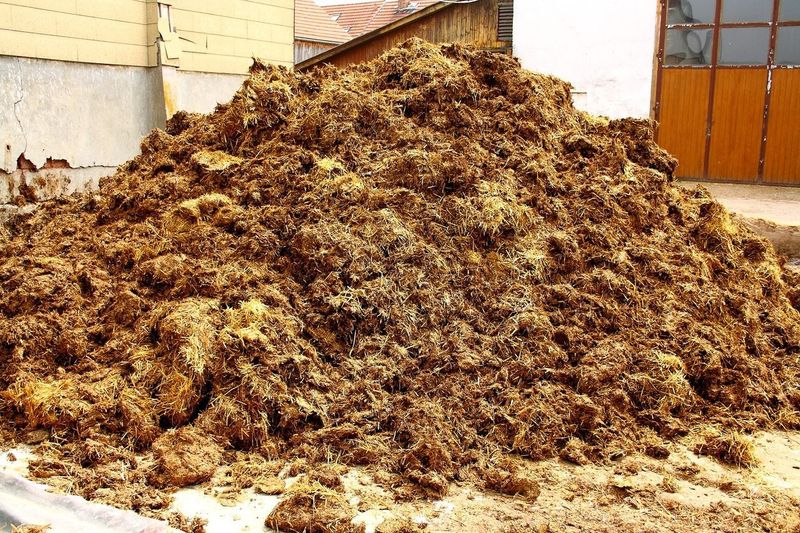
Fresh manure and food crops are a combination worth avoiding, full stop. Raw waste from chickens, horses, cows, rabbits, or other farm animals can carry pathogens like E. coli O157:H7 and Salmonella, both of which are serious concerns for anyone eating produce from the bed.
The USDA National Organic Program and UF/IFAS both caution that fresh manure applied to edible beds poses real food-safety risks, particularly for root crops and low-growing leafy greens that contact the soil directly.
Beyond pathogens, fresh manure often contains weed seeds that can survive and sprout aggressively in warm Florida conditions. High salt content and concentrated nitrogen in raw waste can burn tender roots before plants even get established.
Florida’s frequent rain events can also push contaminants through sandy beds quickly, spreading the problem beyond the original application spot.
Properly composted or aged manure is a different story, but only when handled according to extension and food-safety guidelines that specify minimum temperatures and time frames.
Many food-safety guidelines use long waiting periods between raw manure application and harvest, especially for crops that touch the soil, so fresh manure should never be added casually to active vegetable beds.
If you want to use manure-based amendments, contact your local UF/IFAS county extension office first. They can walk you through timing, sourcing, and application rates that are actually appropriate for Florida edible beds.
2. Keep Meat Scraps Out Of Compost
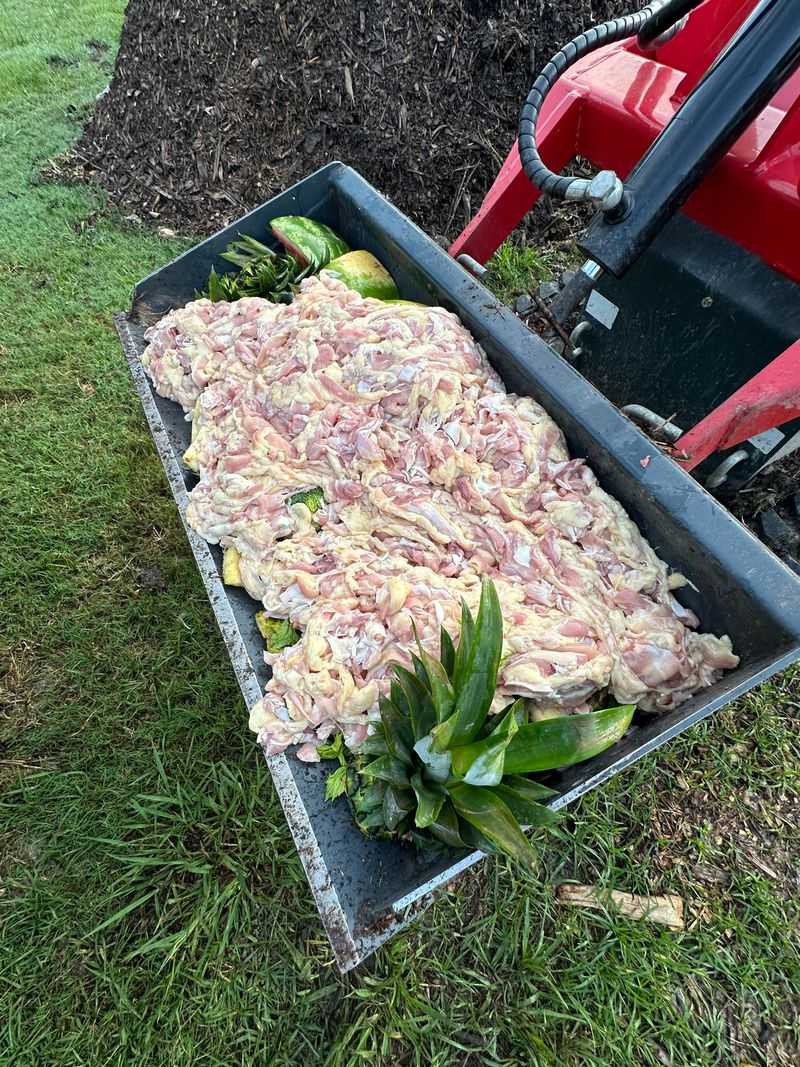
Tossing leftover chicken bones, fish scraps, bacon grease, or dairy-heavy leftovers into a backyard compost pile sounds resourceful, but in Florida’s climate it creates more problems than it solves.
Warm temperatures that persist almost every month of the year speed up decomposition of everything, including proteins and fats, and that breakdown process produces odors that attract raccoons, opossums, rats, flies, and fire ants faster than you might expect.
Meat and oily materials also decompose unevenly in typical home compost systems. They can create anaerobic pockets that smell sour, slow the composting process for everything else in the pile, and make the finished product less predictable.
Your Florida Garden Changes Every Week. Your Plan Should Too.
Gardening in Florida changes quickly throughout the season. Every Friday you’ll receive a simple weekly plan showing exactly what to plant, prune, fertilize, harvest, and protect so you never miss the right timing.
A compost pile that smells bad or attracts wildlife near edible beds is a problem for both your harvest and your neighbors.
Stick with fruit and vegetable scraps, coffee grounds, crushed eggshells, dry leaves, grass clippings without herbicide treatment, and small amounts of cardboard. These materials break down efficiently, support beneficial microbes, and do not invite unwanted visitors.
The EPA’s composting guidelines and UF/IFAS both recommend keeping meat, bones, and greasy foods out of standard backyard systems used near edible crops. Keeping the pile balanced and moist, not wet, moves things along without the mess.
3. Avoid Salt Around Garden Plants
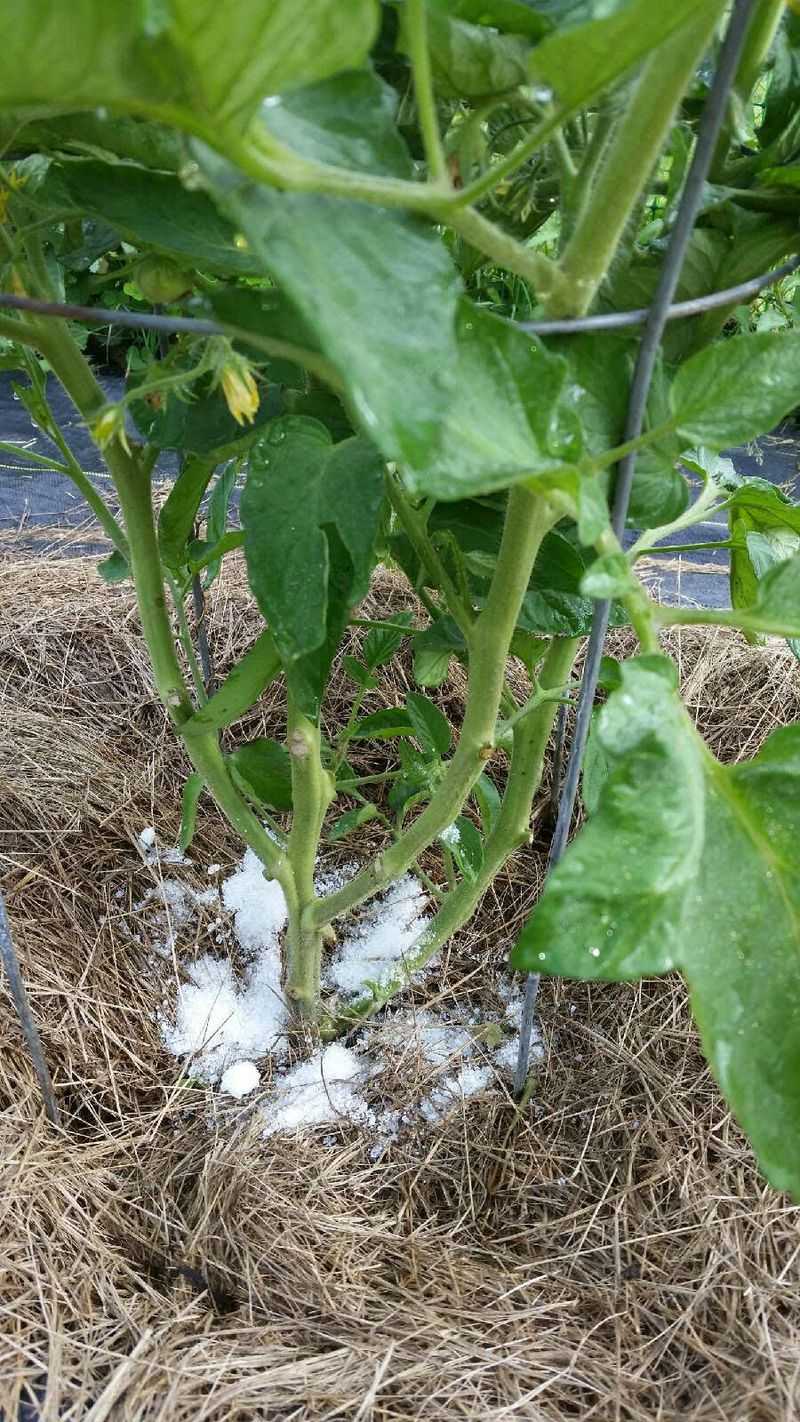
Salt shows up in some old-school gardening advice as a weed suppressant or slug deterrent, but applying it anywhere near edible beds is a mistake that can linger long after you regret it.
Salt interferes with the way plant roots absorb water, essentially pulling moisture away from the root zone through osmosis.
Even a small amount applied repeatedly can build up in the soil profile and affect crop performance across multiple growing seasons.
Florida gardeners along the coast already deal with salt exposure from wind, tidal flooding, and brackish irrigation sources. Adding more to the equation puts extra stress on crops that are already working hard in heat and humidity.
Sandy soils do allow salt to leach with heavy rain, but that same rain can move it horizontally into areas you did not intend to treat, including container beds and raised beds with limited drainage.
Weeds are better managed with thick layers of mulch, hand pulling, or crop rotation that shades out competition.
In some situations, soil solarization using clear plastic sheeting during Florida’s hottest months can reduce weed pressure effectively without chemical or salt applications.
Your county extension office can recommend weed management strategies that actually fit Florida’s edible-garden conditions without risking the health of your crops.
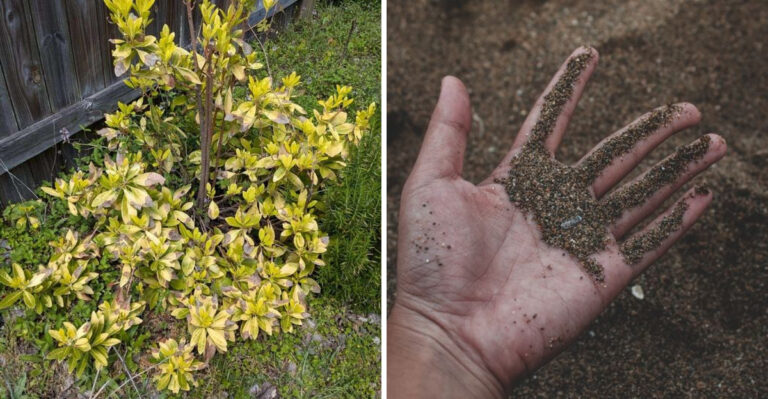
4. Do Not Mix In Beach Sand
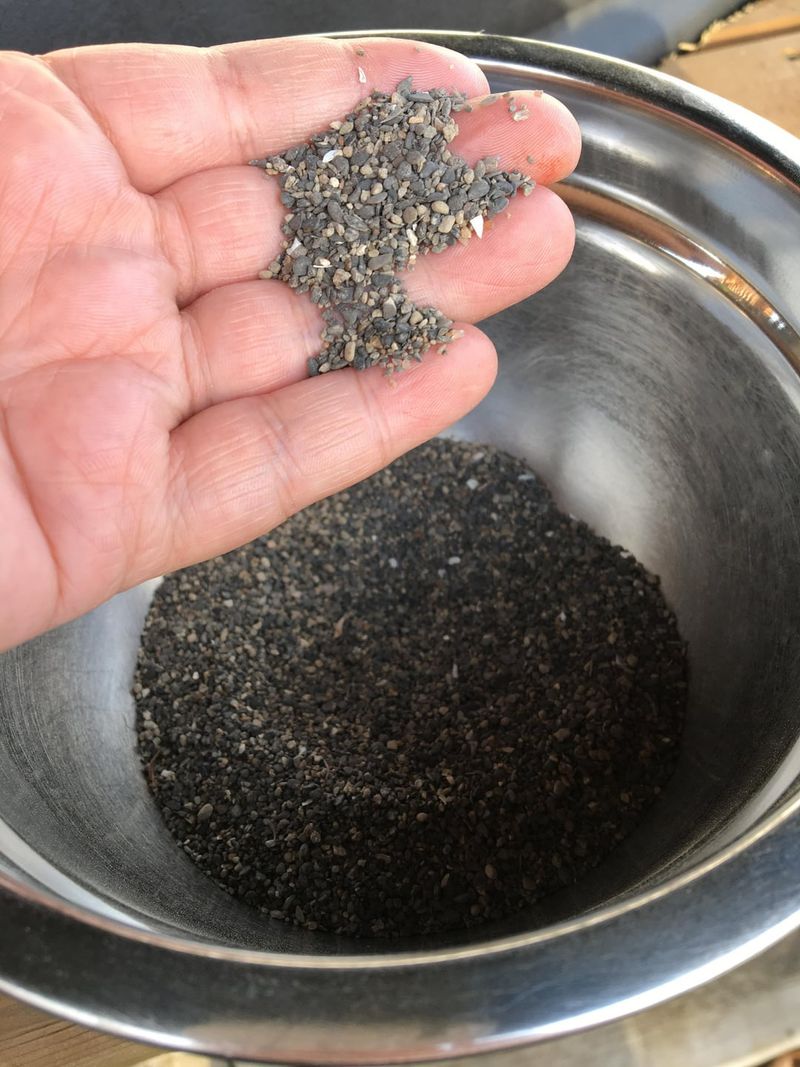
Beach sand looks like a logical fix for compacted beds, especially since Florida soils are already so sandy, but scooping it from the shoreline and hauling it to your edible beds creates a different set of problems.
Coastal sand often carries salt residue, shell fragments, and marine organisms that do not belong in a growing bed.
Depending on where you collect it, you may also be taking it from a protected coastal habitat, which can be restricted or outright illegal in many Florida counties.
From a practical standpoint, adding more sand to already sandy soil rarely improves anything. Most Florida vegetable beds already drain too quickly and hold too little moisture and nutrition.
Dumping in coarse sand without adding organic matter does nothing to improve water retention, microbial activity, or fertility. It can actually make the bed even leaner and less able to hold moisture or nutrients.
What actually helps Florida edible beds is finished compost worked in at planting time, along with amendments based on a soil test from your local UF/IFAS extension lab.
Building organic matter over time through repeated compost additions is the most reliable way to improve structure, moisture retention, and nutrient availability in a Florida edible bed without creating new problems in the process.
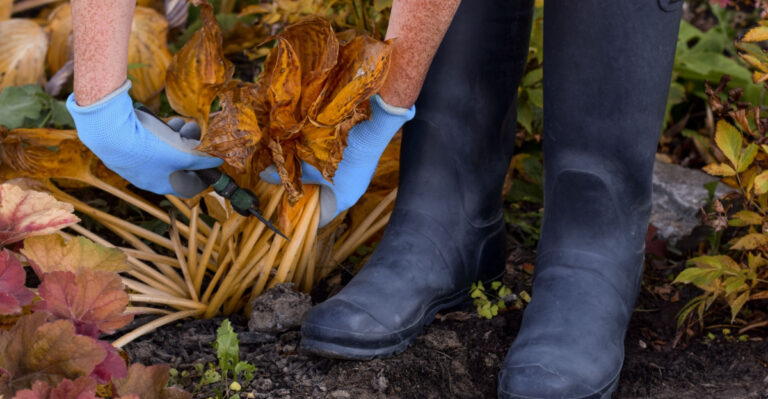
5. Leave Diseased Plant Debris Out
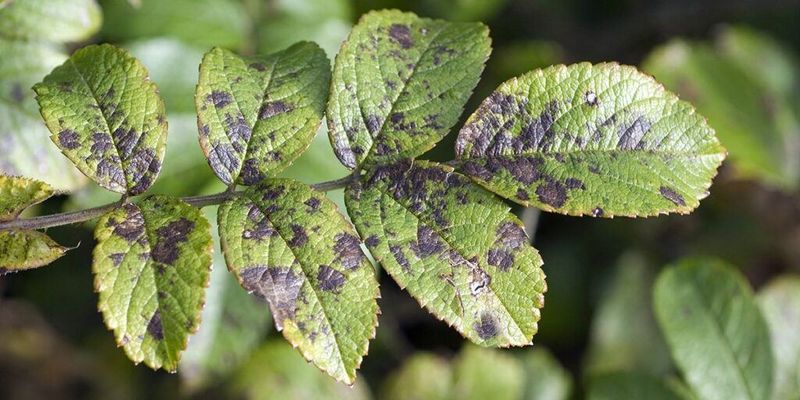
After a rough growing season, it is tempting to just till everything back into the bed and start fresh, but that shortcut can set you back further than you realize.
Tomato vines with early blight, squash leaves covered in powdery mildew, pepper plants affected by bacterial leaf spot, and cucurbit foliage showing signs of downy mildew all carry pathogens that can persist on debris and in soil.
Florida’s warm, humid conditions create a nearly year-round environment where many of these pathogens remain active longer than they would in colder climates.
Tossing infected plant material into a casual backyard compost pile is not much better.
Unless your pile reliably reaches internal temperatures above 130 degrees Fahrenheit and you turn it properly, many fungal spores and bacterial pathogens can survive and get reintroduced to the bed with the finished compost.
That cycle is especially frustrating when you are dealing with recurring disease problems season after season.
When disease is suspected, remove infected material promptly, bag it, and dispose of it according to your local solid waste guidelines rather than composting it at home.
Clean pruning tools after working with diseased plants, and between plants when disease is spreading, using a disinfectant method recommended by extension guidance.
Rotating crop families each season and selecting disease-resistant varieties listed in UF/IFAS vegetable gardening guides are two of the most effective long-term strategies for reducing pathogen buildup in Florida edible beds.
6. Stop Adding Random Wood Ash
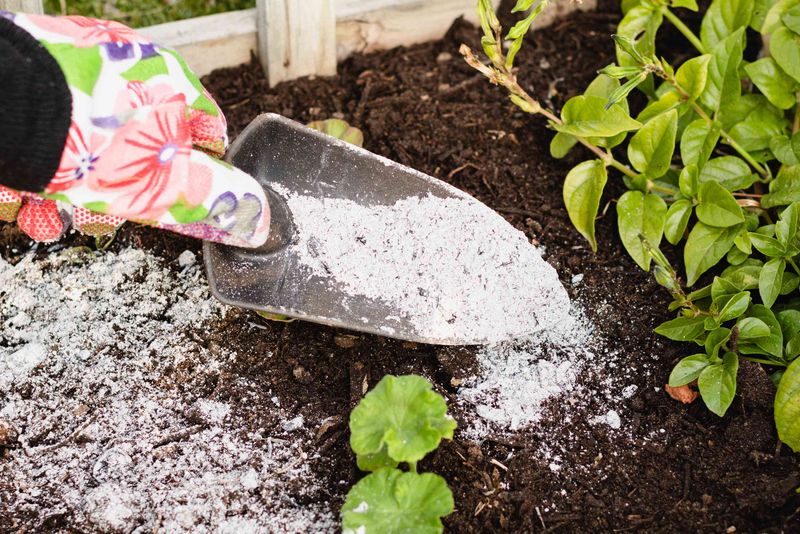
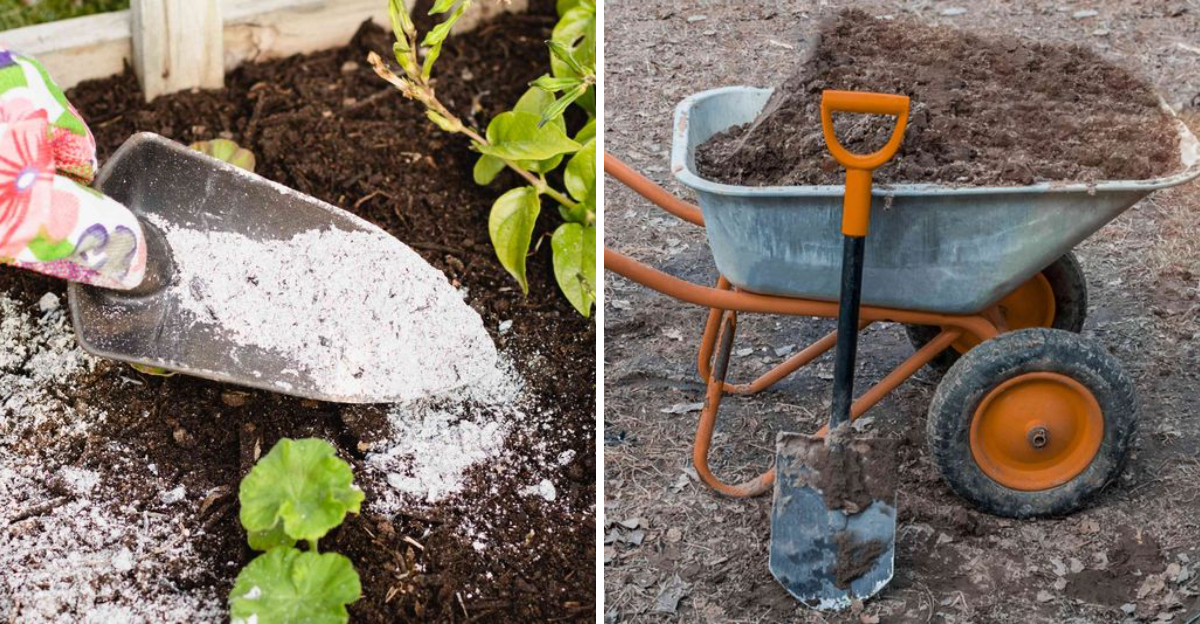
Wood ash from a backyard fire pit or fireplace gets passed around online as a free fertilizer and pH amendment, and while it does contain potassium and calcium, that does not mean it belongs in every garden bed.
Some Florida soils, especially where limestone, shell, irrigation water, or fill material influence the site, can already run alkaline.
Adding ash to a bed that does not need pH adjustment can push things further out of range for vegetables that prefer slightly acidic conditions, including tomatoes, peppers, and blueberries.
Ash also contains soluble salts that can accumulate with repeated applications, creating the same kind of root-zone stress described with direct salt use. And not all ash is the same.
Wood from treated lumber, painted boards, plywood, charcoal briquettes with additives, or burned household trash contains compounds that should never contact edible crops.
If the source is unknown or mixed, there is no reliable way to judge safety by appearance after it has cooled.
Before adding any ash to an edible bed, get a soil test through your UF/IFAS county extension office. The results will show your actual pH and potassium levels, so you know whether ash could help or hurt.
If your soil genuinely needs potassium, extension staff can recommend appropriate, predictable fertilizer options rather than guessing with variable amendments.
7. Avoid Unfinished Compost Near Roots
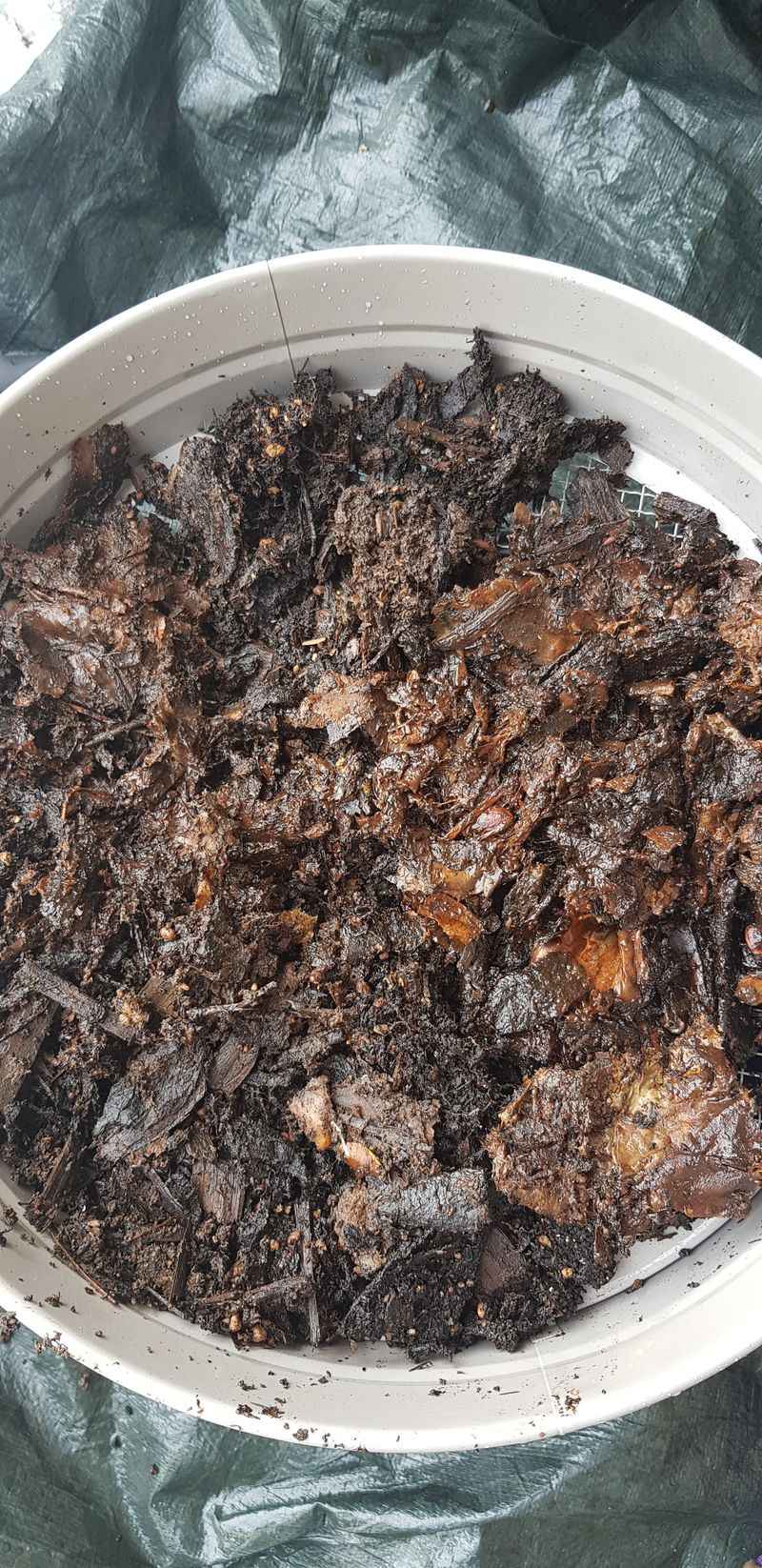
Compost that has not fully broken down looks like a shortcut when you are eager to get a new bed planted, but mixing it directly into the root zone of vegetables creates a set of problems that finished compost avoids entirely.
Immature compost is still actively decomposing, and that process generates heat and consumes nitrogen from the surrounding soil.
Vegetables planted nearby can show yellowing, stunted growth, or poor establishment because the decomposing material is essentially competing with them for available nitrogen.
Unfinished compost can also smell sour or ammonia-like, attract flies and other pests, and introduce weed seeds or plant pathogens that were never exposed to the high temperatures needed to neutralize them.
In Florida’s warm, moist conditions, an unfinished pile mixed into a bed can also develop anaerobic pockets that create unfavorable conditions for roots trying to establish in a new planting.
Finished compost should look dark and crumbly, smell earthy rather than sour, and show no recognizable pieces of the original materials. If your pile is not there yet, let it mature in a separate area before using it.
You can apply unfinished material as a surface mulch away from direct root contact, but always use fully cured compost when mixing it into the bed where crops are actively growing.
8. Keep Pet Waste Out Of Food Gardens
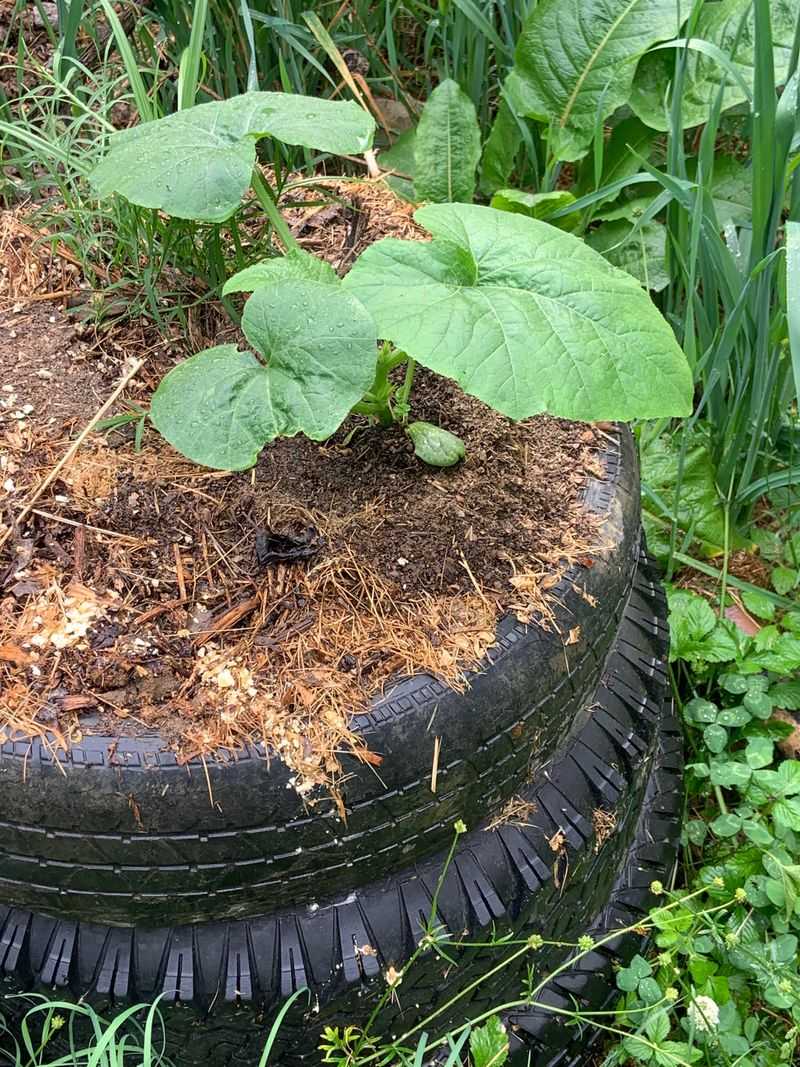
Dog and cat waste might seem like a convenient free fertilizer since it comes from animals, but carnivore and omnivore waste is fundamentally different from the manure used in agricultural composting.
Pet feces can carry Toxocara roundworms, Cryptosporidium, Giardia, Campylobacter, and other parasites and pathogens that are genuinely concerning near edible crops, especially leafy greens, strawberries, herbs, and any produce eaten raw without cooking.
Florida’s frequent and heavy rainfall events make the contamination risk worse by moving surface material through sandy beds and into surrounding areas quickly.
Low-growing crops like lettuce, spinach, radishes, and herbs that sit close to the ground are especially exposed if pet waste is present anywhere in or near the bed.
Even if the waste is not applied directly, allowing pets to roam and eliminate in or adjacent to edible beds creates a similar risk.
Dispose of pet waste in sealed bags through your regular household trash collection. Use fencing, raised bed borders, or physical deterrents to keep pets from using edible beds as bathroom spots.
The USDA food-safety guidelines for home gardens recommend treating pet waste with the same caution as other non-composted animal waste when edible crops are involved.
Keeping the growing area clearly separated from pet activity is the simplest and most effective approach.
9. Do Not Use Unknown Fill Dirt
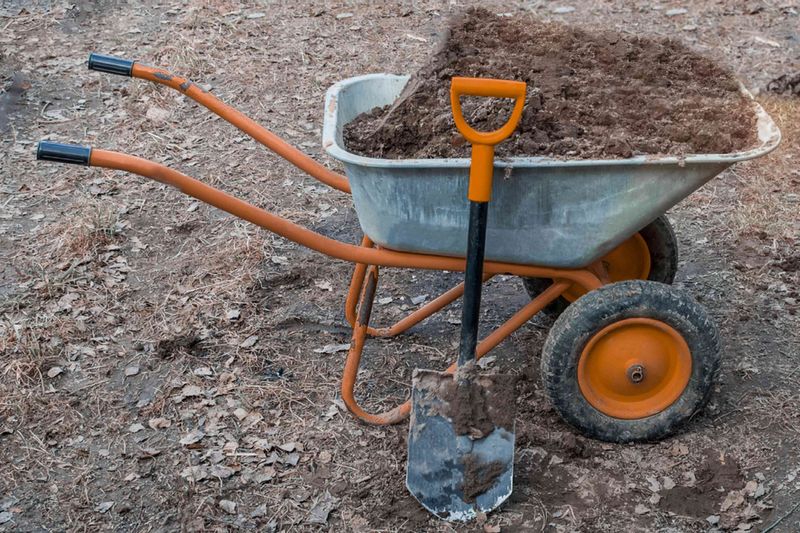
Free or cheap fill dirt offered through online classifieds, construction sites, or roadside piles can look like a budget-friendly way to build up raised beds, but the unknown origin of that material is exactly the problem.
Construction fill frequently contains herbicide residues from previous land use, heavy metals, petroleum-based contaminants, concrete rubble, treated wood fragments, or invasive weed seeds.
Edible beds require cleaner, more predictable starting material than ornamental landscaping does, because whatever is in the soil ends up in contact with the crops you eat.
Herbicide residues are a particular concern. Certain persistent broadleaf herbicides, including some clopyralid and aminopyralid products, can survive in soil and plant material long enough to affect sensitive vegetable crops even in small concentrations.
Symptoms often look like nutrient deficiency or disease rather than chemical damage, making the problem difficult to identify without testing.
Buy bagged or bulk garden mix and compost from reputable local suppliers who can tell you what is in their product.
If you are uncertain about the history of your existing beds, a standard soil test through your UF/IFAS county extension office can help with pH and nutrient decisions, while suspected contamination may require specialized testing or a different lab.
Starting with known, tested inputs is the most reliable foundation for productive edible beds in Florida.
10. Skip Miracle Kitchen Scraps In Soil
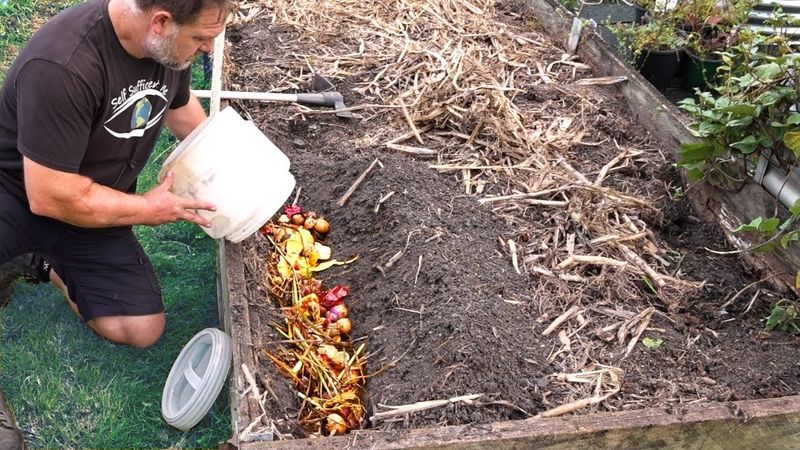
Social media is full of videos showing people burying banana peels beside tomato plants, tucking eggshells around pepper roots, or pouring blended smoothie pulp directly into garden beds.
The idea sounds appealing because it feels like recycling nutrients back into the earth, but burying raw kitchen scraps directly in an active vegetable bed is not the same as composting them first.
The difference matters more in Florida than in most other places.
Raw fruit peels, bread crusts, rice, pasta, and large amounts of coffee grounds buried in warm, moist soil attract ants, fruit flies, fungus gnats, and burrowing rodents.
As they break down unevenly, they can create nitrogen drawdown in the immediate root zone, produce mold, and generate odors that bring unwanted attention to your beds.
Eggshells take much longer to break down than most guides suggest, especially when they are added in large pieces instead of composted or finely crushed first.
The better approach is to add appropriate kitchen scraps to a proper compost pile where they can break down fully with the right balance of carbon-rich materials, airflow, and moisture.
Once the compost is finished and looks dark, crumbly, and earthy, work it into beds at planting time.
That way the nutrients are actually available to your crops rather than creating problems while they slowly rot beside the roots.