The Plants That Actually Keep Rabbits Out Of Tennessee Gardens
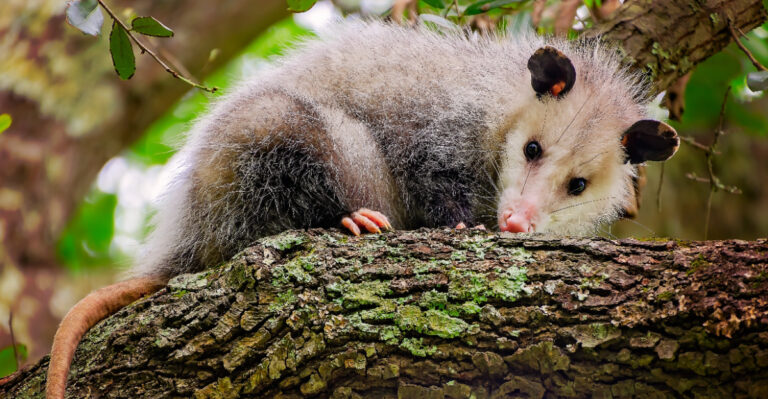
Rabbits are not your enemy, but they will eat through a garden without a second thought. You check on your plants before work and something feels off. Half the stems are chewed to the ground.
Tennessee gardeners know this feeling well. Spring and summer bring warmer days, new growth, and rabbits that treat your yard like an all-you-can-eat buffet.
The damage happens fast and it is almost always overnight. Fences help, but they are expensive and not always practical.
Traps work until they don’t. What actually stops rabbits long-term is planting things they refuse to touch. For high-value plants, pairing that strategy with fencing gives you the most reliable protection overall.
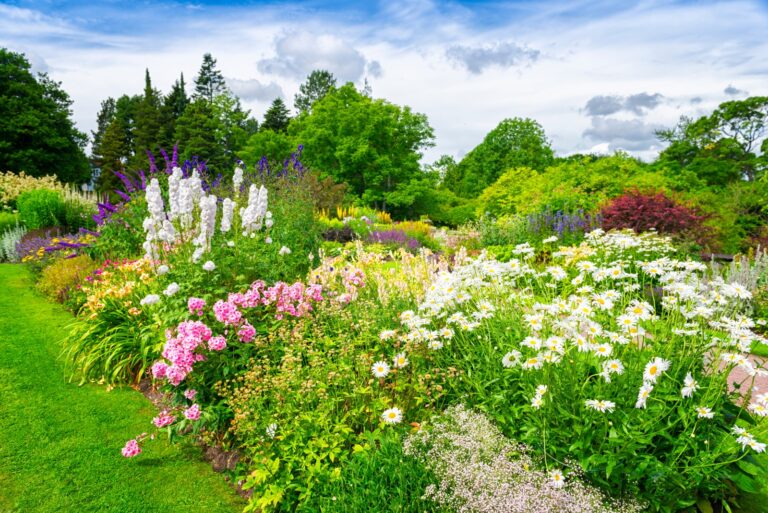
Certain plants are so bitter, so pungent, or so texturally offensive to rabbits that they will cross your entire yard just to avoid them. Tennessee’s climate makes it easy to grow most of them, and they look good doing it.
1. Lavender Is The Last Thing Rabbits Want To Smell
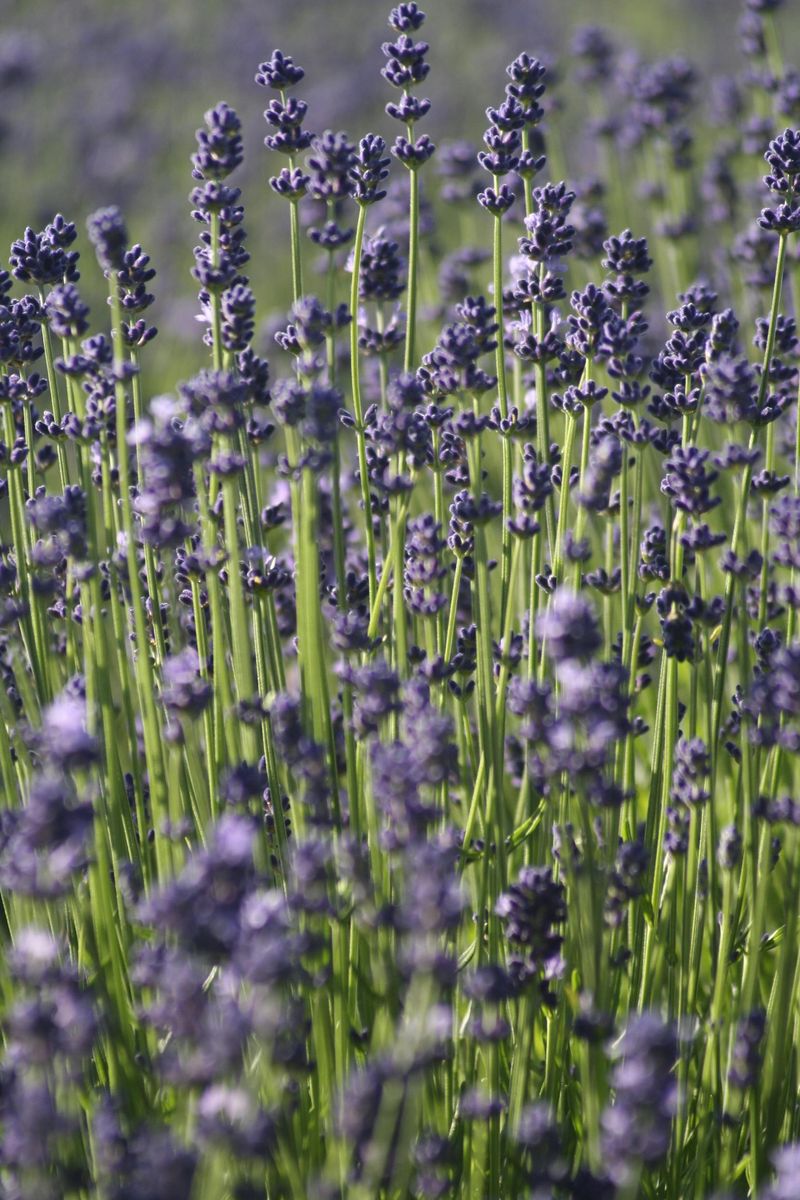
That sweet purple haze you love in your garden? Rabbits want nothing to do with it.
Lavender carries a strong, concentrated scent that overwhelms their sensitive noses and sends them looking elsewhere fast.
Rabbits rely on smell to find safe food. Lavender disrupts that process completely, making your garden feel like a no-go zone.
Plant lavender along garden borders for the best protection. It acts like a fragrant fence that rabbits refuse to cross.
Tennessee summers are tough on many plants, but lavender thrives in the heat and drought. It asks for very little and gives back so much in return.
You get beautiful blooms, a calming scent on warm evenings, and natural protection all at once. Pollinators adore lavender too, so butterflies and bees will thank you right alongside your tomatoes.
This plant works best when grouped in clusters rather than planted alone. A single stem is easy to walk around, but a dense row of lavender is a wall rabbits simply will not approach.
Few plants that keep rabbits out of Tennessee gardens are as reliable as this one.”
2. Russian Sage Is Too Tough To Bother
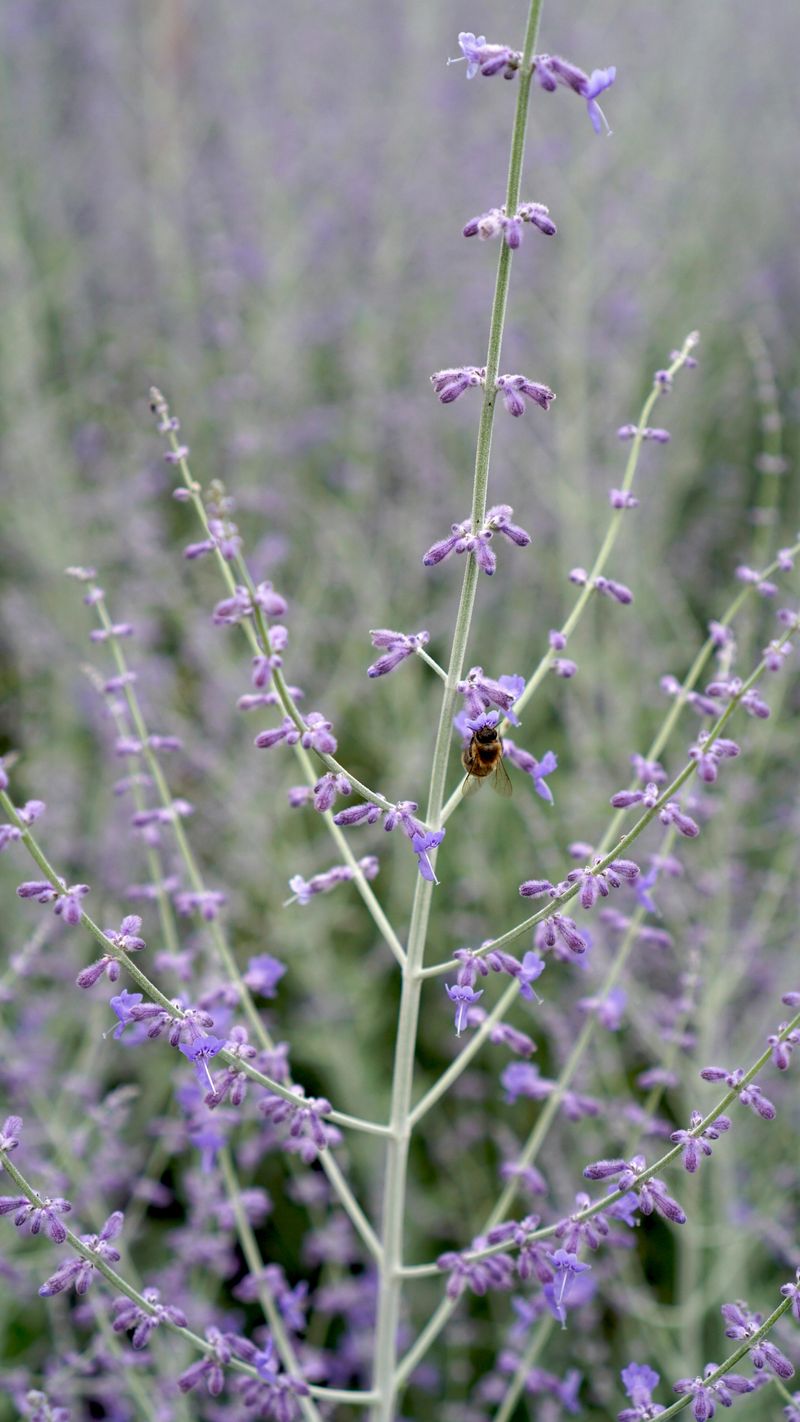
Tough as nails and twice as sharp-smelling, Russian sage is not on any rabbit’s wish list. The plant produces a pungent, almost medicinal scent that rabbits find deeply unappealing.
Rabbits are picky eaters by nature. When something smells wrong to them, they move on without a second thought.
Russian sage also has a bitter taste that discourages nibbling. Even curious young rabbits quickly learn to leave it alone after one exploratory bite.
This perennial grows tall, airy, and wild-looking in the best possible way. The silvery stems and misty blue-purple flowers create a dreamy cottage garden feel that humans love and rabbits avoid.
Heat and dry soil do not slow Russian sage down at all. Once established, it handles Tennessee summers without complaint and comes back stronger each spring.
Plant it near more vulnerable flowers like petunias or impatiens to create a protective buffer zone. Rabbits will focus on what is easy and skip what is guarded by this aromatic giant.
Your Tennessee Garden Changes Every Week. Your Plan Should Too.
Gardening in Tennessee changes quickly throughout the season. Every Friday you’ll receive a simple weekly plan showing exactly what to plant, prune, fertilize, harvest, and protect so you never miss the right timing.
Gardeners who struggle with repeat rabbit visits often call Russian sage their secret weapon. It is low-maintenance, long-blooming, and genuinely effective at holding the line.
3. Catmint Keeps Rabbits Guessing
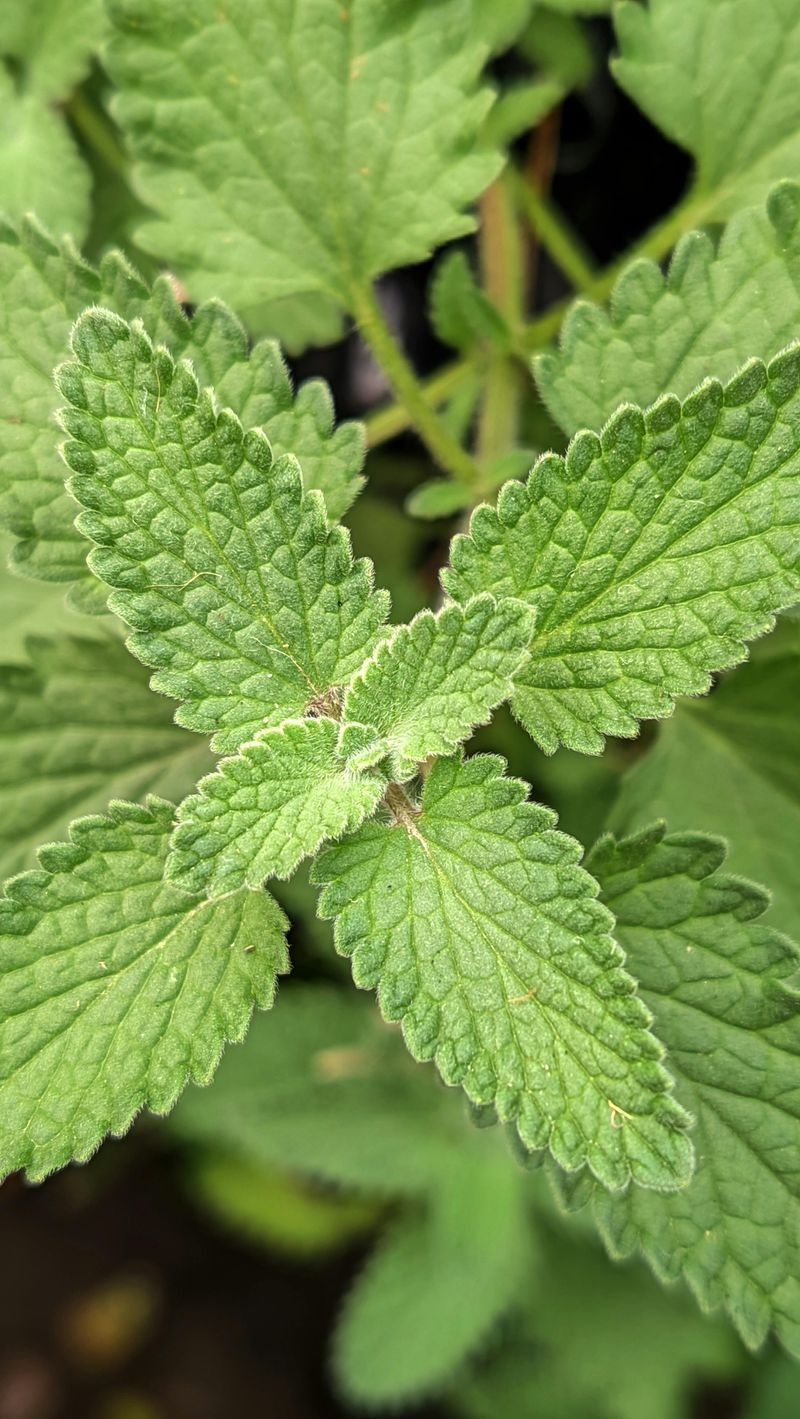
Catmint sounds friendly, but rabbits want nothing to do with it. The plant releases a sharp, minty aroma that messes with their sense of direction and comfort.
Rabbits use scent to navigate and feel safe. Catmint throws off that navigation system like static on a radio signal.
You might expect cats to be the only fans of this plant, but pollinators go wild for it too. Bees swarm the soft lavender-blue flowers all season long.
Catmint spreads into low, flowing mounds that look gorgeous spilling over garden edges. It softens hard borders while quietly doing the work of keeping unwanted visitors away.
Cutting it back halfway through summer encourages a fresh second bloom. That means double the beauty and double the rabbit-repelling power in one growing season.
Tennessee gardeners appreciate plants that pull double duty, and catmint delivers on every front. It handles humidity, bounces back from heat, and requires almost no fussing once planted.
Pair it with roses or dahlias to protect those more tempting targets nearby. Rabbits that approach and catch a whiff of catmint typically turn around before they ever reach the good stuff.
4. Yarrow Is Simply Not Worth Eating
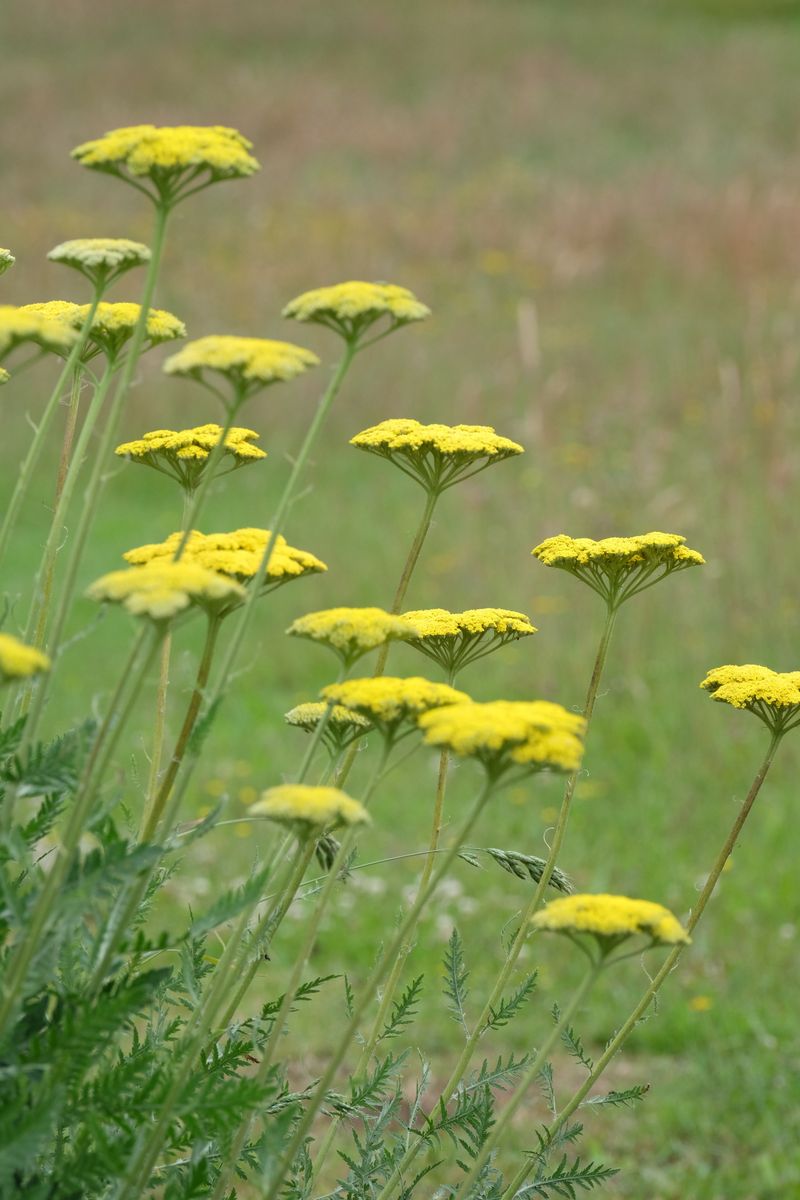
Yarrow has been growing wild across fields for centuries, and rabbits have always walked right past it. The feathery leaves carry a bitter, medicinal scent that signals danger to most foraging animals.
The taste is just as unappealing as the smell. One nibble is usually enough to convince any rabbit that yarrow is not worth the trouble.
Beyond rabbit resistance, yarrow is one of the most forgiving perennials you can grow. It tolerates poor soil, full sun, and dry spells without skipping a bloom cycle.
The flat-topped flower clusters come in shades of yellow, white, pink, and red. That color range makes yarrow one of the more versatile options for mixing into existing garden designs.
Tennessee clay soil does not intimidate yarrow in the slightest. It actually prefers leaner conditions, which makes it a natural fit for spots where other plants struggle.
Planting yarrow near vegetable gardens creates a fragrant barrier that rabbits consistently avoid. The protective effect is subtle but steady across the entire growing season.
Gardeners looking for plants that keep rabbits out without constant maintenance will find yarrow deeply satisfying. It handles itself and handles the rabbit problem quietly and reliably.
5. Salvia Sends Rabbits Packing
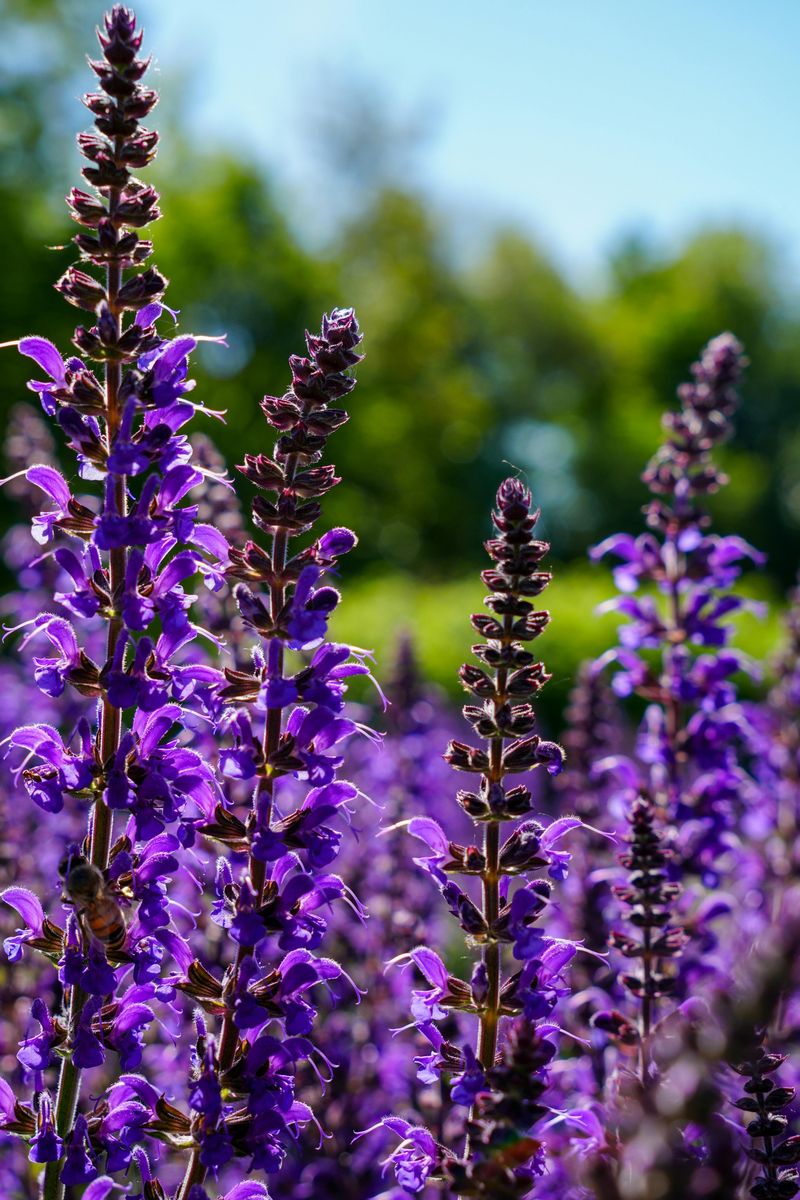
Bold, aromatic, and completely unbothered by rabbits, salvia earns its place in any garden that needs real protection. The strong herbal scent acts like a stop sign for foraging animals.
Rabbits associate that sharp, sage-like smell with something unpleasant. They do not stick around long enough to investigate further.
Salvia comes in dozens of varieties, from compact bedding types to tall, dramatic spikes. Tennessee gardeners have plenty of options depending on how much sun and space they are working with.
The tubular flowers are a magnet for hummingbirds and butterflies. Your garden becomes a wildlife haven while also becoming a rabbit-free zone at the same time.
Heat does not slow salvia down. In fact, it seems to bloom harder during the hottest weeks of summer, which is exactly when rabbits are most active and hungry.
Removing spent blooms encourages continuous flowering from late spring all the way into fall. More blooms mean more scent and stronger protection across a longer stretch of the season.
Mixing salvia with other rabbit-resistant plants creates layers of defense that are genuinely hard for rabbits to work around. This plant is one of the most dependable choices for keeping rabbits out of Tennessee gardens.
6. Bee Balm Smells Great To You And Terrible To Rabbits
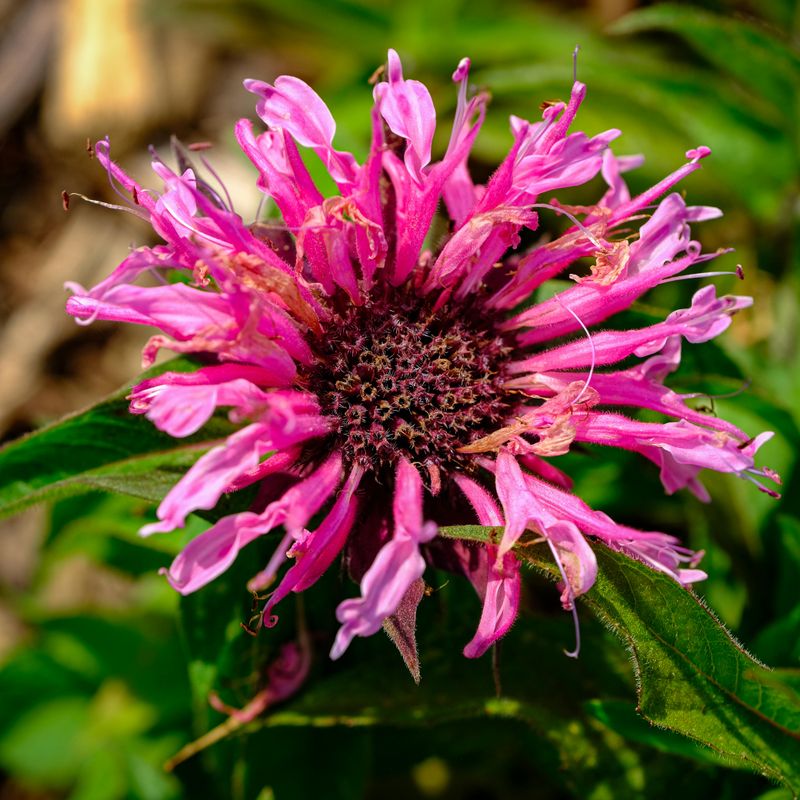
Bee balm is one of those plants that pulls everyone in except the one visitor you do not want. The bold, oregano-like scent that makes it so attractive to hummingbirds and butterflies is exactly what sends rabbits in the opposite direction.
Rabbits rely heavily on scent when foraging. When something smells this strong and unfamiliar, they do not stick around to investigate.
The plant belongs to the mint family, and that lineage shows. It carries the same sharp, aromatic quality that makes the entire mint family so effective at keeping rabbits away from the garden.
Bee balm thrives in Tennessee’s climate without much fuss. It handles heat and humidity well and comes back reliably each spring, spreading slowly into fuller, denser clumps over time.
The blooms are hard to miss. Shaggy, crown-like flower heads in shades of red, pink, purple, and white attract hummingbirds all summer long while rabbits give the whole plant a wide berth.
It performs best in full sun with decent moisture, which makes it a natural fit for Tennessee garden beds that get consistent summer rain. Good air circulation helps keep powdery mildew from becoming an issue.
Plant bee balm along garden borders where rabbits tend to enter. An established row creates a fragrant barrier that is as beautiful as it is effective.
7. Coneflower Holds Its Own Against Rabbits
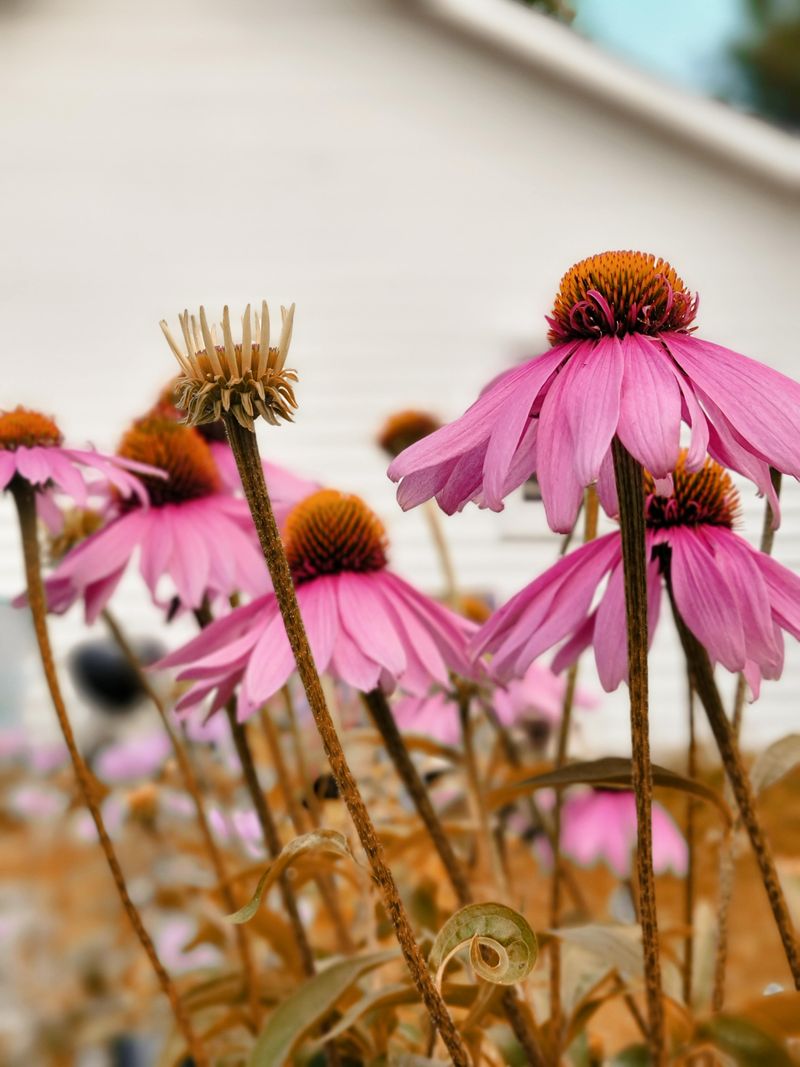
Coneflower is tough in every sense of the word. The spiky, raised center cone and stiff stems make it physically uncomfortable for rabbits to chew through.
Most rabbits prefer easy targets. When a plant puts up any kind of resistance, they move on to something softer and simpler.
Native to North America, coneflower has adapted to thrive in exactly the conditions Tennessee throws at it. Heat, humidity, and occasional drought do not shake it one bit.
The bold purple blooms are stunning from midsummer into early fall. Goldfinches and other seed-eating birds flock to the dried seed heads once the petals drop.
Leaving the seed heads standing through winter provides food for wildlife and adds architectural interest to the garden. It is a plant that gives something back in every single season.
Coneflower spreads slowly over time, filling in gaps and creating a denser, more protective planting. A large established clump is something rabbits simply walk around without stopping.
Coneflower is native, beautiful, and wildlife-friendly. In Tennessee, it belongs in every rabbit-resistant garden, full stop.
8. Siberian Iris Stands Its Ground In More Ways Than One
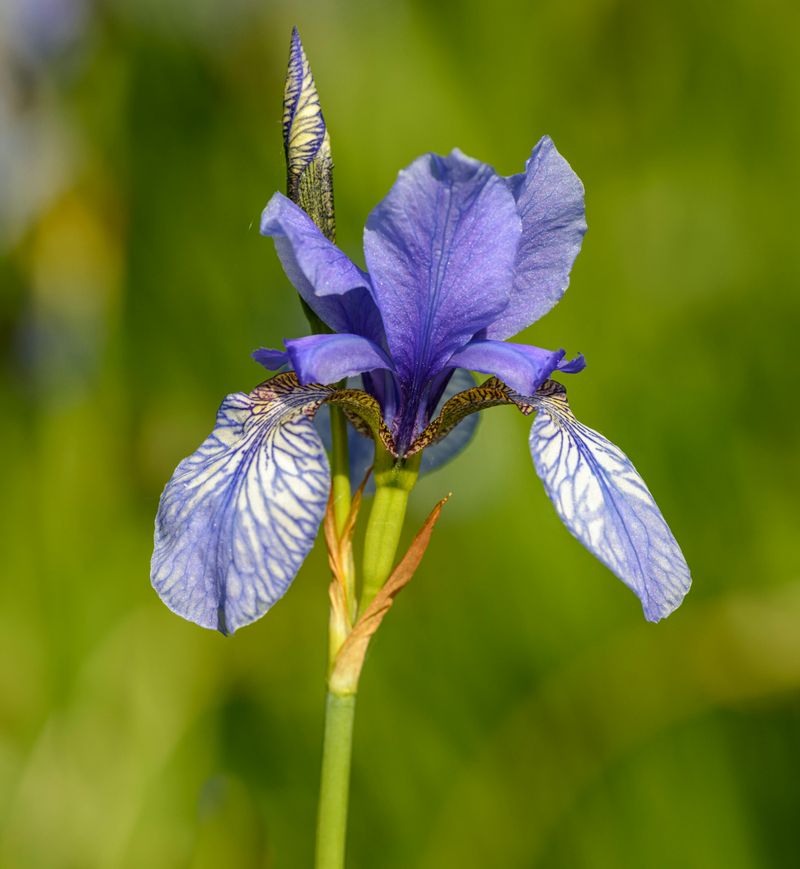
Image Credit: © Petr Ganaj / Pexels
Siberian iris is one of those plants that earns its place on looks alone. The fact that rabbits want nothing to do with it is just a bonus.
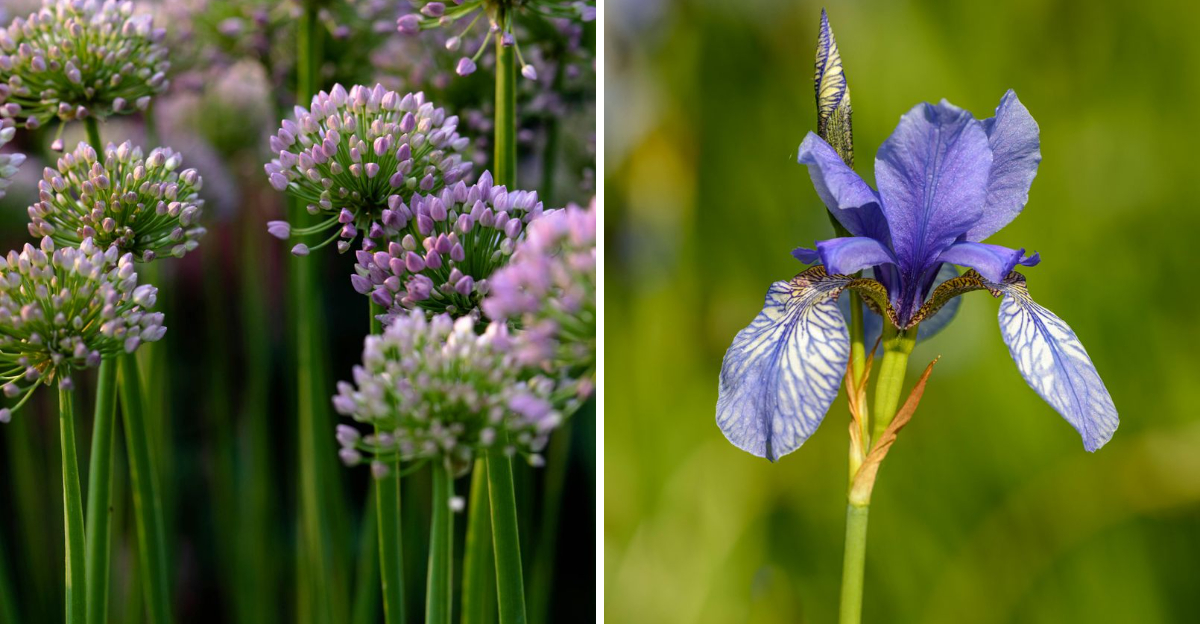
The flowers carry a subtle but distinct scent that rabbits find off-putting. Combined with the tough, strap-like leaves that are nothing like the tender foliage rabbits prefer, this plant gets skipped consistently.
Rabbits are opportunistic eaters. They go for soft, easy targets first, and Siberian iris offers neither.
The blooms come in shades of purple, blue, white, and violet and appear in late spring just as rabbit activity is ramping up. Timing and beauty in one plant is a combination worth having.
Unlike some iris varieties, Siberian iris handles Tennessee’s humidity without complaint. It thrives in zones 3 through 9, which makes it one of the more adaptable options on this list.
It grows in clumps that get fuller and more impressive each year. An established clump is dense enough to create a natural barrier along garden edges where rabbits tend to sneak in.
After the blooms fade, the upright foliage stays tidy and attractive well into fall. The garden does not lose anything when the flowers are gone.
Low maintenance, long-lived, and genuinely rabbit resistant. Siberian iris delivers on every front without asking much in return.
9. Lamb’s Ear Texture Turns Rabbits Away
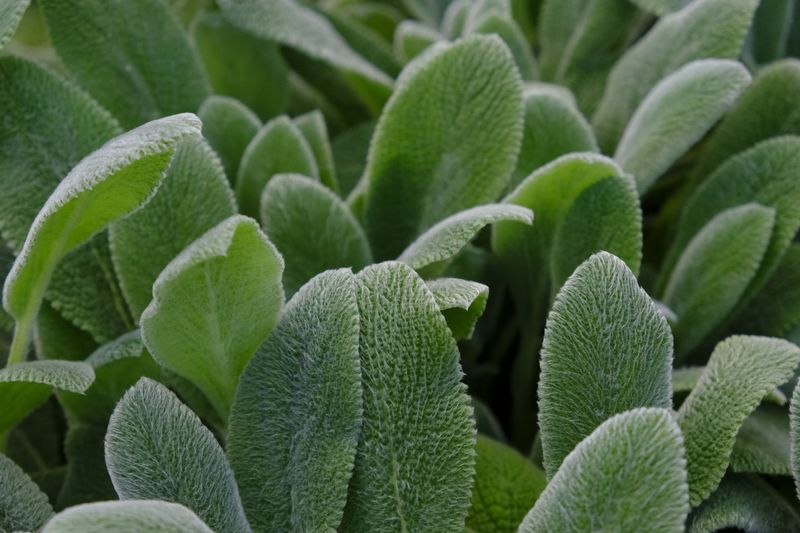
Run your hand across a lamb’s ear leaf and you will understand immediately why rabbits want no part of it. The dense, fuzzy coating feels strange and unappetizing to animals that rely on smooth, tender foliage.
Texture is a powerful deterrent in the plant world. Rabbits evaluate food with their mouths, and lamb’s ear fails every test they run.
The silvery-gray leaves spread into wide, low mats that look stunning as ground cover or border edging. Few plants offer that combination of sensory weirdness and visual softness at the same time.
Lamb’s ear handles full sun and dry soil with ease. It is practically indestructible once established, which makes it ideal for busy gardeners who want results without constant upkeep.
The soft, woolly leaves contrast beautifully against darker green plants nearby. Pairing it with salvia or coneflower creates a visually dynamic combination that also layers your rabbit protection.
Small purple flower spikes emerge in early summer, adding a subtle vertical element to the spreading mat. Bees visit the blooms while rabbits consistently ignore the entire plant from top to bottom.
If your garden has open, sunny edges where rabbits sneak in, lamb’s ear is one of the most effective and attractive solutions available to Tennessee gardeners.
10. Ornamental Allium Does More Than Look Good
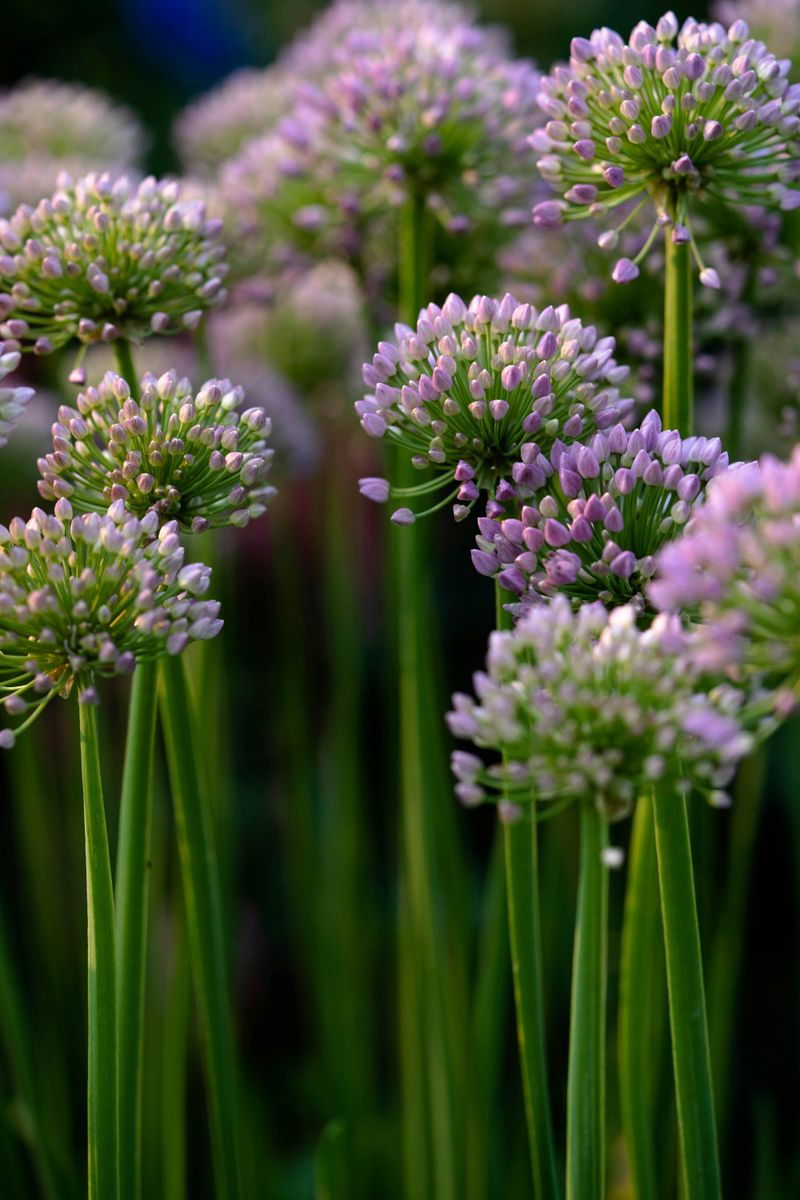
Image Credit: © Alberta Studios / Pexels
Ornamental allium does not look like something that would stop a rabbit. But that strong, onion-like scent that drifts through the garden is exactly what keeps them away.
Alliums belong to the same family as garlic and onions, and rabbits want nothing to do with any of them. The smell alone is enough to redirect them toward someone else’s yard.
In Tennessee, ornamental allium performs well across zones 6a through 7b. It goes in the ground in fall, stays dormant through winter, and comes up strong in spring just when rabbit activity picks up.
The blooms are hard to miss. Perfectly round purple flower heads sit on top of tall, straight stems and hold their shape for weeks without much help from you.
After the flowers fade, the seedheads stay interesting well into summer. That means allium earns its place in the garden long after the bloom is done.
It pairs well with other rabbit-resistant plants on this list, especially lavender and salvia. Grouped together, they create a section of the garden that rabbits learn to avoid altogether.
Ornamental allium is low maintenance, deer resistant, and pollinator friendly. For Tennessee gardeners who want beauty and function in the same plant, it delivers on both without much effort.