The Plants That Spread Naturally And Fill Your Oregon Garden For Free
Some plants do not wait around for a formal invitation. Give them a decent spot in an Oregon garden, and they start making themselves useful in the best possible way. A bare corner fills in.
A dull path edge gets softer. A lonely patch of soil suddenly looks like it had a plan all along. These are the plants that spread naturally without turning every weekend into a digging session.
They can save money, add charm, and make the garden feel fuller year after year. The fun part is watching one small planting slowly become a whole little colony. It feels like getting bonus plants without standing in another nursery checkout line.
Of course, not every spreading plant is a good garden guest. Some behave beautifully, while others get a little too confident. Oregon gardeners just need to know which ones share the space nicely.
1. Clarkia
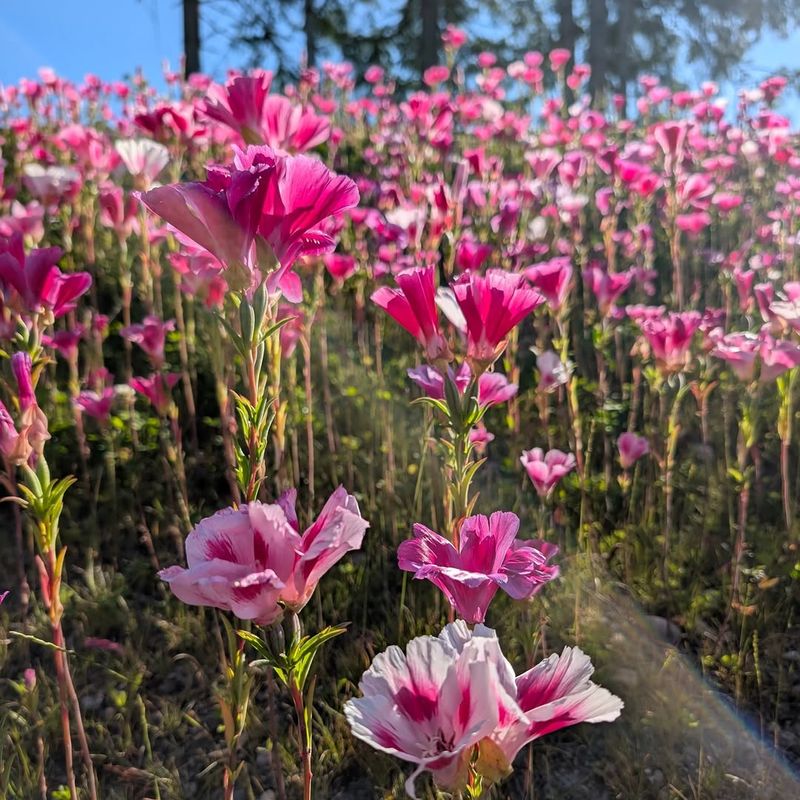
Few wildflowers put on a show quite like Clarkia. Named after explorer William Clark of the famous Lewis and Clark expedition, this native annual has been dazzling people since long before garden centers existed.
It produces silky, cup-shaped flowers in shades of pink, purple, red, and white that look almost too pretty to be wild.
Once Clarkia sets seed in your garden, it comes back reliably every single year. The seeds are tiny and light, and they scatter easily with a breeze or a passing animal.
You might plant it in one bed and find cheerful blooms popping up in unexpected spots the following spring. That kind of happy surprise is what makes it such a beloved garden plant.
Clarkia thrives in sunny spots with well-drained soil. It does not need rich soil or heavy watering, which makes it perfect for dry summer gardens throughout the state.
Sow seeds directly on bare soil in fall or early spring, and let nature handle the rest. Avoid disturbing the soil too much after planting so the seeds can settle and germinate properly.
It blooms in late spring through summer, giving pollinators like bees and butterflies a valuable food source.
Letting the seed heads dry on the plant before removing them ensures next year’s crop. With almost no effort, Clarkia can turn a plain patch of ground into a stunning wildflower display year after year.
2. Farewell-To-Spring
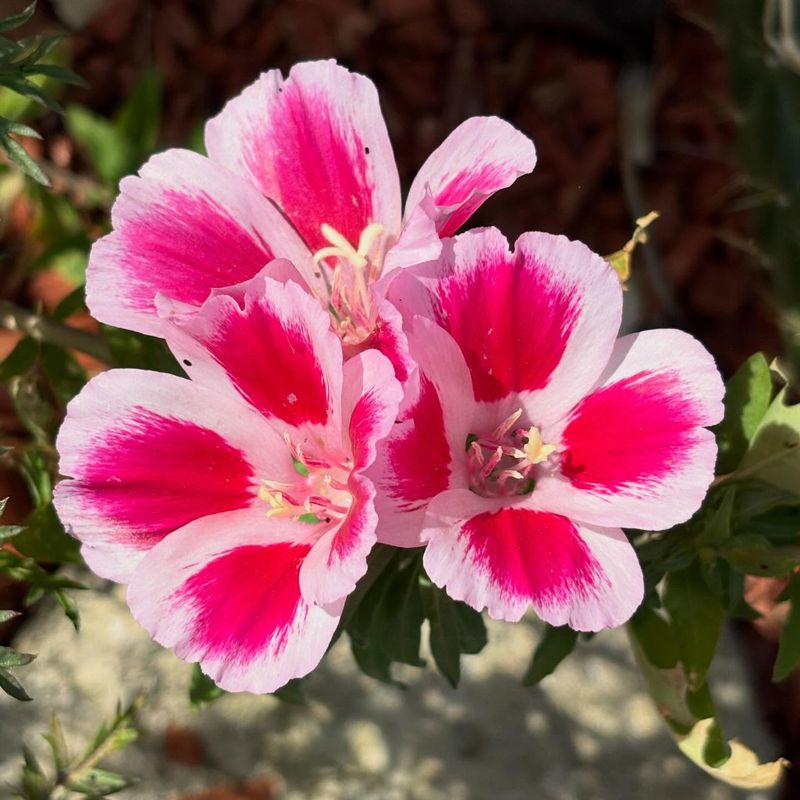
There is something bittersweet about a flower named Farewell-to-Spring. It blooms just as spring wraps up and summer heat begins to settle in, painting dry hillsides and roadsides with vivid shades of pink and lavender.
Botanically known as Clarkia amoena, it is closely related to Clarkia but distinct enough to deserve its own spotlight.
This plant is a champion of tough conditions. It grows naturally in dry, rocky, or gravelly soil where most other flowers would struggle. That resilience makes it incredibly valuable for gardeners who deal with dry slopes, gravel paths, or areas with poor soil.
Plant it once, let it go to seed, and it will return every year without asking for much in return.
Your Oregon Garden Changes Every Week. Your Plan Should Too.
Gardening in Oregon changes quickly throughout the season. Every Friday you’ll receive a simple weekly plan showing exactly what to plant, prune, fertilize, harvest, and protect so you never miss the right timing.
The flowers are large and showy, with petals that often feature a bold splash of deeper color at the center.
Bees absolutely love them, and the blooms last for several weeks through early summer. Deadheading is not necessary since you actually want the plant to set seed and spread naturally throughout your garden.
Scatter seeds in fall directly onto the surface of bare soil in a sunny location. Do not cover them deeply since they need light to germinate well.
Within a couple of seasons, you will have a self-sustaining colony of these gorgeous flowers returning every year.
For a low-effort, high-reward wildflower, Farewell-to-Spring is truly hard to beat in any Pacific Northwest garden setting.
3. Baby Blue Eyes
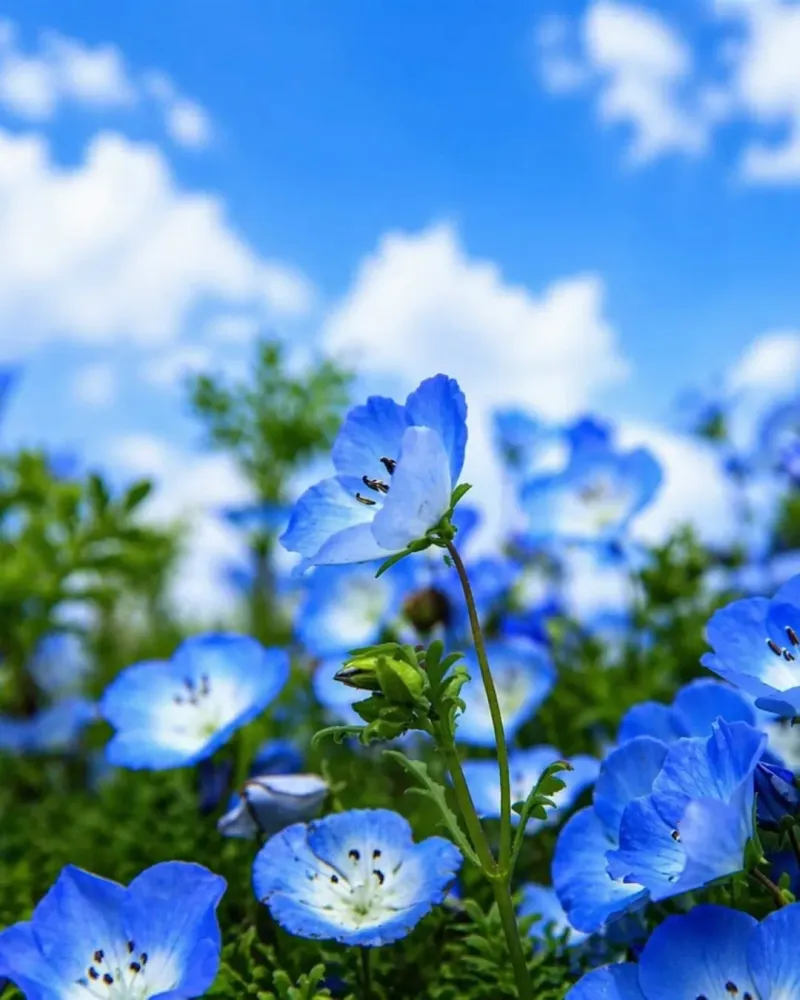
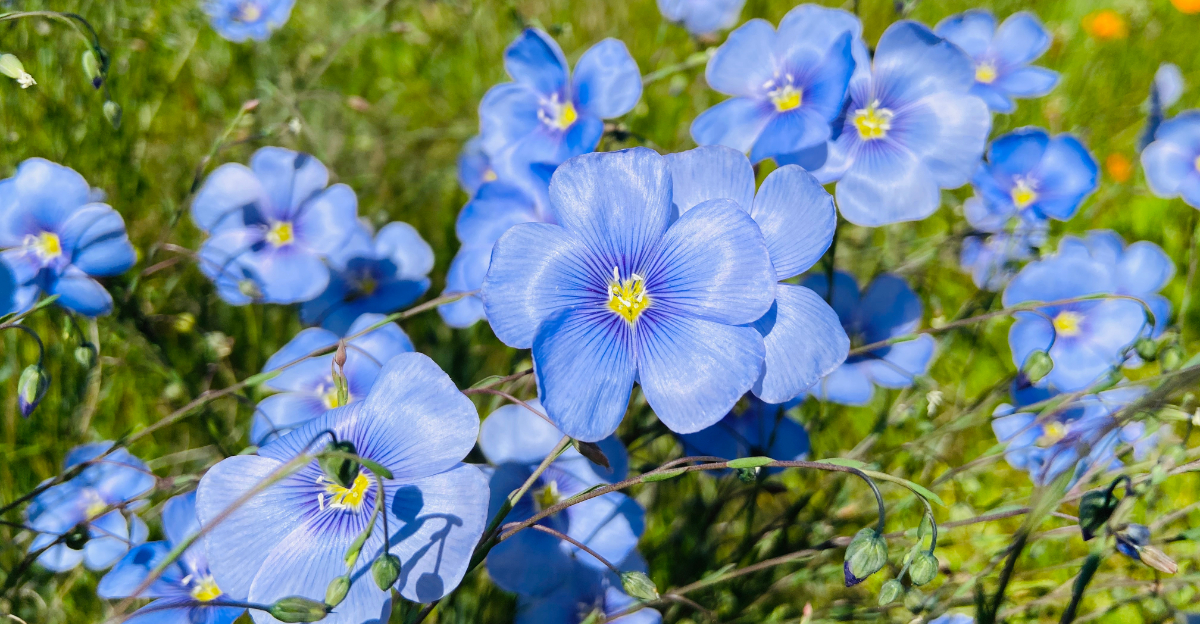
Not every garden has full sun, and that is where Baby Blue Eyes really shines. This low-growing native annual produces masses of small, round flowers in a soft sky-blue color with white centers that practically glow in shaded or partly sunny spots.
It is one of those plants that looks delicate but is surprisingly tough once it gets going. Nemophila menziesii, as it is formally known, is native to the western United States and feels right at home in our state’s mild, moist climate.
It tends to bloom in spring, filling the cool, damp days with cheerful color before summer heat arrives. Once it sets seed, it reseeds generously and will return year after year in the same spot or nearby areas.
Baby Blue Eyes works beautifully as a ground cover under deciduous trees or along shaded pathways.
The spreading habit keeps weeds from taking over, which is a huge bonus for low-maintenance gardeners. It also pairs wonderfully with spring bulbs, filling in the gaps between tulips and daffodils with a carpet of blue.
Sow seeds in fall or very early spring directly onto moist soil. The plants prefer cooler temperatures and will fade when summer heat kicks in, but by then the seeds are already set for next year.
Watering lightly during dry spring spells helps young plants establish. Over time, Baby Blue Eyes builds a reliable self-seeding colony that requires almost zero effort to maintain.
4. Globe Gilia
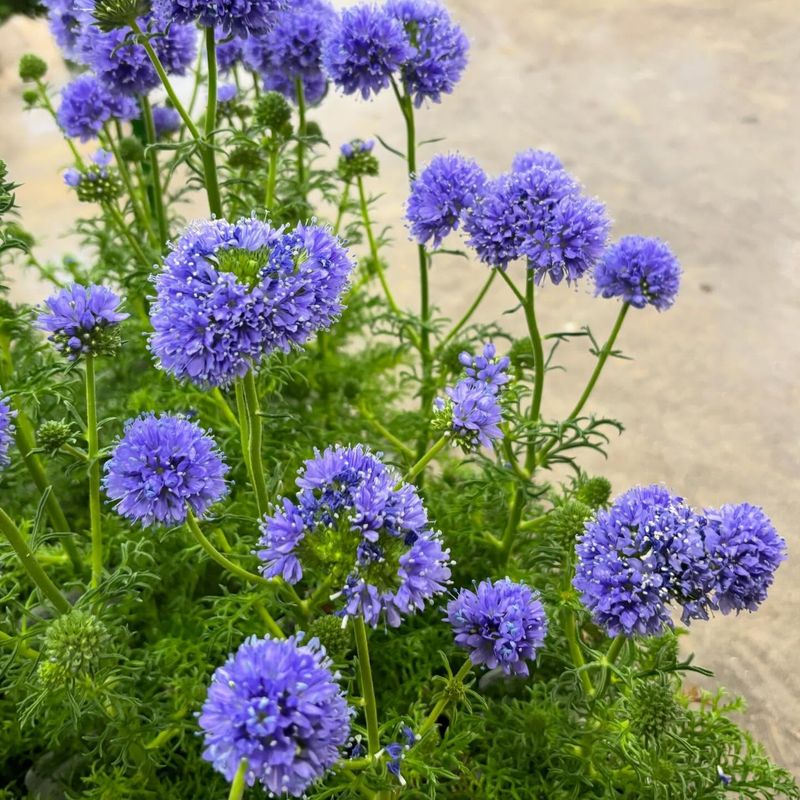
Globe Gilia looks like something a fairy tale illustrator might dream up. Its perfectly round flower heads are made up of dozens of tiny lavender-blue blooms clustered tightly together, sitting atop slender, wiry stems.
The effect is whimsical and airy, and it adds incredible texture to any wildflower planting. Native to western North America, Globe Gilia is well adapted to the dry, sunny summers common in much of our state.
It grows easily in poor, sandy, or rocky soil, and it actually prefers not to be pampered. Rich soil or heavy watering can cause it to flop over or produce fewer blooms.
Let it grow lean and it will reward you with a stunning display. Once established, it reseeds prolifically.
You may find new plants popping up in gravel paths, between pavers, or along sunny fence lines where seeds have drifted. Rather than pulling these surprise seedlings, try letting them grow and see what happens.
Some of the best natural garden arrangements come from plants choosing their own spots. Pollinators are wild about Globe Gilia.
Bees, butterflies, and even hummingbirds visit the blooms regularly throughout spring and into early summer. Letting the seed heads dry on the plant ensures next year’s crop of plants.
Scatter seeds in fall on bare, sunny soil for best germination results the following spring. This plant is one of the easiest and most rewarding natives you can add to a Pacific Northwest wildflower garden.
5. Sea Blush
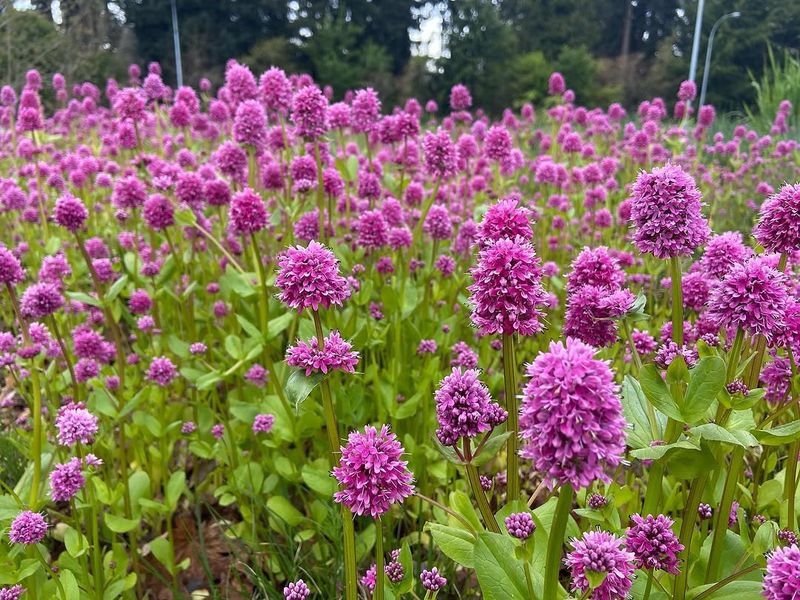
Sea Blush has a name that perfectly captures its personality. Delicate clusters of small rose-pink flowers cover this low-growing annual in early spring, creating a soft blush of color across rocky bluffs, meadows, and open slopes.
It is one of the earliest wildflowers to bloom in our state, often appearing while the air is still cool and crisp.
Plectritis congesta, its scientific name, is native to the Pacific Coast and thrives in exactly the conditions our state provides.
It loves moist winters followed by dry springs, which is pretty much the standard weather pattern throughout much of the region. You will often see it growing in large drifts naturally, which tells you it is very good at spreading on its own.
In a garden setting, Sea Blush is perfect for rocky areas, slopes, or any spot where other plants struggle.
It is especially effective in rock gardens or along gravel pathways where the seeds can tuck into crevices and sprout the following year. The plant stays low and compact, so it never takes over aggressively.
Scatter seeds in fall on bare soil or among rocks in a sunny to partly shaded location. Avoid heavy clay soils since good drainage is essential for this plant to thrive. Once it gets established and sets seed, you can expect it to return reliably each spring.
Watching a whole slope light up with pink Sea Blush in early spring is one of the genuine pleasures of Pacific Northwest gardening.
6. Douglas Meadowfoam
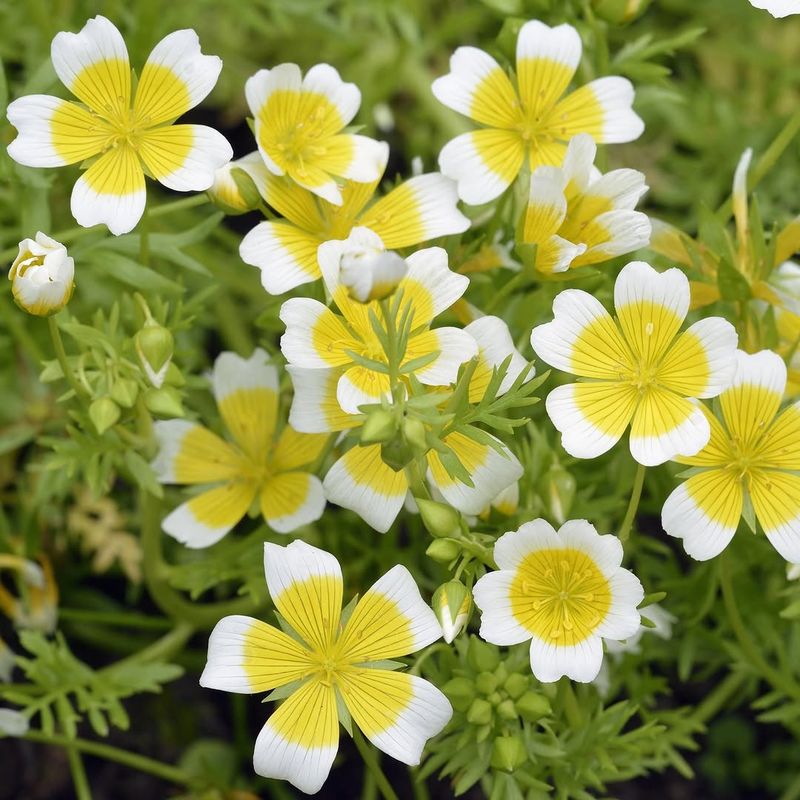
Douglas Meadowfoam is one of those plants that stops people in their tracks. When it blooms in spring, a whole field of it looks like someone spilled cream and sunshine across the ground.
The cheerful yellow and white flowers grow in dense clusters close to the soil, creating a frothy, foam-like effect that gave the plant its charming name.
Limnanthes douglasii is native to moist meadows and valley floors throughout the Pacific Coast region.
It loves the cool, wet conditions of our state’s spring season and thrives in areas that stay damp or even slightly flooded for part of the year. If you have a low spot in your yard that collects water, this might be the perfect plant for it.
Beyond its good looks, Douglas Meadowfoam is an outstanding pollinator plant. Bees flock to it in enormous numbers, and it is considered one of the top honey plants in the western United States.
Planting it near vegetable gardens can also boost pollination of nearby crops like tomatoes, squash, and beans.
Seeds should be sown in fall directly onto moist or wet soil in a sunny location. The plant reseeds very reliably and will return year after year once established. It stays low to the ground, so it works well as a seasonal ground cover in wet areas.
Douglas Meadowfoam is a true gem for anyone who wants a beautiful, wildlife-friendly, self-sustaining plant that practically plants itself every season.
7. Oregon Iris
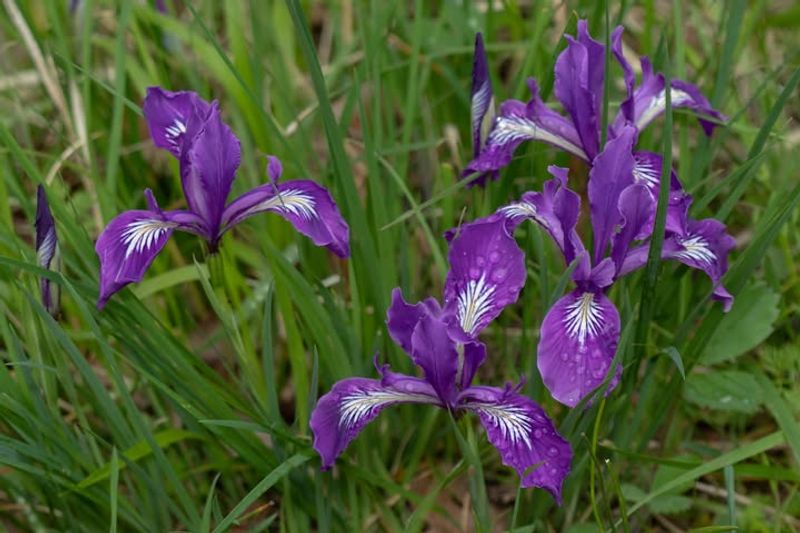
Bold, beautiful, and completely at home in a Pacific Northwest garden, the native iris of our state is a plant worth celebrating.
Oregon Iris, or Iris tenax, produces stunning purple to lavender flowers with intricate veining that rivals any fancy cultivated iris you would find at a nursery. The best part is that it spreads steadily on its own over time.
Unlike many irises that need rich, moist soil, this native species is remarkably adaptable. It grows naturally in open woodlands, grassy meadows, and along roadsides throughout the western part of the state.
It tolerates dry conditions once established and can handle both sun and partial shade, making it one of the most versatile native plants you can grow.
Over time, Oregon Iris forms clumps that slowly expand outward. You can divide the clumps every few years and replant the divisions elsewhere in your garden to spread the plants for free.
Seeds also germinate well when sown fresh in fall, though plants grown from seed take a couple of years to bloom.
The sword-like foliage stays attractive even when the plant is not in bloom, adding structure and texture to garden beds year-round.
Bees and other native pollinators visit the flowers eagerly in spring. Because it is fully native, it supports local wildlife in ways that non-native plants simply cannot.
Adding this iris to your garden is one of the best investments you can make in long-term beauty and ecological health.
8. Pearly Everlasting
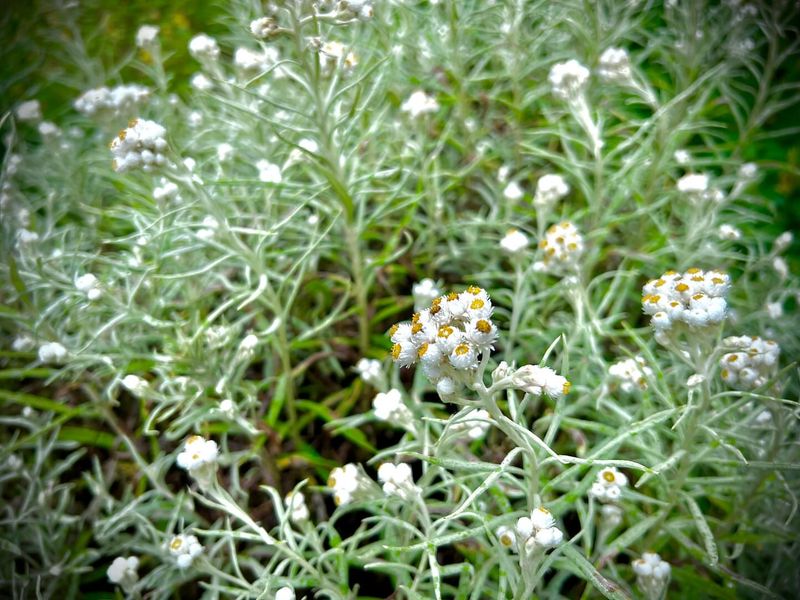
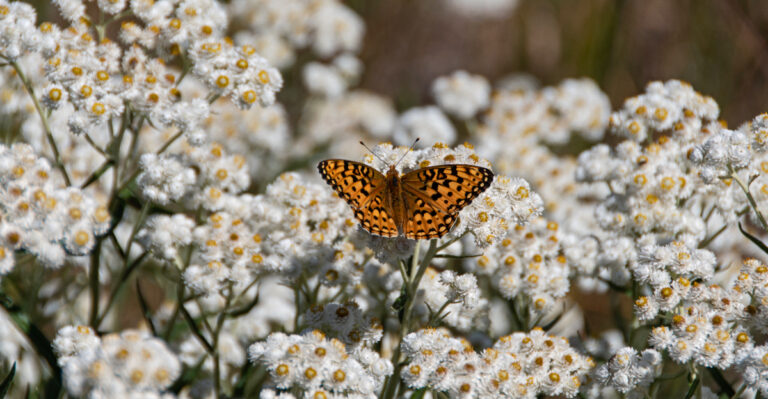
Some plants earn their name, and Pearly Everlasting is one of them. The small, round, papery-white flower heads have a bright, almost luminous quality that holds up long after the plant is cut and dried.
Florists and craft makers prize it for dried arrangements, but in the garden it is equally valuable as a living, spreading perennial that comes back year after year.
Anaphalis margaritacea grows naturally throughout much of North America, including across large portions of our state.
It is especially common in disturbed areas, meadows, and roadsides, which tells you right away that it is a tough, adaptable plant.
Once established, it spreads by underground rhizomes to form gradually widening colonies of silvery, upright stems.
The foliage itself is attractive, with narrow leaves covered in soft white hairs that give the whole plant a silver-green shimmer.
That texture makes it a great contrast plant next to darker-leaved or more colorful neighbors in a mixed garden bed. It grows to about two feet tall and does not flop over or need staking.
Butterflies are strongly attracted to Pearly Everlasting, and it serves as a host plant for several native butterfly species, meaning caterpillars feed on its leaves. Plant it in a sunny, well-drained spot and give it room to spread.
Dividing clumps in spring is an easy way to multiply your plants for free and share them with neighbors or friends who want an easy-care perennial for their own gardens.
9. Self-Heal
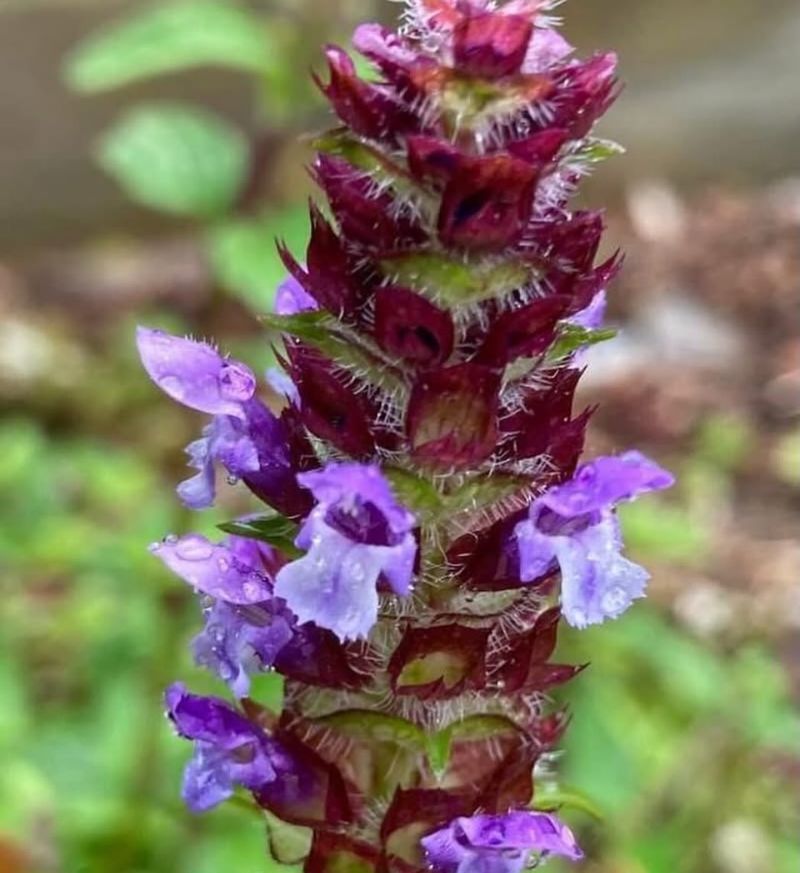
You might have already seen Self-Heal growing in your lawn without knowing it. This low-growing perennial is one of the most widespread plants in the Pacific Northwest, and it has a long history of use in traditional herbal medicine going back centuries.
Its small but vivid purple flower spikes are easy to spot once you know what to look for.
Prunella vulgaris thrives in lawns, garden edges, disturbed soil, and partially shaded areas. It spreads by creeping stems that root at the nodes, slowly forming a dense mat of foliage.
That spreading habit makes it an excellent ground cover for areas where you want to suppress weeds without using chemicals or mulch.
One of the best things about Self-Heal is how little it asks of you. It tolerates mowing, foot traffic, poor soil, and inconsistent watering. It even grows well in damp areas that are tricky for other plants.
Bees are particularly fond of the flowers, which bloom from late spring through fall, providing a long season of nectar.
If you want to encourage it in your garden, simply stop pulling it when it appears. Let it bloom and set seed, and it will fill in bare patches naturally over time.
It also pairs well with other low-growing natives like Baby Blue Eyes or Wild Strawberry for a mixed, ecological ground cover that is both functional and attractive. Self-Heal is truly one of the most underrated free plants a gardener can have.
10. Woodland Strawberry
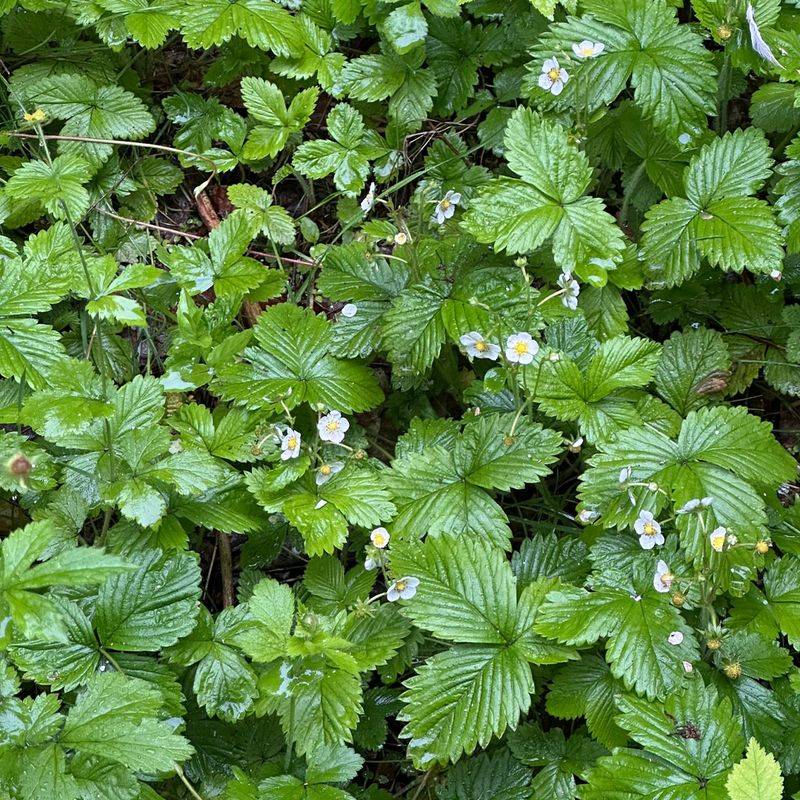
Few plants are as rewarding as one that feeds you for free. Woodland Strawberry is a native ground cover that spreads by sending out runners across the soil, rooting wherever they touch and forming a lush carpet of green.
And yes, it produces real strawberries, small but intensely sweet and flavorful. Fragaria vesca grows naturally in forests, meadows, and open slopes throughout our state.
It tolerates a wide range of conditions, from full sun to fairly deep shade, which makes it one of the most versatile native ground covers available.
In shaded spots where lawn grass struggles, Woodland Strawberry often thrives and fills in beautifully over a couple of seasons.
The white spring flowers are charming in their own right and attract early pollinators like native bees and hoverflies.
After the flowers fade, small red berries appear that birds, squirrels, and people all enjoy. Letting wildlife eat some of the fruit actually helps spread the seeds to new areas of your garden naturally.
Plant a few starts or transplants in a shaded or partly sunny spot with decent soil, and then step back and watch.
Within one growing season, runners will begin reaching outward. By the second year, you will have a spreading colony that fills in gaps, shades out weeds, and produces a steady supply of tiny, delicious berries.
Woodland Strawberry is proof that the best things in a garden are often completely free once you get them started.