Why Fireflies Are Disappearing From Georgia Yards And What Actually Helps Bring Them Back
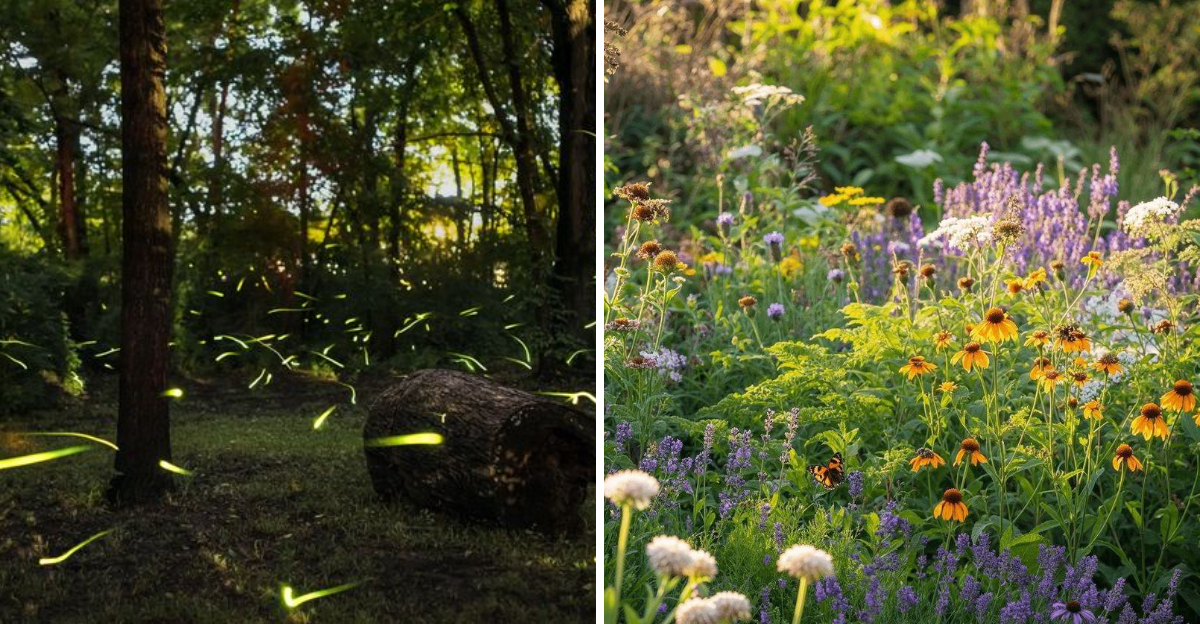
Georgia yards once filled with fireflies almost without effort, and those small flashes felt like a natural part of summer nights. Lately, something feels different, and it shows up in a quiet way that is hard to ignore.
Fewer lights appear, the timing feels off, and evenings that used to feel alive now seem strangely still.
That shift stands out because the yard itself has not changed much on the surface. Grass still grows, plants still return each season, yet the glow that used to follow is no longer there in the same way.
There is a clear reason behind it, and it connects to everyday choices that often go unnoticed. Small adjustments in how a yard is maintained can either drive fireflies away or help bring them back, which is where the real difference begins.
1. Habitat Loss Is Removing The Damp Areas Fireflies Need
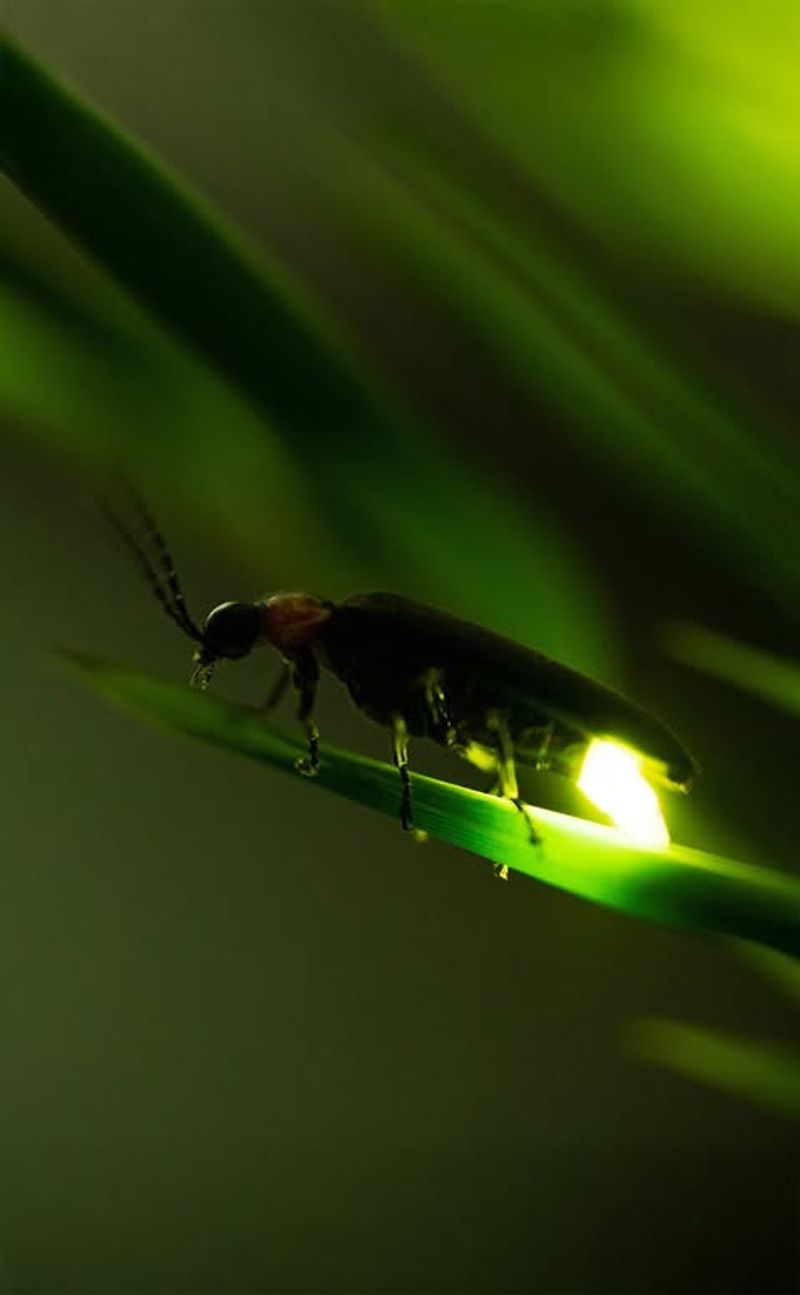
In many Georgia neighborhoods, yards have become cleaner, drier, and more tightly managed than they were years ago. That may look neat, but fireflies depend on the exact kinds of conditions that are often removed first.
They do best where soil stays slightly damp, plants create shade, and the ground is not completely exposed.
Firefly larvae spend much of their early life in moist areas under leaves, around low plants, and near the edges of garden beds. When every corner is heavily raked, edged, drained, or covered with stone, those sheltered spots become harder to find.
A yard can still look well kept while keeping small areas that feel softer and less exposed.
Georgia heat adds another challenge because open sunny soil dries out quickly. If a yard has fewer shrubs, fewer trees, and more hard surfaces than in the past, the ground may no longer hold the cooler moisture levels that fireflies rely on.
That shift can reduce their presence even before peak summer arrives.
Noticing where water lingers after rain, where mulch stays cooler, and where plants naturally create late-day shade can reveal the remaining habitat pockets.
These small micro-areas often make the difference between a yard that feels empty at night and one that still supports seasonal firefly activity in Georgia.
2. Outdoor Lighting Is Disrupting Their Mating Signals
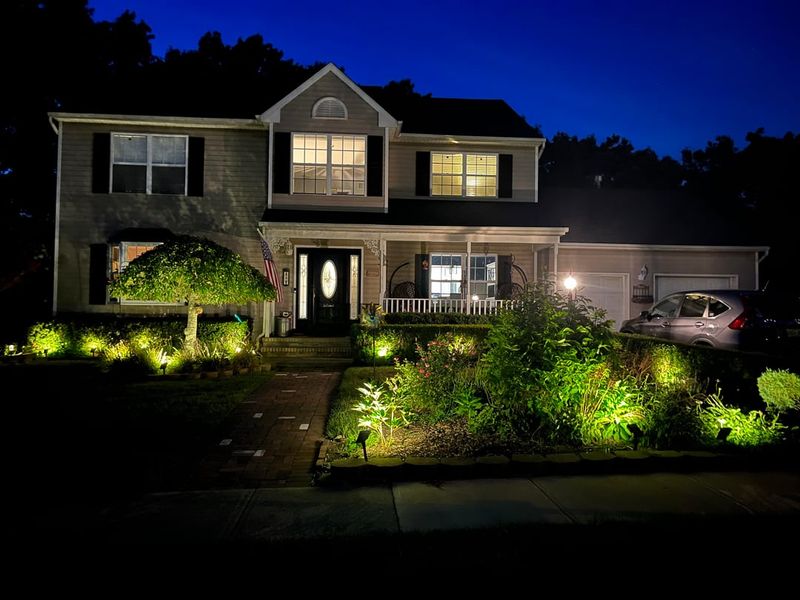
One of the biggest reasons fireflies struggle in Georgia yards is surprisingly simple: too much nighttime light.
Their flashing is not random decoration. It is a signal used to locate mates, and bright bulbs can interfere with that conversation.
Porch lights, floodlights, landscape lighting, garage fixtures, and decorative string lights all add up.
When a yard stays bright long after sunset, firefly flashes become harder to notice against the background glow.
That makes it tougher for them to respond to one another in the short evening window when activity is highest. Georgia suburbs often have more outdoor lighting than people realize.
Even if your own bulbs seem modest, nearby houses, streetlights, and security lights can create a constant haze.
Fireflies are most successful where darkness is allowed to return, even for just a few hours each night. Warm white bulbs that shine downward are usually less disruptive than intense cool-toned lights aimed across the yard.
Your Georgia Garden Changes Every Week. Your Plan Should Too.
Gardening in Georgia changes quickly throughout the season. Every Friday you’ll receive a simple weekly plan showing exactly what to plant, prune, fertilize, harvest, and protect so you never miss the right timing.
Motion sensors can also help by keeping lights off unless they are actually needed. If sitting outside is important, a small shaded lamp is often better than lighting the whole space.
3. Pesticides Are Reducing Firefly Populations In The Soil
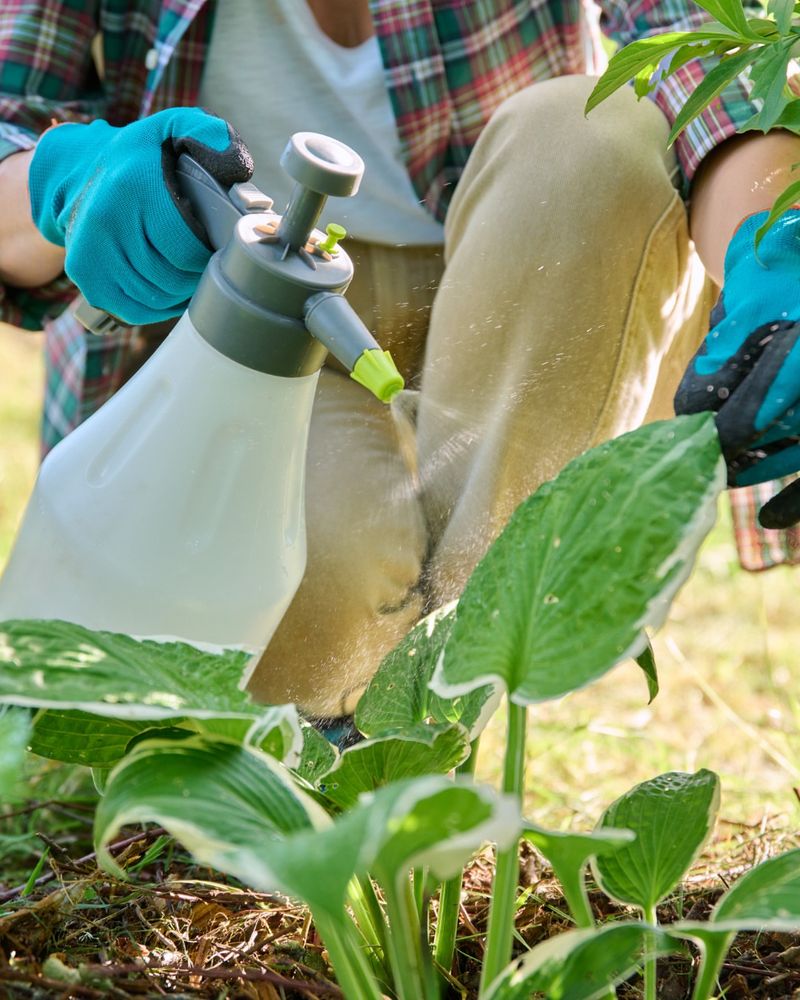
Another major problem in Georgia yards comes from chemical sprays used for mosquitoes, lawn pests, weeds, and general insect control. Many applications are used without considering that fireflies spend much of their life close to the ground.
That means the impact is not limited to insects seen flying in summer evenings.
Firefly larvae live in soil and moist organic matter, where they develop slowly before becoming adults. When those areas are treated repeatedly, the yard becomes less suitable during a critical stage of their life cycle.
Even products marketed as general or convenient pest control can affect beneficial insect populations in unintended ways.
Frequent spraying can reduce the small organisms and natural conditions that support fireflies during development. A lawn may appear greener or more controlled, while soil activity becomes less diverse and less stable.
Once that balance is disrupted, fewer adults tend to appear during summer evenings in Georgia neighborhoods.
Application timing also plays a role in impact. Spraying before outdoor use, after rain, or on a fixed schedule can increase exposure in areas where larvae normally remain sheltered.
Treating large areas of a property leaves fewer undisturbed zones for species that depend on stable ground conditions.
4. Turn Off Outdoor Lights To Support Their Activity
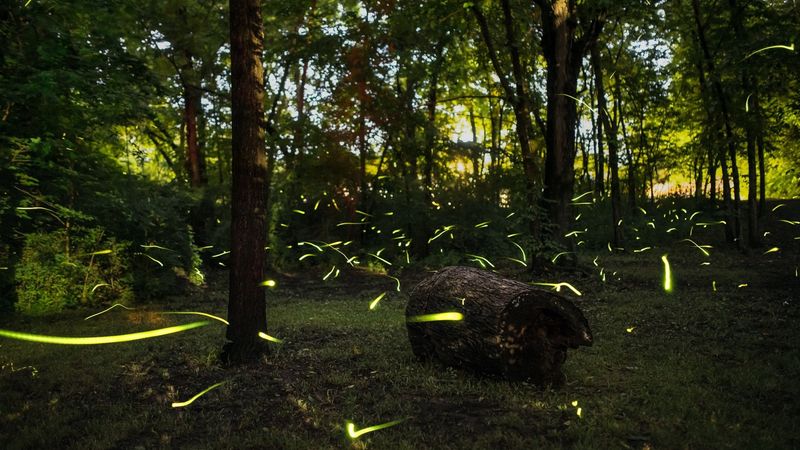
If you want one simple change that can help quickly, start by turning off unnecessary outdoor lights in the evening. Fireflies in Georgia are most active during a fairly short stretch after sunset.
Giving them darker conditions during that time improves how clearly their flashes can be seen.
Outdoor spaces do not need to feel unsafe or unusable. A practical approach is switching off decorative lighting, reducing floodlights, and keeping only the fixtures that are truly needed.
Timers and motion sensors make this easier without requiring daily adjustment.
Creating a darker window for a few hours during peak firefly activity can make a noticeable difference. If outdoor time is important, a small shaded light near seating areas works better than illuminating the entire yard.
Lower, warmer, and more focused lighting is generally less disruptive than bright bluish bulbs spread across open space.
In many Georgia yards, the first noticeable activity often appears near shrubs, fence lines, and tree edges. These areas already provide partial cover, so reducing excess light helps fireflies use them more effectively.
Observing from a darker porch can also reveal activity that was previously harder to notice.
5. Leave Leaf Litter Where Fireflies Can Develop
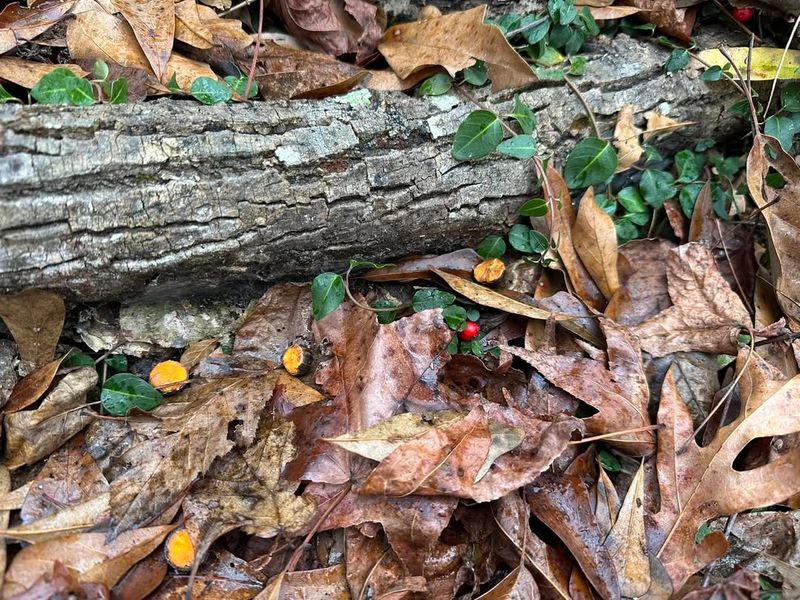
Leaf litter may not look important, but it acts like a protective blanket for many small forms of life in a yard. For fireflies in Georgia, that layer of fallen leaves helps hold moisture, moderate temperature, and create hiding places near the soil.
Removing every leaf too quickly can make the ground harsher than it needs to be.
Firefly larvae develop close to the ground, often in shaded and overlooked areas. When leaves remain under shrubs, around trees, or along fence lines, those spaces stay cooler and more stable.
That kind of cover is especially helpful during hot Georgia weather.
Leaves do not need to be left everywhere for this benefit to work. A balanced approach keeps paths, patios, and active areas clear while allowing natural cover to remain in quieter parts of the yard.
This creates small habitat zones instead of removing all organic material at once.
Shredded leaves or natural mulch can be used for a tidier appearance while still maintaining ground protection. The key is keeping some organic layer in place so soil does not become overly dry and exposed.
Areas beneath native plants, shrubs, and trees are often the most effective starting points.
6. Avoid Chemical Sprays That Affect Their Lifecycle

Cutting back on chemical sprays is one of the most practical ways to support fireflies in a Georgia yard. Because their lifecycle includes long periods in the soil and low vegetation, broad treatments can affect them far beyond the brief adult stage seen at night.
A more balanced approach often supports a healthier yard overall.
Start by evaluating whether every product is truly necessary. Many insect issues are temporary, limited in scope, or more cosmetic than harmful.
Spot treatment, physical removal, or allowing minor problems to pass naturally can often reduce disruption while still keeping plants healthy.
Mosquito fogging is another practice worth reconsidering. While it may seem helpful for outdoor comfort, repeated applications can reduce beneficial insect activity in the same areas where fireflies rest and develop.
Physical barriers, fans, protective clothing, and targeted control near seating areas can often provide more consistent results with less impact on the broader environment.
Weed and lawn treatments also play a role in overall yard balance. Areas managed with fewer chemical inputs tend to support more plant diversity, better ground cover, and more natural habitat structure.
Over time, that type of environment is more likely to support stronger firefly activity across Georgia landscapes.
7. Keep Parts Of The Yard Slightly Wild And Moist
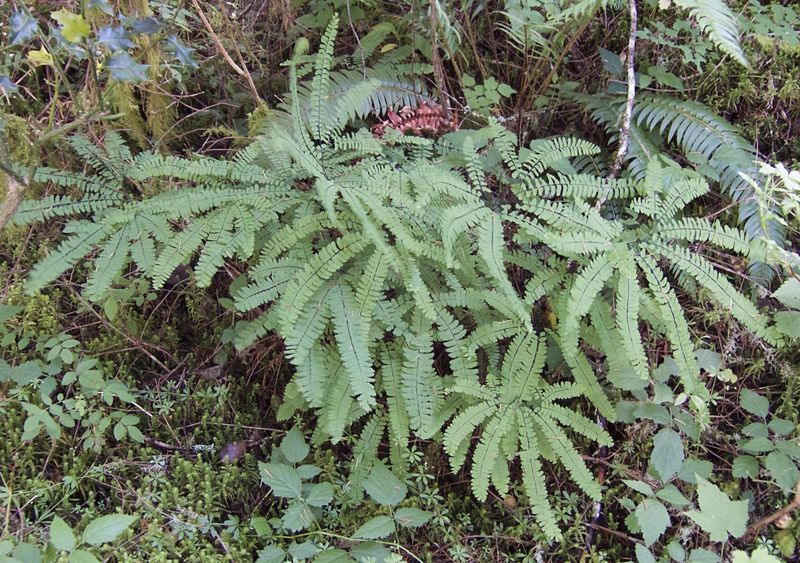
Perfectly manicured yards often leave very little room for fireflies. If the goal is to support them in Georgia, one of the most effective changes is allowing part of the yard to stay looser, shadier, and slightly more humid.
That does not mean turning the entire property into unmanaged growth.
A lightly natural area can be as simple as a corner with taller grass, native plants, low shrubs, and less frequent disturbance. These features create cover, help retain moisture, and provide layered structure that supports firefly activity.
They also add a more natural seasonal feel to the landscape.
Moisture balance also plays an important role. The goal is not standing water, but areas that do not dry out immediately after rain.
Mulch, shade, denser planting, and reduced mowing all help soil stay cooler during Georgia heat.
Edges are often the most active zones. The transition areas between lawn, shrubs, trees, and garden beds tend to offer both openness and protection.
When these borders are kept softer and less rigidly trimmed, they create conditions that fireflies are more likely to use during evening hours.