The Pruning Trick That Keeps Arizona Autumn Sage Blooming Longer
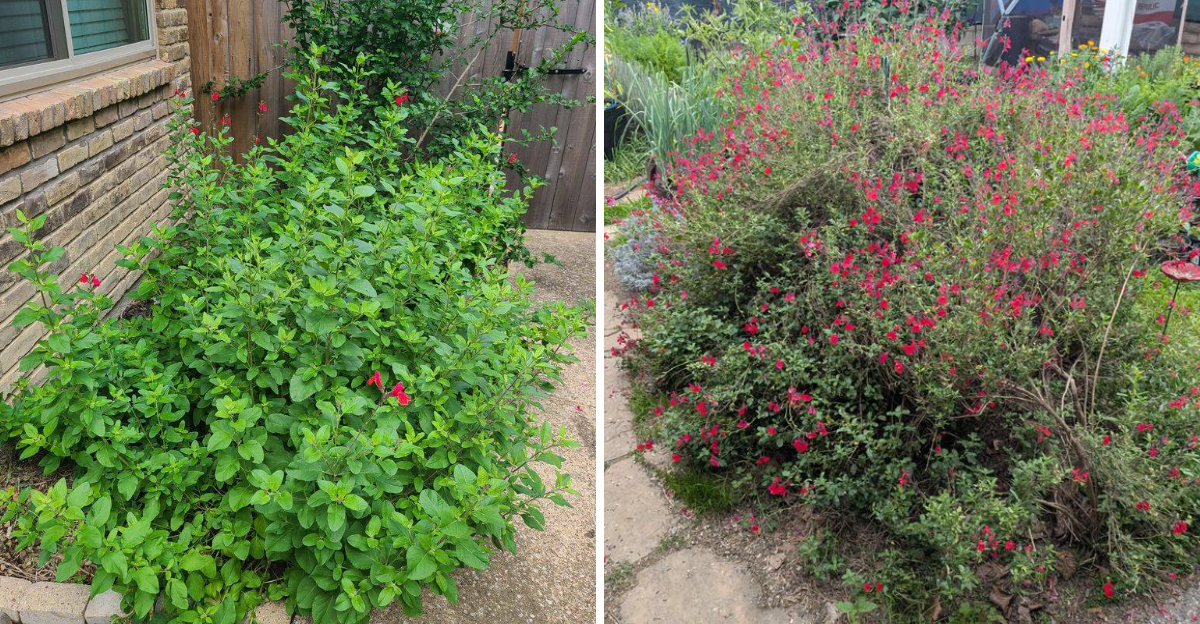
Few things are more satisfying than seeing a favorite plant stay full of color long after you expected the blooms to slow down.
It makes the whole yard feel brighter, even during Arizona’s hottest months. A plant that keeps flowering always stands out because it continues to catch your eye every time you pass by.
Small differences like that are easy to notice, especially when nearby plants have already started losing some of their color. It does not always take a major change to keep a flower bed looking fresh for much longer.
Autumn sage is one of those plants that can reward a little extra attention at the right time. One simple pruning approach can encourage more blooms instead of letting the plant slow down too early.
A small adjustment often leads to a longer display of color and helps the plant look fuller throughout the growing season.
1. Light Trimming Encourages More Flowering Stems
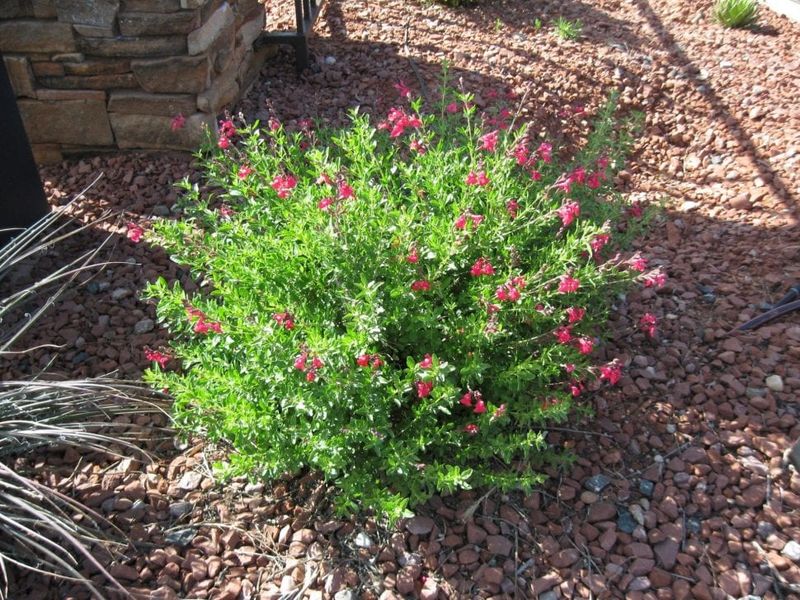
Light trimming often makes a much bigger difference than gardeners expect. Instead of taking off large sections, removing only the soft tips of recently flowered stems encourages the plant to branch.
Those new branches become the places where fresh flower buds develop, helping extend the blooming season without putting unnecessary stress on the shrub.
Focus on stems that have already finished flowering but are still green and flexible. Trim about one to two inches above a pair of healthy leaves or a leaf node using clean, sharp bypass pruners.
That small cut encourages new shoots to emerge while preserving the plant’s natural shape. Avoid cutting into older woody growth, since it is much slower to produce new shoots.
Try to spread your cuts evenly across the entire plant instead of trimming only one side or the top.
Balanced pruning creates balanced growth, resulting in a fuller appearance with flowers distributed throughout the shrub rather than clustered in one area.
Under warm growing conditions, fresh shoots often begin appearing within a couple of weeks, followed by a new round of blooms.
Repeating this light trimming after each flowering flush helps autumn sage stay colorful for much longer than it would if left untouched.
2. Prune Right After A Flush Of Blooms Fades
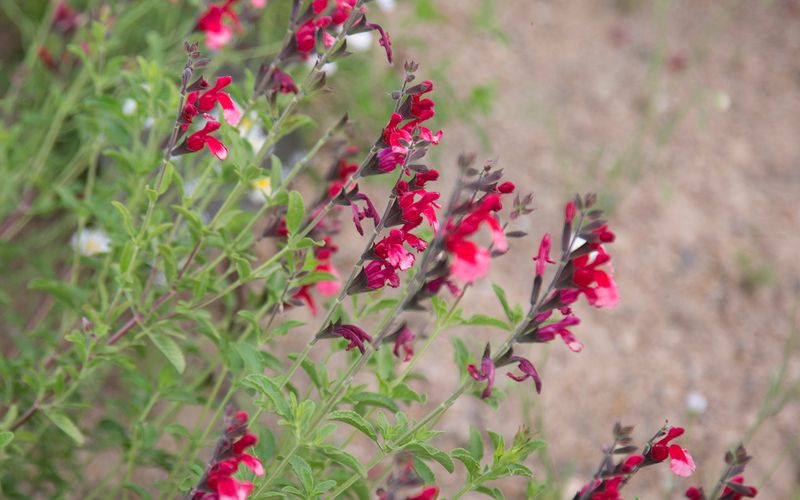
Timing can make the difference between a plant that slows down and one that keeps producing flowers. Autumn sage responds best when it is pruned soon after a full round of blooms has finished.
Waiting too long allows the plant to shift its energy toward producing seeds instead of fresh shoots.
Pay attention as the flowers begin to fade. Once most of the blossoms have lost their color, trim the spent stems back to a healthy set of leaves.
Making that cut at the right moment encourages the plant to begin another cycle of growth instead of lingering on old flower stalks.
Avoid rushing to prune while plenty of flowers are still open. At the same time, do not leave faded blooms on the plant for weeks.
Both can reduce the number of new flowering stems that develop afterward.
Your Arizona Garden Changes Every Week. Your Plan Should Too.
Gardening in Arizona changes quickly throughout the season. Every Friday you’ll receive a simple weekly plan showing exactly what to plant, prune, fertilize, harvest, and protect so you never miss the right timing.
Autumn sage often flowers in several waves during the growing season, especially in warm climates. Pruning after each completed bloom flush helps maintain that natural rhythm.
Keeping an eye on the plant every few days is usually enough to catch the right window, and consistent timing often rewards you with a longer season of colorful blooms.
3. Remove Spent Flower Stalks Promptly
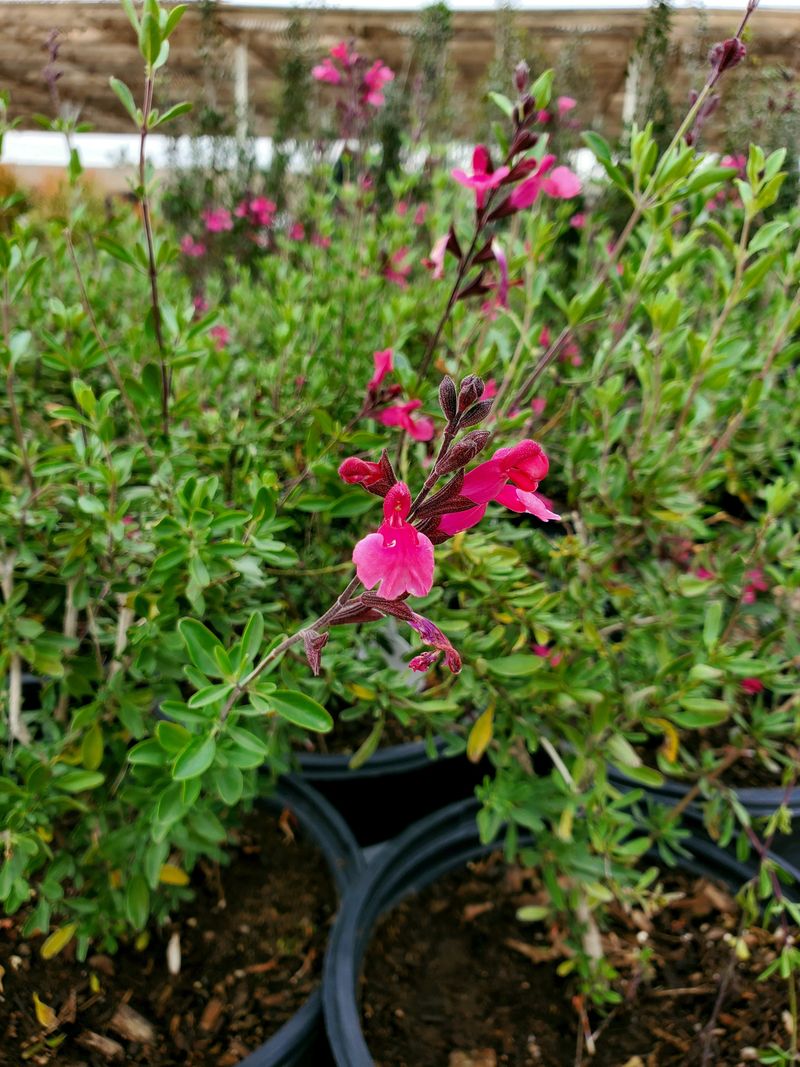
Faded flower stalks do more than make the plant look untidy. Once flowering ends, the plant begins directing resources toward producing seeds instead of new buds.
Removing those old stalks helps shift that energy back into fresh growth and future blooms.
There is no need to wait until you are ready to prune the entire shrub. Snip off spent flower stalks whenever you notice them during your regular time in the yard.
A few quick cuts every week are often more effective than putting the job off for later.
Make each cut just above a healthy pair of leaves or a side shoot. That gives new stems a good place to develop while keeping the plant looking full.
Avoid leaving long, bare stubs because they add little value and can spoil the plant’s natural appearance.
Regular deadheading encourages autumn sage to continue producing flowers instead of slowing down after one bloom cycle. It also keeps the shrub neater throughout the season without requiring major pruning sessions.
Spending only a few minutes on this simple task can reward you with more colorful blooms over the weeks that follow.
4. Avoid Cutting Into Older Woody Stems
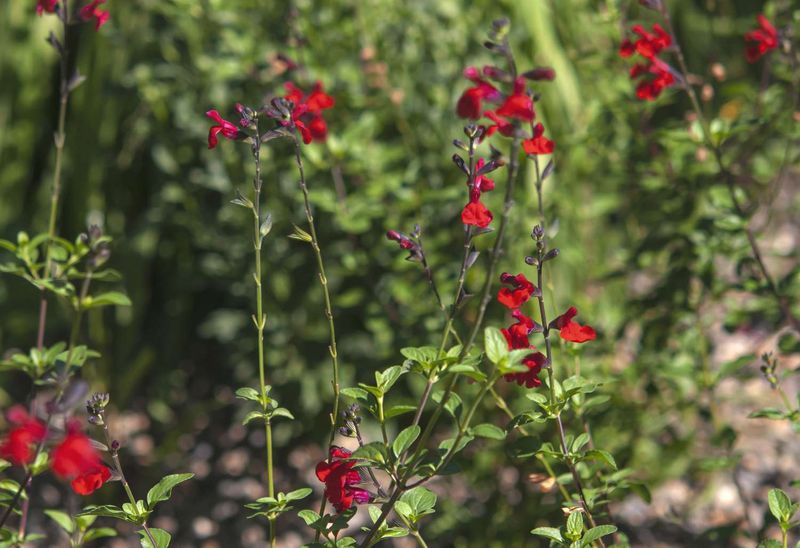
Older stems may look healthy, but they do not respond to pruning the same way as younger growth. Once autumn sage becomes woody near the base, those stems are much less likely to produce vigorous new shoots.
Cutting too far into that older wood can leave parts of the plant slow to recover.
Keep your pruning focused on the green, flexible stems where active growth is taking place. Those younger stems have plenty of growing points that can quickly produce new branches and flower buds.
They are also much easier to cut cleanly with a sharp pair of bypass pruners.
If you are unsure where to make your cuts, gently bend the stem before pruning. Green stems are flexible and usually have smooth bark, while older wood feels stiff and has a rougher texture.
That simple check makes it easier to avoid removing productive growth by mistake.
The older framework still plays an important role because it supports the entire shrub.
Leaving that structure intact helps autumn sage maintain its natural shape while giving new shoots a sturdy base to grow from.
Careful pruning creates a healthier, fuller plant with better flowering over time.
5. Shape The Plant Instead Of Shearing It
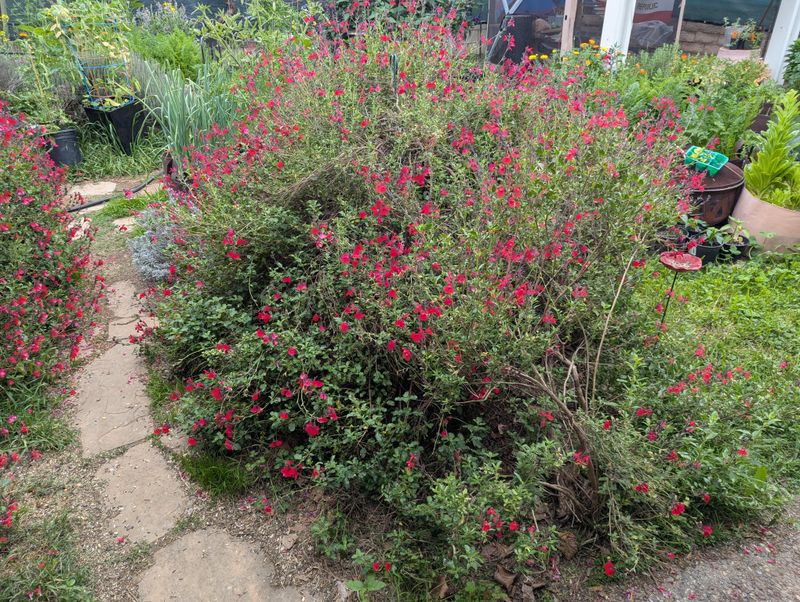
Reaching for hedge shears might seem like the fastest option, but they rarely give autumn sage the best results. Shearing removes everything at the same height, including healthy stems that could continue producing flowers.
That often leads to a dense outer shell with fewer blooms throughout the plant.
A more effective approach is to shape the shrub by making individual cuts with bypass pruners. This lets you decide which stems should stay and which should be shortened or removed.
The result looks more natural and encourages stronger branching across the entire plant.
Take a step back before you begin pruning and look for stems that are unusually long, crossing through the center, or growing in awkward directions. Removing those first improves the overall form without removing more growth than necessary.
Small, thoughtful adjustments usually create a fuller appearance than heavy trimming.
Selective pruning also allows sunlight and air to reach more of the plant, helping new shoots develop throughout the shrub instead of only around the edges.
With regular shaping, autumn sage keeps its rounded habit while producing flowers more evenly during the growing season.
6. Thin Crowded Growth To Improve Airflow
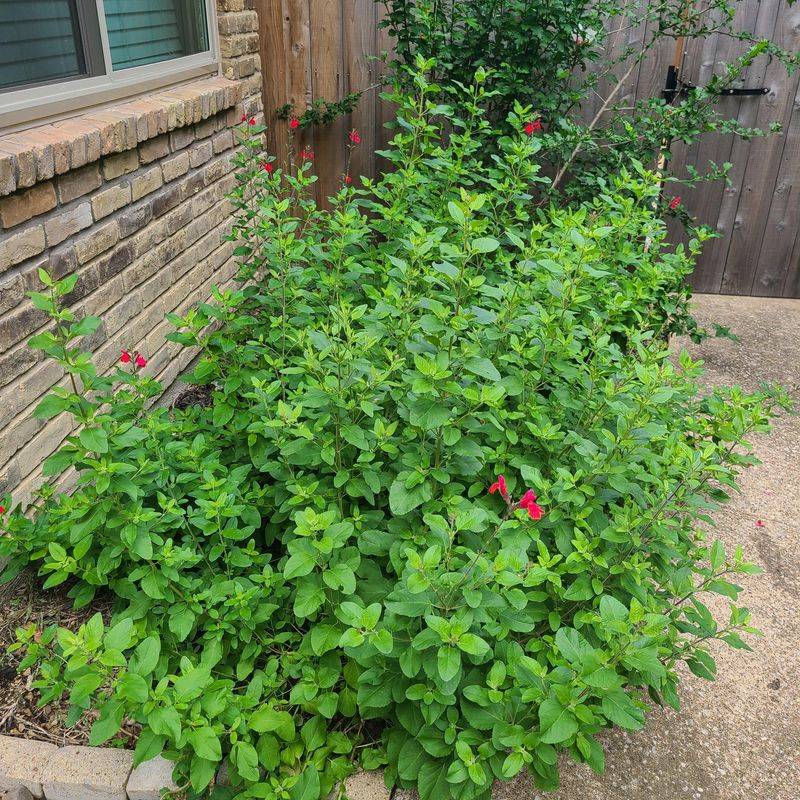
Dense growth may make autumn sage look lush, but it can create problems inside the plant. When too many stems are packed together, air has a harder time moving through the foliage.
Moisture also lingers longer after rain or watering, increasing the chance of fungal diseases such as powdery mildew.
Look inside the shrub rather than focusing only on the outside. Remove a few stems that are crossing each other, growing toward the center, or blocking light from reaching the interior.
You do not need to remove many to improve growing conditions.
Opening up the middle of the plant allows leaves to dry more quickly and gives new shoots room to develop. Better light penetration also encourages growth on stems that would otherwise stay weak or inactive.
Over time, that leads to a fuller shrub with flowers appearing throughout the plant instead of only around the edges.
Thinning should be done gradually instead of removing large amounts at once. A little selective pruning each season is usually enough to maintain healthy airflow while preserving the plant’s natural shape.
That balanced approach supports stronger growth and more reliable flowering throughout the season.
7. Avoid Removing More Than One Third At Once
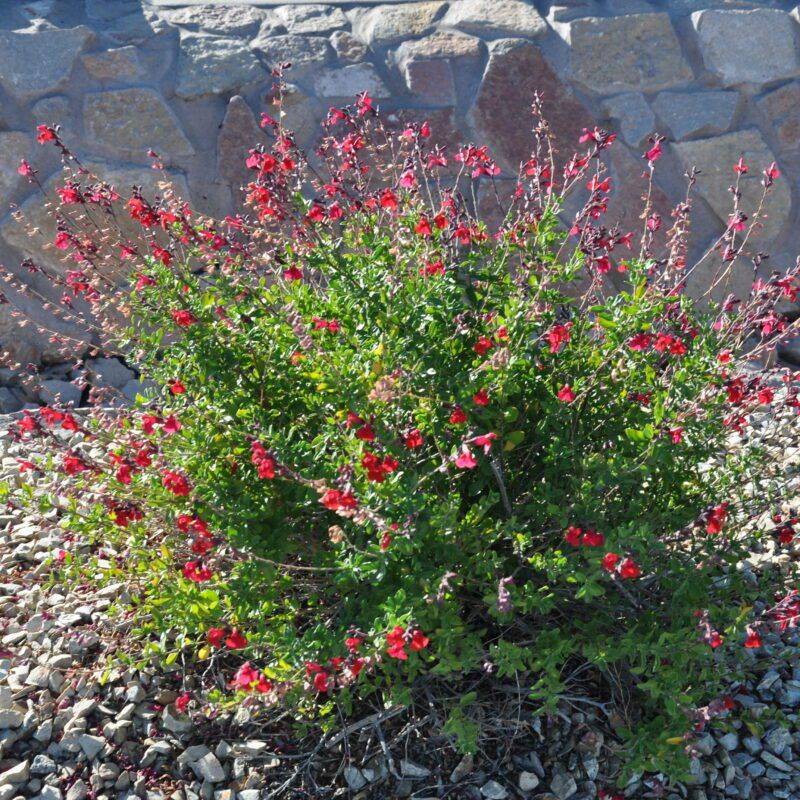
It is easy to think a harder prune will produce better results, but autumn sage usually responds better to a lighter approach. Removing too much growth in one session forces the plant to spend more energy replacing stems instead of producing flowers.
Keeping your pruning moderate helps it recover faster and continue growing.
A good rule is to remove no more than about one third of the plant during a single pruning session. That leaves enough healthy foliage to support steady growth while still refreshing the shrub.
If the plant has become badly overgrown, spread the work across several weeks instead of trying to reshape everything at once.
Pause occasionally while pruning and step back to look at the overall shape. It is surprisingly easy to remove more than planned when you focus on one area.
Checking your progress every few minutes helps keep the shrub balanced from every angle.
Giving the plant time to recover between heavier pruning sessions encourages stronger branching and more dependable flowering.
Patience usually delivers better results than aggressive cutting, and the shrub keeps its full, natural appearance throughout the growing season.