The Real Reason Your Michigan Geraniums Are Turning Yellow
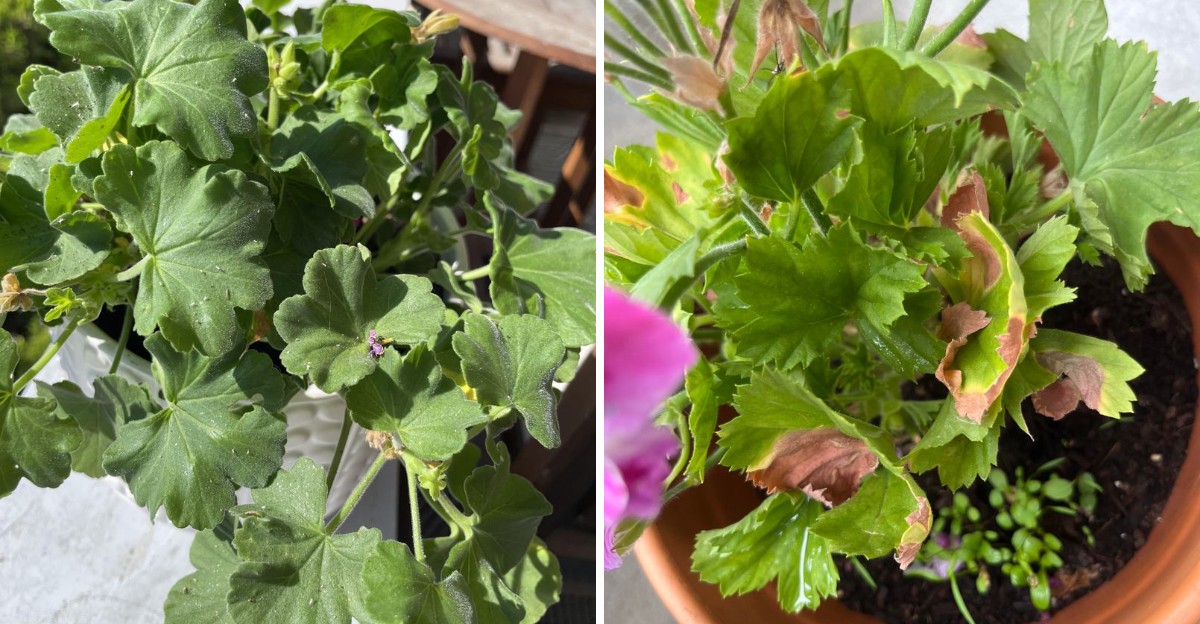
Yellowing leaves on a Michigan geranium can be frustrating, especially when watering and sunlight seem consistent with what the plant has always received.
In many cases, the real cause comes down to overwatering, since geraniums are particularly sensitive to soggy soil and can develop yellow, wilting leaves when their roots don’t get enough oxygen.
Nutrient deficiencies, especially a lack of nitrogen, can produce similar yellowing, as can natural aging of older leaves near the base of the plant.
Environmental stress from sudden temperature swings or inconsistent light exposure can also trigger this kind of discoloration.
Identifying the actual cause behind the yellowing is the necessary first step before geraniums can be nursed back to their full, healthy green.
1. Overwatering Is A Common Culprit
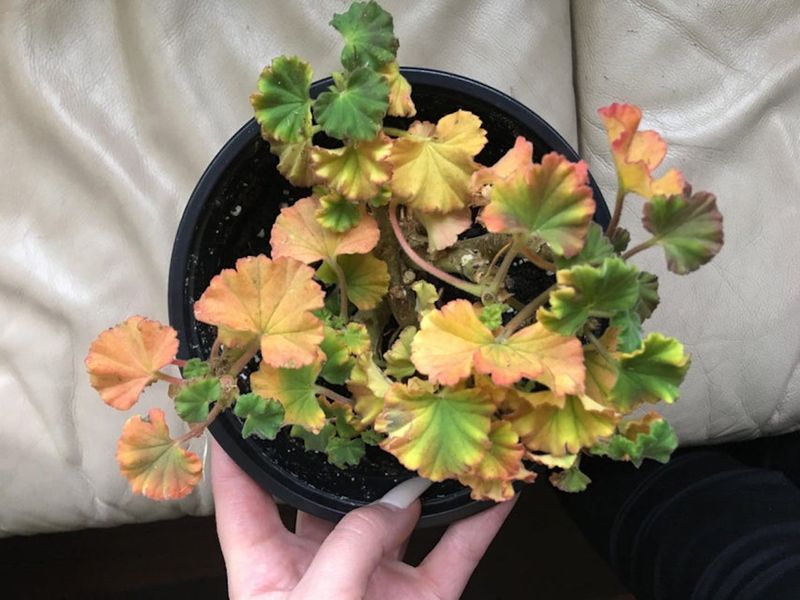
Soggy roots are one of the top reasons geranium leaves lose their color. When soil stays wet day after day, the roots cannot breathe the way they need to.
Roots take in oxygen from tiny air pockets in the soil. Water fills those pockets when you pour too much, so the roots basically sit underwater. Starved of air, they slow down and stop pulling up nutrients properly.
Once nutrients stop moving, leaves fade to yellow and may feel soft or limp. Many gardeners see this and assume the plant needs even more water, which only makes things worse.
Geraniums actually prefer soil that dries slightly between drinks. A helpful trick is to push your finger about an inch into the soil. If it feels damp, wait a day or two before watering again.
Michigan weather can trick you too. Cool, cloudy stretches mean soil stays wet longer, so your usual watering schedule might be too much during rainy spells.
Try watering deeply but less often instead of a little every day. Deep watering encourages strong roots that reach down, while frequent splashes keep everything soggy near the top.
Empty any saucer under the pot after watering so the plant is not standing in leftover moisture. Standing water quietly damages roots over time.
Pay attention to how your geranium responds after you cut back. Within a couple of weeks, new growth usually looks greener and firmer once the roots dry out and start working normally again.
2. Poor Drainage Can Damage The Roots
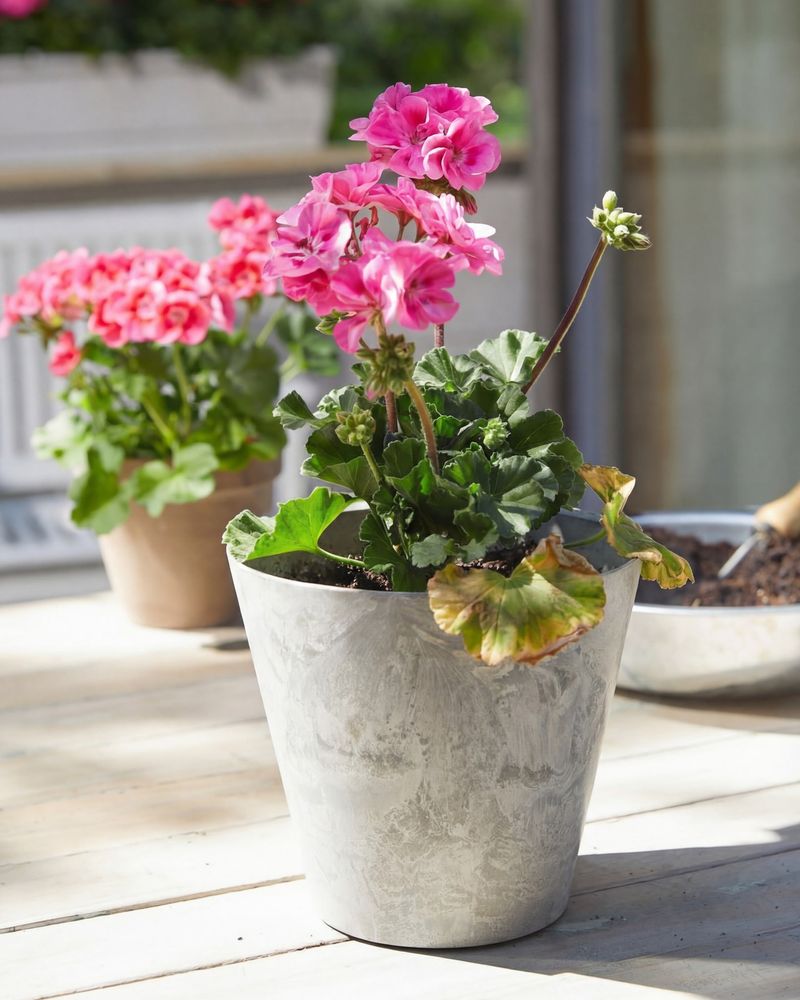
Even careful watering falls short if water has nowhere to go. Drainage is the quiet hero that keeps geranium roots happy and healthy.
Every container needs holes in the bottom. Without them, water collects at the base and creates a soggy zone where roots sit and struggle. Pretty pots without holes look nice but trap trouble inside.
The type of soil matters just as much. Heavy garden dirt packs down tight and holds water like a sponge. A light, fluffy potting mix made for containers lets extra moisture flow through while still holding enough for the plant.
You can boost drainage by mixing in perlite or coarse material that keeps the soil loose. These little pockets let air and water move freely, which roots love.
Your Michigan Garden Changes Every Week. Your Plan Should Too.
Gardening in Michigan changes quickly throughout the season. Every Friday you’ll receive a simple weekly plan showing exactly what to plant, prune, fertilize, harvest, and protect so you never miss the right timing.
When water pools around the roots for too long, they begin to weaken and rot. As roots fail, they cannot feed the plant, and yellow leaves show up as the first warning sign.
Check your pots after a heavy Michigan rain. If water sits on top of the soil for many minutes, drainage is too slow and needs help.
Raising containers on small feet or bricks helps water escape more easily. This simple step keeps the drainage holes from getting blocked by the surface below.
If a plant already looks stressed, gently lift it and check the roots. Firm, white roots mean things are fine, while dark, mushy ones tell you drainage needs fixing right away for a strong recovery.
3. Older Leaves Naturally Turn Yellow
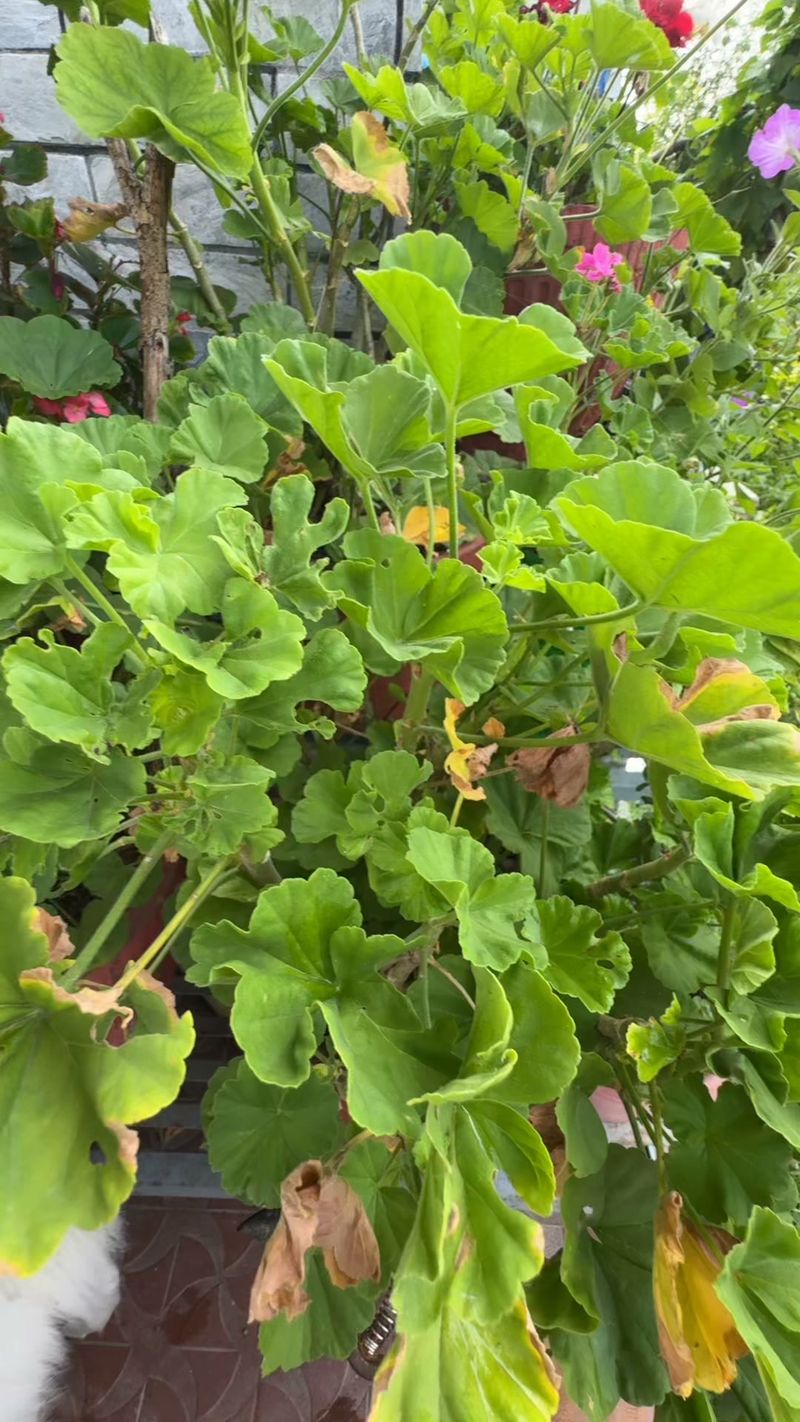
Before you panic over a yellow leaf, take a breath and look at the whole plant. Sometimes a single fading leaf is completely normal.
Just like trees drop old leaves in fall, geraniums let go of their oldest foliage over time. Those lower leaves near the base have done their job and slowly give up their green.
A plant sends its energy to fresh growth at the top. Older leaves at the bottom get less attention, so they yellow, fade, and eventually drop off on their own.
This kind of yellowing usually shows up on just a few leaves, not the entire plant. The rest of the geranium stays green, firm, and full of flowers.
Gardeners often worry too much when they spot one yellow leaf. If new growth looks strong and blooms keep coming, your plant is doing just fine.
You can gently pinch or snip off these tired leaves to keep the plant tidy. Removing them also helps air move around the stems and looks cleaner overall.
Trouble is more likely when many leaves yellow at once or when new growth also looks pale. That pattern points to a real issue worth checking.
Watching your plant over several days gives you the clearest picture. A slow, occasional yellow leaf here and there is simply part of a geranium growing and maturing.
So instead of reacting to every color change, step back and judge the plant as a whole. Healthy geraniums always trade a few old leaves for plenty of new ones.
4. Too Little Light Can Reduce Plant Vigor
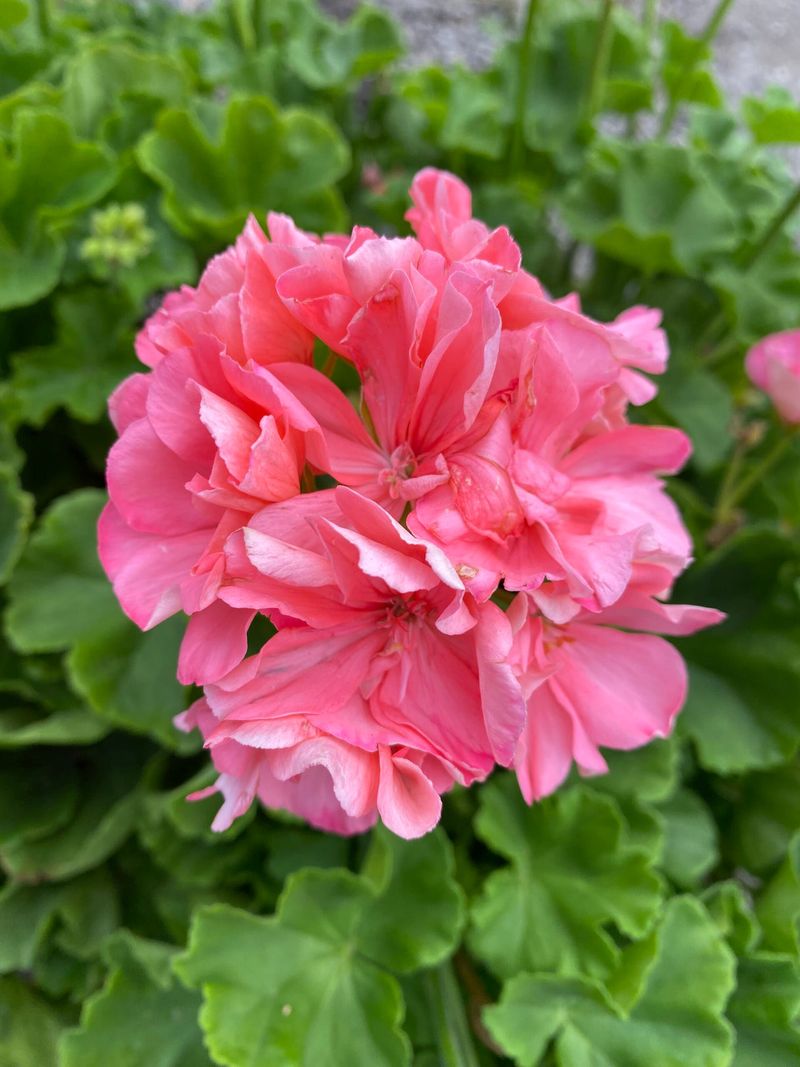
Sunshine is fuel for geraniums, and skimping on it shows fast. These plants crave bright light to grow strong and bloom their best.
Geraniums use light to make their own food. When they sit in a shady spot, they cannot produce enough energy, so growth slows and leaves start losing their rich green color.
Michigan summers offer plenty of sun, but placement still matters. A geranium tucked under a porch roof or behind taller plants might not catch the rays it needs.
Indoors, the challenge grows bigger. Windows block some light, and short winter days give plants far less than they get outside during warmer months.
Signs of low light include pale leaves, long stretched stems, and very few flowers. The plant reaches toward any light it can find, looking thin and floppy.
Aim for at least six hours of direct sun each day. A south or west facing window works well indoors, and a bright, open spot works best outside.
If you cannot offer enough natural light, a simple grow light can fill the gap. Placed a few inches above the plant, it keeps growth compact and green.
Rotate potted geraniums every few days so all sides get equal light. This keeps them growing evenly instead of leaning toward one direction.
Once your plant soaks up more sunshine, you should notice firmer leaves, richer color, and fresh buds forming. Light truly is one of the easiest fixes for a struggling geranium.
5. Dry Soil Can Also Cause Yellowing
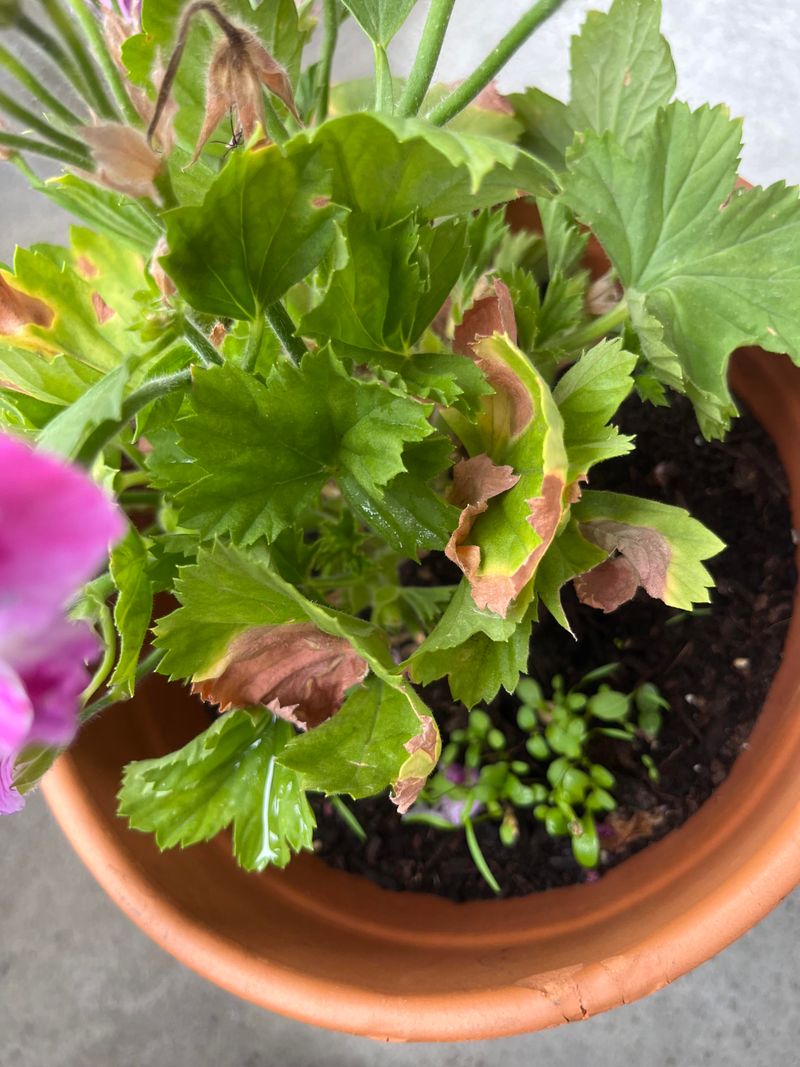
Too much water causes problems, but so does the opposite. When soil turns bone dry, geraniums feel the stress and their leaves show it.
Plants pull moisture from the soil to move nutrients through their stems and leaves. Without enough water, that whole system slows, and leaves begin to yellow or wilt.
Hot Michigan afternoons can dry a container out fast. Small pots especially heat up quickly and lose moisture faster than you might expect.
Brown, crispy edges often appear alongside the yellowing. These crunchy tips are a clear sign the plant went thirsty for too long.
When soil gets extremely dry, it can actually pull away from the sides of the pot. Water then runs straight down the gap and out the bottom without soaking in.
To fix that, water slowly and let it sink in, then water again. This gives the soil time to soak up moisture instead of shedding it.
Check containers daily during heat waves. Sticking your finger into the soil tells you quickly whether it feels dry an inch down.
Adding a layer of mulch on top helps hold moisture longer. It shades the soil and slows how fast the sun bakes it out.
Consistency makes a big difference. Geraniums do best when the soil dries slightly, then gets a good drink, rather than swinging between soaked and parched.
Once you settle into a steady rhythm, your plant bounces back. Fresh leaves come in green and firm, and the crispy edges stop appearing altogether.
6. Do Not Add Fertilizer Without Checking The Cause
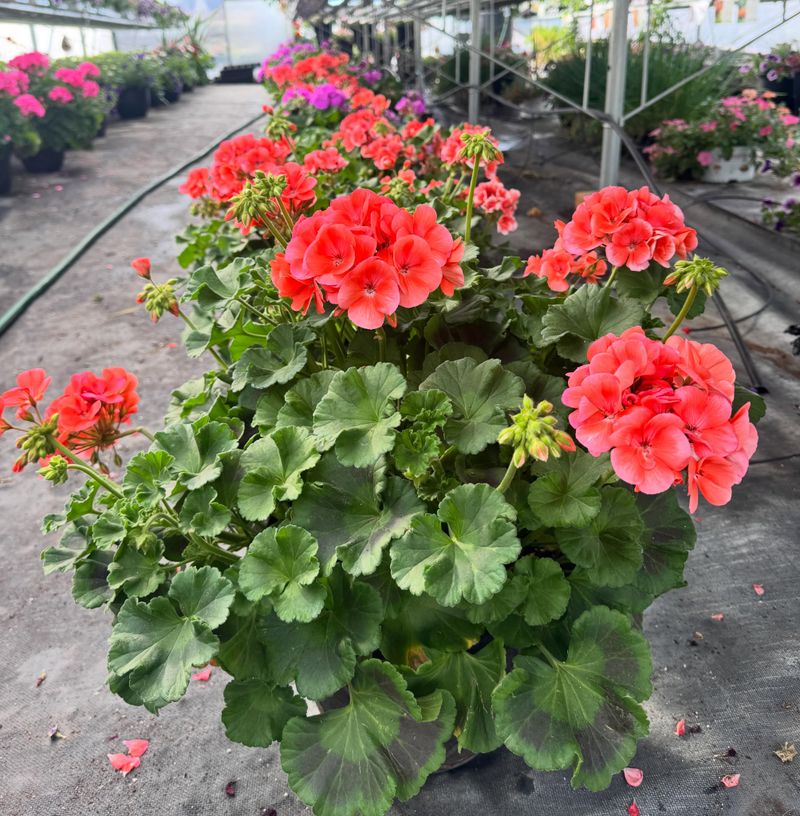
Reaching for plant food the moment you see yellow is a tempting move. Yet feeding a stressed geranium can sometimes make things worse.
Yellow leaves do not always mean the plant is hungry. Watering habits, drainage, light, and root health cause yellowing far more often than a lack of nutrients.
Adding fertilizer to soggy or damaged roots is like handing food to someone who is already sick. The roots cannot take it in, and the extra salts can burn them.
Before feeding, run through a quick checklist. Is the soil too wet or too dry? Does the pot drain well? Is the plant getting enough sun?
Only after ruling out those basics should you think about nutrients. If watering, light, and drainage all look good, a gentle feeding might help.
When you do fertilize, choose a balanced product made for flowering plants. Follow the label closely, since more is not better and can harm your geranium.
During the active growing season, a light feeding every few weeks usually works well. Overfeeding leads to weak, leggy growth and even more stress.
Watch how the plant reacts after each feeding. Healthy new leaves and steady blooms tell you the amount is just right.
Fixing the true cause first saves time and keeps your plant safe. Fertilizer helps a healthy geranium thrive, but it cannot rescue one struggling with wet roots or poor light.
Think of feeding as the final step, not the first. A little patience and observation go a long way toward a full recovery.
7. Check For Pests And Root Problems
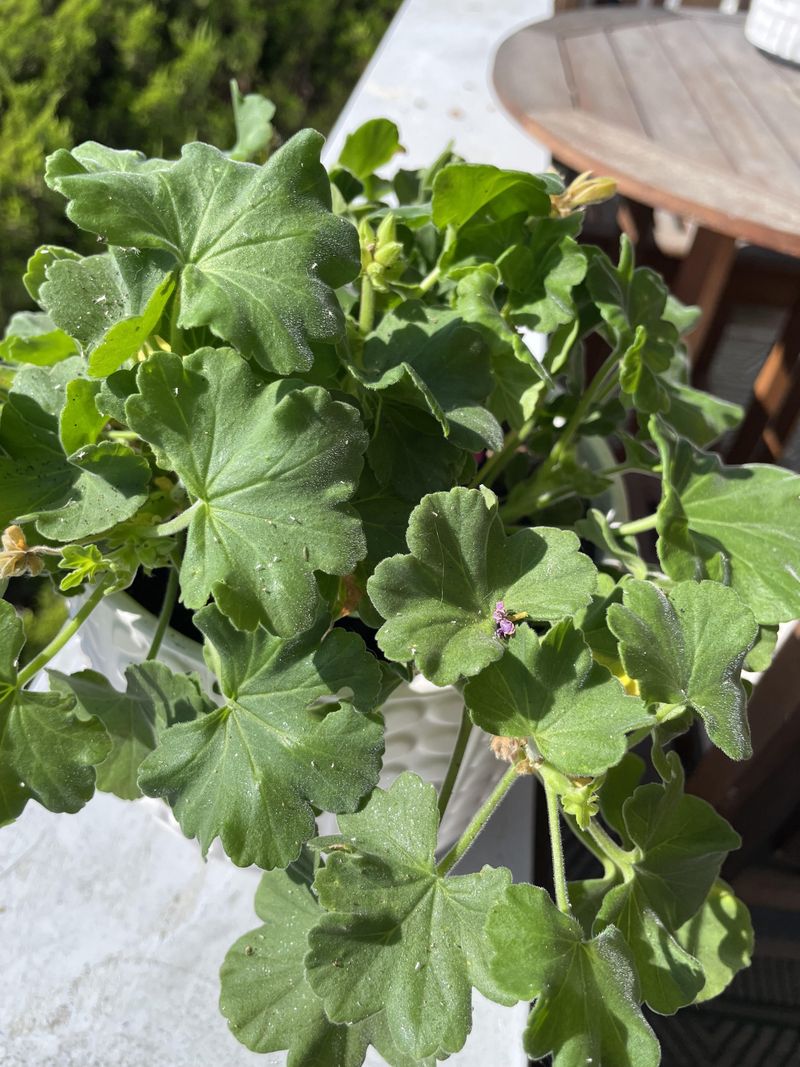
When yellowing spreads across the whole plant, it is time to play detective. Pests and hidden root troubles love to work out of sight.
Turn a few leaves over and look closely. Tiny insects like aphids, whiteflies, or spider mites gather underneath and quietly drain the plant of its strength.
These pests suck out plant juices, which leaves foliage looking pale, speckled, or yellow. You might also spot sticky residue or fine webbing as clues.
Stems deserve a look too. Soft, mushy, or discolored spots can signal disease creeping through the plant from the inside.
Roots tell the biggest story of all. Gently slide the plant from its pot and check the roots for firmness and color.
Healthy roots look white or tan and feel sturdy. Dark, slimy, or foul smelling roots mean rot has set in and needs quick action.
If you find pests, a spray of insecticidal soap or a strong blast of water often knocks them back. Repeat every few days until they are gone.
For root rot, trim away the damaged parts and repot in fresh, well draining soil. Cutting back on water gives the healthy roots room to recover.
Catching problems early makes a huge difference. Widespread yellowing paired with slowing growth is your signal to inspect right away.
Regular check ups keep small issues from turning into big ones. A quick weekly look under the leaves helps you stay one step ahead of trouble.
8. Correct The Growing Conditions First
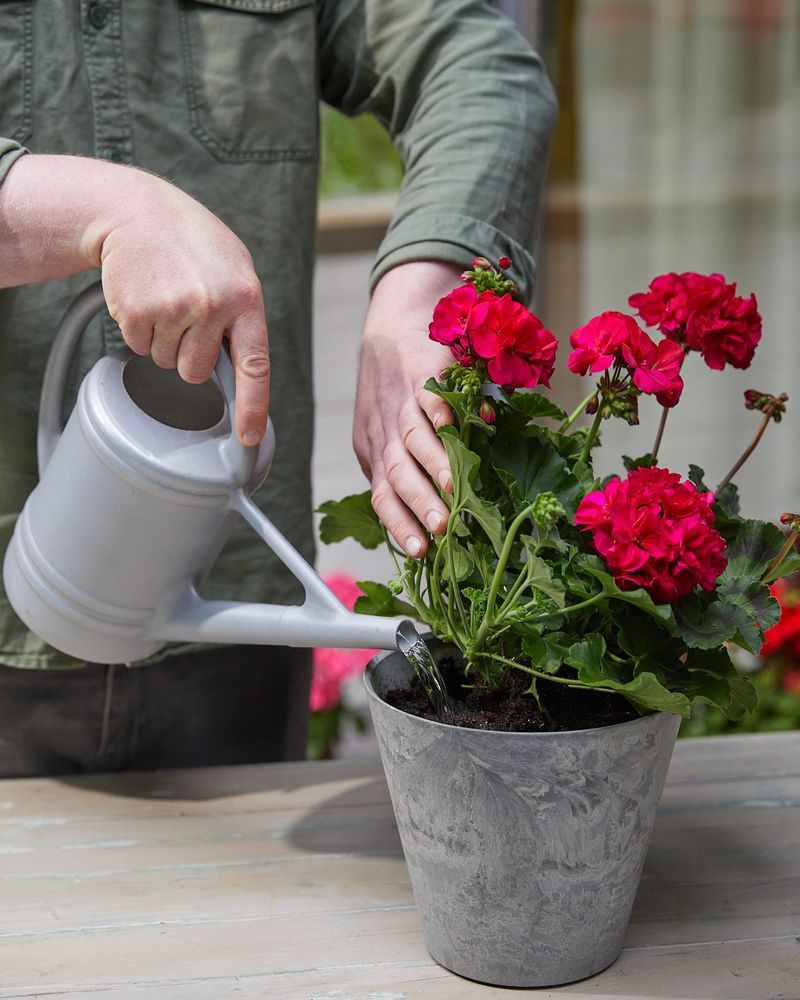
Bringing a yellowing geranium back to life comes down to fixing the basics. Get the conditions right, and the plant does the rest.
Start with water. Adjust your habits so the soil dries slightly between drinks, avoiding both soggy roots and bone dry spells.
Next, look at drainage. Make sure the pot has open holes and light, fluffy soil that lets extra water flow away easily.
Light comes third on the list. Move your geranium to a spot with at least six hours of direct sun so it can build energy.
Trim away the most damaged leaves once conditions improve. Removing them lets the plant pour its strength into fresh, healthy growth instead of struggling foliage.
Feeding fits in last. After watering, drainage, and light are sorted, a light, balanced fertilizer supports strong new leaves and blooms.
Give the plant time to respond. Recovery does not happen overnight, and new green growth usually appears within a couple of weeks.
Keep watching closely as your geranium settles in. Firm leaves, brighter color, and fresh buds are all signs your changes are working.
Patience pays off more than any quick fix. Steady care beats sudden dramatic changes that can shock the plant further.
Before long, your once faded geranium fills back out with lush leaves and cheerful flowers. A little attention to the essentials turns a struggling plant into a Michigan garden showstopper again, ready to shine all season long.