This Historic Connecticut Garden Is Filled With 4 Acres of Stunning Surprises and Secret ‘Rooms’
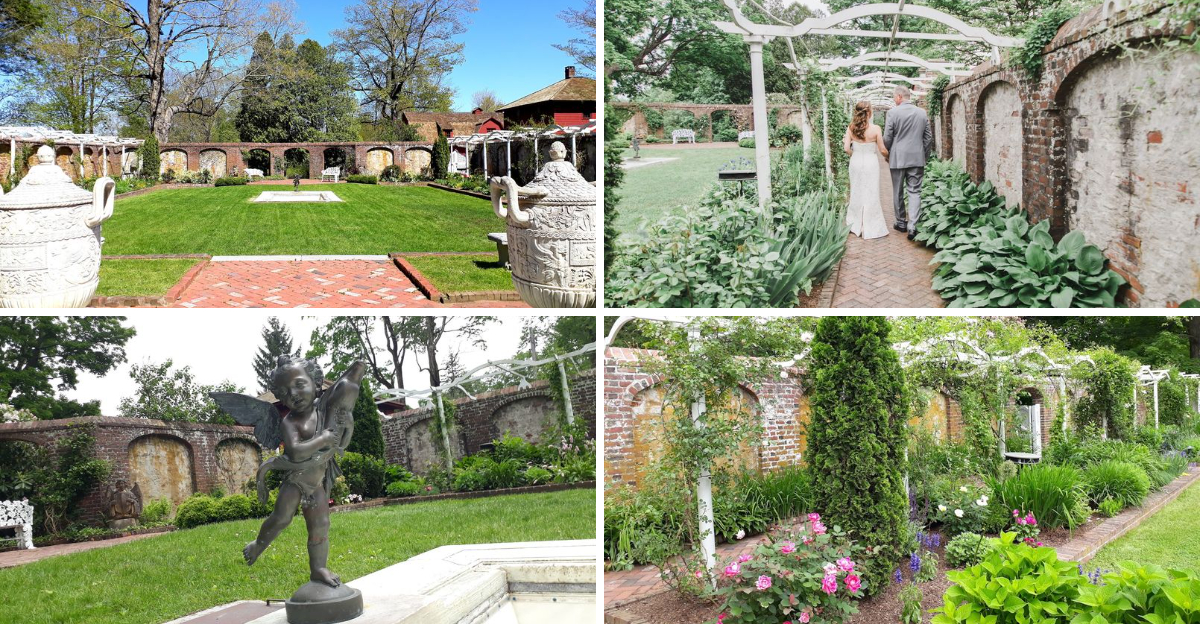
Somewhere in Connecticut, four acres of land hold a secret that most visitors never see coming. Behind a colonial tavern once frequented by soldiers and travelers, a hidden network of garden rooms tells a story the history books left out.
A cannonball still lodges in the corner post of the old building, a silent witness to a Revolutionary War skirmish. Walk past it, and the past stops feeling like something you read about and starts feeling like something you can touch.
Stone archways curve into shaded pathways, leading to spaces that shift character with every turn. One moment feels formal and structured, the next wild and untamed, as if the garden itself can’t decide which century it belongs to.
History buffs and plant lovers alike tend to leave this place saying the same thing: they had no idea it existed.
A Historic New England Property Hiding In Plain Sight

Some places wear their history loudly, but Ridgefield’s crown jewel keeps its secrets close. The Keeler Tavern Museum and History Center sits quietly on Main Street, looking almost ordinary from the road.
Step past the front gate and the story changes completely. Four acres of manicured gardens, hidden pathways, and centuries-old architecture unfold in front of you like a slow, beautiful reveal.
Built in the early 1700s, the property served as a tavern, a home, and eventually a beloved artist’s retreat. Each chapter left its mark on the land and the buildings in fascinating ways.
The garden design feels intentional and layered, almost like a puzzle built across generations. Visitors often say they discover something new on every single visit to this historic Connecticut garden.
Local historians consider this one of New England’s most underappreciated cultural landmarks. It sits in plain sight, yet somehow manages to feel like a closely guarded neighborhood secret.
The property blends formal garden structure with wild, organic beauty in a way that feels completely natural. Tall hedges frame open meadow spaces, and stone walls anchor beds of seasonal blooms.
Families, history buffs, and garden lovers all find something meaningful here. The experience shifts depending on what you bring to it, curiosity, nostalgia, or simple wonder.
If you have driven past without stopping, you have been missing one of the most rewarding outdoor experiences in the entire Northeast. The gate welcomes visitors most of the year, and the surprises never seem to run out.
A Cannonball Still Lodged In The Corner Post

Forget garden gnomes, this property has a cannonball stuck in its wall. During the British raid on Ridgefield in April 1777, a cannonball fired by British troops slammed into the tavern’s corner post.
No one has ever taken it out. That iron ball has been sitting there for nearly 250 years, a silent witness to one of the Revolutionary War’s lesser-known skirmishes.
The Battle of Ridgefield was a fierce, short clash that left real damage across the town. General Benedict Arnold, before his infamous betrayal, actually fought on the American side that day.
Your Connecticut Garden Changes Every Week. Your Plan Should Too.
Gardening in Connecticut changes quickly throughout the season. Every Friday you’ll receive a simple weekly plan showing exactly what to plant, prune, fertilize, harvest, and protect so you never miss the right timing.
Touching history like this is rare. Most museum artifacts sit behind glass, but this one is literally part of the building, embedded in the original timber frame.
Guides at the museum love pointing it out to first-time visitors. The reaction is almost always the same: wide eyes and a quick reach to touch the weathered wood around it.
It is a small thing, physically speaking. But standing next to it makes the Revolutionary era feel startlingly close and human in a way that textbooks simply cannot replicate.
The cannonball has become one of the most photographed details on the entire property. History lovers make the trip to Ridgefield specifically to see this single, remarkable artifact in person.
Some history lessons stick with you forever, and this one is literally stuck in wood. Standing beside it, you realize that this historic Connecticut garden holds far more than just flowers.
Walled Gardens Designed By A Renowned Architect
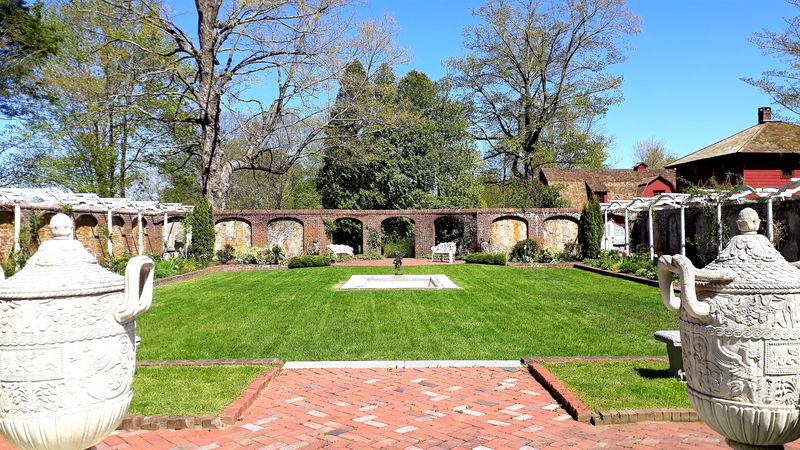
Not every garden gets a world-class designer. The formal walled garden at the Keeler Tavern Museum was designed by Cass Gilbert, one of America’s most celebrated architects of the early 20th century.
Gilbert is best known for designing the Woolworth Building in New York City. Seeing his design sensibility applied to a garden space is a genuinely unexpected treat for architecture and landscape fans alike.
He designed the walled enclosure in the years after purchasing the property in 1907, transforming it into his own family retreat. The garden became his personal sanctuary, a place built for beauty and quiet reflection.
The walls themselves are architectural statements. Built from local stone and brick, they rise with a commanding presence that gives the garden a sense of privacy and grandeur.
Gilbert used the walls to create a sense of enclosure that feels protective rather than confining. Once inside, the outside world disappears completely, replaced by birdsong and blooming borders.
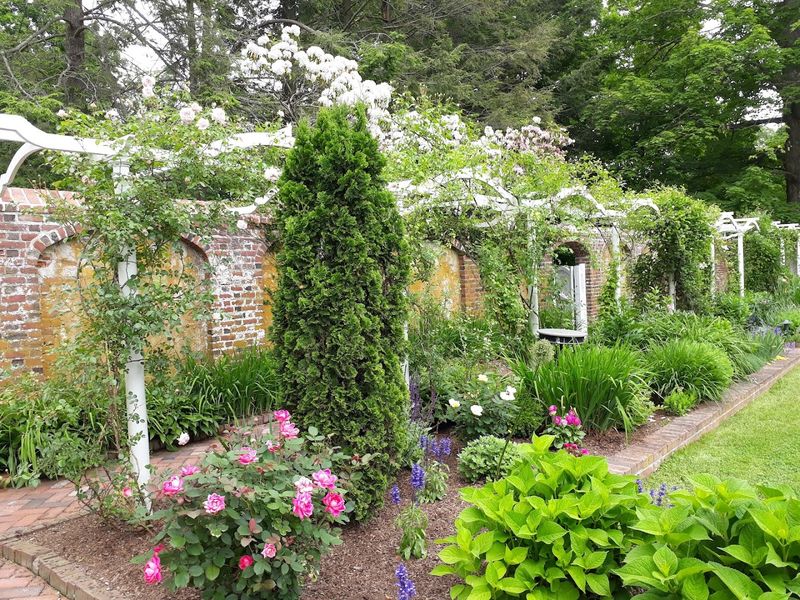
The planting design within the walled space changes with the seasons. Spring brings tulips and early perennials, while summer fills every corner with lush, layered color and fragrance.
Visiting during peak bloom is a genuinely emotional experience for plant lovers. The combination of architectural bones and soft planting creates a harmony that few gardens ever achieve.
Gilbert’s fingerprints are everywhere in the subtle proportions and thoughtful sight lines. This is garden design as high art, and it proves that great spaces always outlive their creators.
Stone Walls Create Rooms Within The Garden

Walking through a stone archway into a hidden garden room is a feeling you never forget. At the Keeler Tavern property, these archways are not decorative afterthoughts, they are the whole point.
Each passage leads somewhere distinct. One arch opens into a sunlit cutting garden. Another reveals a shaded seating area surrounded by climbing roses and ancient stone.
The concept of outdoor rooms was a popular design philosophy in the early 1900s. Designers believed gardens should function like houses, with distinct spaces serving different moods and purposes.
At this property, that philosophy was executed with remarkable skill. The transitions between spaces feel theatrical, like moving from one act of a play to the next.
Children especially love the sense of discovery here. Every archway is an invitation to wonder what comes next, and the answer rarely disappoints.
Adults respond differently, slower, quieter, more contemplative. The enclosed spaces invite you to sit, breathe, and actually absorb where you are rather than rushing to the next photo opportunity.
The stone itself has aged beautifully over the decades. Soft, weathered tones carry a warmth that newer construction simply cannot replicate.
Photographers visit specifically to capture light moving through these archways at golden hour. The resulting images look almost impossibly picturesque, like something staged for a magazine editorial.
But the real magic is standing inside one yourself. This historic Connecticut garden rewards those who slow down and let the space work its quiet, centuries-old charm on them.
Exploring The Keeler Tavern Museum Gardens

Exploring these grounds without a plan is actually the best plan. The four-acre layout rewards wandering, and every turn reveals something worth pausing over, a weathered sundial, a climbing vine, a forgotten bench.
Seasonal programming at the museum brings the gardens to life in new ways throughout the year. Spring garden walks, summer tours, and fall harvest events draw visitors back again and again.
Docent-led tours are available and genuinely worth taking. Guides share stories about the families who shaped this land, and those personal details transform the garden from pretty to profound.
Self-guided visitors get a different but equally rewarding experience. Walking at your own pace lets you linger in the spots that speak to you most, without any schedule pressure.
The herb garden is a particular favorite among culinary-minded guests. Planted with varieties that would have been common in colonial kitchens, it connects visitors to everyday life centuries ago.
Benches are placed throughout the property with genuine care. Each one faces something worth looking at, a flowering border, a stone wall, or a sweeping view across the grounds.
Accessibility improvements in recent years have made more of the property reachable for visitors with mobility needs. The museum team works hard to make this experience welcoming and inclusive for everyone.
Bring comfortable shoes and a full afternoon. The Keeler Tavern gardens are the kind of place that earns a second visit before you have even finished the first.
Visiting The Keeler Tavern Museum And History Center
Planning a visit is easier than you might expect. The Keeler Tavern Museum and History Center is located at 132 Main Street in Ridgefield, Connecticut, just about an hour from New York City.
Hours vary by season, so checking the museum’s official website before heading out is a smart move. Admission is affordable, and group rates are available for larger parties and school visits.
The museum gift shop carries locally made items, books on regional history, and garden-themed gifts. It is the kind of shop where you actually want to browse rather than just pass through.
Parking is available on-site and along nearby Main Street. Ridgefield itself is a charming town worth exploring before or after your museum visit.
Several excellent restaurants and cafes sit within easy walking distance of the property. Turning your garden visit into a full day trip is a very natural and satisfying choice.
Special events throughout the year include garden parties, historical reenactments, and family-friendly programming. Following the museum on social media is the best way to stay current on upcoming offerings.
The museum staff is known for being warm, knowledgeable, and genuinely passionate about sharing this place with the public. Their enthusiasm is contagious and adds real depth to every visit.
This historic Connecticut garden is the kind of place that stays with you long after you leave. Come for the cannonball, stay for the secret rooms, and leave already planning your return.