The Reason Giant Desert Centipedes Show Up Around Arizona Homes
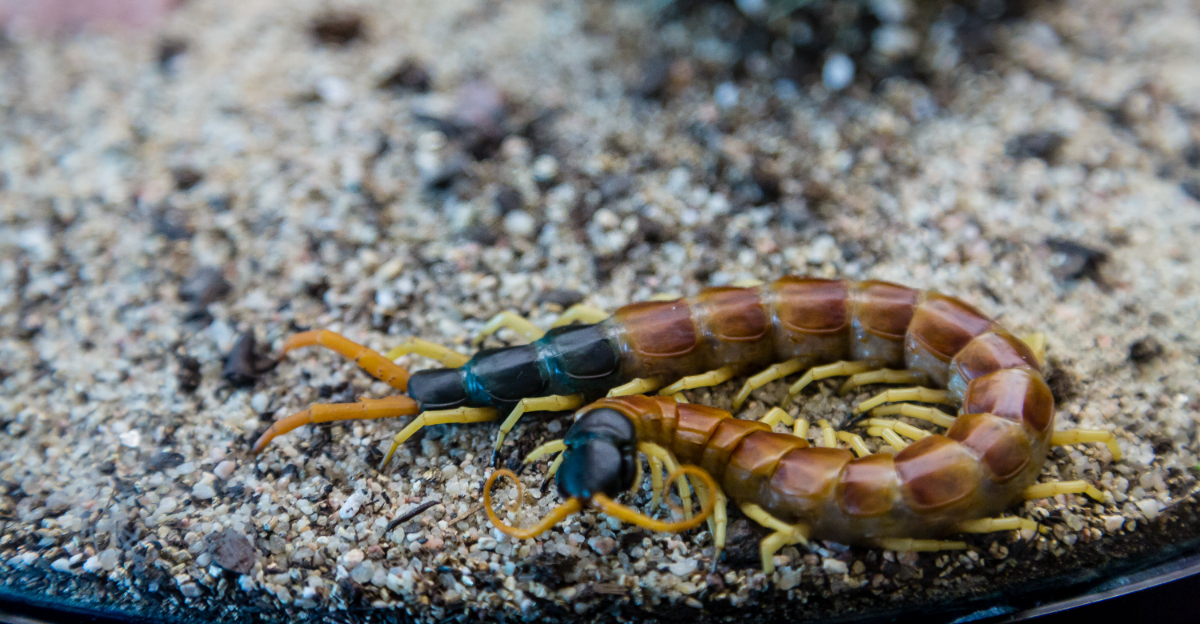
Seeing a giant desert centipede near your home is enough to get anyone’s attention. Their size, speed, and sudden appearance make them one of the most startling creatures people encounter in the desert.
It is easy to believe they showed up for no reason. They usually appear because changing conditions around your home have made the area worth exploring.
Most sightings happen for a reason, not by chance.
Desert wildlife constantly responds to heat, moisture, and available shelter. Giant desert centipedes are no different, even if their movements seem completely unpredictable at first.
Arizona homeowners often notice them during the hottest part of the year. Understanding what attracts them can make those unexpected encounters far less confusing.
The next sighting may tell you more about your yard than you realize.
Once you know what is drawing them closer, the timing makes much more sense.
1. They Follow Insects That Provide An Easy Food Source
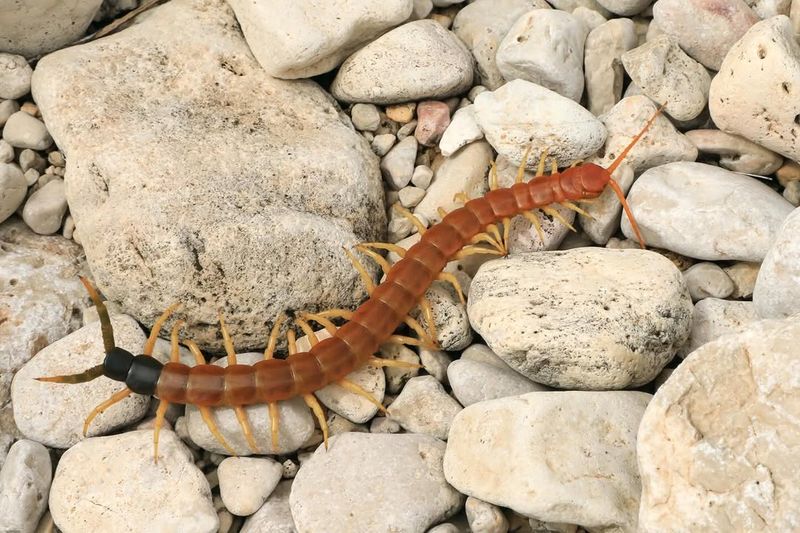
Food is the number one reason a giant desert centipede shows up near your home. Crickets, cockroaches, beetles, and other insects are prime targets.
Wherever those bugs gather, centipedes are likely to follow.
Most yards attract insects without homeowners even realizing it. Fallen fruit, open trash bins, pet food left outdoors, and standing water all bring bugs in.
A steady insect population near your home is essentially an open invitation for centipedes.
Centipedes are skilled hunters. They move quickly and use venom to subdue prey before consuming it.
A yard full of insects gives them everything they need to stick around long-term.
Reducing insect activity is one of the most practical ways to make your yard less appealing. Seal trash cans tightly.
Bring pet food inside after feeding time. Remove anything that holds moisture or food residue outdoors.
Keeping outdoor lights off when not needed also helps, since lights pull insects in at night. Fewer insects means less reason for centipedes to linger around your property.
It takes consistent effort, but cutting off their food supply is a highly effective approach to reducing sightings over time.
2. Damp Areas Give Them Relief From Dry Conditions
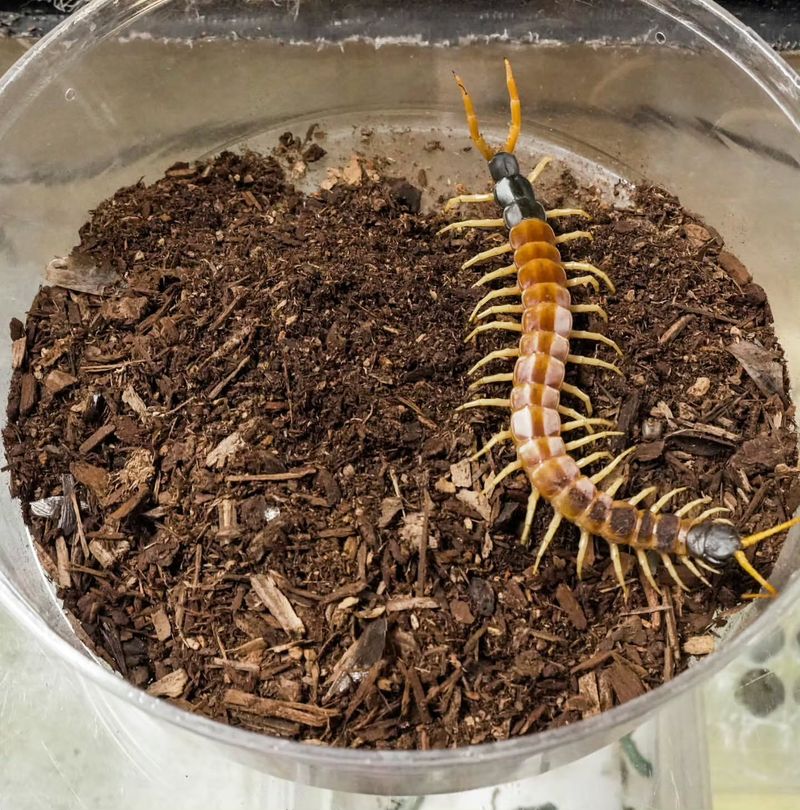
Desert centipedes need moisture to survive. The dry heat across the Southwest pushes them to seek out any damp spot they can find.
Your yard may offer more of that than you think.
Leaky hoses, dripping faucets, and overwatered garden beds create pockets of moisture that centipedes actively seek out. Even a small puddle near an air conditioning unit can be enough to draw them in on a hot day.
Shaded soil that stays moist after irrigation is another common attractant. Centipedes tend to rest in cool, humid spots during the day and become active at night.
A well-watered garden can unintentionally create ideal resting conditions for them.
Checking for moisture issues around your home is a smart first step. Fix dripping outdoor faucets and inspect irrigation lines for slow leaks.
Make sure water drains away from your foundation instead of pooling nearby.
Gutters that overflow or drain close to the house can also create wet zones along the perimeter. Adjusting your watering schedule to allow soil to dry between sessions can reduce moisture buildup.
Your Arizona Garden Changes Every Week. Your Plan Should Too.
Gardening in Arizona changes quickly throughout the season. Every Friday you’ll receive a simple weekly plan showing exactly what to plant, prune, fertilize, harvest, and protect so you never miss the right timing.
Less standing water and fewer damp hiding spots make your yard noticeably less comfortable for centipedes looking for relief from the heat.
3. Rock Piles And Yard Debris Offer Safe Hiding Places
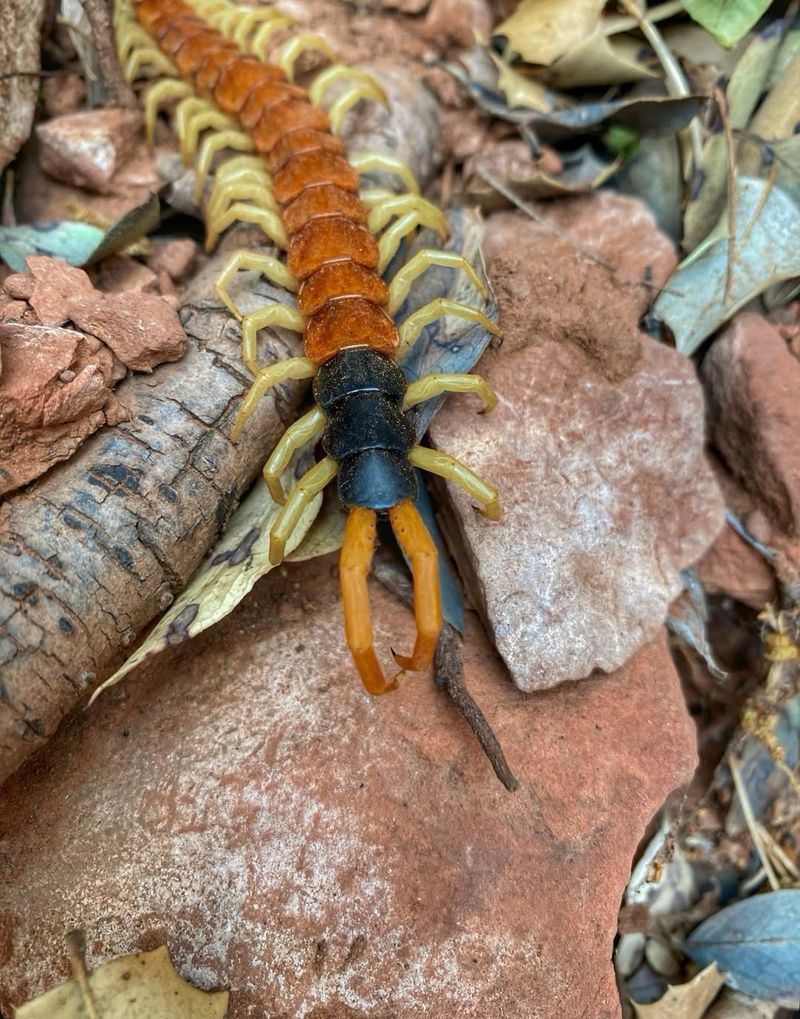
Rocks, wood piles, and scattered yard debris are some of the most common centipede hideouts in residential areas. These spots provide shade, protection from predators, and a stable resting place during daylight hours.
Decorative rock landscaping is popular in desert yards, and centipedes take full advantage of it. Flat rocks sitting directly on soil are especially attractive.
The underside stays cool and slightly humid, which is exactly what centipedes prefer when they are not actively hunting.
Stacked firewood near the house is another frequent hiding spot. Logs hold moisture, create gaps, and often harbor the insects centipedes feed on.
Keeping firewood stored away from the home and elevated off the ground reduces these opportunities significantly.
Leaf litter, old mulch, and forgotten garden equipment also provide cover. Anything that sits undisturbed for days creates a potential shelter.
Regularly moving and clearing these items disrupts centipede activity and makes your yard less hospitable.
Gravel beds that sit against the foundation are worth paying attention to as well. Centipedes can rest beneath the surface layer and move along the base of the house undetected.
Pulling gravel slightly away from the foundation and keeping the area clear of debris can reduce how close they get to your walls and entry points.
4. Outdoor Lighting Attracts The Insects They Hunt
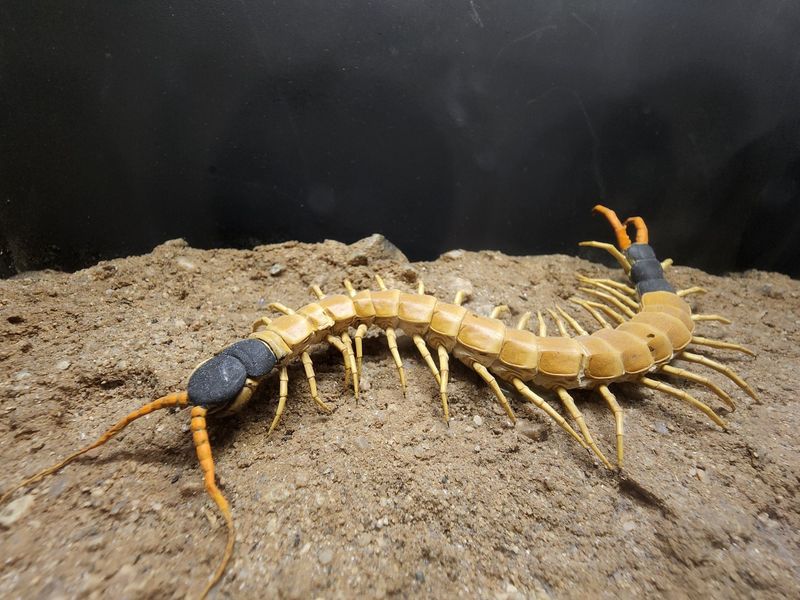
Outdoor lights do more than brighten your porch. At night, they pull in moths, beetles, flies, and other flying insects that centipedes actively hunt.
Leaving lights on all night essentially sets a buffet table right outside your door.
Centipedes do not come for the light itself. They come for the insects that gather around it.
A busy porch light on a warm night can attract dozens of bugs within an hour, and predators like centipedes quickly learn where reliable hunting grounds are located.
Switching to yellow or amber bulbs can help. These wavelengths are less attractive to most insects compared to standard white or blue-toned lights.
Motion-sensor lights are another option since they only activate when needed instead of running all night.
Positioning lights away from entry points also reduces the problem. Mount lights on poles farther from doors and windows so insects gather away from the house.
This keeps the bug activity, and the centipedes that follow, at a safer distance.
Turning off unnecessary lights before bed is one of the simplest changes you can make. Fewer bugs near the home means fewer reasons for centipedes to patrol that area.
Small lighting adjustments can lead to a noticeable drop in nighttime centipede activity around your property over time.
5. Warm Nights Bring Them Out To Search For Prey
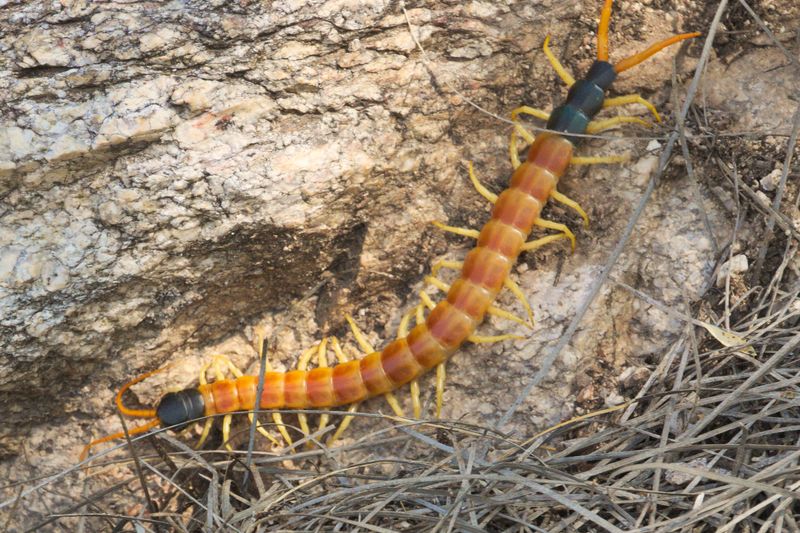
Centipedes are most active when temperatures are warm. In Arizona, summer nights rarely cool down enough to slow them.
That steady nighttime warmth keeps them moving, hunting, and exploring well into the late hours.
Unlike many insects that are tied to specific seasons, giant desert centipedes can remain active for much of the year in warm desert regions. Spring and summer bring the highest activity, but mild fall nights can still produce sightings.
Warm concrete, asphalt, and stone retain heat after sunset. Centipedes move along these surfaces because the warmth keeps their muscles responsive and their speed up.
Patios, driveways, and walkways are common places to spot them after dark.
If you spend time outside at night during warmer months, wearing shoes and using a flashlight is genuinely useful. Centipedes blend into surroundings well and can be hard to see without direct light.
Being aware of where you step near rock edges, garden borders, and shaded corners is a practical habit to build.
There is not much you can do about nighttime temperatures, but understanding the pattern helps. Expect more activity on nights above 75 degrees.
Checking around entry points and sealing gaps before summer peaks can reduce how often they wander toward your doors during their nightly search for prey.
6. Gaps Around Doors And Foundations Let Them Wander Inside
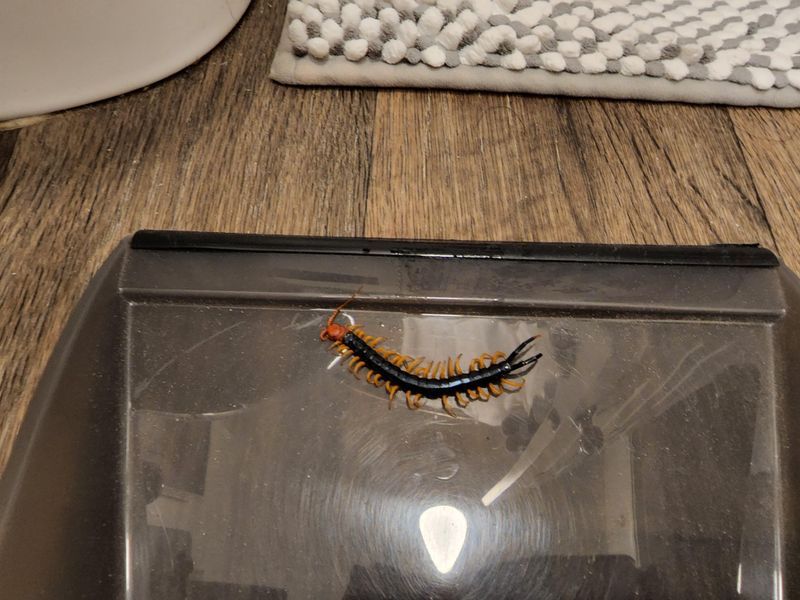
A gap as small as a quarter inch is enough for a centipede to squeeze through. Worn door sweeps, cracked foundation edges, and gaps around utility pipes are common entry points that often go unnoticed until something shows up inside.
Centipedes do not seek out human spaces on purpose. They follow scent trails from insects, cool air from climate-controlled interiors, or moisture near plumbing.
Once they find an opening, they move through it without hesitation.
Inspecting the base of every exterior door is a good starting point. If light comes through under the door, so can centipedes.
Replacing worn door sweeps and installing tight-fitting weatherstripping can close off those entry points quickly and affordably.
Foundation cracks are worth checking as well. Even hairline cracks near ground level can serve as entry points.
Sealing them with appropriate caulk or expanding foam creates a barrier that helps keep crawling pests outside where they belong.
Pipe entry points in garages, laundry rooms, and utility areas are often overlooked. Gaps around pipes can be sealed with foam backer rod or caulk depending on the material.
Checking these spots once a season keeps your home better protected. A thorough inspection of your home’s exterior takes less than an hour and can make a meaningful difference in reducing indoor centipede encounters.
7. Monsoon Moisture Often Increases Backyard Sightings
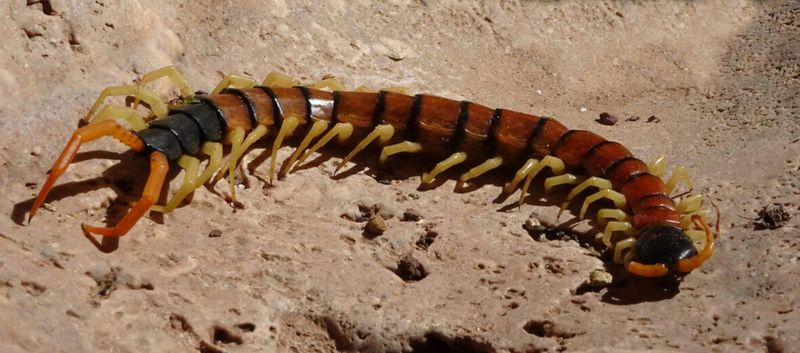
Monsoon season changes everything in the desert. Rain soaks into dry ground fast, insects emerge in large numbers, and centipede activity spikes noticeably.
Homeowners who rarely see them during dry months often report multiple sightings during and after monsoon storms.
Heavy rain pushes centipedes out of underground burrows and soil cracks. Saturated ground gives them no comfortable place to rest, so they move toward drier, elevated surfaces.
Patios, walls, and the perimeter of homes become common travel routes during these periods.
Monsoon rains also trigger massive insect hatches. Flying termites, beetles, and gnats appear in huge numbers after storms.
Centipedes follow that surge in prey activity and become much more visible in backyards as a result.
Clearing drainage paths around your yard before monsoon season helps reduce pooling. Water that drains quickly gives centipedes less reason to relocate toward your home.
Checking window screens and door seals before the rainy season starts is also a worthwhile habit in Arizona.
After a storm, walking your yard perimeter in the morning can help you spot areas where centipedes are concentrating. Noting those spots helps you prioritize where to focus exclusion efforts.
Monsoon season is temporary, but preparing ahead of time reduces how much disruption it causes around your home each year.