What It Really Means When Deer Start Feeding In Your Pennsylvania Garden At Dusk
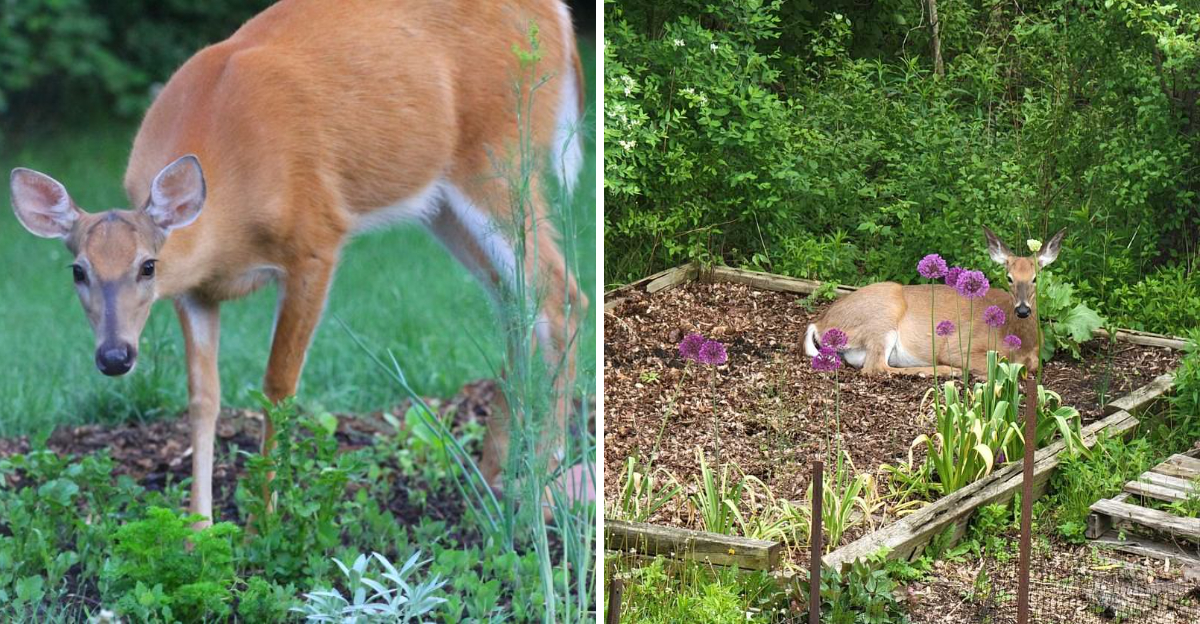
A Pennsylvania garden can look peaceful at the end of the day.
The light softens. The tree line darkens. The vegetable bed cools down after a warm afternoon, and the hostas look calm beneath the shrubs.
Then a white-tailed deer steps out of the shadows and lowers its head like the whole yard belongs to it.
The first visit can feel almost magical.
The fifth visit feels different. By then, the tulips are gone, the beans look clipped, the hostas are ragged, and a narrow path through the grass suddenly looks less accidental.
Deer at dusk are not usually lost, confused, or acting strangely. They are following a natural feeding rhythm and returning to a place that feels safe, quiet, and worth the trip.
That pattern matters because repeated visits can turn into a routine fast.
So what does it really mean when deer start feeding in your Pennsylvania garden at dusk?
It means your yard has entered their evening route, and the sooner you understand why, the easier it is to protect your plants.
1. Dusk Feeding Fits Normal Deer Timing
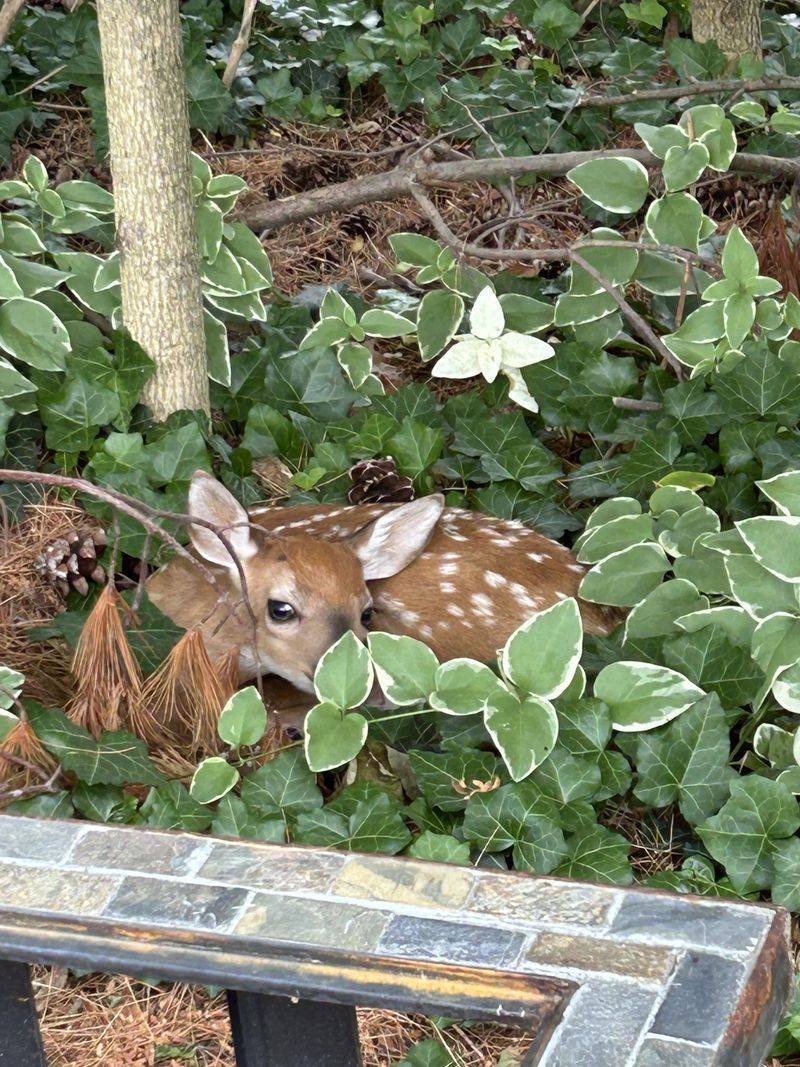
Dusk is prime deer time.
White-tailed deer are most active during the low-light hours around dawn and dusk. That timing helps them feed when the day is cooler, human activity is lower, and shadows give them more cover.
Your garden just happens to sit inside that natural schedule. A deer stepping out near sunset is not behaving oddly. It is doing what deer have done for generations.
Pennsylvania evenings make that pattern easy to notice. In summer, long daylight can push feeding later. In fall, shorter days bring activity into an earlier window.
The garden may become part of that rhythm. Tender leaves, fruiting plants, flowers, and watered beds are all easier meals than tougher roadside growth.
Low light also gives deer confidence. They can see well in dim conditions and move quietly through familiar routes.
Neighborhood routines help them too. Deer learn when dogs go inside, when people stop mowing, and when roads become calmer.
A yard that feels busy at 5 p.m. may feel safe by 8 p.m.
That is why evening sightings repeat. The deer are not guessing each night. They are using a time slot that works.
Understanding the timing helps you act earlier.
Protective steps placed before dusk often work better than reacting after the first bite is already taken.
2. Repeated Visits Reveal A Safe Route
One deer sighting can be chance.
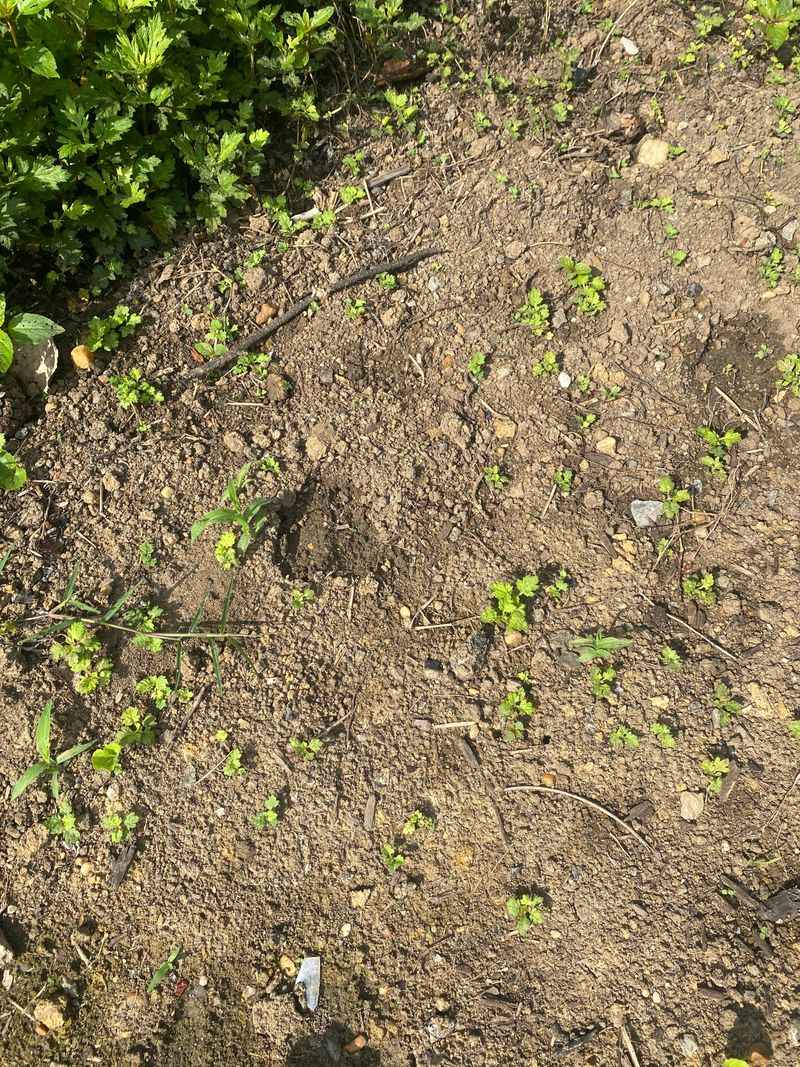
Repeated visits from the same direction usually mean a travel route has formed. Deer like familiar paths because familiarity lowers risk. Once a route leads safely to food, they often return to it again and again.
Look for tracks in soft soil. Deer hoofprints are larger than rabbit or squirrel tracks and often appear near bed edges, fence gaps, or muddy lawn corners.
Check for droppings. Small dark pellet clusters near the same entry point are a strong clue.
Look for narrow trails through tall grass. Deer often use the same path until the vegetation bends or wears down.
Your Pennsylvania Garden Changes Every Week. Your Plan Should Too.
Gardening in Pennsylvania changes quickly throughout the season. Every Friday you’ll receive a simple weekly plan showing exactly what to plant, prune, fertilize, harvest, and protect so you never miss the right timing.
Fence gaps matter. A low spot, broken board, sagging wire, or open corner can become the preferred entrance.
Watch hedgerows and brushy edges. Deer may pause there before stepping into the open garden.
The entry route matters more than the feeding spot. Protecting one hosta bed helps, but blocking the comfortable access path changes the whole pattern.
Walk the perimeter in daylight. Look at ground level, not only eye level.
A deer can slip through a surprisingly small opening when the reward is familiar.
Once you find the route, you can interrupt the habit. Add fencing, repair gaps, shift lighting, or place protection where the deer first enters.
The path tells you what the deer already knows: your garden has become easy to reach.
3. Fresh Browsing Shows Preferred Plants

Deer leave messy evidence.
They do not clip leaves as cleanly as rabbits. Their feeding often leaves torn, ragged stems because deer pull and tear plant tissue rather than making neat cuts.
Look at the height of the damage. Browsing between about two and five feet above ground often points toward deer.
Hostas are a classic target. Many Pennsylvania gardeners learn this the hard way after one quiet evening.
Tulips, daylilies, lettuce, beans, peas, and young fruit tree shoots can also draw attention.
Vegetable transplants are especially vulnerable. Tender new growth is soft, nutritious, and easy to reach.
Flower buds may vanish first. Deer often take the most valuable part of the plant before the foliage looks badly damaged.
Shrubs show stripped lower leaves. New shoots may be shortened or broken where the deer tugged.
Fruit trees may show nibbled growth or bark damage in colder months.
Pair the damage with tracks. Ragged leaves plus hoofprints make the diagnosis much stronger.
Do not blame deer for every missing plant. Rabbits, groundhogs, insects, and storm damage can leave different clues.
Knowing the favorite plants helps you prioritize.
Protect the plants deer choose first, because those are the ones that turn a passing visit into a repeated stop.
4. Nearby Cover Makes Entry Easier
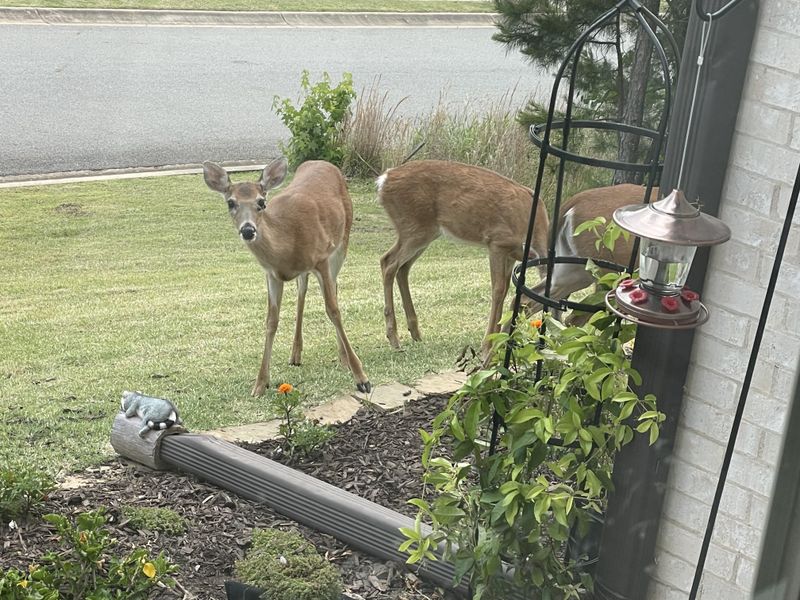
Deer prefer a hidden approach.
A garden beside woods, brush, hedgerows, creek corridors, or overgrown property lines is naturally easier for deer to visit. They can stay concealed until the last few steps, then feed and retreat quickly.
Pennsylvania landscapes often create this edge habitat. Forest, lawn, garden, pasture, and roadside growth sit close together in many neighborhoods.
Deer use those edges well. They do not need deep wilderness to feel secure.
A brushy fence line can become a staging area. Deer may stand there until the yard quiets down.
Dense shrubs near the garden offer the same advantage. They create a hidden waiting zone close to food.
Creek banks can serve as travel corridors. Waterways often link several yards and wooded patches.
Overgrown corners matter too. A small neglected area can give deer enough cover to approach confidently.
The answer is not stripping every natural feature from the yard. Many birds, pollinators, and other wildlife benefit from cover.
The goal is making the final approach less convenient.
A fence section near the brush line, a thorny buffer, a motion-activated sprinkler, or a more open transition zone can help.
Deer like easy, low-risk movement.
Change the comfort of that approach, and the garden becomes less inviting at dusk.
5. Tender Growth Offers Easy Forage
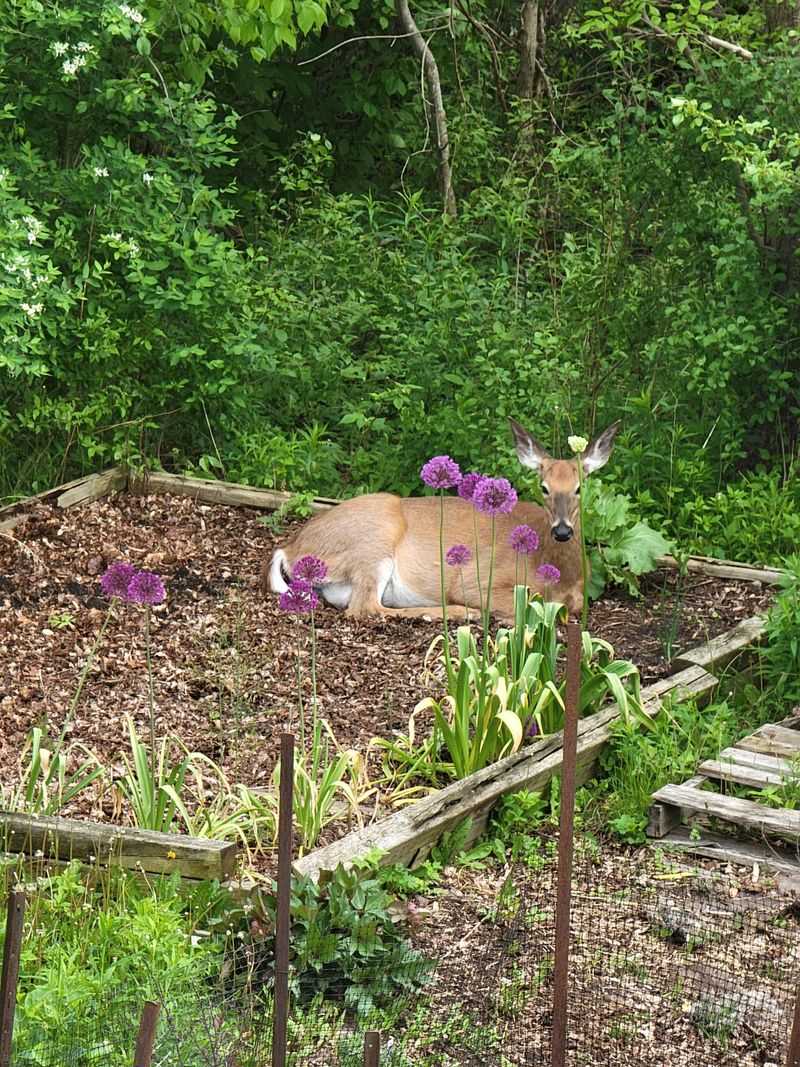
A well-cared-for garden is very appealing.
Watered beds produce soft leaves. Fertilized plants push tender new growth. Recently pruned shrubs respond with fresh shoots. To a deer, all of that looks like high-quality food placed exactly where evening cover is nearby.
New growth is often the first to go. It has more moisture and is easier to tear than older, tougher leaves.
Vegetables are obvious targets. Beans, peas, lettuce, beet greens, and young brassicas can disappear quickly.
Ornamentals are not safe either. Hostas, daylilies, tulips, phlox, roses, and many young shrubs can all attract feeding.
Spring pressure can be intense. Fresh garden shoots may appear before plenty of natural vegetation has filled in.
Late summer and fall bring another push. Deer need energy as seasons shift, and gardens can still offer rich forage.
Young fruit trees need protection. Soft shoots and bark can draw attention when other foods decline.
Irrigation can increase appeal. A green bed during a dry spell stands out from surrounding vegetation.
Heavy nitrogen can make plants even softer. Lush growth may recover well for you, but it can also invite browsing.
Tender does not mean doomed. It means those plants should be protected first.
A deer feeding at dusk is often choosing the easiest nutrition in the area.
Your garden may be winning that contest without you realizing it.
6. Repeated Access Builds A Routine
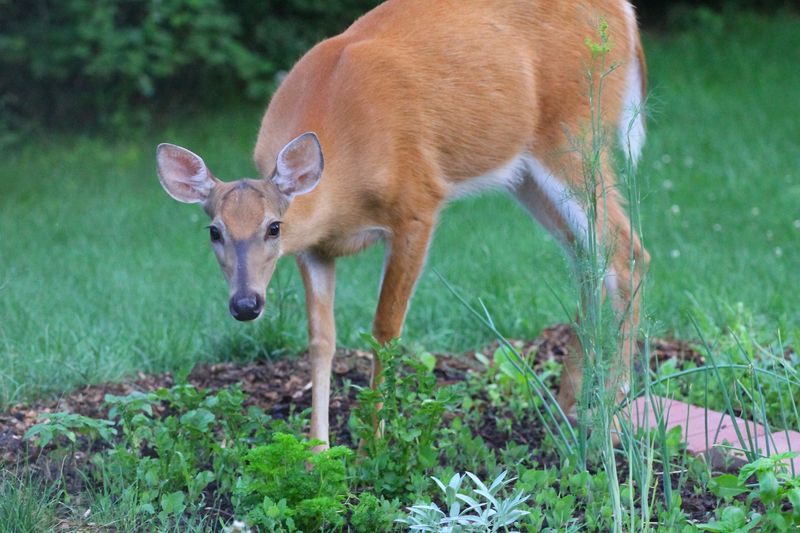
A successful visit teaches a lesson.
When a deer feeds in your garden and leaves undisturbed, that experience becomes useful memory. The path was safe. The food was good. The timing worked. The next visit becomes more likely.
That is how a habit begins.
One evening of browsing may not seem serious. A week of browsing can establish a routine that becomes much harder to break.
Deer are observant. They learn which yards have dogs, which gates stay open, and which beds offer the best food.
They also learn failed deterrents. A sound, scent, or light that never causes real consequence becomes background noise.
Early response matters. Protecting plants after the first signs of browsing is easier than waiting for major damage.
Do not let deer sample freely while you decide. Every successful feeding trip reinforces the route.
Move deterrents around. A static object loses surprise fast.
Rotate repellents as labels allow. Scent-based products often work better when deer have not become accustomed to them.
Pair repellents with barriers. Smell alone rarely beats a strong feeding habit.
Focus on the entry path. Interrupting the route can break the routine faster than treating each plant separately.
Deer habits are easier to prevent than erase.
Once your garden becomes part of their dusk schedule, consistency is the only way to make them reconsider.
7. Install Barriers Before Damage Spreads
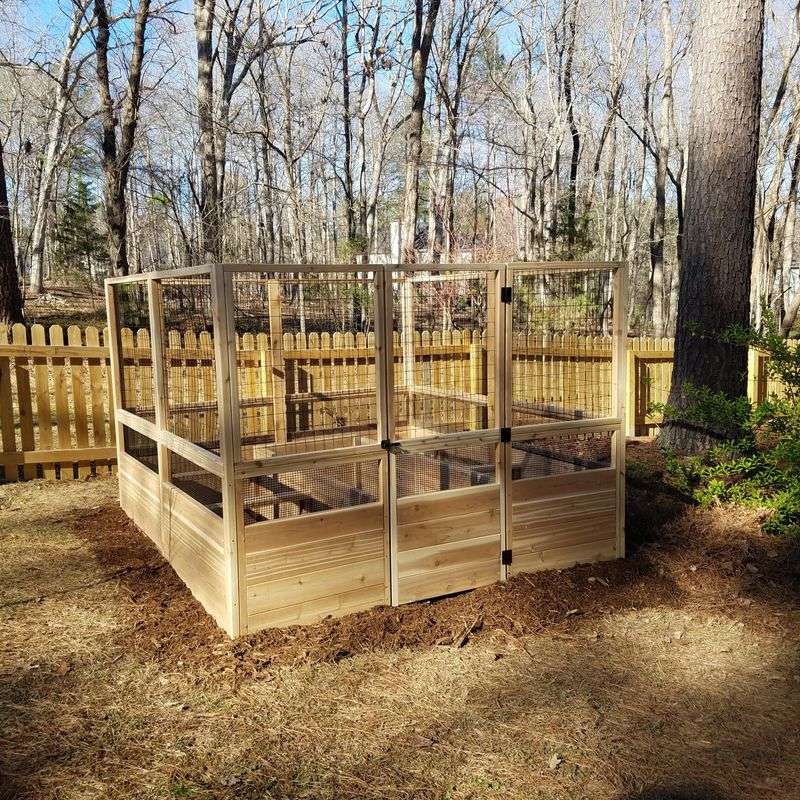
Physical barriers are the most reliable protection.
Repellents can help, and scare devices may buy time, but fencing and cages protect plants directly. For high-value beds, young trees, vegetables, and favorite ornamentals, barriers are often the difference between recovery and repeated loss.
A full deer fence needs serious height. White-tailed deer can jump impressively when motivated.
Eight feet is a common target for reliable exclusion. Shorter fences may work in small enclosed spaces, but hungry deer can test them.
Small areas are easier to protect. A vegetable bed, young orchard row, or prized shrub grouping can be fenced separately.
Wire cages work well for individual plants. Young fruit trees, roses, hydrangeas, and new shrubs benefit from direct protection.
Netting can protect seasonal crops. It must be secured at the edges so deer cannot push underneath.
Gate gaps are common failure points. A fence with a loose or low gate is not a finished barrier.
Check the bottom edge. Deer may nose under flexible fencing where it lifts from the ground.
Use sturdy posts. A sagging fence becomes less intimidating and less effective.
Check local rules before installing tall fencing. Some Pennsylvania municipalities have height or placement limits.
Start with the plants you care about most.
A small, well-built barrier today beats a perfect plan that arrives after the garden has already been stripped.
8. Plant Choice Can Lower The Buffet Effect
No plant is truly deer-proof.
That truth saves disappointment. Hungry deer may sample almost anything, especially during high-pressure seasons. Still, some plants are browsed less often because of texture, scent, taste, or toughness.
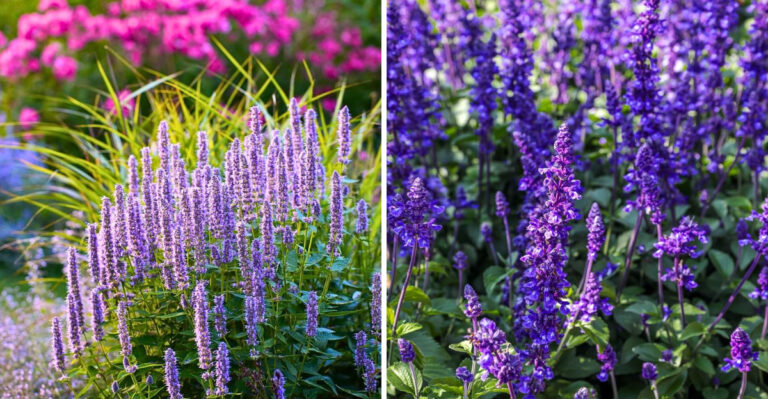
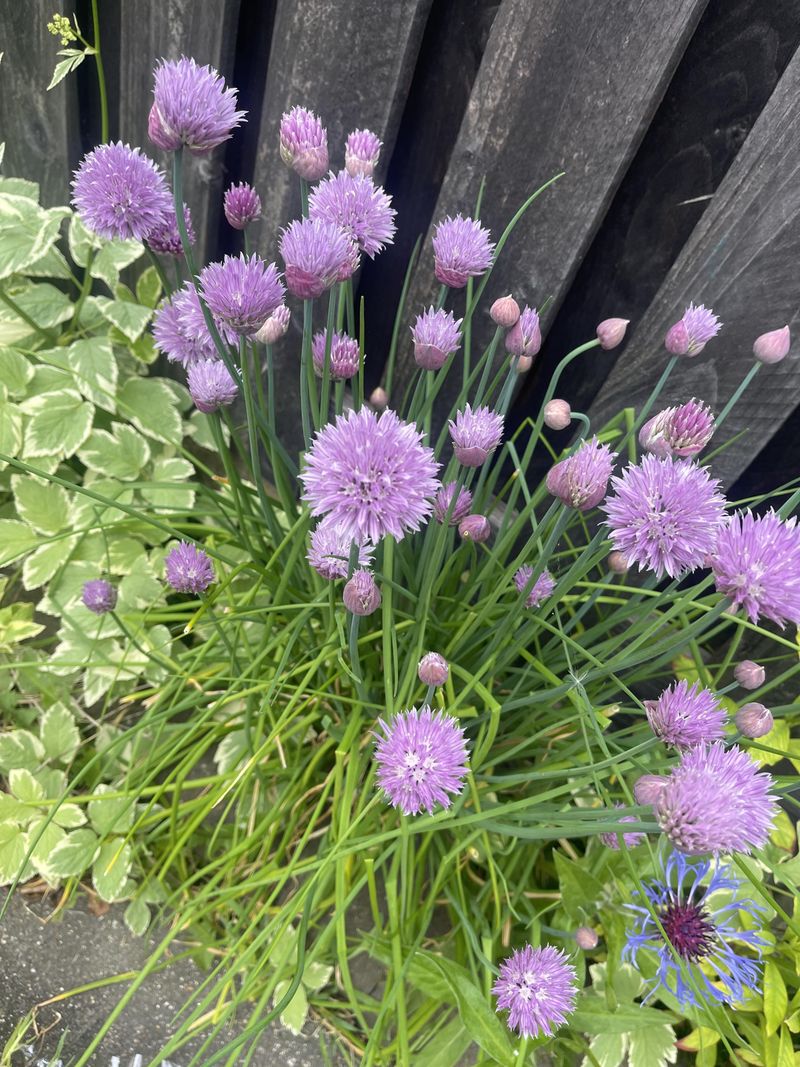
Fragrant herbs can help around vulnerable beds. Lavender, sage, thyme, mint-family plants, and chives may be less appealing than tender greens.
Textured foliage can reduce browsing. Fuzzy, leathery, prickly, or strongly aromatic leaves are often less attractive.
Native grasses can add structure without inviting as much feeding as lush ornamentals.
Deer-resistant shrubs can help form buffers. They may slow approach and reduce the buffet feeling.
Place favorites behind less appealing plants. Do not put hostas at the front of the evening feeding route.
Mix plant types. A bed filled entirely with deer favorites is easier to target.
Protect young plants anyway. Even resistant species can be browsed while tender and new.
Local pressure matters. A plant ignored in one Pennsylvania neighborhood may be eaten in another.
Observe your own yard. Deer preferences can vary with herd size, season, and available food.
Use plant choice as one layer. It should not replace barriers around the most valuable plants.
A smarter plant palette changes the invitation.
The goal is not a garden deer will never touch, but one that no longer looks like the easiest meal on the block.