The Red Bird Of Paradise Mistake Many Arizona Gardeners Make During Extreme Heat
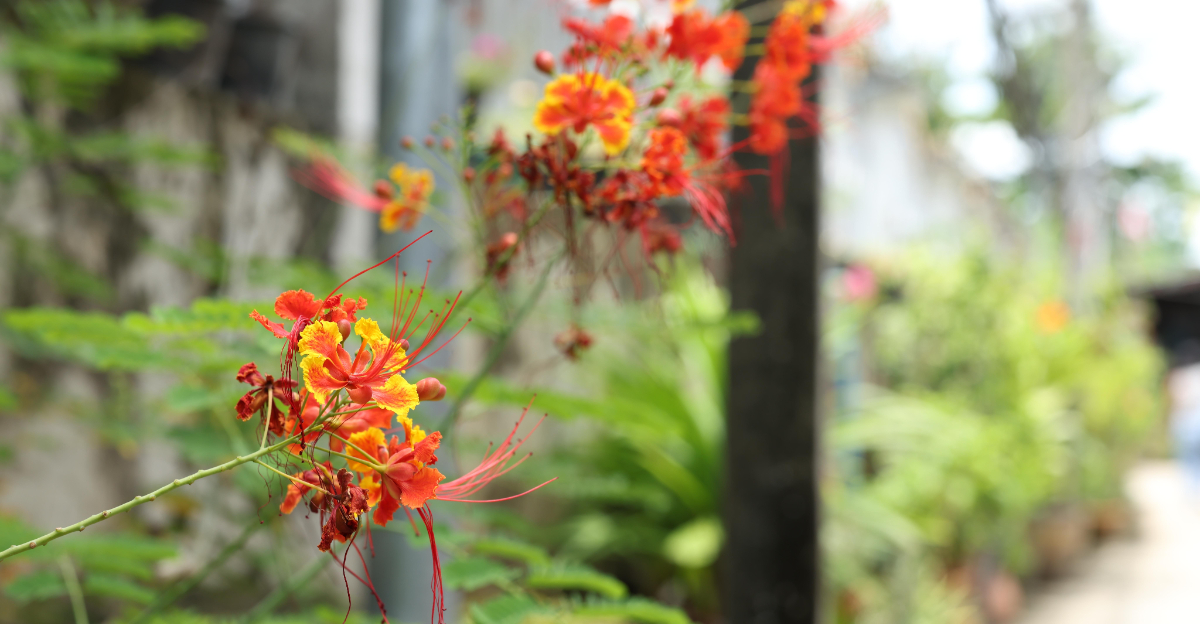
Red bird of paradise looks like it can handle anything the desert throws at it. That confidence often leads people to treat it the same way all summer long.
Strong plants can still struggle when conditions become extreme. Even desert favorites have limits during long stretches of intense heat.
One common mistake quietly holds these shrubs back every year. The effects are easy to miss until flowering starts slowing down.
In Arizona, the hottest weeks of summer are when this issue shows up most often. A healthy-looking plant can still be asking for something different.
Take a fresh look before assuming everything is fine. Small adjustments now can make a noticeable difference later.
Giving this colorful shrub what it actually needs during extreme heat helps it keep looking its best long after the hottest days have passed.
1. Too Much Water Does More Harm Than Good
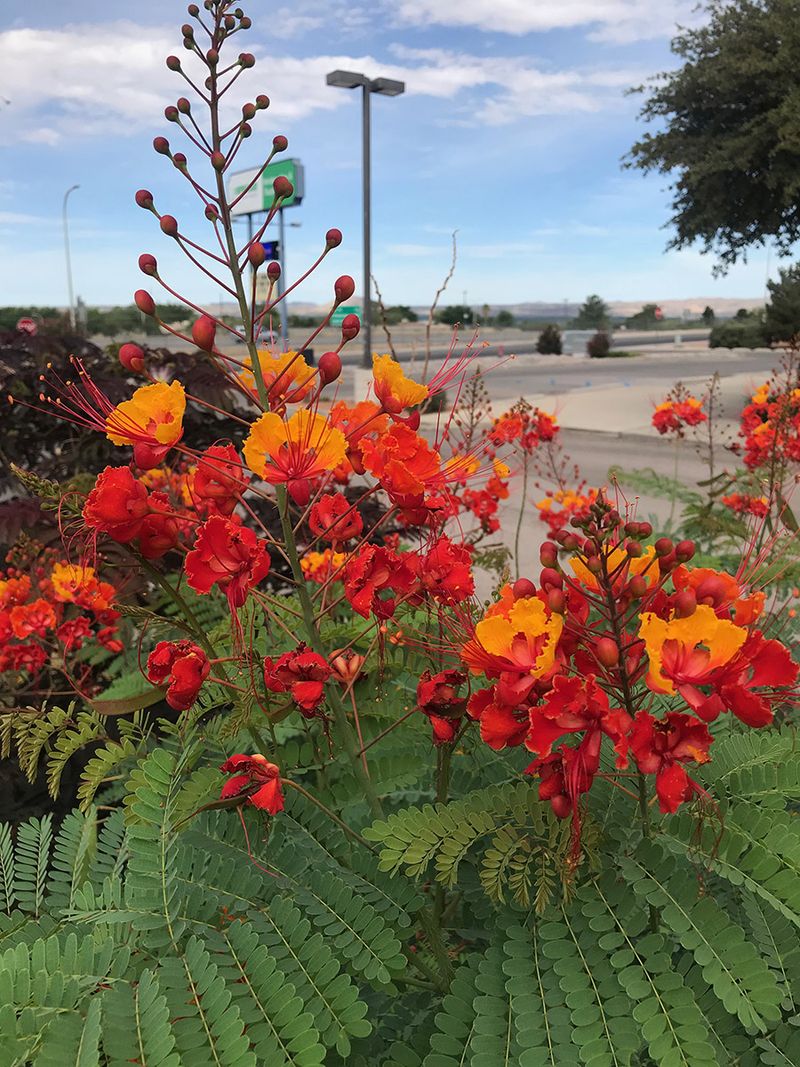
Watering more during a heat wave feels like the right call, but Red Bird of Paradise does not work that way. Overwatering is one of the most common mistakes gardeners make with this plant during summer.
Roots sitting in wet soil can develop rot fairly quickly, especially when temperatures are high and drainage is poor. Signs of overwatering include yellowing leaves, soft stems, and a general wilting that does not improve after watering.
A good rule of thumb is to water deeply but infrequently. Letting the soil dry out somewhat between waterings encourages the roots to grow deeper and stronger.
During peak summer heat, watering once or twice a week is often enough for established plants. Newly planted shrubs may need a bit more attention, but even they do not want to sit in soggy ground.
Check the soil a few inches down before reaching for the hose. If it still feels damp, hold off another day or two.
Consistent overwatering weakens the plant over time and makes it more vulnerable to stress, not less.
Desert plants like this one are adapted to survive on less water than you might expect.
Trusting that built-in toughness, rather than fighting it with extra irrigation, is usually the smarter move during extreme heat.
2. Hold Off On Cutting Back New Growth
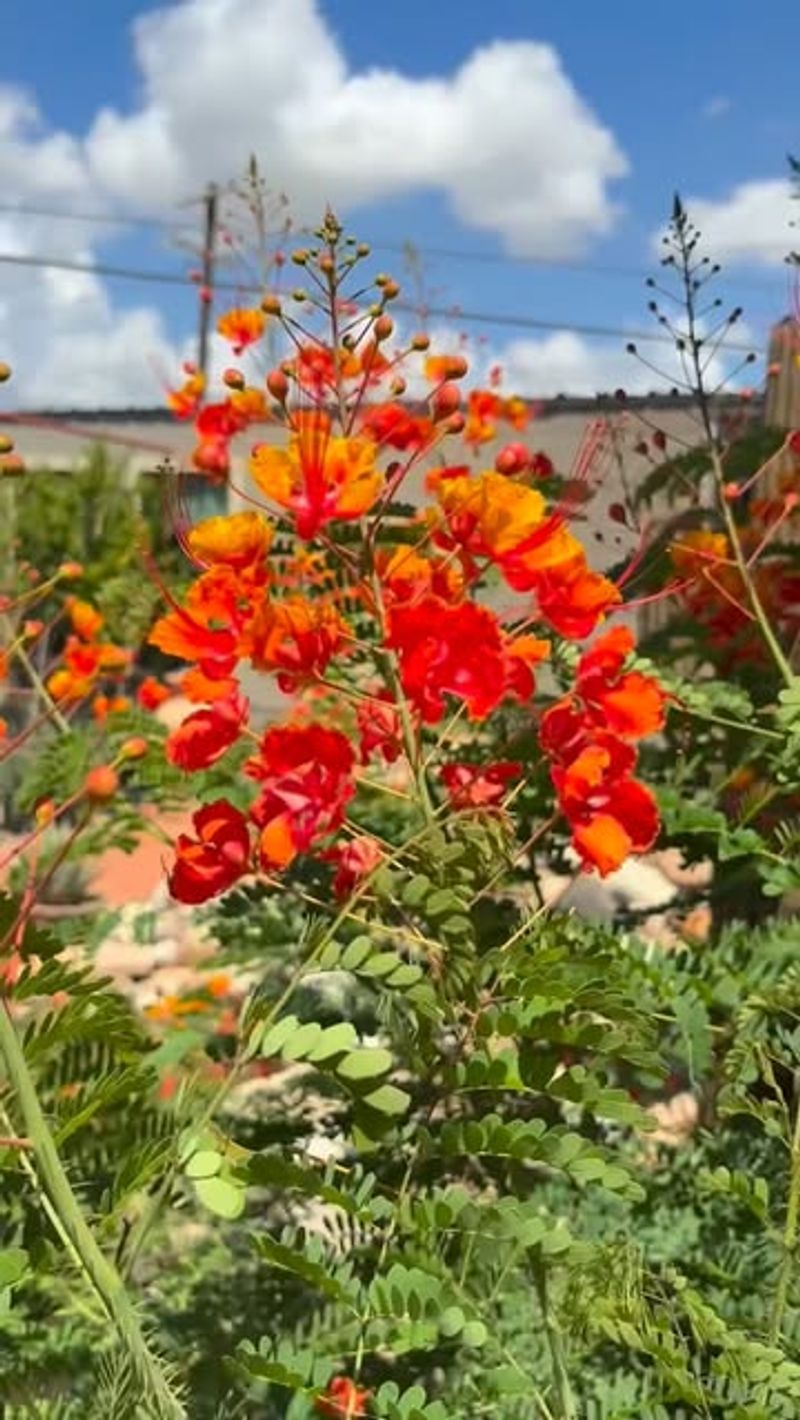
Pruning during a heat wave seems harmless, but cutting back new growth at the wrong time can set your plant back significantly. New stems and leaves act as a kind of protective layer during intense sun exposure.
Removing that growth exposes older, less protected wood to direct sunlight and extreme temperatures. Sunscald can follow, leaving behind dry, bleached patches on the stems that weaken the plant’s structure.
Save major pruning for late winter or early spring, before new growth kicks in. Light shaping is fine during the growing season, but avoid removing large portions of green material when temperatures are above 105 degrees.
In Arizona, summer pruning mistakes can slow a plant’s recovery for weeks. Cutting too much during a heat event forces the plant to redirect energy toward healing rather than blooming or root development.
Your Arizona Garden Changes Every Week. Your Plan Should Too.
Gardening in Arizona changes quickly throughout the season. Every Friday you’ll receive a simple weekly plan showing exactly what to plant, prune, fertilize, harvest, and protect so you never miss the right timing.
If a branch looks damaged or broken, removing it is reasonable. But aggressive trimming during peak heat is worth avoiding unless there is a clear reason.
Patience pays off here. Letting the plant hold onto its leafy canopy during summer gives it better shade coverage over its own root zone.
That natural insulation helps moderate soil temperature and reduces stress on the root system during the hottest part of the year.
3. Extra Fertilizer Can Lead To Soft, Weak Stems
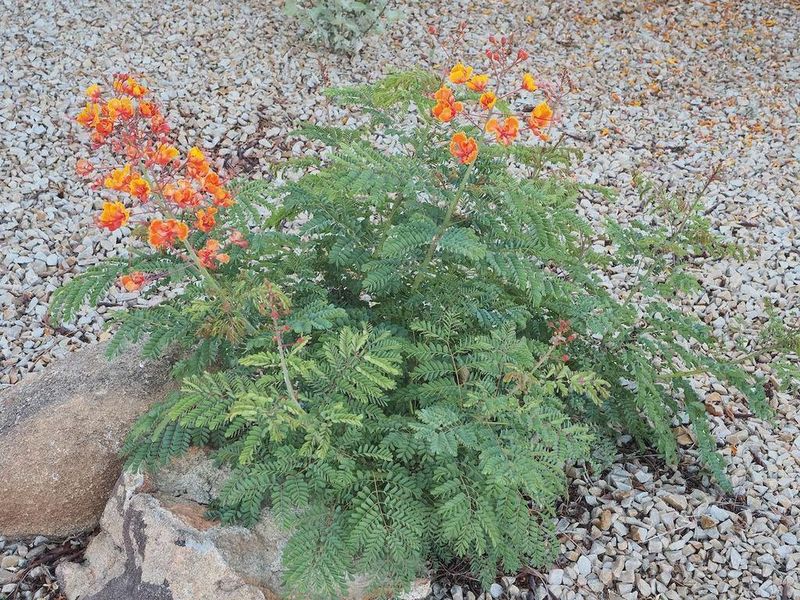
Pushing extra fertilizer onto a stressed plant during summer heat is a move that often backfires. More nutrients do not equal a stronger plant when temperatures are extreme.
High-nitrogen fertilizers, in particular, can trigger a burst of soft, fast-growing stems. That new growth sounds good in theory, but soft tissue burns easily in intense sun and dries out faster than mature growth.
Weak stems are also more prone to snapping under wind or the weight of blooms. Fertilizing during the hottest stretch of summer can create more problems than it solves.
Red Bird of Paradise is not a heavy feeder to begin with. Established shrubs in desert soils generally do fine with one or two light feedings per year, typically in spring and early fall.
Skip fertilizer entirely from late June through August if temperatures are regularly climbing past 105 degrees. Let the plant focus its energy on staying stable rather than pushing out new growth it cannot sustain.
If you feel the urge to do something helpful, a thin layer of compost around the base in spring is a gentler option.
It releases nutrients slowly and improves soil structure without shocking the plant during an already stressful period.
4. Recently Planted Shrubs Need Closer Attention
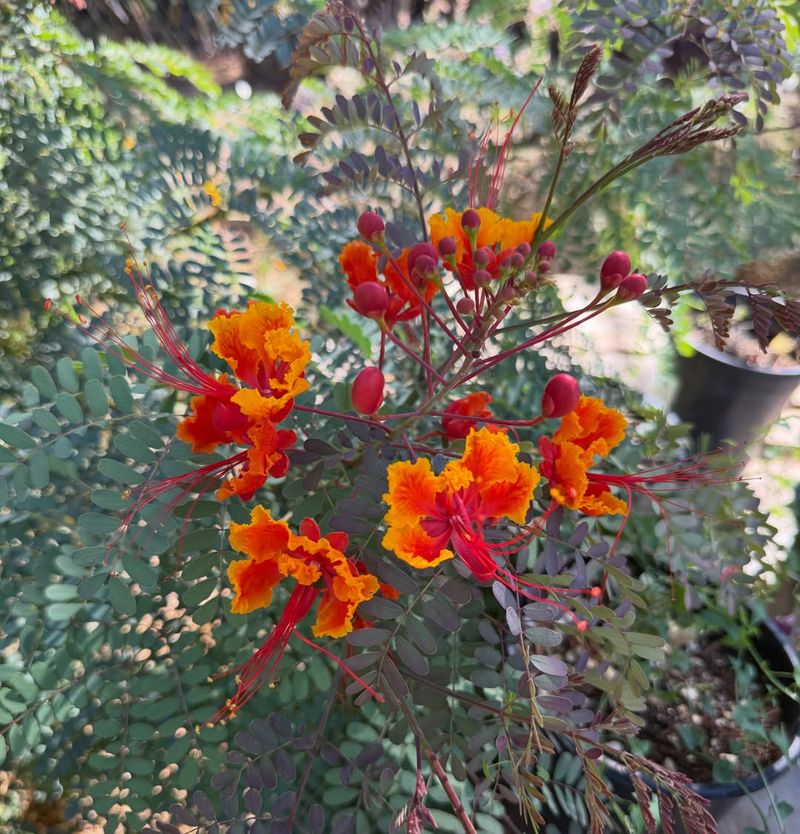
Planting a new Red Bird of Paradise right before or during extreme heat puts that shrub in a tough spot from day one. Established plants handle summer stress well, but new ones have not built up that resilience yet.
Roots need time to spread and anchor before a plant can efficiently pull moisture from the surrounding soil. Without that established root system, a new shrub can wilt and decline quickly when temperatures spike.
Ideally, plant in fall or early spring when temperatures are more manageable. If planting during summer is unavoidable, plan to water more frequently and monitor the plant closely for the first several weeks.
Afternoon shade from a nearby wall or larger plant can help reduce heat stress on a new shrub. Even a few hours of relief from direct sun during the hottest part of the day makes a noticeable difference.
Avoid fertilizing a newly planted shrub during summer. Focus entirely on keeping the root zone consistently moist without waterlogging it.
The goal is establishment, not growth.
Watch for drooping leaves in the morning, which is a stronger warning sign than afternoon wilting.
Plants typically droop in late afternoon heat, but morning droop often points to actual water stress that needs attention.
5. Mulch Slows Moisture Loss From The Soil
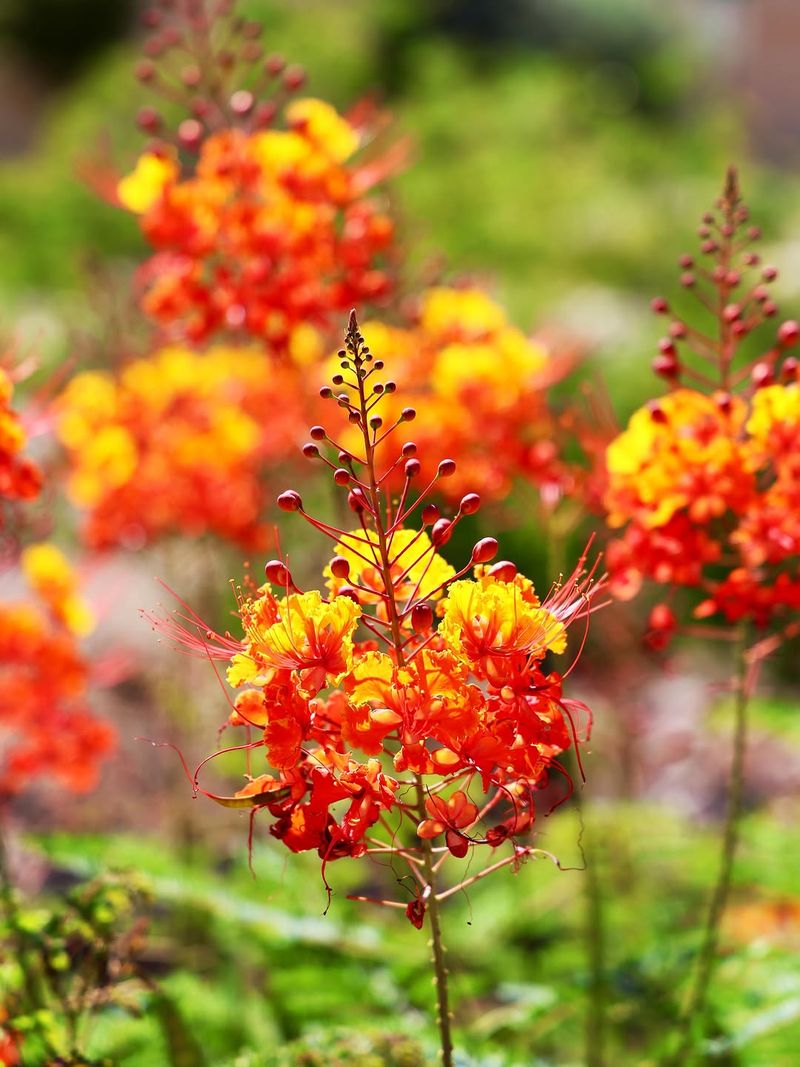
Bare soil bakes fast in the desert sun. Without a protective layer, moisture evaporates from the soil surface quickly, leaving roots dry even after a thorough watering.
Mulch acts as a buffer between the soil and the heat. A layer of two to three inches of organic mulch, such as wood chips or shredded bark, can noticeably slow moisture loss and help keep soil temperatures lower.
Cooler soil means roots are under less stress, which helps the plant stay more stable during prolonged heat waves. Mulch also gradually breaks down and adds organic matter to the soil over time, which is a bonus in nutrient-light desert soils.
Pull the mulch back a few inches from the base of the main stem. Piling it directly against the stem can trap moisture there and encourage rot at the crown of the plant.
Gravel mulch is common in desert landscaping and works well for water conservation, but organic mulch tends to do more for soil health over time. Either option is better than leaving soil bare during summer.
Refreshing the mulch layer once a year keeps it effective.
6. Temporary Leaf Drop Does Not Always Signal Trouble
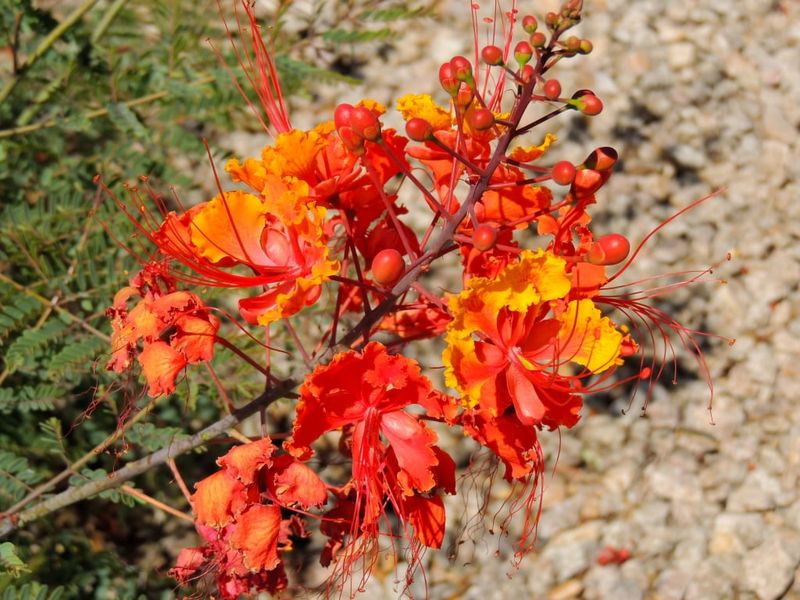
Seeing leaves fall off your Red Bird of Paradise during a heat wave can feel alarming, but it is often a normal response to extreme conditions. Plants shed leaves partly as a way to reduce water loss when temperatures climb.
Less leaf surface means less water the plant needs to keep itself hydrated. It is a built-in survival response, not necessarily a sign that something has gone seriously wrong.
Before assuming the worst, check the stems. If they are still green and flexible, the plant is likely in decent shape.
Dry, brittle stems that snap easily are a more concerning sign than leaf drop alone.
Resist the urge to drench the plant with extra water just because it lost some leaves. That reaction can lead to the overwatering problems covered earlier, compounding the stress rather than relieving it.
Leaf drop followed by fresh new growth once temperatures ease up is a pattern many desert gardeners recognize. It can look rough in July and August, then bounce back noticeably by September or October.
Giving the plant time to respond on its own schedule is usually the right approach.
Intervening too aggressively during that adjustment period often does more harm than simply waiting it out.
7. Wait For Cooler Weather Before Making Big Changes
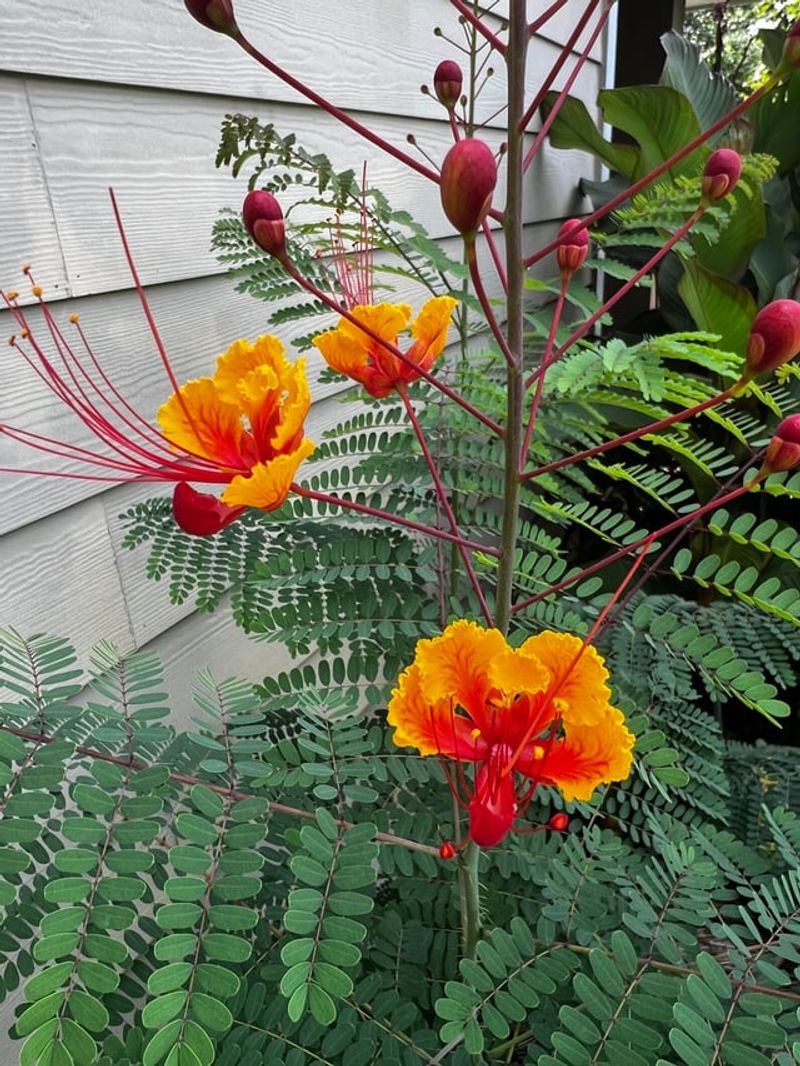
Repotting, relocating, heavy pruning, or major soil amendments are all tasks better saved for cooler weather. Putting a plant through a big change during peak summer heat stacks stress on top of stress.
A Red Bird of Paradise that is already working hard to manage heat does not have much extra energy to recover from a disruption.
Even a simple transplant can set a plant back weeks when done during the hottest stretch of summer.
Fall is a much better window for significant garden work in hot desert climates. Temperatures dropping into the 80s and 90s give plants a real chance to recover and adjust before winter arrives.
If something urgent comes up, like a broken irrigation line affecting one area of the garden, handle it carefully and minimize root disturbance as much as possible. Then keep a close eye on the plant in the days that follow.
Planning ahead helps avoid the temptation to make big moves during summer. Sketching out garden changes in spring means you are ready to act in fall when conditions are actually favorable.
Patience is genuinely one of the most useful tools in desert gardening.
Waiting a few weeks for temperatures to drop before taking action tends to produce better outcomes than forcing changes during extreme heat.