The Scents Texas Deer Can’t Stand And The Ones They Love
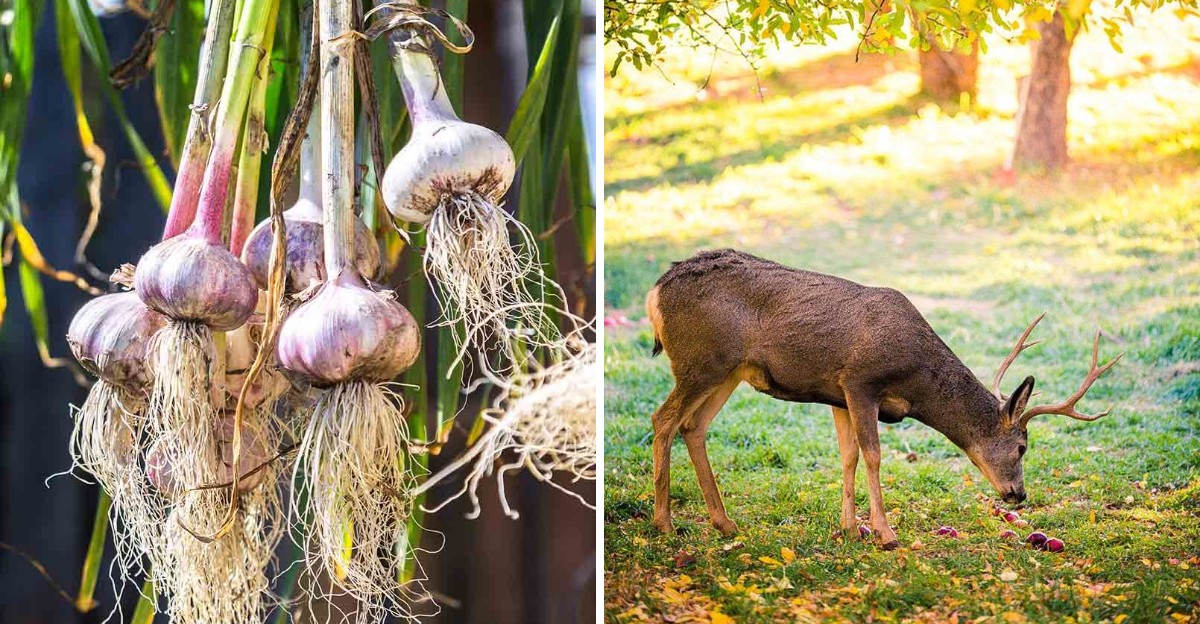
Texas is home to more white-tailed deer than any other state, with an estimated population of several million.
If you live near the Hill Country or on the edge of town, there’s a good chance some of them know your yard better than you do.
Their secret weapon is their nose. A deer’s sense of smell is many times stronger than a human’s. They can pick up scents from far away, track down food in the dark, and detect danger long before they see it.
That powerful nose works both ways. Certain scents send deer straight toward your garden, ready for a midnight snack. Others make them turn around and head somewhere else.
Knowing the difference gives you a big advantage. With a few smart choices, you can make your yard far less appealing to these hungry visitors.
1. Rotten Eggs Send Deer Packing

Nobody enjoys the smell of rotten eggs, and deer agree with us completely. That stinky, sulfur-like odor is one of the most powerful deer deterrents around.
In fact, many store-bought repellents use something called putrescent egg solids as their main ingredient.
So why does it work so well? Deer connect the smell with decay and the presence of predators.
To a deer, that odor is a warning sign that trouble might be close by. Their instinct tells them to move along and find a safer place to eat.
You can find egg-based sprays at most garden centers across Texas. Look at the label for ingredients like egg solids or whole egg. Spray them on the leaves of plants that deer love, such as roses, hostas, and young fruit trees.
Here is a helpful tip. Spray on a dry day when no rain is coming for at least a day. Rain washes the scent away, so you will need to reapply after storms and every few weeks during the growing season.
Some people make a homemade version by blending a few raw eggs with water and straining it into a sprayer. It works, but it can clog the nozzle, so strain it well. Also, be ready for a strong smell for the first day or two.
The good news is that the odor fades for humans fairly quickly once it dries. Deer, with their super-sharp noses, can still pick it up long after you stop noticing it. That makes it a smart choice for front yards and patios.
Switching between different repellents now and then also helps. Deer can get used to one smell over time, so keeping them guessing keeps your plants safer.
2. Garlic Makes A Bold Garden Guard
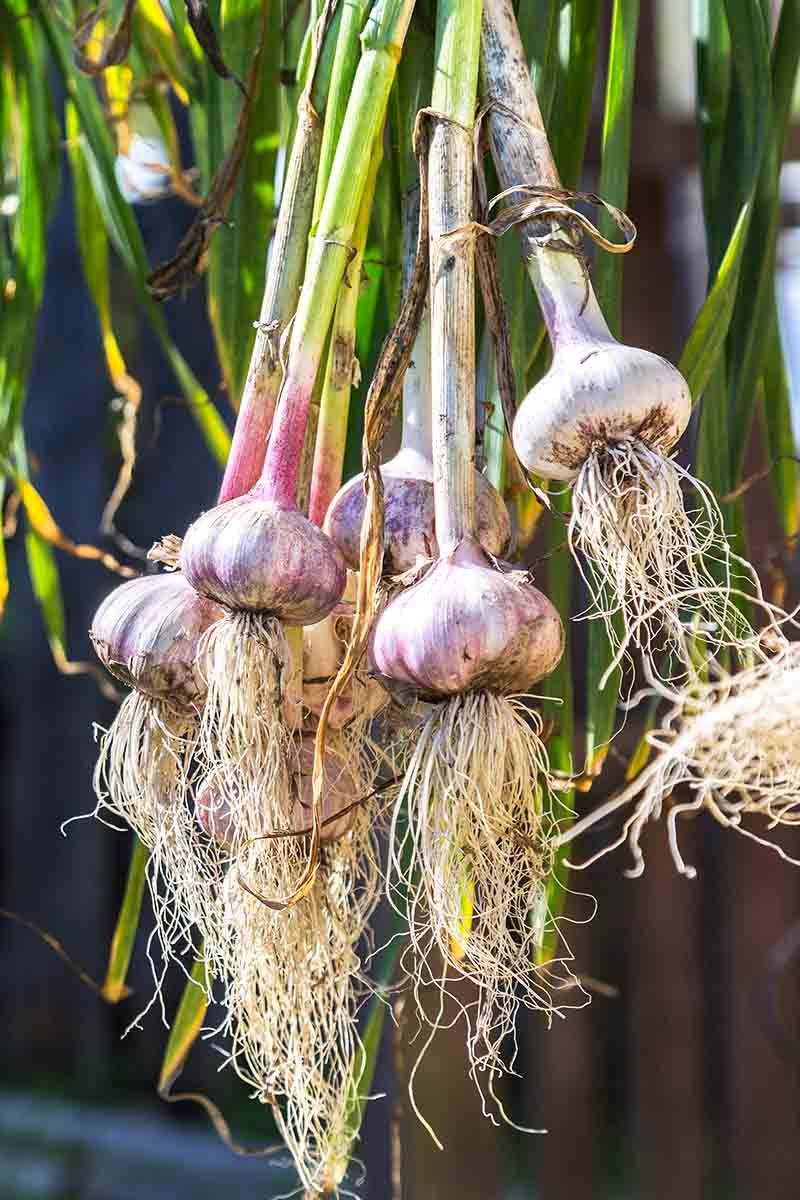
Grandma was onto something when she tucked garlic into every corner of her garden. That strong, sharp smell that makes your kitchen smell amazing is a real turn-off for deer. It is an ingredient in plenty of homemade and commercial deer repellents for good reason.
Deer rely on their noses to decide what is safe and tasty. Garlic overwhelms their senses and makes nearby plants seem unappealing. Many deer simply skip over an area that smells too strong.
Your Texas Garden Changes Every Week. Your Plan Should Too.
Gardening in Texas changes quickly throughout the season. Every Friday you’ll receive a simple weekly plan showing exactly what to plant, prune, fertilize, harvest, and protect so you never miss the right timing.
One easy trick is to plant garlic as a living border. Set cloves around the edges of your vegetable beds or flower gardens in the fall.
In Texas, October and November are great months to plant, and the bulbs will grow through the mild winter.
Garlic also has helpful cousins. Onions, chives, and leeks belong to the same plant family, called alliums.
They give off a similar smell and can add an extra layer of protection while also giving you something to cook with.
Want a quick spray instead? Crush a few garlic cloves, soak them in water overnight, and strain the liquid. Add a small squirt of dish soap so it sticks to leaves, then spray it on plants you want to protect.
Keep in mind that garlic works best as part of a team. A hungry deer during a dry Texas summer may still nibble if food is scarce. Pairing garlic with other smelly plants or sprays gives you a stronger defense.
Fun fact: ornamental alliums produce big, round purple flower heads. They look beautiful in flower beds and still carry that oniony smell deer dislike, so you get beauty and protection together.
3. Mint Keeps Hungry Browsers Away
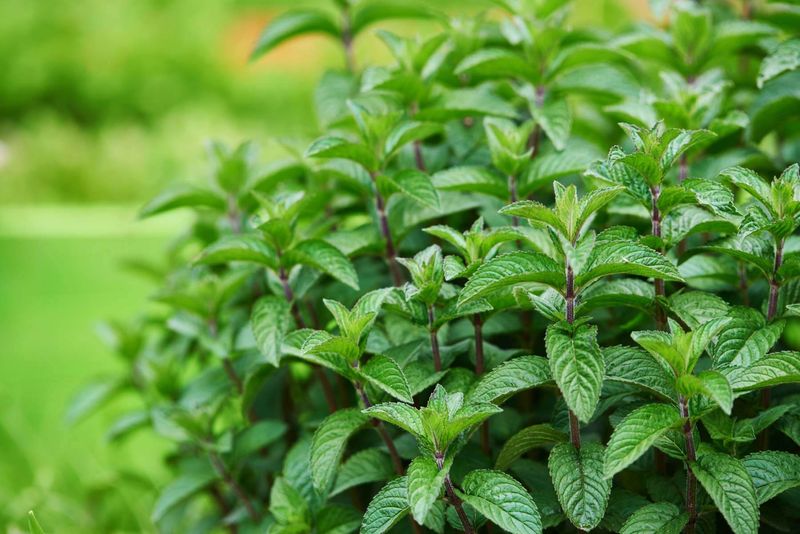
Brush your hand across a mint plant and the fresh smell hits you right away. For deer, that same burst of scent is way too much. They tend to avoid plants with powerful aromas, and mint is one of the strongest out there.
Mint makes nearby plants harder for deer to smell clearly. When a deer cannot easily sniff out a tasty snack, it often wanders off to look somewhere else. That gives your tender plants a better chance to grow.
There is one big catch, though. Mint spreads fast, and it does not like to stay in one place. Its roots creep underground and can take over a whole garden bed in a single season.
The best solution is to grow mint in containers. Place the pots right next to the plants you want to protect, like lettuce, pansies, or young peppers. You can move the pots around as your garden changes through the year.
Mint loves some shade during hot Texas afternoons. Water it often in summer because the pots dry out quickly in the heat. Peppermint, spearmint, and chocolate mint all work well and smell great.
Here is a bonus. You can snip mint leaves for iced tea, lemonade, or fruit salad. So while it is guarding your garden, it is also giving you something refreshing to enjoy on a sweaty July day.
Try placing a few pots near gates or paths where deer usually enter your yard. A strong smell at the entry points can make them think twice before coming in. Small changes like this add up to fewer nibbled leaves.
4. Rosemary, Sage, And Other Fragrant Herbs
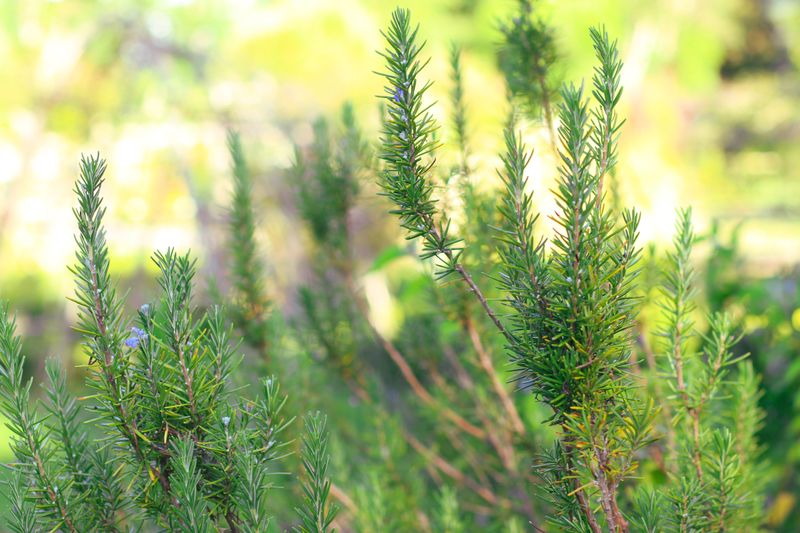
Walk through a Texas garden center and you will notice something interesting. Many of the plants labeled deer resistant are herbs with strong smells. Rosemary, lavender, Mexican mint marigold, and lots of salvias rarely end up as a deer’s dinner.
These fragrant plants contain oils that taste bitter and smell intense. Deer learn quickly that they are not worth the effort. Even better, planting them along borders can help hide the smell of more tempting plants growing nearby.
Rosemary is a Texas favorite because it handles heat and dry spells like a champ. It stays green all year and can grow into a large shrub. Plant it in a sunny spot with soil that drains well.
Mexican mint marigold is a local hero. It has a licorice-like smell and bright yellow flowers in the fall. Gardeners often use it in place of tarragon in recipes.
Salvias come in many colors, from deep red to bright blue. Autumn sage, or Salvia greggii, is native to Texas and loves full sun. Hummingbirds and butterflies adore it, but deer usually pass it by.
Lavender can be tricky in humid parts of the state. It prefers dry air and gritty soil, so it does best in West Texas and the Hill Country. Try Spanish lavender if your area is more humid.
For the best results, plant these herbs in a thick line around your garden. Think of it as a scented fence. Deer have to push through a wall of smells before reaching your favorite flowers, and most will not bother trying.
5. Acorns Ring The Dinner Bell
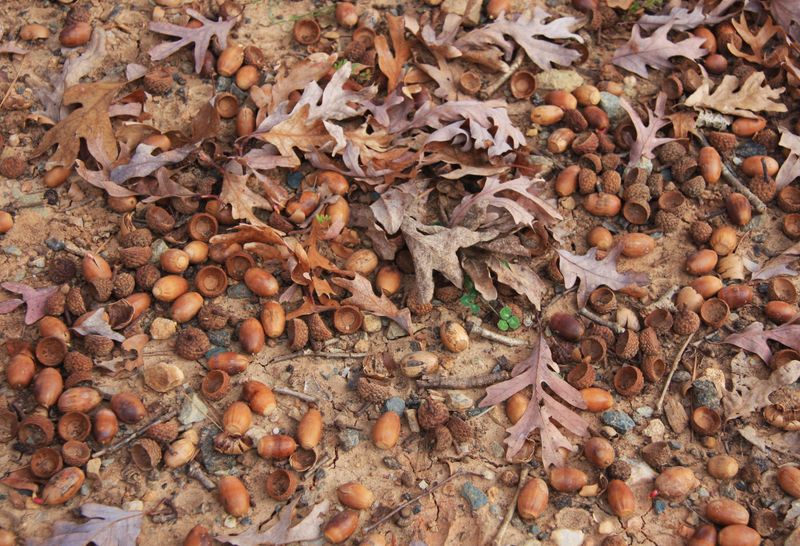
When fall arrives in Texas, the deer suddenly seem to be everywhere. There is a tasty reason behind it.
The scent of acorns falling from live oaks and other oak trees pulls deer into yards and neighborhoods all over the state.
Acorns are like energy bars for deer. They are packed with fat and carbohydrates. Deer need that fuel to build up their bodies before winter and the breeding season, often called the rut.
A single big oak tree can drop thousands of acorns in a good year. Deer can smell them from far away and will return night after night until the supply runs out. If you have oak trees, you may notice tracks and droppings in the grass.
Want fewer visitors? Rake or sweep up acorns every few days during peak season. Some people use a rolling nut gatherer, which makes the job much faster and easier on your back.
On the flip side, some folks enjoy watching deer from the kitchen window. If you like the view, acorns are a natural food source and are much better for deer than bread or snacks people sometimes toss out.
Here is a fun fact. Oaks have boom years called mast years, when they drop way more acorns than usual. Scientists think trees do this to produce more nuts than animals can eat, so some survive to sprout.
Also, watch out on roads near oak-filled areas in October and November. Deer move more during this time, especially at dawn and dusk. Driving slowly and staying alert helps keep everyone safe.
6. Sweet Fallen Fruit Invites Trouble
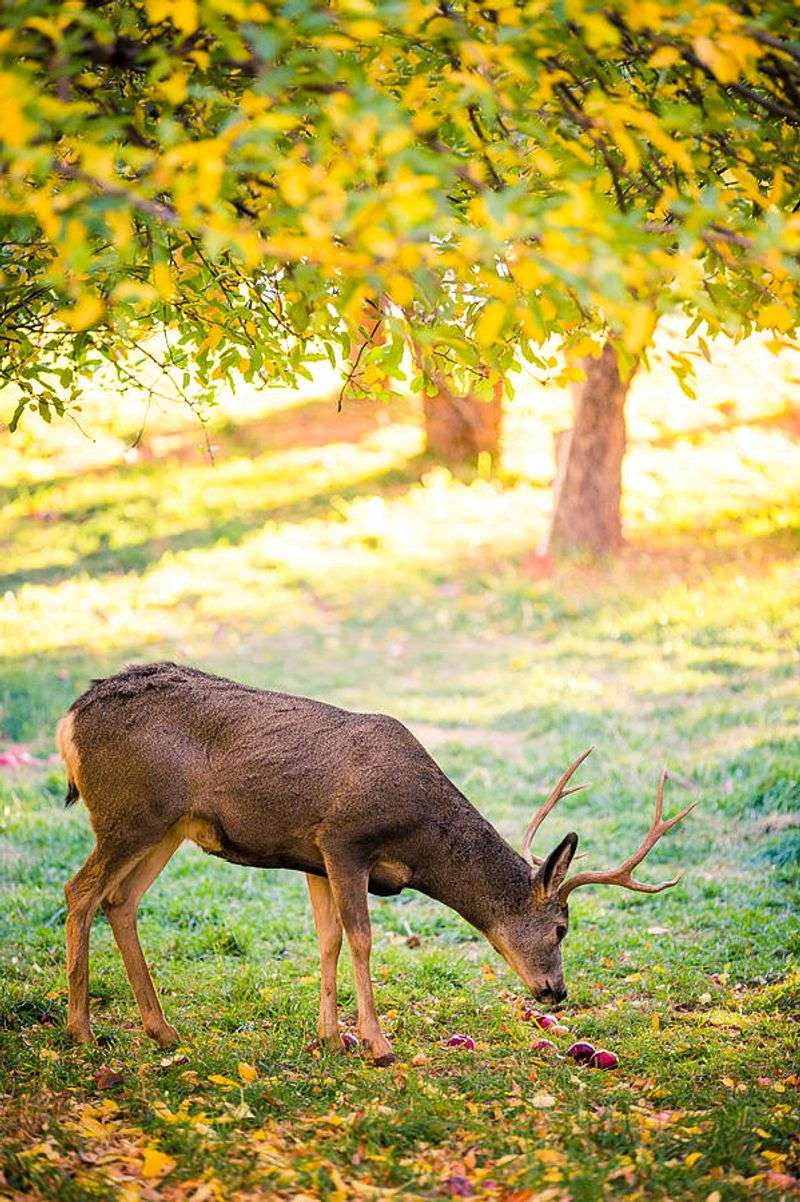
Ever bitten into a perfectly ripe peach on a summer day? Deer love that sweet treat just as much as you do. The sugary smell of ripe or fallen fruit draws them in fast, sometimes within hours of fruit hitting the ground.
Persimmons, figs, pears, and plums are some of the biggest temptations in Texas yards. Texas persimmons, a native tree, are a deer favorite. Once fruit starts to soften, the scent gets even stronger and travels farther.
Deer are creatures of habit. If they find a reliable snack spot, they will keep coming back. Before long, your yard turns into their regular stop, and they may start munching on your other plants too.
The simplest fix is to pick up fallen fruit every day or two. Use a bucket and gloves, and toss the fruit in a sealed bin or compost it far from your garden. Rotting fruit also attracts wasps and raccoons, so cleaning up helps in more ways than one.
Harvesting fruit a little early can help too. Many pears and persimmons will finish ripening on your kitchen counter. That way, less fruit drops to the ground to tempt hungry visitors.
If you have young fruit trees, consider wrapping the trunks or adding a small wire cage around them. Bucks sometimes rub their antlers on young trunks in the fall, which can cause serious damage.
Planting smelly herbs like rosemary around the base of fruit trees can add some extra protection. It will not stop a determined deer completely, but every little barrier helps keep your harvest in your hands.
7. Corn Is The Classic Texas Lure
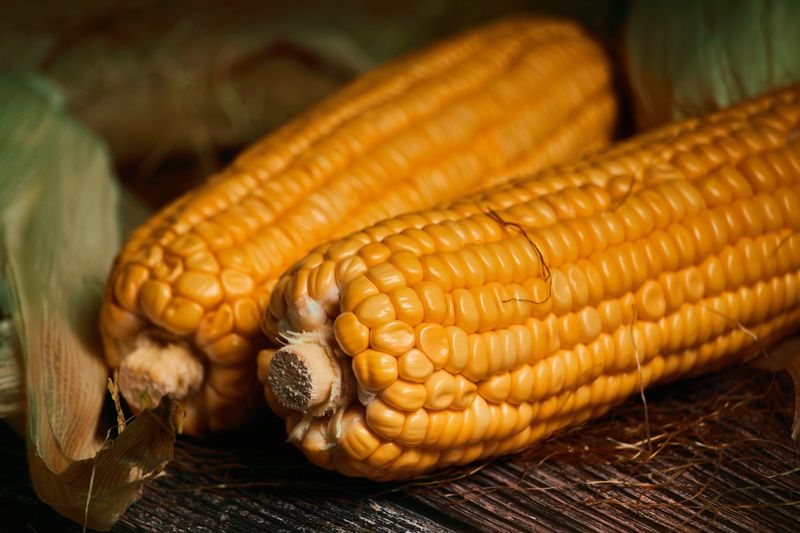
Drive through rural Texas and you will spot tall metal feeders standing in pastures. Most of them are full of corn. It is one of the most common deer attractants in the state, especially on hunting land.
Corn has a sweet, starchy smell that deer find hard to resist. It is cheap, easy to find at feed stores, and gives deer a quick boost of energy. Hunters and ranchers use it to bring deer into view.
In neighborhoods, though, corn can create big problems. Feeding deer can draw large groups into yards and onto roads. More deer means more car accidents, more chewed-up landscaping, and more crowding that can spread illness among the animals.
Many Texas cities have rules against feeding deer. Places like San Antonio, Austin-area suburbs, and several Hill Country towns have passed ordinances about it. Fines can apply, so always check your local rules before putting out any feed.
Here is something many people do not know. Corn is not actually great nutrition for deer. It is low in protein, and a sudden diet heavy in corn can upset their stomachs, especially in late winter when their bodies are not used to it.
If you love seeing wildlife, try planting native plants instead. Shrubs and wildflowers support birds, bees, and butterflies, and they give deer natural foods in rural areas without causing a crowd.
For hunters on private land, follow Texas Parks and Wildlife guidelines about feeders and hunting seasons. Using corn responsibly keeps deer herds healthy and keeps the hunting tradition strong for years to come.