The Late-Summer Mistake That Stops Texas Flowers From Blooming Again
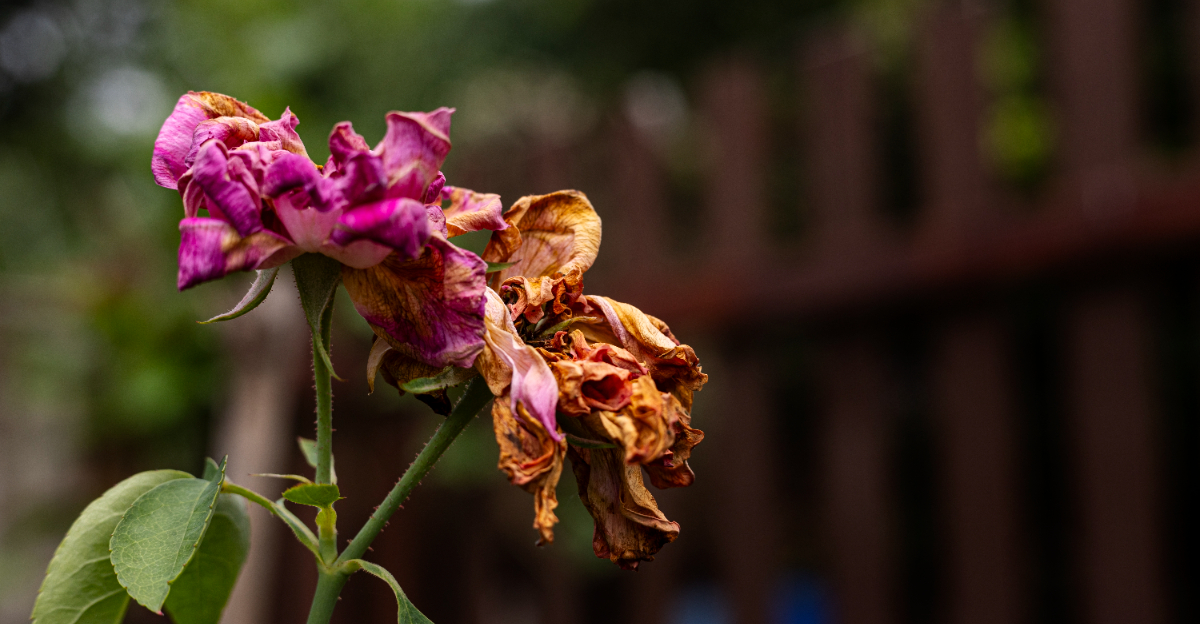
Your flower beds might be hiding one habit that’s draining all their color. Relentless Texas heat already pushes your plants dangerously close to their limit.
Spent blooms left untouched quietly signal your plants to stop producing more. Gardeners throughout Texas overlook this small detail constantly, and their yards pay the price.
Nothing about this failure looks dramatic until your flowers simply stop appearing altogether. Black-eyed Susans, lantana, and zinnias all respond the exact same way here.
Correcting this costs you almost nothing beyond a few unhurried seconds outdoors. Sharp eyes and steady hands are truly the only tools you need.
Skipping Spent Bloom Removal Signals Plants To Stop
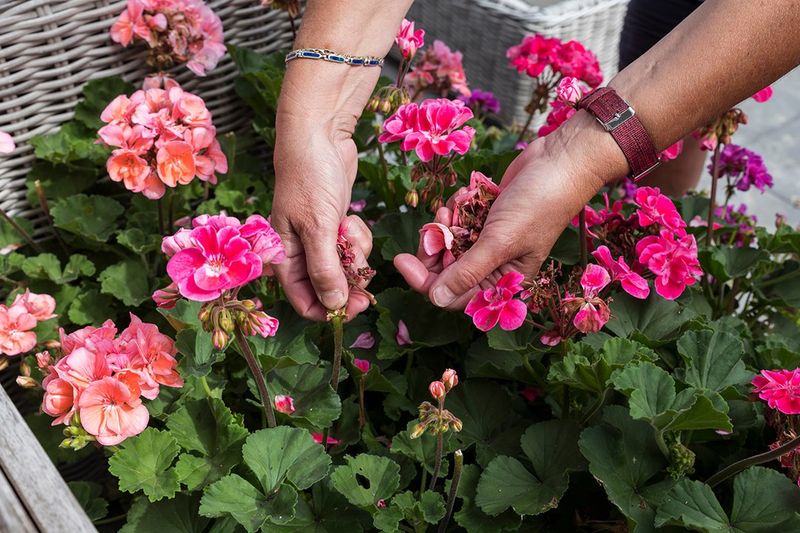
Your plants are smarter than you think. When a flower fades and you leave it on the stem, the plant reads that as a success signal.
That signal tells the plant it has done its job. Reproduction is underway, so there is no reason to keep making new flowers.
Leaving spent blooms in place quietly tells your plants their job is finished, and they respond by slowing down. Most gardeners do not even realize they are sending that signal.
Plants operate on a simple survival instinct. Their entire purpose is to produce seeds and pass on their genetics to the next generation.
Once a flower is pollinated and starts forming a seed pod, the plant shifts all its resources toward that process. Petals drop, stems stiffen, and new bud production slows to a crawl.
In the brutal heat of a Texas August, this shutdown happens faster than you might expect. High temperatures speed up the seed-forming process, which means the window for intervention is shorter than in cooler climates.
Many gardeners wait until plants look completely spent before doing anything. By then, the plant has already committed its energy elsewhere.
Catching blooms right as they start to fade is the key move. You want to remove them before seed development gets going.
Think of it like resetting a timer every few days. Each removal sends a fresh signal that the job is not done yet.
Leftover Flowers Redirect Energy Into Seeds
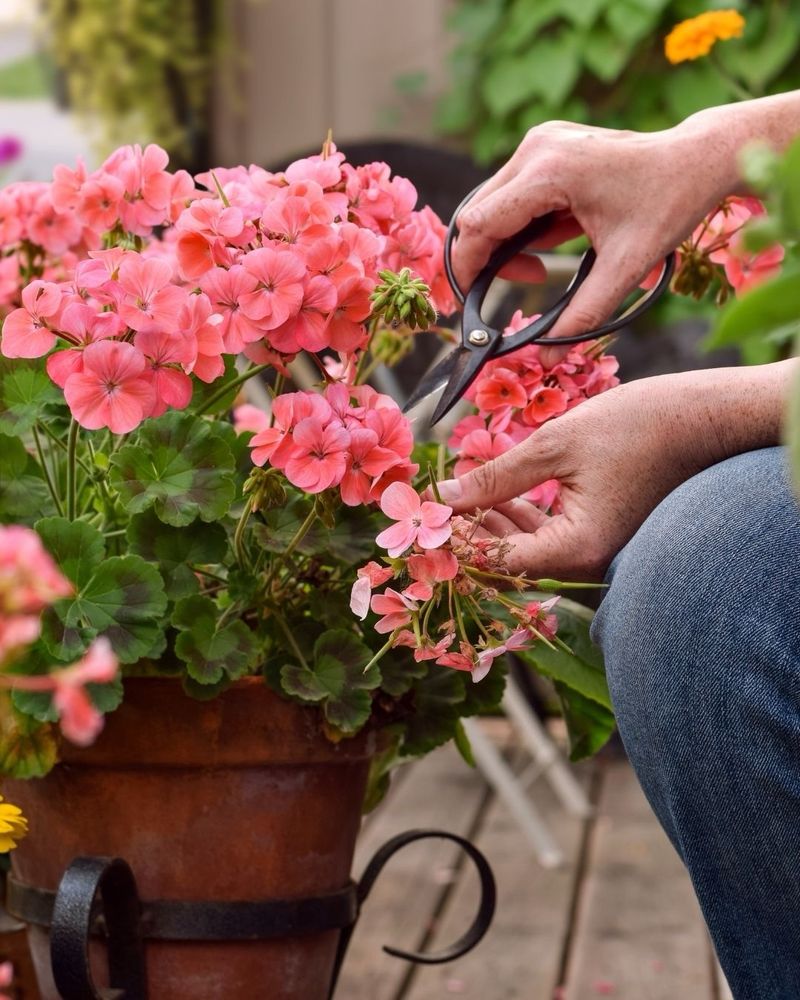
Picture your plant as a battery with a limited charge. Every bit of energy it makes goes somewhere specific.
When spent blooms stay on the plant, that energy flows straight into seed development. New buds get pushed to the back of the line.
Seeds are expensive for a plant to produce. They require a significant amount of nutrients, water, and biological effort to form properly.
In late summer, when Texas soil is already stressed and moisture is scarce, plants are working extra hard just to survive. Adding seed production on top of that drains them fast.
Flowers that have gone to seed often look deceptively full on the plant. But those puffy, rounded seed heads are pulling focus away from future blooms.
Gardeners sometimes mistake seed pods for flower buds and leave them alone. That confusion delays action and costs the plant another week of productive blooming time.
Your Texas Garden Changes Every Week. Your Plan Should Too.
Gardening in Texas changes quickly throughout the season. Every Friday you’ll receive a simple weekly plan showing exactly what to plant, prune, fertilize, harvest, and protect so you never miss the right timing.
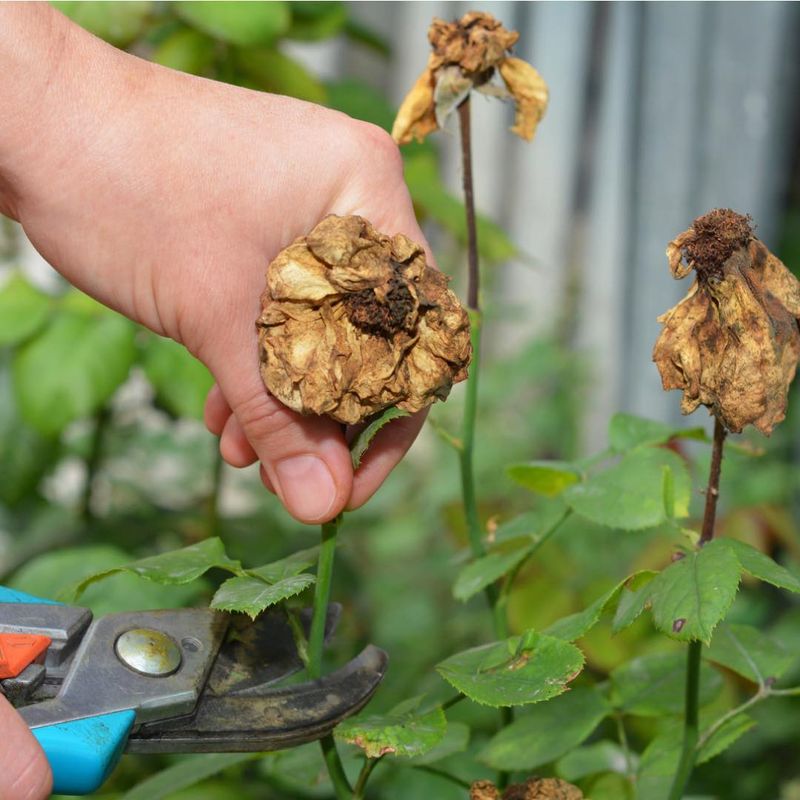
Learning to tell the difference between a forming bud and a spent bloom makes a real difference. Buds are tight and pointed, while spent blooms become rounded, papery, or drooping.
Once you train your eye, a quick walk through the garden tells you exactly where to cut. You stop guessing and start acting with purpose.
Removing seed-bound stems frees up nutrients that were already locked in. The plant quickly redirects that stored energy toward making new flower buds instead.
That redirection can produce noticeable results within just one to two weeks. Watching new buds emerge after a good cleanup is genuinely satisfying.
Cutting Back Now Triggers A Second Flush
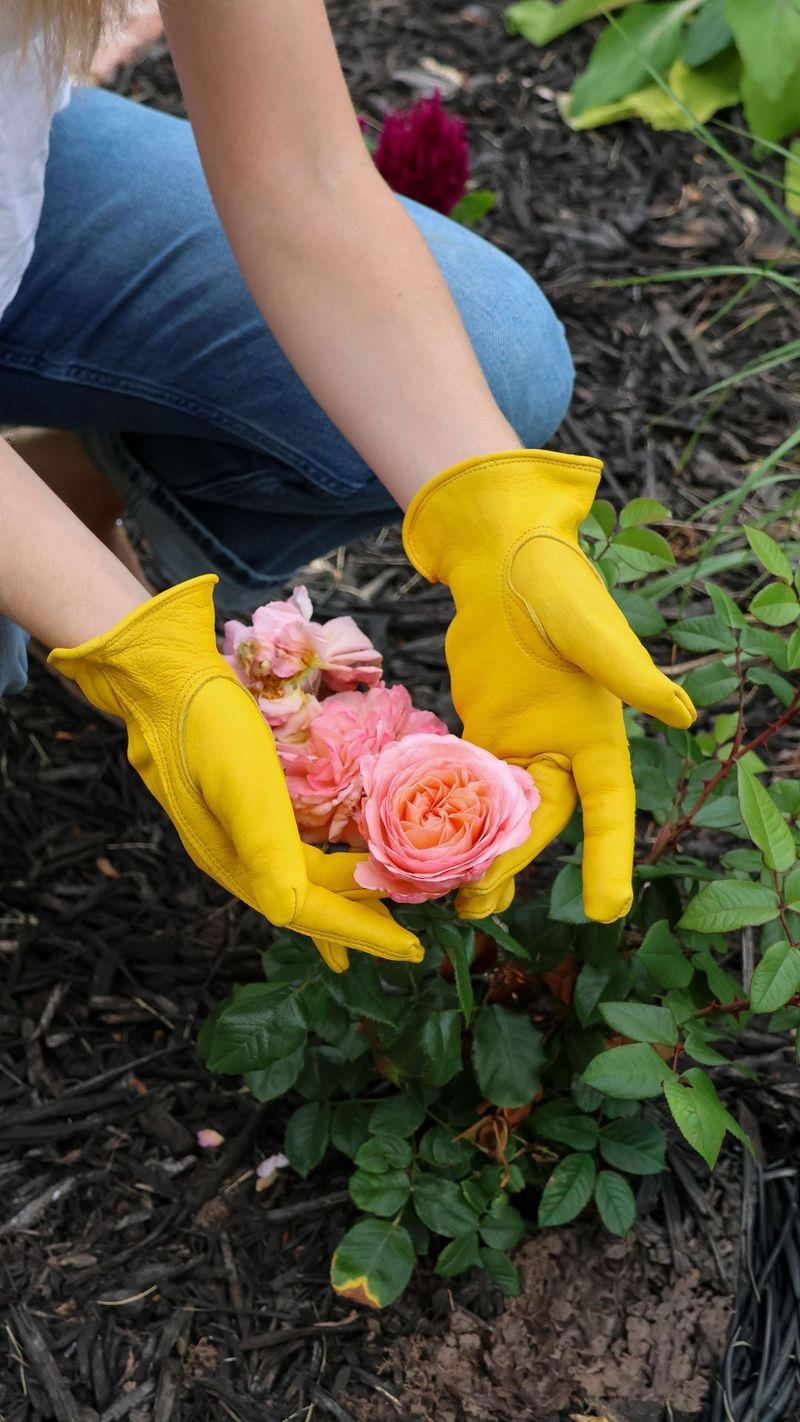
Grab your pruners because this is where things get exciting. Cutting back spent stems in late summer is one of the most rewarding moves in gardening.
When you remove a spent bloom, the plant responds by sending energy to the next growth node down the stem. A new bud forms there, and the cycle starts again.
This response is called a second flush, and it can fill your garden with color well into fall. For Texas gardeners, that means blooms that last through October and sometimes beyond.
The cut itself matters as much as the timing. Snipping just above a leaf node or a healthy side shoot gives the plant a clear target for regrowth.
Random cuts or ragged stems can stress the plant and slow the recovery. Clean, precise cuts with sharp tools make the process smooth and effective.
Sharp pruners also reduce the risk of introducing disease into the cut stem. Dull blades crush plant tissue, which creates openings for bacteria and fungal issues.
Wiping your blades with a disinfectant spray between plants is a smart habit. It takes seconds and prevents problems from spreading across your garden beds.
For heavy bloomers like zinnias and marigolds, you might be cutting every three to four days during peak season. The reward for that effort is constant, rolling color.
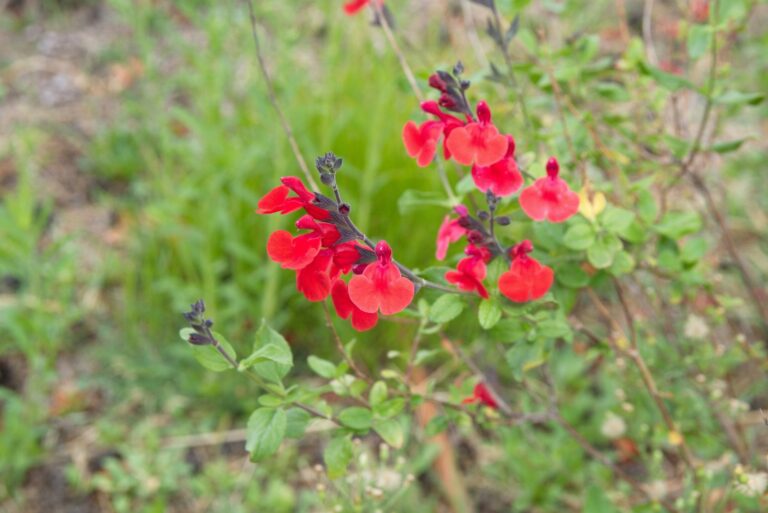
Perennials like coneflowers and salvia benefit from a harder cutback in late August. Trimming them back by about one-third pushes a robust second flush before the first cool front arrives.
Shortening Days Make Timing Even More Critical
August feels endless in Texas, but the days are already getting shorter. Most gardeners do not notice the change until the garden starts behaving differently.
Plants notice right away. Daylight length is one of the most powerful signals in a plant’s internal clock.
As days shorten, many flowering plants begin preparing for dormancy. They shift from bloom production toward root strengthening and seed storage.
This natural shift makes late summer a narrow window of opportunity. If you wait too long to remove spent blooms, the plant’s seasonal clock overrides your efforts.
Shorter days combined with seed development create a double shutdown effect. The plant gets two signals at once telling it to stop making flowers.
Acting early in the season’s decline gives you the best chance of triggering that second flush. Waiting until September in Texas can mean the window has already closed for many species.
Warm-season annuals like portulaca and vinca are especially sensitive to light shifts. They tend to wind down faster than perennials once the days begin to shorten noticeably.
Perennials have a bit more flexibility because they are built for seasonal cycles. But even they respond better to bloom removal when it happens before mid-August.
Keeping a simple garden calendar helps you stay ahead of the light curve. Mark your bloom-removal sessions the same way you schedule watering or fertilizing.
Consistency during this critical period separates gardens that fade in August from those that glow well into autumn. Timing really is everything here.
Certain Perennials Respond Best To This Fix

Not every plant in your garden will respond the same way to this pruning habit. Some species practically leap back to life after a trim, while others are more stubborn.
Knowing which plants respond best helps you focus your effort where it counts most. You get more bloom for your time when you target the right plants first.
Coneflowers, also known as echinacea, are among the top responders in Texas gardens. Cutting them back by half in late July or early August almost always triggers a strong second wave of color.
Salvia is another standout performer. This heat-tough perennial bounces back quickly after a cutback and often blooms more intensely in the second flush than in the first.
Black-eyed Susans reward consistent removal of spent flowers with waves of cheerful yellow blooms. Leave their spent flowers too long, and they shift into seed-saving mode almost overnight.
Lantana is a Texas favorite that handles heat like a champion. Regular trimming of its faded flower clusters keeps new blooms coming through even the hottest weeks.
Gaillardia, or blanket flower, is another excellent candidate. Its bold red and yellow blooms return reliably after a good trim, making it one of the most rewarding plants to maintain.
Cosmos and zinnias on the annual side respond so well to cutting that you can almost schedule their bloom cycles. Cut them back, and new flowers appear like clockwork within ten days.
Knowing your plants by name and habit makes you a more effective gardener. A little research upfront pays off in weeks of extra color.
A Few Extra Minutes Rewards Weeks Of Color
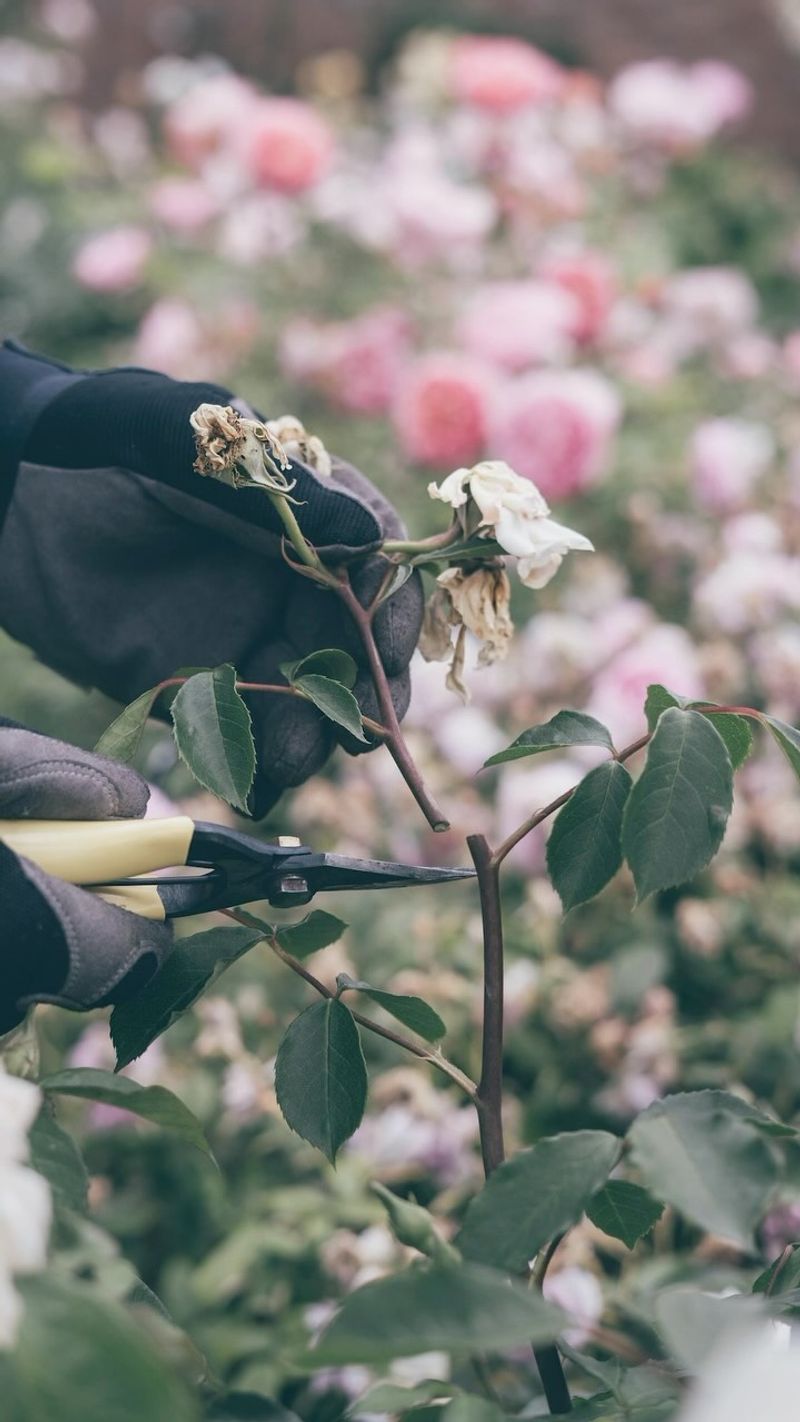
Here is the honest truth about removing spent blooms: it takes less time than most gardeners expect. A quick walk through the garden with a pair of pruners takes about ten minutes for most home beds.
Those ten minutes, done every few days in late summer, can extend your blooming season by several extra weeks. That is a solid return on a small investment of effort.
Gardening should feel rewarding, not overwhelming. Breaking the task into short, regular sessions keeps it manageable and even enjoyable.
Bring a small bucket or garden bag to collect the cut stems as you go. This keeps the garden tidy and prevents dropped seeds from sprouting in unwanted spots.
Morning is the best time to trim spent blooms in Texas heat. Cooler temperatures make the work more comfortable, and plants are well-hydrated after the night.
Evening sessions work too, especially if you want to enjoy your garden space after a long day. The lower light makes it easier to spot faded blooms against healthy foliage.
Pairing bloom removal with a light watering session sets plants up for strong regrowth. Moisture helps the plant respond quickly once the spent stems are removed.
A slow-release fertilizer applied in late July gives plants the nutrients they need to fuel that second flush. Feed them right, and they will respond with steady new growth.
Avoiding this common late-summer setback is simpler than it sounds. A few snips, a little consistency, and your garden keeps going strong all the way to fall.