The Secret To Growing A Thriving Fishbone Cactus In Texas Home
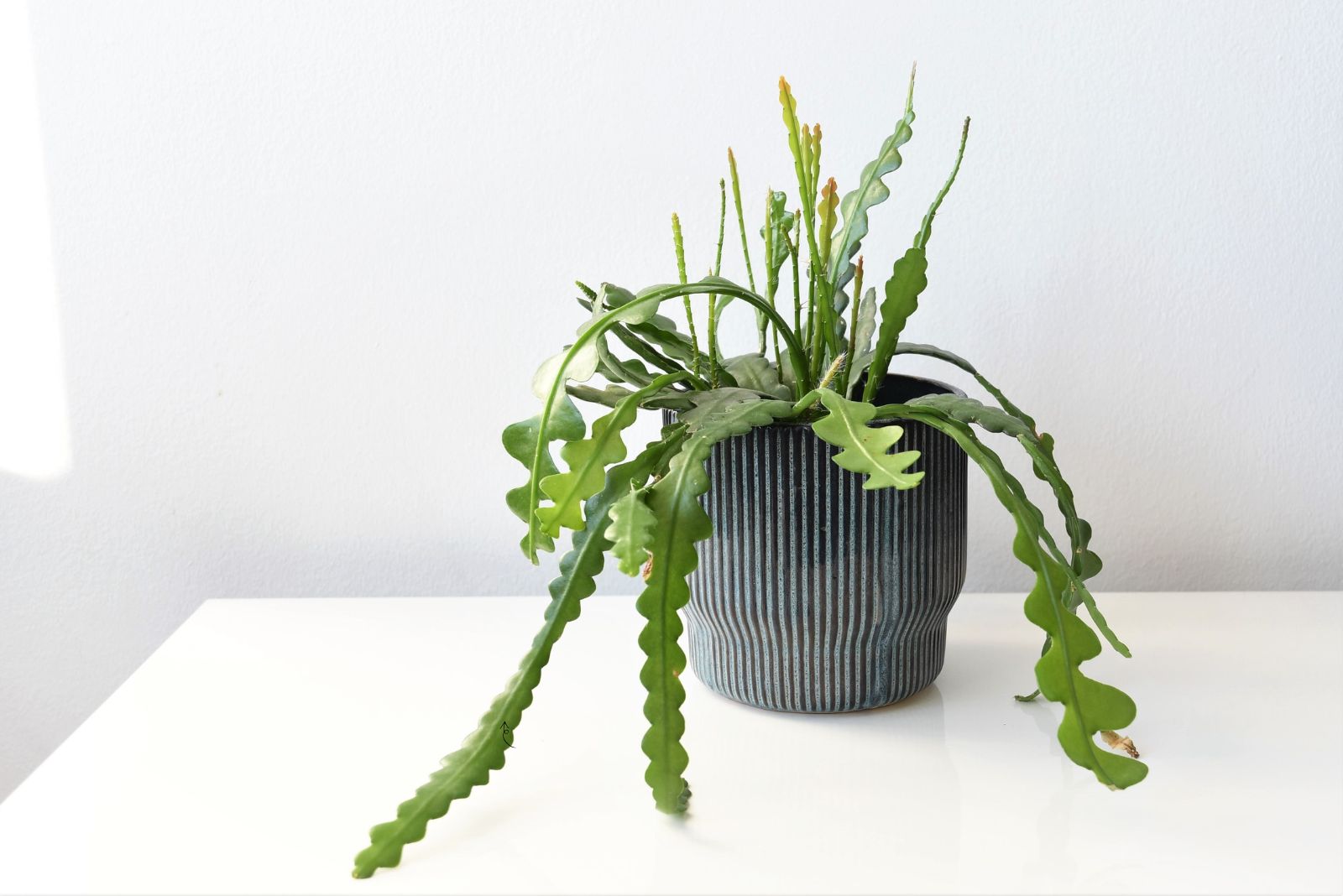
If you want a houseplant that looks unique, a little wild, and totally unforgettable, the fishbone cactus might be your perfect match. With its zigzag, cascading stems and tropical vibe, this eye catching plant has become a favorite in many Texas homes.
The good news is it is not as fussy as it looks. With the right care, your fishbone cactus can grow fast, stay vibrant, and even reward you with stunning blooms.
Texas conditions can be a bit tricky, though. Indoor heat, changing light, and watering habits all play a role in how well your plant thrives.
Once you understand what it loves and what to avoid, success becomes much easier. Ready to help your fishbone cactus grow fuller, healthier, and happier?
Let’s learn the secrets that can turn your plant into a thriving, show stopping beauty right at home this season.
1. Choose The Right Spot With Bright Indirect Light
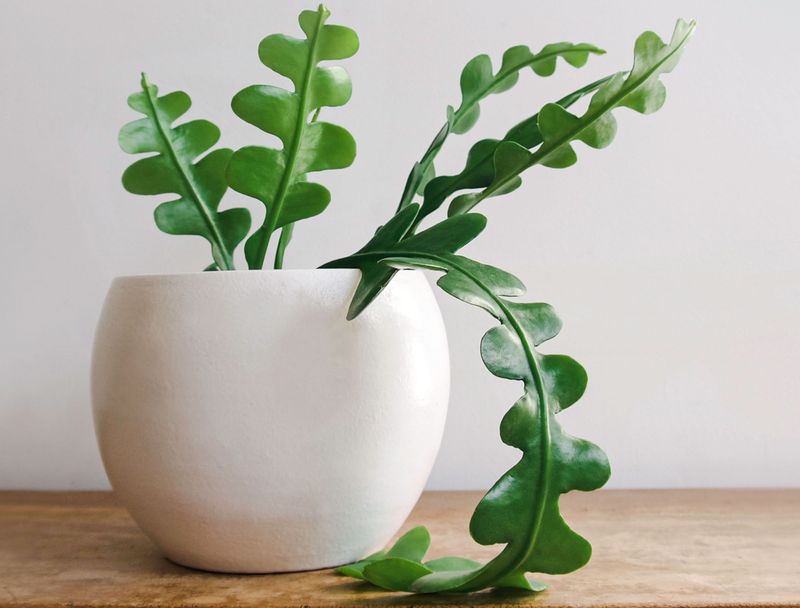
Finding the perfect location for your fishbone cactus sets the foundation for everything else. These plants originally grew under rainforest canopies where they received filtered sunlight rather than direct rays.
In Texas homes, an east-facing window works wonderfully because it provides gentle morning light without the harsh afternoon sun that can scorch the leaves.
South-facing windows can work too, but you need to place the plant a few feet back from the glass or use sheer curtains to diffuse the light.
Direct Texas sun streaming through windows can be quite intense, especially during summer months. The leaves will turn yellow or develop brown spots if they get too much direct exposure.
North-facing windows usually do not provide enough light for healthy growth. Your fishbone cactus might survive but will not thrive or produce those amazing flowers. West-facing windows can work if you filter the afternoon sun with blinds or curtains.
Watch your plant for signs it needs a location change. If the stems start growing long and skinny with lots of space between the segments, it needs more light. If the leaves develop pale patches or brown crispy edges, it is getting too much direct sun.
Many Texas gardeners have success placing their fishbone cactus in bathrooms with frosted windows. The humidity from showers mimics their natural environment while the diffused light provides perfect growing conditions.
Living rooms with bright ambient light also work great, especially if you have large windows with light-colored curtains that scatter the sunlight throughout the space.
2. Water Properly For Texas Humidity Levels
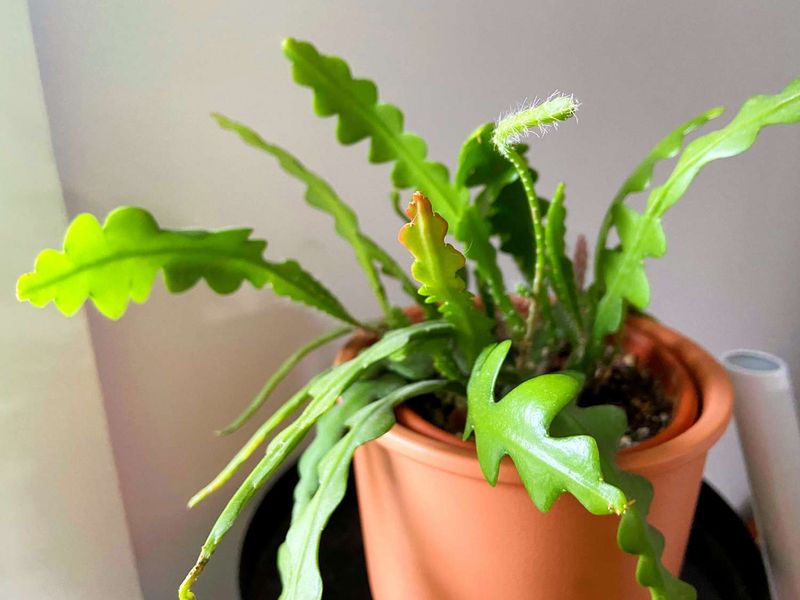
Watering mistakes account for most fishbone cactus problems in Texas homes. These plants need more water than desert cacti but less than typical houseplants. The trick is finding the sweet spot that keeps roots healthy without causing rot.
Stick your finger about two inches into the soil before watering. If it feels dry at that depth, your plant needs water.
During hot Texas summers, this might mean watering every five to seven days. In cooler months, you might only water every ten to fourteen days.
Always water thoroughly until liquid runs out the drainage holes. This ensures the entire root system gets moisture and flushes out any salt buildup from fertilizers.
Empty the saucer underneath after fifteen minutes so the plant does not sit in standing water.
Texas tap water works fine for most fishbone cacti, though some areas have very hard water with high mineral content. If you notice white crusty deposits on the soil surface, consider using filtered water or letting tap water sit overnight before using it.
The humidity level in your Texas home affects watering frequency significantly. Homes with air conditioning running constantly during summer create drier conditions that increase water needs.
Coastal areas like Houston naturally have higher humidity, so plants there need less frequent watering than those in drier regions like West Texas.
Reduce watering during winter when growth slows down. Overwatering during dormant periods causes root problems that show up as soft, mushy stems.
Your fishbone cactus will tell you if it needs more water by developing wrinkled or shriveled segments along the stems.
3. Use Well-Draining Soil Mix
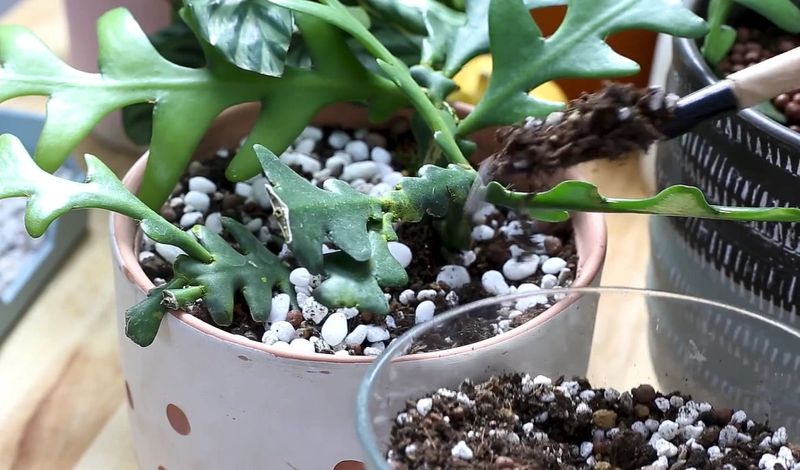
Soil choice makes a huge difference in how well your fishbone cactus grows. Regular potting soil holds too much moisture and does not provide enough air circulation around the roots.
This tropical cactus needs a mix that drains quickly while still retaining some moisture. Cactus and succulent potting mix from any Texas garden center provides a good starting point.
These mixes contain sand, perlite, or pumice that create air pockets and allow excess water to drain away. You can use this straight from the bag with good results.
For even better drainage, mix regular cactus soil with extra perlite or orchid bark. A ratio of three parts cactus mix to one part perlite works great. The perlite looks like small white pebbles and helps prevent soil compaction over time.
Some Texas growers add a bit of compost to their mix for extra nutrients. If you choose this option, keep the compost portion small, maybe ten percent of the total mix. Too much organic matter holds moisture and can lead to root problems.
Check the soil drainage by watering your plant and watching how quickly water runs through. It should flow out the bottom holes within a few seconds. If water pools on the surface or takes more than a minute to drain, your soil is too dense.
Replace the soil every two to three years even if you do not move to a larger pot. Old soil breaks down and becomes compacted, reducing drainage and air circulation.
Spring is the best time for repotting in Texas since plants are entering their active growing season.
4. Maintain Ideal Temperature And Humidity
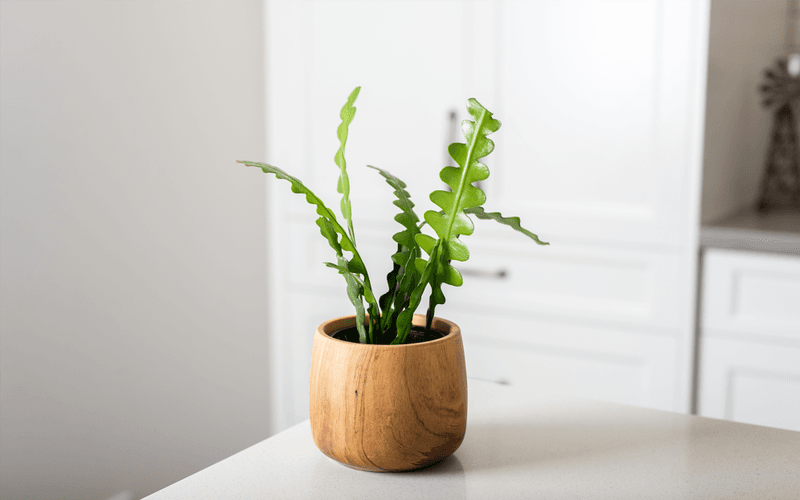
Temperature management comes naturally in most Texas homes since fishbone cacti prefer the same range humans find comfortable.
These plants thrive between 60 and 75 degrees Fahrenheit, which matches typical indoor temperatures year-round. They can handle brief drops to 50 degrees but will suffer damage below that point.
Keep your fishbone cactus away from heating vents during winter and air conditioning vents during summer. Direct blasts of hot or cold air stress the plant and cause leaf drop. The constant air movement also dries out the stems faster than normal.
Humidity matters more than temperature for these rainforest natives. They prefer humidity levels between 40 and 60 percent, which can be challenging in air-conditioned Texas homes.
Central air systems remove moisture from indoor air, sometimes dropping humidity below 30 percent.
Several simple methods boost humidity around your plant without affecting your whole house. Group multiple plants together so they create a humid microclimate through their combined transpiration.
Place the pot on a tray filled with pebbles and water, making sure the pot sits on the pebbles above the water line.
Bathrooms naturally have higher humidity from showers and make excellent locations for fishbone cacti. Kitchen humidity from cooking also benefits these plants. If you notice brown crispy edges on the leaves, low humidity is likely the culprit.
Small humidifiers work great for plant collections in Texas homes. Run them near your fishbone cactus during the driest months, typically winter when heating systems run constantly.
Misting the leaves provides temporary relief but does not significantly impact overall humidity levels.
5. Fertilize During The Growing Season
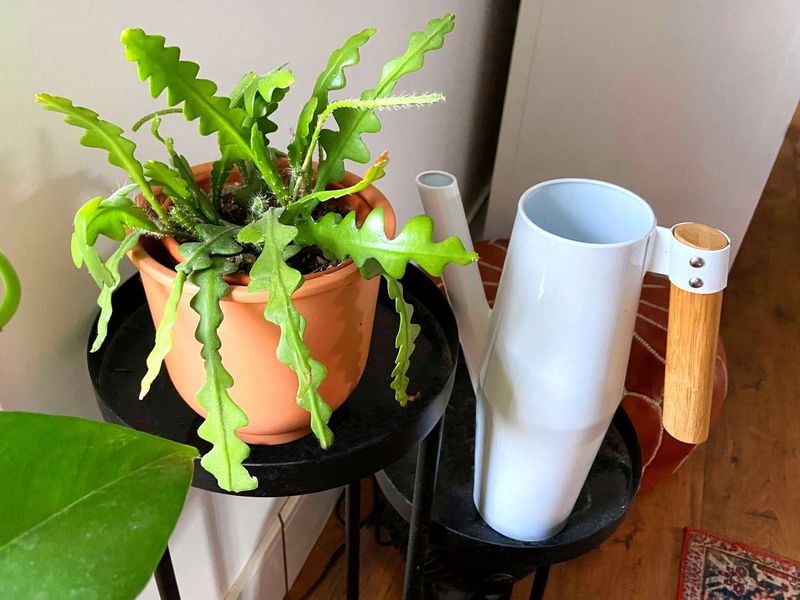
Feeding your fishbone cactus gives it the nutrients needed for strong growth and beautiful flowers. These plants are not heavy feeders but benefit from regular fertilization during their active growing period.
In Texas, this typically runs from March through September when temperatures warm up and days get longer.
Liquid fertilizers work best because they distribute evenly through the soil and are immediately available to roots.
Choose a balanced houseplant fertilizer with equal nitrogen, phosphorus, and potassium numbers, such as 10-10-10 or 20-20-20. Cactus-specific fertilizers also work wonderfully.
Dilute the fertilizer to half the strength recommended on the bottle. Fishbone cacti need less fertilizer than most houseplants, and full-strength applications can burn the roots.
Mix the diluted fertilizer with water and apply it when you would normally water your plant.
Feed your plant once a month during the growing season. Some Texas gardeners prefer feeding every two weeks with an even more diluted solution, using one-quarter strength. Both approaches work well as long as you avoid overfeeding.
Stop fertilizing in October when growth naturally slows down for winter. Your fishbone cactus enters a rest period and cannot use the nutrients effectively. Applying fertilizer during dormancy causes salt buildup in the soil that can damage roots.
Signs of overfertilizing include brown leaf tips, white crusty deposits on the soil surface, and stems that look burned or damaged.
If this happens, flush the soil with plain water several times to remove excess salts. Resume feeding at an even lower concentration once the plant recovers.
6. Prune And Propagate For Fuller Growth
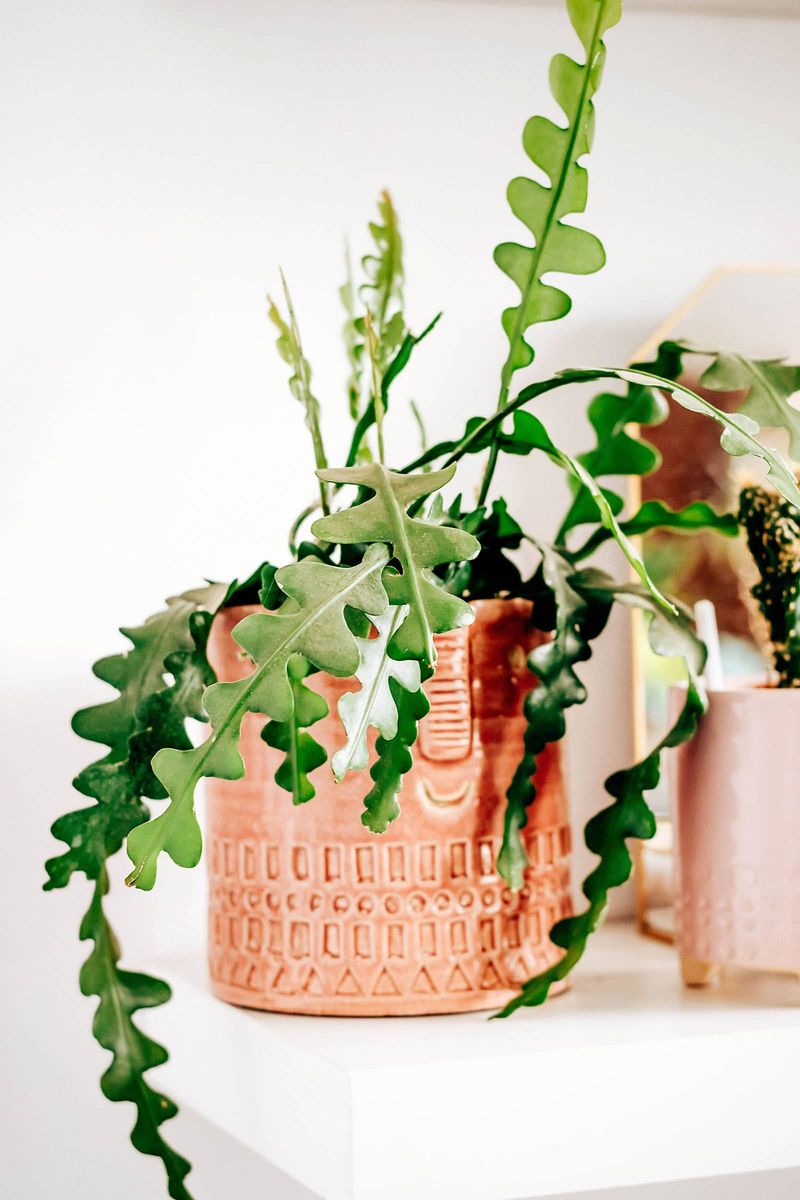
Pruning keeps your fishbone cactus looking its best while providing free cuttings to grow new plants.
These cacti naturally grow long trailing stems that can become sparse or leggy over time. Strategic trimming encourages bushier growth and maintains an attractive shape.
Use clean, sharp scissors or pruning shears to cut stems. Wipe the blades with rubbing alcohol before cutting to prevent spreading any plant diseases. Make cuts just above a segment joint where the zigzag pattern connects.
Remove any damaged, yellowed, or shriveled segments whenever you spot them. These sections will not recover and removing them allows the plant to focus energy on healthy growth. Cut back extra-long stems that make the plant look unbalanced or scraggly.
The best time for major pruning in Texas is early spring before the growing season kicks into high gear. Light maintenance pruning can happen anytime throughout the year. Your fishbone cactus will quickly produce new growth from the cut points.
Cuttings from pruning root easily in soil or water. Let cut pieces dry for a day or two until the cut end forms a callus.
Then stick them about an inch deep into moist cactus soil. Keep the soil slightly moist but not soggy until roots develop in three to four weeks.
Water propagation works even faster. Place cuttings in a glass of water with the bottom inch submerged. Change the water every few days. Roots usually appear within two weeks.
Once roots reach about an inch long, transfer the cutting to soil and care for it like an established plant.
7. Watch For Common Pests And Problems
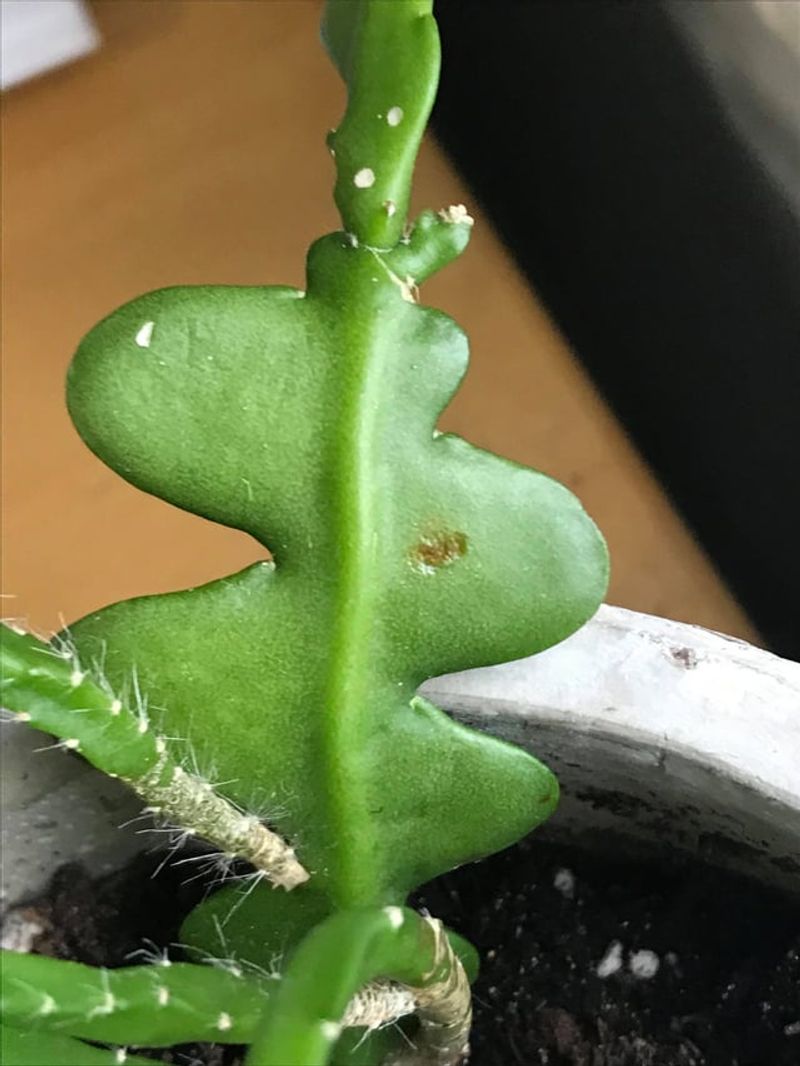
Healthy fishbone cacti in Texas homes rarely face serious pest problems, but knowing what to watch for helps you catch issues early.
The most common pests include mealybugs, spider mites, and scale insects. These tiny creatures suck sap from the stems and weaken your plant over time.
Mealybugs look like small white cottony spots on stems and in leaf joints. Spider mites are nearly invisible but leave fine webbing between stems. Scale insects appear as small brown bumps that do not move.
Check your plant regularly by examining the stems and joints where pests like to hide. Early detection makes treatment much easier.
Wipe away small infestations with a cotton swab dipped in rubbing alcohol. This method works great for a few mealybugs or scale insects.
For larger infestations, spray the entire plant with insecticidal soap or neem oil. Both products are safe for indoor use in Texas homes.
Apply treatments in the evening and repeat every week until pests disappear. Make sure to spray the undersides of stems where pests often gather.
Root rot from overwatering causes more problems than pests for most Texas growers. Stems become soft, mushy, and discolored when roots rot.
Unfortunately, advanced root rot is difficult to reverse. Your best option is cutting away healthy stem sections and propagating them to start fresh plants.
Prevent problems by maintaining good growing conditions. Proper watering, adequate light, and good air circulation keep plants strong and resistant to pests and diseases.
Quarantine new plants for a few weeks before placing them near your fishbone cactus to avoid introducing pests into your collection.