Garden Habits That Bring Monarch Butterflies To Texas Backyards
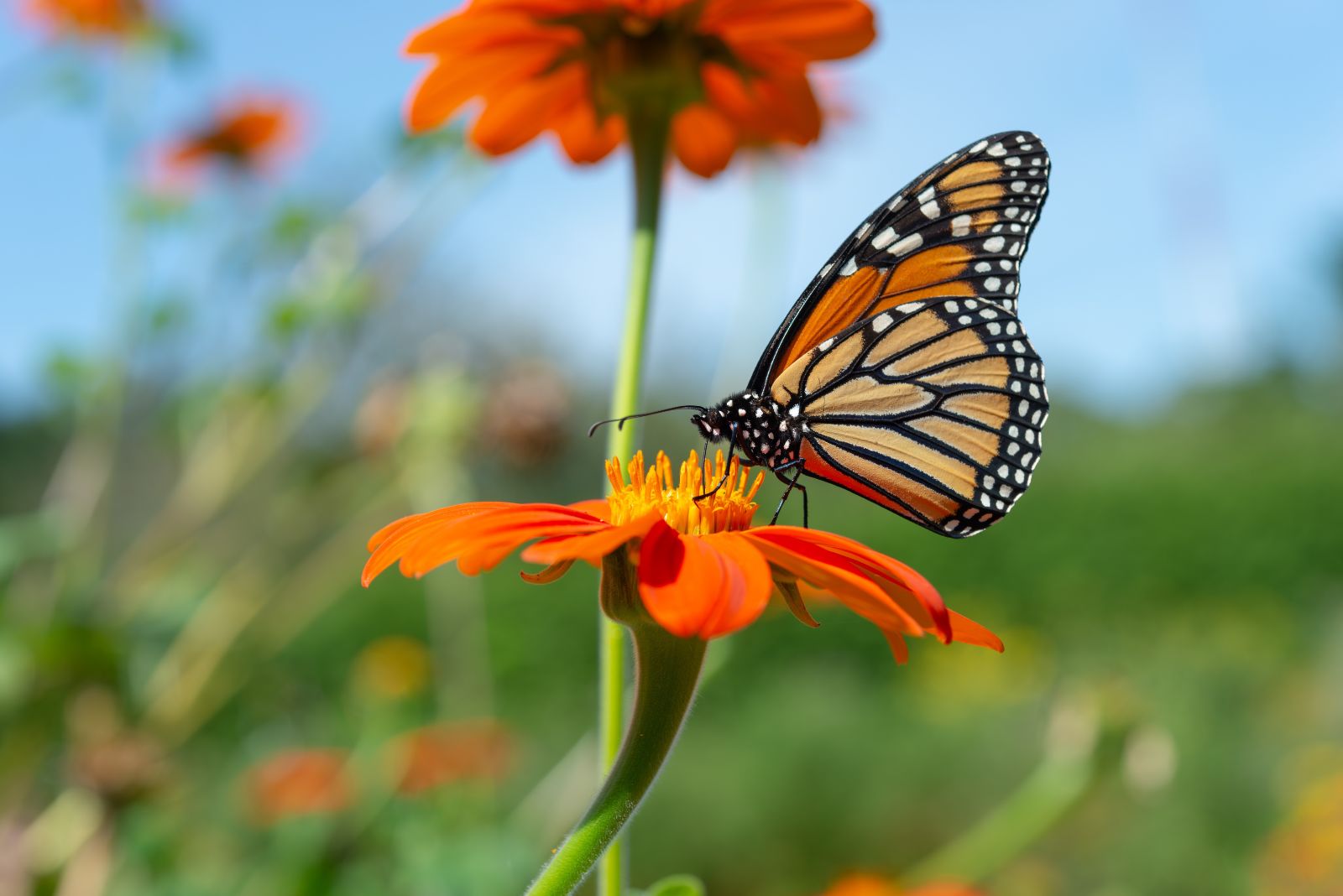
Monarch butterflies pass through Texas in numbers that most people never fully appreciate, making the state one of the most important stops along one of nature’s most remarkable journeys.
What happens in Texas backyards along that route actually matters more than most gardeners realize.
Monarchs are not just looking for a pretty place to land. They have specific needs at specific times, and a yard that meets those needs becomes a reliable waypoint that these butterflies return to season after season.
The encouraging part is that attracting monarchs consistently has less to do with luck and more to do with a handful of intentional habits that any Texas gardener can build into their routine.
Some of these adjustments are small, but their impact on how many monarchs visit and how long they stay can be significant. Your backyard has more potential to help these butterflies than you might think.
1. Planting Native Milkweed
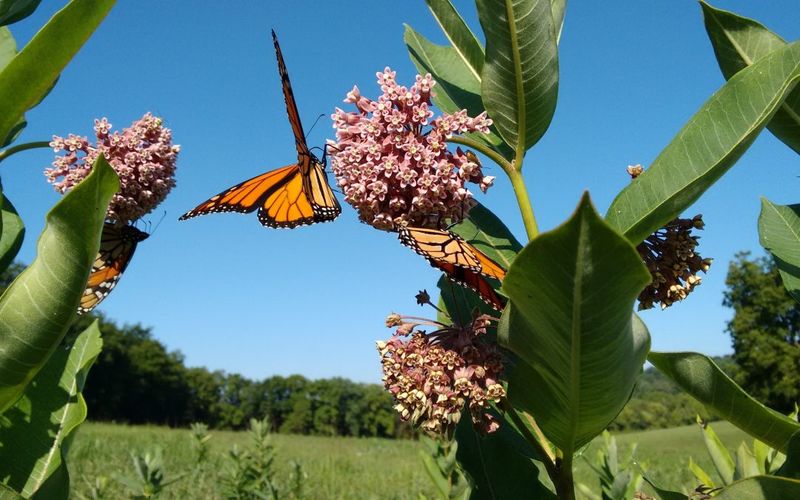
Without milkweed, monarchs simply cannot complete their life cycle. Monarch butterflies lay their eggs exclusively on milkweed plants, and the caterpillars feed on the leaves as they grow.
Planting milkweed in your Texas backyard is the single most important step you can take to support these incredible insects.
Texas has several native milkweed species that work beautifully in local gardens. Antelope horns milkweed, green milkweed, and zizotes milkweed are all excellent choices for Texas gardeners.
These plants are naturally adapted to the Texas climate, which means they are tough, low-maintenance, and do not need much extra watering once they are established.
One important tip is to avoid tropical milkweed, which is commonly sold at garden centers. Tropical milkweed does not go dormant in winter, and research shows it may disrupt monarch migration patterns.
Native milkweed naturally dies back in fall, which encourages monarchs to continue migrating rather than staying in one place too long.
You can plant milkweed in sunny spots with well-drained soil. It spreads gradually over time, creating a reliable food source year after year.
Even a small patch of milkweed in a corner of your yard can attract monarchs and support an entire generation of butterflies. Starting with just two or three plants is a great way to begin, and you can expand your milkweed garden as you gain confidence and space.
2. Growing Nectar-Rich Flowers
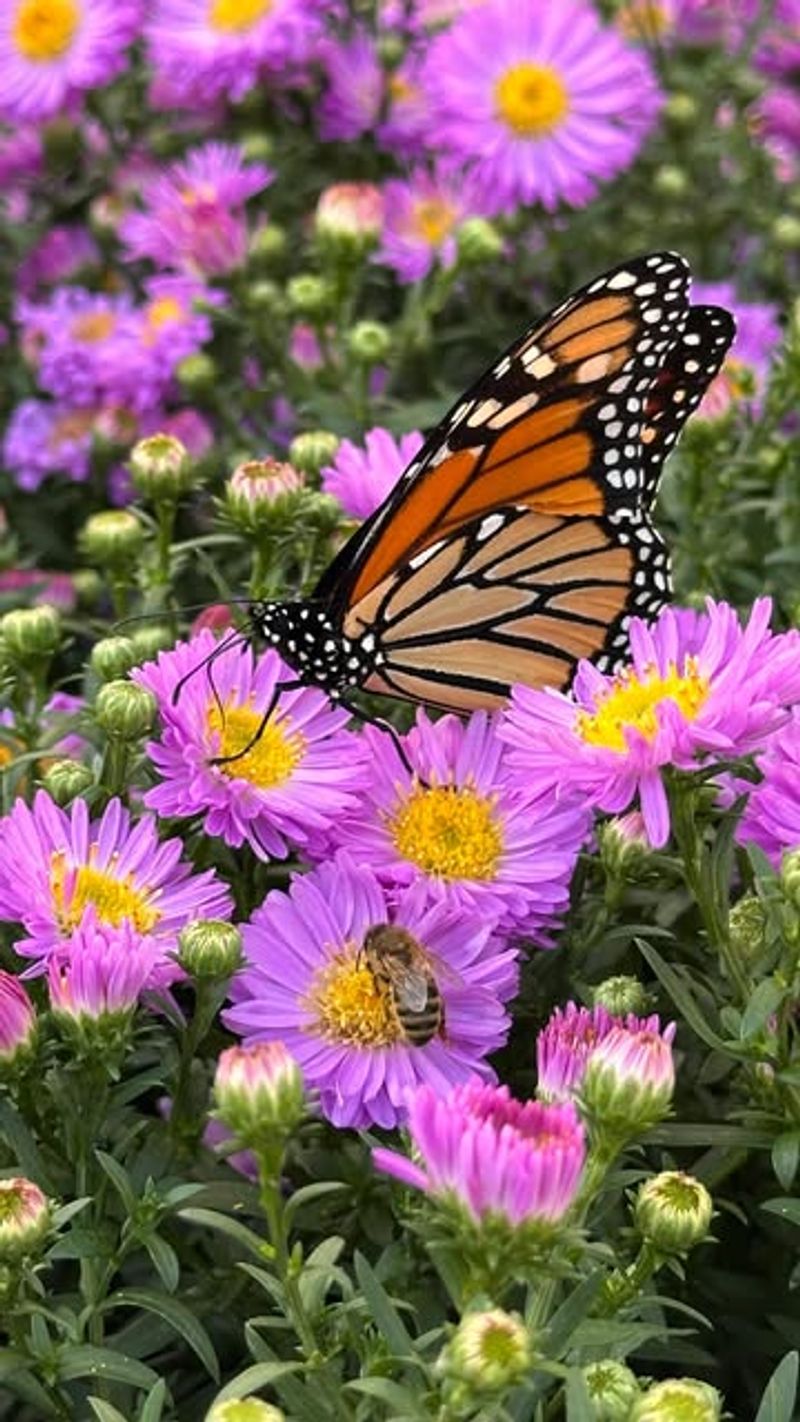
Imagine your backyard looking like a living buffet for butterflies. That is exactly what happens when you plant nectar-rich flowers that adult monarchs love to feed on.
Nectar gives monarchs the energy they need to fly hundreds of miles during migration, so having plenty of blooming plants makes your yard an irresistible rest stop.
Some of the best nectar plants for Texas gardens include gregg’s mistflower, autumn sage, lantana, and purple coneflower. Liatris and goldenrod are also fantastic options that monarchs flock to in impressive numbers.
These plants are not just good for monarchs either. Bees, hummingbirds, and other pollinators will visit your yard regularly once these flowers start blooming.
Planting flowers in clusters rather than single plants makes a big difference. A large patch of the same flower is much easier for butterflies to spot from the air.
Your Texas Garden Changes Every Week. Your Plan Should Too.
Gardening in Texas changes quickly throughout the season. Every Friday you’ll receive a simple weekly plan showing exactly what to plant, prune, fertilize, harvest, and protect so you never miss the right timing.
Think of it like a bright, colorful signal that says “food here” to every monarch passing through your neighborhood.
You do not need a huge yard to make this work. Even container gardens on a patio or balcony can be packed with nectar-rich blooms that attract monarchs.
Choose plants with different bloom times so there is always something flowering in your garden.
Mixing early, mid, and late bloomers ensures monarchs passing through in both spring and fall will always find something to fuel their long journey. A little planning now pays off with a yard full of fluttering orange wings.
3. Avoiding Pesticide Sprays
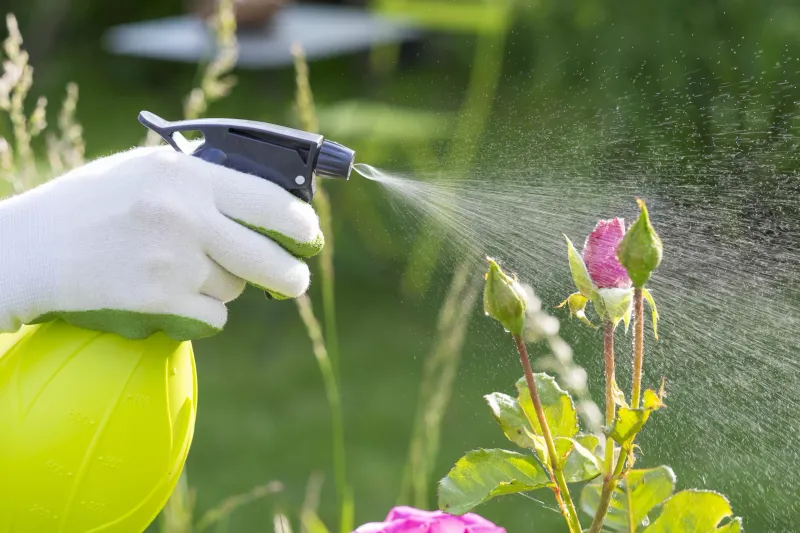
Here is something that surprises many gardeners: the chemicals used to get rid of pests can also harm the very butterflies you are trying to attract. Pesticides do not discriminate between harmful insects and helpful ones.
Monarch caterpillars and adult butterflies are both vulnerable to common insecticides, even when those products are used as directed.
Systemic pesticides are especially problematic. These chemicals are absorbed into a plant’s tissues, including the nectar and leaves.
When a monarch sips nectar from a treated flower or a caterpillar nibbles on a treated milkweed leaf, it can absorb those chemicals. This can weaken or harm the butterfly at any stage of its life cycle.
Switching to natural pest management strategies makes a real difference. Introducing beneficial insects like ladybugs and lacewings helps control aphids without harming monarchs.
Hand-picking pests from plants is time-consuming but very effective in small gardens. Neem oil, when used carefully and only on plants monarchs do not visit, can also be an option for some gardeners.
Reading plant labels at the nursery is a smart habit to develop. Some plants are pre-treated with systemic pesticides before they are sold, which means they can still carry chemicals even after you bring them home.
Ask your local nursery whether their milkweed and nectar plants are pesticide-free.
Choosing untreated plants and skipping the chemical sprays creates a much safer environment for monarchs and all the other pollinators that visit your yard throughout the year.
4. Leaving Some Wild Areas In The Yard
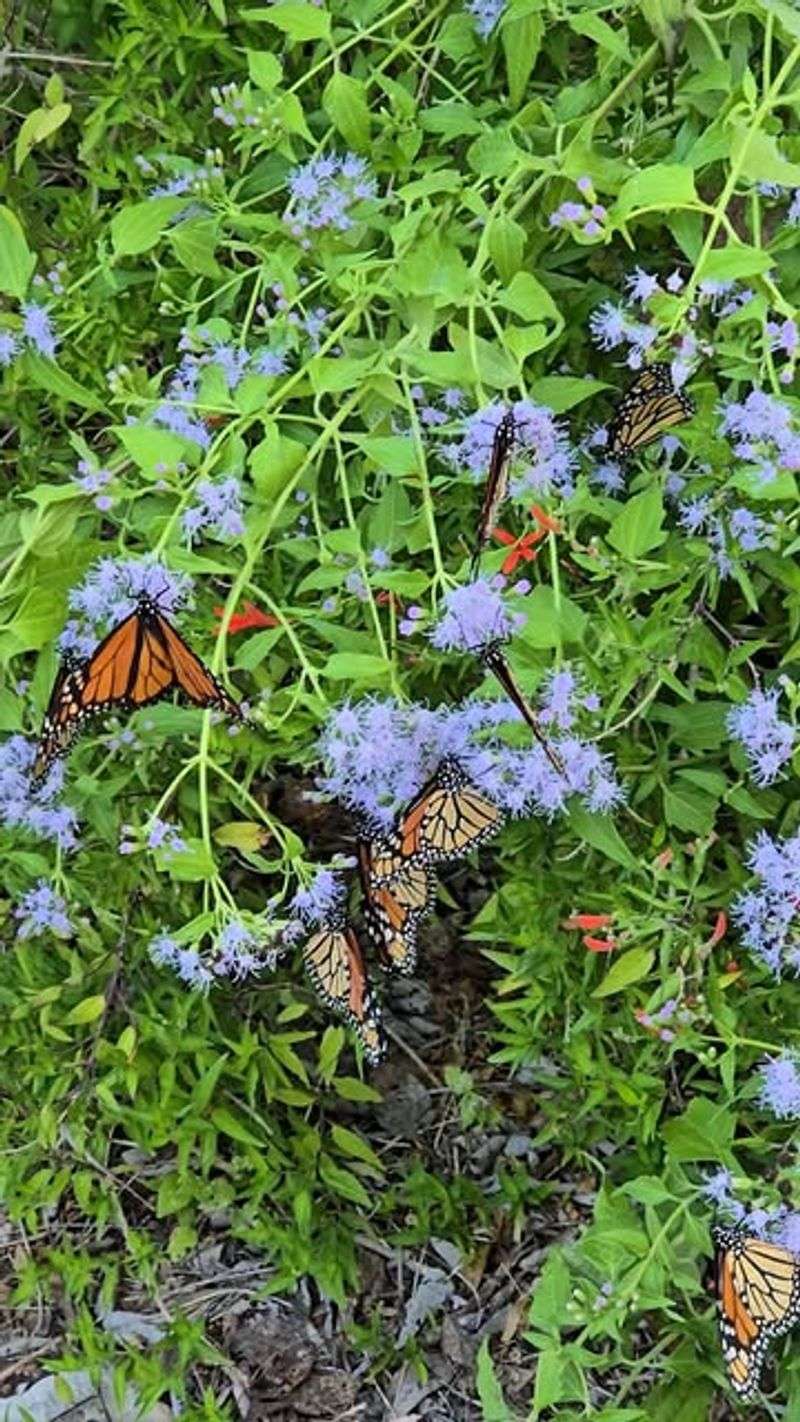
Not every inch of your yard needs to be perfectly manicured. In fact, leaving a small wild corner can be one of the best things you do for monarch butterflies and other wildlife.
Monarchs need more than just food during migration. They also need safe, sheltered spots to rest when they are tired or when the weather turns rough.
A wild patch does not have to look messy. You can create a natural area with native grasses, wildflowers, and a few fallen branches or leaf piles.
These spaces mimic the natural Texas landscape and provide excellent shelter for butterflies resting overnight or waiting out a rainstorm. Monarchs often roost in clusters in trees and shrubs, so having taller native plants in your yard gives them more options.
Leaving dried flower stalks standing through fall and winter also helps. Many beneficial insects, including native bees, use hollow stems for shelter.
A yard that supports a full range of insects creates a healthier, more balanced ecosystem overall. When the ecosystem is healthy, monarchs have a better chance of thriving too.
You can designate even a small section, maybe just a few square feet along a fence or in a back corner, as your wild zone. Let native plants grow there naturally, and resist the urge to trim everything back at the end of the season.
Over time, this little wild patch will become one of the most active and interesting spots in your entire backyard garden. Nature has a way of filling in the gaps beautifully.
5. Providing Water Sources
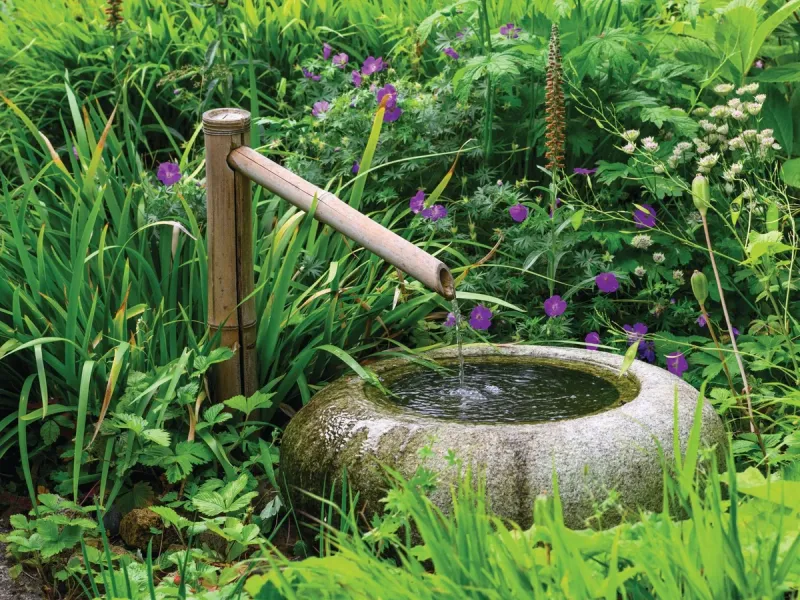
Butterflies get thirsty too, and providing a reliable water source in your garden can make your yard even more appealing to passing monarchs.
During the heat of a Texas summer or fall, a simple water station can be a real lifesaver for butterflies making the long migration journey. The trick is setting it up in a way that butterflies can actually use safely.
Monarchs and other butterflies cannot drink from deep water like birds can. They need very shallow water or damp surfaces where they can land and sip.
A shallow dish filled with clean water and a few smooth stones or marbles works perfectly. The stones give butterflies a safe landing spot while keeping them out of the water itself.
Change the water every couple of days to keep it fresh and prevent mosquitoes from breeding.
Another option is a patch of damp soil or wet sand, which butterflies use for a behavior called puddling. Puddling is when butterflies gather on moist ground to absorb water and minerals.
You can create a simple puddling station by keeping a patch of sandy soil consistently moist in a sunny part of your garden.
Place your water source near your milkweed and nectar flowers so butterflies do not have to travel far between eating and drinking. Putting it in a sunny, sheltered spot also helps, since butterflies prefer warmth.
A water feature does not need to be expensive or complicated. Even a simple saucer from a flower pot can do the job beautifully when set up the right way.
6. Planting Flowers That Bloom Across Seasons
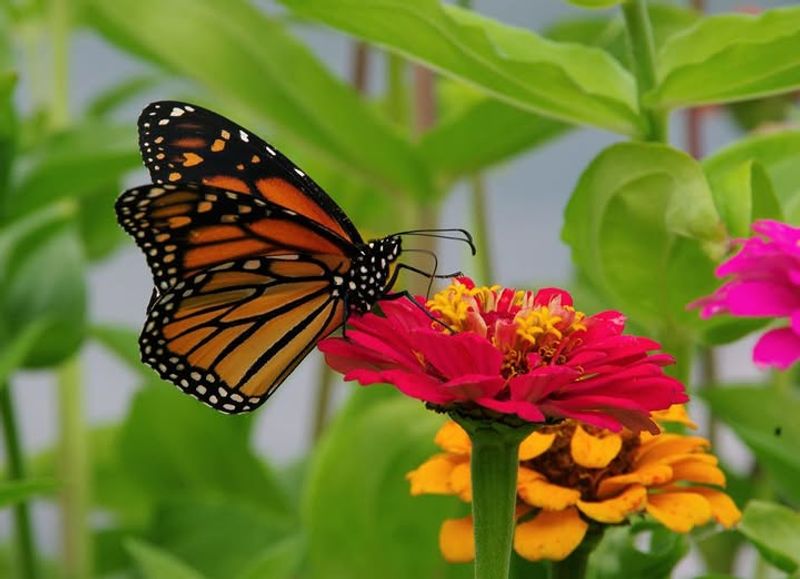
Timing really is everything when it comes to supporting monarch butterflies. Monarchs pass through Texas twice a year, once in spring heading north and again in fall heading south to Mexico.
If your garden only blooms in one season, you are missing half the opportunity to help these butterflies on their journey.
Planning a garden with staggered blooms throughout the year takes a little thought, but it is completely doable even for beginner gardeners. In early spring, plants like bluebonnets and prairie verbena offer early nectar.
Through summer, lantana and black-eyed Susans keep the blooms coming. As fall arrives, goldenrod, frostweed, and gregg’s mistflower become some of the most valuable plants in the entire Texas landscape for migrating monarchs.
Having a continuous bloom cycle also benefits your garden in other ways. Pollinators of all kinds, from native bees to hummingbirds, will visit more frequently when there is always something in flower.
A yard with year-round blooms feels more alive and dynamic, and it becomes a neighborhood landmark for wildlife watchers and nature lovers.
You do not have to replant every season to achieve this. Many native Texas perennials come back reliably year after year, providing blooms at the same time each season without much extra effort.
Mixing a few annuals with established perennials gives you flexibility to fill in any gaps. Walking through your yard at different times of year and noting what is blooming, and what is not, helps you spot opportunities to add new plants that extend your garden’s season.
7. Using More Native Texas Plants
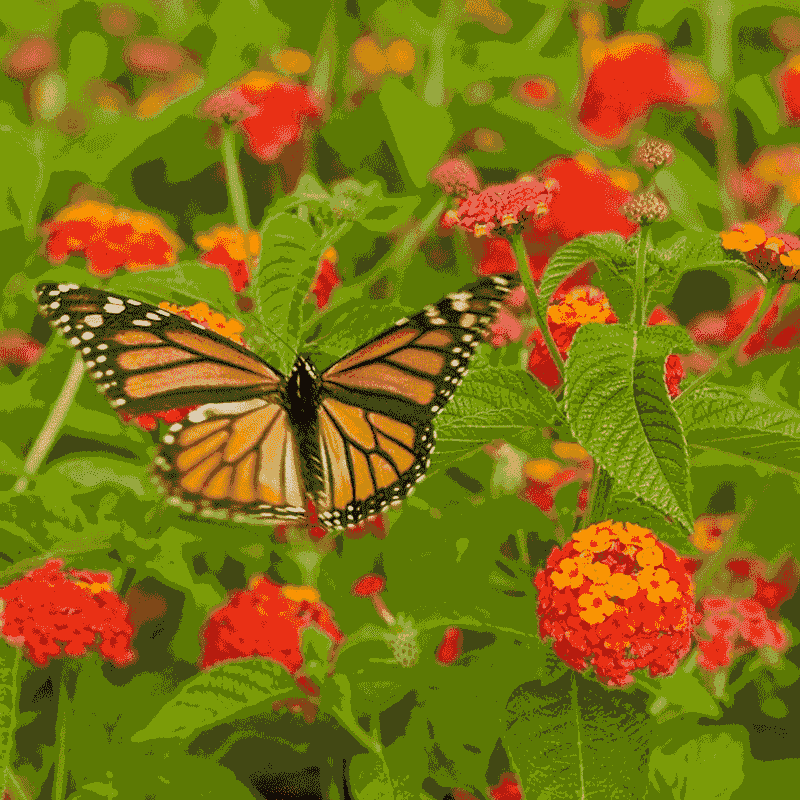
There is something remarkable about native plants. They evolved alongside local wildlife over thousands of years, which means they are perfectly suited to support the insects, birds, and butterflies that call Texas home.
When you fill your yard with native Texas plants, you are essentially rebuilding a small piece of the natural habitat that monarchs have relied on for generations.
Native plants require far less water, fertilizer, and maintenance than non-native species. Once established, many native Texas plants thrive on rainfall alone, making them both eco-friendly and budget-friendly.
Less watering and fewer inputs also means less chemical runoff into local waterways, which benefits the entire ecosystem well beyond your backyard fence.
For monarch gardeners, some standout native plants include Texas lantana, frostweed, prairie coneflower, and Texas sage. Frostweed is especially beloved by fall migrating monarchs and can attract enormous numbers of butterflies when it blooms in October and November.
Seeing dozens of monarchs on a single frostweed plant is a sight that is hard to forget once you have experienced it.
Swapping out even a few non-native ornamental plants for native alternatives can make a measurable difference over time.
Local native plant societies, botanical gardens, and native plant nurseries across Texas are wonderful resources for finding the right plants for your specific region.
Central Texas, East Texas, and South Texas each have slightly different native plant communities, so choosing plants suited to your local area gives them the best chance of thriving and doing the most good for monarchs passing through your backyard.