The Secretive Owl That Roosts in Ohio Pine Groves All Winter
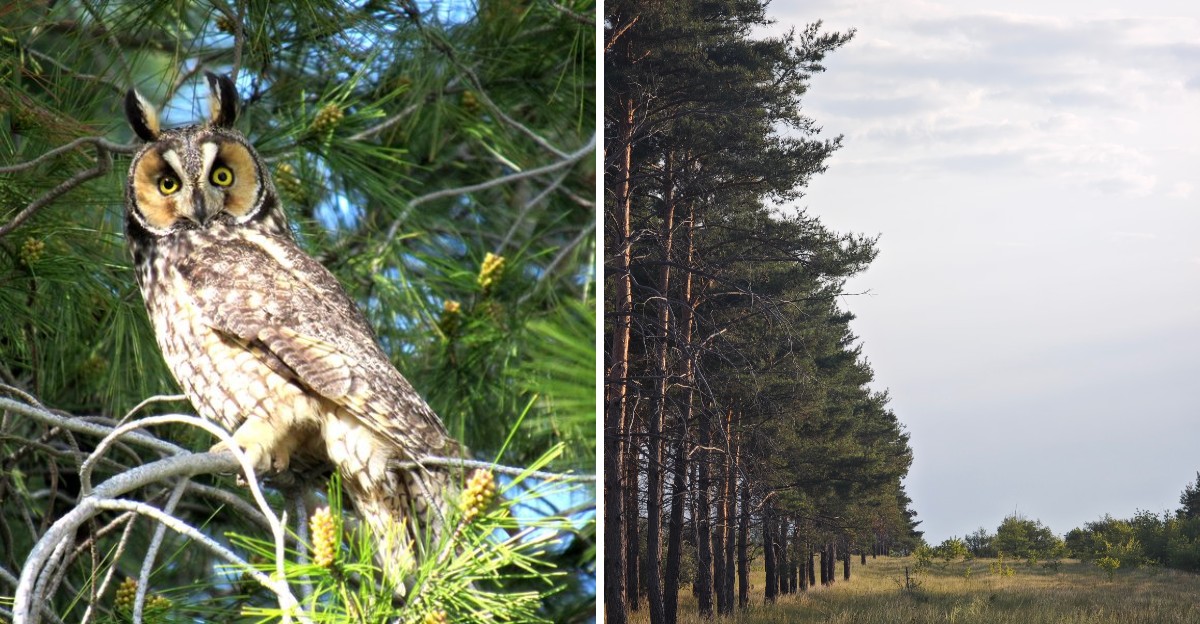
A bird the size of a crow can stretch itself thin and pass for a broken pine branch. I still find that hard to believe, even after seeing photos of it.
This winter visitor drifts down from the north and settles into thick evergreen groves across Ohio. It sleeps through the day, often just a few feet above the heads of hikers who stroll right past.
Some groves hold several of these birds at once, packed into the same dense trees.
I love that a planted row of pines can become a hidden winter shelter. You may already have the right kind of trees in your yard, or a park nearby with a perfect grove.
The trick is knowing what to look for and how to look politely.
Someone might be watching you from those needles right now while the rest of the world hurries past below.
That Skinny Branch In The Pine Tree Might Have Ear Tufts
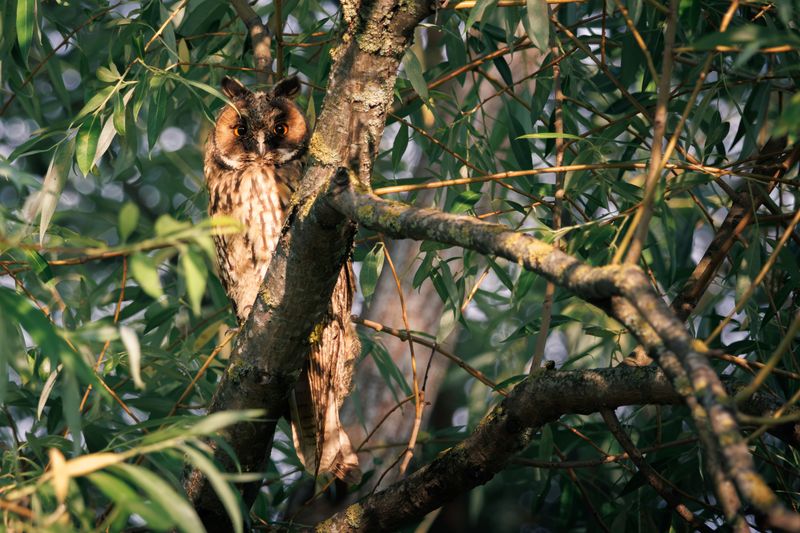
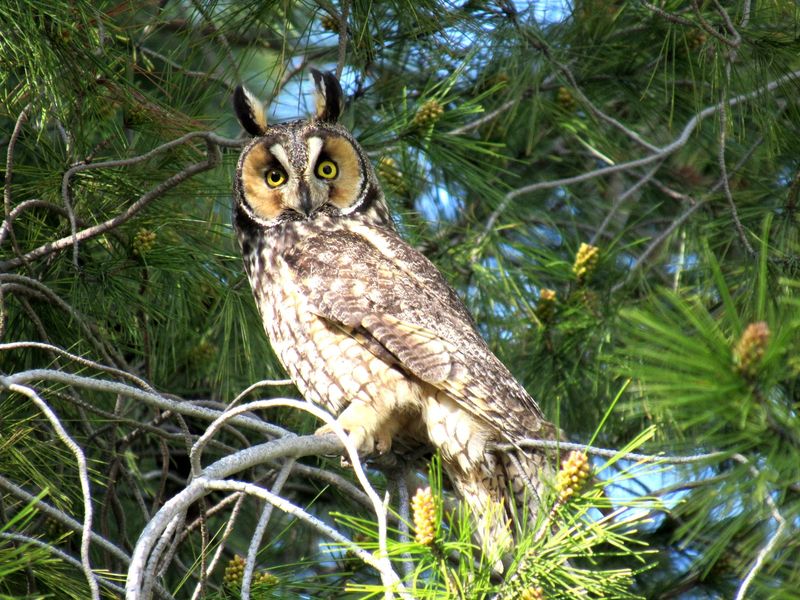
Here is the star of the show: the Long-eared Owl, a medium-sized owl with tall ear tufts and a rusty orange face. It weighs about as much as a can of soup, yet it can look like part of a tree.
When a Long-eared Owl feels nervous, it pulls its feathers in tight and stands straight up. Its ear tufts point skyward, and its streaky brown body blends with bark.
Birders call this a concealment posture, and it works amazingly well.
The Ohio Department of Natural Resources describes this owl as a winter visitor that is hard to find. Most arrive in late fall and leave by early spring for nesting grounds farther north.
A few have nested in the state, but those records are rare.
Don’t confuse it with the Great Horned Owl, which is much larger and bulkier. A Long-eared Owl looks slimmer, with tufts set close together near the middle of its head.
Its face is a warm orange instead of gray or tan.
Once you learn that shape, every lumpy branch in a pine grove becomes a little more interesting. Honestly, that is half the fun of winter walks.
Dense Evergreen Groves Make The Best Owl Hideouts
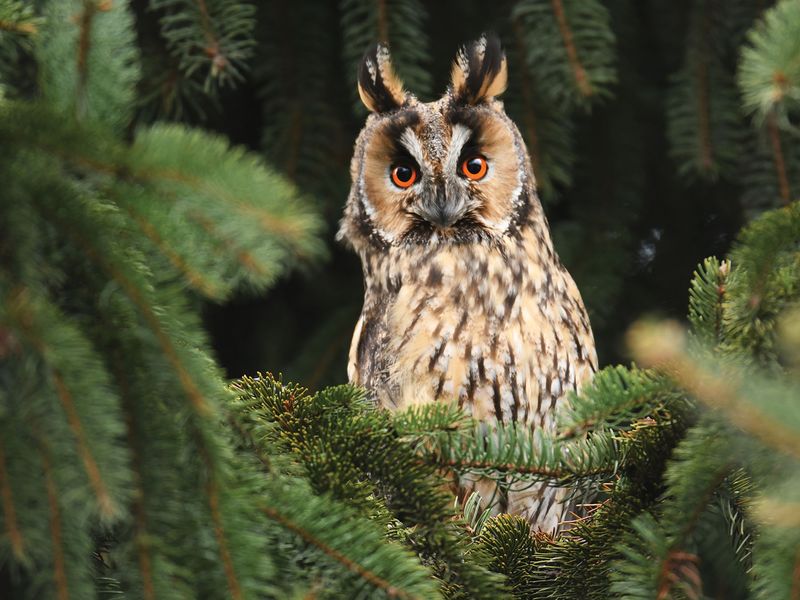
Thick cover is everything for a sleeping owl. Long-eared Owls choose conifers with dense needles that block wind and hide them from hawks and crows.
Research and Ohio birding reports point to small groves, thickets, and shelterbelts rather than huge forests. Trees around 8 to 15 feet tall are common picks.
Planted rows of white pine, Scotch pine, Norway spruce, and red cedar all show up in roost records.
Owls often sit close to the trunk, partway up the tree. That spot keeps them shaded and out of sight from almost every angle.
You could stand below and see nothing but needles.
Nature preserves, old cemetery plantings, reclaimed strip mines, and park pine plantations are classic places in the state. Many of these spots were planted decades ago for erosion control or windbreaks.
Owls later discovered them and kept coming back.
If your yard has a cluster of evergreens, you have the right idea. One lonely spruce rarely does the job, though.
Groups of trees growing close together offer the layered shelter these birds seek during cold, windy months.
Long-Eared Owls Often Share One Tree With Friends
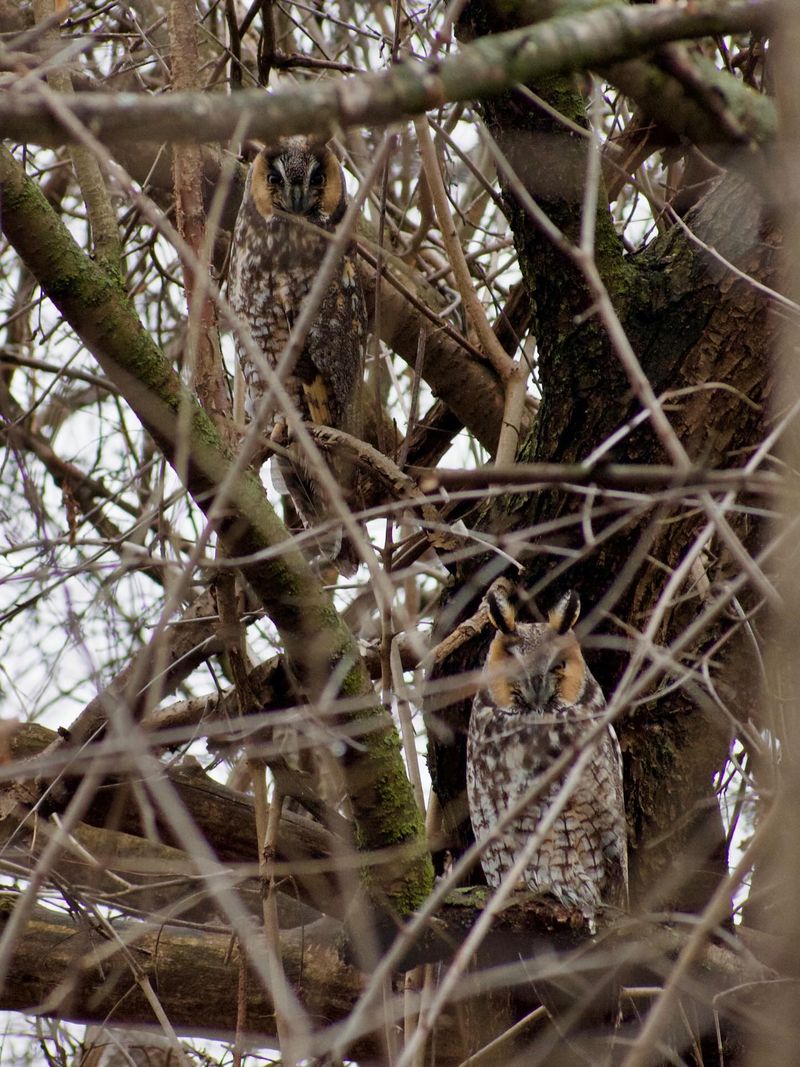
Most owls like their space, but this one is a little more social. In winter, Long-eared Owls often roost in groups.
Communal roosts can range from just two birds to more than twenty in some regions. In Ohio, smaller groups are more typical, yet a good grove may hold several owls for weeks.
Sometimes they sit in the same tree, and sometimes they spread across neighboring ones.
Why gather? Scientists suggest a few reasons, including safety in numbers and a shared knowledge of good hunting areas.
Extra eyes may also help spot danger like a roaming Cooper’s Hawk.
Group roosting helps explain why one great grove can matter so much. Losing a single stand of pines might push out several owls at once.
That makes these small patches surprisingly valuable for winter birds.
Roost sites can also shift from year to year. Food supply, weather, and disturbance all play a role.
A grove packed with owls one winter may sit quiet the next, so patience pays off for anyone hoping to see them.
Whitewash And Owl Pellets Under The Pines Give Them Away
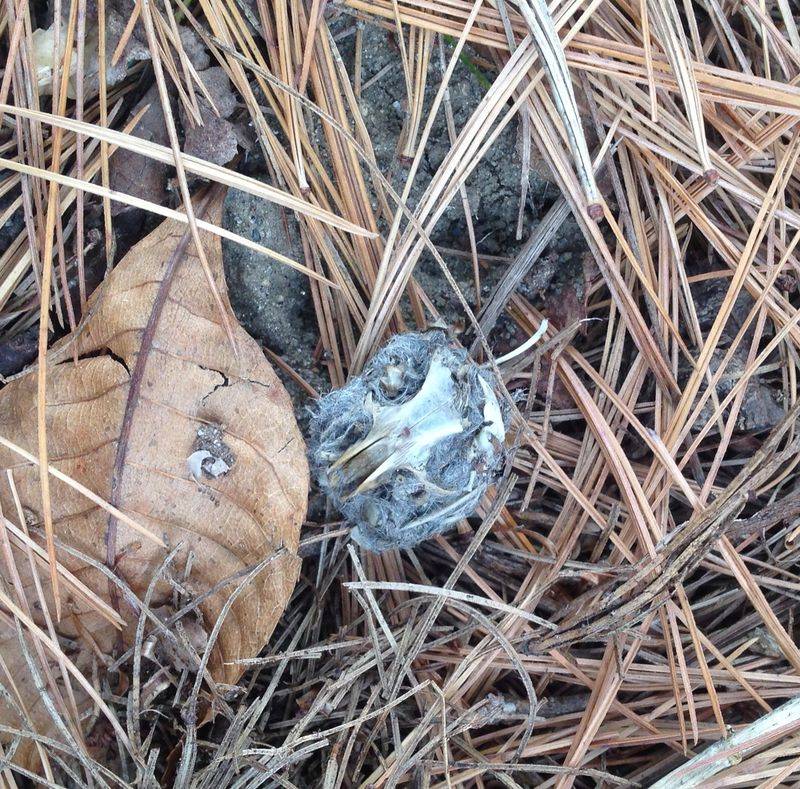
Forget scanning every branch. Seasoned birders look down first, because owls leave clues on the ground.
Watch for white splashes on needles, snow, or lower branches. Birders call this whitewash, and fresh streaks suggest an owl has been using that tree.
Gray, furry pellets nearby are an even stronger hint.
Owls swallow small prey whole and later cough up the bones and fur they can’t digest. Long-eared Owl pellets are usually about one to two inches long.
Inside, you may spot tiny skulls from voles and mice.
Pellets make fantastic science projects for kids. Wear gloves, soak a pellet in warm water, and gently pull it apart with toothpicks.
Many nature centers also sell cleaned pellets for classroom use.
A quick reminder matters here. If you find signs, enjoy the discovery and avoid circling the tree for a better look.
Owls that feel crowded may abandon the roost, and that sends them out into colder, riskier places.
Searching for clues instead of birds keeps the experience gentle. It also trains your eyes to notice small details that most walkers miss.
Open Fields Near The Pines Serve As The Owl Dinner Table
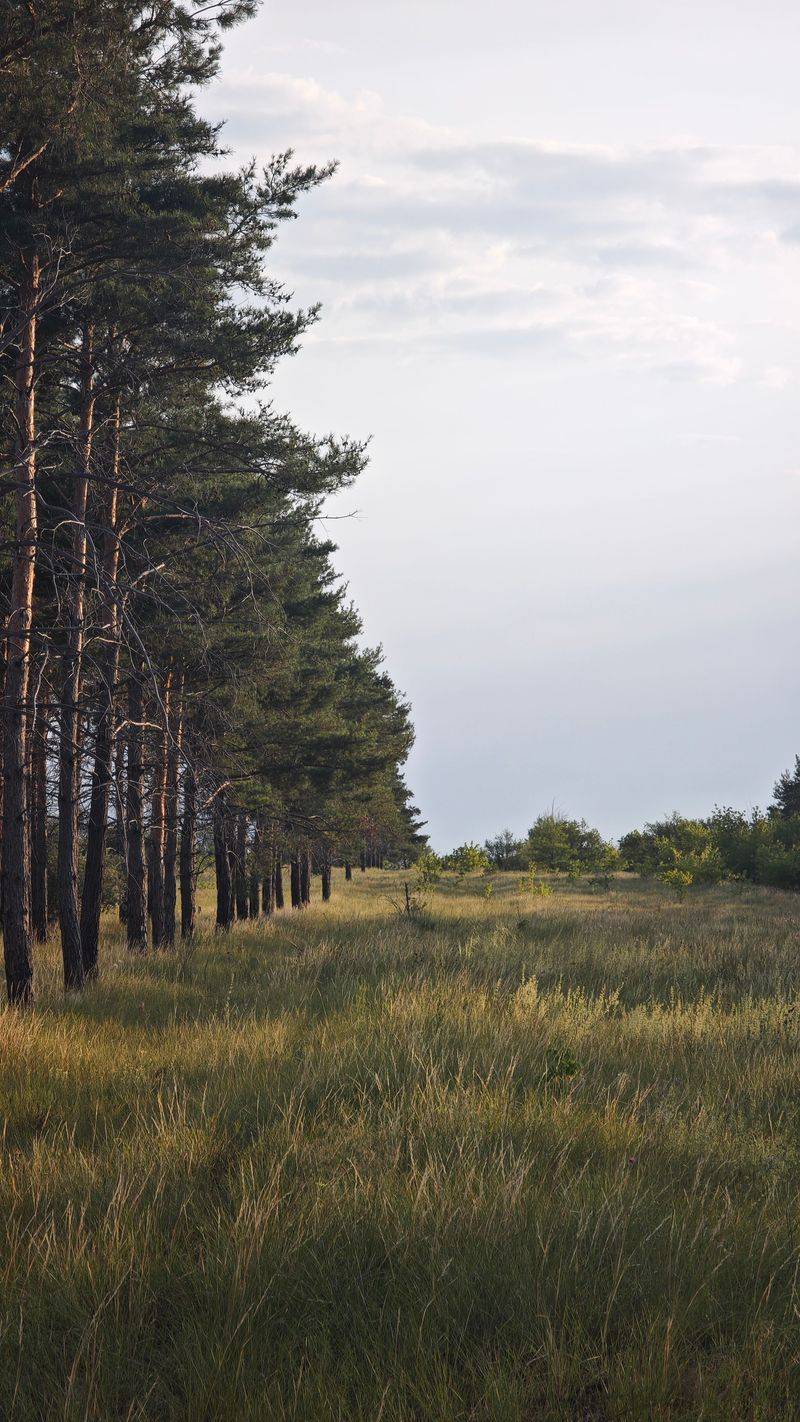
A roost is only half the deal. Long-eared Owls need hunting grounds close by, and open grassy areas fit the bill.
After dark, these owls glide low over meadows, old fields, and prairie plantings. Their ears are set at different heights on the head, which helps them pinpoint a scurrying vole under grass or snow.
Meadow voles make up a large share of their winter diet.
Mice and shrews also land on the menu. Small birds get taken occasionally, but rodents carry the load.
One owl can eat a lot of them over a season, which is welcome news for anyone tired of voles chewing bulbs and tree bark.
The best roost sites often sit right next to these feeding areas. A pine grove surrounded by mowed lawn and pavement is less likely to attract owls.
Tall grass nearby makes a big difference.
If you have space, leaving a patch of native grasses uncut through winter can help. Little bluestem, switchgrass, and native sedges give voles cover.
Owls notice that kind of buffet.
A Tiny Saw-Whet Owl Might Be Hiding In The Same Evergreens
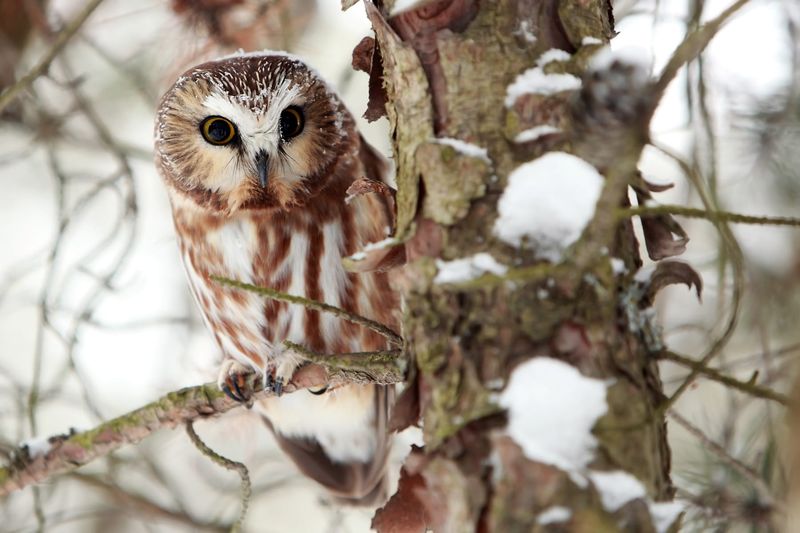
Ohio’s pine groves sometimes hold a second secret. The Northern Saw-whet Owl is the smallest owl in the state, roughly the size of a robin.
Saw-whets also arrive mostly as fall migrants and winter visitors. Research banding stations in Ohio catch good numbers each autumn, which surprised many people who never saw one.
They roost in dense conifers, thickets, and tangles of vines.
These little owls have no ear tufts. Look for a round head, big yellow eyes, and a white Y-shape between the eyes.
Young birds can look chocolate brown with a buffy belly.
Saw-whets often sit low, sometimes at eye level. They tend to hold still when approached, which can fool people into thinking the bird is relaxed.
Experts say that calm look does not mean the owl is comfortable with company.
Spotting both owl species in one winter is a real treat for local birders. Even if you only see whitewash, knowing two kinds of owls may share your favorite grove makes every walk feel like a quiet treasure hunt.
Give That Roosting Owl Plenty Of Room And Silence
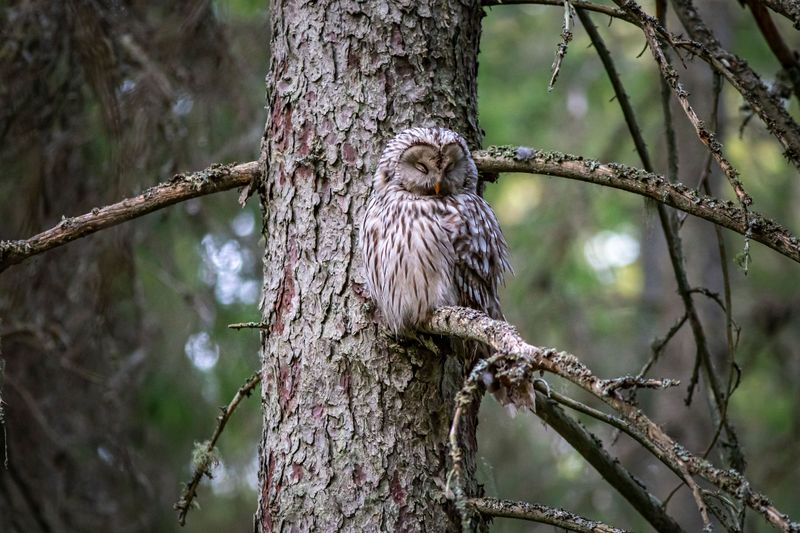
Spotting a roosting owl feels like winning a prize. How you act next decides whether that owl stays.
Many birding groups ask people to keep exact roost locations off social media. Crowds can trample cover and flush the birds again and again.
Each flush burns energy owls need to stay warm through cold nights.
Use binoculars or a zoom lens from a trail. Keep voices low, skip flash photography, and stay only a few minutes.
If an owl stretches tall, stares, or shifts around, you are too close.
Never play recorded owl calls near a roost. It can stress birds and pull them out of hiding in daylight, when crows and hawks may harass them.
Owls are protected under the federal Migratory Bird Treaty Act. Handling them, keeping feathers, or bothering nests without permits is against the law.
Respecting their space is good manners and good sense.
Personally, I think quiet watching feels better anyway. You get a calm moment with a wild bird, and the owl gets to keep its peaceful winter routine.
Planting Native Conifers Can Welcome Winter Owls To Your Yard
Want to roll out a welcome mat for owls? Start with evergreens planted in a tight group rather than single trees.
Native choices for Ohio include eastern white pine, eastern red cedar, eastern hemlock, and pitch pine in suitable sites. White pine grows fast and handles most of the state’s zones 5 and 6.
Red cedar tolerates dry, poor soil and feeds birds with its berries.
Plant them fairly close together so branches eventually knit into dense cover. Give them a few years, since owls favor trees with thick foliage.
Avoid shearing every tree into a neat cone, because tidy shapes offer less shelter.
Pair evergreens with a patch of native grasses or wildflowers left standing in winter. That combo copies the mix of roost and hunting ground owls look for.
Skip rodent poisons, too. Owls eat poisoned rodents and can suffer serious harm.
Snap traps used indoors are a safer route.
Even if no owl ever shows up, your pines will shelter cardinals, juncos, and chickadees. Sometimes, though, a quiet evergreen grove repays your work with a surprise guest worth waiting for.