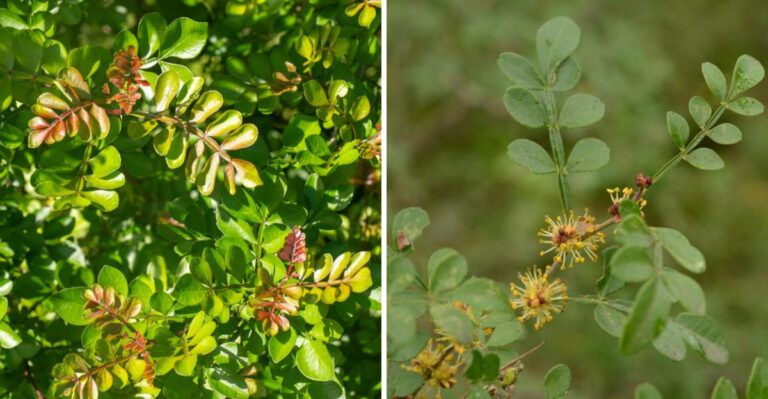
Soggy Mulch, Clogged Gutters, Wet Planters: Hidden No-See-Um Breeding Spots in Your Florida Yard
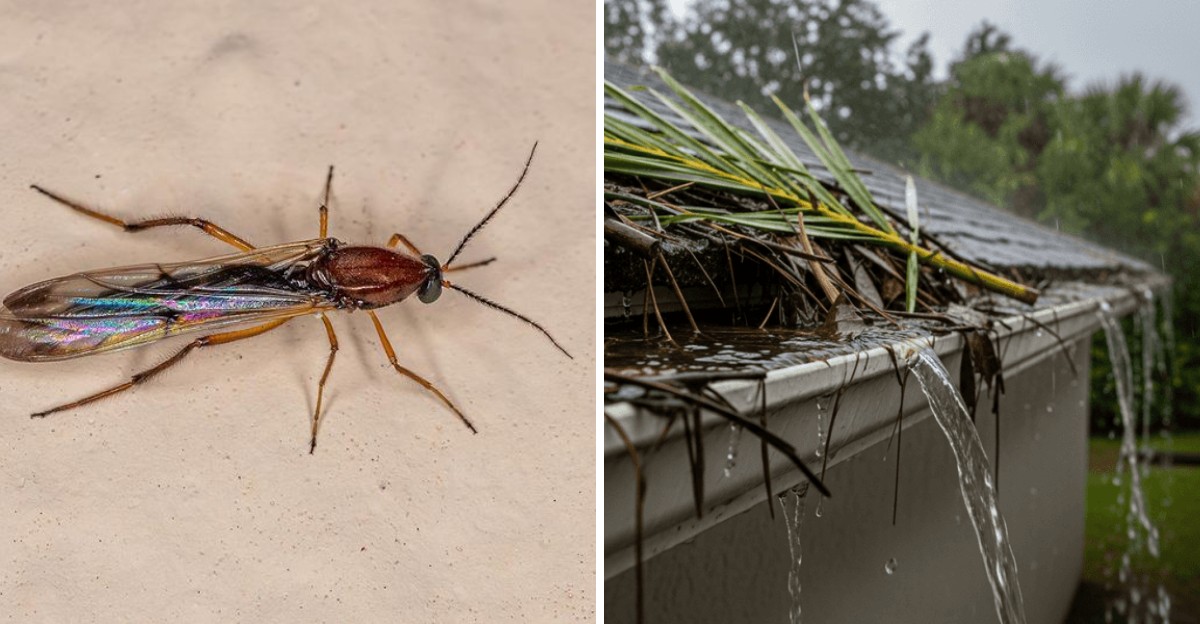
Some of the itchiest bugs in your yard are so tiny they can slip through ordinary window screen. They measure less than a sixteenth of an inch, yet their bite feels like a hot pinprick.
I used to blame the nearby marsh for every itchy evening on my Florida patio. Then I learned these biters are weak fliers that rarely travel far from where they hatch.
That changed how I looked at my whole backyard.
The culprits do not need a pond or a puddle to raise their young. A patch of damp, rotting leaves can be enough.
So can a flowerpot that never quite dries out.
That news is equal parts annoying and encouraging. If the trouble starts close to home, you have a real chance to fix it.
Somewhere in your yard, a soggy little corner might be running a bug nursery right now.
That Burning Ankle Bite Often Starts a Few Steps From Your Patio
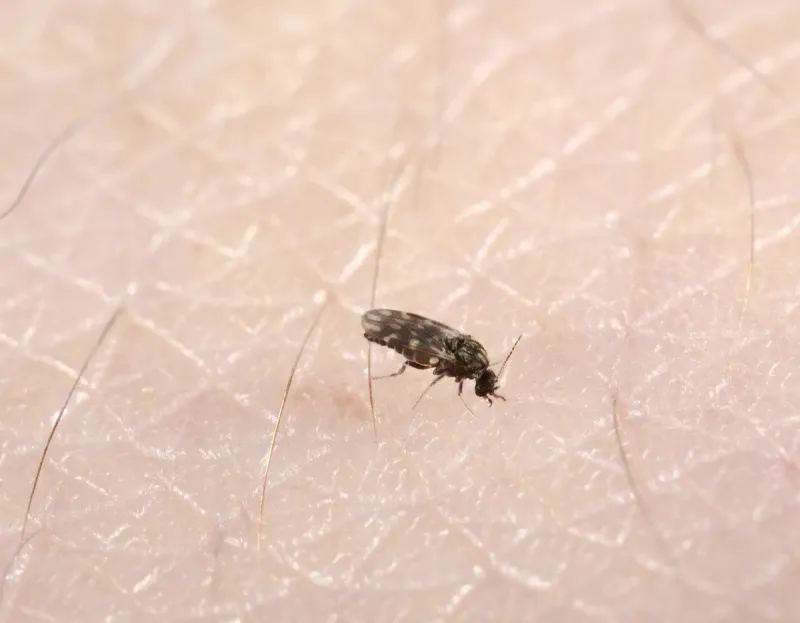
Scientists call these pests biting midges, and Florida has dozens of species in the genus Culicoides. Folks along the coast often call them sand gnats or no-see-ums.
Only the females bite, because they need a blood meal to develop their eggs.
University of Florida entomologists note that the larvae live in wet mud, damp soil, and soggy organic matter rather than open water. Salt marshes and mangrove edges produce huge numbers near the coast.
Still, several species happily develop in much smaller damp spots, like the ones many of us create by accident at home.
Here is the part that surprised me. Adults are weak fliers and usually stay fairly close to their breeding sites, especially on calm days.
If you get swarmed in the same corner of the yard every evening, that corner deserves a closer look.
Activity tends to peak at dawn and dusk when the air is still and humid. In much of the state, they show up for many months of the year, with heavy stretches from spring into fall.
Coastal neighborhoods typically get the worst of it, but inland yards with soggy spots are far from immune.
Damp Wet Soil Matters More Than Standing Water
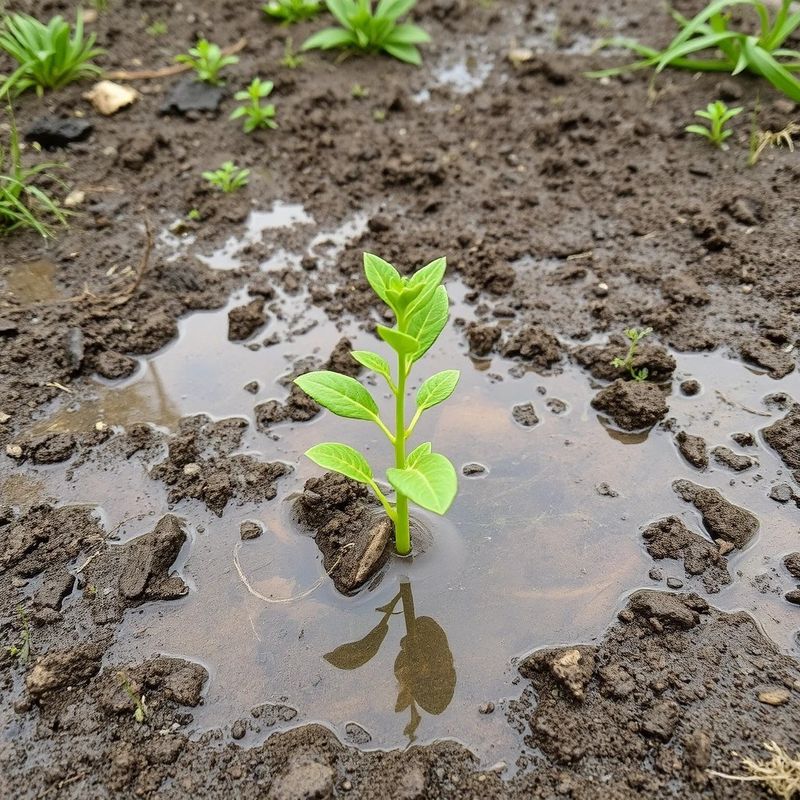
Most of us learned to dump out buckets and birdbaths to beat mosquitoes. That habit is smart, but it only solves half the puzzle.
No-see-um larvae want moist, muddy material packed with decaying plant matter, not a clear pool of water.
Think of it like a damp sponge rather than a bathtub. The larvae wriggle through wet soil and rotting debris, feeding on tiny organisms and organic bits.
They rarely do well in spots that dry out fully between rains or waterings.
So the main goal is simple. Find places that stay wet for days at a time and give them a chance to dry.
That single shift in thinking guides every other step in this list.
I started doing a quick moisture walk a day or two after rain. I press my finger into mulch, potting soil, and low spots, looking for anything still soupy.
You may be surprised how many little wet zones turn up, even when the lawn looks perfectly fine from the porch.
Breaking up that constant dampness is the most lasting fix. Sprays and traps help a little, but drying out the nursery works on the problem at its source.
Shady Mulch Beds That Stay Soggy for Days
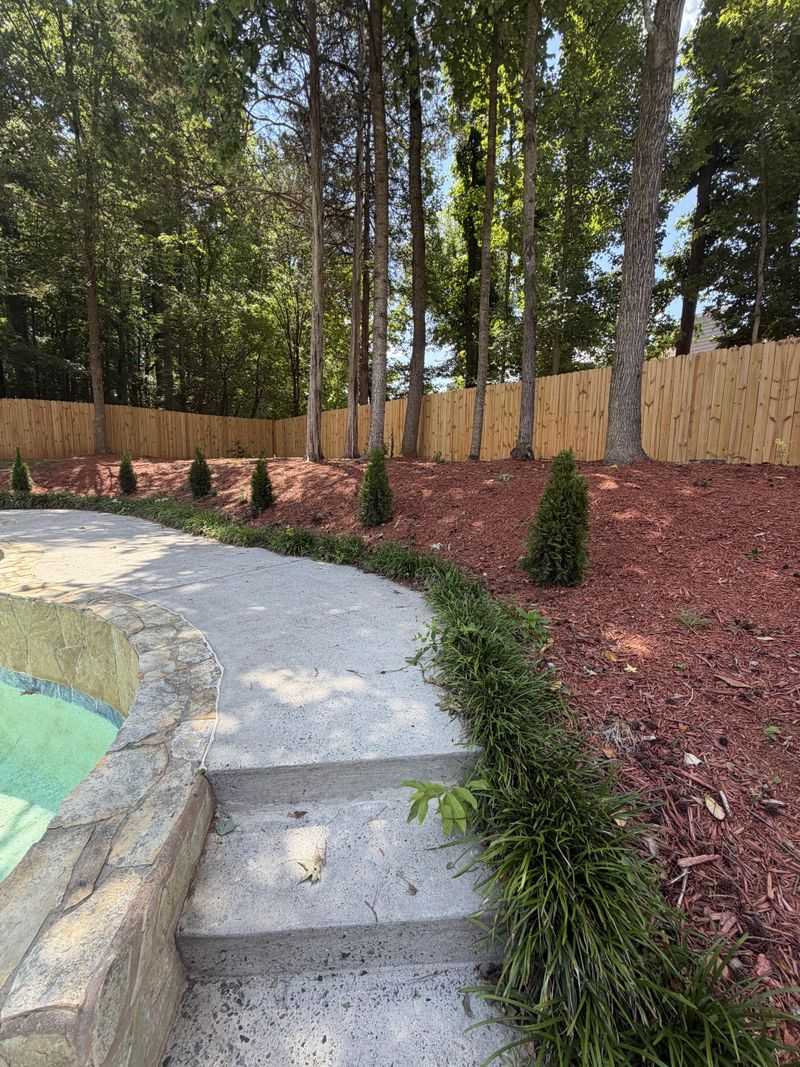
Mulch is one of my favorite garden tools. It keeps roots cool, holds back weeds, and slowly feeds the soil.
Trouble begins when a thick layer sits in deep shade and gets watered every single morning.
Under those conditions, the bottom of the mulch turns into a dark, wet, rotting mat. To a female no-see-um looking for an egg site, that is a cozy spot.
Shredded hardwood and finely ground mulch can pack down and hold even more water.
You can keep your mulch and still cut down the risk. UF/IFAS generally suggests a layer about two to three inches deep, so skip the extra piles.
Rake old mulch now and then to loosen matted spots and let air reach the soil.
Watch your sprinkler schedule too. Many Florida counties limit lawn watering to certain days anyway, and beds in shade often need much less than sunny ones.
Adjusting a single zone can turn a soggy bed into a healthier one.
For stubborn wet corners, consider pine straw or pine bark nuggets, which tend to drain more freely. Pulling mulch a few inches back from the house foundation helps the area dry, and it also discourages termites.
Leaf-Packed Rain Gutters Hide a Rooftop Swamp
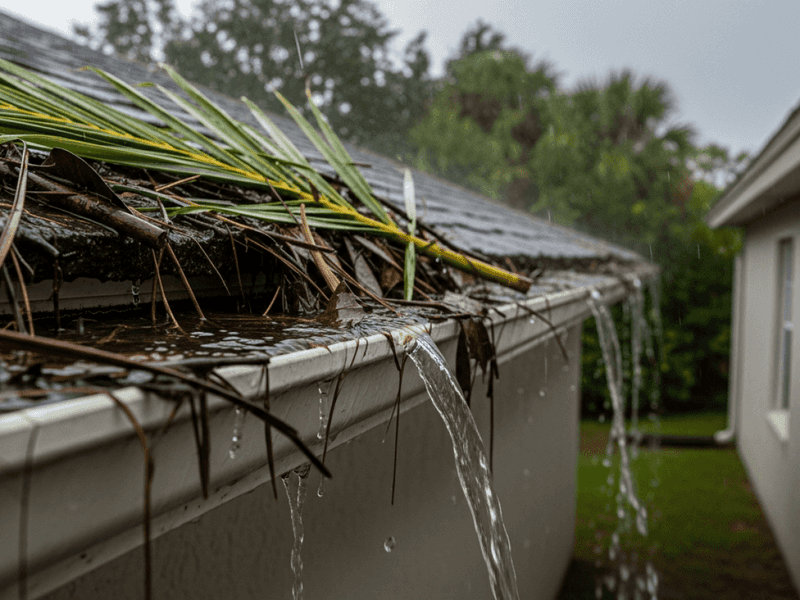
Climbing a ladder is nobody’s idea of fun, but I promise this chore pays off. Gutters packed with oak leaves, pine needles, and seed pods hold onto water long after a storm passes.
Over time, that debris breaks down into a dark, mucky sludge.
That sludge checks every box for breeding insects. It stays damp, it is full of rotting plant matter, and nobody looks at it.
Mosquitoes often use clogged gutters too, so cleaning them helps you twice.
Plan to clear gutters at least twice a year, and more often if you live under live oaks or palms. In Florida, late spring before the summer storms and again in late fall are handy times.
Scoop the gunk into a bucket and flush the channel with a hose to check that water drains.
Do not forget the downspouts. A clogged downspout can back water up into the gutter, and a splash area that stays muddy at the bottom can cause trouble too.
Adding an extension or splash block moves runoff away from beds.
Gutter guards can cut down on cleaning, though they still need an occasional check. Safety comes first, so hire help if the roofline is high.
Potted Plants and Saucers That Never Dry Out
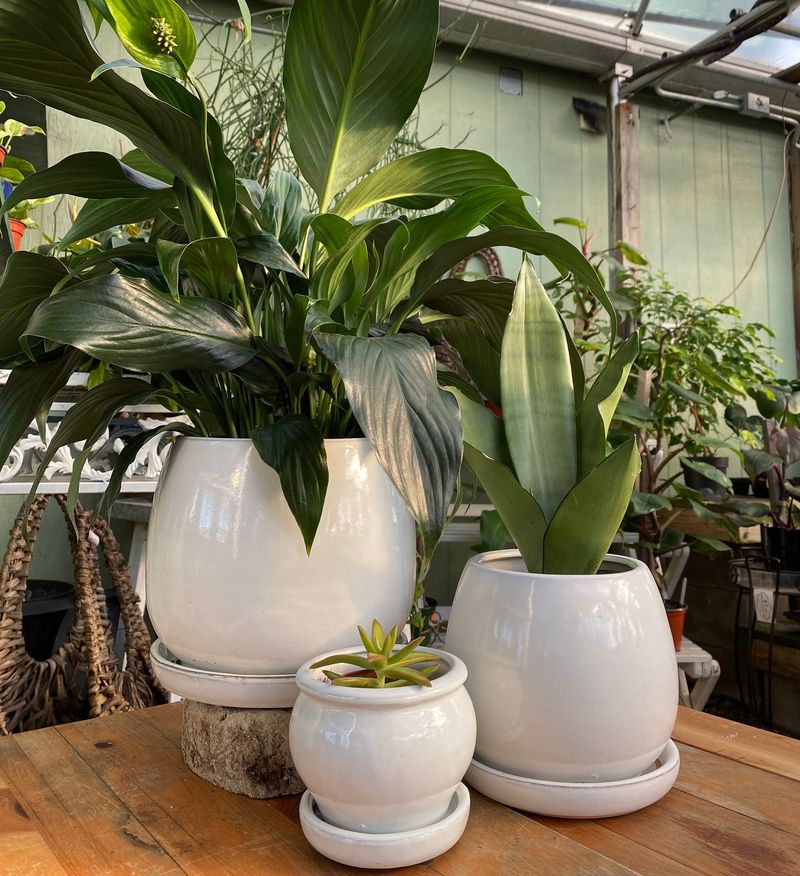
My lanai used to look like a tiny jungle, with pots lined up on every ledge. It also stayed buzzy with bugs every evening.
Once I started checking the saucers, the connection got hard to ignore.
Saucers that hold water for days keep the bottom of the potting mix soaked. Add fallen leaves and bits of decaying bark, and you have a little damp nursery.
Planters with no drainage holes are even worse, since the water has nowhere to go.
A few easy habits make a big difference:
Tip out saucers within a day after watering or rain. Let the top inch or so of potting soil dry before you water again, unless the plant truly needs constant moisture.
Clear dropped leaves and old flowers from the soil surface.
Raising pots on small feet helps air move under them. Choosing a lighter, well-draining potting mix also keeps roots happier, since many container plants struggle in soggy soil anyway.
Indoor plants count too. Fungus gnats, a different pest, love the same wet conditions, so drying your pots can calm two problems with one change.
Leaky Hose Bibs, AC Drips, and Low Lawn Spots Keep the Ground Muddy
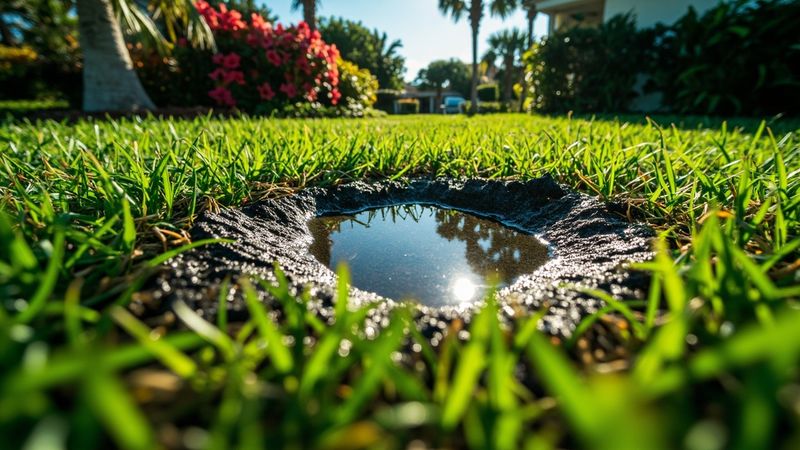
Some of the sneakiest wet spots have nothing to do with rain. Walk around your house and look at the ground under each outdoor faucet.
A slow drip can keep a patch of soil muddy all year.
Air conditioners are another quiet source. In humid Florida summers, a condensate line can release a surprising amount of water each day.
If it empties onto bare soil or mulch, that patch rarely gets a chance to dry.
Low spots in the lawn deserve attention as well. Areas where water pools after storms often stay spongy for days, especially in heavy or compacted soil.
Overwatered sod can act the same way.
Fixes are usually cheap. Replace worn faucet washers, and point AC lines toward a gravel bed or a spot with good drainage.
Filling shallow dips with topsoil or improving grading helps water move along.
Check your irrigation system for broken heads and leaky valves too. A single spraying head can soak one area while the rest of the yard stays dry.
Fixing it saves water and money while shrinking pest habitat.
Soggy Leaf Piles and Open Compost Need a Little Attention
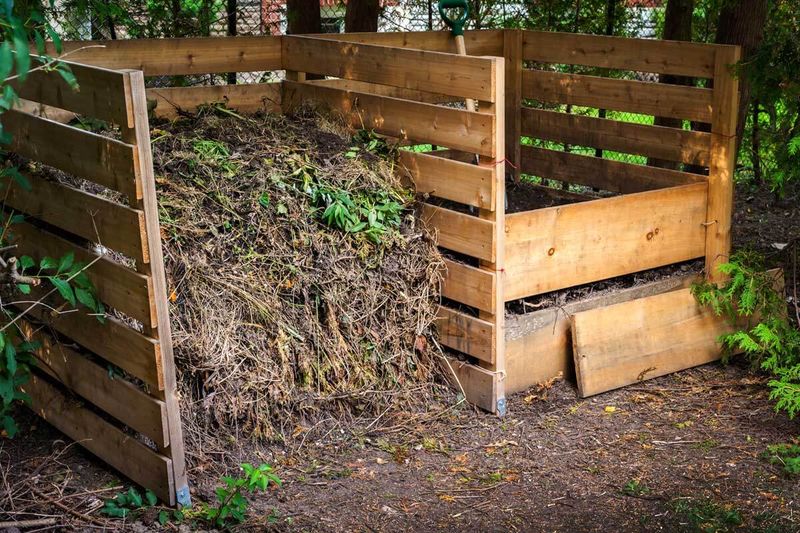
Composting is one of the best things a gardener can do. I don’t want anyone to give it up over a few gnats.
The key is managing moisture so the pile works for you instead of the bugs.
A healthy compost pile should feel like a wrung-out sponge. When it turns soggy and smelly, it can attract a range of insects.
Mixing in dry browns like shredded leaves or cardboard soaks up the extra water and helps air move.
Turning the pile every week or two keeps the middle hot and active. A closed bin with a lid can shield it from heavy summer downpours.
Placing the bin in a spot with some sun and good drainage also helps.
Random leaf piles are a different story. A heap of wet leaves stuffed behind the shed often sits untouched for months.
Spread them thin as mulch, add them to compost, or bag them for yard waste pickup.
Shady corners where debris collects naturally deserve a quick sweep now and then. Those are often the forgotten zones where midges get started.
A Patio Fan and Fine Mesh Screens Help You Enjoy Florida Evenings Again
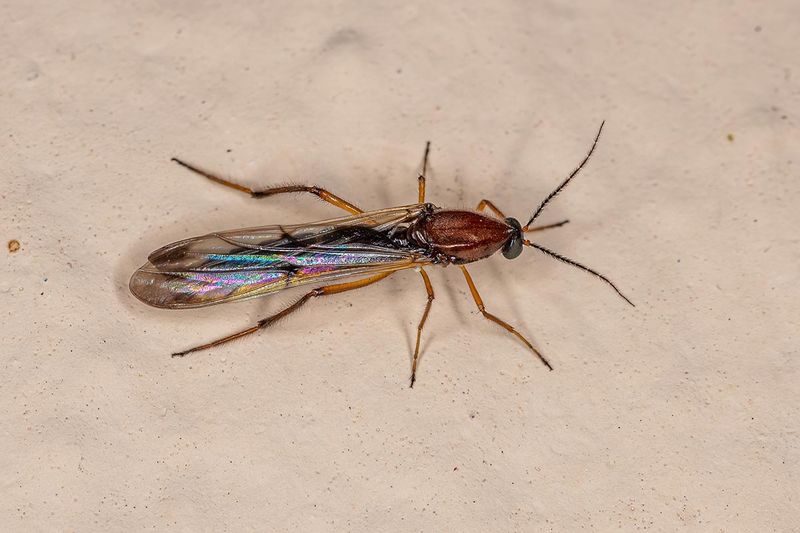
Drying out breeding spots is the long game, but you still want to sit outside tonight. Since no-see-ums struggle in moving air, a simple fan can be a real comfort.
A ceiling fan or box fan pointed across your seating area often keeps them from landing.
Screens matter too. Standard window screen usually lets these tiny insects slip right through.
Many Florida homeowners switch to fine no-see-um mesh on lanais and porches, which has a much tighter weave.
For personal protection, the CDC and EPA list repellents with ingredients like DEET, picaridin, IR3535, and oil of lemon eucalyptus. Read the label and follow it, especially for children.
Long sleeves help during the dusk rush.
Timing your outdoor time can help as well. Watering gardens at midday instead of right at sunset lets you avoid the busiest biting window.
My biggest takeaway is that a drier yard means fewer bites. Clear the gutters, tip the saucers, fix the drips, and loosen soggy mulch.
Each small step chips away at the problem, and together they can make your outdoor space feel like yours again.