The September Garden Cleanup Mistake That Removes Winter Food For Ohio Birds
September in Ohio smells like warm soil, ripe tomatoes, and the first hint of woodsmoke drifting down the street. Something in us wants to tidy every bed until it looks like a fresh sheet of paper.
So out come the shears, the rakes, and the yard waste bags. By dusk, the garden looks neat, and we feel accomplished.
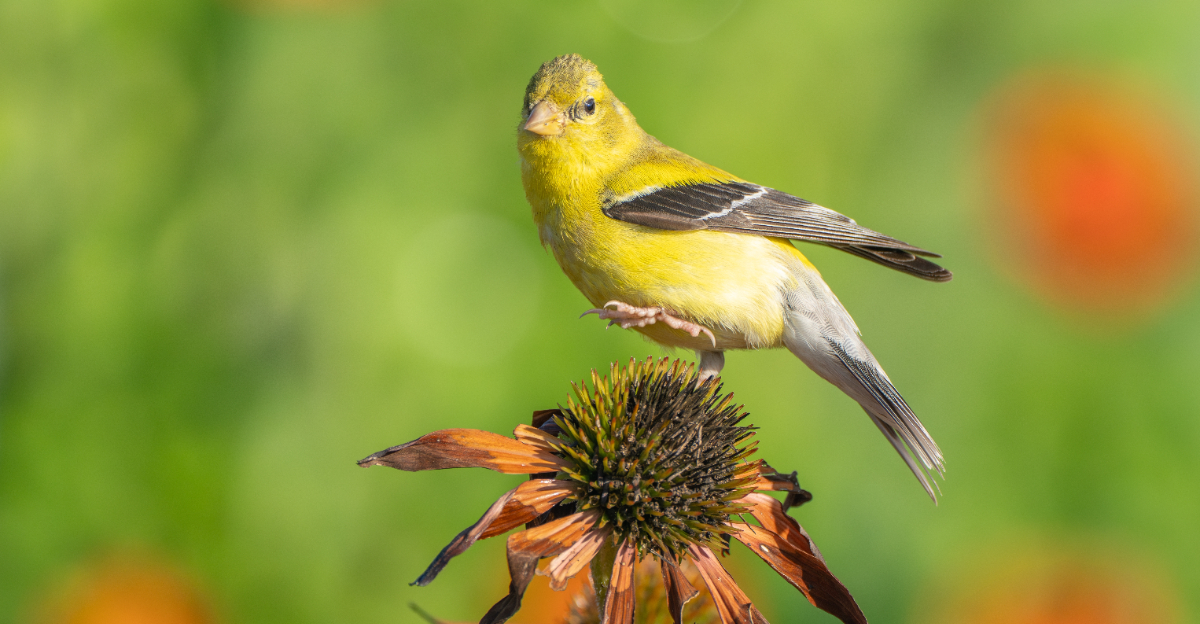
But a few weeks later, when frost stiffens the grass, the yard goes strangely quiet. The finches, sparrows, and juncos that usually bounce around the beds seem to have found somewhere better.
They did, and the reason is sitting at the curb in those bags. Instead of looking like it’s waiting for spring, your yard could look like it’s waiting for guests, the feathered kind.
The Urge To Tidy Hits Ohio Gardeners In September
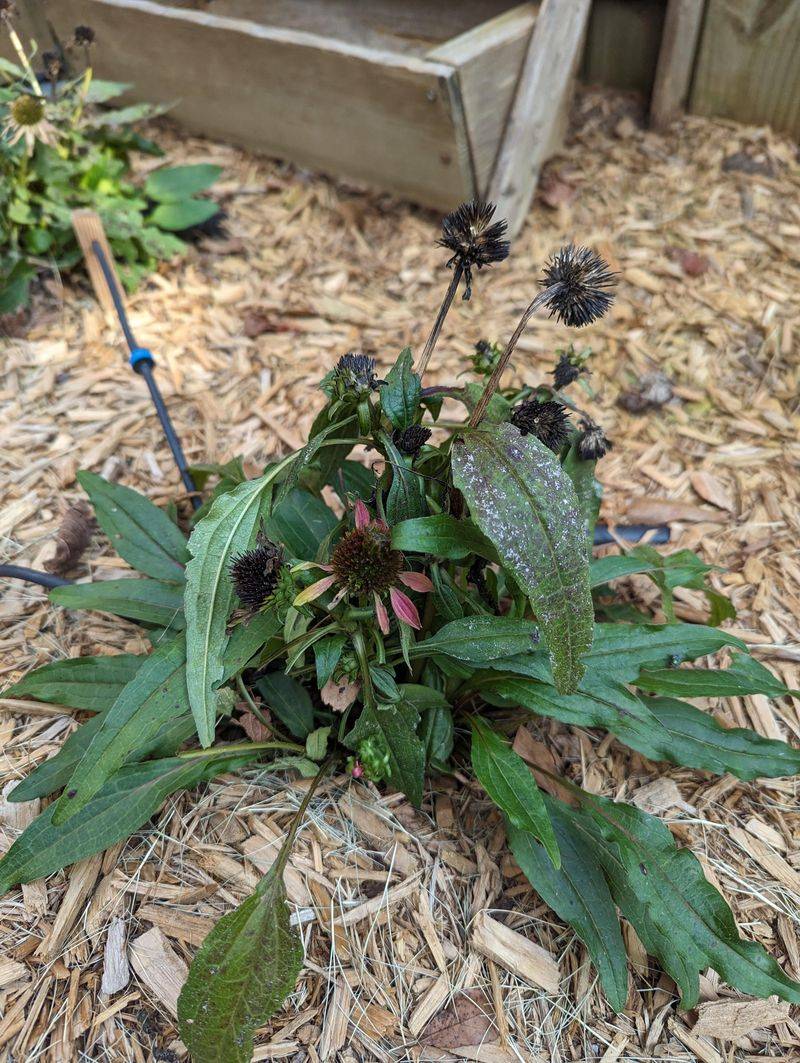
There is something deeply satisfying about a September garden cleanup. The tomatoes are winding down, the coneflowers look scruffy, and the whole yard seems to be asking for a haircut.
Ohio gardeners feel this pull earlier than folks in warmer states. Our first frost usually arrives sometime in October, and the memory of shoveling snow in April keeps us motivated to get chores done while the weather is still pleasant.
Neighborhood expectations play a role too. A bed full of brown stems can look neglected next to a freshly edged lawn, and nobody wants the yard that gets side-eye from the mail carrier.
Garden centers reinforce the habit. Fall displays push mums, bulbs, and bags of mulch, all of which suggest that the tidy blank slate is the goal.
The trouble is that our idea of finished and a chickadee’s idea of a well-stocked pantry are two very different things. Those crispy stems and seed heads we are so eager to remove are exactly what songbirds count on once insects disappear.
Timing makes it worse. September cleanup strips the garden roughly three months before birds face their hungriest stretch, so the food vanishes long before it is needed.
Recognizing the impulse is the first step. Once you understand that the tidy urge is habit rather than horticultural necessity, it gets much easier to leave a few things standing without feeling like you slacked off.
Seed Heads Are A Bird Cafeteria In Disguise
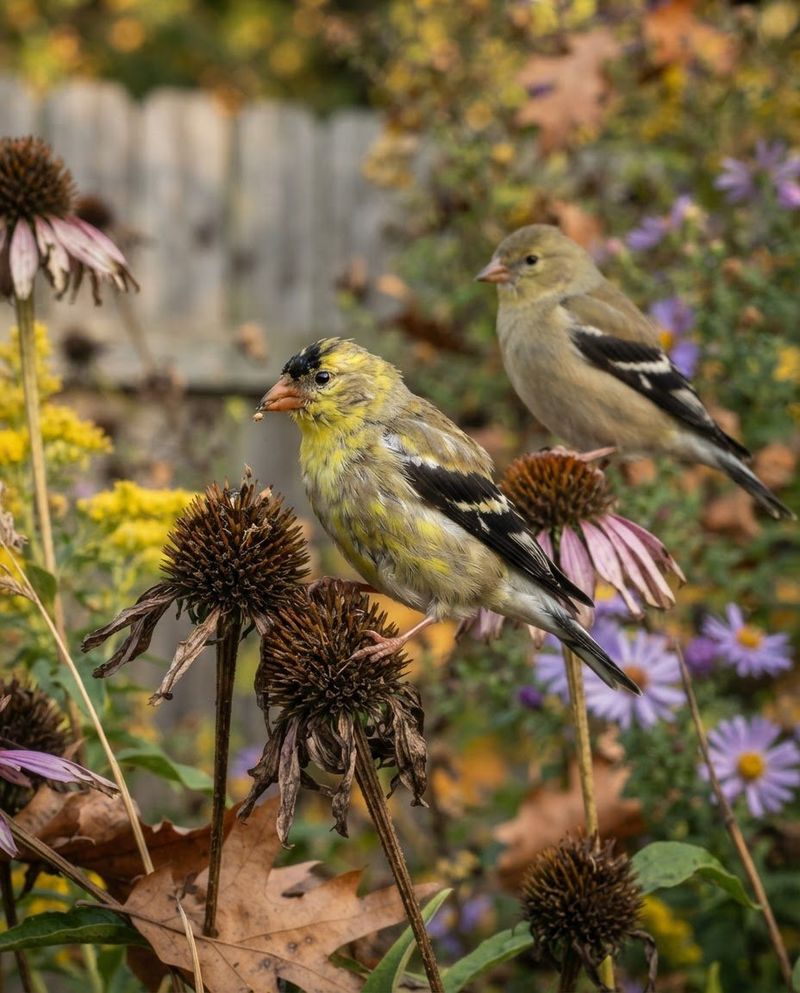
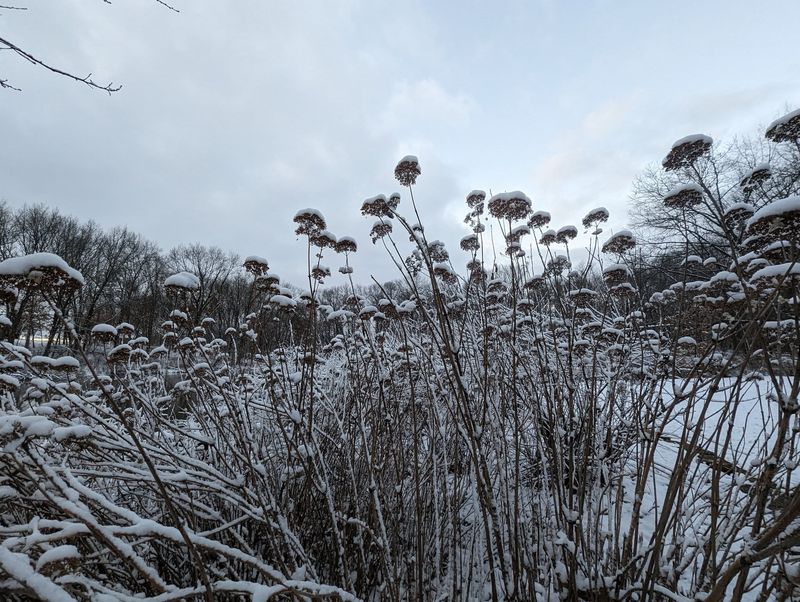
Picture a goldfinch clinging sideways to a coneflower stalk, tugging seeds out one by one while snow dusts its back. That whole scene depends on somebody deciding not to cut the plant down in September.
Native perennials pack an enormous amount of nutrition into their spent flowers. Purple coneflower, black-eyed Susan, bee balm, sunflowers, goldenrod, and native asters all hold tiny oil-rich seeds that stay usable well into February.
Grasses matter just as much. Little bluestem, switchgrass, and prairie dropseed feed sparrows and juncos while also providing shelter from wind at ground level.
Here is a detail many people miss: birds do not clear a seed head in one visit. They return again and again over weeks, taking a few seeds at a time, which means a single stand of coneflowers can support visitors from November through late winter.
Your Ohio Garden Changes Every Week. Your Plan Should Too.
Gardening in Ohio changes quickly throughout the season. Every Friday you’ll receive a simple weekly plan showing exactly what to plant, prune, fertilize, harvest, and protect so you never miss the right timing.
Cut those stalks in September and the seeds go into a yard waste bag before a single bird touches them. The plant did all that work for nothing.
Cardinals, house finches, tufted titmice, and Carolina chickadees all use these natural feeding stations across Ohio. Tree sparrows, which travel down from the far north, rely heavily on standing seed heads during their winter stay here.
Leaving stalks up costs nothing and takes no effort. Frost-covered seed heads catching morning light also happen to be one of the prettiest things a winter garden can offer.
The Hidden Insect Pantry Inside Hollow Stems And Leaf Litter
Seeds get all the attention, but a surprising share of winter bird food has six legs. Even in January, chickadees and woodpeckers are hunting protein, and they find it in places most gardeners scrape clean.
Hollow perennial stems become winter apartments for small native bees, tiny wasps, and overwintering insect larvae. Wrens and chickadees know exactly how to probe those stems for a snack.
Leaf litter works the same way. Beneath a loose layer of fallen maple and oak leaves you will find spiders, beetles, pupae, and moth cocoons, all of which show up on the menu for towhees, robins, and white-throated sparrows.
Ohio’s Carolina wrens are especially dependent on this. They do not migrate, and harsh winters take a real toll on them, so a yard with intact leaf cover can make a genuine difference in whether they make it to spring.
Bagging leaves in September removes that entire layer. What is left is bare soil that offers roughly nothing to a hungry bird in February.
The practical fix is easy. Rake leaves off the lawn and turf them into planting beds and under shrubs, where a two to three inch layer insulates roots and hosts insects at the same time.
You get free mulch, fewer bags at the curb, and healthier soil come spring. Birds get a foraging ground that keeps producing meals long after the feeders run empty during an ice storm.
Berries That Vanish When Shrubs Get An Early Trim
Ask anyone who has watched a flock of cedar waxwings descend on a winterberry holly. The shrub can go from loaded with scarlet fruit to bare in a single visit, and it is the best show in the neighborhood.
That show only happens if the shrub still has its berries. Pruning fruiting shrubs in early fall is one of the quietest ways to erase a winter food source before anyone notices.
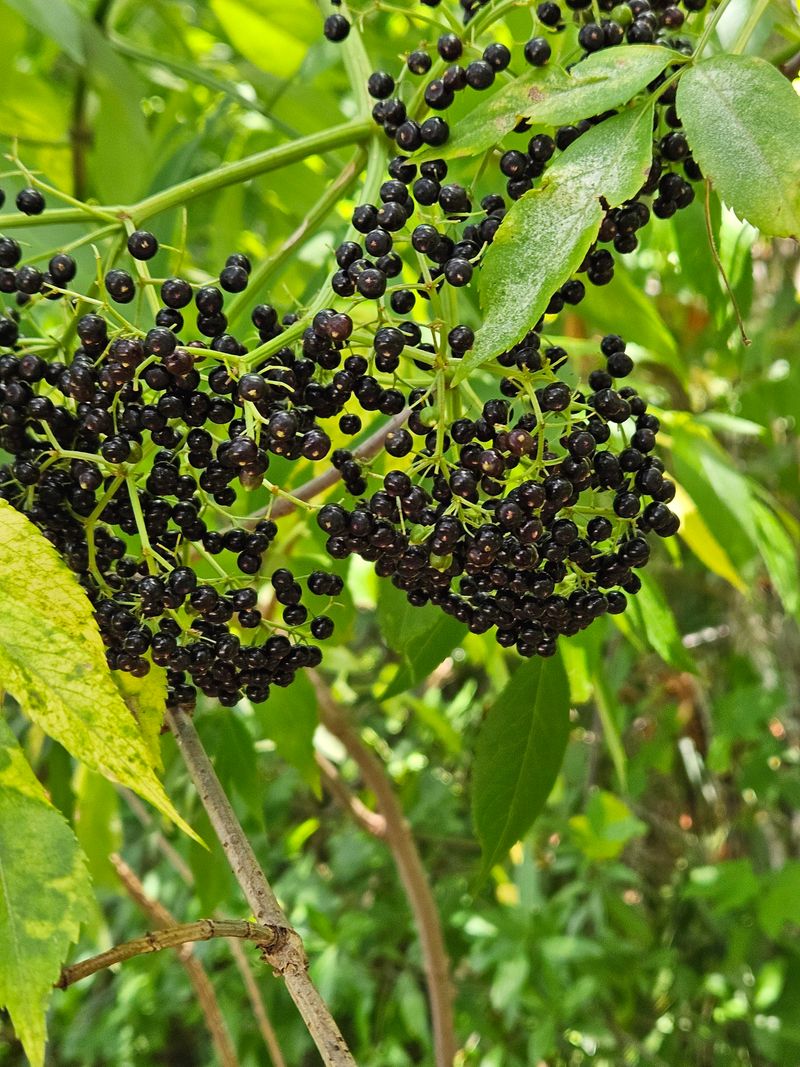
Ohio’s fruit-bearing natives include winterberry, gray dogwood, red osier dogwood, viburnums, elderberry, staghorn sumac, and eastern red cedar. Each ripens on its own schedule and holds fruit for different lengths of time.
Sumac and winterberry are the late-season heroes. Their fruit is low in fat and not especially tasty, so birds leave it alone until the good stuff runs out, which makes it a last-resort meal in February and March.
Bluebirds, robins, mockingbirds, and waxwings all lean on these shrubs during cold snaps when the ground is frozen and insects are unreachable. A single mature sumac can carry a small flock through a rough week.
Timing your pruning around bloom cycles solves the problem. Most of these shrubs set flower buds the previous season, so late winter or right after flowering is the smarter window anyway.
If a shrub genuinely needs shaping in fall, take only what is crossing or damaged. Save the heavy work for March, once the fruit has been eaten and the birds have moved on.
Bare Beds Leave Ohio Birds Exposed To Winter Wind
Food is only half the equation. A bird can be well fed and still struggle if there is nowhere to duck out of a January wind ripping across an open Ohio yard.
Small songbirds burn calories at an astonishing rate just staying warm. Every degree of wind chill means more energy spent, which means more food required to break even.
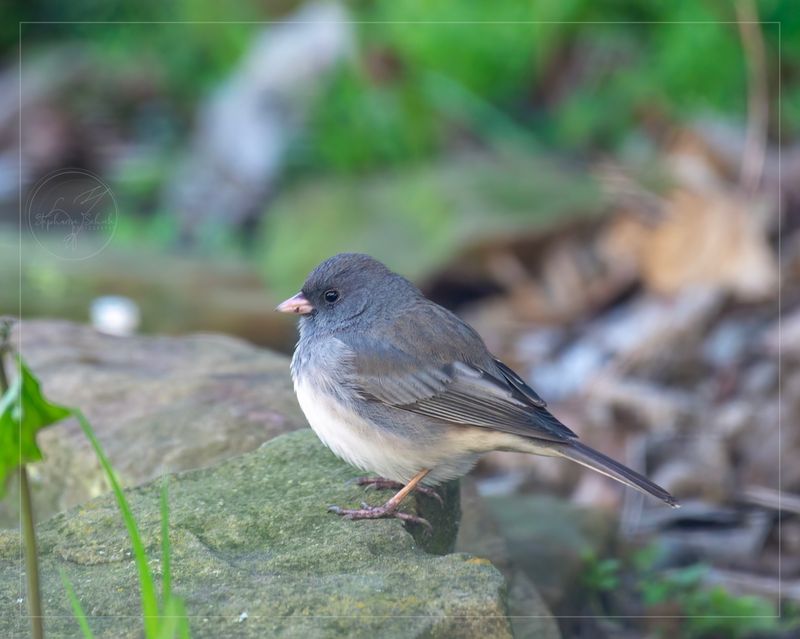
Standing perennials and grasses create pockets of still air near the ground. Juncos, song sparrows, and white-throated sparrows tuck into these spots between feeding trips, and the shelter cuts their heat loss noticeably.
A bed scraped bare and topped with fresh mulch offers no such refuge. Birds crossing that space are exposed to hawks overhead and wind from every direction, so many simply avoid the area.
Brush piles amplify the effect. Stacking pruned branches in a back corner creates a tangled hideout that sparrows and wrens use constantly during storms, and it costs you nothing but a place to put the clippings.
There is a snow benefit too. Standing stems trap drifting snow, and the resulting insulating layer over the soil protects plant crowns while creating small hollows where birds can shelter underneath.
Even a partial approach helps. Leaving the back two thirds of a border standing while tidying the front edge keeps the view neat from the sidewalk and preserves cover where it counts.
Cover and food together are what turn a yard into a place birds return to daily rather than pass over.
A Smarter Cleanup Calendar For Ohio Yards
Skipping fall cleanup does not mean surrendering to chaos. It means moving most of the work to a season when it actually helps everybody, including you.
Here is a schedule that works across Ohio. In September and October, clear vegetable beds and remove anything with obvious disease, then stop there.
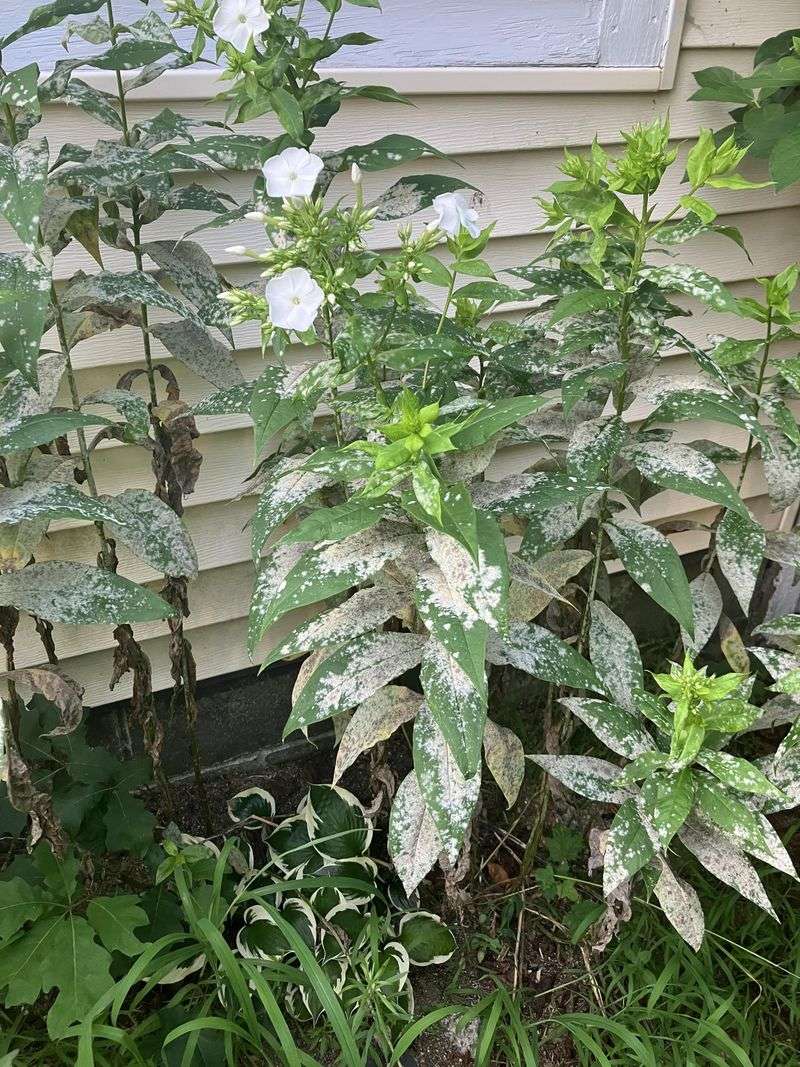
Diseased material is the real exception. Powdery mildew on phlox, black spot on roses, blighted tomato vines, and iris borer damage should go out with the trash rather than the compost pile.
Through the winter, leave perennials, grasses, seed heads, and leaf litter in place. Add a brush pile if you have branches, and keep a heated water source available since open water is scarcer than food in an Ohio February.
Wait until mid to late April for the big cutback, once daytime temperatures have held above fifty degrees for about a week. That gives overwintering insects time to emerge instead of getting hauled away inside the stems.
When you do cut, leave stems eight to fifteen inches tall. Native bees nest in those stubs through summer, and new growth hides them within a few weeks.
Chop the removed material and drop it in the beds rather than bagging it. Fewer trips to the curb, less mulch to buy, and richer soil by June.
The payoff shows up every winter morning. A yard that looks slightly wild in January is the one full of movement, color, and song while the tidy ones sit silent.