Should You Fertilize Your Ohio Lawn in September? This Is One Of The Times It Actually Makes Sense
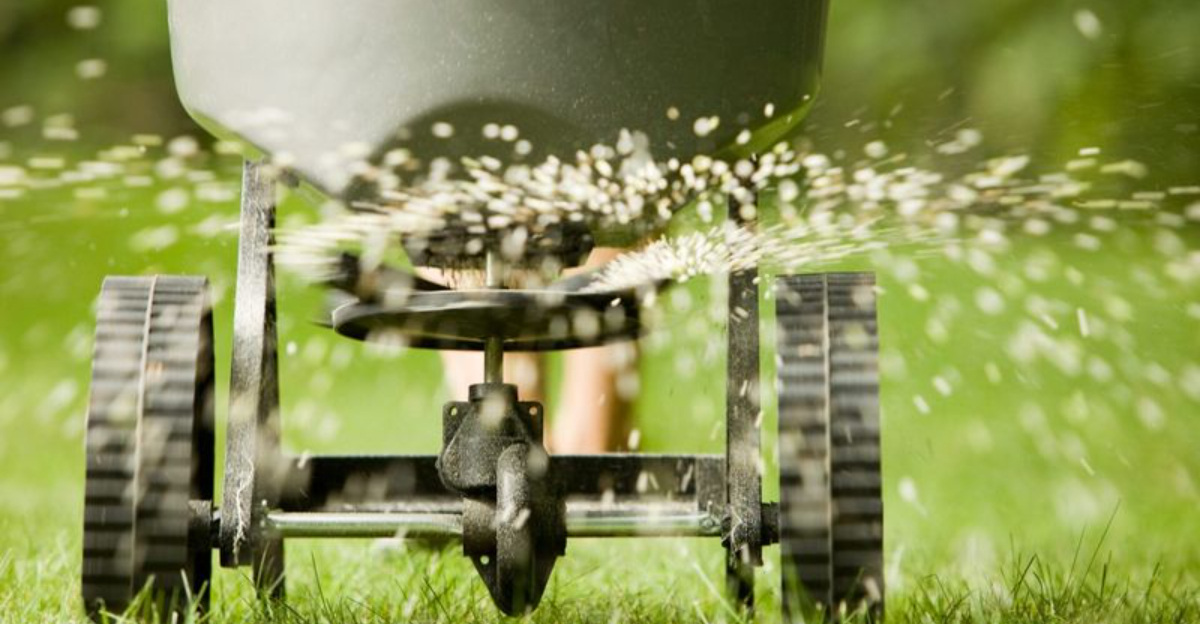
September has a bit of a reputation in the Ohio lawn care world, and honestly it is well earned.
As summer heat starts backing off and cooler nights return, cool-season grasses wake back up and start doing what they do best: growing, recovering, and quietly making up for the rough stretch they just had.
For a lot of homeowners, that shift makes fall fertilization feel like an obvious next step. And sometimes it absolutely is.
But here is the part that gets skipped over more often than it should: just because the calendar says September does not mean your lawn automatically needs fertilizer right now.
Whether the grass is actively growing, whether soil moisture is adequate, and whether your lawn actually has a nutrient need all matter just as much as the month.
Let’s figure out what your lawn actually needs.
1. September Can Be An Important Fertilization Window For Cool-Season Lawns
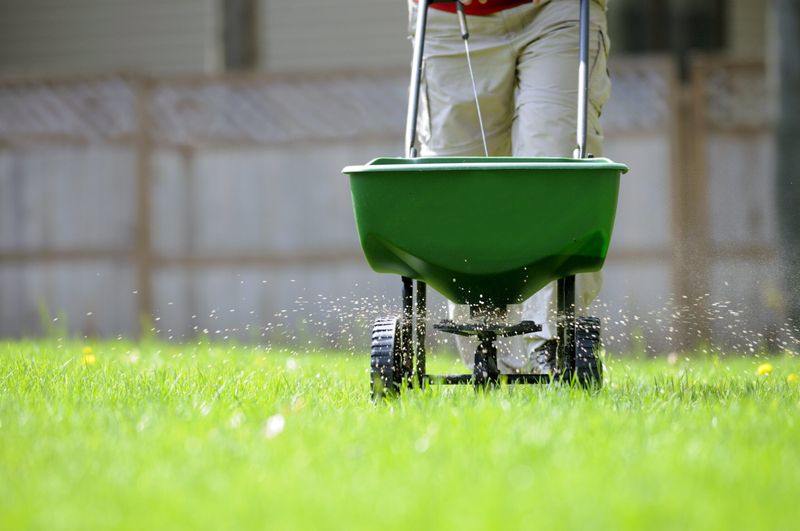
Walking across your lawn in early September and noticing fresh green shoots pushing up after a tough summer is one of the more satisfying signs that your turf is bouncing back.
Ohio lawns planted with cool-season grasses such as Kentucky bluegrass, perennial ryegrass, and tall fescue are built to thrive in moderate temperatures.
When the intense heat of July and August finally begins to lift, these grasses can shift back into active growth mode.
That transition makes early September a potentially useful fertilization window. Cool-season turf that is actively growing can take up nutrients more efficiently than turf that is still under significant summer stress.
Ohio State Extension identifies late summer and fall as generally favorable periods for fertilizing cool-season lawns, and early September can fit within that broader window.
Still, the calendar alone should not be the deciding factor. A lawn that has not recovered from drought or heat stress may not respond well to fertilizer, even in September.
Checking whether your turf is actually putting on new growth and whether soil moisture is adequate gives you a much better starting point than simply noting the month.
September can open a useful door for homeowners, but walking through it responsibly means reading your lawn’s condition first rather than reaching straight for the fertilizer spreader.
2. Cooler Temperatures Can Help Ohio Lawns Recover From Summer Stress

Cooler nights have a way of changing everything for a lawn that spent the summer looking tired and thin.
When daytime highs drop into the seventies and nights cool into the fifties, cool-season grasses in Ohio often respond by pushing out new leaf tissue and strengthening their root systems.
That biological shift is one of the reasons fall is considered a strong season for lawn recovery across much of the state.
During hot, dry summer stretches, Kentucky bluegrass and other cool-season species may slow their growth significantly or even go semi-dormant to conserve energy. That is a natural survival response, not a sign that something has gone permanently wrong.
Your Ohio Garden Changes Every Week. Your Plan Should Too.
Gardening in Ohio changes quickly throughout the season. Every Friday you’ll receive a simple weekly plan showing exactly what to plant, prune, fertilize, harvest, and protect so you never miss the right timing.
As temperatures moderate in September, those same grasses can begin rebuilding leaf area and root depth, provided adequate moisture is available.
Fertilizer applied during this recovery window can support that renewed growth, but only when the lawn is genuinely coming back. Turf that is still showing signs of significant stress from dry conditions may not be in a position to benefit from added nutrients.
Watching for consistent greening, active leaf growth, and soil that holds reasonable moisture are all practical indicators that your lawn may be ready for a fall nutrient boost.
Patience through the transition from summer to fall often pays off more than rushing an early application.
3. A Soil Test Can Show Whether Your Lawn Actually Needs Fertilizer
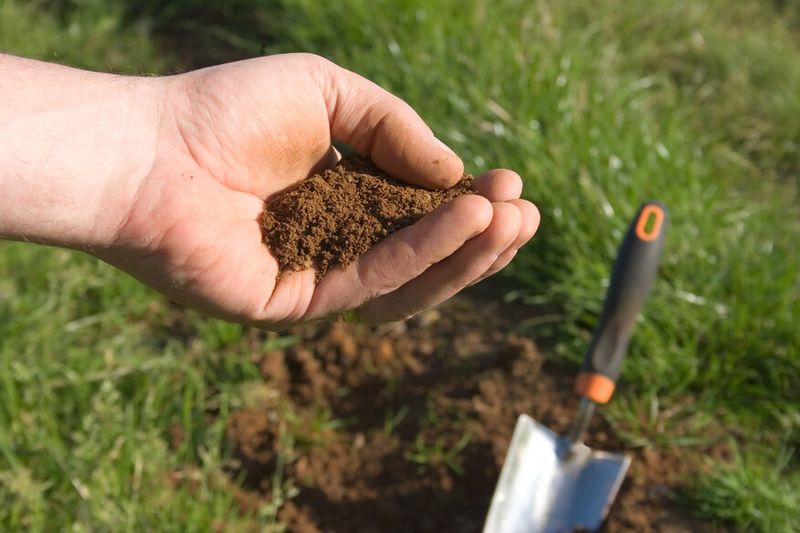
Grabbing a fertilizer bag off the shelf without knowing your soil’s current nutrient levels is a little like filling a prescription without seeing a doctor first. A soil test gives you actual data about what your lawn’s soil contains and what it may be lacking.
Ohio State Extension consistently points to soil testing as the foundation for responsible fertilizer decisions on established home lawns.
A standard soil test typically measures pH along with levels of key nutrients including phosphorus and potassium.
Those results can help you figure out whether your lawn genuinely needs an application this fall or whether the soil already has enough to support healthy turf growth.
Applying fertilizer to soil that is already well-supplied with nutrients does not automatically produce a greener or healthier lawn and can create unnecessary nutrient-management concerns.
Ohio State does note that nitrogen recommendations for home lawns are still being refined, so a soil test will not always spell out an exact nitrogen application rate for every situation.
That said, the information a test provides about pH and other nutrients can meaningfully shape your fertilizer choices.
Ohio State University Extension and many county-level Extension offices can help homeowners access soil testing services.
Taking a few samples from different spots across your yard and submitting them before you fertilize gives you a much clearer picture of what your lawn actually needs this September rather than what you might assume it needs.
4. Fall Nitrogen Can Support Active Cool-Season Turf Growth
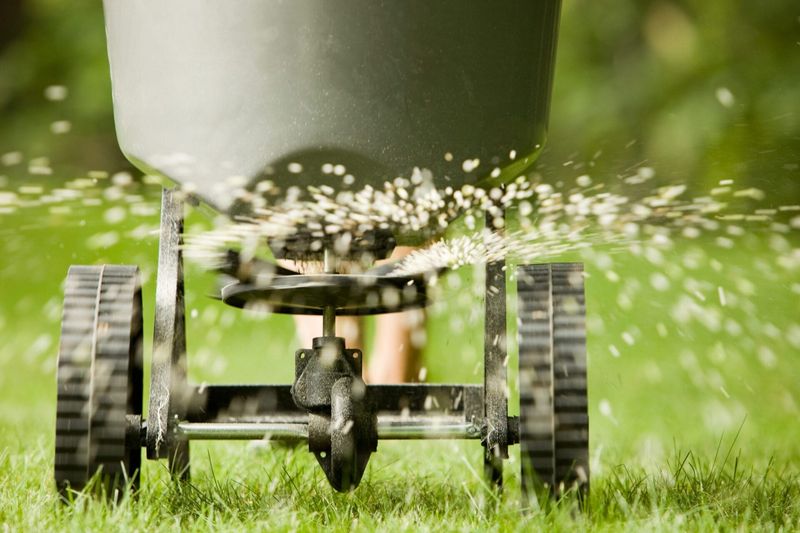
Nitrogen is the nutrient that cool-season grasses tend to use most actively when they are putting on new growth.
When temperatures drop in early fall and lawns start recovering from summer, a well-timed nitrogen application can support that renewed leaf and root development.
Ohio State turfgrass research recognizes fall nitrogen as a meaningful part of cool-season lawn management when turf is actively growing.
The N-P-K numbers printed on a fertilizer bag tell you the percentage of nitrogen, phosphate, and potassium in that product, listed in that order.
A fall lawn fertilizer with a higher first number, representing nitrogen, is designed to fuel the kind of active top growth and root building that cool-season grasses can do well in September and October.
That does not mean loading the lawn with as much nitrogen as possible. Ohio State research emphasizes refining nitrogen use and avoiding unnecessary applications that go beyond what the turf can actually use.
How much nitrogen makes sense depends on the specific fertilizer product, your soil conditions, any previous applications you have made during the season, the grass species in your lawn, and current Extension guidance for your area.
Reading the product label carefully is a necessary step before any application.
A little nitrogen applied thoughtfully when your lawn is actively growing can go a long way toward supporting healthy fall turf without creating avoidable nutrient-management issues down the road.
5. Fertilizing A Drought-Stressed Lawn Can Add Unnecessary Stress
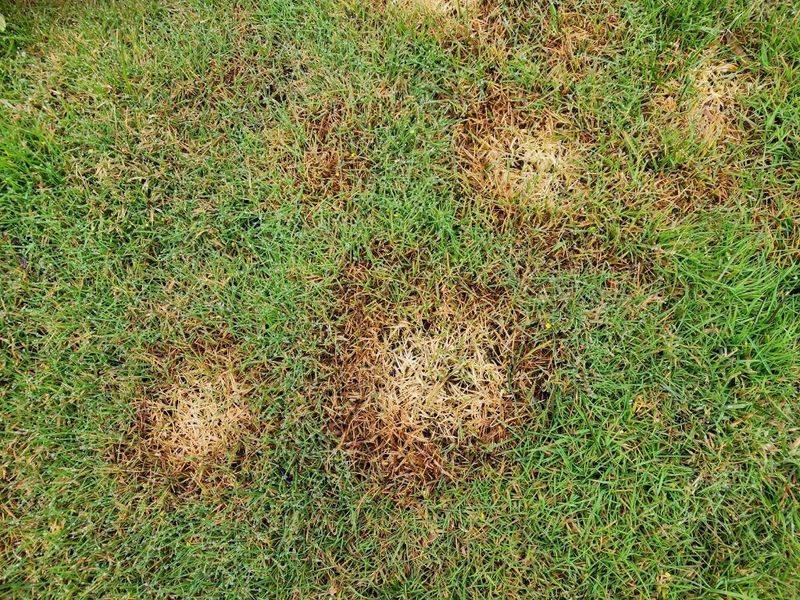
Not every lawn looks ready for a nutrient boost when September arrives. If your area went through a particularly dry stretch in July and August and rainfall has not returned in meaningful amounts, your turf may still be under significant stress when fall begins.
Applying fertilizer to a lawn that is still struggling with dry conditions can do more harm than good.
Ohio State guidance advises waiting until adequate moisture returns and the lawn is actively growing before fertilizing during or after stressful summer conditions.
When turf is not actively taking up water and nutrients, fertilizer applied to the soil may simply sit there without providing real benefit.
In some cases, nutrients that are not used by the grass can move through the soil or run off the surface, which creates unnecessary nutrient-management concerns for local waterways.
Dry, stressed turf also tends to show slow or uneven recovery, making it harder to judge whether the lawn is genuinely ready for fall feeding.
Watching for consistent rainfall or providing supplemental irrigation to support recovery before fertilizing is a reasonable approach.
Once your lawn is showing clear signs of renewed growth, better color, and active leaf production, the conditions for a fall fertilizer application become much more favorable.
Patience during a dry September can actually set your lawn up for a stronger response when you do apply nutrients under better conditions.
6. September Fertilization Should Match The Lawn’s Actual Nutrient Needs

Every lawn has its own history. Some have been fertilized regularly throughout the season, while others have received little to no nutrients all year.
Some sit on naturally rich soil, while others rest on compacted or nutrient-poor ground. Those differences matter enormously when deciding whether a September fertilizer application makes sense and what kind of product to reach for.
Selecting a fertilizer based on your lawn’s actual condition rather than a generic schedule is a more responsible approach.
Soil test results, your grass species, the current appearance of your turf, and how much fertilizer has already been applied this season all factor into that decision.
A lawn that has received multiple applications during the spring and summer may need far less in fall than one that has gone without nutrients for the entire growing season.
Phosphorus is another nutrient worth thinking about carefully. Applying a fertilizer that contains phosphorus should be connected to a demonstrated need shown through a soil test rather than used as a routine treatment.
Some Ohio municipalities also have regulations around phosphorus applications on lawns, so checking local guidelines is worthwhile. The fertilizer product label is your most direct source of application instructions and restrictions.
Following it carefully, adjusting for your lawn’s specific situation, and avoiding the temptation to over-apply are all part of making September fertilization work in a way that genuinely benefits your lawn rather than just adding inputs.
7. Slow-Release Nitrogen Can Be Useful For Fall Lawn Feeding
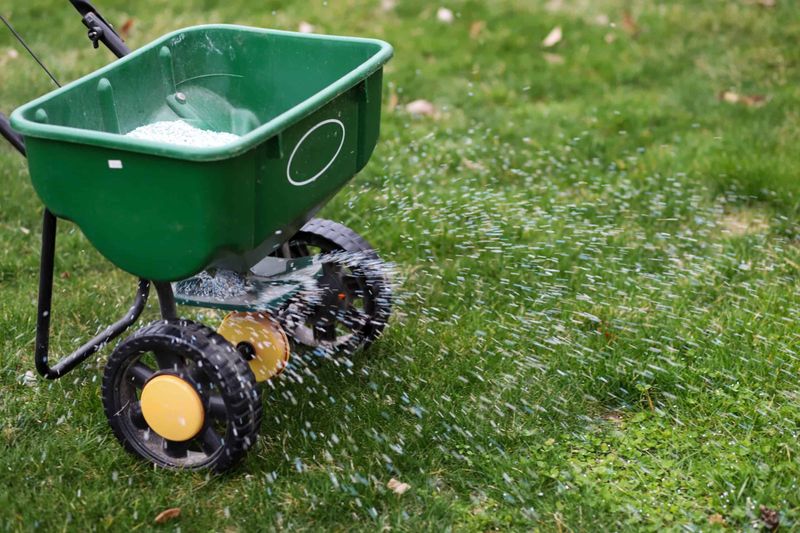
Reading a fertilizer label in the fall aisle of a garden center can feel a little overwhelming at first, but one distinction worth understanding is the difference between quick-release and slow-release nitrogen sources.
Slow-release nitrogen products are designed to break down gradually over time, providing a steadier supply of nutrients to the turf rather than delivering a large, immediate flush of nitrogen all at once.
Ohio State identifies slow-release nitrogen formulations as commonly used for actively growing cool-season lawns.
A gradual release can support consistent turf growth over several weeks, which may align well with the extended growth period that Ohio cool-season grasses often experience through September and into October.
Rapid nitrogen release can push very fast top growth, which is not always the most beneficial outcome for fall lawn health.
That said, slow-release fertilizer is not automatically the right choice for every lawn or every situation.
The best formulation for your lawn depends on the product’s nitrogen content, how the lawn is currently growing, your soil conditions, and the specific guidance on the product label.
Applying any fertilizer, slow-release or otherwise, just before a heavy rainfall forecast is generally not ideal, since runoff can carry nutrients away before the grass has a chance to use them.
Checking the weather before you apply and following label directions carefully gives slow-release products the best chance to work as intended on your lawn this fall.
8. September Fertilization Works Best As Part Of A Larger Fall Lawn Routine
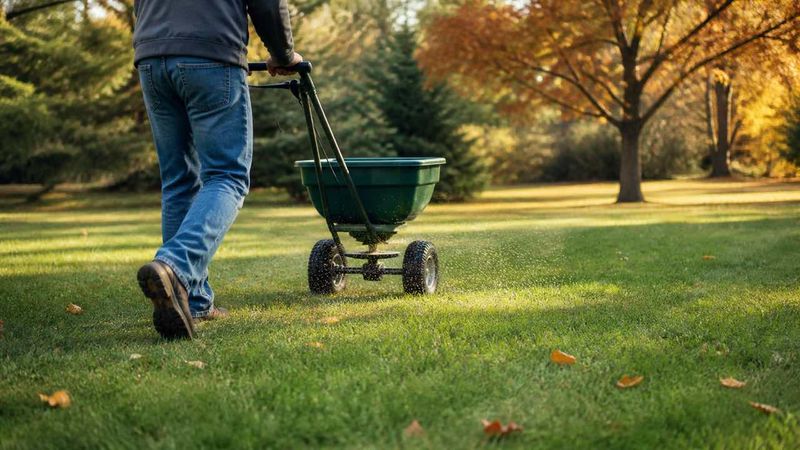
Fertilizer is one piece of a larger fall lawn puzzle, and it tends to work best when it fits alongside other practices rather than standing alone as a single fix.
Ohio State Extension identifies late August and early September as an excellent period for lawn renovation and overseeding, and those activities connect closely with fertilization decisions in meaningful ways.
Thin or bare areas in a lawn can have multiple causes, including summer drought, shade, heavy foot traffic, soil compaction, or pest and disease pressure. Fertilizer alone cannot address those underlying issues.
Overseeding thin spots, aerating compacted turf when appropriate, and maintaining proper mowing height throughout the fall all contribute to a lawn that is better positioned to carry strong turf into the cooler months ahead.
When overseeding is part of your fall plan, fertilizer choices may shift.
Starter fertilizers designed for new seedlings have different nutrient profiles than products aimed at established turf, and the right choice depends on your specific situation and Extension guidance rather than a one-size-fits-all recommendation.
Keeping mowing heights appropriate for your grass species, avoiding scalping, and making sure your lawn is not under excessive weed pressure are all part of responsible fall lawn management.
September fertilization, when it genuinely makes sense for your lawn’s condition, can contribute to a healthier turf heading into fall and a stronger start when spring growth resumes.