The September Task That Decides If Your North Carolina Dogwood Flowers Well Next Spring
September in North Carolina still feels a lot like August wearing a thin disguise and hoping nobody notices. The air hangs heavy, cicadas keep buzzing, and the ground beneath your shoes has gone strangely quiet.
Out in the yard, something has already begun making quiet decisions about next April’s big show. All of that work happens invisibly, weeks before the first genuinely cool night rolls through.
Most folks assume spring color gets decided in spring, which sounds reasonable and happens to be wrong. The verdict arrives right now, while everyone is distracted by football, fair food, and pumpkin everything.
Miss the moment, and next April turns thin, sparse, and just slightly embarrassing for everyone involved. Your neighbors will notice, though they will be far too polite to ever mention it.
Weekly Deep Soaks Set Up Next Year’s Flowers
Here comes the detail that surprises most gardeners working with trees across the North Carolina Piedmont. Flowering dogwoods build next spring’s blooms during the sticky, uncomfortable tail end of summer.
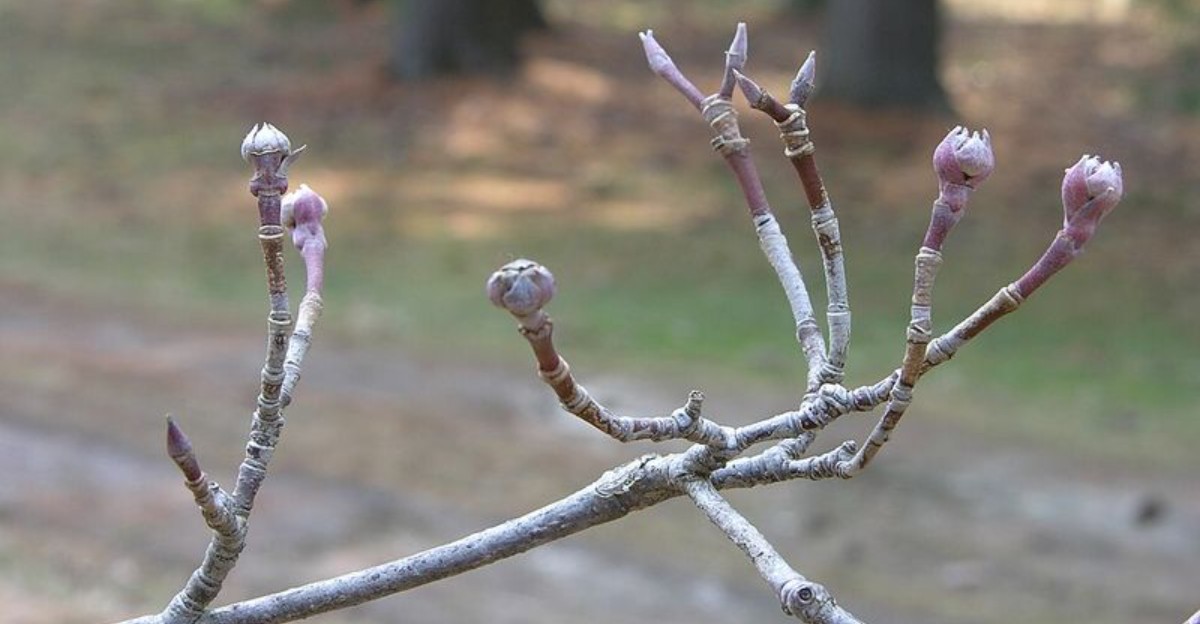
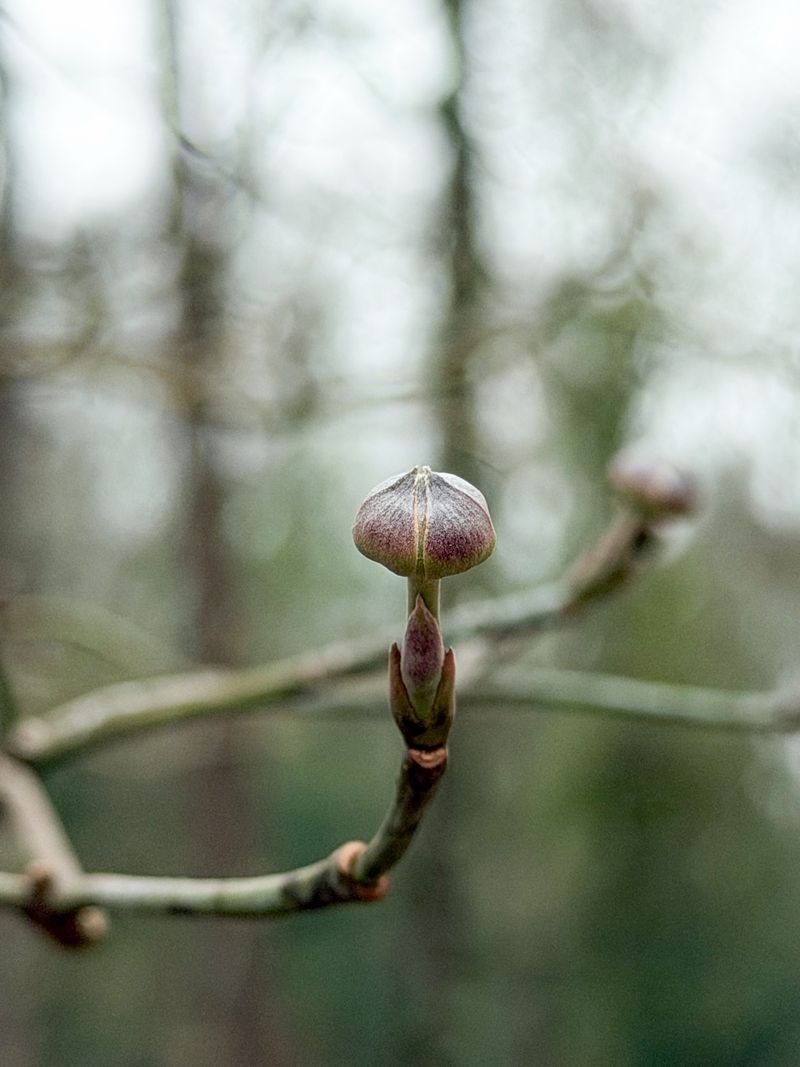
By early September, those buds are already forming at the very tips of slender branches. They look like small, flattened, gray-green onions perched neatly above each pair of leaves.
How plump or puny those buds turn out depends on how much water the roots find. A thirsty tree simply makes fewer of them, and smaller ones too.
September in North Carolina often brings our driest stretch, right when the tree needs steady moisture. Soil dries fast, and shallow dogwood roots feel it before anything shows up top.
So the September task turns out to be simple, unglamorous, and surprisingly powerful. Give the tree a slow, deep soak during any week that rain forgets to deliver.
Roots that stay hydrated keep photosynthesis running, and sugars flow straight into bud production. Stressed roots shut that pipeline down and hold energy back for basic survival instead.
Native dogwoods grew up as understory trees along shaded creek banks and cool woodland edges. Yard life, with full sun and hot pavement nearby, asks far more of them.
One month of attention now shapes the display you will photograph in April. Skip it, and the tree spends spring leafing out politely with very few flowers.
Mark a reminder on the calendar for every Saturday this month. Future you, standing under a cloud of white bracts, will be grateful.
The Narrow Window Between Labor Day And Leaf Drop
Calendars matter more than most people expect with this particular chore. The stretch from Labor Day through leaf drop carries unusual weight for dogwoods.
Buds begin forming in August and keep developing through September and into October. Water shortages during those weeks lower the final bud count for good.
North Carolina Septembers often run hot and stingy with rain across the Piedmont. Charlotte, Raleigh, and Greensboro regularly log dry spells lasting two or three weeks.
Hurricane season can flip that script overnight with six inches in one afternoon. A rain gauge on the fence post settles the question better than guessing.
Your North Carolina Garden Changes Every Week. Your Plan Should Too.
Gardening in North Carolina changes quickly throughout the season. Every Friday you’ll receive a simple weekly plan showing exactly what to plant, prune, fertilize, harvest, and protect so you never miss the right timing.
Aim for roughly one inch of water each week, counting rainfall toward the total. Anything less, and the tree starts trimming its own ambitions for spring.
Morning watering works best, since leaves dry quickly and fungal trouble loses its opening. Evening soaks leave foliage damp overnight, which mildew appreciates far too much.
Keep the routine going after September ends, at least until steady autumn rains return. Trees still move water through their roots long after the leaves turn red.
One last soak before the ground freezes in December helps roots ride out winter. Dry, frozen soil is rough on a shallow root system.
Miss the window, and March fussing won’t do much to rebuild those buds. Spring rarely delivers flowers the tree didn’t set up back in September.
Set a phone alarm for Sunday mornings and let the hose do the rest. Twenty minutes of your attention buys an entire season of applause.
Sprinkler Habits That Leave Roots Thirsty
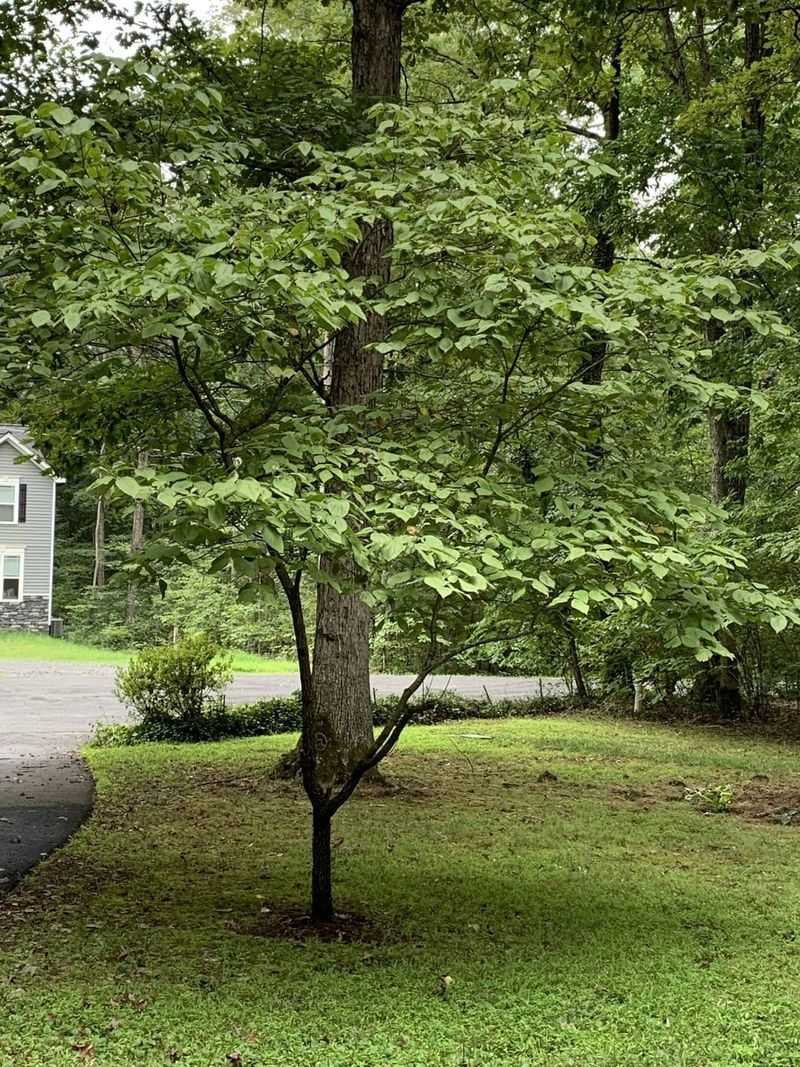
Plenty of well-meaning folks water their dogwood faithfully and still end up disappointed. The trouble usually hides in how the water gets delivered.
A quick five-minute spray wets the top inch of soil and stops there. Roots living four to eight inches down get nothing from that effort.
Lawn sprinklers make the same mistake on a bigger scale across the yard. They favor grass, which drinks first and passes very little downward.
Overhead spraying at dusk invites powdery mildew onto dogwood leaves. Wet foliage plus warm night air makes a welcoming little greenhouse.
Another common misstep involves aiming the hose straight at the trunk. Feeder roots spread out near the drip line, not against the bark.
September fertilizer is another tempting error, especially with a tree looking tired. Fresh nitrogen pushes tender growth that cold weather will punish in November.
Heavy pruning right now removes branch tips where the flower buds sit. Save the loppers for late winter, once the shape is obvious.
Compacted clay soil turns water into runoff before roots ever taste it. Slow delivery solves that, though patience is the price of admission.
String trimmers and mowers bumping the trunk add stress the tree cannot spare. Wounds near the base interfere with the sugar flow buds depend on.
Watering only when leaves droop is a habit worth breaking this month. By then, the tree has already scaled back its plans for buds.
Fixing these habits costs nothing except a small shift in routine. The tree keeps score quietly and reports the results next April.
A Slow Soak Routine For Thirsty Dogwood Roots
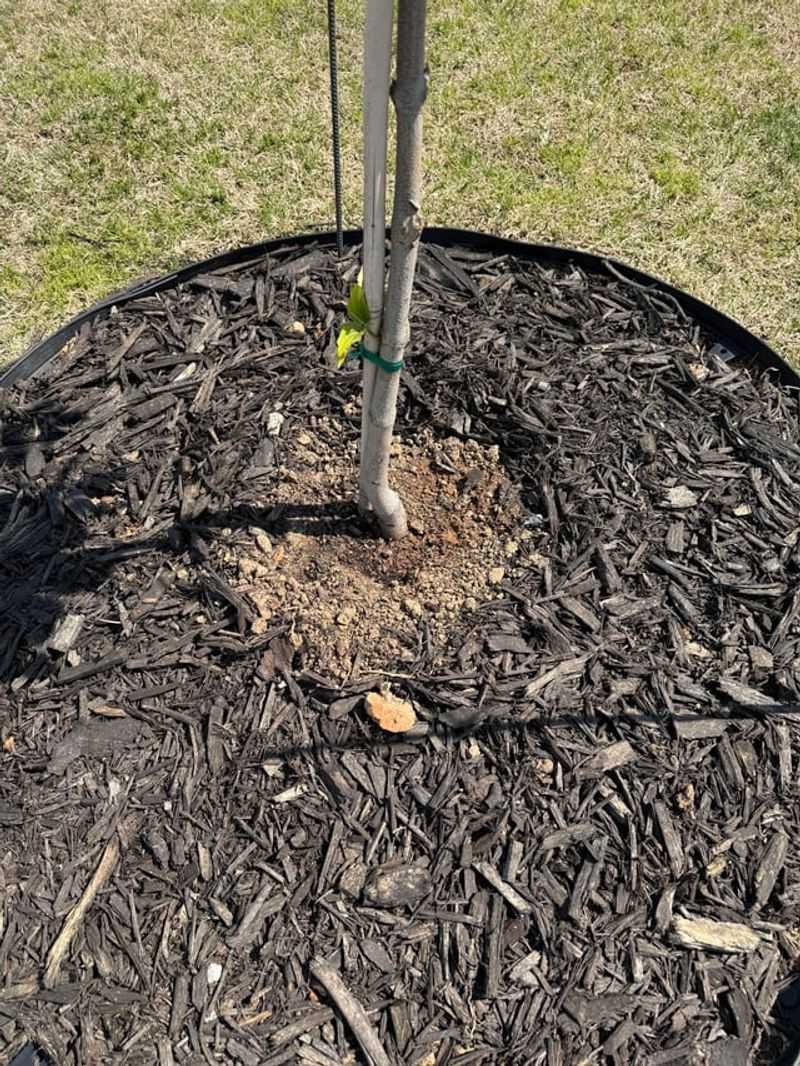
Fixing this turns out to be simple. The repair takes one hose, one timer, and about an hour.
Start by finding the drip line, that circle of soil beneath the outermost branches. Most feeder roots live there and slightly beyond, hunting for moisture.
Lay a soaker hose in a loose spiral across that zone. Run it sixty to ninety minutes at low pressure, once weekly.
Without a soaker hose, a regular hose set to a slow trickle works fine. Move it every fifteen minutes so the whole root zone drinks evenly.
A simple guideline is ten gallons for every inch of trunk diameter. A four-inch dogwood, then, wants roughly forty gallons each dry week.
Check your work with a long screwdriver pushed into the wet soil. If it slides down six inches easily, the soak went deep enough.
Water in the morning, before the heat climbs and evaporation steals your effort. Cooler soil holds that moisture much longer into the afternoon.
Skip the fertilizer and skip the pruning shears for now. The tree needs water and quiet, not a to-do list.
Repeat weekly whenever rainfall falls short of one inch. Steady rhythm beats a single dramatic flood any day.
Gardeners who commit to four September soaks often notice the difference immediately. The leaves stay deep green while neighboring trees fade toward dusty bronze.
Add a two-inch layer of mulch afterward to lock that moisture in place. The hose does the work, and the mulch protects the investment.
Plump Buds Signal A Strong April Payoff
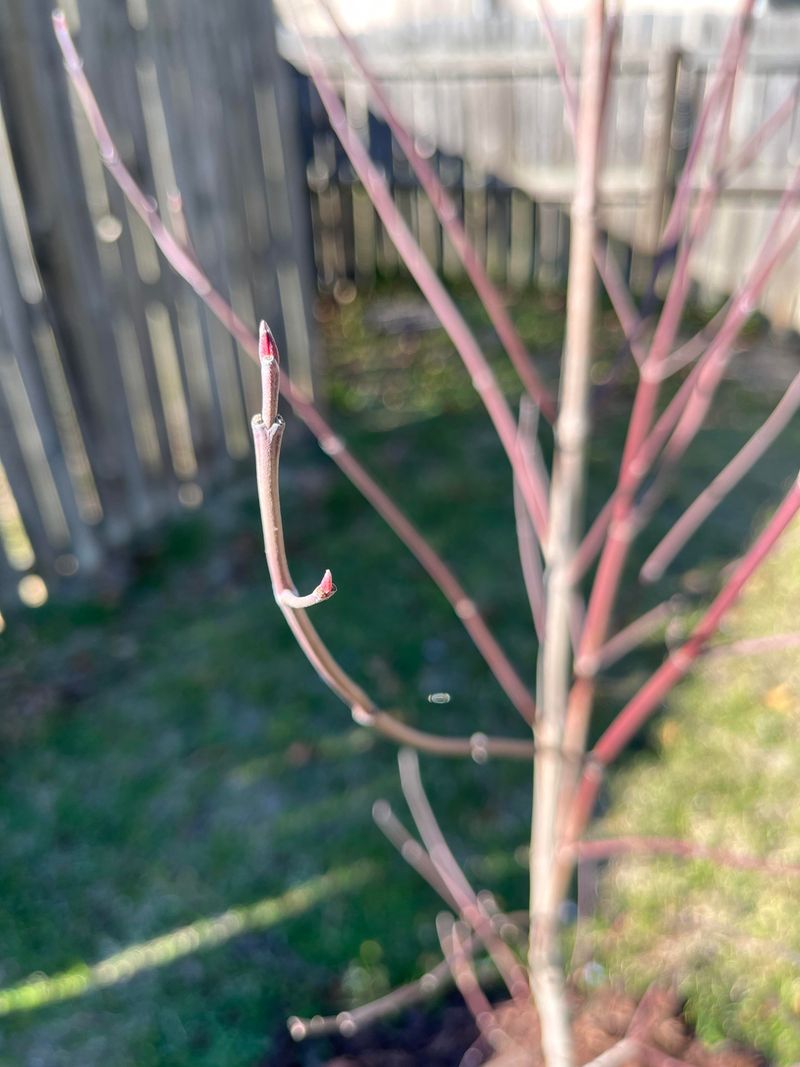
Late October hands out report cards, and dogwoods hide nothing. Walk out with a flashlight and look at the branch tips.
Healthy flower buds look round, firm, and roughly the size of a pea. Skinny, flat buds suggest the tree ran short on water somewhere.
Count the buds on one branch and multiply across the canopy. Twenty or more per branch points toward a generous spring.
Leaf color tells its own story during the same walk. Well-watered dogwoods hold green foliage until crisp nights bring burgundy tones.
Trees that struggled through September often turn red in August or scorch at the edges. Early color looks pretty but signals a plant cutting losses.
April brings the real verdict, usually in the first two weeks across the Piedmont. A well-fed tree opens into a layered cloud of white or pink bracts.
Those showy white petals are technically bracts, not flowers at all. The true blooms sit clustered in the small green button at the center.
Bonus payoff arrives in fall, when pollinated flowers become bright red berry clusters. Cardinals, bluebirds, and cedar waxwings clear those out quickly.
A tree that skipped its September drink still leafs out fine in spring. It just does so with a thin scattering of blooms and no drama.
Gardeners often blame a late frost for a disappointing April display. Sometimes the culprit was a dry week seven months earlier.
Keep a phone photo of the branch tips each October for comparison. Year over year, the difference in bud size becomes obvious.
Smart Placement Builds Long Term Drought Insurance
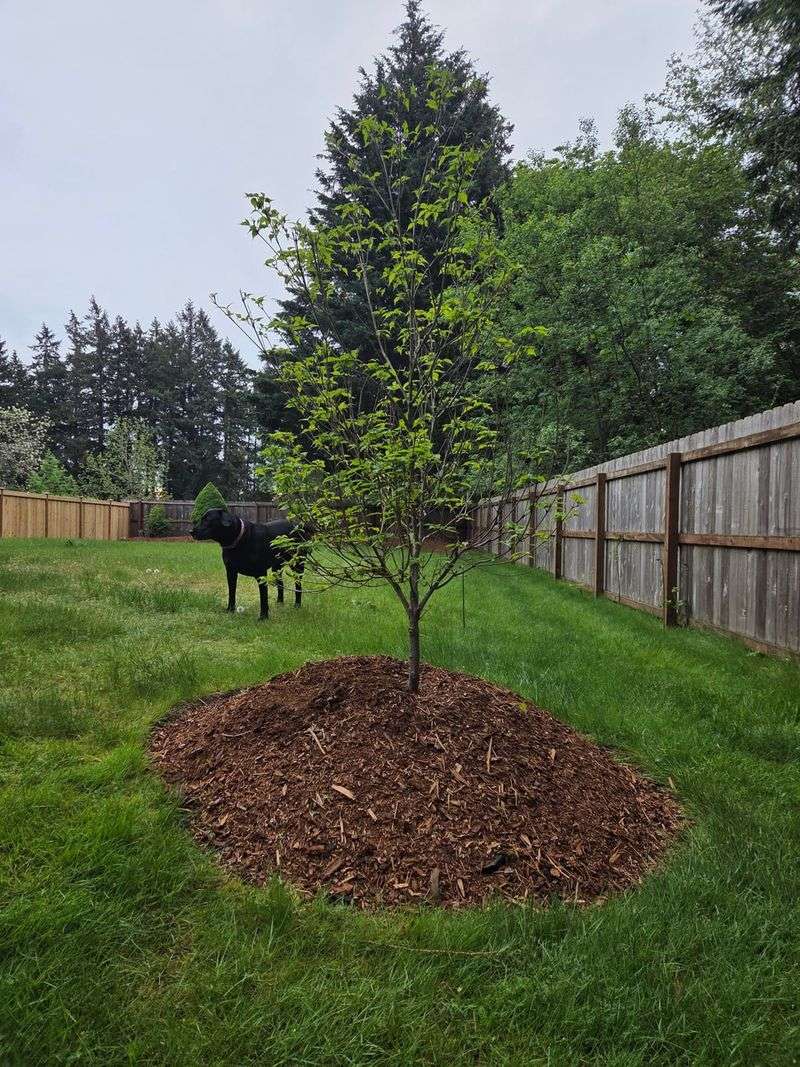
Watering solves this year’s problem, but smarter placement solves the next decade. Dogwoods are woodland natives wearing lawn-tree costumes in most yards.
Spread three inches of shredded hardwood mulch from the trunk out to the drip line. Pull it back several inches from the bark to avoid rot.
Mulch keeps soil temperatures steady and slows evaporation through hot Carolina afternoons. It also keeps mower blades a safe distance from the trunk.
Grass growing right up to the trunk competes fiercely for every drop. Clearing a four-foot circle gives the roots room to breathe.
Planting new dogwoods where they get morning sun and afternoon shade pays off later. East-facing spots near taller oaks mimic their natural forest edge home.
Working compost into surrounding beds each fall builds soil that holds water longer. Heavy red clay improves slowly, but it does improve.
A cheap rain gauge removes all the guesswork from your weekly decision. Under an inch means the hose comes out on Saturday.
Young trees planted within the last three years need this care most. Their root systems are still small and easily caught short.
Older dogwoods handle dry spells better, though they still reward a September soak. Mature trees simply take longer to show they are unhappy.
Build the habit once, and it becomes background noise like changing furnace filters. Your dogwood will hold up its end of the bargain.
Flowering dogwood happens to be North Carolina’s state flower, chosen back in 1941. Treating it well feels less like chores and more like civic duty.