The Set-And-Forget Shrubs Replacing Boxwoods In Minnesota Front Yards
For decades, boxwoods lined Minnesota driveways like a uniform. Then came the winters that didn’t let up, the voles tunneling under mulch, and the blight that turned glossy leaves to rust overnight.
Homeowners got tired of replanting the same shrub every few springs, only to watch it struggle again by fall. Something had to give, and it wasn’t the weather.
Across the state, front yards are quietly shifting toward shrubs built for this exact climate: ones that shrug off frost, resist pests, and still look sharp without constant trimming.
Full sun or dappled shade, there’s an option on this list suited to nearly any Minnesota yard, and a few might surprise you.
1. Alpine Currant Brings Zone Two Hardiness To Hedges
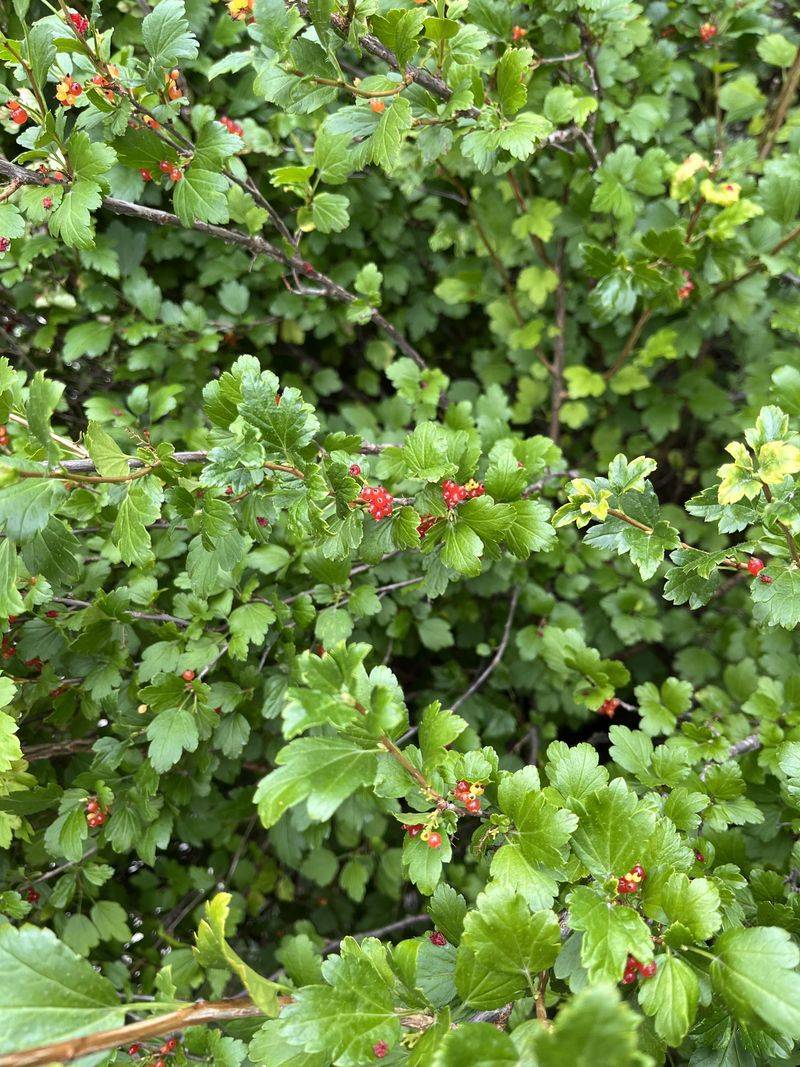
Forget everything you thought you knew about hedge plants. Alpine currant laughs at Zone 4 winters, and it handles Zone 2 cold without flinching.
This tough little shrub grows three to five feet tall and wide. It forms a dense, rounded shape that looks almost manicured without much effort.
Gardeners in the upper Midwest love it for a reason. Alpine currant leafs out early in spring and holds its clean, bright green color deep into fall.
It tolerates partial shade better than most hedging shrubs. You can plant it along a north-facing foundation and still get a full, lush look.
Deer tend to leave it alone, which is a genuine bonus in suburban neighborhoods near open land. Rabbits are less respectful, but mature plants bounce back quickly.
Pruning is simple and forgiving. Trim it once in early summer and it stays tidy for the rest of the season.
Alpine currant handles clay soil, compacted ground, and dry spells with quiet resilience. You do not need to amend your soil or fuss over drainage.
It is not a showy plant, and that is exactly the point. When your neighbors are replacing frost-damaged boxwoods every spring, your alpine currant hedge just keeps growing stronger.
Plant it in a row three feet apart for a solid hedge effect within two seasons. Once established, this shrub practically takes care of itself.
2. Little Devil Ninebark Adds Color Without The Fuss
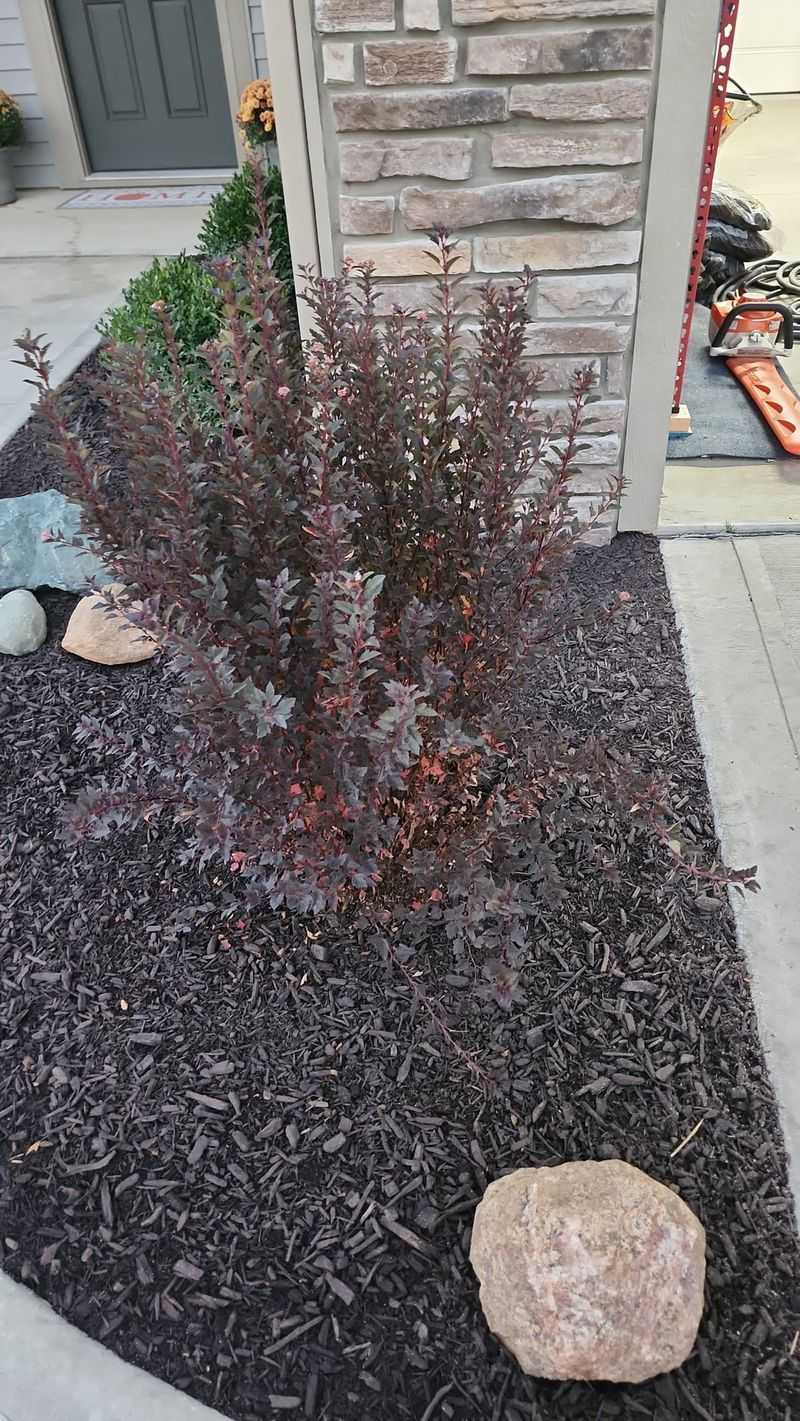
Some shrubs earn their spot by staying alive. Little Devil ninebark earns its spot by being genuinely gorgeous all season long.
The foliage is a deep, rich burgundy that holds its color from spring through fall in a compact three-to-four foot package.
In late spring, clusters of tiny white flowers cover the whole plant. Pollinators swarm it, and the display lasts for several weeks.
After blooming, papery seed pods form and add textural interest through winter. Even in January, this shrub looks intentional and structured against a snowy backdrop.
Ninebarks are native to North America, which means they evolved for exactly this climate. They handle cold, wind, drought, and heavy clay without needing any coddling.
Little Devil is the compact cousin of the full-sized Diablo ninebark. It maxes out at about four feet, making it a perfect boxwood substitute for foundation plantings.
Your Minnesota Garden Changes Every Week. Your Plan Should Too.
Gardening in Minnesota changes quickly throughout the season. Every Friday you’ll receive a simple weekly plan showing exactly what to plant, prune, fertilize, harvest, and protect so you never miss the right timing.
Full sun brings out the best leaf color. In shadier spots, the burgundy fades toward green, though the plant stays healthy either way.
Pruning is optional. You can shape it lightly after flowering, or just let it grow into its natural mounded form.
Pair it with light-colored perennials like white coneflowers or pale yellow rudbeckia to make the dark foliage pop. This shrub turns a basic front yard into something people actually stop to admire.
3. Globe Arborvitae Keeps Its Shape All Year
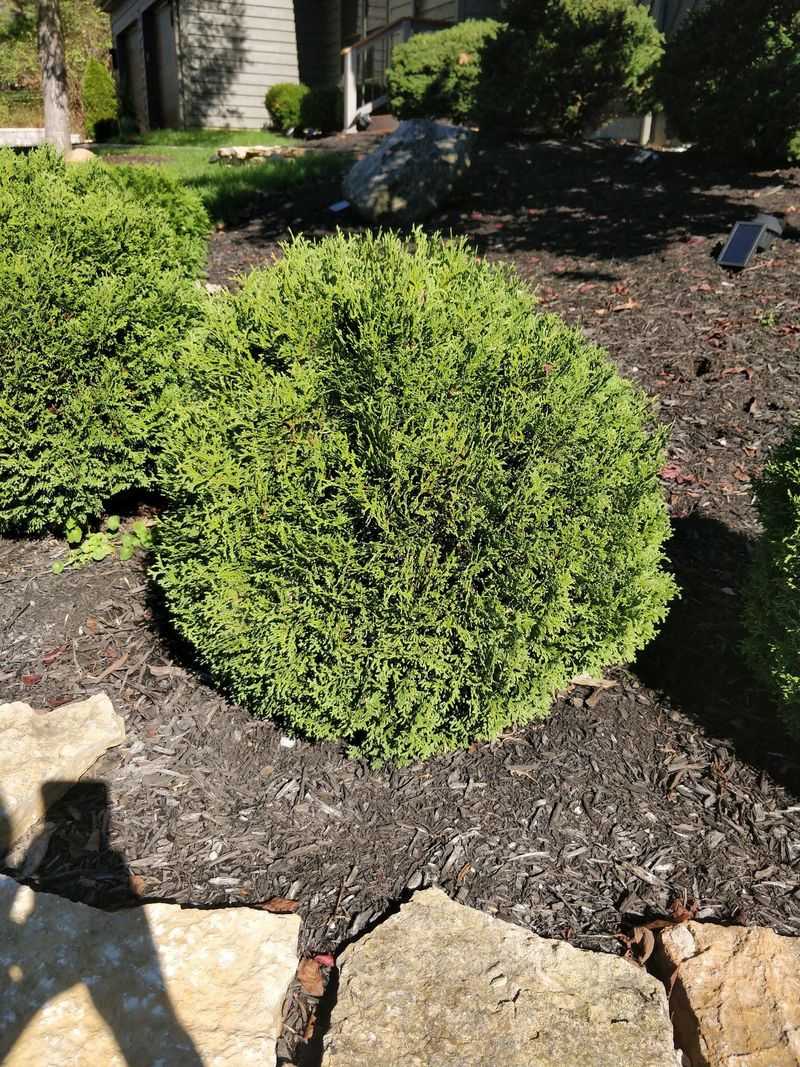
Picture a shrub that rarely needs a haircut and consistently looks freshly trimmed. That is globe arborvitae in a nutshell.
This evergreen grows naturally into a tight, symmetrical ball shape. No shearing required, no guesswork, just consistent form year after year.
It tops out at three to four feet tall and equally wide. That compact size makes it ideal for flanking entryways or anchoring corner beds.
Globe arborvitae holds its rich green color through every season. When boxwoods turn bronze or brown in harsh winters, this shrub stays lush and vibrant.
Cold hardiness is one of its strongest selling points. It performs reliably in Zone 3 and Zone 4, which covers most of the upper Midwest without issue.
Deer browsing can be a problem in some areas. Wrapping it with burlap in late fall protects the foliage and reduces winter damage significantly.
Plant it in full sun to partial shade for best results. Well-drained soil is ideal, but globe arborvitae adapts to average yard conditions without complaint.
Watering deeply once a week during the first season helps it establish a strong root system. After that first year, supplemental watering is rarely necessary.
Homeowners replacing boxwoods in Minnesota front yards often reach for globe arborvitae first. It delivers the same structured look with far more staying power through brutal cold snaps.
4. Birchleaf Spirea Handles Harsh Winters With Ease
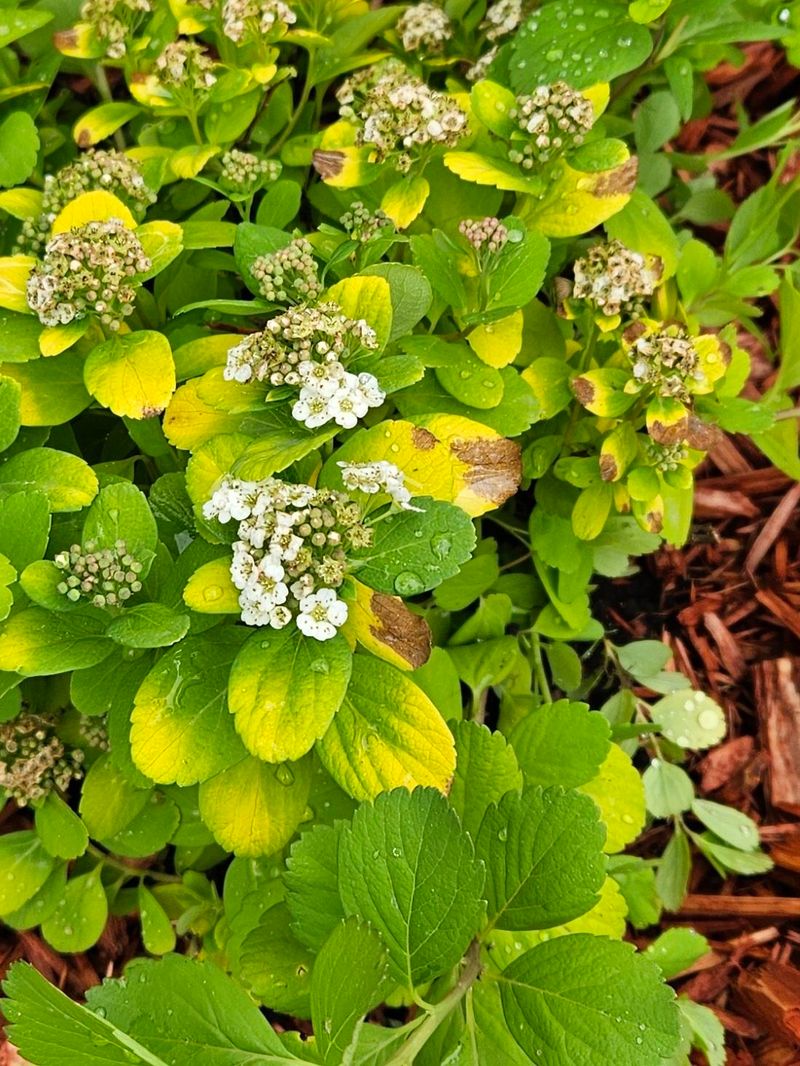
There is something almost poetic about a shrub named after birch trees thriving in the same brutal winters. Birchleaf spirea carries that toughness in its roots.
The leaves are small, serrated, and textured in a way that catches light beautifully. In fall, they shift to orange and red tones that rival any ornamental tree.
Spring brings a generous flush of white flower clusters. Bees and butterflies treat it like a buffet, which adds life and movement to any front yard.
Mature plants reach about three to four feet in height and spread slightly wider. That low, spreading habit makes it a natural fit for slopes, borders, and foundation beds.
Birchleaf spirea’s northern varieties have adapted to freeze-thaw cycles, late spring frosts, and dry summers across the upper Midwest.
Pruning is best done right after flowering. Cut back about one-third of the older stems to encourage fresh growth and a more compact shape.
It adapts to a wide range of soil types, including sandy or rocky ground where other shrubs refuse to cooperate. Good drainage matters more than soil richness for this plant.
Full sun produces the most flowers and the best fall color. Partial shade is tolerable, but the bloom count drops noticeably.
For homeowners tired of replacing boxwoods, birchleaf spirea offers a reliable, beautiful, and low-effort alternative that rewards patience with stunning seasonal interest.
5. Bayberry Thrives In Tough Front Yard Conditions
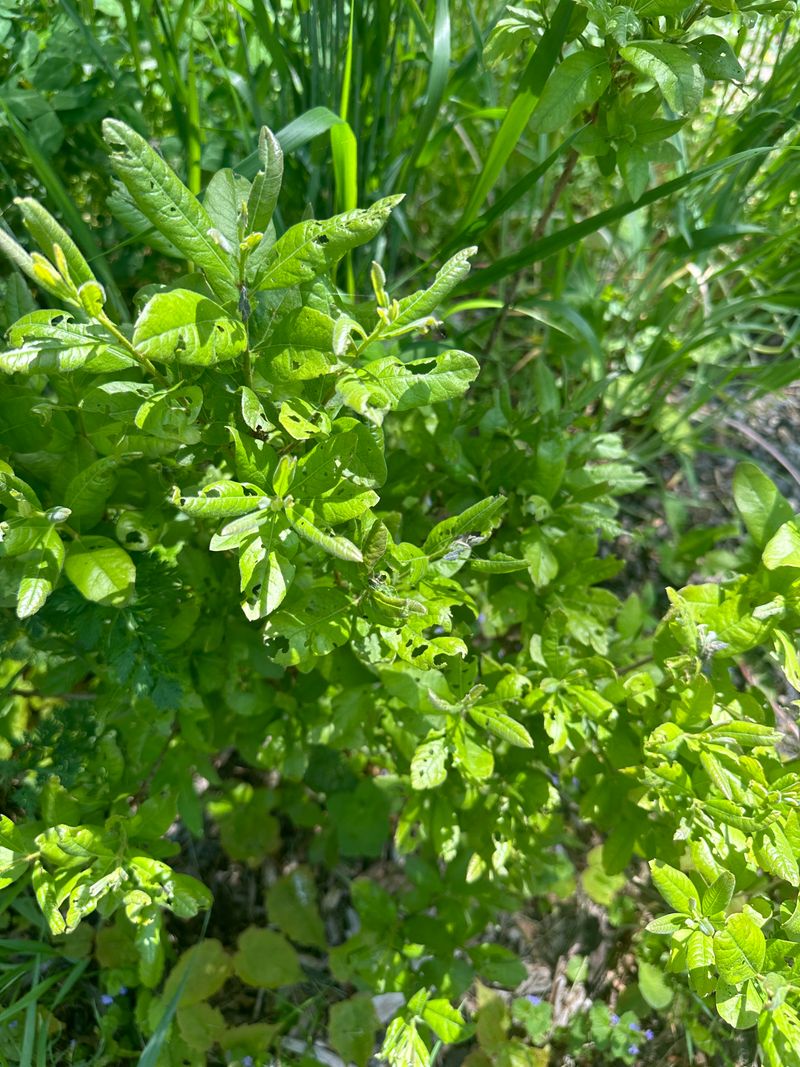
Most shrubs want perfect soil, reliable moisture, and a gentle climate. Bayberry wants none of that and thrives anyway.
This native shrub grows four to eight feet tall and spreads generously. Its dense branching structure makes it a natural privacy screen or windbreak for exposed front yards.
The leaves are glossy and aromatic when crushed. That fragrance is the same scent used in traditional bayberry candles, which gives this plant a satisfying connection to American folk history.
Female plants produce small, waxy gray berries that persist through winter. Birds love them, and the berries add a soft, frosty visual texture to the winter landscape.
Bayberry fixes nitrogen in the soil, which means it actually improves the ground around it over time. That quality makes it a smart choice for compacted or nutrient-poor front yards.
Salt tolerance is another standout trait. Plant it near a salted driveway or road edge and it shrugs off the runoff without missing a beat.
It handles drought, wind, sandy soil, and clay with equal composure. Few ornamental shrubs match its ability to thrive in genuinely difficult conditions.
Pruning is minimal. Trim lightly in early spring to shape it, or leave it alone and let it develop a natural, layered form.
Once established, bayberry rarely needs supplemental water or fertilizer. Homeowners replacing boxwoods in tough spots find bayberry delivers toughness and beauty in equal measure.
6. Dwarf Bush Honeysuckle Rounds Out The Native Options
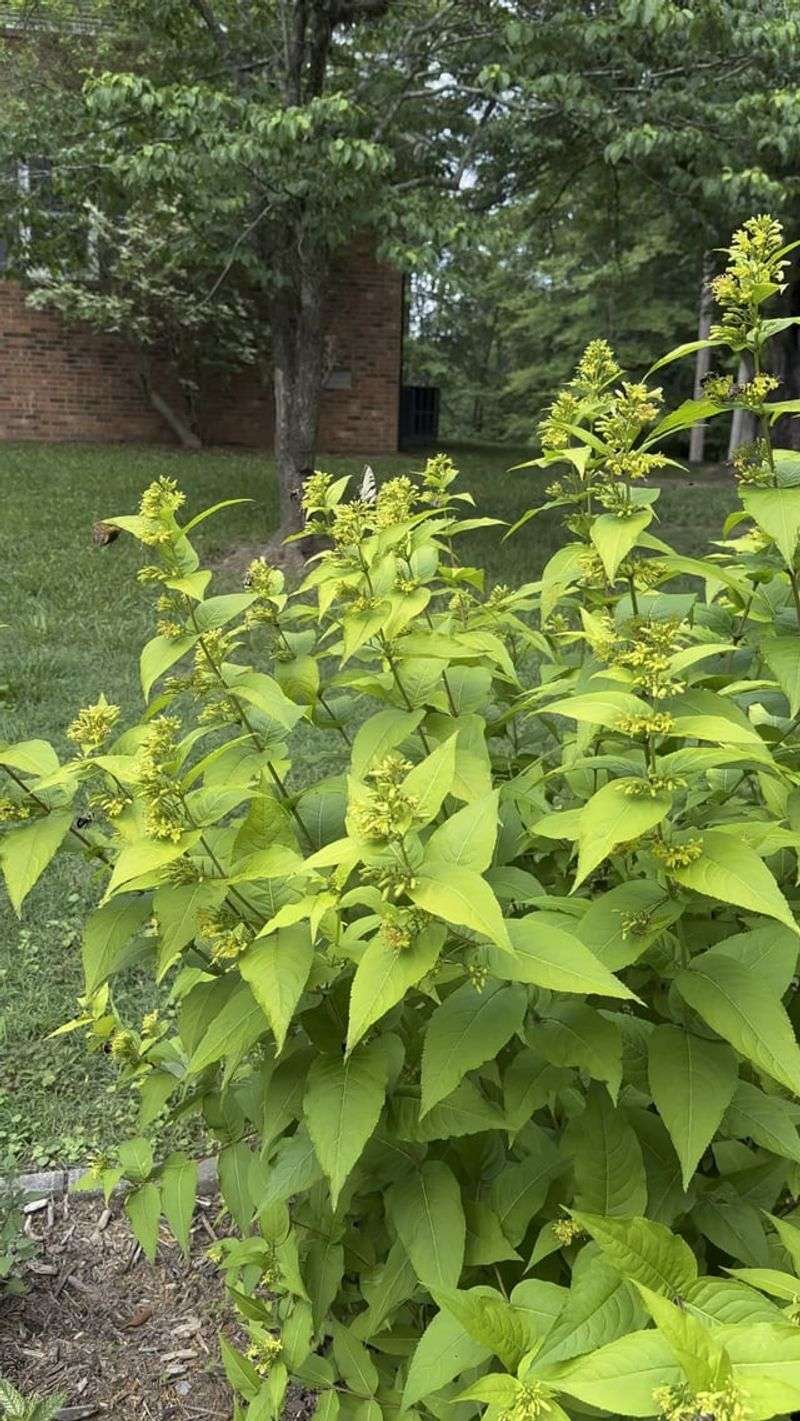
Not all honeysuckles are the invasive vines you were warned about. Dwarf bush honeysuckle is a well-behaved native that earns its place with minimal effort.
It grows two to four feet tall with an open, airy branching habit. The yellow flowers appear in early summer and attract hummingbirds and native bees with impressive consistency.
After blooming, dry seed capsules form and persist into fall, adding subtle texture to the branches. That ecological generosity makes it a favorite among gardeners who want their yard to support local wildlife.
Fall color is a genuine highlight. The foliage shifts to shades of orange and red that rival more celebrated ornamental shrubs.
This shrub is native to the Great Lakes and upper Midwest region. It evolved in rocky, well-drained soils and handles cold winters without any protective measures.
Full sun produces the most flowers and the richest fall color. It tolerates light shade but stretches and opens up more in lower light conditions.
Soil adaptability is strong. Sandy, loamy, or gravelly ground all work well, as long as drainage is reasonable and water does not pool at the roots.
Pruning is optional but helpful. Cutting it back by one-third in early spring keeps the shape tidy and encourages vigorous new growth.
For front yards that need a native, wildlife-friendly, low-maintenance shrub, dwarf bush honeysuckle rounds out the options beautifully without spreading out of control.
7. Dwarf Korean Lilac Forms A Tidy Rounded Mound
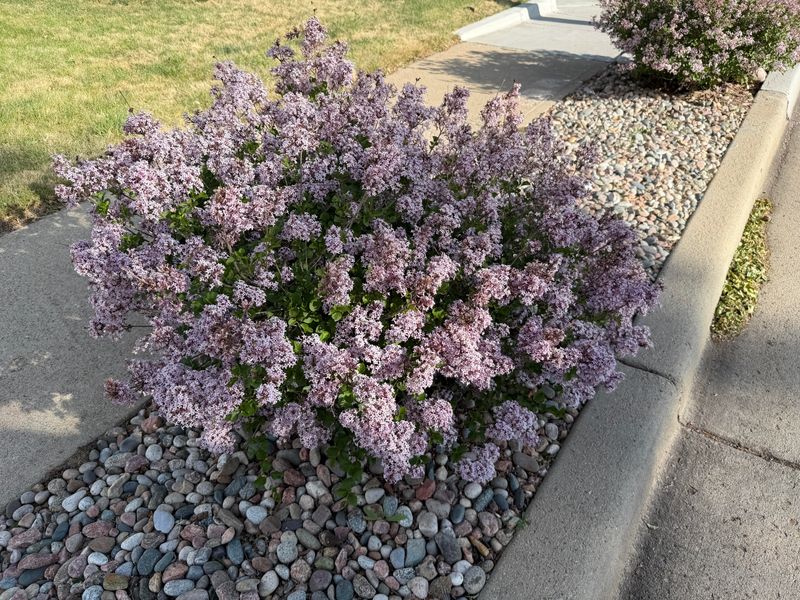
Imagine walking past your front yard every May and catching that unmistakable lilac scent. Dwarf Korean lilac makes that a reality without taking over your whole yard.
This compact shrub grows four to five feet tall and wide. It forms a naturally rounded, symmetrical mound that looks polished without constant pruning.
The flower clusters are pale lavender-pink and intensely fragrant. Bloom time falls in late spring, about two weeks after common lilacs, which extends the fragrance season nicely.
After flowering, the dark green foliage holds its color reliably through summer and into fall. The leaves are small and neat, giving the plant a refined, tidy appearance all season.
Dwarf Korean lilac is rated for Zone 3, making it one of the hardiest flowering shrubs available for northern yards. It handles ice storms, polar vortex events, and late frosts without complaint.
Full sun is essential for heavy blooming. In shadier spots, flower production drops, though this variety already resists powdery mildew better than most lilacs.
Pruning should happen right after flowering, never in fall or early spring. Cutting at the wrong time removes next season’s flower buds and results in a disappointing spring display.
Fertilizer is rarely needed. Too much nitrogen actually reduces blooming and pushes the plant toward leafy growth instead of flowers.
Among the set-and-forget shrubs replacing boxwoods in Minnesota front yards, few offer the sensory reward that dwarf Korean lilac delivers every single spring.
8. Snowmound Spirea Blankets Itself In Spring White
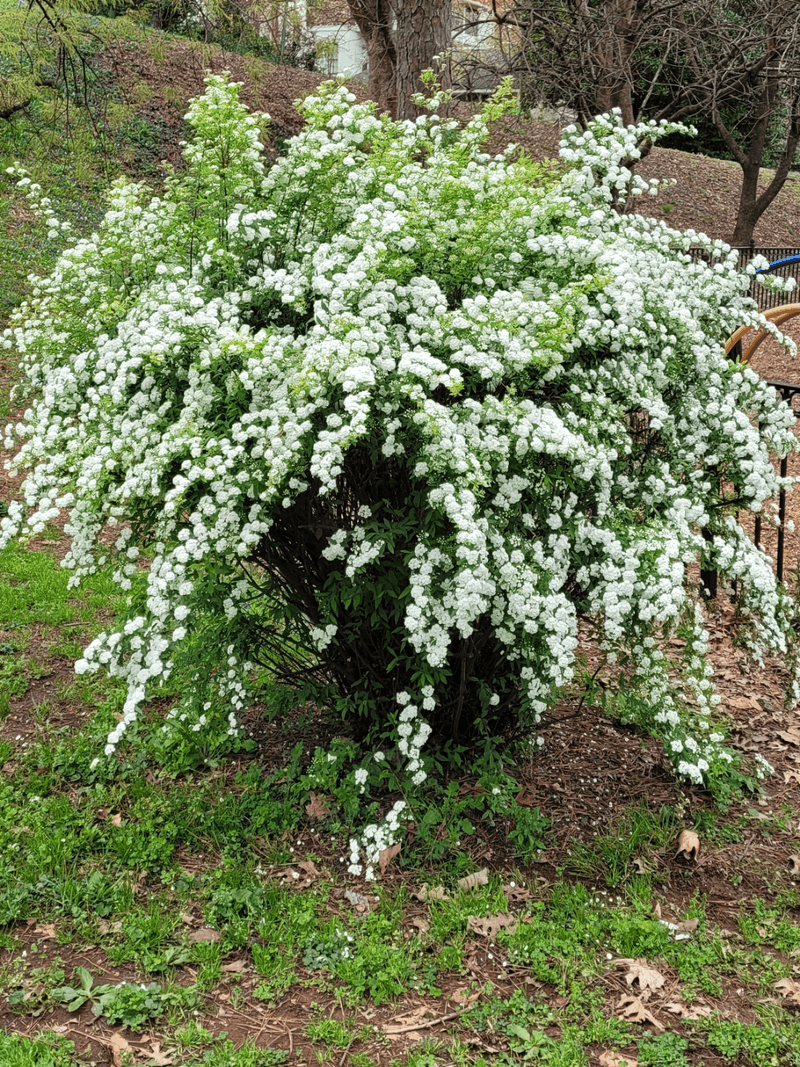
When Snowmound spirea blooms, it earns its name in full. The whole plant disappears under a thick blanket of white flowers for three to four weeks every spring.
The arching branches give it a graceful, fountainlike shape. That natural form looks elegant in foundation beds, along walkways, and at the corners of front porches.
Mature plants reach three to four feet tall and spread four to five feet wide. That wider-than-tall habit makes it a great low-profile option for yards with sight-line restrictions.
After the spring flower show, the foliage turns a clean blue-green that holds well through summer heat. The leaves are small and finely textured, adding a delicate visual quality to the plant.
Fall brings another color shift, with foliage moving toward orange and gold before dropping. Even bare in winter, the arching branch structure adds interesting form to the front yard.
Snowmound spirea is rated for Zone 4 and performs reliably through cold northern winters. It does not need wrapping, mounding, or any special winter protection in most upper Midwest yards.
Pruning is straightforward. Cut the whole plant back by one-third right after blooming to keep it compact and encourage a fresh flush of healthy new growth.
Full sun maximizes the flower display. In partial shade, blooming is lighter and the branch structure becomes slightly more open and loose.
For homeowners ready to stop replacing boxwoods in Minnesota front yards, Snowmound spirea offers a spectacular, dependable, and genuinely set-and-forget solution worth planting this season.