The Shiny Little Bug Haunting Your New Jersey Bathroom (And Why It’s Not Dangerous)
Some of these tiny bathroom sprinters can go close to a year without eating a single meal. That fact stopped me cold the first time I read it.
I spotted one at midnight in my New Jersey bathroom, a silvery flash sliding across the tub like a drop of mercury. It wiggled the way a minnow swims, then slipped into a crack before my eyes caught up.
You might notice them most after a hot shower or a rainy week, and New Jersey’s humid summers make them even more common.
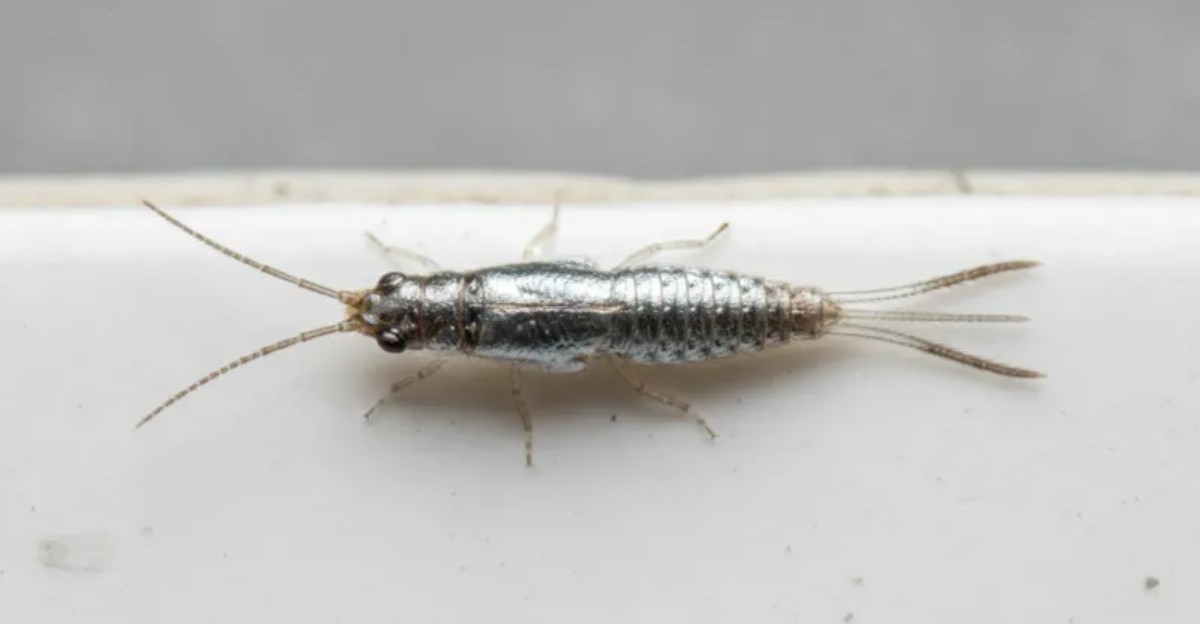
They carry three tiny bristles on their tails and long, waving antennae. Their bodies even shimmer with scales, much like a butterfly’s wing.
After I tested a few easy fixes, my late-night visitors grew scarce. I also learned their family line stretches back hundreds of millions of years.
This ancient wanderer returns to your sink for one reason: moisture. Fix that, and you’ll rarely see it again.
That Silvery Wiggler On Your Tile Has Ancient Roots
Fossils show that silverfish relatives were scurrying around long before the first dinosaurs. Scientists place their insect group among the oldest on Earth, with roots going back hundreds of millions of years.
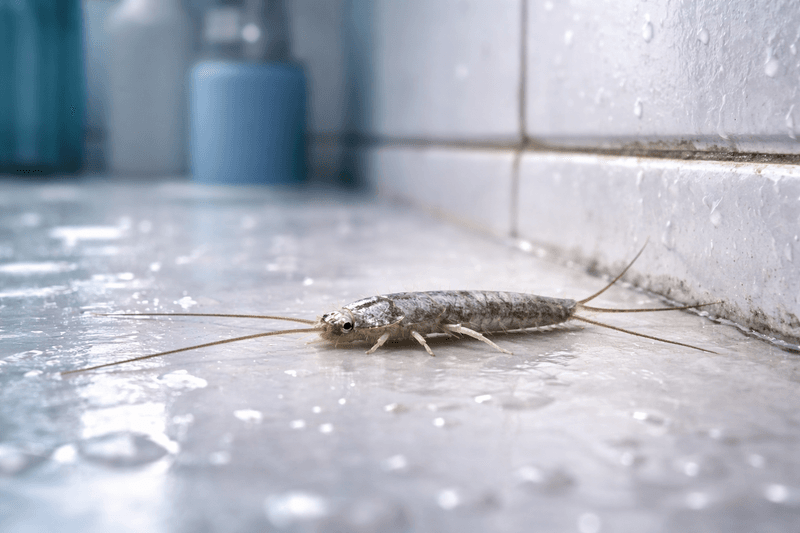
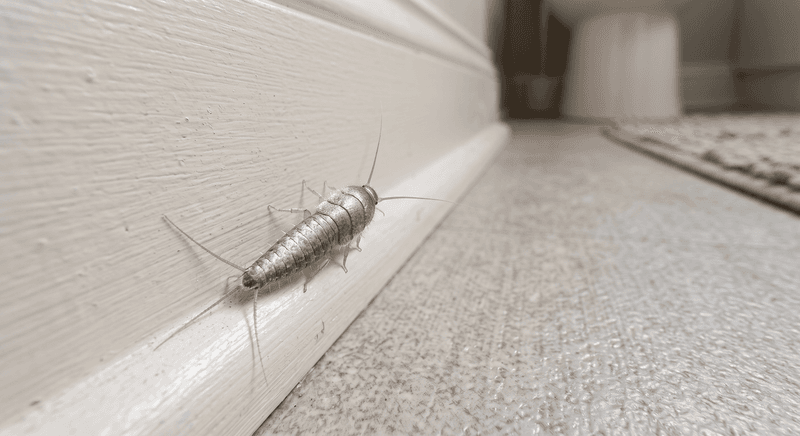
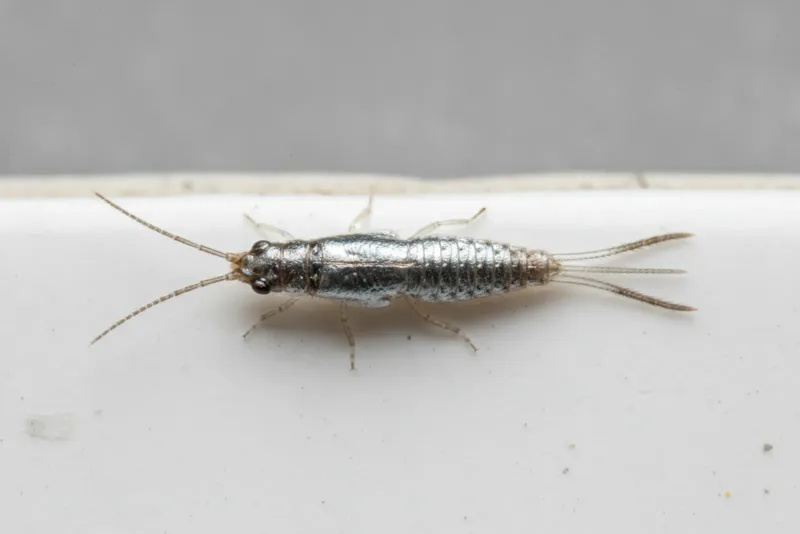
The bug in your New Jersey bathroom is most likely the common silverfish, Lepisma saccharinum. Adults usually measure about half an inch to three-quarters of an inch long. They have flat, carrot-shaped bodies that taper toward the back.
Look closely and you will spot three features. Two long antennae wave up front, and three bristly tails trail behind. Their bodies are covered in tiny silver-gray scales that give them that metallic shine.
They have no wings at all. Instead, they rely on speed, wiggling side to side like a fish slipping through water. That motion explains their name.
A close cousin called the firebrat looks similar but has a mottled brown pattern. Firebrats prefer hotter spots, like near water heaters or furnaces, which many New Jersey homes have tucked into basements and utility closets.
Silverfish also keep molting their whole lives, even as adults. Some can live several years, which is long for an insect.
So when you see one dash under the sink in New Jersey, you are glimpsing a living echo of deep history.
No Bites And No Stings From These Bathroom Silverfish
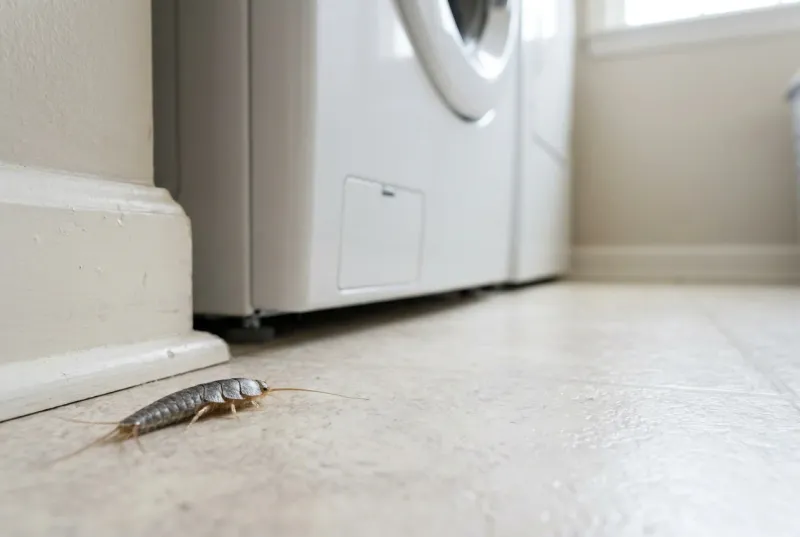
Relax, your toes are safe. Silverfish do not bite people, and they do not sting. Their tiny mouthparts are built for scraping and chewing soft materials like paper and starch. They are not designed for piercing skin.
Health and pest sources agree that silverfish are not known to spread disease to humans. Pets are fine too. If your curious cat bats one around and eats it, the bug is not poisonous. Your pet might get a crunchy snack and nothing more.
There is one small exception worth knowing. Like dust mites and cockroaches, silverfish shed scales and droppings that can add to indoor allergens.
People with sensitive allergies or asthma may notice more sneezing in homes with heavy numbers.
For most families, though, silverfish fall into the nuisance category. The real harm lands on your stuff, not your body. They may chew on old books, photos, wallpaper paste, or starched clothing over time.
So no need to scream or grab a slipper in a panic. A calm look and a few simple changes to your bathroom usually handle the problem. Knowing they are harmless makes those midnight surprises a lot less spooky.
Steamy Showers Turn Your Bathroom Into Silverfish Paradise
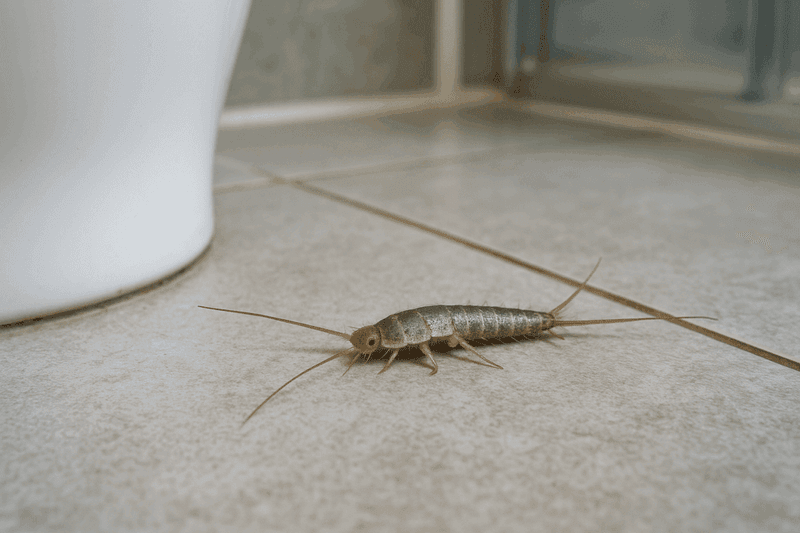
Moisture is the magic word. Silverfish need high humidity to thrive, often above 75 percent, and a New Jersey bathroom after a hot shower fits that bill nicely.
Leaky faucets add even more dampness. So do sweating pipes under the sink, soggy bath mats, and wet towels piled in a corner. Every one of those spots becomes a cozy little spa for these bugs.
Darkness matters to them too. Silverfish are mostly active at night and spend daytime tucked into cracks in grout, behind baseboards, and under cabinets. That explains why you often see them when you flip on the light at 2 a.m.
In humid places like New Jersey, bathrooms may stay damp for hours. Older New Jersey homes with poor ventilation can hold moisture even longer.
Ever found one stuck in your tub? It probably wandered in looking for water. The smooth, slippery sides made escape tough, so it got trapped.
That trapped bug most likely did not crawl up from your drain, as many people believe. Once you understand how much they crave dampness, the bathroom mystery makes perfect sense.
Paper, Glue And Cereal Make A Silverfish Feast
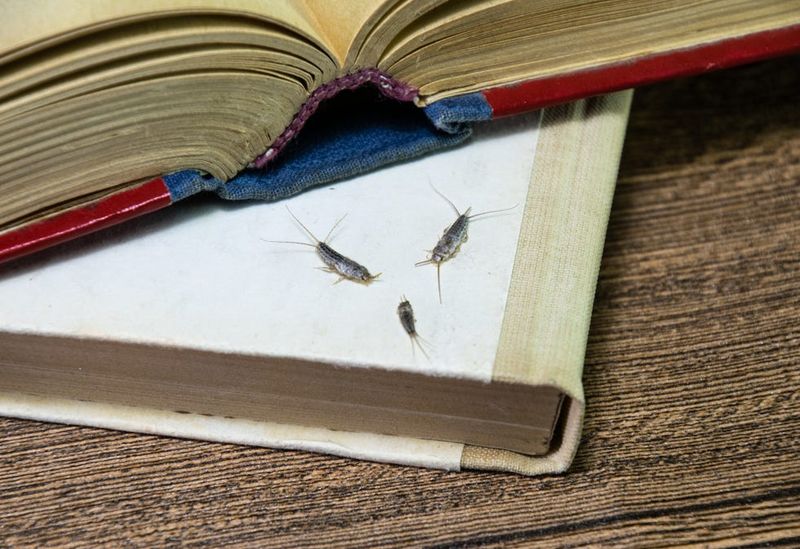
Picky eaters they are not. Silverfish love starches and sugars, and your home is full of them. Paper tops the menu. Books, magazines, cardboard boxes, and even toilet paper rolls can attract them.
Wallpaper paste and bookbinding glue are special treats because they contain starch. Clothing is on the list too. Cotton, linen, rayon, and silk can get nibbled, especially when starched or stored somewhere damp.
I once found a linen napkin with small ragged holes in a humid linen closet. Kitchen items join the buffet. Flour, cereal, oats, and dry pet food can all draw silverfish when left in thin paper bags.
They also graze on mold, dust, and decaying insects. Here is a wild fact. Silverfish are known to go many months without eating, which makes them tough to starve out quickly.
The fix starts with storage. Move flour and cereal into sealed plastic or glass containers. Keep keepsake papers and photos in tight plastic bins away from bathrooms and basements. Removing easy meals makes your home far less inviting.
Tiny Holes And Pepper Specks Reveal Hidden Silverfish
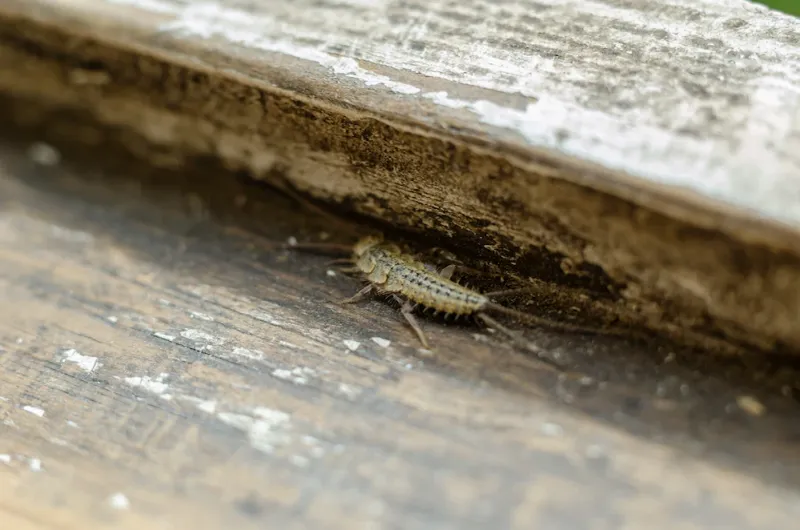
Seeing one bug does not tell you much. Silverfish hide so well that the clues they leave behind often say more.
Start by checking paper items. Look for small, irregular holes, notched edges, or scraped surfaces on books, envelopes, and wallpaper.
They tend to graze rather than bite clean holes. Next, hunt for droppings. These look like tiny black specks, a lot like ground pepper. You may find them on shelves, in drawers, or along baseboards.
Yellowish stains on fabric or paper can also point to their activity. Shed skins are another giveaway.
Because silverfish molt many times, their thin, silvery skins may pile up in corners where they gather.
A simple trick helps you confirm what you suspect. Wrap a small glass jar with masking tape on the outside and set a pinch of flour inside.
Silverfish can climb the tape but struggle to escape the slick glass. Check the jar each morning for a week. A few catches means a small population.
Lots of catches suggests a larger population, which often points to a moisture problem that needs fixing. That little test gives you real evidence instead of guesswork.
A Bathroom Exhaust Fan Is Your Best Silverfish Fix
Dry air is the strongest tool you have. University extension experts point to moisture control as the main way to reduce silverfish.
Run your bathroom exhaust fan during every shower. Then keep it going for about 20 to 30 minutes afterward.
Cracking a window helps when the weather allows. Fix drips fast. A leaky faucet or sweating pipe can keep a cabinet damp for weeks. Wrap cold pipes with foam insulation to cut down on condensation.
Hang towels and bath mats so they dry fully. A damp mat left on the floor overnight is like rolling out a welcome rug.
A dehumidifier works wonders in basements, laundry rooms, and stuffy bathrooms. Aim to keep indoor humidity around 50 percent or lower. A cheap hygrometer lets you check the number easily.
Clean regularly as well. Vacuum along baseboards and corners to remove crumbs, dust, and stray eggs. Wipe away any mildew on grout.
I noticed a big drop in sightings within a few weeks of these changes. Silverfish simply move on when your bathroom stops feeling like a rainforest.
Sealing Grout Cracks Helps Keep Silverfish Out
Small gaps make big hiding spots. Once your bathroom is drier, sealing those cracks gives you lasting results.
Grab a tube of silicone caulk. Fill gaps along tubs, sinks, baseboards, and where pipes enter walls. Repair crumbling grout so bugs lose their daytime hideouts.
Clear out clutter too. Stacks of old magazines and cardboard boxes in closets or under sinks give silverfish shelter and food at the same time.
Some people like natural extras such as cedar blocks or cinnamon sticks. These may help a little, but the research behind them is thin. Think of them as bonus touches, not real solutions.
Food-grade diatomaceous earth is a better-supported option. Dust a very thin layer into wall voids, cracks, and behind appliances where people and pets do not touch it.
Avoid breathing the powder while applying. Sticky traps placed along baseboards can also catch stragglers and show where activity remains.
If numbers stay high after a few months, call a licensed pest professional. A big population often signals hidden moisture, like a slow leak inside a wall. Fixing that source protects your home and sends these ancient visitors packing.