The Uninvited Fall Guest Showing Up In New Jersey Backyards Right Now
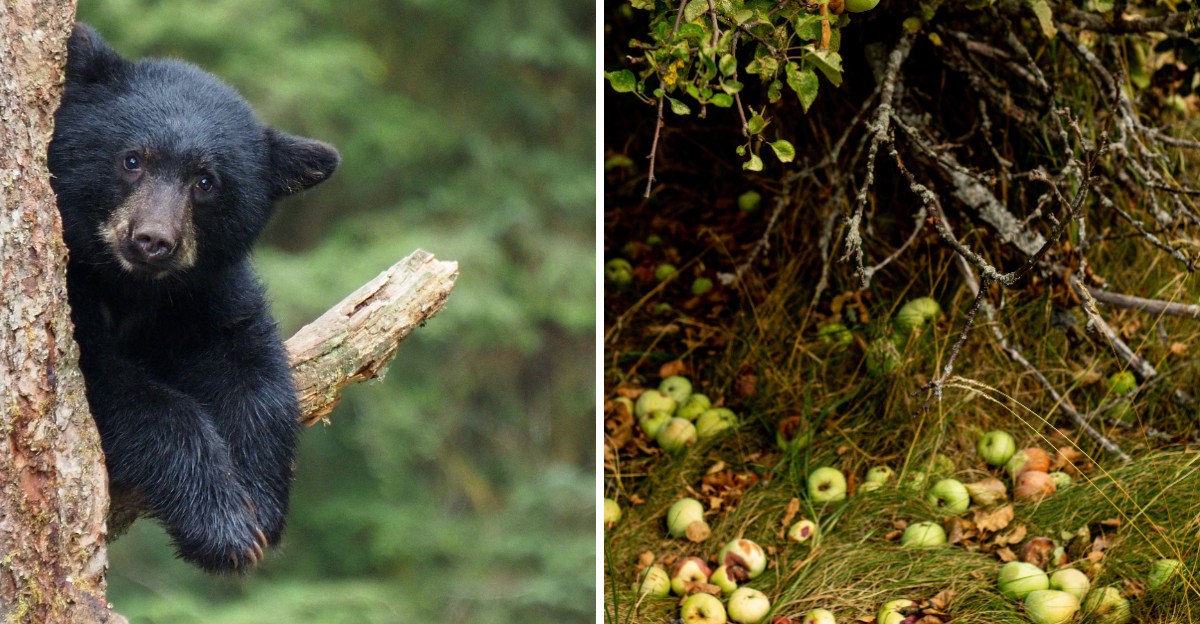
Who dragged your trash can across the lawn and folded your bird feeder in half? Check the deck for prints.
You will spot broad pads and claw tips pressed into the mud. Your visitor leaves hind prints shaped like a barefoot human.
Meet the New Jersey black bear, and you may have offered it dinner. Autumn triggers a surge in appetite, and your yard becomes the buffet.
Bears chase calories now, and your suet, birdseed, and garbage smell like an easy meal. Scent travels miles, and you cannot hide food from a bear’s nose.
Meanwhile your dog sensed the visitor and now guards the window like a bouncer. Living in New Jersey means you share the neighborhood with resident bears.
Smart moves now protect your property, your pets, and the bear. Lock lids, lift feeders, and you change the menu.
A Black Bear May Be The Mystery Visitor In Your Yard

That bent feeder and tipped trash can point to one hungry neighbor. American black bears live across much of New Jersey, especially in the north.
Sussex, Warren, Morris, and Passaic counties see high bear activity, along with other northern areas. Sightings have been reported in many counties, so check current state maps for your town.
Black bears come in more shades than their name suggests, which surprises many people. Some wear brown or cinnamon coats that blend right into fall leaves.
Adult males can weigh over 400 pounds in autumn. Females are smaller, but still strong enough to flip a heavy garbage bin.
Many bears are shy and prefer to avoid people. They wander into yards because food smells travel far on cool October air.
A bear has a sense of smell often compared to that of a bloodhound. Your birdseed can smell like a buffet from a long distance away.
Spotting a bear does not mean it plans to stay. Many visitors grab a snack and move on if they find nothing tasty.
Knowing who made the mess helps you respond calmly. Clues like large tracks, scattered seed, and claw marks on wood point straight to a bear.
Take a photo from a safe spot and report repeat visits. The state wildlife office tracks sightings to keep communities safer.
Check your yard at dawn, since bears can feed overnight and leave clues before the neighborhood wakes up. Fresh tracks, torn bags, and flattened grass tell you who visited and what they wanted.
The Big Autumn Hunger Called Hyperphagia
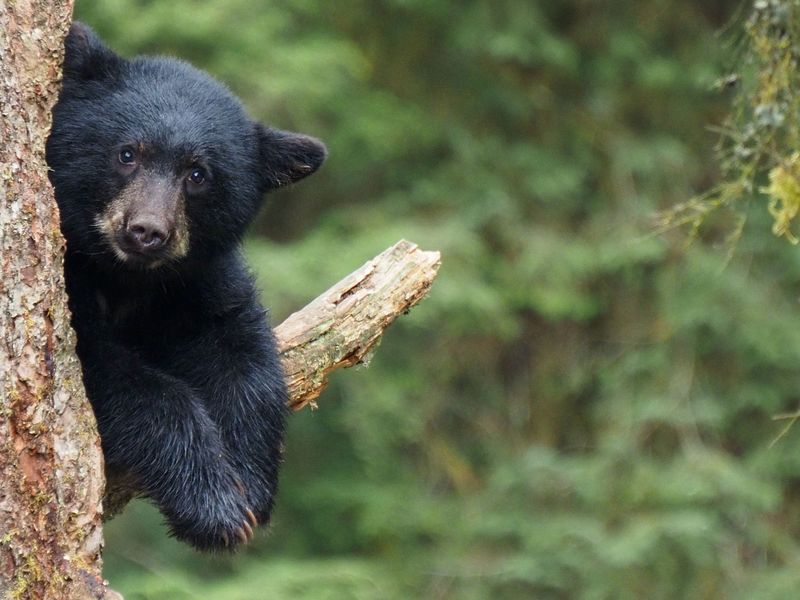
Imagine eating a pizza buffet each day for two months. That is basically a bear’s plan for fall.
Scientists call this period of heavy eating hyperphagia. Bears may eat up to 20,000 calories a day before winter.
They need thick fat layers to survive months in a den. Without enough fuel, they wake up low on energy and hungry in spring.
Acorns, beechnuts, and berries make up their natural fall menu. When those crops run short, bears start looking closer to homes.
Your New Jersey Garden Changes Every Week. Your Plan Should Too.
Gardening in New Jersey changes quickly throughout the season. Every Friday you’ll receive a simple weekly plan showing exactly what to plant, prune, fertilize, harvest, and protect so you never miss the right timing.
Some years bring a poor acorn harvest across New Jersey forests. During those seasons, yard visits often jump in a big way.
Bears are smart and remember easy meals for years. A yard that fed them once may get checked again and again.
Mother bears also teach cubs where to find food. A cub raised on birdseed may grow into an adult that loves neighborhoods.
This hunger usually lasts from late summer into November. Bears in New Jersey often head to dens by December.
Understanding their deep hunger explains their persistent behavior. A bear is not being rude, it is simply following its stomach.
Your job is to make sure your yard offers little worth the trip. Then the bear keeps searching somewhere wilder.
During peak season, a bear can gain a pound or two daily, which shows how strong that appetite becomes.
Mother bears rely on fall feasts to nurse cubs inside the den, so food matters even more for them.
Birdseed And Fallen Fruit As Easy Bear Snacks
Sunflower seeds may look tiny, but bears love them. One full feeder can hold thousands of high-fat calories.
For a hungry bear, that feeder is like a candy machine with no coins required. It costs little effort and gives a big reward.
Spilled seed on the ground is just as tempting. Suet cakes are even richer and smell strong in cool air.
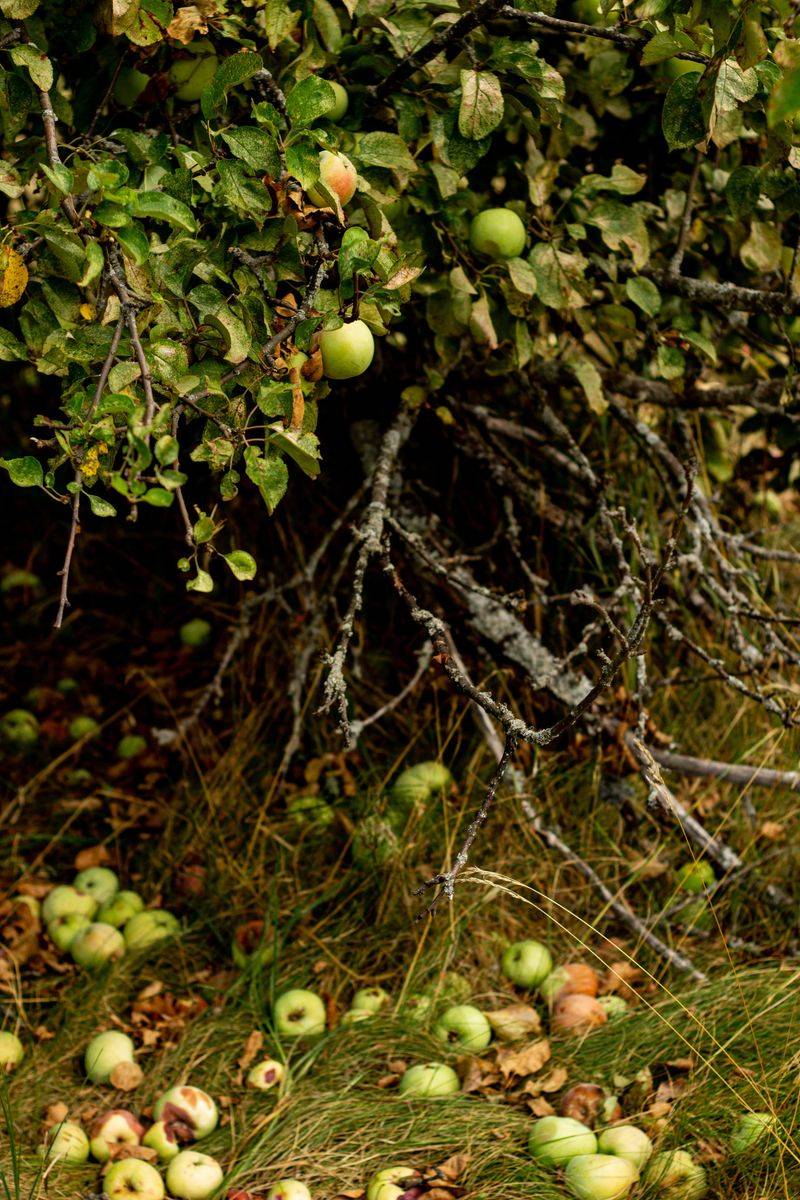
Fruit trees cause trouble too in October. Apples, pears, and crabapples drop and start to ferment in the grass.
That sweet smell spreads across the whole block. Bears will climb trees and snap branches to reach hanging fruit.
Many homeowners do not think of fruit as bear bait. A pile of soft apples under a tree is basically an open invitation.
Other yard snacks include pet food left on porches. Grills with greasy drip trays also draw curious noses.
Compost piles with fruit scraps join the list as well. Even hummingbird feeders filled with sugar water can attract attention.
Walk your yard and look at it like a bear would. Ask yourself what smells sweet, salty, greasy, or nutty.
Each item you find is a possible reason for a visit. Removing those smells is the first big step toward a quiet yard.
Sturdy feeders help, yet even clever designs can fail when a motivated bear pulls hard enough. Sealed bags still carry a strong smell, so store seed away from porches and open sheds.
A Common Feeder Mistake In Fall
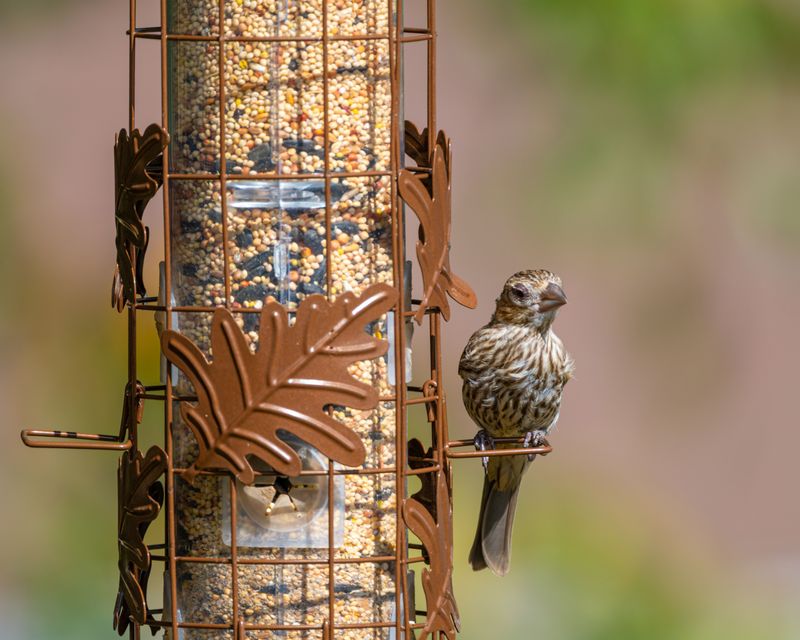
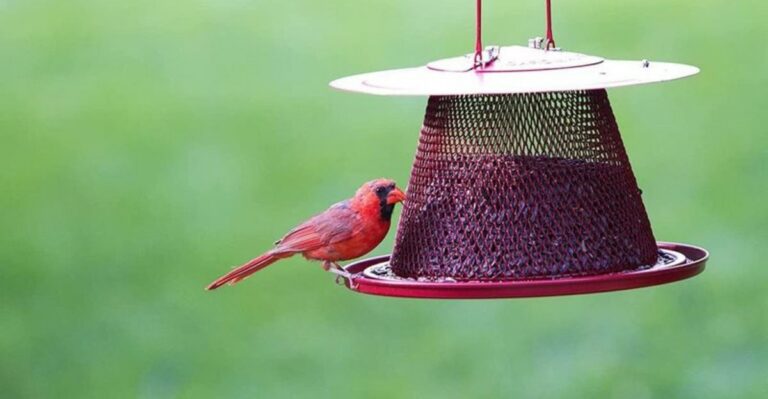
You may trust a feeder labeled bear proof. By morning, the pole can be folded flat and the seed gone.
Lots of people learn this lesson the hard way. Leaving feeders up in fall is one of the common mistakes.
New Jersey wildlife officials suggest keeping feeders down from spring through late fall, while bears are active. If you feed birds, do it from December 1 to April 1, in daylight only, and bring feeders in at night.
Hang them at least 10 feet high and 10 feet from any tree trunk.
Birds can manage without your feeder during bear season. Natural seeds, berries, and insects are still plentiful in autumn.
Feeding bears on purpose can lead to penalties in New Jersey. The state has laws against providing food to bears.
The bigger problem is what happens to the bear. Bears that lose fear of people may become a safety concern.
Wildlife officers sometimes must step in with persistent bears. That outcome is often avoidable.
So the kindest move for both birds and bears is simple. Bring the feeders inside and clean up spilled seed.
Store seed bags in a locked garage or sturdy bin. A cheap plastic tub will not stop a determined nose. You can enjoy birds again once bears settle into dens. Think of it as a seasonal pause.
Families who pause feeding during bear season often report fewer surprises, and the birds return happily afterward.
Smart Cleanup For A Bear-Resistant Yard
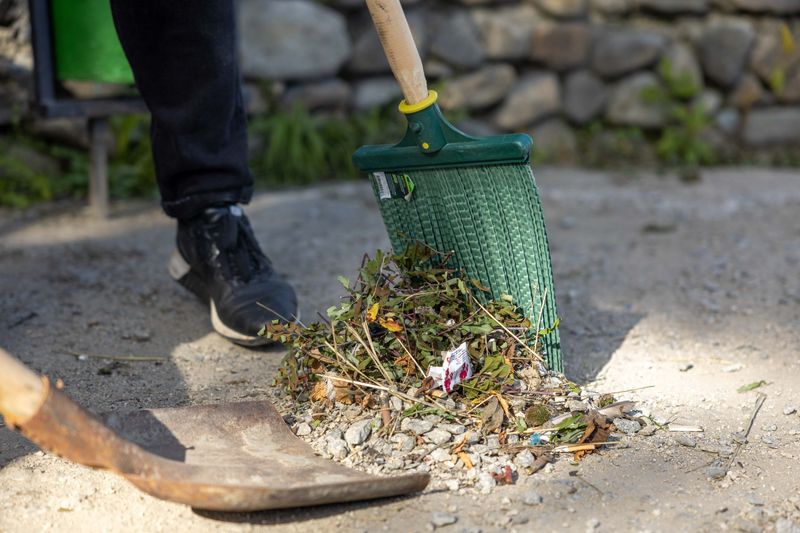
Grab a rake, a bucket, and maybe a podcast. A little weekend cleanup can save you a big headache.
Start by picking up fallen fruit daily. Pick ripe fruit from trees before it drops on its own.
Next, look at your trash routine. Keep garbage cans in a garage or shed until pickup morning.
Bear resistant cans are a strong upgrade in many towns. Some New Jersey communities may require them, so check your local rules.
Rinse cans with diluted bleach or an ammonia-based cleaner to cut odors, and keep the two separate, since mixing them releases harmful fumes. Smelly bins keep inviting visitors long after trash day.
Feed pets indoors and bring bowls inside after meals. Clean grills after use and burn off leftover grease.
Compost only yard waste during bear season. Skip fruit peels and meat scraps until winter arrives.
Motion lights and noise can offer short-term help, though bears may adapt. An electric fence around chicken coops or beehives works well too.
Talk with your neighbors about the same steps. A bear will keep visiting the street if even one yard stays tasty.
Cleanup sounds like a chore, but it lowers the odds of a return visit. Bears tend to move on from yards that offer little food.
A simple bungee cord or locking bar can slow down a curious bear on trash night. Give your yard a quick evening check before bed, and bring in anything that smells tasty or greasy.
Safe Steps During A Face To Face Encounter
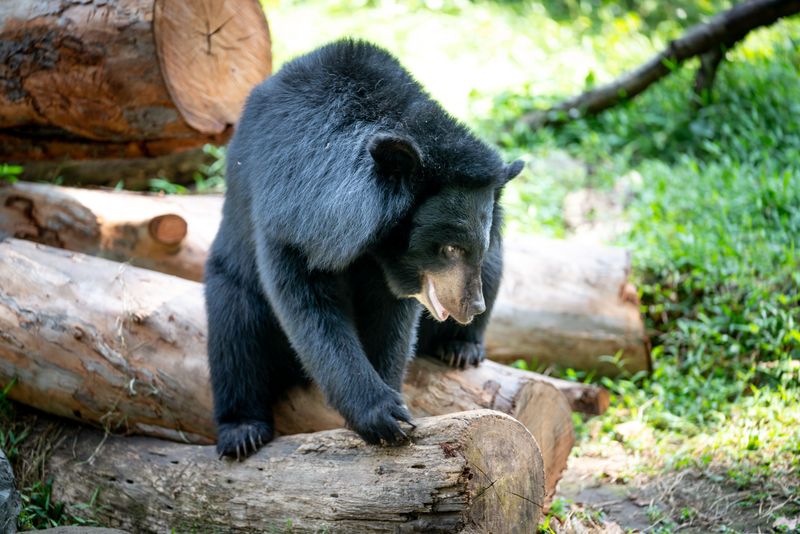
Stay calm, because a bear in your yard usually wants space. Sudden movements can raise tension.
Please skip the closer photo and do not approach the bear. Keep a wide distance and make sure it has a clear path to leave. Do not run, since running can trigger a chase. Back away slowly while facing the bear.
Make yourself look big by raising your arms. Speak in a firm, loud voice to let it know you are human. Banging pots or using an air horn can send it off. Bring kids and pets inside right away.
A bear standing on its back legs is usually just curious. It is trying to get a better look and smell.
Huffing, jaw popping, or slapping the ground are warning signs. Give extra space and keep backing away calmly.
If a bear will not leave or acts boldly, call for help. In New Jersey, contact the DEP WARN hotline and report the date, time, and what the bear was doing. For emergencies, call emergency services without delay. If a bear does attack, fight back.
Encounters can feel intense, but many end peacefully. A calm plan keeps you safe and helps the bear move along.
Teach children a simple plan ahead of time, such as walking calmly to the door and telling an adult. Keep a flashlight near the back door so you can scan the yard safely before letting pets out at night.