The Signs Formosan Termites Are Already In Your Texas Yard Before They Reach The House
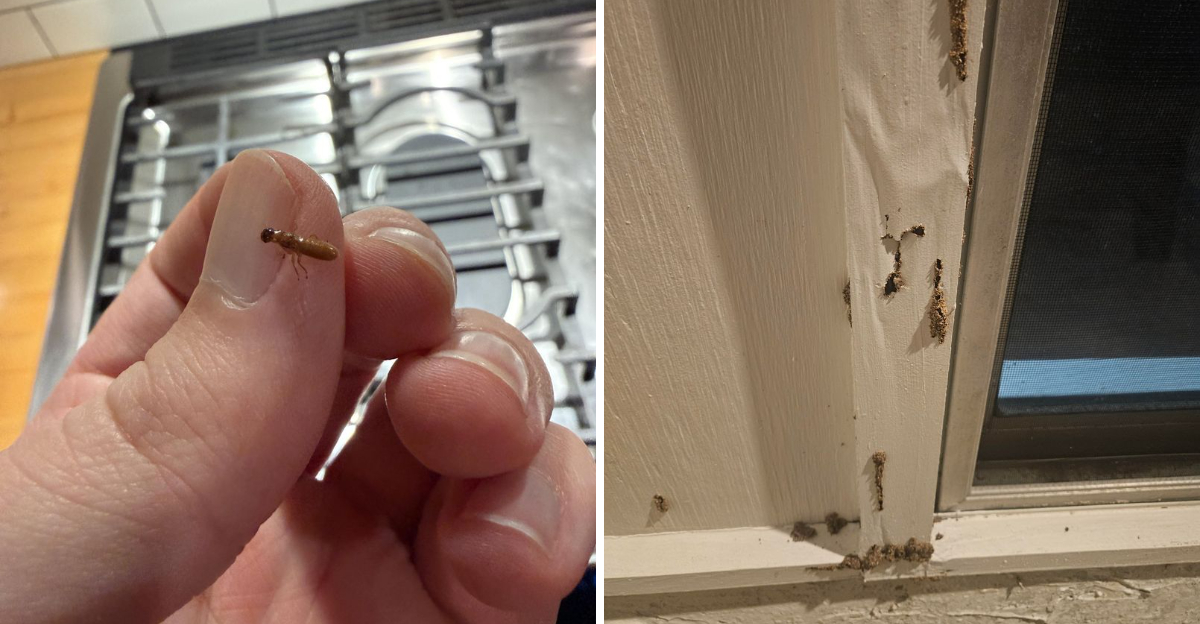
Formosan subterranean termites are not exactly subtle once they get established, but the early signs out in your yard? Those are easy to miss, and that is exactly what makes them so frustrating to deal with.
These termites can move through soil, old stumps, buried wood, fences, decks, and landscape timbers without giving much visible warning at first, quietly working through a Texas yard while everything looks perfectly fine from the driveway.
By the time something obvious shows up, a lot of activity has already been happening for a while.
The good news is that your yard can actually tell you quite a bit if you know what to look for.
Mud shelter tubes, night swarmers near outdoor lights, shed wings on the porch, and damaged wood are all worth knowing about, especially in humid Gulf Coast areas where Formosan termite pressure runs highest.
1. Mud Shelter Tubes On Wood, Trees, Or Foundation Edges
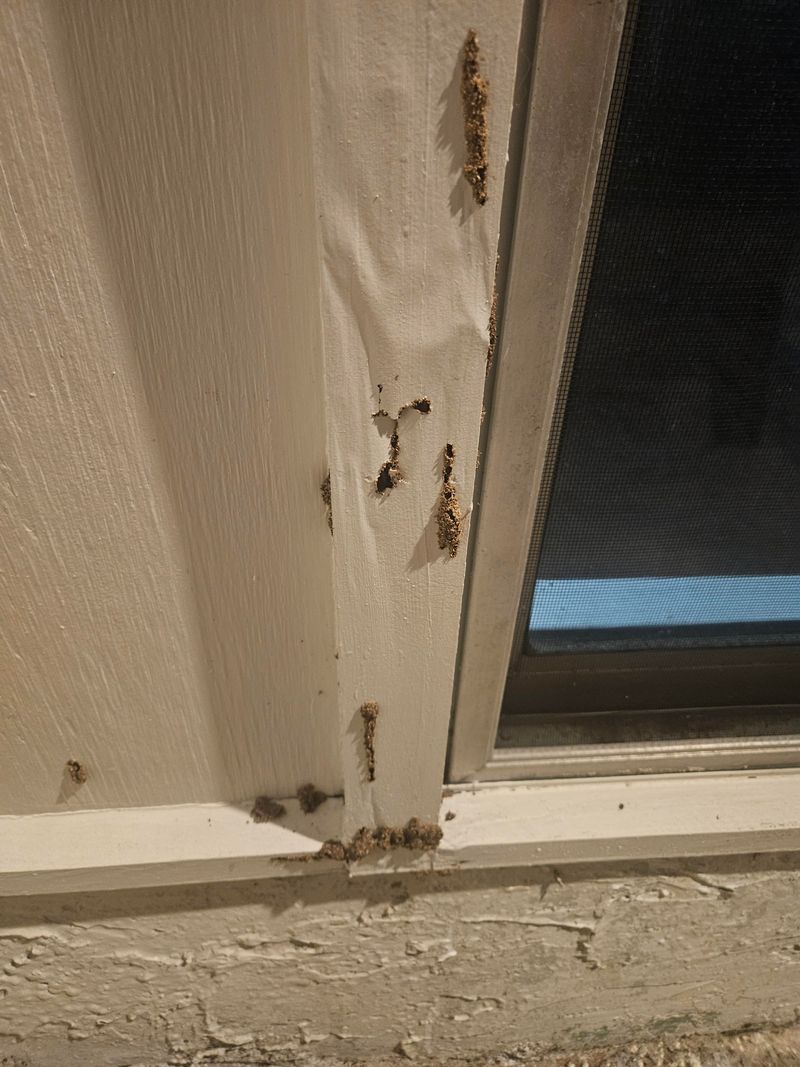
A thin, brownish mud line climbing up a fence post or crawling along the edge of a concrete foundation is one of the clearest outdoor warning signs a Texas homeowner can find.
Mud shelter tubes are narrow, pencil-width tunnels that Formosan subterranean termites and other subterranean termite species build from soil, saliva, and wood particles to protect themselves while traveling between the ground and a food source.
They look like dried mud streaks or thin ridges and often appear on the shaded or moist sides of structures.
Finding one on a tree trunk, landscape timber, or deck support beam in a Texas yard should prompt a closer look. The tubes can be hard to spot because they blend into rough wood grain or dirty concrete.
Running a finger along a suspicious line or tapping nearby wood with a screwdriver can sometimes reveal hidden softness underneath.
Avoid breaking open a tube just to check it and walking away without following up. Even an old, dry tube that looks inactive is worth reporting to a licensed pest professional.
Termites may have abandoned it, or they may have simply moved to a different path nearby.
In Texas yards with high moisture, heavy mulch, or dense shrubs near the foundation, these tubes can form in spots that rarely get noticed until someone specifically looks for them.
A qualified inspector can assess whether the tubes are active and what conditions nearby may be encouraging termite movement.
2. Night Swarmers Flying Around Outdoor Lights
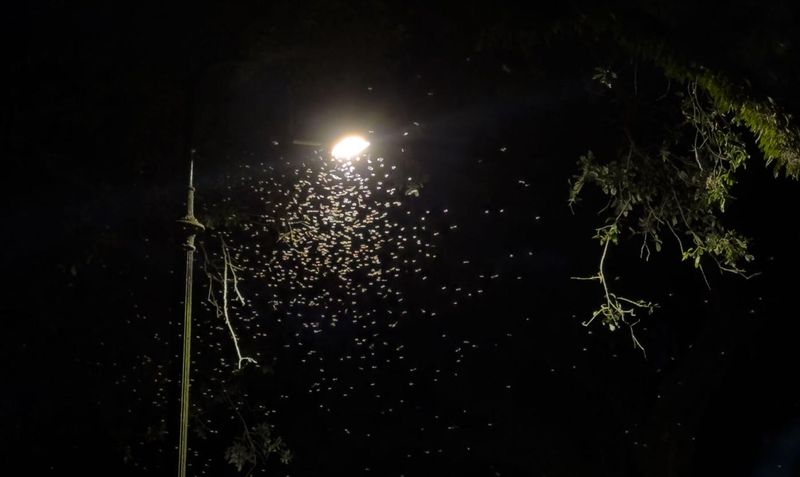
On warm, humid evenings in Texas, especially after spring rains, outdoor lights can suddenly attract clouds of small, winged insects that look a lot like flying ants.
When those insects are termite swarmers, also called alates, it means a mature termite colony somewhere nearby has released reproductive members in search of new nesting sites.
Formosan subterranean termites are known to swarm at night, which makes outdoor lights a common gathering point.
The swarmers themselves are not the colony. They are leaving an established nest to potentially start new ones, and seeing them near your yard does not confirm that your home is already infested.
Your Texas Garden Changes Every Week. Your Plan Should Too.
Gardening in Texas changes quickly throughout the season. Every Friday you’ll receive a simple weekly plan showing exactly what to plant, prune, fertilize, harvest, and protect so you never miss the right timing.
However, swarming near your property, especially close to a fence line, old tree, or the foundation edge, is a strong reason to schedule a professional inspection.
Swarmers that cannot find a suitable mate or moist soil often perish within hours, so the event can pass quickly without leaving obvious evidence behind.
If you notice a swarm near your porch or backyard lights on a Texas spring or early summer night, try to capture a few insects in a sealed container or take a clear photo. A pest professional can use that sample to help identify the species.
Not every night-flying insect near an outdoor light is a termite, but when the swarm is large and the insects have straight antennae and equal-length wings, it is worth taking seriously and following up promptly.
3. Shed Wings Near Porch Lights Or Windowsills
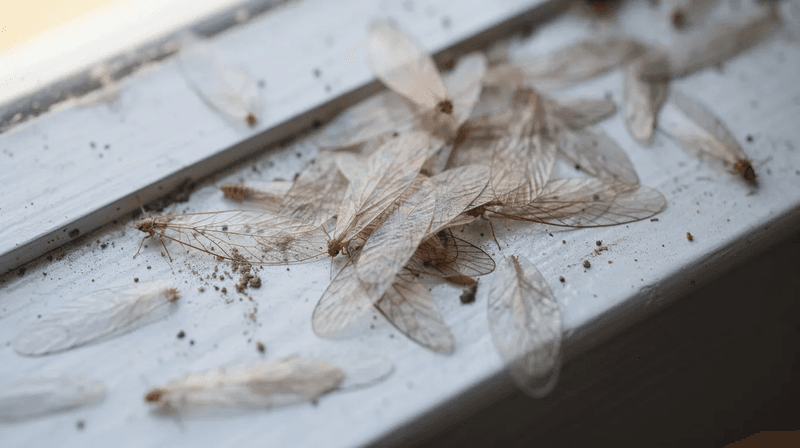
Tiny, translucent wings piled up near a porch light, on a windowsill, or along a doorframe are often the first physical evidence a Texas homeowner notices after a termite swarm. When alates land after their flight, they shed their wings almost immediately.
The wings are all roughly the same size and shape, which helps separate them from ant wings that tend to differ in size between front and back pairs.
Finding shed wings outdoors does not guarantee that swarmers entered the home or established a new colony on your property.
However, a significant pile of wings near a foundation edge, a gap in a door frame, or a crack in a window seal is a meaningful clue that swarmers were active very close to your house.
Gulf Coast Texas homes with older windows, wood trim, or unsealed weep holes can be especially worth checking after a swarm event.
Sweeping up the wings and ignoring them is one of the more common mistakes homeowners make. Before cleaning them away, take a photo and try to collect a small sample in a bag.
Shed wings near entry points can help a licensed pest professional understand where swarmers were concentrated and whether conditions near the foundation may have attracted them.
Moisture near a porch, wood mulch against the siding, or soil grading that holds water close to the structure can all contribute to making an outdoor area more appealing to termites looking for a new nesting location.
4. Damaged Wood In Fences, Decks, Or Landscape Timbers
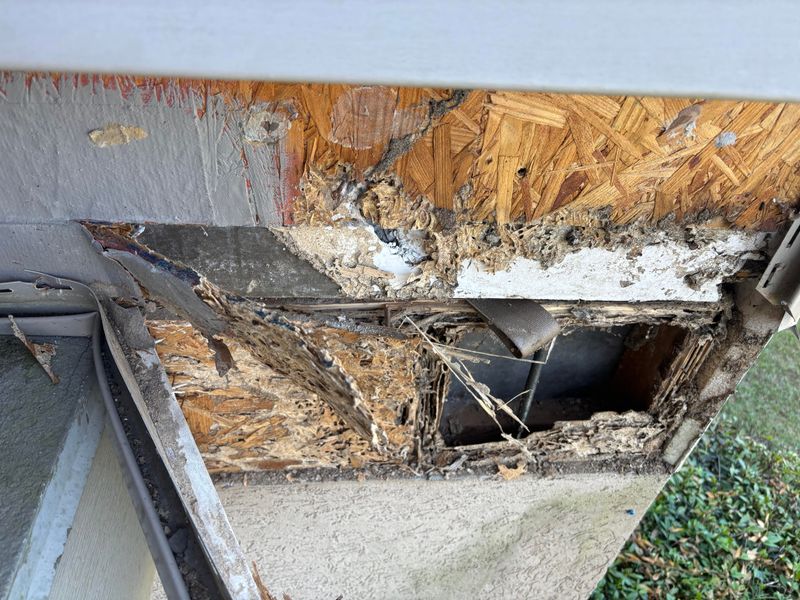
Soft, spongy wood in a deck board that used to feel solid is one of those discoveries that makes a Texas homeowner stop and take a second look.
Wood damaged by subterranean termites often appears intact on the outside while being hollowed out along the grain on the inside.
Pressing a screwdriver or even a finger into a suspicious board can reveal a hollow feeling or cause the surface to cave in slightly.
Fences, deck supports, landscape timbers, and raised garden bed borders are all common outdoor wood structures in Texas yards that can develop termite activity before anything is noticed near the house.
Wood that sits close to or directly on soil, holds moisture from sprinklers or rain, or has aged without treatment is at higher risk.
The damage pattern left by subterranean termites tends to follow the wood grain and often contains traces of soil or mud packed into the tunnels.
Noticing damaged wood in a fence post near the back of a property might feel far removed from the house, but termite colonies can cover a wide foraging area through underground tunnels. That distance does not make the sign less relevant.
Replacing a single board without investigating the surrounding area or scheduling a professional inspection can leave the underlying activity unaddressed.
A licensed pest professional can probe surrounding wood, check soil conditions, and assess whether the damage pattern is consistent with termite activity or caused by moisture decay or another wood-destroying organism.
5. Termite Activity In Old Stumps Or Buried Wood
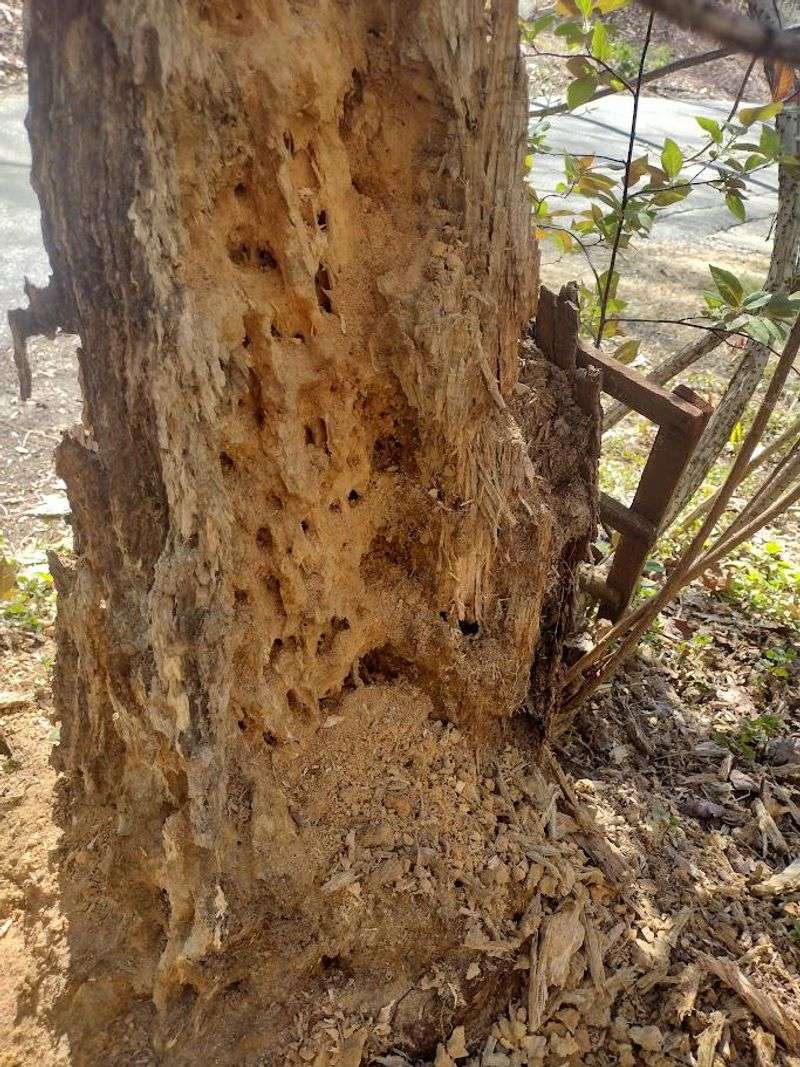
An old tree stump sitting near the back fence in a Texas yard can quietly serve as a termite feeding site for years without drawing much attention.
Subterranean termites, including Formosan termites in parts of Texas, are drawn to moist, decaying wood in contact with soil.
A stump left after a tree removal, buried construction scraps, old railroad ties used as borders, or forgotten wood debris under mulch can all become active feeding sites.
What makes stumps and buried wood particularly relevant is their location. When termite activity is established in an outdoor wood source close to a home, the colony’s foraging tunnels can extend in multiple directions through the soil.
That does not mean the house is already affected, but it does mean the risk conditions are present and worth evaluating carefully.
Lifting a piece of buried wood or checking the underside of a stump can sometimes reveal pale, soft-bodied insects moving through packed mud galleries.
However, disturbing an active site without professional guidance can scatter activity in ways that make follow-up inspection more difficult.
The better approach is to note the location, avoid further disturbance, and contact a licensed pest management professional who can assess the extent of the activity.
In Texas yards with heavy clay soil, poor drainage, or old wood debris that has never been fully removed, buried feeding sites can go unnoticed for a long time before any above-ground signs appear near the structure.
6. Carton Nest Material In Hollow Trees Or Moist Voids
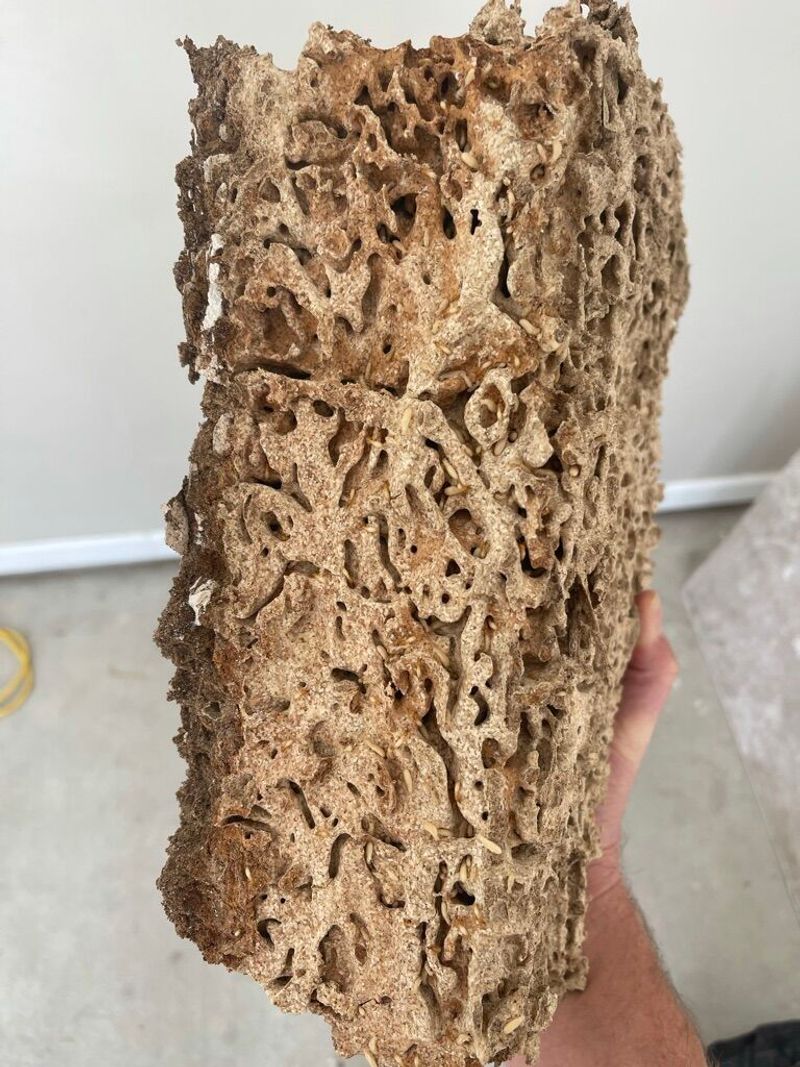
Formosan subterranean termites have a trait that sets them apart from many other termite species: they can build above-ground carton nests inside hollow trees, wall voids, or other moist cavities when conditions allow.
Carton material looks like a dark, compressed mixture of chewed wood, soil, and moisture.
It feels firm when dry but has a layered, almost papery texture that is different from plain mud or wood rot.
Finding carton material inside a hollow tree in a Texas yard is a notable sign.
Hollow oaks, pecans, or other large trees near a home’s foundation or fence line can harbor significant termite activity that stays hidden until the tree is damaged by a storm or someone happens to look inside a low cavity.
Gulf Coast Texas properties with mature trees and humid conditions can be especially worth monitoring for this kind of hidden activity.
Carton nests inside trees do not confirm that termites have reached the house, but they do suggest that a well-established colony may be foraging through soil nearby.
Poking into a suspected carton nest without professional guidance is not recommended, as disturbing an active colony can make assessment more complicated.
A licensed pest professional familiar with Formosan termite behavior can inspect hollow trees, check surrounding soil, and evaluate whether the nest material is consistent with Formosan activity or another species.
That identification step matters because treatment approaches can vary depending on the species and the extent of the colony’s reach.
7. Termites Around Railroad Ties Or Untreated Wood Borders
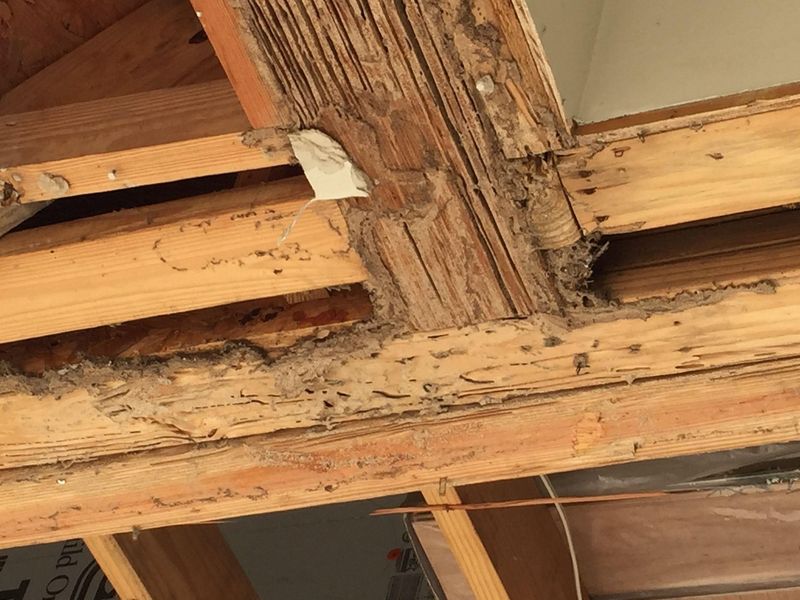
Railroad ties edging a garden bed have a certain rustic charm that many Texas homeowners appreciate, but those same heavy timbers can create ideal conditions for subterranean termite activity.
Old railroad ties are made of wood that has often been treated with creosote, but over time that treatment breaks down, especially in the humid conditions common across much of Texas.
As the wood ages, softens, and absorbs moisture from irrigation and rain, it can become an attractive food source.
Untreated wood borders used in raised garden beds, pathway edging, or landscape framing face similar risks.
Wood that sits directly on or in contact with soil, stays moist from regular watering, and is shaded by plants or mulch can develop termite activity without much visible surface warning.
The hollowing tends to happen from the inside out, so a timber that looks solid may already be compromised beneath the surface.
Checking railroad ties and wood borders periodically by pressing firmly on the surface or tapping with a blunt tool can reveal soft spots.
If the wood feels unusually light, caves under light pressure, or shows small mud traces along cracks and joints, those are signs worth taking to a professional.
Replacing damaged timbers without addressing the soil conditions or potential colony activity underneath only removes part of the problem.
A licensed pest inspector can evaluate the surrounding area and recommend whether further action is warranted based on what the inspection reveals.
8. A Professional Inspection After Any Confirmed Sign
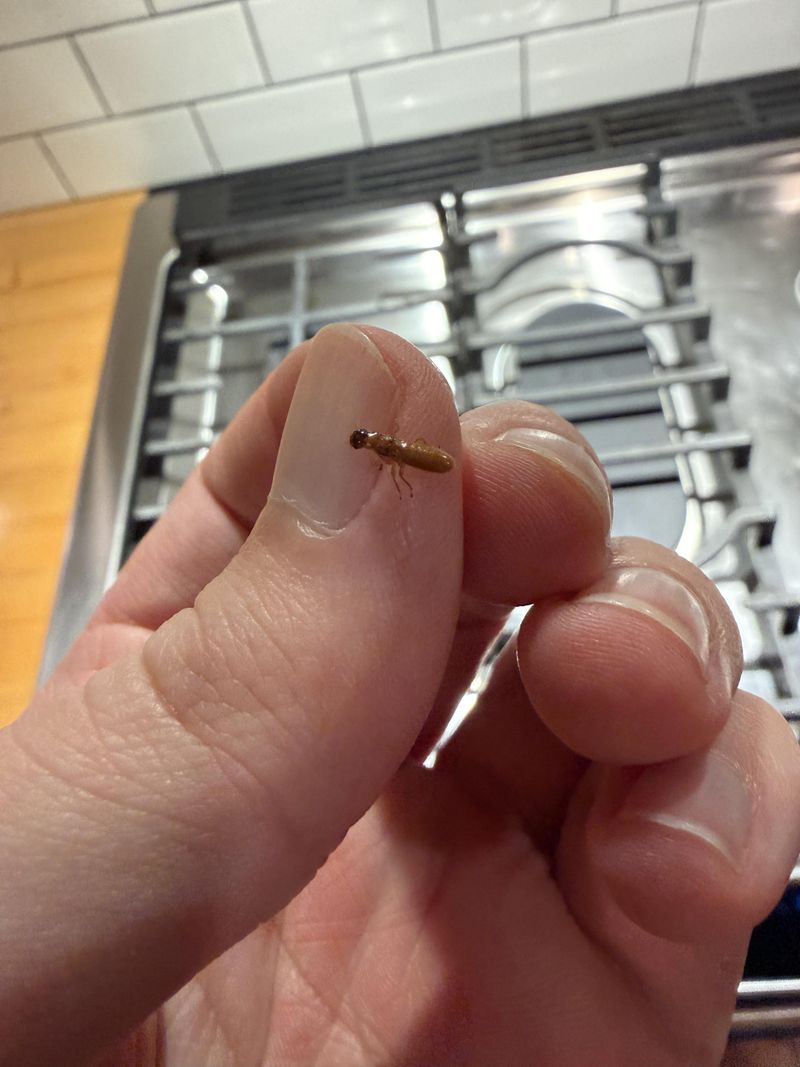
Finding any of the signs described in this article near your Texas home should lead to one clear next step: contacting a licensed pest management professional for a thorough inspection.
Mud tubes, shed wings, damaged wood, carton nests, and termite activity in stumps or buried wood are all meaningful clues, but none of them tell the full story on their own.
A professional inspection is the only reliable way to understand what is actually happening in and around your yard and whether your home may be at risk.
Licensed inspectors are trained to look in places most homeowners overlook, including crawl spaces, attic framing, interior wall voids, sub-slab areas, and foundation perimeters.
They can also assess the conditions in your yard, such as soil-to-wood contact, moisture sources, mulch placement, and wood debris, that may be making your property more hospitable to termite activity.
That broader picture matters more than any single sign found outdoors.
Getting a professional inspection does not mean something is definitely wrong with your home. It means you are being proactive about one of the more costly and avoidable problems Texas homeowners face.
Many licensed pest professionals offer termite inspections as a starting point, and some Texas real estate transactions require them.
Whether you have spotted one suspicious mud tube or several outdoor warning signs close to the foundation, having a qualified professional evaluate the situation gives you accurate information and a clear path forward rather than guesswork.