The Simple Cut And Paint Method For Getting Rid Of Poison Ivy Vines In North Carolina This Fall
Poison ivy is a stubborn plant, and it fights back in more ways than one. Pulling it by hand risks a rash that lasts for weeks. Mowing spreads it, and spraying the leaves often misses the roots.
Fall is a smart time to act, since the plant is moving energy down toward its roots. A method that gardeners and landscapers use takes advantage of that. It needs only a few tools, and the job takes minutes.
How you handle the cut vines afterward matters just as much as the cutting. Some mistakes, like burning them, can cause serious harm. Protective clothing is not optional.
Do it right, and a vine that has climbed your favorite tree for years finally loses its grip.
1. Fall Is A Smart Time To Treat Poison Ivy
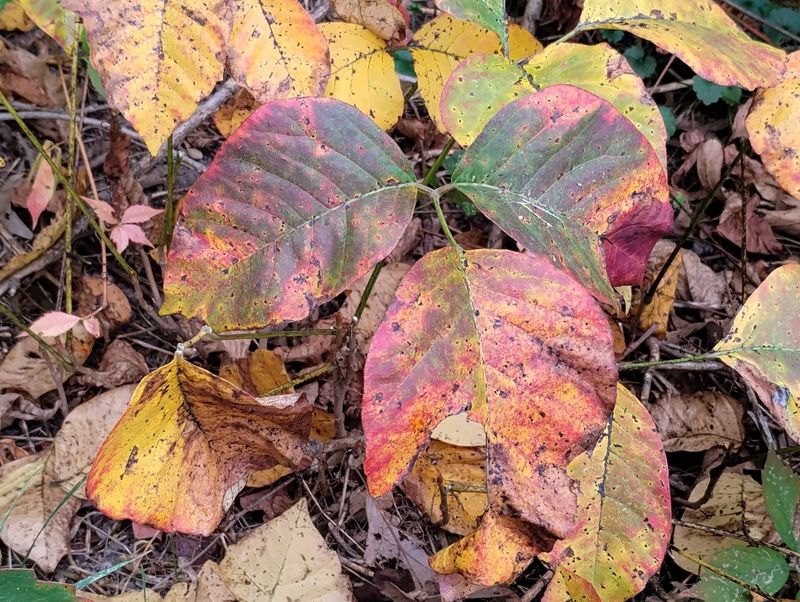
Autumn hands gardeners a secret advantage. As the days get shorter, poison ivy (Toxicodendron radicans) starts packing up for winter, and that habit makes it easier to beat.
Here is what happens inside the plant. In fall, vines move sugars and nutrients down from their leaves into their roots, storing food for the cold months ahead.
When you apply a systemic herbicide to a freshly cut vine at this time of year, the plant carries that product right down into its root system along with its food supply.
That downward flow gives you more complete control. Treat poison ivy in early summer, and much of the herbicide may stay up top while the roots stay healthy and ready to sprout again. Fall timing helps you hit the part that really matters.
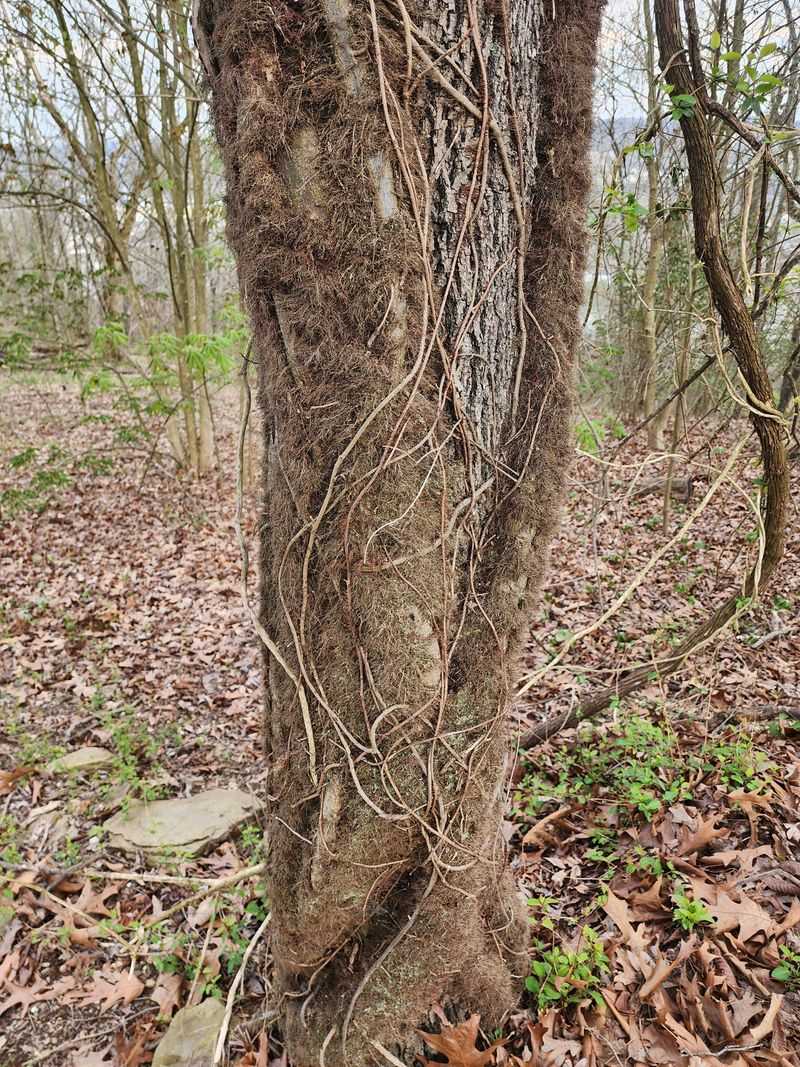
Spotting the vine is easier in autumn, too. Look for the classic leaves of three, which often turn bright red or orange before they drop. On tree trunks, older vines look thick and hairy, almost like a fuzzy rope, because of the many small roots they use to grip the bark.
Poison ivy is a native plant, and birds actually enjoy its whitish berries. Still, nobody wants it growing over the swing set or the garden gate.
Across North Carolina, from the mountains to the coast, this vine shows up in yards, along woodland edges, and tangled in fence lines.
Mild fall weather here gives you plenty of comfortable days to work outside before leaves fall and vines become harder to identify. So grab a jacket, take a slow walk around your property, and make a quick list of every vine you find.
2. Protect Your Skin Before You Start
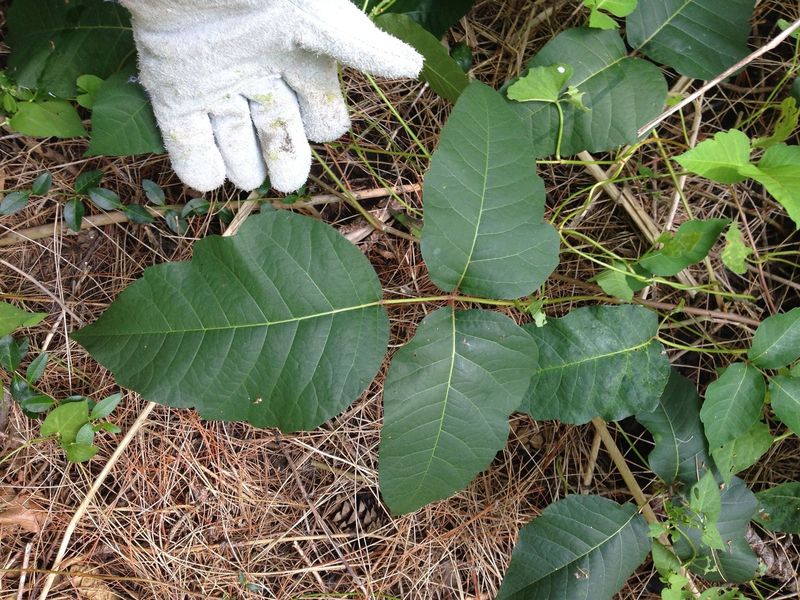
Ask anyone who has battled a poison ivy rash, and they will tell you the same thing. Gearing up first is the best decision you can make. Every single part of this plant contains urushiol, an oily compound that triggers itchy, blistering rashes.
Leaves, stems, roots, and even bare winter vines all carry it. Worse, the oil can stay active on tools, gloves, and clothing for a very long time, sometimes even years.
So dress like you mean business. Put on long sleeves, long pants, and closed shoes or boots. Tucking your pant legs into your socks adds an extra barrier that many folks forget.
Gloves matter most of all. Disposable gloves work well because you can toss them when you finish, while heavy washable gloves are fine as long as you clean them carefully afterward.
Some people wear thin disposable gloves under work gloves for double protection. Your hands will want to scratch your nose or wipe sweat from your forehead.
Try hard not to touch your face while you work, since urushiol travels easily from gloves to skin. Keep a clean towel nearby for wiping your brow with your arm instead.
Kids and pets should stay inside or far away from the work zone. Dogs and cats rarely get rashes themselves, but oil on their fur can rub off onto you later during a cozy cuddle.
North Carolina homeowners should pay special attention in late fall. Once the leaves drop, those bare brown vines look harmless, but they can still cause a nasty rash. Treat every vine as active, and your skin will thank you.
3. Cut The Vine Near The Ground
One clean snip changes everything. The cut is where the whole method begins, and it takes only a few seconds per vine.
Cutting low separates the climbing part of the vine from its roots. Without that connection, the upper vine can no longer get water or nutrients from the soil.
At the same time, you leave behind a fresh cut on the rooted stump, which is exactly where your treatment will go next.
Pick the right tool for the job. Hand pruners handle thin vines easily, while loppers give you more power for thick, woody ones. Some old vines grow as wide as your wrist, and a small pruning saw may be needed for those giants.
Aim to cut each vine a few inches above the ground. That leaves enough stump to paint without having to dig around in the dirt. Clear away fallen leaves first so you can see the base clearly.
Vines on trees need a little extra care. Make your cut low on the vine, but keep your blade away from the tree itself. Cutting into the bark can open wounds that let insects and disease sneak inside.
Work on one vine at a time instead of cutting a whole row at once. You will see why in the next step, because timing really matters.
In North Carolina, thick poison ivy vines often climb mature oaks, maples, and pines, sometimes reaching high into the branches. Separating them at the base is a simple, safe way to help those beautiful trees without ever leaving the ground.
4. Paint The Fresh Cut Right Away
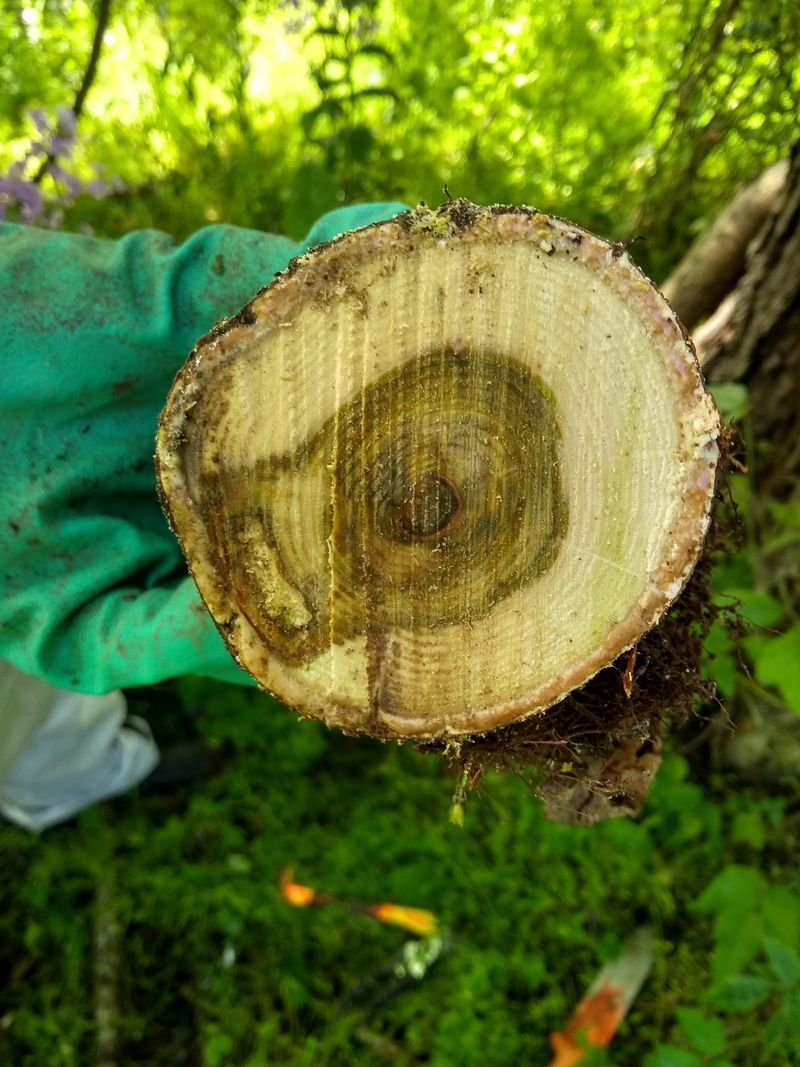
Speed is your best friend here. A freshly cut vine acts like an open door, but that door starts closing within minutes.
Right after you cut, the stump absorbs liquid quickly. Soon, though, the cut surface begins to seal itself, and herbicide will struggle to soak in. Treating it immediately helps the product travel down into the roots, where it does the real work.
Choose your product with care. Look for an herbicide labeled for poison ivy and for cut-stump treatment. Products containing glyphosate or triclopyr are common choices, but always read the label to confirm.
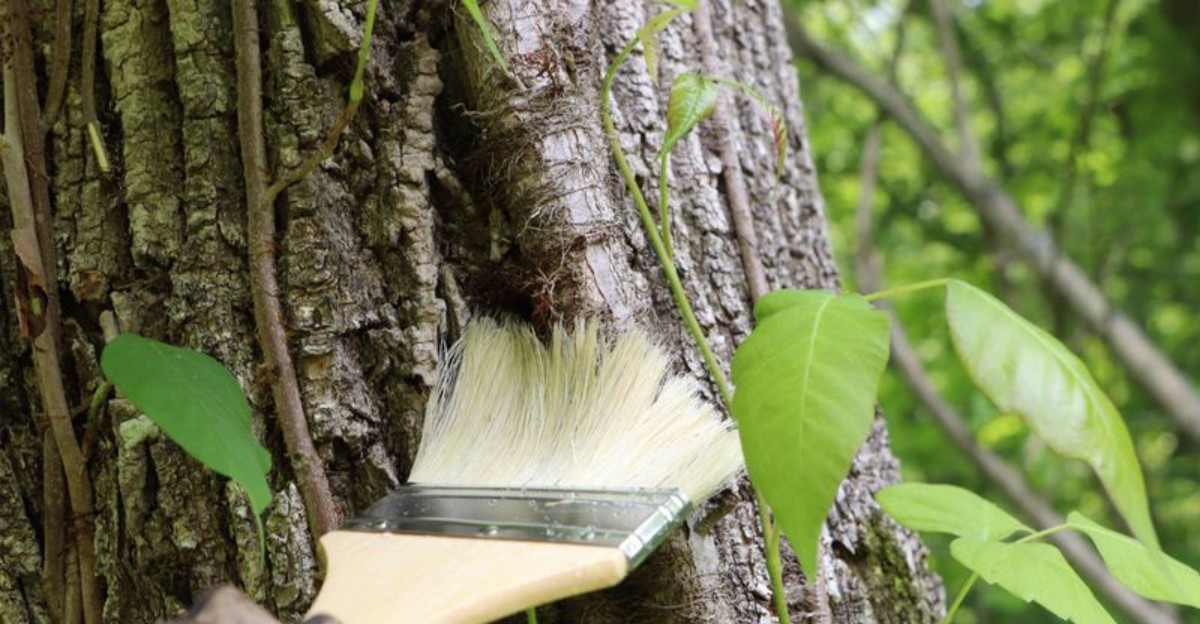
Applying it is simple. Use a small paintbrush, a foam brush, or a handy dauber bottle to coat the cut end of the rooted stump. Try to do this within a few minutes of cutting, which is why working one vine at a time pays off.
Neatness counts. Avoid dripping herbicide onto tree bark, the soil, or nearby plants, since you only want to treat the poison ivy. Some gardeners add a little marker dye so they can see exactly where the product went.
Follow every label direction, including how much to use, safety gear, and storage. The label is the law, and it also keeps you and your family safe.
North Carolina homeowners love this method for a good reason. Painting only the cut stump uses far less herbicide than spraying, so your azaleas, ferns, and favorite trees stay protected. It is a small, careful step that delivers big results.
5. Leave The Upper Vine To Wither
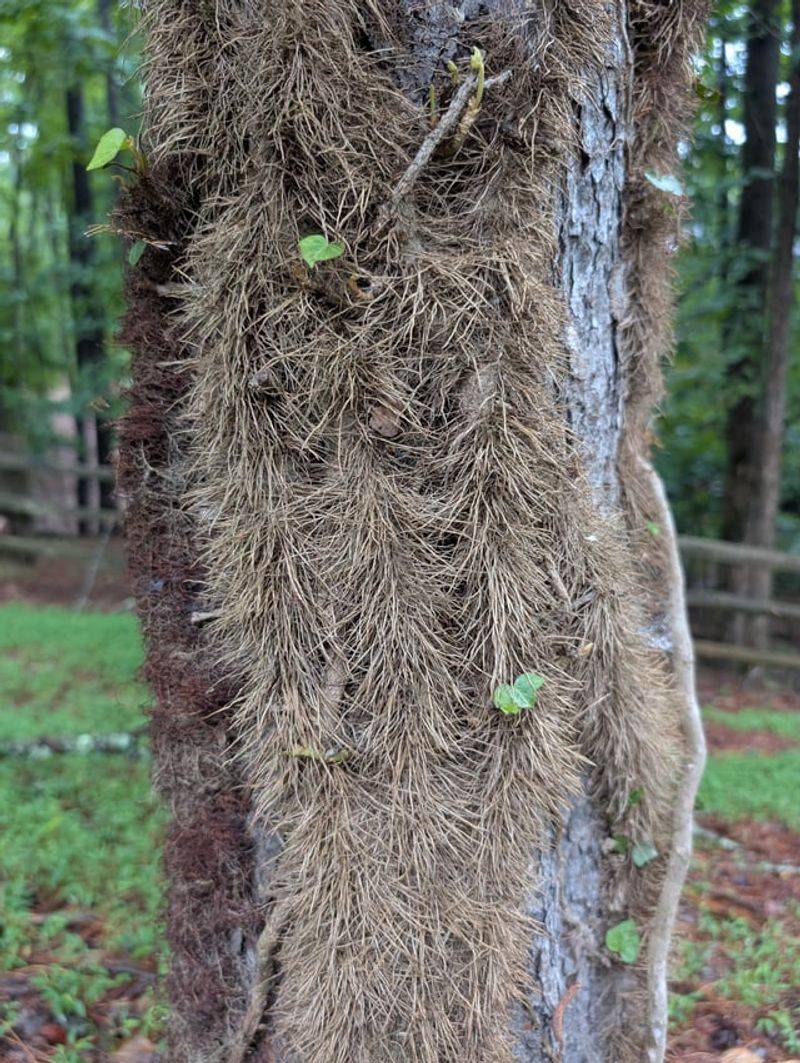
Patience beats pulling every time. After you cut and paint, it is tempting to yank that ugly vine off the tree, but resist the urge.
Pulling vines off a trunk can tear the bark, leaving the tree open to pests and disease. Old poison ivy grips with hundreds of tiny rootlets, so it rarely comes off cleanly. Tugging also showers you with bits of vine and puts you in close contact with more urushiol.
Nature will handle the hard part. Once a vine loses its connection to the roots, it slowly dries out, turns brown, and loosens its hold over the following months. Many vines simply fall away on their own over time.
Even a brown, brittle vine is not safe to touch. Urushiol stays active long after the plant stops growing, so dried vines can still cause a rash. Treat them with the same respect as green ones.
If a hanging vine truly needs to come down, perhaps near a walkway or play area, wait until it has loosened. Then wear full protective gear, work gently, and bag the pieces right away.
Here is a cheerful bonus. Once the vine stops pulling energy and blocking light, your tree may look healthier within a season or two.
Across North Carolina, many trees wear thick, long-established poison ivy vines that have been growing for decades. Some look like hairy ropes as thick as a baseball bat. Letting those vines wither in place is the safest and easiest way to free your trees.
6. Never Burn Poison Ivy
Smoke from a brush fire might smell like autumn, but poison ivy turns that cozy scent into a real hazard. Burning this plant is one mistake you never want to make.
When poison ivy burns, urushiol rides along in the smoke. Breathing it in can cause severe irritation of the lungs, throat, and eyes. People exposed to that smoke can also break out in rashes over large areas of their body, and some need medical care.
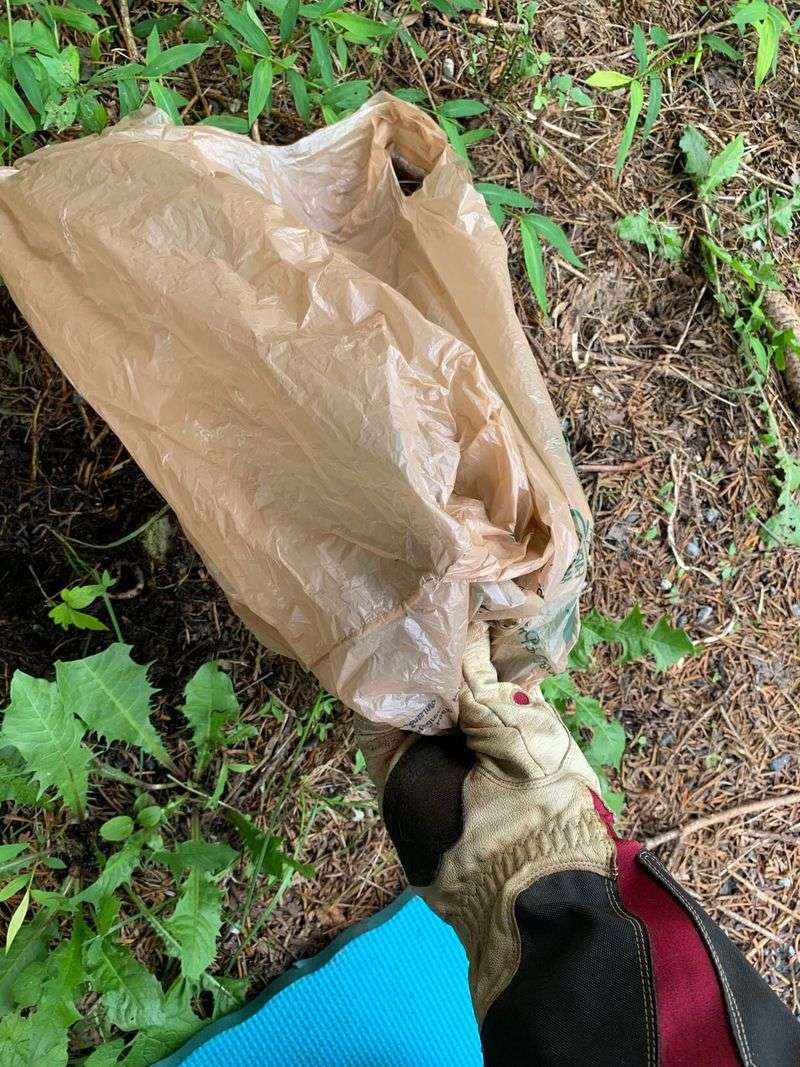
Bagging is the safer path. Place cut vines and leaves in heavy trash bags, tie them tight, and set them out with your regular garbage. Check with your local trash service if you are unsure about their rules.
Skip the compost pile, too. Urushiol does not break down quickly, so composted poison ivy could spread the oil back into your garden beds later. That is a surprise nobody wants while planting tomatoes in spring.
Brush piles deserve a careful look. Never toss poison ivy onto a pile that someone might burn later, even weeks down the road.
Talk with everyone in your household about this rule. A spouse, teenager, or helpful neighbor might not know the risk and could start a fire without thinking twice. A quick conversation can prevent a scary trip to the doctor.
In North Carolina, fall cleanup sometimes includes burning brush where local rules allow it. With so many vines hiding in leaf piles and fallen branches, take a moment to sort through debris first. Pull out any poison ivy, bag it, and enjoy your season worry free.
7. Clean Up Carefully And Check For Regrowth
Finishing strong matters just as much as starting right. The work is not over when the last vine is painted.
Urushiol loves to hitch a ride. Oil left on tools, gloves, and clothing can cause rashes days or even weeks later, often when you have forgotten all about the project. A careful cleanup stops that sneaky second round of itching.
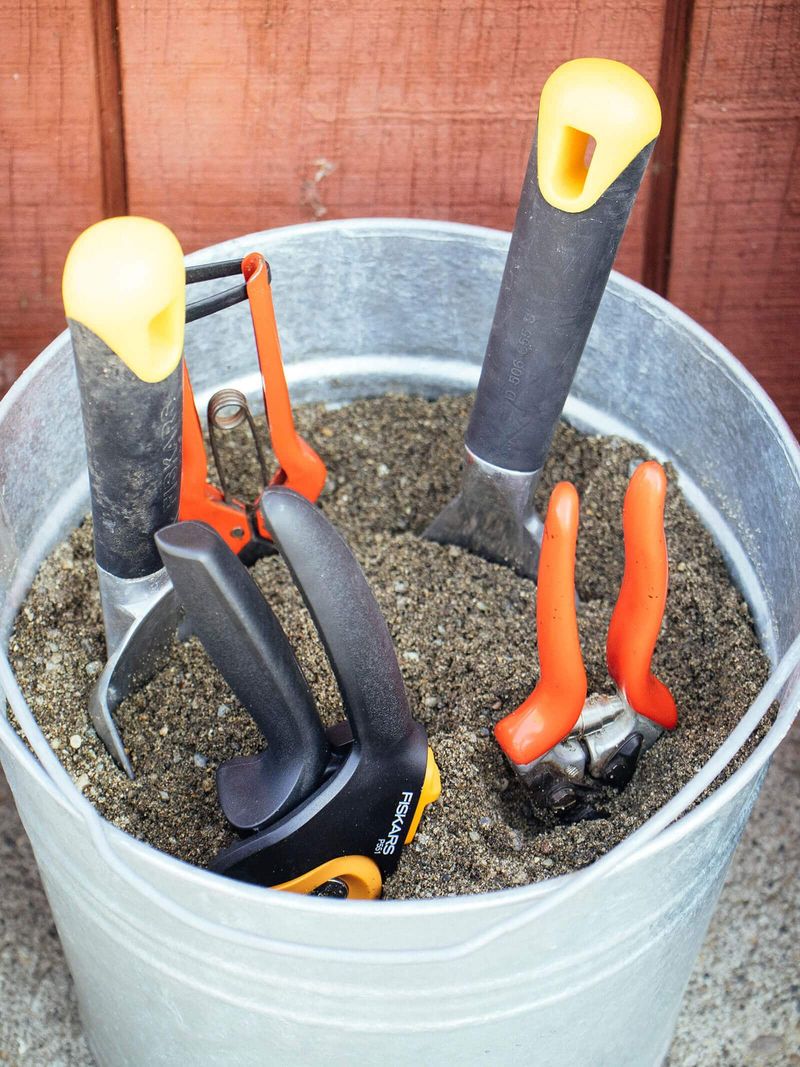
Start with your tools. Scrub pruners, loppers, and saws with soap and water, or wipe them down with rubbing alcohol. Clean the handles too, since your hands touched them all afternoon.
Clothes come next. Wash them separately from the rest of the family laundry, using hot water and regular detergent. Wipe down your boots or shoes before bringing them inside.
Your skin needs quick attention as well. Wash any exposed areas with soap and cool water as soon as possible, ideally within the first hour. Cool water works better than hot because it keeps your pores from opening up.
Mark your calendar for spring. Some vines may resprout from roots that did not get fully treated, so walk through your treated areas once new leaves appear. If you spot fresh shoots, simply repeat the cut and paint method on them.
North Carolina gives poison ivy a lot to love, with warm summers, plenty of rain, and rich soil. That is why it grows so vigorously and often returns if roots are not controlled.
A little follow-up keeps you one step ahead, and before long, your yard will feel safe and welcoming again.