The Simple Habit That Brings More Lesser Goldfinches To California Yards Before Winter
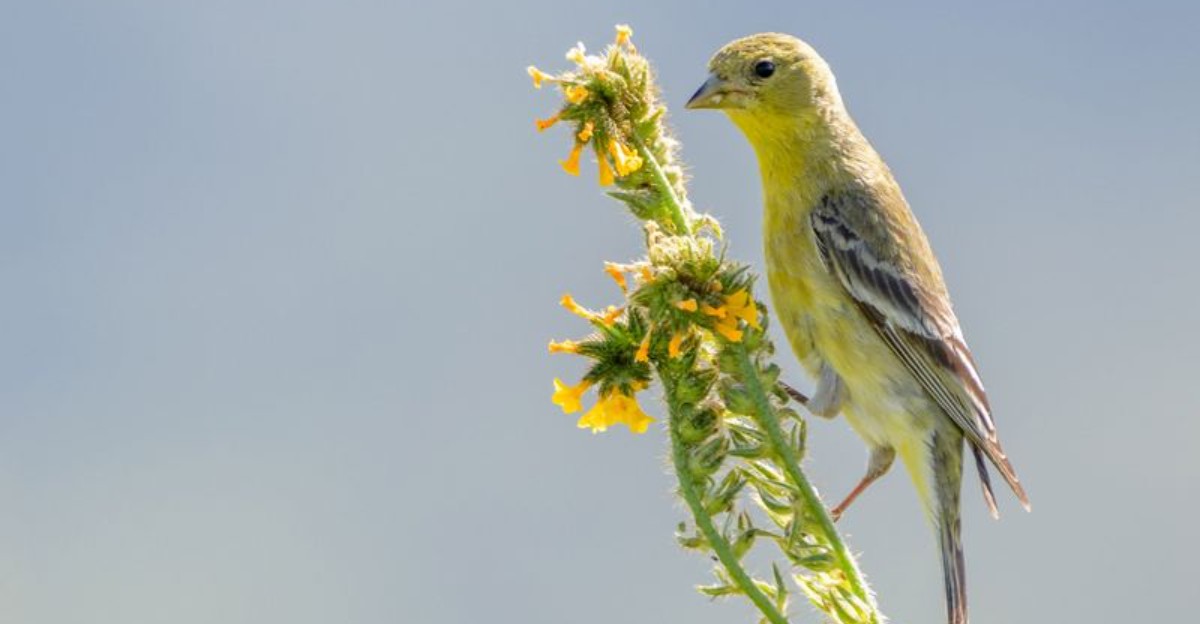
Some of the smallest visitors bring the biggest bursts of color to a fall yard. They travel in chattering groups, move quickly from perch to perch, and rarely stay long in one place.
Their loyalty, however, can be earned. These little birds remember where good things happen and tend to return to reliable spots day after day.
One easy routine sits at the heart of that loyalty, and a handful of related habits make the welcome even warmer.
None of them cost much or take much time, and all of them work well across California’s mild autumn and winter.
With a little consistency, an ordinary yard can become the favorite stop on a busy daily route.
Stock A Nyjer Seed Feeder
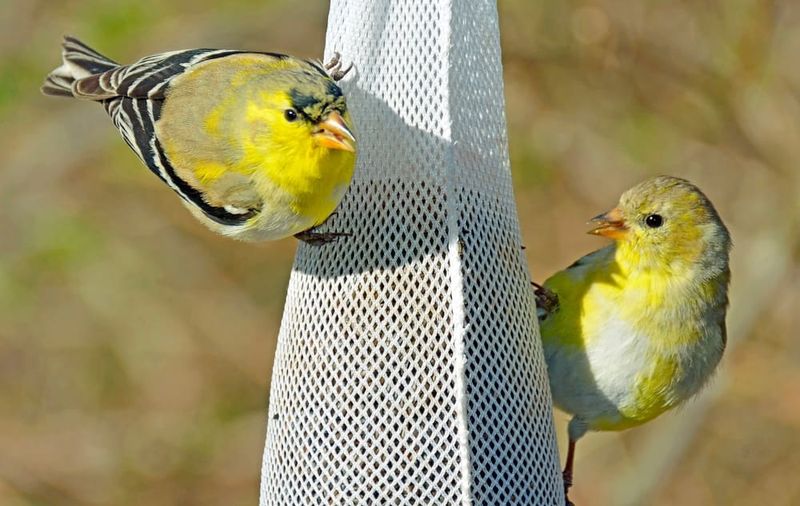
Tiny black seeds, tiny bright birds. Nyjer seed, often sold as thistle, is a small, oily seed that lesser goldfinches adore, and their short, cone-shaped bills are built for picking out little seeds like these.
Despite the nickname, nyjer doesn’t come from the weedy thistles growing along roadsides. It comes from an African plant, and the seed is heat-treated so it won’t sprout in the garden.
That treatment makes it tidy to use near flower beds and lawns.
The seeds are small enough to slip right out of a regular feeder. A feeder made for nyjer, such as a fine-mesh sock or a tube with tiny ports, works best.
Goldfinches cling to the mesh or perch at the little holes and pull seeds out one at a time.
Many bigger birds struggle to eat from these feeders, giving goldfinches more room and less competition. Several birds can feed at once, which suits their flock-loving nature.
Consistency forms the real secret. Refilling on a steady schedule, even when the feeder still looks half full, teaches flocks that the yard offers food every day.
A feeder left empty for a week can send them searching elsewhere.
Late summer or early fall makes the ideal starting point, since flocks are already scouting for reliable food before winter.
A feeder hung within view of a window keeps the show visible and makes an empty tube easy to spot, and October still offers plenty of time to begin.
Try Black Oil Sunflower Chips Too
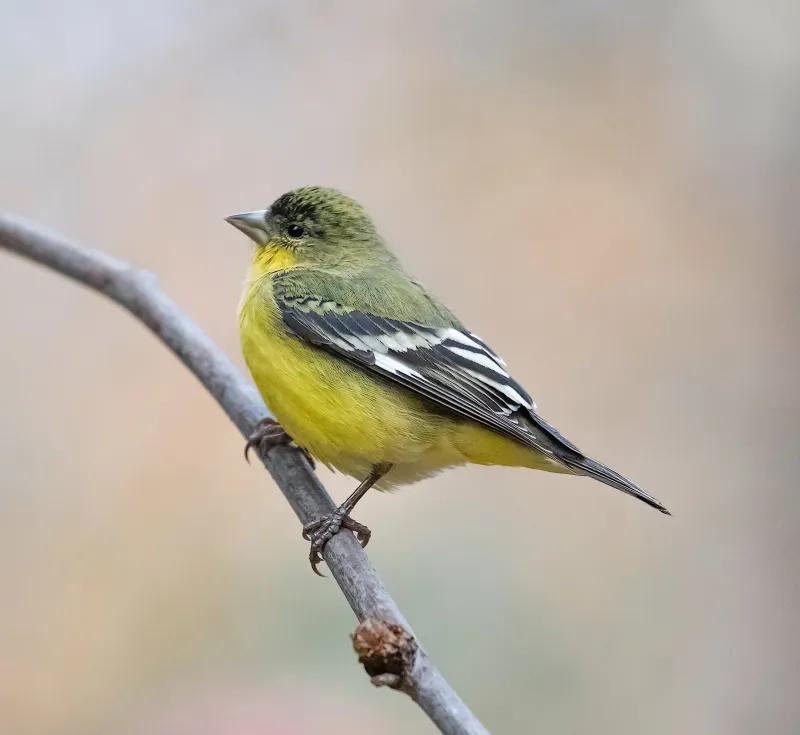
A feeder that draws a crowd without leaving a pile of shells below sounds almost too good to be true. Sunflower chips, also called hearts or hulled sunflower, deliver exactly that, and lesser goldfinches gobble them up eagerly.
Black oil sunflower ranks among the most popular birdseeds around. The seeds are rich in fat, giving small birds plenty of energy, and chips are simply the kernels with the shells removed.
Shells can challenge a bird this small. With chips, goldfinches eat faster and waste less effort.
Less litter under the feeder also keeps patios cleaner.
Chips work well in a tube feeder with medium ports or in a small tray. Some people mix chips with nyjer in one feeder, while others hang two feeders side by side so birds can choose, and both setups work.
Your California Garden Changes Every Week. Your Plan Should Too.
Gardening in California changes quickly throughout the season. Every Friday you’ll receive a simple weekly plan showing exactly what to plant, prune, fertilize, harvest, and protect so you never miss the right timing.
One caution applies. Without shells, chips spoil faster in damp weather, so a day or two’s worth at a time keeps food fresh and tasty.
Chips also attract other visitors, including house finches, chickadees, and titmice, which makes the yard feel lively.
A busy feeder can actually help goldfinches feel safer, since more eyes watch for danger.
Chips serve as a second menu item. A goldfinch that finds two favorite foods in one yard has a strong reason to return tomorrow.
That double draw becomes especially valuable as natural seed supplies thin out during late fall.
Keep Seed Fresh And Dry
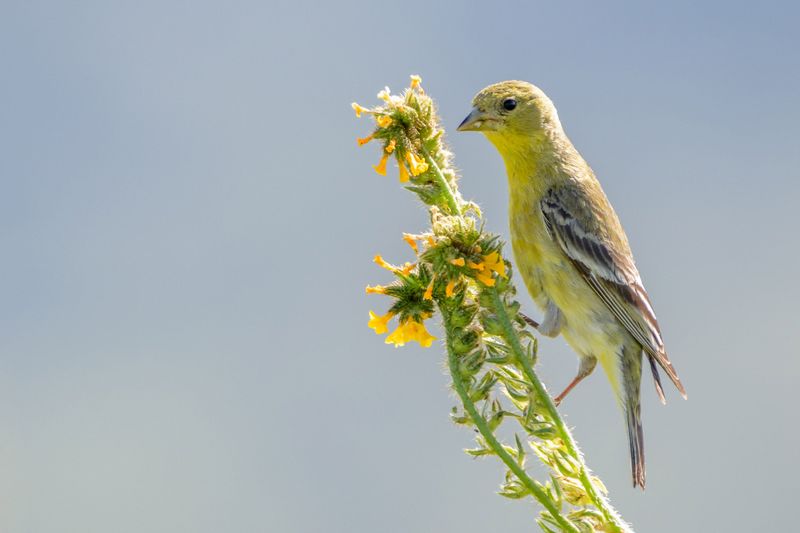
Picky eaters can tell when seed has gone bad, and goldfinches fall squarely into that group. A feeder full of stale or soggy nyjer may sit untouched for days, and the birds often get blamed when the seed is really the problem.
Nyjer contains plenty of natural oils. Over time, those oils dry out, and the seed loses its appeal.
Old seed can look fine to people while birds skip it entirely. Smaller bags used within a month or two keep supplies fresh.
Wet seed causes even bigger trouble. Rain or sprinkler spray can make seed clump, sprout, or grow mold, and moldy seed can make birds sick.
Clumps or a musty smell signal time to empty the feeder and give it a good cleaning.
Extra seed stays freshest in a sealed metal or plastic bin kept in a cool, dry spot, such as a garage shelf. A tight lid also keeps out mice, ants, and moths.
On the feeder itself, a rain dome or baffle helps a great deal. These covers shield seed from winter rain, which arrives across much of California during the cooler months ahead.
Mesh feeders dry quickly but still deserve a look after a storm.
A gentle shake every few days reveals seed stuck at the bottom. Freshness feeds the flock better and keeps their trust, while saving seed and money along the way. That care matters more as October storms begin rolling in.
Clean Feeders Every Few Weeks
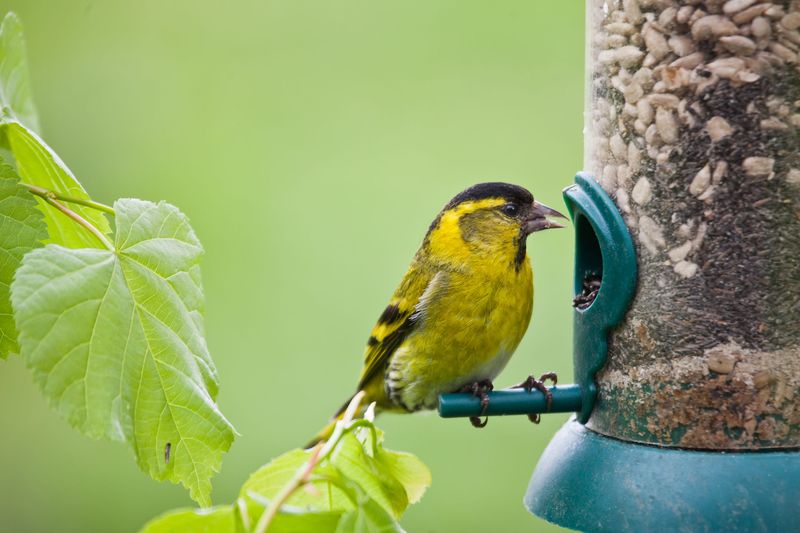
Crowded feeders make for fun viewing, yet they can also spread germs. With many birds touching the same perches and ports, diseases can pass quickly through a flock, so regular cleaning keeps goldfinches healthy.
Finches can catch illnesses such as salmonella and an eye disease called conjunctivitis. Sick birds may look puffy and slow or show crusty, swollen eyes.
Spotting birds like this calls for taking feeders down for a while and cleaning them thoroughly.
Project FeederWatch suggests cleaning feeders about every two weeks, and more often during wet weather or when crowds grow large.
A scrub with soapy water comes first, followed by a soak in a mix of one part bleach to nine parts water.
A thorough rinse and complete drying should follow before any refill, since damp feeders invite mold that spoils seed quickly.
Mesh sock feeders resist scrubbing, so many people simply replace them once they turn dirty or stiff. Tube feeders with removable bottoms clean far more easily, making that feature worth seeking out.
The ground below deserves attention, too. Old hulls and spilled seed can pile up, grow mold, and attract rodents, so an occasional rake or sweep keeps the area tidy.
A bottle brush reserved just for feeders makes the job easy, and a phone reminder turns cleaning into part of the routine.
Healthy birds tend to stick around all season long, right through the rainy months ahead.
Leave Seed Heads Standing In Beds
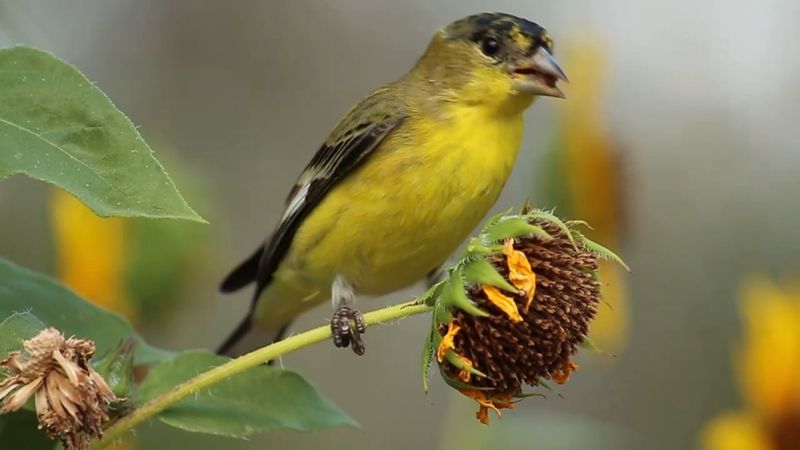
Pruning shears can rest for a few weeks this season. Those brown, dried flower heads in the garden serve as a snack bar for lesser goldfinches, and cutting them back too early removes free, natural food.
In the wild, these finches eat seeds from many plants, including sunflowers, thistles, fiddlenecks, and members of the aster family. Watching one hang upside down from a dry flower head makes for pure entertainment.
Fall marks the time when many garden plants finish blooming and set seed. Coneflowers, black-eyed Susans, coreopsis, and native buckwheat left standing give goldfinches weeks of foraging.
A slightly messy bed may not look picture perfect at first, though it works beautifully as a winter buffet.
Trimming the front edges keeps things neater while taller seed heads stay in back.
Natural food supports the feeder habit, too. Birds that find seeds throughout a yard tend to linger longer, moving from flower to feeder to shrub and back again.
Standing stems also shelter insects, which some birds feed to their young in spring. The yard becomes more useful to wildlife year-round.
Late winter or early spring makes the right time to cut plants back, since most seeds will be gone by then.
The approach saves time in fall while giving birds a fuller pantry.
In fire-prone areas, dry stems belong beyond the first five feet around the house, where approved Zone 0 rules keep the strip lean.
Plant Sunflowers And Cosmos
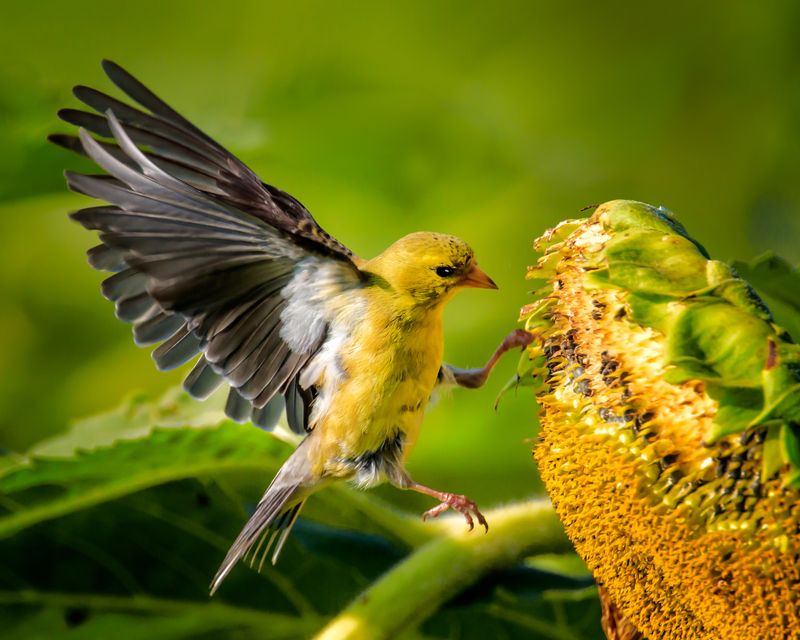
Some gardeners swear the goldfinches show up the very week the sunflowers fade. Seed-rich flowers offer a simple way to feed finches straight from the garden, and sunflowers and cosmos top the list.
Sunflowers grow fast in California’s warm, sunny weather. After the bright petals drop, the big heads fill with seeds, and lesser goldfinches cling to them, plucking seeds right out.
Smaller branching types often produce many heads, giving birds more feeding spots.
Cosmos are easy, cheerful, and nearly carefree. Their thin stems sway when a goldfinch lands, and the bird rides along like a tiny acrobat.
Once the flowers dry, their slender seeds become a favorite snack.
Both grow easily from seed sown in spring after frost danger passes. A sunny spot with decent drainage suits them, along with regular water for young plants that tapers once they establish, and neither needs rich soil.
Native plants make smart choices, too. California sunflower, gumplant, and native asters all feed seed eaters while handling dry summers better than many garden flowers. Fall makes an ideal time to plant these natives.
Clumps work better than single rows, since a thick patch is easier for a flock to spot from above. Groupings within view of windows make the action easy to enjoy.
Letting some flowers self-sow at season’s end often brings a free crop of new plants next year, along with a fresh wave of hungry finches.
Offer A Shallow Birdbath
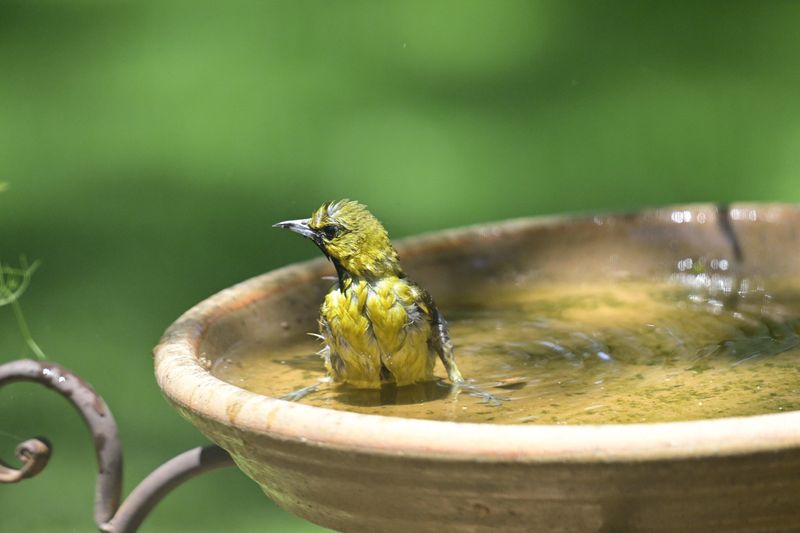
Seed is dry food, and dry food makes birds thirsty. Lesser goldfinches visit water often, especially during California’s dry fall weather, and a shallow birdbath can draw them in as quickly as a feeder.
Depth matters for a bird this small. About one to two inches of water works well, while deeper basins feel unsafe.
A few flat stones create perching spots where birds can stand, sip, and splash with ease.
Moving water catches attention. A small dripper or solar bubbler creates sound and sparkle that birds notice from far away, and even a slow drip can draw a curious flock.
Clean water matters most. Dumping and refilling the bath every few days, with a brush to scrub away algae and droppings, keeps birds healthy and slows mosquito breeding.
Placement shapes safety. A spot a few feet from shrubs lets birds rest in cover, then hop over to drink, while a bath tucked right inside dense bushes gives cats a hiding place.
A location near the feeder works especially well. Goldfinches often grab a bite, then take a quick sip, and that one-two stop keeps them in the yard longer.
Warm afternoons often bring the busiest activity. A popular birdbath can turn into a splashy pool party, one of the most charming sights a backyard can offer.
Until steady winter rains arrive, that small dish of water can make a yard the favorite stop in the neighborhood.