The California Trees To Fertilize In September And The Ones To Skip
Not every California tree needs a dose of fertilizer just because fall is approaching. Some trees can benefit from nutrients at this point in the season, while others may respond poorly to extra feeding when their growth is beginning to slow.
Knowing the difference can save you time, money, and an unnecessary round of work.
Start by considering what kind of tree you have and how it has been growing through the summer.
Fruit trees, young trees, and plants showing certain signs of nutrient deficiency may have different needs than established landscape trees.
The wrong timing can also encourage tender new growth when you would rather let the tree settle into the changing season.
Before you spread fertilizer around the trunk, take a closer look at which trees actually need help right now.
A targeted approach can support healthier growth without giving your entire yard a blanket treatment it does not need.
1. Citrus Trees Can Still Benefit From September Fertilizer
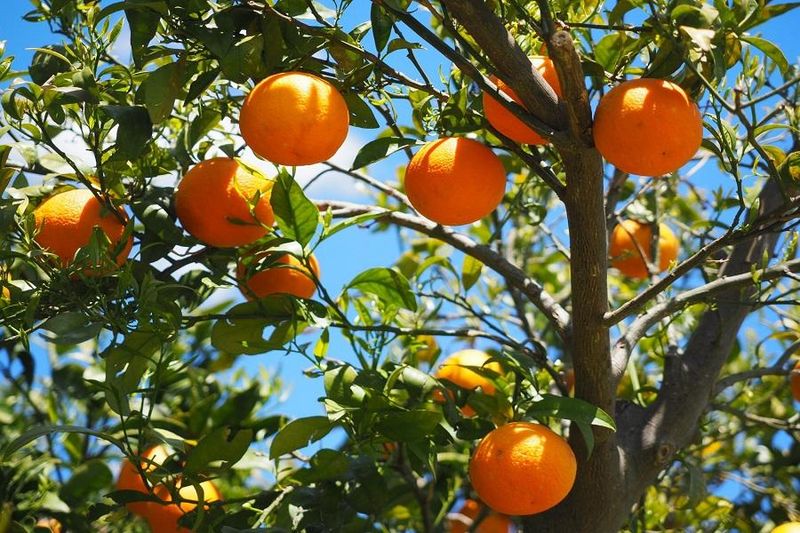
Orange, lime, and grapefruit trees love a steady supply of nutrients, and early fall is a smart time to give them one last feeding.
These trees keep growing through the mild California autumn, so a light dose of fertilizer helps them stay green and healthy. A balanced citrus formula with nitrogen, plus a little iron and zinc, works best.
Spread the food evenly under the canopy, not right against the trunk. Water it in well so the roots can soak up everything.
Watch for yellowing leaves before you feed. Pale leaves often mean the tree is hungry, especially after a hot summer of making fruit.
Try to finish feeding by mid-September in cooler regions. This gives the tree time to use the nutrients before the weather turns cold and growth slows down.
In warmer coastal and inland valley areas, you have a little more wiggle room since winters stay gentle.
Skip heavy feeding if your tree looks lush and dark green already. Too much nitrogen can push soft new growth that gets damaged in cold snaps.
A thin layer of compost around the base is a gentle bonus. It feeds slowly and improves the soil over time, keeping your citrus happy well into next season.
2. Avocado Trees May Need Feeding After A Long Summer
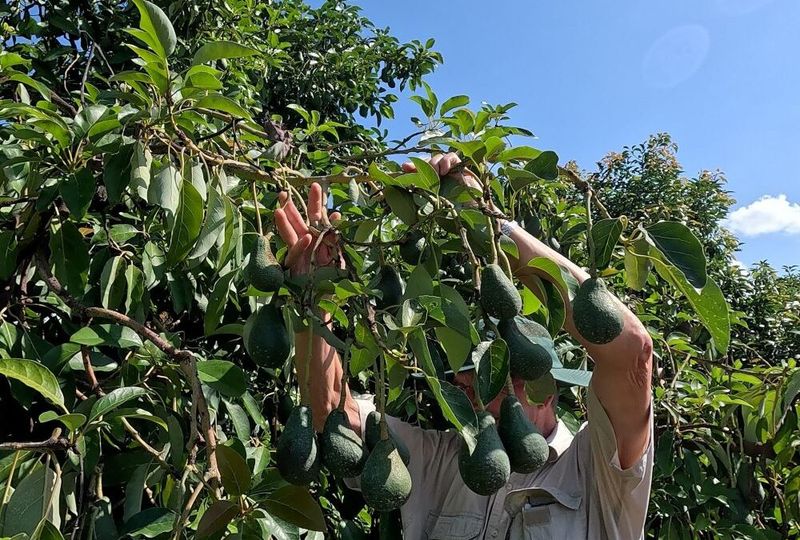
Few trees work as hard through a California summer as the avocado, and by September it may be running low on fuel.
The heavy job of growing fruit and pushing out new leaves uses up a lot of stored energy. A light September feeding can help the tree recover and prepare for cooler months.
Nitrogen is the main nutrient avocados crave, but they also appreciate zinc, which keeps their leaves full and green.
Use a small amount spread across the root zone, then water gently. Avocado roots sit close to the surface, so avoid digging deep or piling fertilizer near the trunk.
A thick layer of mulch made from bark or leaves works wonders here. It holds moisture, feeds the soil slowly, and protects those shallow roots from heat.
Your California Garden Changes Every Week. Your Plan Should Too.
Gardening in California changes quickly throughout the season. Every Friday you’ll receive a simple weekly plan showing exactly what to plant, prune, fertilize, harvest, and protect so you never miss the right timing.
Check the leaf tips before you feed. Brown, crispy edges usually point to salt buildup, so flush the soil with deep watering first.
Avoid overdoing it this late in the year. A gentle boost is plenty, and too much can stress a tree that is trying to slow down.
Feed in the early morning or evening when temperatures are cooler. Your avocado will thank you with steady growth and better fruit next season.
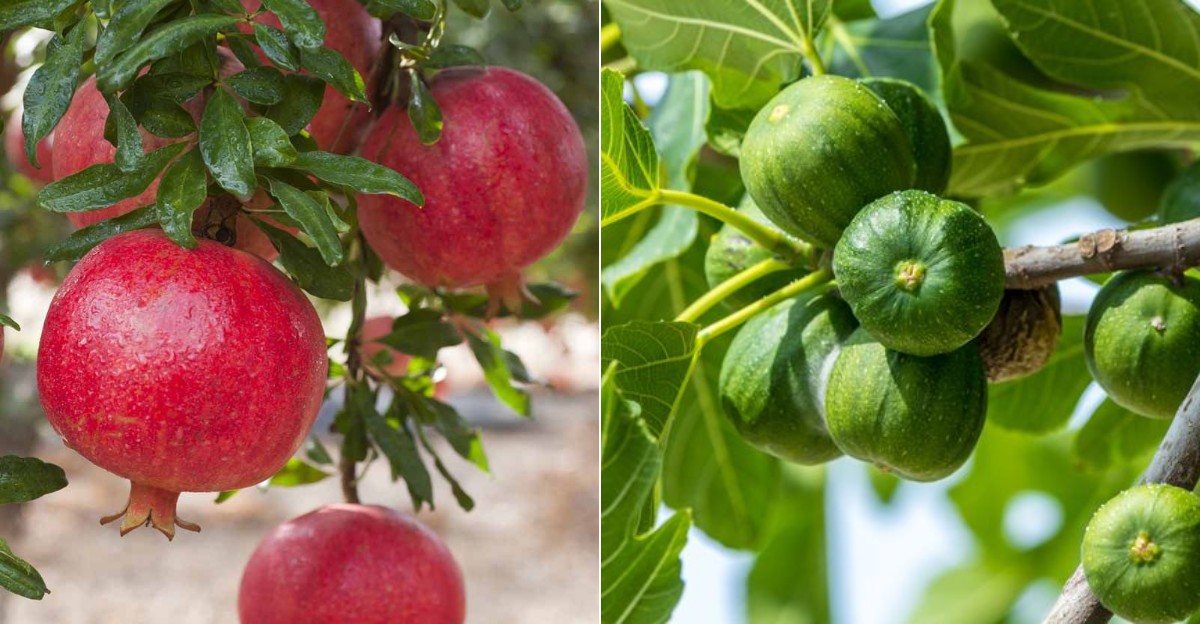
3. Fig Trees Usually Do Not Need A Late Nitrogen Push
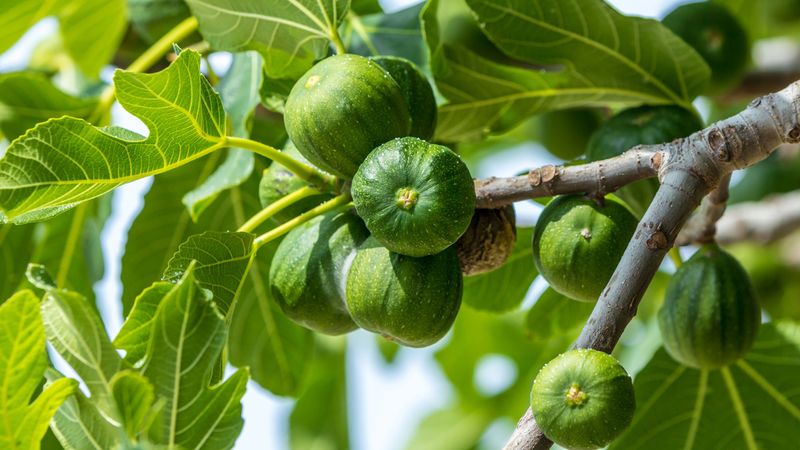
Sweet, easygoing, and tough as nails, fig trees rarely ask for much attention, and September is no exception.
By this time of year, figs are winding down after a busy fruiting season. Pushing them with extra nitrogen now can do more harm than good.
Too much nitrogen makes the tree grow soft new leaves and shoots. That tender growth can get damaged when the first cold weather rolls in.
Most fig trees planted in California soil already find plenty of nutrients on their own. Their roots spread wide and dig deep, pulling up what they need.
If your fig looks pale or weak, wait until late winter or early spring to feed it. That timing matches the tree’s natural growth cycle much better.
Instead of fertilizer, add a layer of compost or mulch around the base this month. It feeds slowly and keeps the soil healthy without forcing growth.
Water is more useful than food right now. Deep, steady watering helps the tree finish ripening its last figs and store energy for winter.
Hold off on the fertilizer bag and let your fig rest. A little patience now sets it up for a strong, sweet harvest next summer.
4. Pomegranate Trees Are Better Left Alone This Late
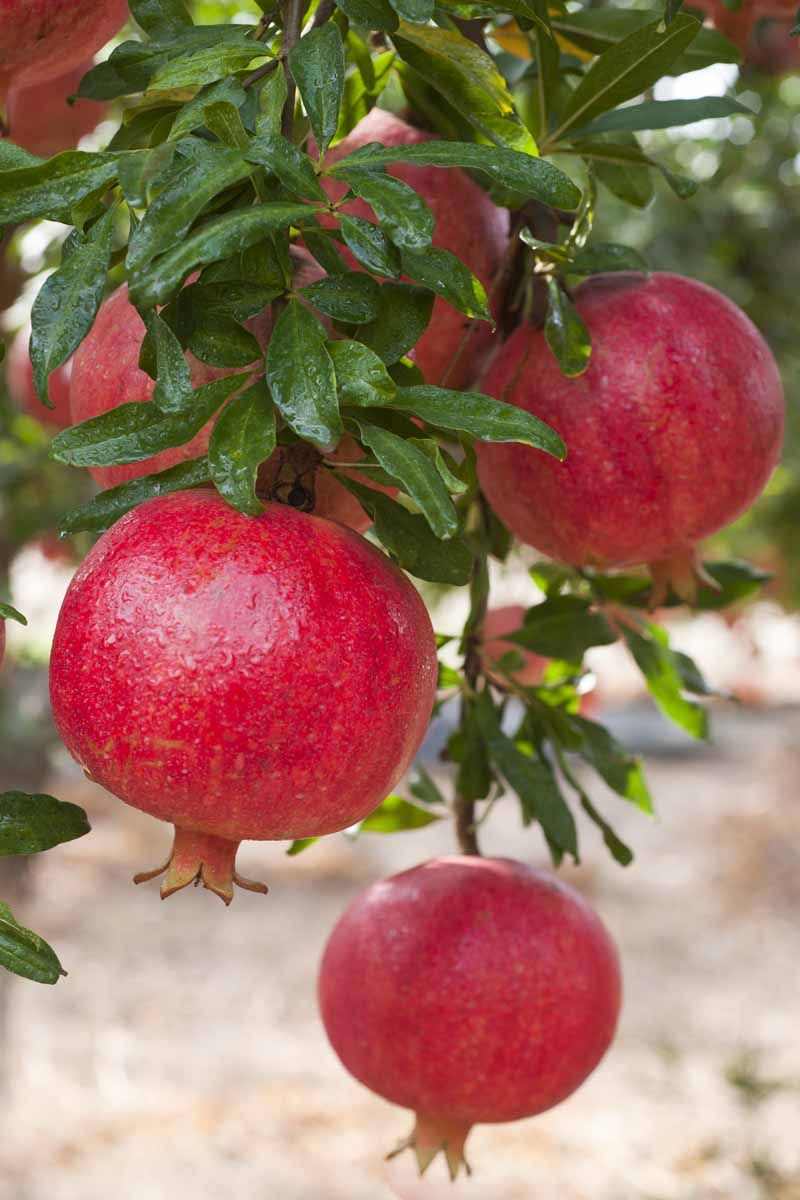
With jewel-red fruit and a stubborn love of hot weather, pomegranates are among the most low-maintenance trees you can grow.
September finds them busy ripening their fruit, and that is exactly when they want to be left in peace.
Feeding now can throw off their natural rhythm. Extra nitrogen may push leafy growth instead of letting the tree finish its fruit.
These trees handle poor soil surprisingly well. They evolved in dry, rocky places, so they do not need rich food to thrive.
Save any real fertilizing for late winter or early spring, right before new growth begins. That timing gives the tree the boost it can actually use.
For now, focus on steady watering as the fruit swells and colors up. Uneven watering can cause the fruit to crack open before harvest.
A light layer of compost around the base is fine if your soil is very sandy. Keep it thin and away from the trunk.
Resist the urge to fuss over it. Pomegranates reward a hands-off approach with big, glossy fruit that stores well for weeks.
Enjoy watching the fruit deepen in color this month. Come harvest time, you will be glad you gave the tree room to do its own thing.
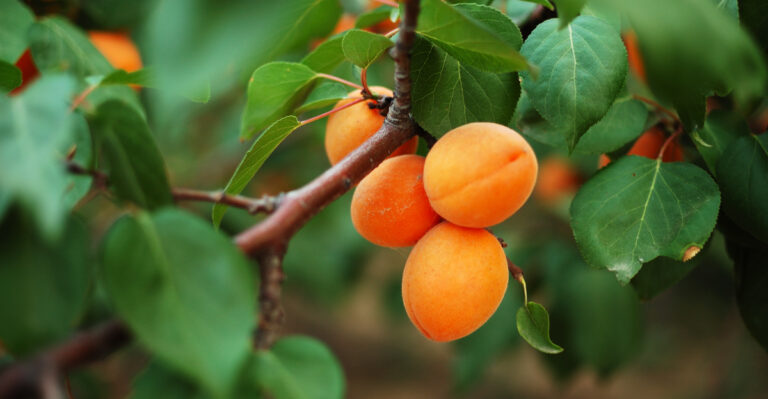
5. Young Peach Trees May Need More Nutrition Than Mature Trees
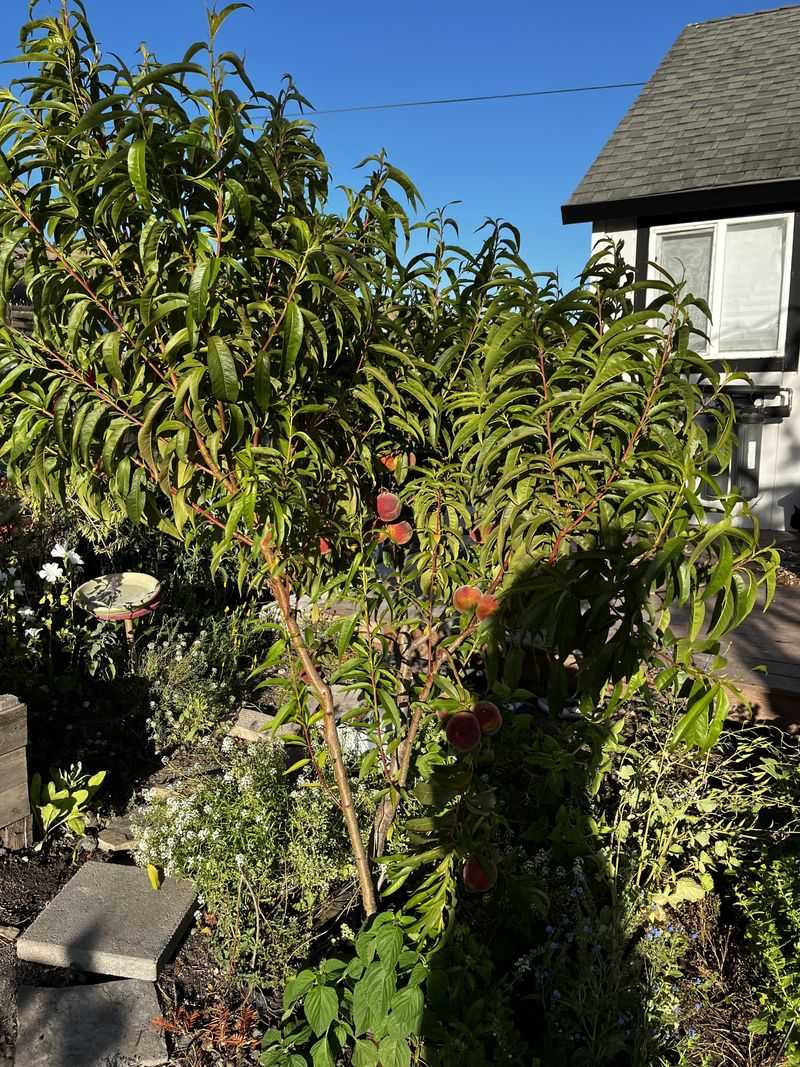
Growing up fast and building strong roots, young peach trees are the hungry teenagers of the orchard.
A small September feeding can help these little trees keep growing before winter slows everything down. Their goal right now is size and strong wood, not fruit.
Use a light, balanced fertilizer and spread it around the drip line. Water it in so the young roots can reach the nutrients easily.
Older, established peach trees are a different story. They usually have plenty of stored energy and do not need feeding this late in the season.
Feeding mature peaches now can push soft growth that struggles in cold weather. It is smarter to wait until spring for those bigger trees.
Keep an eye on your young tree’s leaves. Yellow or small leaves often mean it could use a gentle nutrient boost.
Avoid heavy doses no matter the tree’s age. A little food goes a long way, and too much can burn tender roots.
Mulch around the base helps hold moisture and protects shallow roots during warm September afternoons in California.
Think of it as helping a growing tree finish the year strong. With the right care now, your young peach will be ready to bloom beautifully when spring returns.
6. Mature Olive Trees Rarely Need Heavy September Feeding
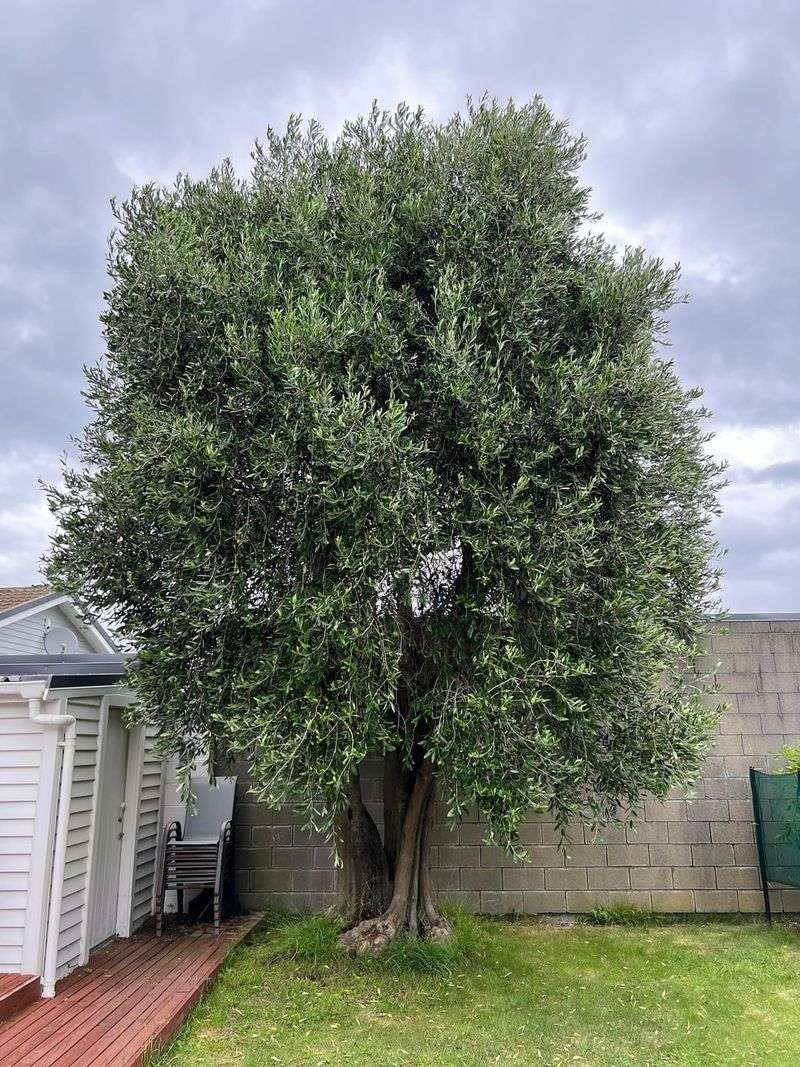
Ancient, silvery, and famously tough, olive trees have survived for thousands of years without anyone spoiling them.
A grown olive tree in California soil almost never needs a big meal in September. These trees are built for lean, dry conditions.
Their deep roots and thick canopy help them find what they need without much help from a fertilizer bag.
Feeding heavily now can actually cause problems. Extra nitrogen may reduce fruit quality and push growth the tree does not want this late.
If your olive tree is very young or looks pale, a small, light feeding is fine. Mature, healthy trees are better left alone.
Save serious fertilizing for late winter, right before the growing season kicks off. That timing matches the tree’s natural cycle.
Watering matters more than feeding right now, especially if you want a good olive harvest. Keep the soil evenly moist but never soggy.
A thin layer of compost around the base is a gentle, safe choice. It slowly improves the soil without shocking the roots.
Olive trees teach patience better than almost any plant. Give them sunshine, occasional water, and time, and they will keep producing fruit for generations.
Trust the tree’s toughness this month and put your energy elsewhere in the garden.
7. Lemon Trees Can Need Continued Nutrients Into Fall
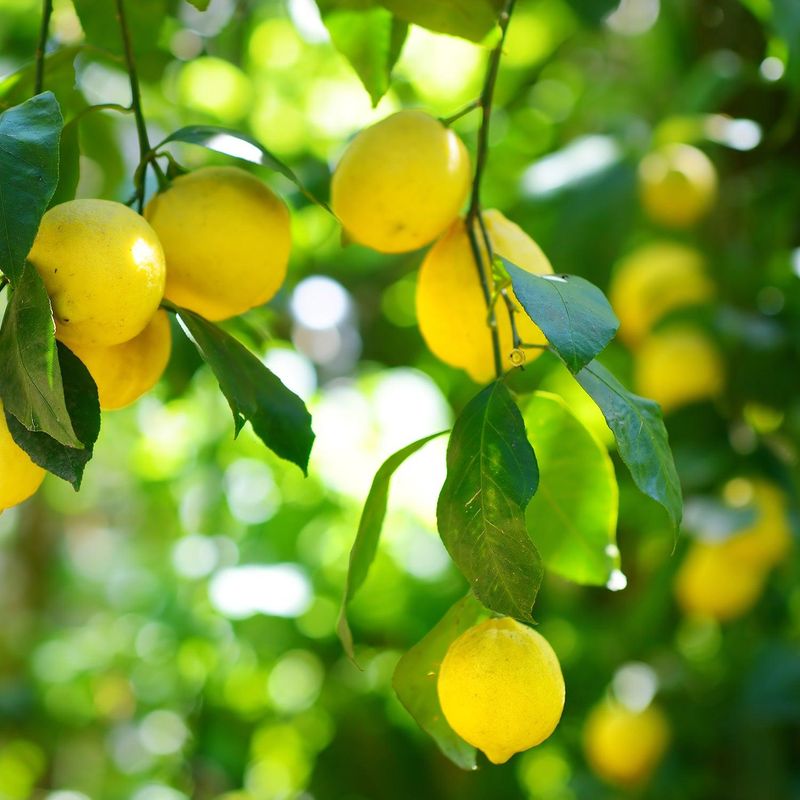
Cheerful and always working, lemon trees often keep flowering and fruiting even as the seasons shift.
Because they stay busy well into fall, a light September feeding can keep them strong and productive.
Lemons use up a lot of nitrogen making fruit, so a citrus fertilizer with a few extra minerals helps them keep going.
Spread the food across the root zone under the canopy and water it in gently. Keep it away from the trunk to avoid burning.
Yellowing leaves are a clear signal. When you see them, your lemon tree is usually asking for a nutrient boost.
In mild coastal and inland areas, lemon trees can be fed a little later than most fruit trees. Their almost year-round growth makes them special.
Do not overload the tree, though. A modest feeding beats a heavy one, especially as nights start getting cooler.
Add mulch around the base to hold moisture and slowly feed the soil. This also protects the roots from temperature swings.
Deep watering once or twice a week helps the fruit stay juicy and full of flavor.
With a little food and steady care, your lemon tree can reward you with fresh fruit through fall and even into the winter months ahead.
8. Persimmon Trees Usually Do Better Without Late Heavy Feeding
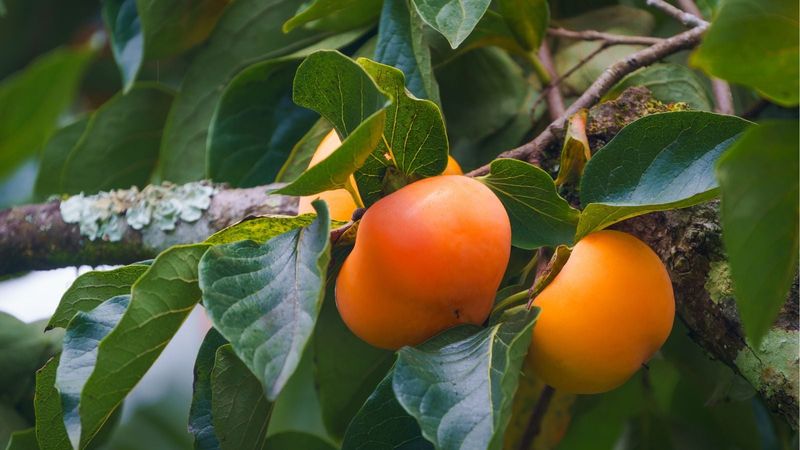
Glowing like little orange lanterns in fall, persimmon trees are one of the season’s quiet showstoppers.
Right now, in September, these trees are focused on ripening their fruit and slowly preparing for winter rest.
Heavy feeding this late can disrupt that process. Extra nitrogen may push new growth that will not have time to harden before cold weather.
Persimmons are naturally easygoing and do not demand rich soil. They tend to do just fine with a hands-off approach in early fall.
If you want to feed, wait until late winter or early spring. That is when a balanced fertilizer will do the most good.
For now, steady watering is the best thing you can offer. Consistent moisture helps the fruit ripen evenly and prevents cracking.
A light layer of compost around the base is a gentle option that improves soil without forcing growth.
Watch the fruit change color over the coming weeks. It is one of the great rewards of growing this tree.
Resist the urge to give it more than it needs. A calm, patient approach keeps the tree healthy and the harvest sweet.
By skipping heavy September feeding, you let the persimmon follow its natural rhythm and set itself up for another strong year ahead.