The Hanging Basket Mistake Oregon Gardeners Make After The First Heat Wave
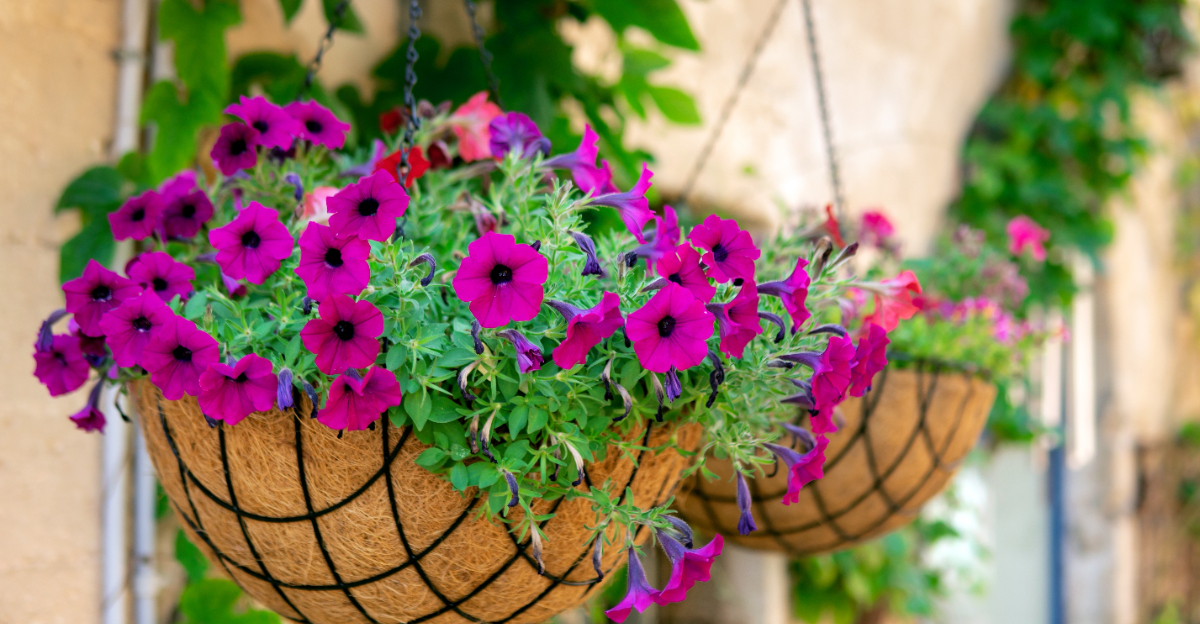
Oregon gardeners know the drill: gray skies for months, then a sudden blast of heat that catches everyone off guard. Hanging baskets take the brunt of it, drying out faster than you’d expect from soil that looked fine the day before.
Reaching for the hose the moment leaves start drooping feels like the obvious fix. That instinct, though, often does more damage than the heat itself.
Soil doesn’t just lose water during a hot spell. It changes texture, pulls away from the container edges, and stops absorbing moisture the way it did in spring, which is exactly why a splash of water can run straight through without helping at all.
Knowing what’s really happening beneath the surface changes how you water, when you water, and how your baskets bounce back once the temperature finally drops.
Going Back To Normal Watering Too Quickly
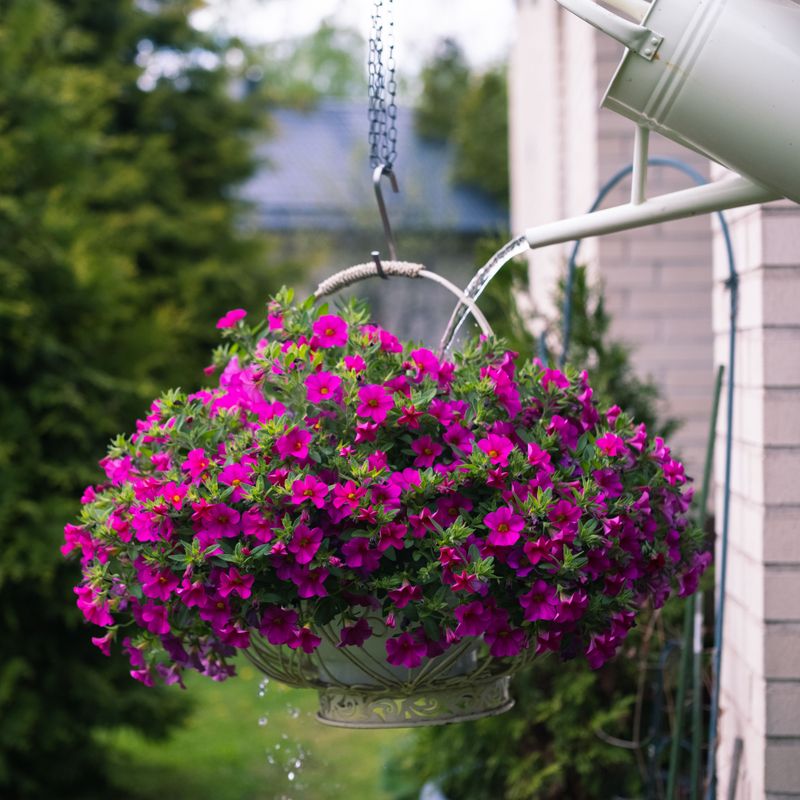
Your plants survived the heat wave. Now comes the real test.
After a brutal stretch of high temperatures, most Oregon gardeners breathe a sigh of relief and go right back to their usual watering schedule. That feels logical, but it is one of the most common hanging basket mistakes made in Oregon every summer.
The problem is not laziness or bad intentions. The problem is that heat waves change the soil inside your basket in a dramatic way.
What worked before the hot spell simply does not work the same way afterward. Potting mix that has been baked by the sun behaves differently than fresh, moist soil.
It becomes compacted, crusty, and almost hydrophobic. Water slides off the surface instead of soaking in, leaving roots dry even after you think you watered thoroughly.
Returning to a normal watering routine tricks you into believing the job is done. You see water dripping from the bottom of the basket and assume the roots got a good drink.
But that water likely ran straight down the sides of the dried-out mix and never reached the center. Roots sitting in heat-damaged soil are already stressed.
Adding insufficient water on top of that stress pushes plants closer to serious, lasting stress. A small adjustment in your post-heat-wave watering approach can save weeks of recovery time.
Slow down, pay attention, and rethink what normal actually means for your basket right now.
Dried-Out Potting Mix Repels Water Instead Of Absorbing It
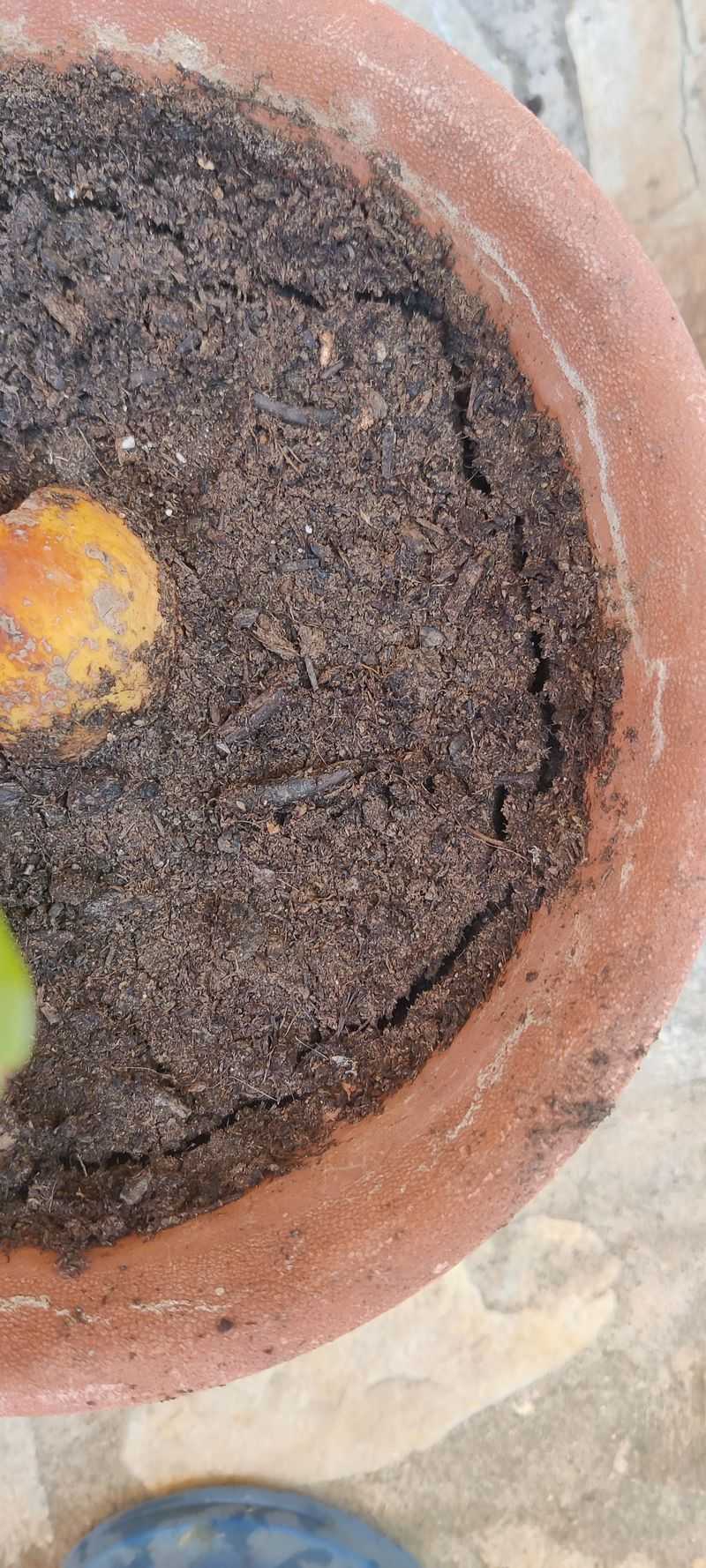
Touch your potting mix right now. Is it pulling away from the basket edges?
That gap between the soil and the container wall is a warning sign most Oregon gardeners miss. When potting mix dries out completely, it shrinks and hardens into a dense block that actually repels moisture rather than soaking it up.
Horticulturists call this condition hydrophobic soil, and it shows up often after heat waves hit hanging baskets hard. Peat-based mixes are especially prone to this behavior.
Peat is fantastic at holding moisture when it stays consistently damp. But once it dries past a certain point, it starts repelling water, sending it racing around the edges instead of into the root zone.
Your Oregon Garden Changes Every Week. Your Plan Should Too.
Gardening in Oregon changes quickly throughout the season. Every Friday you’ll receive a simple weekly plan showing exactly what to plant, prune, fertilize, harvest, and protect so you never miss the right timing.
You can test this quickly with a simple observation. Pour a small amount of water onto the surface of your basket soil. If it beads up or runs off immediately, your mix has gone hydrophobic.
That is your signal to change your approach fast. Coco coir blends tend to recover from drying out a little more easily than pure peat mixes.
If your hanging baskets use a coir-heavy formula, you may have a slight advantage. Either way, both types need more than a casual rinse after extreme heat exposure.
Knowing your soil has essentially built a wall against water is empowering. It means the fix is not complicated, but it does require patience and a different technique than what you normally use on a cool summer morning.
A Normal Watering Pass Just Runs Straight Through
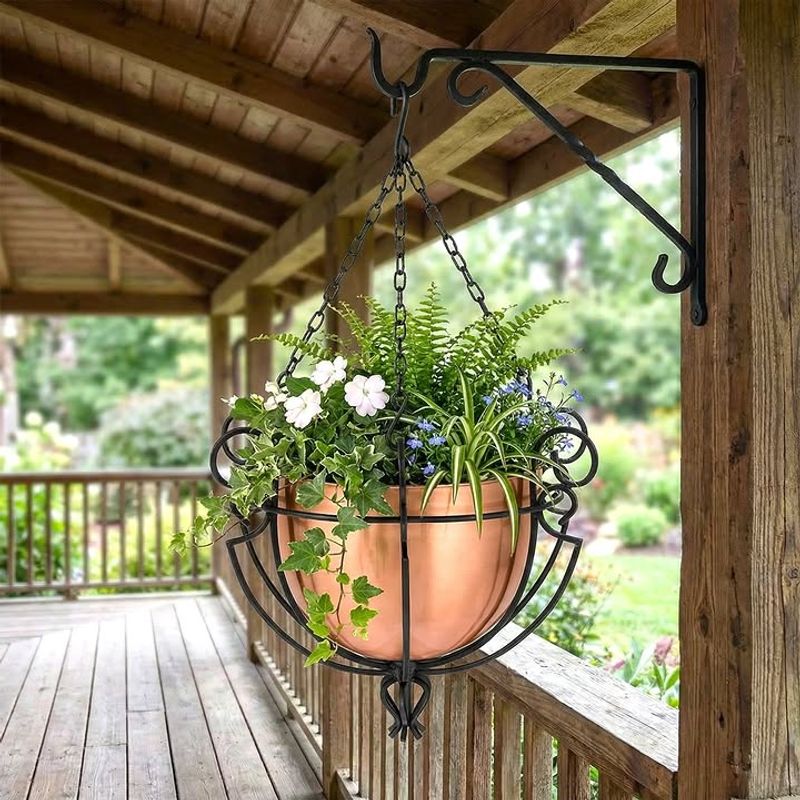
Watch the bottom of your basket next time you water. Is water rushing out within seconds?
That speedy drainage is not a sign of healthy soil. It is actually evidence that your potting mix has become so dried out that water finds the path of least resistance straight down and out the drainage holes.
The roots in the middle of the basket never get touched. This is one of the sneakiest parts of the hanging basket mistake gardeners repeat after the first heat wave.
Everything looks fine from the outside. You watered, water came out the bottom, and you moved on. But the interior of that basket can still be bone dry.
Think of it like pouring water over a dry sponge that has been left in the sun for a week. The water rolls right off instead of absorbing into the fibers.
Your potting mix is doing the exact same thing, just hidden inside a decorative container. The gap between appearance and reality here is what causes so much plant stress.
Oregon gardeners water confidently, plants keep struggling, and nobody connects the dots until flowers start dropping or leaves curl up at the edges. Checking moisture in the center of the basket, not just at the surface, changes everything.
Push your finger a few inches into the soil after watering. If it feels dry past the first inch, your standard watering pass did not do the job.
Your roots are still thirsty, and they need a smarter solution than another quick spray.
Skipping The Deep Soak Leaves Roots Still Thirsty
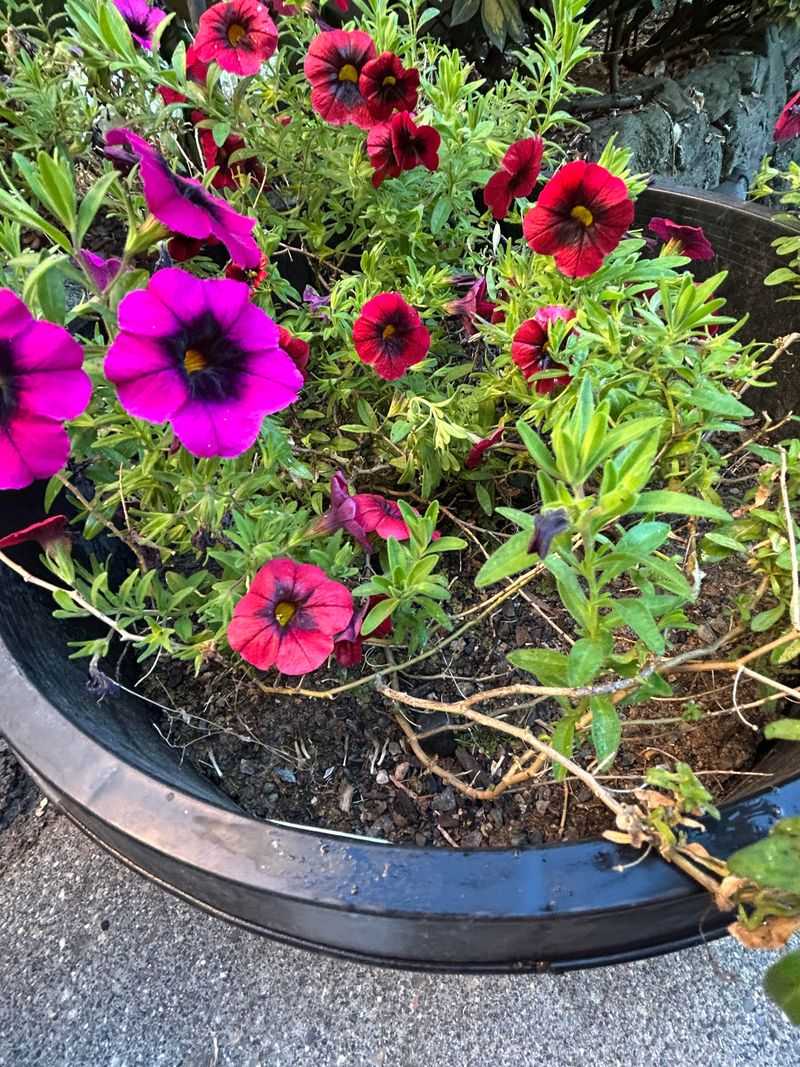
Roots do not live at the surface. They live deep, and that is exactly where the water needs to go.
Skipping a deep soak after a heat wave is one of the most damaging shortcuts a gardener can take. Surface watering wets the top layer of soil, which feels satisfying in the moment, but leaves the lower root zone completely parched.
Plants respond by pulling energy away from flowers and new growth just to survive. A deep soak means letting water penetrate slowly and fully throughout the entire basket.
The best method is submerging your basket in a tub or bucket of water for at least twenty minutes. Bubbles will rise from the soil as trapped air escapes and water finally fills those dry pockets.
Some Oregon gardeners skip this step because it feels like extra work. Carrying a heavy basket to a bucket takes effort, especially if you have several hanging around the porch.
But that twenty-minute soak does more good than weeks of quick daily sprays on hydrophobic soil. Alternatively, you can use a slow trickle from a hose directly aimed at the soil surface.
Let the water run at low pressure for five to seven minutes per basket. That slow delivery gives the compacted mix time to soften and accept moisture instead of shedding it.
Roots that finally get a full drink after heat stress start recovering fast. You will notice stems straightening and leaves perking up before the next morning arrives.
That kind of fast turnaround makes the extra effort completely worth it.
Stressed Roots Take Days To Recover From The Shortcut
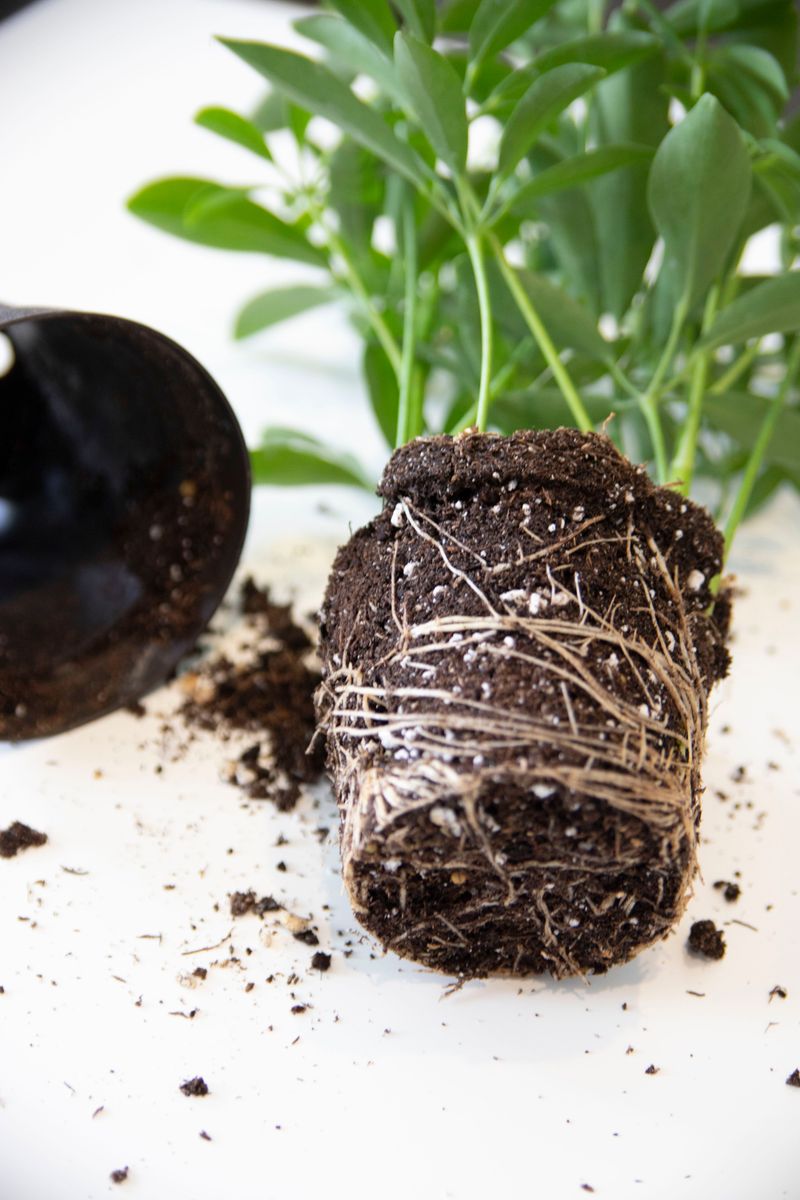
Roots are not dramatic. They do not complain loudly. They just slowly stop working.
When hanging basket roots experience heat stress followed by inadequate watering, the damage builds quietly under the surface. Cells inside the root tissue begin to shut down their water-uptake functions.
Even when moisture eventually arrives, those damaged roots cannot absorb it efficiently for several days. This delayed recovery is why plants sometimes look worse a few days after a heat wave than they did during it.
Oregon gardeners get confused and water even more, which can actually cause secondary problems if the soil stays waterlogged before roots have healed. Balance matters enormously during this window.
Root recovery tends to follow a rough pattern. Right after a proper deep soak, roots begin rehydrating at the cellular level.
Within a few days, uptake efficiency starts improving, and most healthy plants show visible signs of bouncing back if conditions stay stable
Cutting corners on watering during that recovery period extends the timeline significantly. Each insufficient watering pass resets the clock and forces roots to keep rationing resources.
Flowers drop first, then new growth stalls, and eventually older leaves yellow as the plant prioritizes its core survival functions. Giving stressed roots the consistent moisture they need during recovery is the single most impactful thing you can do.
Skip the shortcuts, check soil moisture daily, and let the plant tell you when it has fully bounced back. Patience here pays off in weeks of extra blooms ahead.
One Thorough Soak Undoes What The Heat Wave Started
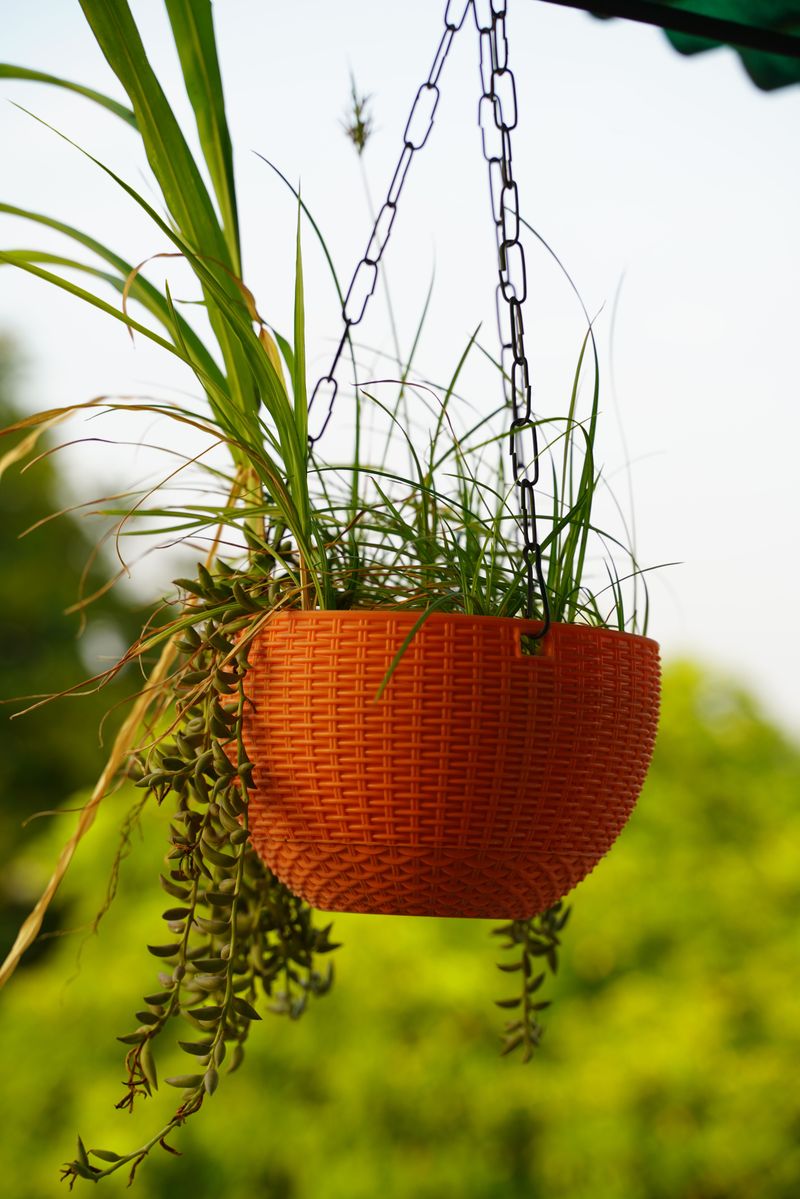
One good soak can turn the whole situation around. Seriously, just one.
After a heat wave rolls through and your hanging basket soil has gone hydrophobic, a single thorough soak is often all it takes to reset the moisture balance.
The key word is thorough. Not a quick splash, not a ten-second spray, but a full, patient soak that lets water reclaim every dry pocket inside that basket.
Submerge the entire basket in a tub of room-temperature water and leave it there. Watch for bubbles rising from the soil surface.
Those bubbles mean trapped air is escaping and water is finally moving into the spaces where roots live. When bubbling slows down, the soak is doing its job.
After removing the basket from the tub, let it drain completely before rehanging. Excess weight from waterlogged soil can strain hooks and brackets.
Proper drainage also prevents the kind of oxygen deprivation that damages roots just as badly as drought does. Following up with consistent watering over the next several days locks in the recovery.
Check soil moisture at least once daily by pressing a finger two inches into the mix. Water again when the top inch feels dry, and avoid letting it return to that bone-dry, crumbly state that started this whole problem.
The real issue after a heat wave isn’t the sun damage itself, it’s assuming your baskets will bounce back on their own.