The Simple Trick Texas Gardeners Use To Help Dry Soil Absorb More Fall Rain
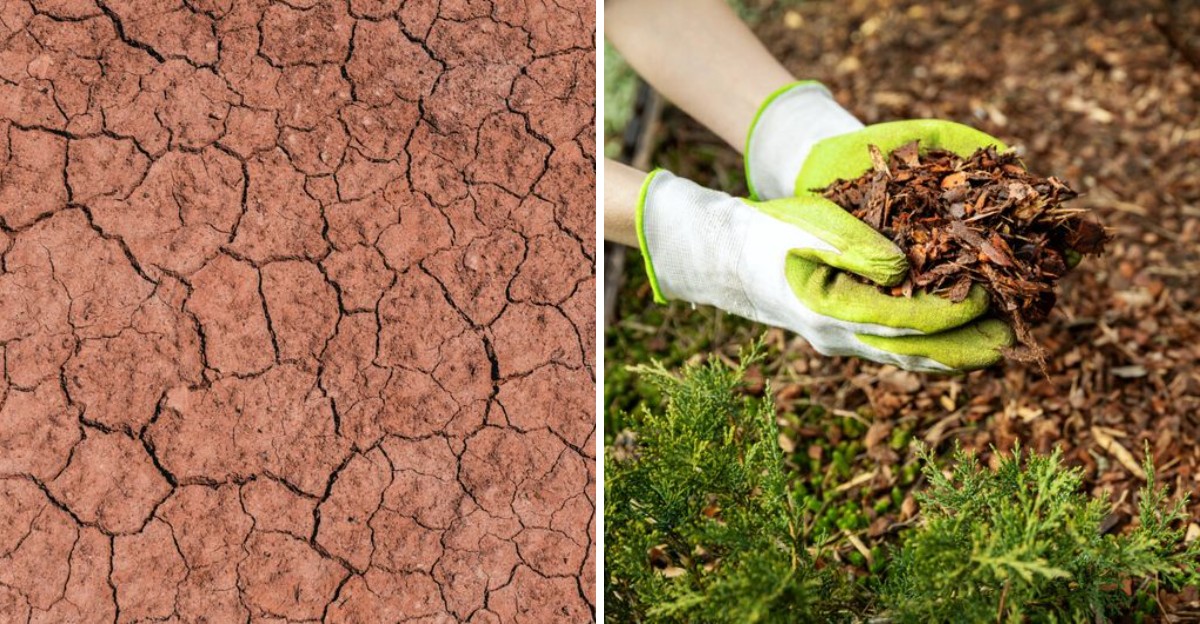
There is nothing quite like that first real fall storm in Texas. The sky darkens, the air smells like wet earth, and you practically want to throw a welcome party for every raindrop.
Finally, relief!
Then you step outside afterward and notice something frustrating. A little stream is happily racing down the sidewalk, and your flower beds look like they barely got a sip.
All that rain you waited months for? A big chunk of it just took the express lane to the storm drain. Rude.
The good news is that Texas gardeners have a wonderfully simple fix for this, and it costs very little.
In fact, you may already have the main ingredient sitting in a pile in your yard right now. Give it one afternoon, and your soil can get a whole lot better at drinking.
1. Baked Soil Sheds Rain Instead Of Soaking It Up
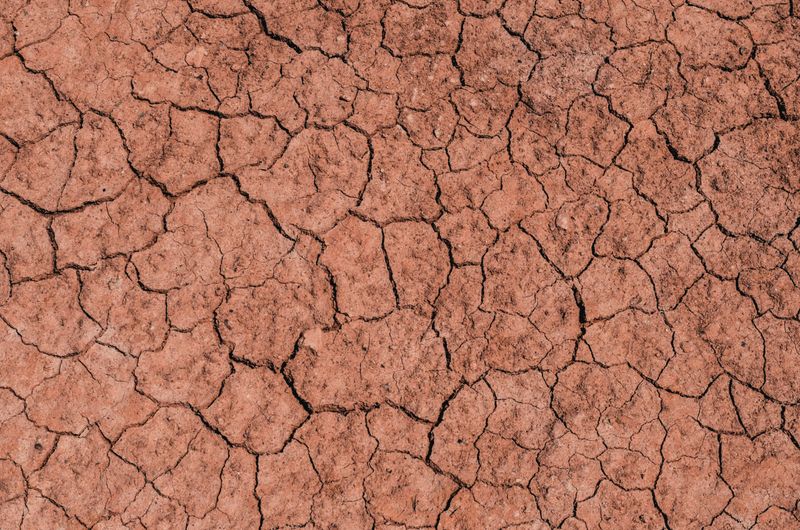
Ever poured water on a dry kitchen sponge and watched it bead up and roll off? Bare garden soil acts the same way after a long Texas summer of triple-digit heat.
Months of sun cook the top layer until it turns hard and tight. Clay soil, which covers much of the state, gets especially stubborn when it dries out.
When a fall storm finally arrives, the first drops hit that hard surface and bounce. Instead of sinking down to the roots, the water slides sideways toward the lowest spot it can find.
That means your plants might get only a small share of a big rain. You could see an inch fall from the sky and still find dusty dirt a few inches down.
Gardeners often blame the weather when beds stay thirsty. The real issue is that the soil surface has lost its ability to take in water quickly.
Here is a quick test you can try today. Pour a cup of water on a bare patch and count how long it sits before soaking in.
If it puddles or runs off right away, your soil needs help. The good news is that the fix is simple, cheap, and works with nature instead of against it.
Covering that bare ground is the trick, and the next sections show exactly how to do it well.
2. Mulch Protects The Soil Surface From Crusting Over
Raindrops look tiny and harmless, but they hit the ground like little hammers. On bare soil, each drop knocks loose fine bits of dirt and splashes them around.
Those loose bits settle into the tiny gaps between soil grains. As the surface dries, they form a thin, hard shell that experts call a soil crust.
A crust acts almost like a lid on a jar. Water struggles to get through it, and air has a harder time reaching roots too.
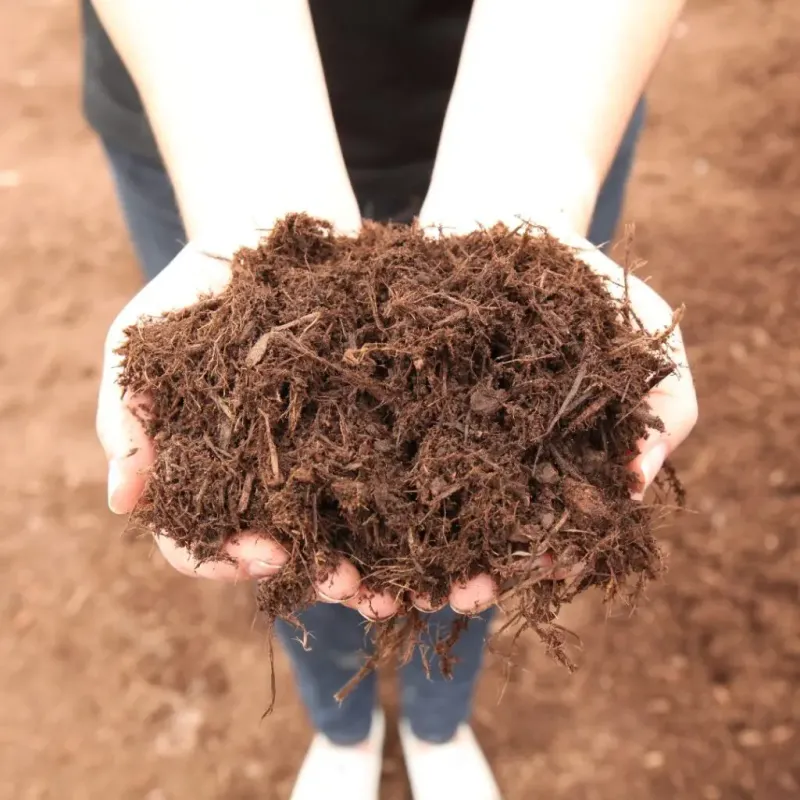
Mulch works like a soft umbrella for your soil. Drops land on the mulch first, lose their force, and then trickle gently down to the dirt below.
Because the soil never takes a direct hit, it stays loose and open. Those open pores let water slip down deep where roots can actually use it.
Gardeners around Texas notice the difference fast. Beds with mulch feel crumbly when you poke them, while bare beds often feel like pavement.
Seeds and young plants benefit too. A crusted surface can trap tender sprouts, but a mulched surface lets them push up with less struggle.
So think of mulch as a shield, not just decoration. A simple brown layer helps the ground soak up more of each passing shower this fall.
3. Mulch Slows Runoff And Gives Texas Rain Time To Sink In

Picture a yard on a gentle slope during a fall storm. Rain races straight past the roses, across the lawn, and right into the street, almost like the yard has its own little river.
Fast-moving water is a big problem in Texas, where fall storms often dump a lot of rain in a short time. When water moves quickly, it has no chance to soak in.
Mulch changes the speed of that water. Each chip, leaf, or piece of bark acts like a tiny speed bump that slows the flow.
Slower water spreads out and lingers longer over the soil. That extra time is exactly what dry ground needs to drink its fill.
Mulch also catches water like a sponge for a short while. It holds onto moisture and then releases it slowly into the dirt underneath.
Now imagine that same slope covered with a thick layer of wood chips. When the next big storm rolls through, much more of the water slows down and sinks in instead of rushing toward the curb.
Runoff also carries away good topsoil and nutrients. By slowing the water, mulch helps keep those valuable things right where your plants live.
If your yard tilts even a little, give sloped areas extra attention. Those spots lose the most water and gain the most from a good covering.
4. Loosening The Top Inch First Helps Mulch Work Better
Mulch is wonderful, but it cannot work magic on soil that feels like a brick. A little prep work before you spread it makes a huge difference.
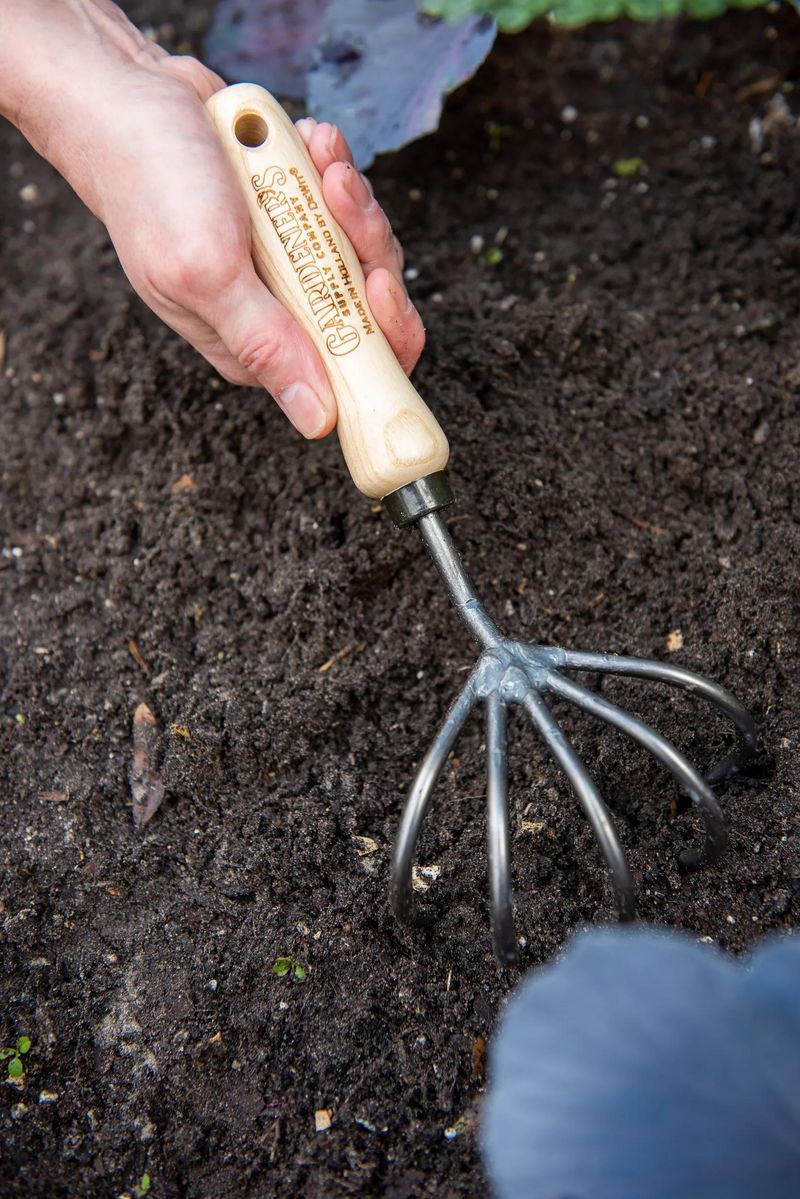
Grab a hand cultivator, a garden fork, or even a sturdy rake. Gently scratch up the top inch of soil so the hard crust breaks apart.
You do not need to dig deep or turn the whole bed over. Deep digging can disturb roots and helpful critters like earthworms.
Just roughing up the surface opens small cracks and channels. Water can then flow down into the soil instead of sitting on top.
Timing matters here. Working the soil right after a light rain or a good watering is much easier than fighting bone-dry Texas clay.
Try watering the bed lightly the evening before. By morning, the dirt will be soft enough to loosen without sore arms.
Pull any weeds while you are at it. Weeds compete for water, so clearing them out means more moisture for the plants you actually want.
Once the surface is loose and clean, spread your mulch right away. That fresh, open soil plus a protective layer on top creates the perfect setup for catching fall rain.
5. Two To Three Inches Of Mulch Works Well For Most Texas Beds
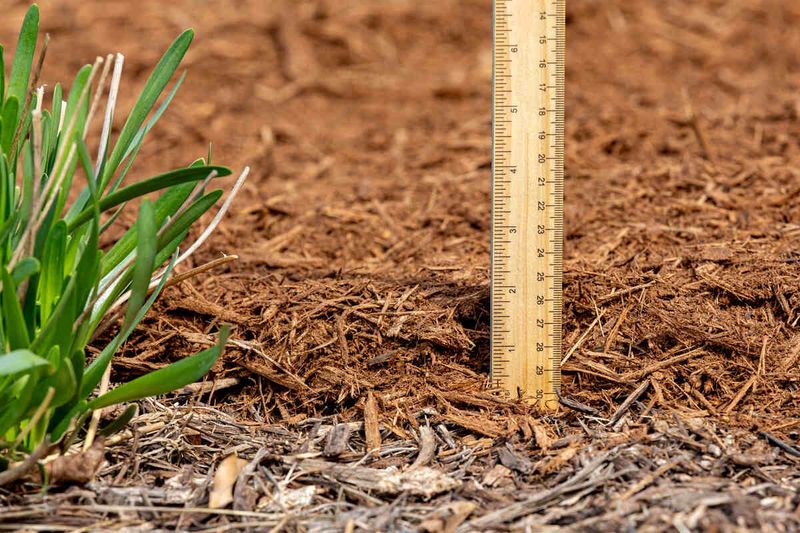
Goldilocks would make a great gardener. When it comes to mulch, too little and too much both cause trouble, but the right amount works beautifully.
A layer that is only an inch thick breaks down fast and lets sunlight reach the soil. Weeds sneak through, and the ground still bakes in the heat.
On the other hand, piling on six inches or more can backfire. Light rains may soak into the mulch and never reach the dirt at all.
For most Texas flower beds and vegetable gardens, two to three inches hits the sweet spot. That depth blocks sun, slows runoff, and still lets water pass through.
Not sure how much to buy? One cubic yard of mulch covers about 100 square feet at three inches deep.
Measure your beds, multiply length by width, and do a little math before heading to the store. Buying in bulk is often cheaper than grabbing lots of small bags.
Use a ruler or just your fingers to check depth as you spread. Most adult fingers are about three inches long, which makes a handy guide.
Plan to top off your beds once or twice a year. Mulch slowly breaks down and feeds the soil, so a fresh layer keeps things working.
6. Shredded Leaves And Wood Chips Make Excellent Fall Mulch
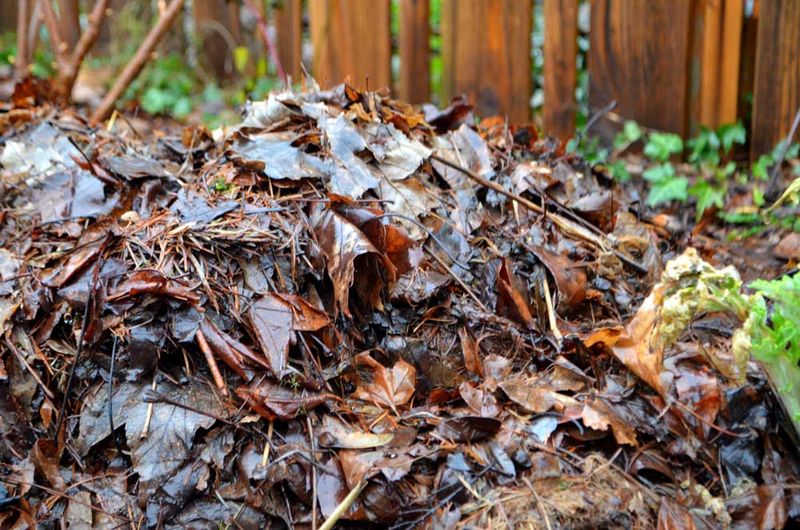
Free mulch literally falls from the sky every autumn. Those leaves dropping from your oaks, pecans, and elms are a gift your garden will love.
Whole leaves can mat together and form a soggy layer that sheds water. Shredding them first solves that problem in minutes.
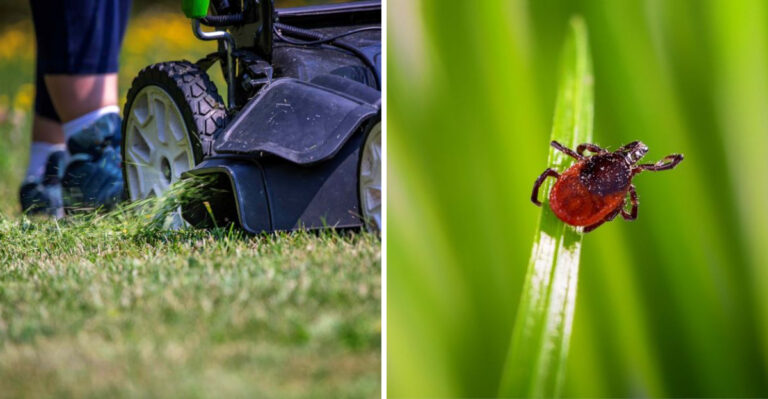
Simply run over a pile with your lawn mower a few times. The small pieces stay loose, let rain through, and break down into rich soil food.
Wood chips are another top choice. Many tree trimming companies in Texas will drop off a load for free just to avoid paying dump fees.
Chips last longer than leaves and look tidy in front yard beds. They work great around trees, shrubs, and along garden paths.
Pine straw, shredded bark, and cedar mulch are also popular options. Each one has a slightly different look, so pick what suits your style and budget.
Try to skip rocks and rubber mulch in planting beds. Rocks hold heat and can make roots uncomfortable, and neither one improves your soil over time.
Natural mulches slowly turn into organic matter. That organic matter helps soil hold even more water, so your garden keeps getting better each year you use them.
7. Mulch Piled Against Trunks And Stems Can Cause Problems
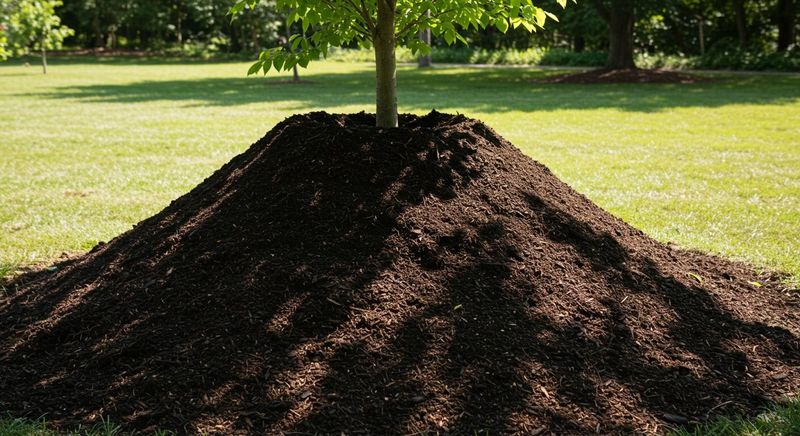
Drive through almost any neighborhood and you will spot them. Tall cones of mulch heaped around tree trunks, sometimes called mulch volcanoes.
They might look neat, but they are not good for trees. Bark is meant to stay dry, and damp mulch pressed against it invites rot and disease.
Insects and rodents also love hiding in those piles. Mice and voles may chew on the bark while staying out of sight.
Over time, a tree buried this way can grow roots that circle the trunk. Those roots can squeeze the tree and weaken it for years.
The fix is easy and quick. Pull mulch back so there is a gap of three to six inches around each trunk.
Shape the layer like a flat donut, not a cone. Keep the depth even across the whole area, and spread it out as wide as the branches reach if you can.
Smaller plants need the same care. Leave an inch or two of space around stems of roses, perennials, and vegetable plants.
Texas humidity along the coast makes this extra important. A little breathing room keeps stems healthy, while the mulch around them still catches plenty of fall rain.
8. Mulch Holds Moisture In The Ground Long After Rain Stops
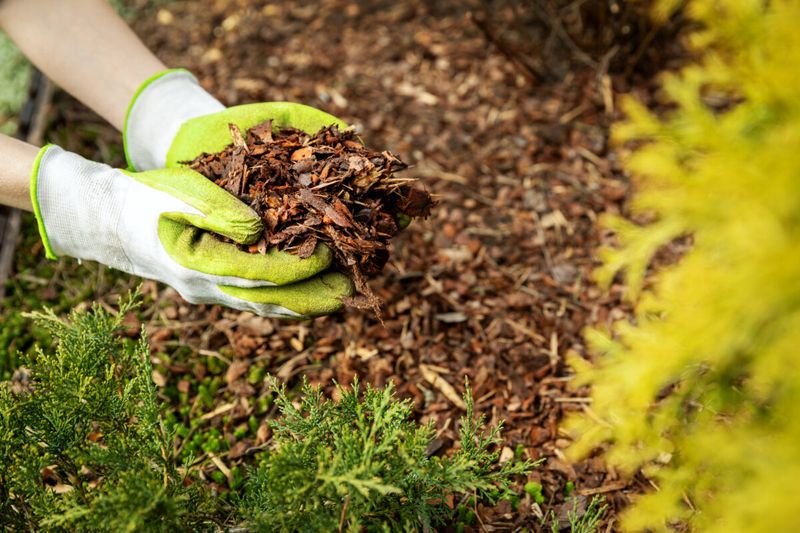
Here is the payoff for all your hard work. Days after a storm passes, pull back your mulch and press your fingers into the soil.
Chances are you will find dark, cool, damp dirt. Meanwhile, a bare patch nearby may already feel dry and dusty.
Sun and wind pull water out of exposed soil fast. In Texas, warm fall afternoons can steal moisture from bare ground in just a day or two.
Mulch acts like a blanket that blocks that loss. Some studies show mulched soil can lose far less water to evaporation than uncovered ground.
Steady moisture keeps roots happy and growing. Plants handle dry spells better, and your water bill often drops because you run the hose less.
The soil also stays cooler in heat and warmer during chilly nights. That gentle temperature helps roots stay active well into late fall and winter.
Earthworms appreciate the cozy, moist conditions too. They tunnel through the soil, creating even more paths for future rain to travel down.
So one simple layer does double duty. It helps soil drink in fall storms and then keeps that water stored safely below, right where your plants need it most.