The Simple Trick That Gives Your Geraniums More Blooms
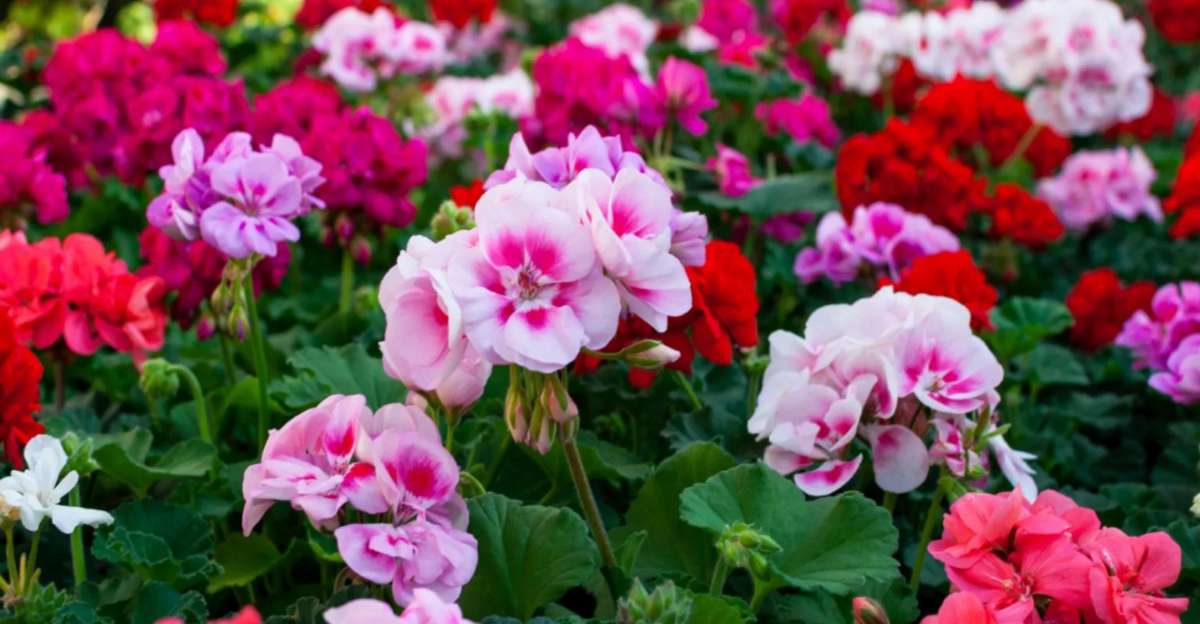
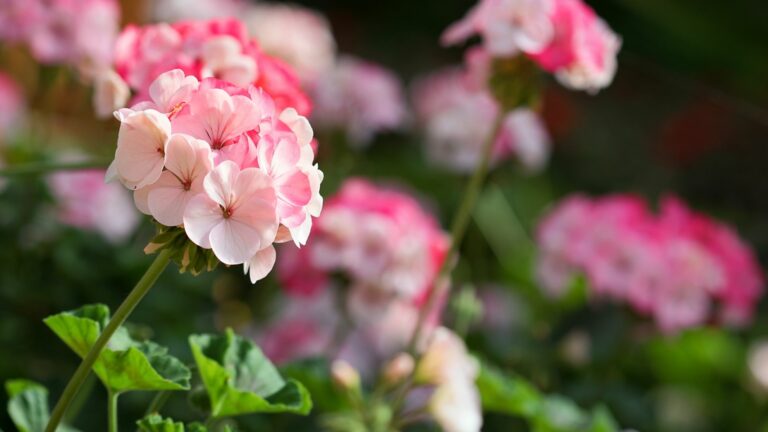
Geraniums have a reputation for being easy. Plant them, water them, and watch them bloom for months without much fuss.
But even easygoing plants slow down eventually. If your geraniums looked fuller in June than they do now, something simple is missing from your routine.
The fix is not fertilizer, and it is not a bigger pot. It is a habit so small that most people overlook it completely, yet it changes how the plant spends its energy.
Geraniums are wired to chase one goal once a flower fades: making seeds. Left alone, that goal pulls energy away from anything new. A small shift in your routine can interrupt that process and send the plant back into bloom mode.
This trick takes minutes, costs nothing, and uses tools you already own. Stick with it, and your porch could be bursting with color again before you know it.
Trimming Faded Flowers Is The Key To More Blooms
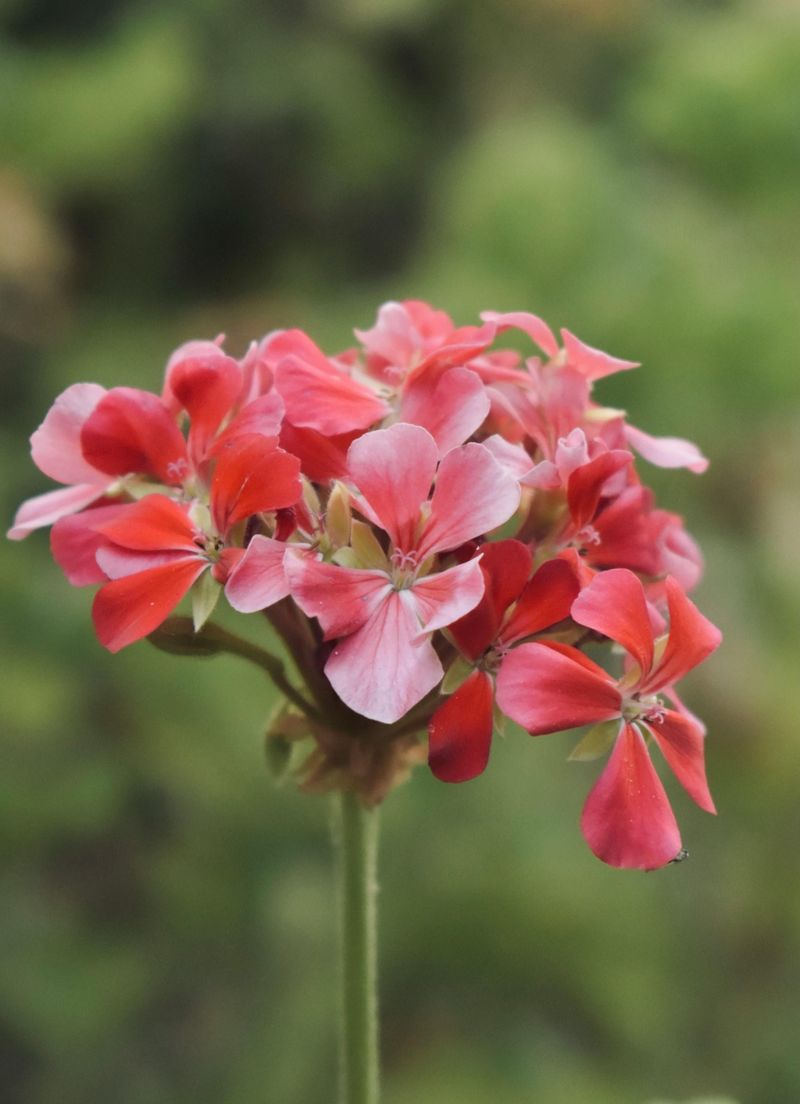
Your geraniums are holding back on you. Removing spent blooms is the simple trick that can bring on a fresh wave of flowers within days.
When a geranium bloom fades, the plant shifts its energy toward making seeds. That means less energy goes toward creating new buds and flowers.
By removing those tired, faded flower heads, you send a clear message to the plant. You are basically telling it to keep blooming instead of wrapping up for the season.
Gardeners have used this method for generations, and it works remarkably well on geraniums specifically. These plants are wired to bloom repeatedly when they are not allowed to go to seed.
The results can feel almost magical. Within a week or two of consistently removing spent blooms, you may start to notice fresh buds forming where the old ones were removed.
This is not some complicated gardening technique that requires special training. Anyone with a free hand and a few spare minutes can do it successfully.
Geraniums thrive in containers, window boxes, and garden beds across the country. No matter where you grow them, this habit makes a noticeable difference in bloom production.
Think of trimming faded flowers like clearing out clutter in your home. Once the old stuff is gone, there is room for something fresh and beautiful to take its place.
Start clearing away spent blooms now and watch your geraniums respond with a burst of color. You will wonder why you ever waited this long to try it.
Why Faded Flowers Slow Down New Blooms
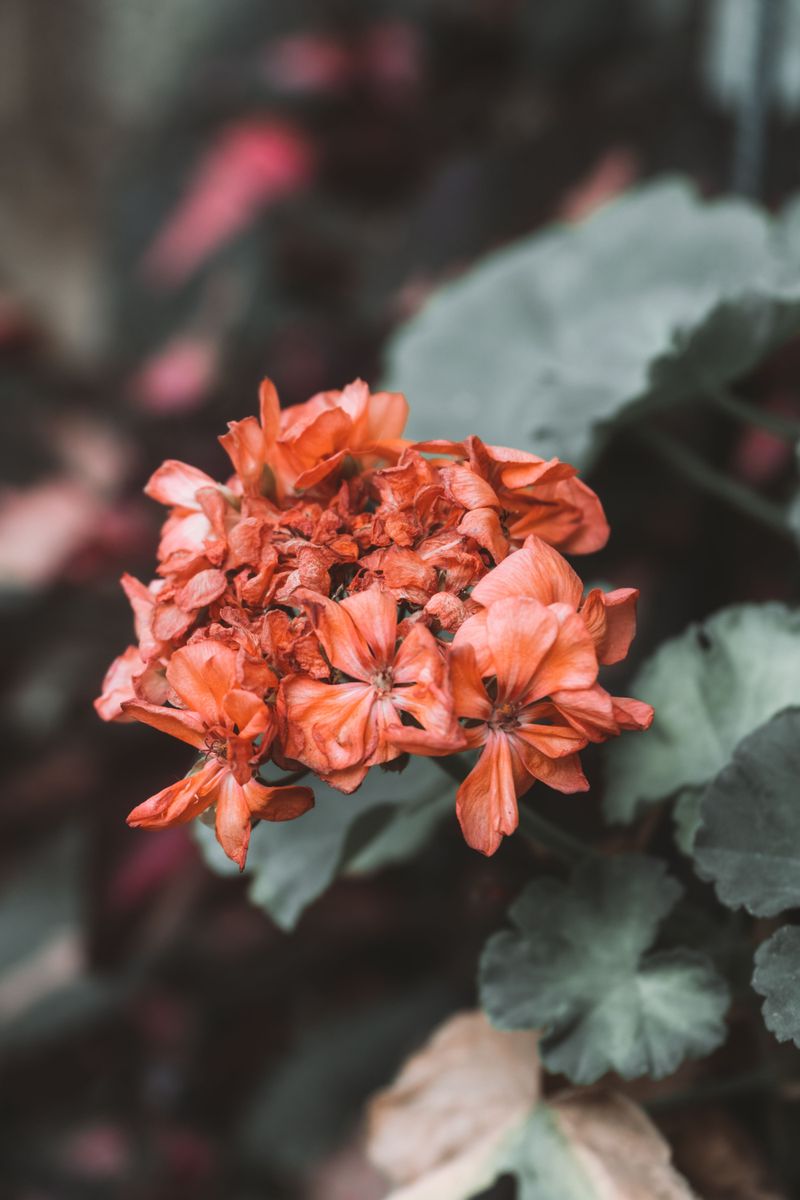
Faded flowers are not just ugly. They are actually working against your plant in a very specific way.
Once a geranium bloom starts to fade, the plant shifts its internal signals toward seed development, and that shift suppresses new bud formation at the same time.
It is a survival strategy the plant has used for thousands of years. The goal is reproduction, not decoration, and the plant does not know you want more flowers.
Seeds take enormous amounts of energy to develop. Nutrients that could feed new blooms get redirected toward swelling seed pods instead.
This is why a geranium covered in spent flower heads often looks exhausted and sparse. The plant is working hard, just not on the blooms you actually want.
Removing faded flowers interrupts this cycle at exactly the right moment. The plant loses its signal to produce seeds and pivots back toward flowering mode.
Some gardeners are surprised by how quickly the shift happens. New buds can begin forming within just a few days after cutting spent blooms is done.
Understanding this process makes it easier to stay motivated about the task. You are not just tidying up your garden, you are actively redirecting plant energy.
Faded blooms are the enemy of a full, colorful display. Catching them early and removing them consistently keeps your geraniums pumping out fresh flowers all season long.
How To Remove Spent Blooms The Right Way
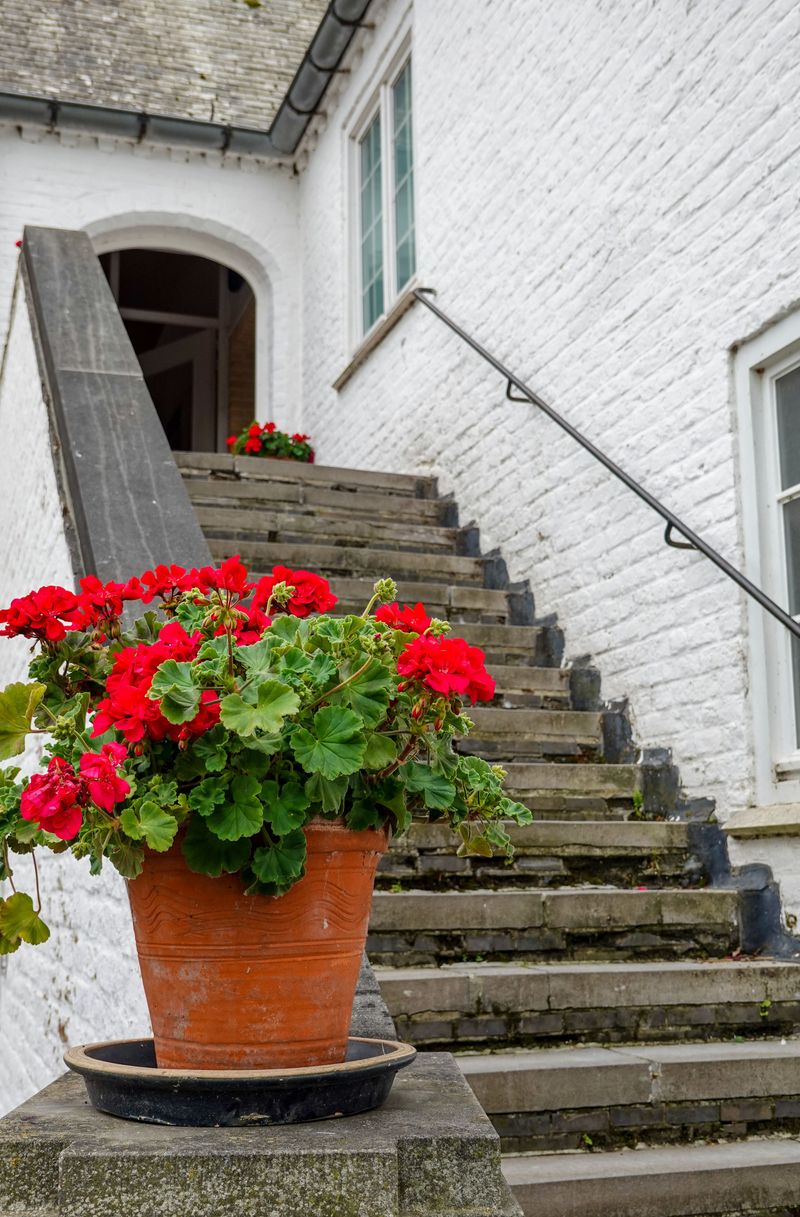
Pinching off a flower head randomly is not quite enough. Removing spent geranium blooms the right way makes a bigger difference than most people realize.
The key is to remove the entire flower stem, not just the petals. Leaving the stem behind allows the plant to still put energy into seed development.
Trace the flower stem down to where it meets the main stalk. That junction point is exactly where you want to make your cut or pinch.
You can use your fingers for this job, and many gardeners prefer that approach. A clean pinch at the base of the flower stem is all it takes.
If you prefer tools, a small pair of sharp scissors works perfectly. Make sure your blades are clean to avoid spreading any potential disease between plants.
Avoid tearing the stem roughly, since jagged wounds can invite bacteria into the plant. A clean, precise removal keeps the plant healthy and stress-free.
Check for spent blooms by looking for flower heads that have turned brown, mushy, or papery. Faded color alone is usually a good signal that it is time to act.
Toss the removed stems and blooms into a compost bin or yard waste bag. Leaving them on the soil surface can sometimes encourage mold or pests nearby.
Once you get the hang of it, the whole process takes only a minute or two per plant. Practice makes it feel completely effortless.
When And How Often To Trim Faded Flowers For Best Results
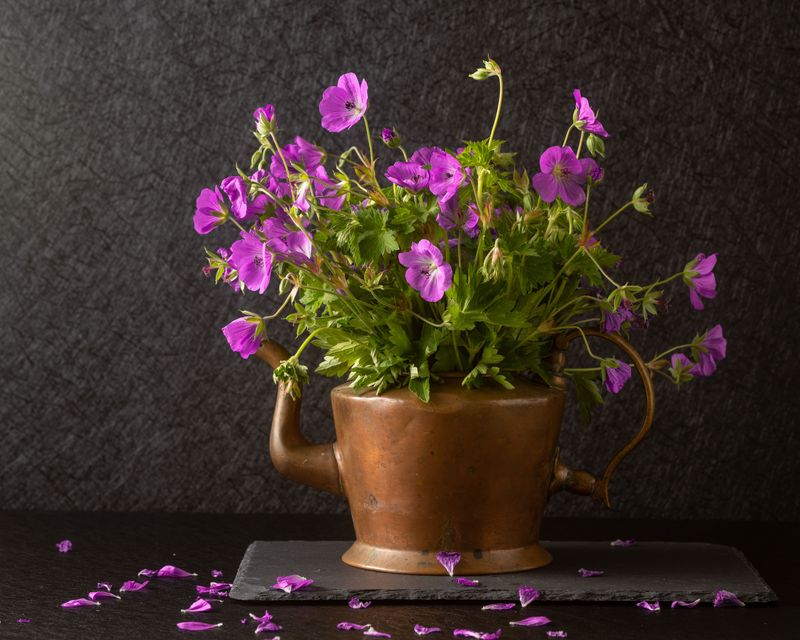
Timing matters more than most gardeners expect. Catching spent blooms early keeps the plant in full flowering mode instead of letting it slip into seed production.
Check your geraniums every three to five days during peak blooming season. That frequency is enough to catch faded flower heads before the plant shifts its energy away from new buds.
Morning tends to be the best time for this task. The plant is hydrated from overnight rest, and you can clearly see which blooms have faded in the fresh daylight.
During hot summer months, blooms can fade faster than usual. You may need to check every two to three days when temperatures are consistently high.
In cooler spring and fall weather, blooming slows naturally. A weekly check is usually plenty during those gentler seasons.
Do not skip this task just because only a few blooms look faded. Even a few spent flower heads left in place can start pulling energy away from new buds.
After a heavy flush of blooms, you might find a lot of spent heads all at once. Tackle them all in one session rather than leaving any behind.
Consistency is what separates a good-looking geranium from a spectacular one. Regular trimming keeps the plant energized and constantly working toward its next round of flowers.
Set a simple reminder on your phone if you tend to forget. A few minutes every few days is a small investment for a stunning payoff all season long.
Other Care Habits That Support Heavier Blooming
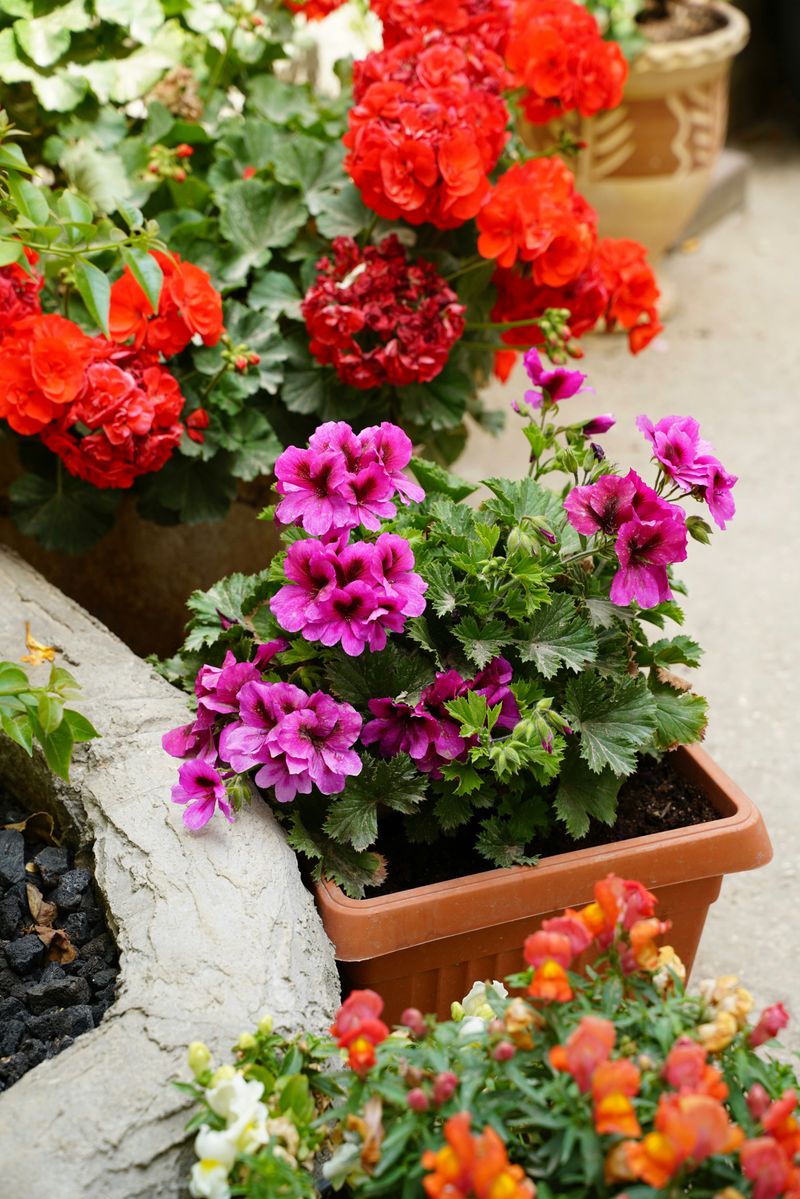
Removing spent blooms is powerful, but it works even better when paired with a few other smart habits. Your geraniums want to bloom, and the right conditions make that much easier for them.
Sunlight is the foundation of heavy flowering. Geraniums need at least six hours of direct sun each day to produce their best blooms consistently.
Water matters too, but overwatering is a common trap. Let the top inch of soil dry out between waterings to keep roots healthy and stress-free.
Feeding your plants with a balanced fertilizer encourages strong growth and more flowers. A balanced fertilizer formulated for flowering plants can support bloom production, so check the label for one suited to flowers.
Apply fertilizer every two to four weeks during the growing season. Avoid overdoing nitrogen, since that pushes leafy green growth instead of flowers.
Good drainage is essential for container geraniums. Soggy roots lead to root problems that quickly shut down flowering.
If your geraniums are in pots, make sure the containers have drainage holes at the bottom. Empty saucers after heavy rain so water does not sit and pool beneath the pot.
Pinching back leggy stems occasionally encourages bushier growth and more flowering stems. More stems mean more spots where blooms can develop.
Pair these habits with regularly removing spent blooms and you have a complete system. Your geraniums will reward every bit of that attention with color that lasts all season.
Common Mistakes That Limit Geranium Flowers
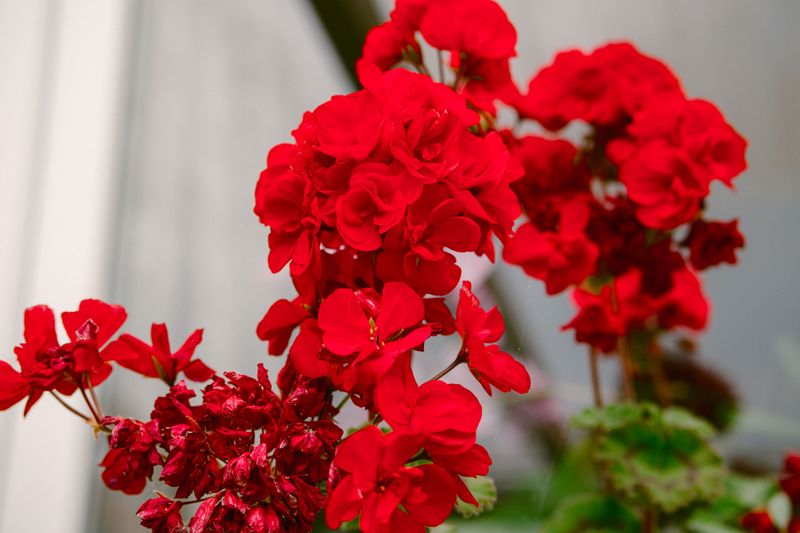
Even well-meaning gardeners make mistakes when removing spent blooms that quietly sabotage their bloom count. Knowing what to avoid is just as valuable as knowing what to do.
One of the most frequent errors is only removing the petals and leaving the stem behind. That leftover stem still signals the plant to develop seeds, so the benefit of removing the bloom disappears.
Cutting too deep into healthy green stems is another issue. Removing too much of the plant at once stresses it and slows down new growth instead of encouraging it.
Using dull or dirty tools causes problems that many gardeners overlook. Dull blades crush stems instead of cutting cleanly, and dirty tools can transfer bacteria between plants.
Waiting too long between sessions lets spent blooms linger past their tipping point. Once seed development begins in earnest, removing the bloom does not fully reverse the process.
Skipping this task during a busy week might seem harmless. But a plant covered in spent heads for ten days or more can lose significant blooming momentum.
Some gardeners trim at the wrong time of day, working in harsh afternoon heat. Working during cooler morning hours reduces stress on the plant and speeds recovery.
Forgetting to check lower stems is a subtle mistake that adds up. Spent blooms hiding beneath the canopy of leaves trigger the same seed-producing response as visible ones.
Avoid these pitfalls and your geraniums will stay in full, glorious bloom much longer than you ever expected.