The Simple Tricks To Stop Weeds Between Pavers In Pennsylvania
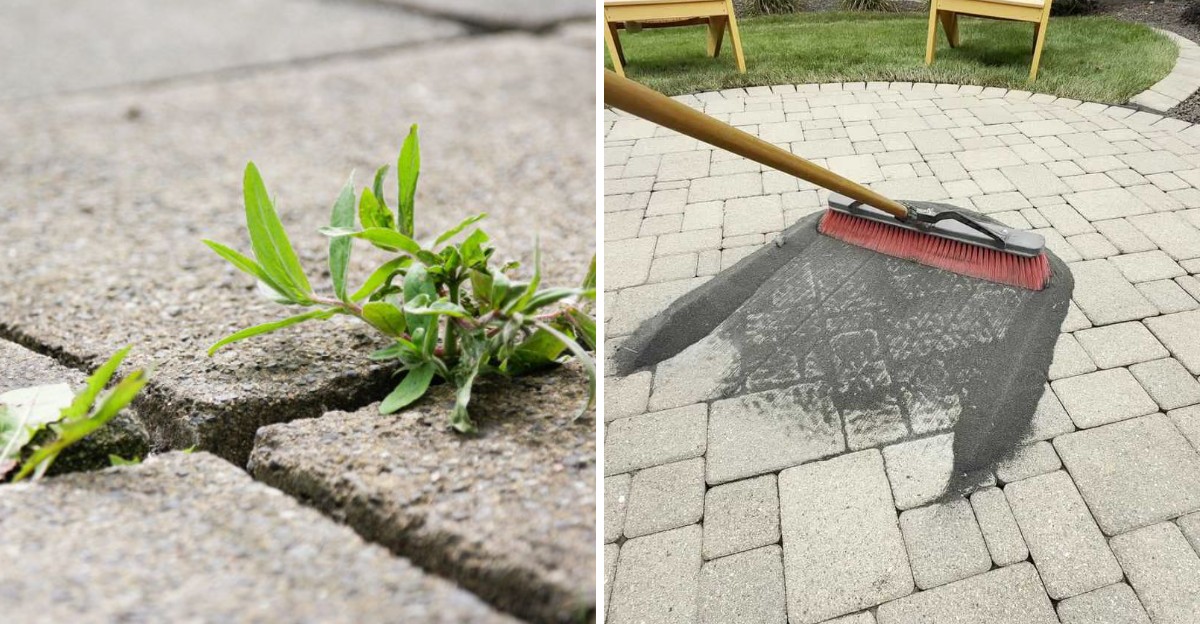
Pennsylvania winters are tough on patios and walkways. Every time the ground freezes and thaws, pavers shift just a little.
Over the years, those tiny movements open up gaps, loosen the joint sand, and create the perfect little pockets for seeds to settle in. Come spring, the weeds move right in.
Shady spots add their own problem, with moss and slick green growth creeping between the stones.
Wind, rain, and fallen leaves keep delivering fresh seeds and bits of organic matter that give weeds even more to grow in. Before long, a once-neat patio looks patchy and overgrown.
Pulling them by hand works for a while, but the roots often stay behind and send up new shoots a few weeks later.
A few simple tricks can keep your pavers looking tidy, so you won’t have to spend every weekend on your hands and knees.
1. Refill Joints After Freeze-Thaw Cycles
Winter in Pennsylvania is hard on more than just your car. Water slips into the joints between pavers, freezes overnight, and expands. Then it melts during the day and starts all over again.
Experts call these freeze-thaw cycles, and parts of the state can see dozens of them each winter. Every cycle shifts the sand a tiny bit. Add in heavy rain and snowmelt, and a lot of joint sand can simply wash away.
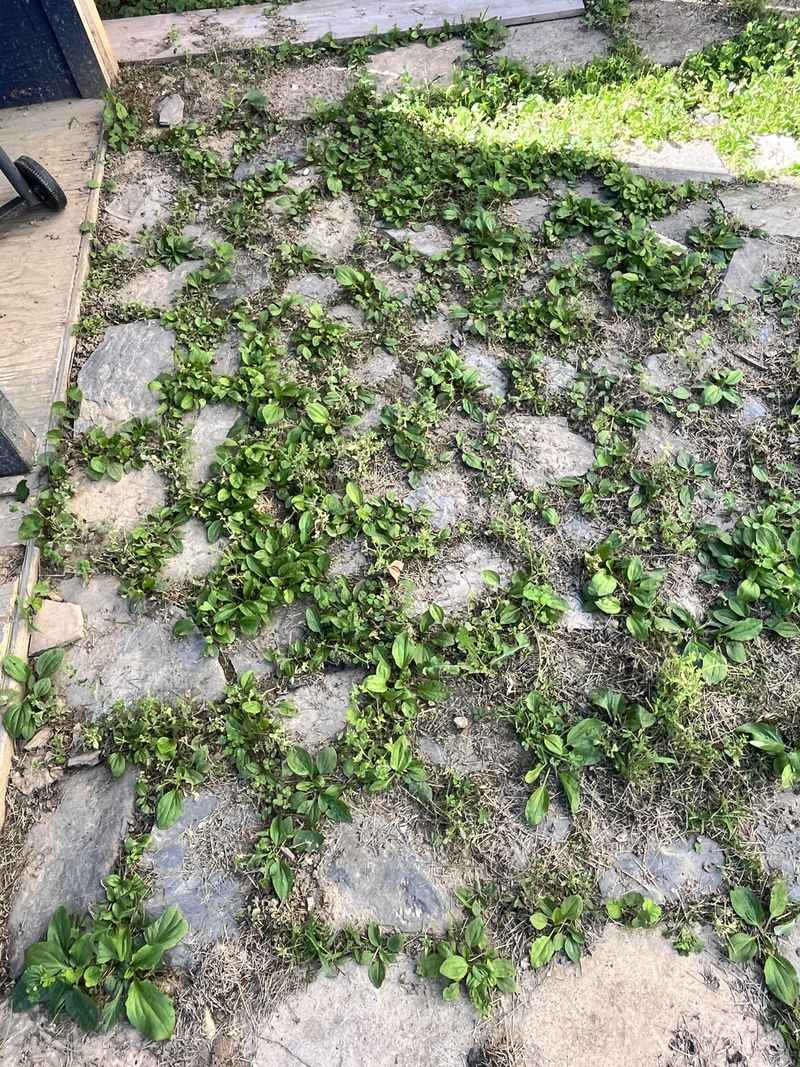
Low joints are an open invitation for weeds. Wind blows seeds into those dips, and dirt collects right on top. By May, you might spot a fresh crop of dandelions and crabgrass.
So make a spring check part of your routine. Once the ground has thawed and dried, walk your patio, walkway, or driveway slowly. Look for joints where the sand sits lower than the paver edges.
A good rule is simple. Sand should come up to about an eighth of an inch below the top of the paver. Anything deeper needs a top-off.
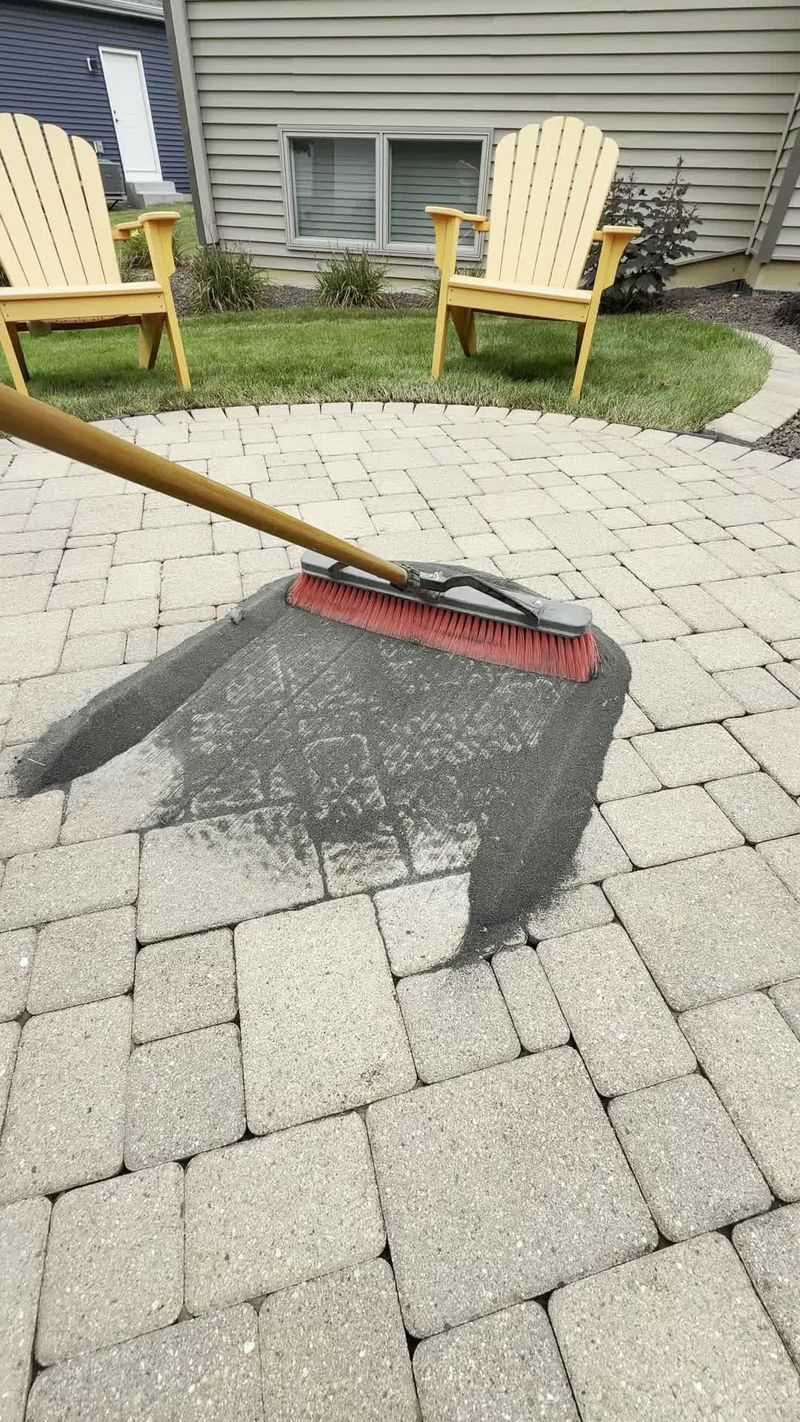
Refilling is quick work. Pour a little sand over the low spots and sweep it in. If you used polymeric sand before, use the same type again so it bonds well.
While you are out there, keep an eye out for wobbly or sunken pavers. Those spots often mean the base underneath has shifted. Lift them, add a little base material, and reset them level.
Fun fact: road crews in Pennsylvania deal with the same freeze-thaw problem, which is why potholes pop up so often in March. Your patio just faces a smaller version.
2. Fill Joints With Polymeric Sand
Regular sand is a bit like a welcome mat for weeds. Polymeric sand is more like a locked door. It looks like normal sand, but it is mixed with special binders that harden after you add water.
Once it sets, the sand forms a firm joint between each paver. Weed seeds have a tough time finding a spot to settle in. Ants and rain also have a harder time pushing it out.
Before you start, clear out the old stuff. Use a crevice tool, a putty knife, or a pressure washer to remove old sand, dirt, and weeds. Dig down at least an inch so the new sand has room to grip.
Your Pennsylvania Garden Changes Every Week. Your Plan Should Too.
Gardening in Pennsylvania changes quickly throughout the season. Every Friday you’ll receive a simple weekly plan showing exactly what to plant, prune, fertilize, harvest, and protect so you never miss the right timing.
Let the pavers dry completely. Even a little moisture can make the sand harden too soon. Pick a dry day with no rain in the forecast for at least 24 hours.
Next, pour the sand over the pavers. Sweep it into the joints with a push broom, working in different directions. Pack it down by tapping the pavers or using a plate compactor if you have one.
Here comes a step people often skip. Blow or sweep every bit of extra sand off the paver tops. Leftover grains can leave a hazy film once they get wet.
Finally, mist the area with a gentle shower setting on your hose. Follow the bag directions for how much water to use. Too much can wash the binders away, and too little will not activate them.
A good polymeric sand job can last several years. That makes it one of the best long-term fixes for stopping weeds between your pavers.
3. Sweep Away Fallen Leaves And Debris
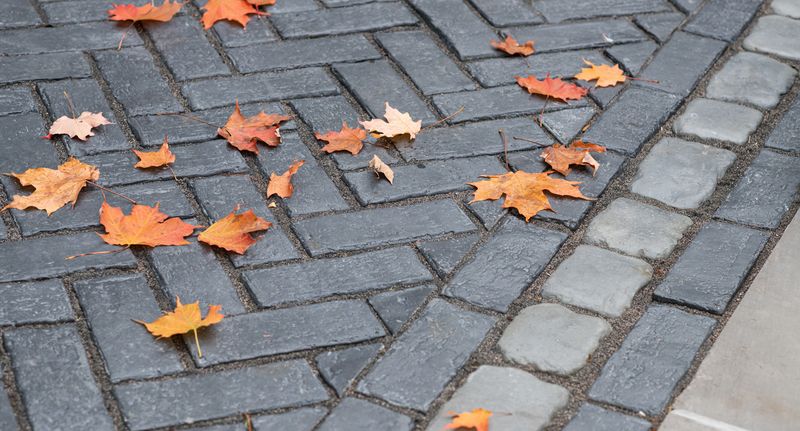
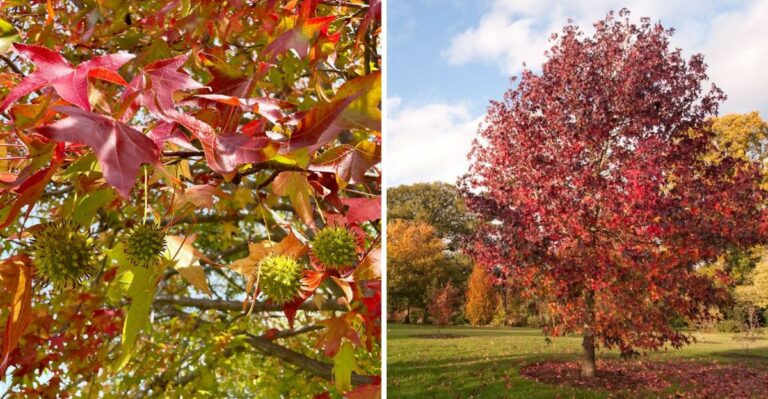
Ah, autumn in Pennsylvania. Bright maples, crunchy oak leaves, and a patio that suddenly looks like a colorful carpet. It is beautiful, but those leaves are quietly building a garden for weeds.
When leaves sit on pavers, they get wet and start to break down. Tiny bits slip into the joints. Over time, they turn into a thin layer of rich soil right in the cracks.
Weed seeds love that soil. It holds moisture and gives roots something soft to grab. Even polymeric sand can host weeds if enough leafy gunk builds up on top.
The fix is pleasantly simple. Sweep or blow your patio and walkways often during the fall. Once or twice a week is great when trees are dropping a lot.
Do not wait for a big pile. Wet, matted leaves are harder to move and break down faster. Dry leaves, on the other hand, scoot off with a quick pass of a broom.
A stiff push broom works well for small spaces. A leaf blower saves time on long driveways. Some people even use a shop vacuum for corners where debris likes to hide.
Leaves are not the only problem. Grass clippings, pine needles, seed pods, and dirt from potted plants can do the same thing. Sweep them away after mowing or gardening too.
Bonus tip: toss those leaves into a compost pile or use them as mulch in garden beds. You get free plant food, and your pavers stay clean. Everybody wins, except the weeds.
4. Pull Weeds While They’re Young
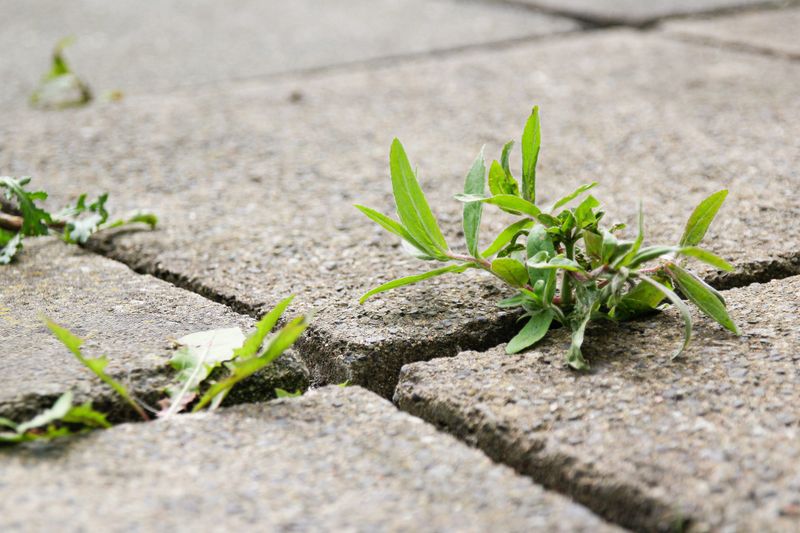
My grandmother had a saying about weeds. Pull them when they are babies, and they never grow up to be bullies. She was right, and her patio proved it.
Young weeds have short, thin roots. They have not had time to dig deep or spread out. A gentle tug often pulls the whole plant out in one piece.
Wait a few weeks, and the story changes. Roots grab hold of the base under your pavers. Plants like dandelions grow long taproots that snap off and grow right back.
Timing matters a lot. The best moment to weed is right after a rain shower. Soft, damp soil lets go of roots much more easily than dry, packed ground.
You also want the right tool. A crevice weeder has a thin, hooked blade that slides right into narrow joints. An old butter knife or flat screwdriver works in a pinch too.
Slide the tool down beside the weed and wiggle it a little. Then lift up while gently pulling the plant. Try to get the roots, not just the leaves.
Make weeding a quick habit instead of a big chore. Spend five minutes on your patio once a week while you sip your morning coffee. Small efforts add up fast.
After pulling, brush a bit of sand back into any holes you made. That keeps new seeds from moving into the empty spot. If you leave gaps, you are basically saving a seat for the next weed.
5. Pour Boiling Water On Weeds
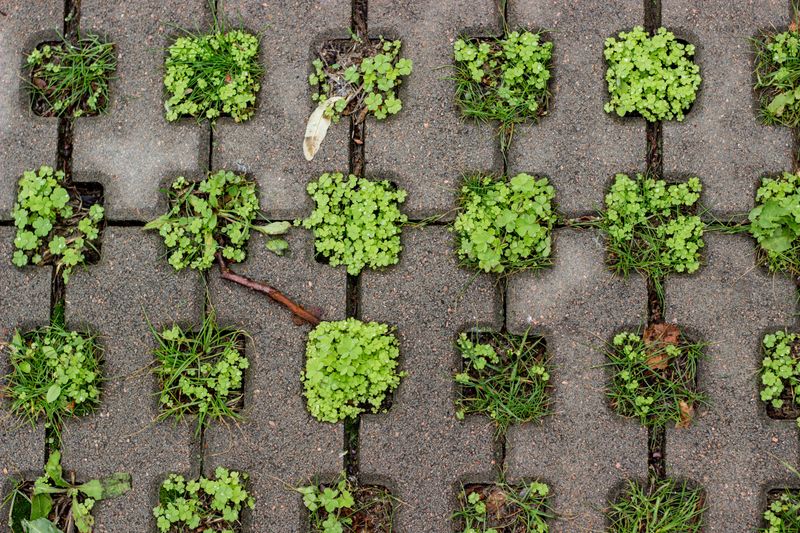
Sometimes the best weed fighter is already sitting on your stove. Boiling water is cheap, easy, and free of chemicals. It is a great choice for families with kids, pets, or veggie gardens nearby.
Here is how it works. The hot water cooks the leaves and stems of the weed. Within a day or two, the plant turns brown and wilts.
Start by bringing a full kettle or pot to a rolling boil. Carry it outside carefully, and pour slowly right onto each weed. Aim for the base of the plant so the water soaks down toward the roots.
Small annual weeds usually give up after one treatment. Tough perennial weeds, like dandelions or thistle, may bounce back. Plan to repeat every week or so until they stop returning.
Safety comes first with this trick. Wear closed shoes and long pants in case of splashes. Keep children and pets inside while you work.
Watch out for nearby plants too. Boiling water does not pick favorites. It will harm your flowers, shrubs, and lawn edges just as quickly as the weeds.
A teapot with a narrow spout gives you better control than a big pot. Some gardeners even use a watering can made of metal for larger areas.
Once the weeds turn brown, pull them out and refill the gaps with sand. Did you know that some cities use hot water and steam machines to clean weeds from parks and sidewalks? You are using the same idea, just on a smaller scale.
6. Time A Pre-Emergent For Pennsylvania’s Seasons
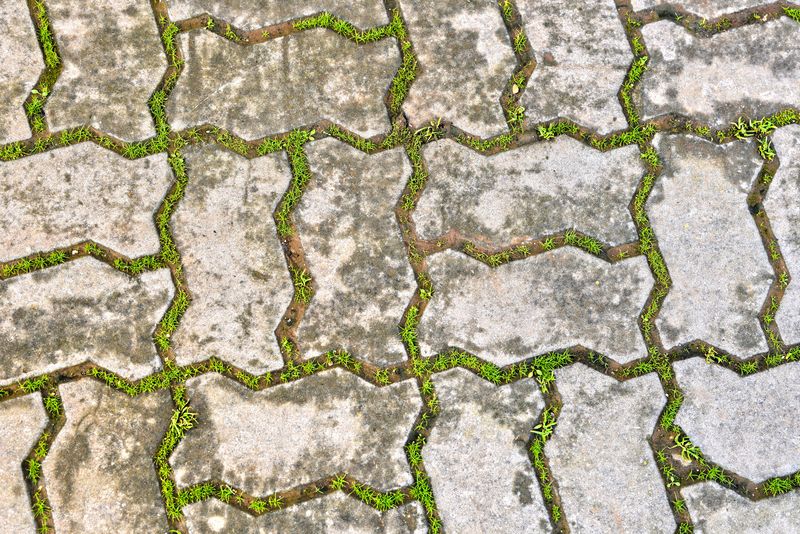
Nature hands Pennsylvania gardeners a handy calendar every spring. When forsythia bushes burst into bright yellow blooms, it is time to act. Soil is warming up, and weed seeds are getting ready to sprout.
Pre-emergent herbicides work by forming a barrier in the top layer of soil. Seeds may start to grow, but they cannot push through. The weeds simply never show up.
For most of the state, forsythia blooms in late March to mid-April. Southeast areas like Philadelphia often bloom earlier than the northern counties. Watch your own neighborhood instead of a calendar date.
One spring treatment is good, but two is better. Apply again in late summer, around late August to early September. That second round stops cool-season weeds that sprout in fall.
Keep one big rule in mind. Pre-emergents do not get rid of weeds that are already growing. Pull or treat any existing weeds first, then apply the product.
Always read the label carefully before you start. It tells you how much to use, how to water it in, and how long to keep pets and kids off the area. Using extra will not work better and may cause harm.
Granular products are easy to shake over pavers with a hand spreader. Liquid versions can be sprayed right into the joints. Either type usually needs a light watering to activate.
If you prefer a natural option, corn gluten meal is a popular choice. It works best when timed the same way. Results are milder, but many families like its gentler approach.
7. Tackle Moss With More Sun And Better Drainage
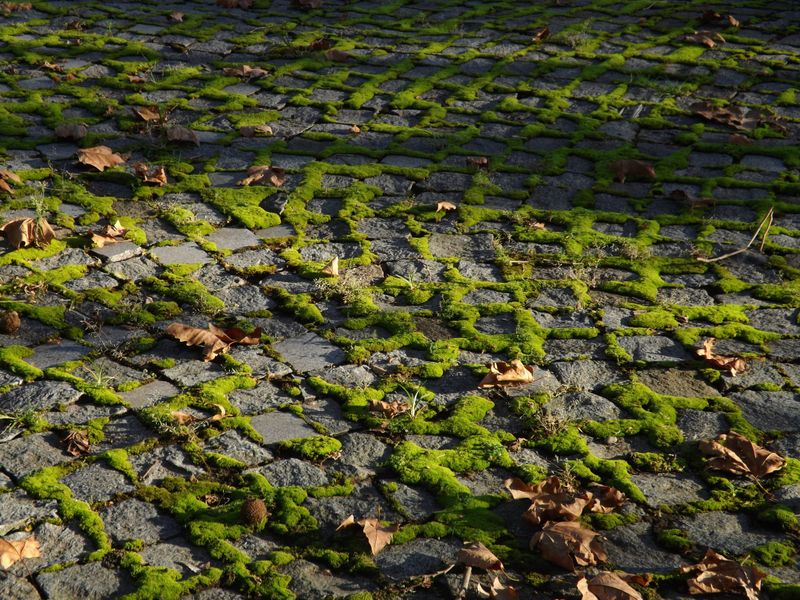
Green fuzz creeping between your pavers might look charming in a fairy tale. In real life, it can turn walkways slippery and messy. Moss is also a clear sign that your pavers are staying too wet and too shady.
Pennsylvania has plenty of tall trees and damp weather, so moss is common here. Weeds often grow right alongside it. Both love cool, moist joints that rarely dry out.
Scraping moss away only helps for a short time. To stop it for good, you need to change the conditions. More sunlight and better drainage are the two keys.
Start by looking up. Overhanging branches block sunlight and drip water onto pavers long after a storm. Trimming them back lets light reach the ground and helps surfaces dry faster.
Late winter is a smart time to prune many trees, since the leaves are gone and you can see the branches clearly. For big trees, call a certified arborist to do the job safely.
Next, check how water moves. Do puddles sit on your patio after rain? Is a downspout dumping water right onto the pavers?
Add a downspout extension to send water away from the area. Fix low, sunken pavers that collect water. Make sure the patio slopes slightly away from your house.
Once things dry out, scrape the moss loose with a stiff brush or putty knife. Refill the joints with fresh sand. A drier, brighter patio is far less welcoming to moss and weeds, and it is safer to walk on too.