Plant These Georgia Trees Before Thanksgiving For A Stronger Start Next Spring
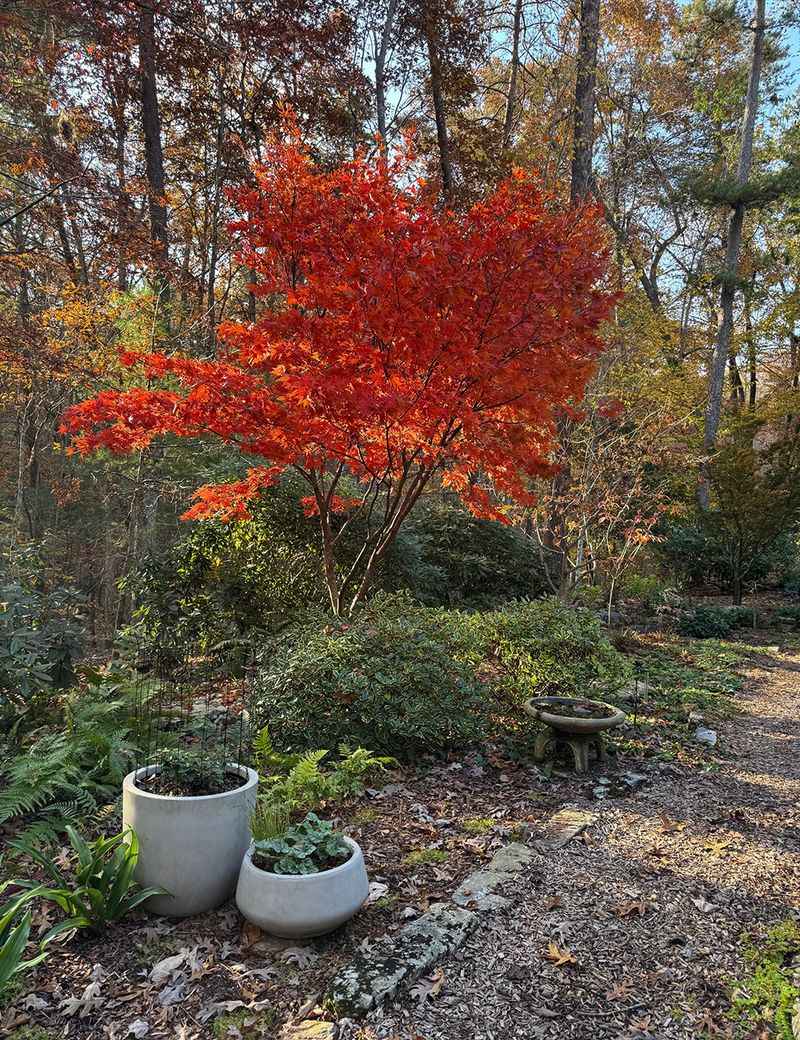
Trees planted before Thanksgiving can get a valuable head start, even when the rest of your garden seems ready for winter.
Cooler weather reduces heat stress on newly planted trees, while soil temperatures may remain warm enough for roots to grow. That combination makes fall an appealing planting season.
But choosing the right tree matters just as much as getting it planted early.
Some native species handle wet ground, while others need excellent drainage and plenty of sunlight. Think about your yard’s conditions before deciding which one deserves a permanent spot.
Across Georgia, winter temperatures and soil conditions vary, so planting plans should reflect your location.
Give young trees enough room to mature and keep their roots watered during dry spells. Good choices this fall can support stronger establishment when spring growth begins.
1. Red Maple Handles A Wide Range Of Growing Conditions
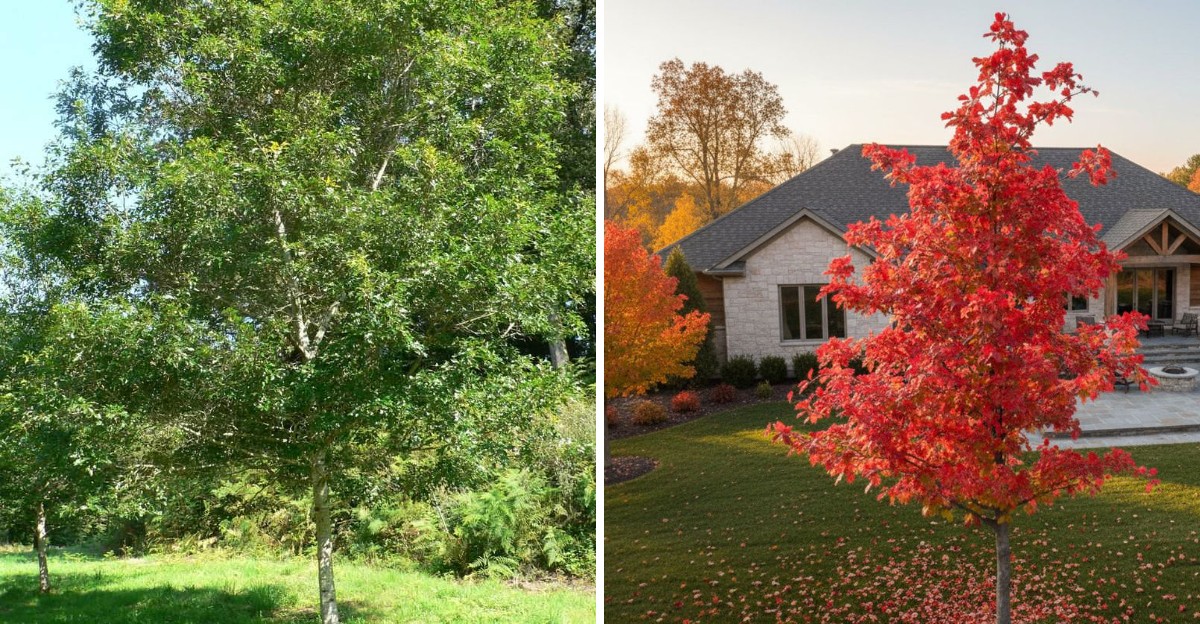
Few trees adapt as easily as red maple. You can find it growing naturally in swampy bottomlands and on drier upland sites across much of the eastern United States.
That flexibility makes it a popular pick for Georgia yards with tricky soil.
Red maple handles both wet spots and average garden soil fairly well. It does tend to struggle in very compacted ground or in soil with high pH, where leaves may turn pale.
Expect small red flowers in late winter, often before most other trees wake up.
Fall color varies quite a bit from tree to tree. Some turn bright red, while others lean yellow or orange, so named cultivars can help if you want a specific shade.
Give it room to spread, since mature trees can get large and develop shallow roots near the surface.
Planting it close to sidewalks, driveways, or patios can lead to cracked pavement over time. A spot at least several yards from hard surfaces is a smarter choice.
Water deeply after planting, then check the soil every week or so through winter if rain is scarce.
A layer of mulch a few inches deep helps hold moisture and keeps mowers away from the trunk. Just pull it back slightly so it does not touch the bark.
2. Eastern Redbud Brings Bright Color In Early Spring
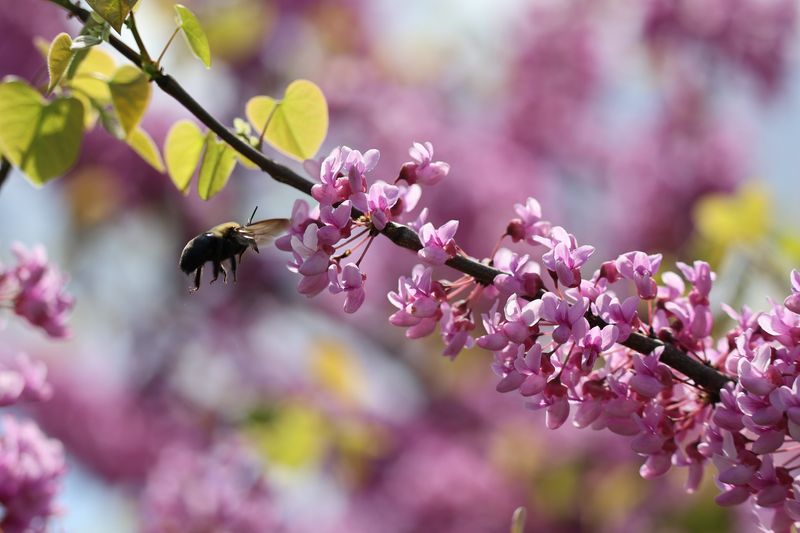
Bare branches covered in pink blooms are hard to ignore. Eastern redbud puts on that show in early spring, usually before its leaves appear.
Blossoms grow right along the twigs and sometimes even on the trunk itself.
Heart-shaped leaves follow the flowers and give the tree a soft, rounded look through summer. In fall, those leaves often turn yellow, though the color is usually mild.
Size is one big reason homeowners like it, since most redbuds stay small to medium.
It fits nicely near a patio, along a woodland edge, or as a focal point in a front bed. Partial shade works well, especially in the hotter southern half of Georgia.
Well-drained soil matters more than richness here.
Soggy ground can lead to root problems, so avoid low spots where water sits after storms. A gentle slope or raised area is often a better home.
Your Georgia Garden Changes Every Week. Your Plan Should Too.
Gardening in Georgia changes quickly throughout the season. Every Friday you’ll receive a simple weekly plan showing exactly what to plant, prune, fertilize, harvest, and protect so you never miss the right timing.
Young redbuds transplant more easily than older ones, so a smaller container tree is usually a wise buy.
Expect a modest lifespan compared to oaks or magnolias. Many redbuds stay attractive for a few decades with good care, which still gives you plenty of springs to enjoy.
3. Flowering Dogwood Fits Naturally Beneath Taller Trees
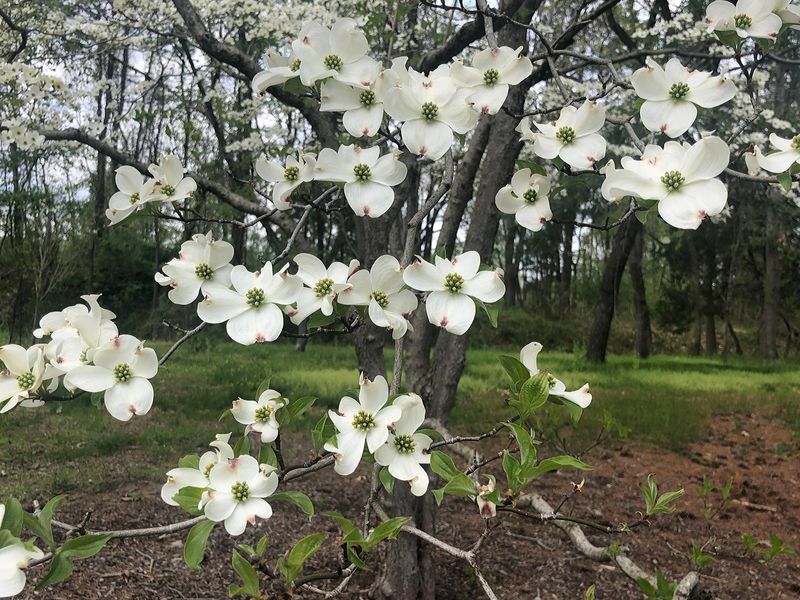
Walk through a southern forest in April and you will likely spot white dogwood blooms floating under the canopy. In the wild, dogwood is an understory tree that grows beneath taller oaks and pines.
Copying that setup at home is one of the best ways to help it thrive.
Morning sun with afternoon shade suits it well, particularly in hot parts of Georgia. Full sun all day can stress the tree, especially during dry summers.
Those showy white or pink parts are actually bracts surrounding small true flowers.
Red berries appear in fall and attract songbirds, while the leaves often turn reddish purple. That gives the tree real value across more than one season.
Dogwoods have shallow roots, so steady moisture is important.
Spread mulch over the root zone and water during dry spells, but avoid letting the soil stay soggy. Rich, well-drained soil with plenty of organic matter works best.
Diseases like dogwood anthracnose and powdery mildew can show up, depending on weather and location.
Buying disease-resistant cultivars from a local nursery may reduce those problems. Good air flow and avoiding damage to the trunk from string trimmers also help keep the tree healthy.
4. Southern Magnolia Adds Evergreen Structure Year Round
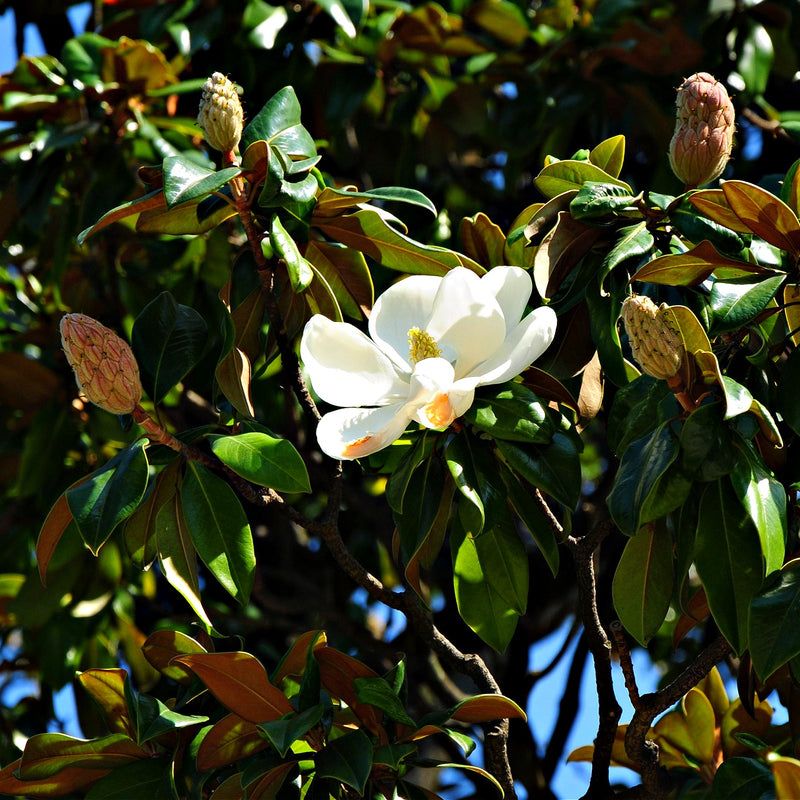
Winter gardens can look empty, but a southern magnolia keeps its glossy green leaves all year. Its big white summer flowers are famous across the South for their sweet scent.
Plan carefully before planting, though, because this tree gets big.
Mature magnolias can grow very tall and wide, with branches that often sweep low to the ground. Placing one too close to a house or power line can cause problems later.
Shade under a magnolia is dense, and grass rarely grows well there.
Fallen leaves are another thing to expect. They drop throughout the year, though many gardeners simply let the lower branches hide them instead of raking constantly.
Full sun to partial shade works, and moist, slightly acidic soil is ideal.
Once established, magnolias handle heat well and grow naturally in many parts of Georgia, especially the Piedmont and coastal plain. Young trees still need regular water during their first year or two.
Short on space? Smaller cultivars like Little Gem stay more compact than the native species.
They still offer evergreen leaves and fragrant blooms, making them a practical choice for town lots. Check the mature size on the nursery tag before you buy.
5. Bald Cypress Handles Moist And Wet Soil
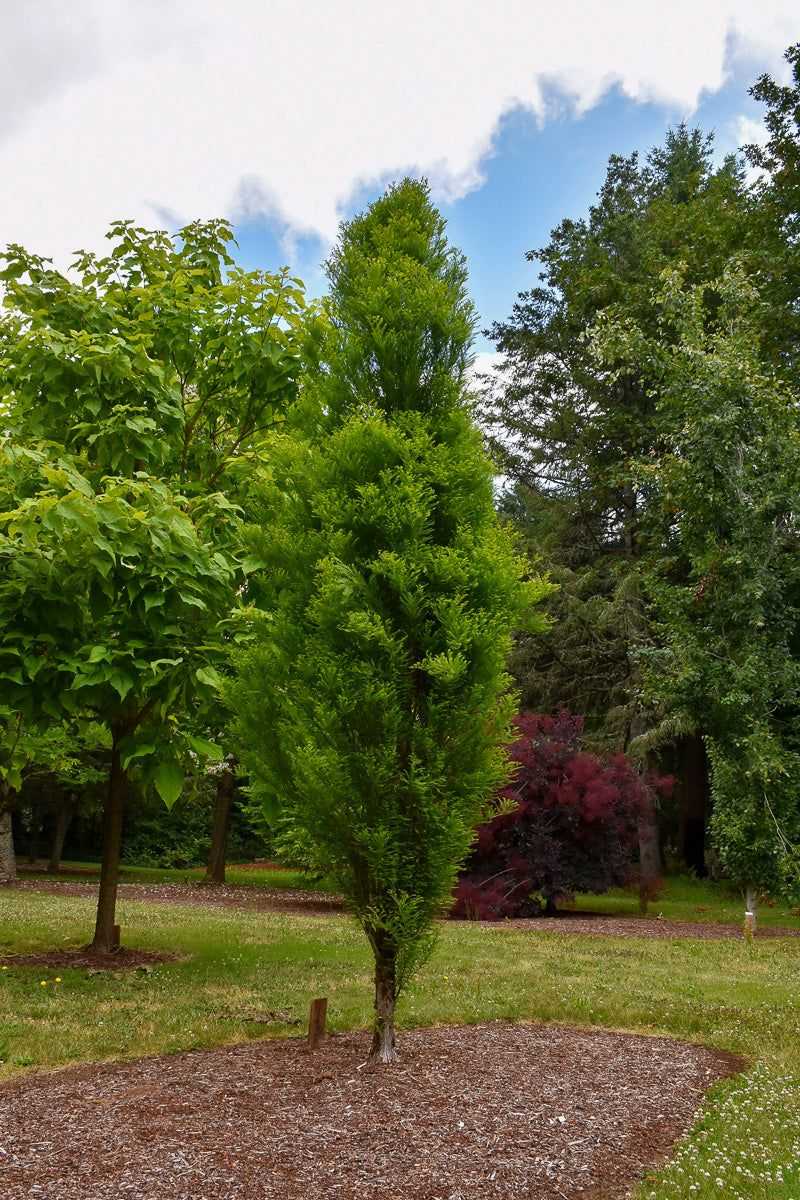
Got a soggy corner where other trees struggle? Bald cypress might be the answer.
Native to southern swamps and river edges, it handles standing water better than most landscape trees.
Surprisingly, it also grows well in average, well-drained soil once established. That makes it useful in yards that flood at times but dry out in summer.
Despite its soft, feathery needles, bald cypress is not evergreen.
Needles turn a rusty orange or bronze in fall and then drop for winter. New growth returns in spring with a fresh, bright green color.
Near water, the tree may form knobby growths called knees, though they often do not appear in drier soil.
These knees can get in the way of mowing, so keep that in mind if planting near a pond. Some homeowners enjoy their odd shape, while others find them a nuisance.
Plenty of space is a must, since bald cypress grows into a tall, narrow pyramid shape over time.
Full sun gives the best growth. Fall planting gives roots time to settle before spring, and Georgia gardeners often find this tree tough enough for rain gardens and low areas.
Water newly planted trees regularly during dry spells, even if the planting site is naturally damp. A layer of mulch around the base helps conserve moisture and protects young roots as they establish.
6. American Hornbeam Works Well In Smaller Landscapes
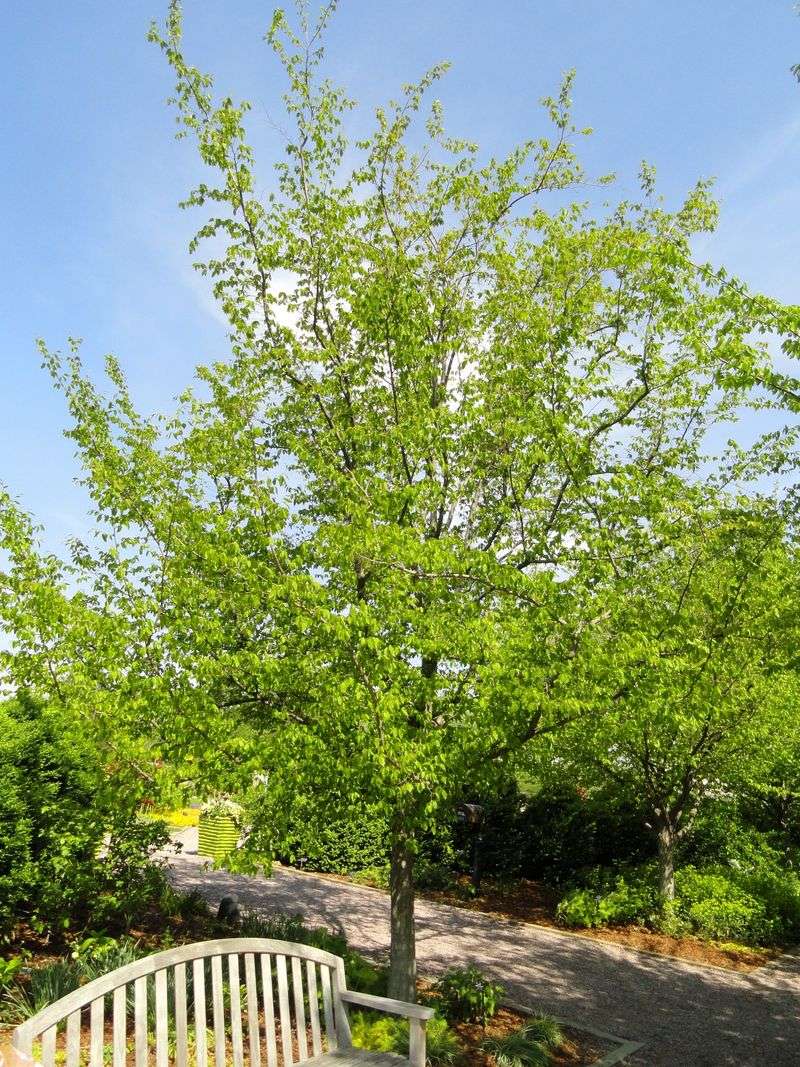
Smooth gray bark that ripples like flexed muscles gives this tree its nickname, musclewood. American hornbeam is a quiet native that often goes overlooked at garden centers.
Small yards are where it really shines.
Most hornbeams stay in the small to medium range, so they fit near homes, patios, and property lines. They also grow slowly, which means less pruning over the years.
Shade tolerance is a major strength here.
In nature, hornbeam grows along stream banks and under larger trees in Georgia woodlands. It can handle partial or even fairly heavy shade, though it also grows in sun with enough moisture.
Moist soil suits it best, and it can put up with occasional flooding.
Fall color ranges from yellow to orange or reddish tones, depending on the tree and the season. Small winged seed clusters hang from the branches in summer and add some interest.
Hornbeam can be a little slow to settle in after transplanting.
Choosing a smaller container plant often helps it adjust faster. Keep the soil evenly moist through the first year, and be patient, because growth may look modest at first while roots get established.
7. Georgia Oak Grows Naturally On Rocky Slopes And Ridges
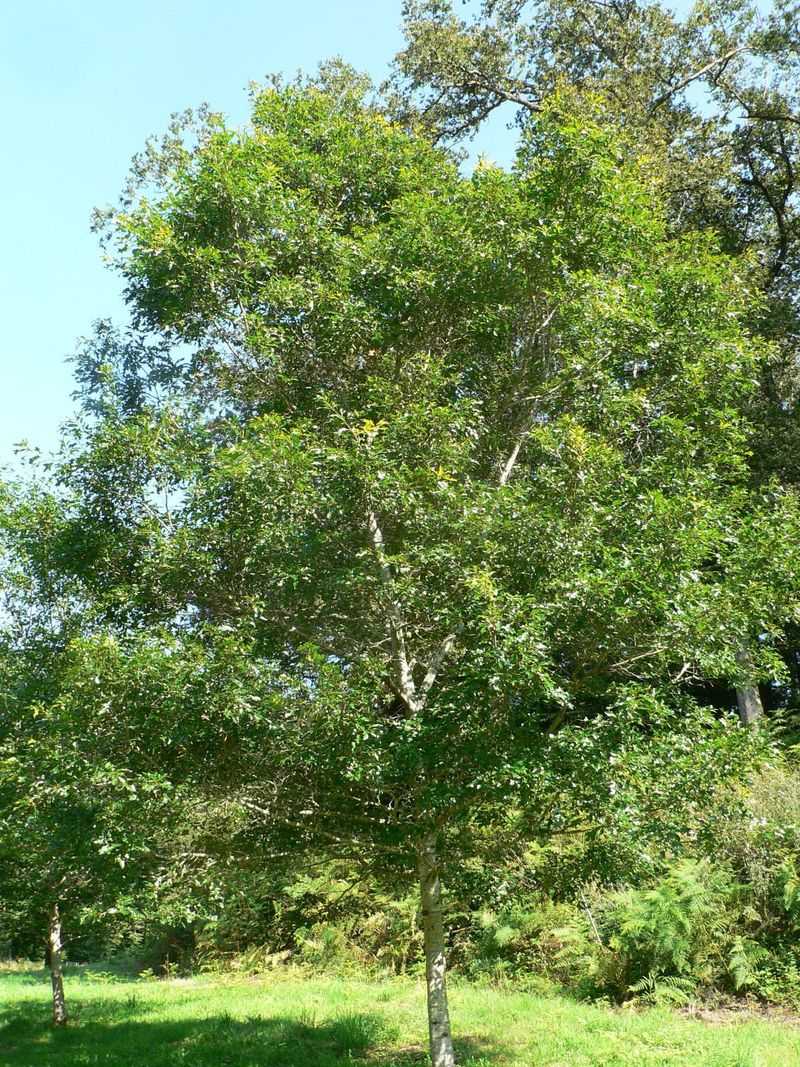
Rocky, thin soil scares off plenty of trees, but Georgia oak seems right at home there. Botanists call it Quercus georgiana, and it is a rare native found on granite outcrops and dry ridges.
Its natural range is small, centered mostly in the Piedmont of the state it is named after.
Size is modest compared to big shade oaks, as it often grows as a small tree or large shrub. That makes it a fit for yards where a giant oak would crowd everything else.
Dry, well-drained ground is what it prefers.
Heavy, soggy clay is not a good match, so a slope or rocky area is often the best spot. Full sun to light shade helps it grow its best.
Leaves are glossy and lobed, and they can turn reddish in fall.
Finding one may take some effort. Native plant nurseries and plant sales are your best bet, since big box stores rarely carry it.
Patience pays off with this oak, as growth is usually slow.
Water young trees during dry spells in their first couple of years. After that, they tend to handle drought better, though results vary with soil depth and summer weather.
8. Southern Sugar Maple Offers Attractive Fall Color
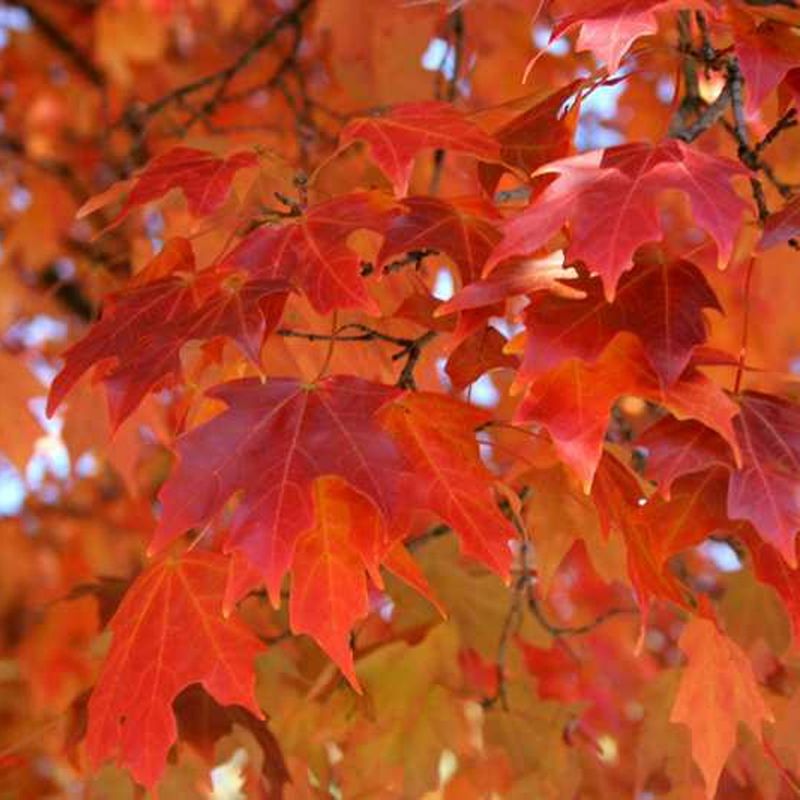
Northern sugar maples tend to sulk in hot southern summers. Southern sugar maple, sometimes called Florida maple, is a close relative that handles the heat much better.
It grows wild in parts of the Southeast, including Georgia.
Fall color is the main draw, with leaves often turning yellow to orange. Some trees show hints of red, though the display depends on weather and the individual tree.
Compared to red maple, it usually grows a bit smaller and slower.
That size makes it a solid shade tree for many home lots. It can handle partial shade, but more sun often brings stronger fall color.
Rich, moist, well-drained soil is ideal.
In the wild, you will often find it along slopes and stream banks in hardwood forests. Mimicking those conditions with mulch and steady watering helps young trees get going.
Leaves have a slightly fuzzy underside and a lighter look than red maple foliage.
Local native nurseries are more likely to stock it than chain stores. Ask for it by its botanical name, Acer floridanum, to make sure you get the right tree.
Give it enough room to develop a broad canopy without crowding nearby structures. Once established in a suitable spot, it can provide dependable summer shade and beautiful seasonal color for years to come.
9. Black Gum Brings Brilliant Fall Color To The Landscape
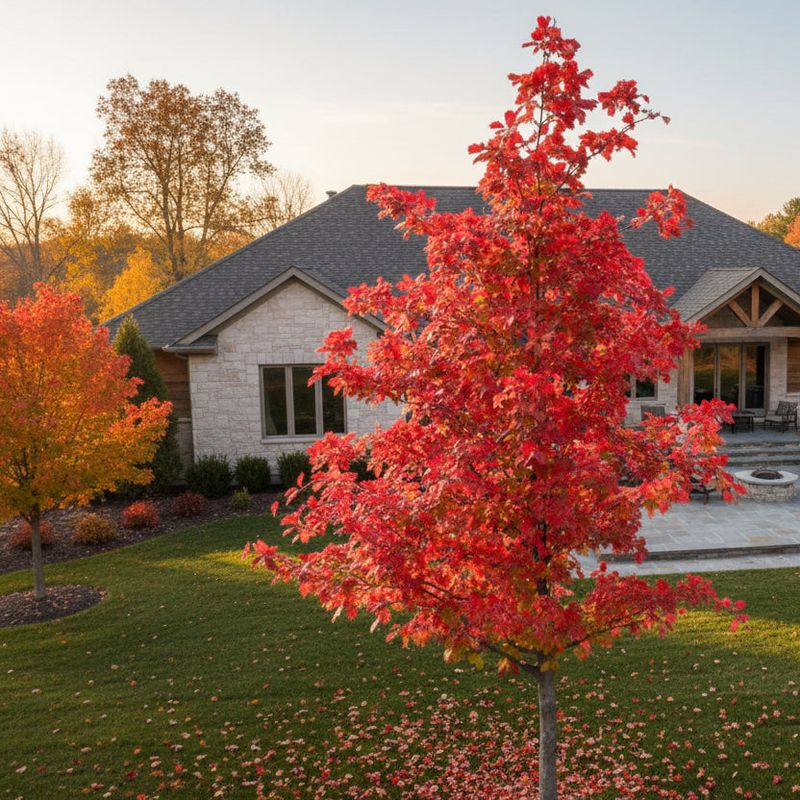
Scarlet, orange, and deep purple can all appear on a black gum in a single autumn. It is often among the earliest trees to change color in the fall.
Plenty of gardeners rank it among the best native trees for fall foliage.
Glossy summer leaves and a neat, upright shape keep it attractive in other seasons too. Small blue-black fruits appear in late summer and fall, and birds eat them eagerly.
Wet or dry, black gum adapts to a range of soils.
It grows naturally in swamps and on upland ridges, though it prefers acidic, well-drained soil in home yards. Full sun to partial shade works, with more sun often giving brighter color.
Its long taproot can make older trees hard to move, so start with a young one.
Growth is usually slow to moderate. That pace can test your patience, but the tree tends to stay sturdy and is often long-lived when sited well.
Bees visit the small spring flowers, which are easy to miss but useful for pollinators.
Planted this fall, a young black gum can spend winter building roots. With steady watering through its first year, it should be ready to grow when spring arrives.